That Black Spot on Your Pennsylvania Maple Leaves Is Tar Spot, Here’s What to Do
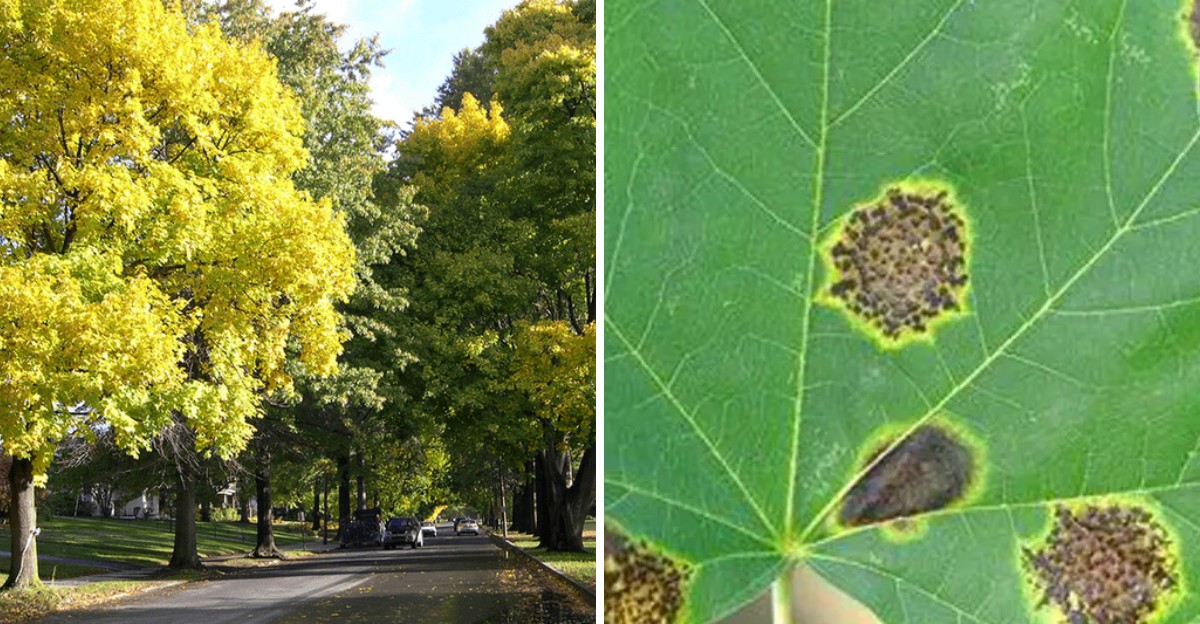
Those shiny black blobs on your leaves look like someone flicked hot tar across your yard. I touched one once and expected it to smear. It did not budge.
The marks are raised and bumpy. They can grow as wide as a nickel by late summer. Some leaves end up covered in them.
I see them on trees all over Pennsylvania right now. Neighbors stare up at their shade trees with worried faces. You need to take a closer look at your own canopy today.
The cause is a fungus with a sneaky yearly routine. The fix is simpler than you expect. Want to know what those spots really mean for your favorite tree?
Those Glossy Black Blotches Have A Name Worth Knowing
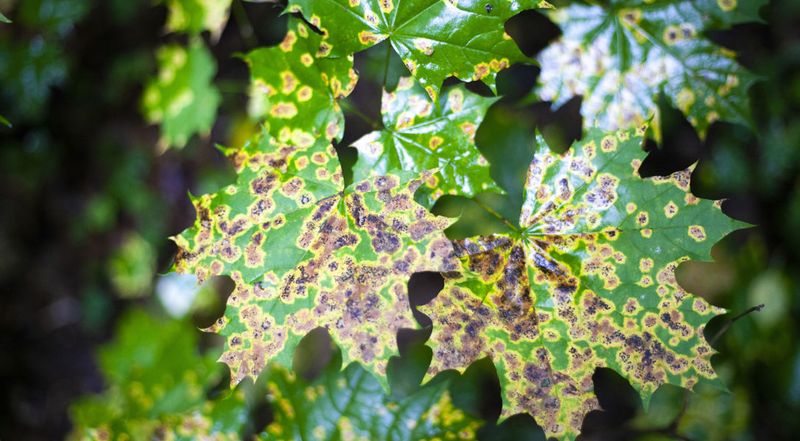
Flip over a spotted maple leaf and run your thumb across the top. Those bumps feel slightly raised, almost like dried paint. Gardeners call this tar spot, and the name fits perfectly.
The culprit is a fungus, mostly a species called Rhytisma acerinum or its close cousins. It shows up on Norway maples most often, though silver, red, and sugar maples can get it too. In Pennsylvania, Norway maples line many older streets, so the spots get noticed fast.
Each mark usually has a thin yellow ring around it. The black center looks wrinkled, a bit like a fingerprint pressed into wax. Spots can be as small as a pencil eraser or as big as a quarter.
Fun fact: scientists in Europe once used tar spot as a clue about air quality. The fungus tends to show up less in places with heavy sulfur pollution. So a spotty leaf can hint at cleaner air nearby.
Spotting tar spot correctly matters. Other leaf problems look different and need different care. Once you know these shiny black patches, you will recognize them anywhere you walk.
Breathe Easy Because Your Maple Will Most Likely Be Fine
Relief is the first thing I want you to feel. Tar spot looks dramatic, but experts at Penn State and other universities agree it is mostly cosmetic. Your tree rarely suffers long-term harm.
Leaves do their main job of making food from sunlight for most of the summer. The fungus only covers part of each leaf. So the tree still gathers plenty of energy before fall arrives.
Heavy infections can cause leaves to drop a few weeks early. That might look worrying in late August or September. Still, the tree has already stored most of what it needs for winter.
A healthy maple can handle tar spot year after year without a big decline. Trees that struggle are usually dealing with other stress too. Drought, root damage, or poor soil are bigger concerns than these black dots.
So go ahead and enjoy your shade. The spots may bother your eyes more than they bother the tree. Keep that perspective as you plan your next steps, and save your energy for simple care that actually helps.
Watch How Tiny Yellow Dots Turn Into Tar Over The Summer
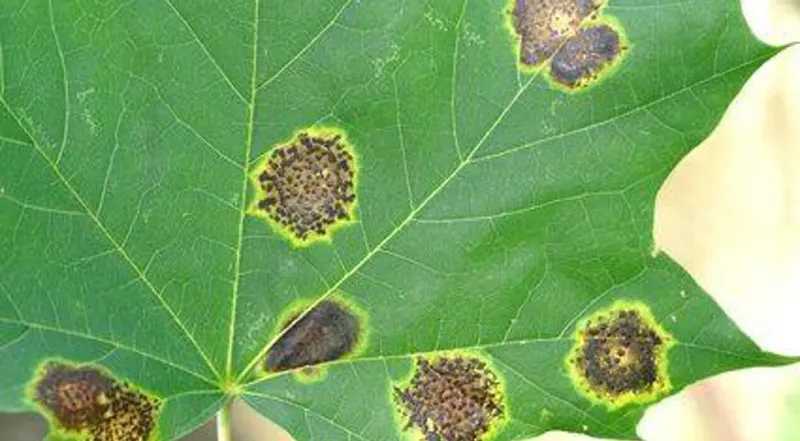
Back in late spring, you probably missed the first clue. Small pale yellow or light green dots appear on fresh maple leaves around May or June. They are easy to overlook.
Your Pennsylvania Garden Changes Every Week. Your Plan Should Too.
Gardening in Pennsylvania changes quickly throughout the season. Every Friday you’ll receive a simple weekly plan showing exactly what to plant, prune, fertilize, harvest, and protect so you never miss the right timing.
By midsummer, those dots slowly grow larger. Tiny black specks begin forming in the center. Many people still shrug them off at this stage.
Then, around late July and August, the black areas spread and merge. They turn thick, shiny, and raised. That is when the tar look really takes over and neighbors start asking questions.
Keeping an eye on this timeline helps you tell tar spot apart from other leaf issues. Anthracnose, for example, makes brown, blotchy patches along leaf veins. Leaf scorch causes crispy brown edges, often during hot, dry spells.
Try a little detective game this season. Pick one low branch and check it every couple of weeks. You can watch the change happen right in front of you.
Kids love this kind of project too. Snap a photo each time and line them up. It turns a worrying spot into a cool science lesson in your own yard.
The Fungus Sleeps In Last Year’s Fallen Leaves
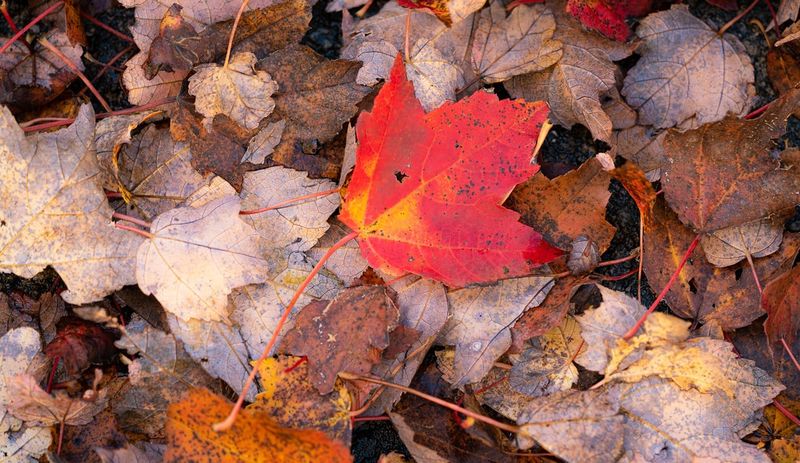
Sneaky might be the best word for this fungus. It does not stay on the tree over winter. Instead, it hides in the leaves lying on your lawn and garden beds.
Through the cold months, the black spots on fallen leaves slowly mature. When spring rolls around, they get ready to release spores. Rain and damp air help kick things off.
Those spores float up on the breeze. They land on brand new maple leaves just as they open. A cool, wet spring in Pennsylvania gives them a perfect head start.
That explains why some years look much worse than others. A rainy April and May often lead to a spotty summer. A dry spring may bring only a few marks.
Spores mostly travel short distances, but wind can carry them farther. Your neighbor’s leaf pile can play a role too. Still, the leaves under your own tree usually supply the most spores.
Once you understand this cycle, the solution starts to make sense. Break the chain at the leaf pile, and you reduce the next round of trouble.
Grab Your Rake Because Fall Cleanup Is The Real Fix
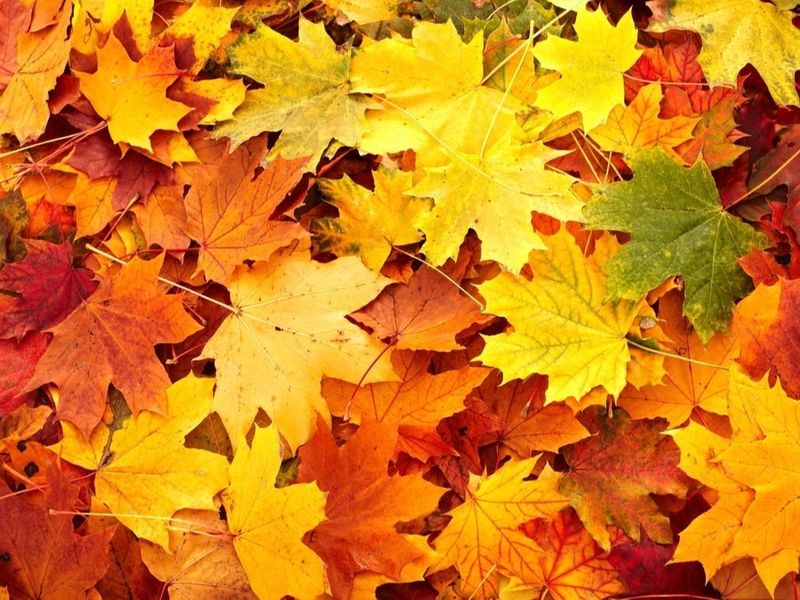
My favorite fall chore just got a new purpose. Raking up spotted maple leaves is the most effective way to manage tar spot. Fewer leaves on the ground means fewer spores next spring.
Start raking once most leaves have dropped, usually October into November in Pennsylvania. Gather leaves from lawns, beds, and corners where they pile up. Do a second pass if your tree drops late.
Where those leaves go matters. Bag them for yard waste pickup if your town offers it. Many municipalities collect leaves curbside in fall.
Composting can work too, but only in a hot, active pile. A cool backyard pile may not break the fungus down fast enough. If unsure, send infected leaves away.
Shredding leaves with a mower and letting them sit can still leave spores behind. For tar spot trees, removal is the better choice. Skip leaving them as mulch under the same tree.
Fungicide sprays are rarely worth it for home trees. Experts say they cost a lot, are hard to apply on tall maples, and offer limited results. Your rake does the job better.
A Little Year-Round Care Keeps Your Tree Strong
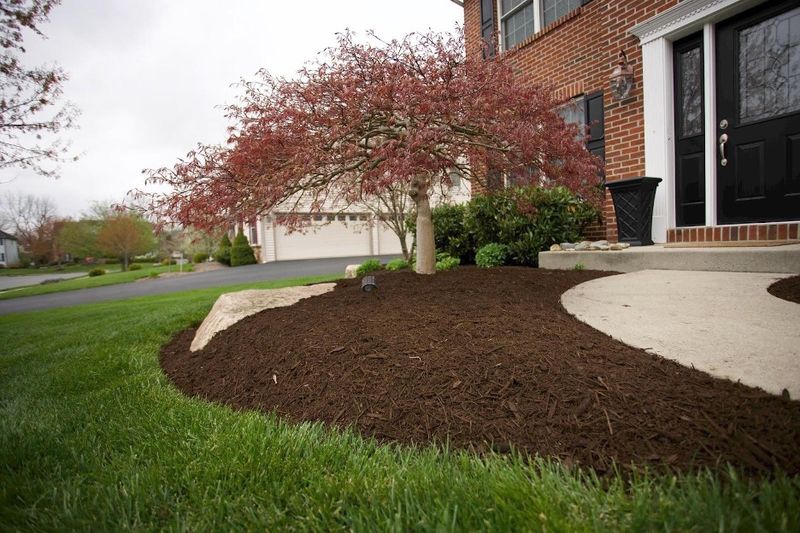
Strong trees shrug off problems better, much like people who eat well and sleep enough. A few easy habits help your maple stay vigorous. None of them take much time.
Water deeply during dry spells, especially in July and August. Aim for a slow soak around the drip line once a week. A soaker hose makes this easy.
Spread a ring of wood chip mulch two to three inches deep. Keep it a few inches away from the trunk. Mulch holds moisture and protects roots from mower bumps.
Thoughtful pruning can improve airflow through a crowded canopy. Leaves dry faster after rain, which gives spores fewer chances to settle in. Prune maples in late winter while they are dormant.
Go easy on fertilizer. Only feed if a soil test shows a need. Penn State Extension offers affordable soil test kits for Pennsylvania gardeners.
Planning a new tree? Consider native choices like red maple or sugar maple instead of Norway maple. Norway maple is invasive in many areas and tends to get tar spot more often.
Some Warning Signs Mean It’s Time To Call An Arborist
Most tar spot cases need nothing more than a rake. Still, a few clues suggest something bigger may be going on. Learning them can save your tree.
Watch for thinning branches with fewer leaves each year. Look for cracks, oozing sap, or peeling bark on the trunk. Mushrooms growing near the base can signal root or trunk decay.
Wilting leaves in early summer deserve attention too. Verticillium wilt can cause whole branches to droop and brown suddenly. That problem is more serious than tar spot.
Large branches that drop leaves out of season are another red flag. So are big dead-looking sections that do not leaf out in spring. Any lean toward your house calls for quick action.
A certified arborist can inspect the tree safely and accurately. Look for ISA certification when hiring. Penn State Extension offices in many Pennsylvania counties can also help identify samples.
Bring a few leaves and clear photos when asking for advice. That makes diagnosis faster. With the right eyes on it, your shady friend has a much better shot at many more summers.