The Meaning Behind Seeing A White Ibis In Your Texas Yard
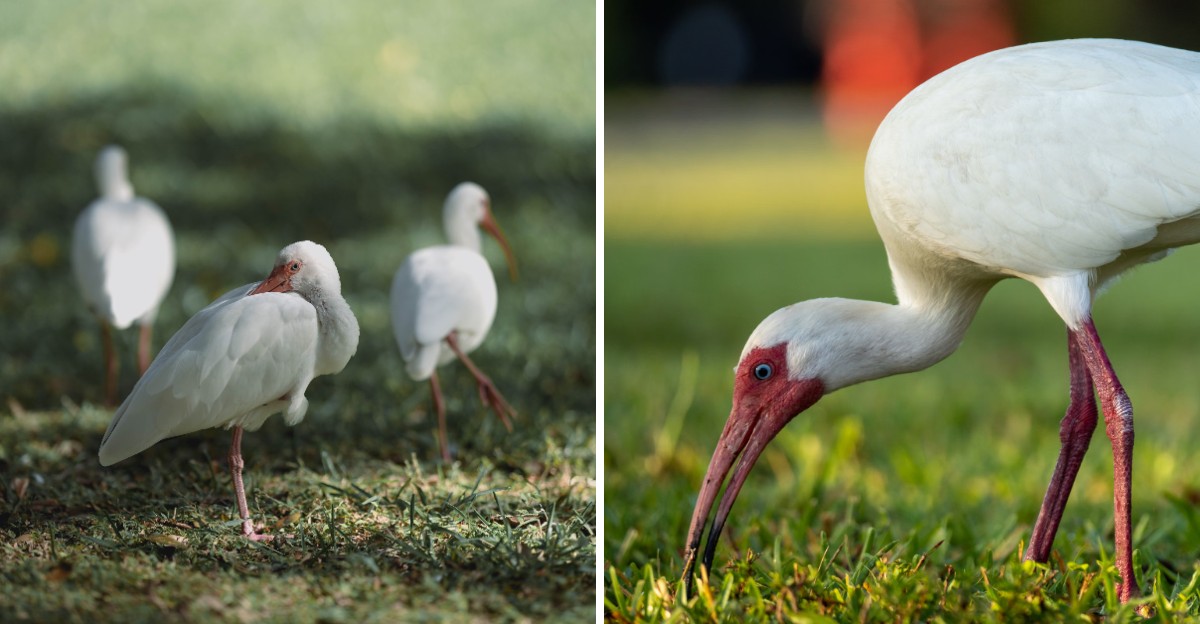
After a good rain, you might glance out the window and spot something unexpected. A small flock of tall white birds is strolling across your lawn, poking their long, curved bills into the grass as if they own the place.
Those are white ibises, and they’re becoming a familiar sight in many neighborhoods along the Texas coast.
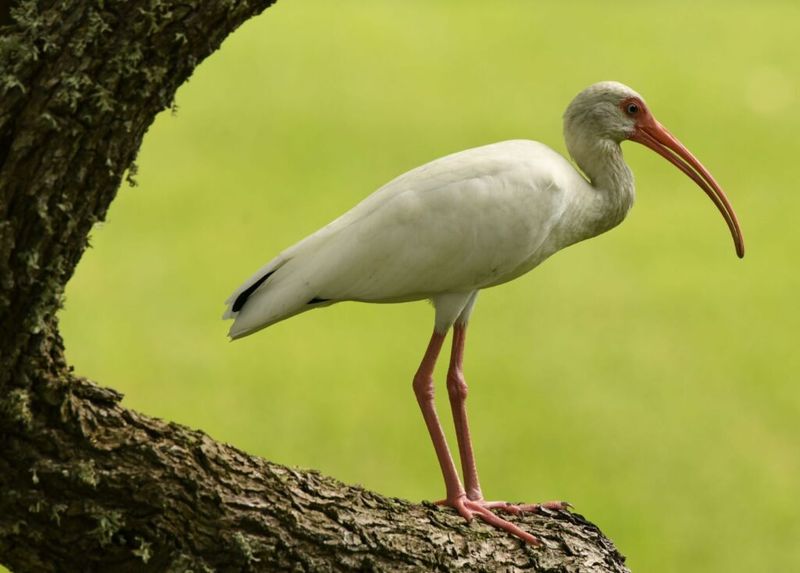
Snowy feathers, an orange-red bill, and bright red legs make them hard to miss. When they take off, you might spot a flash of black on the tips of their wings.
They’re most common along the Gulf Coast, but they’re turning up more and more in parks, backyards, and front lawns farther inland.
When they stop by, it’s rarely random. A visit can reveal a lot about what’s happening in your yard, especially just below the surface.
1. You Live Close To Wetlands Or The Coast
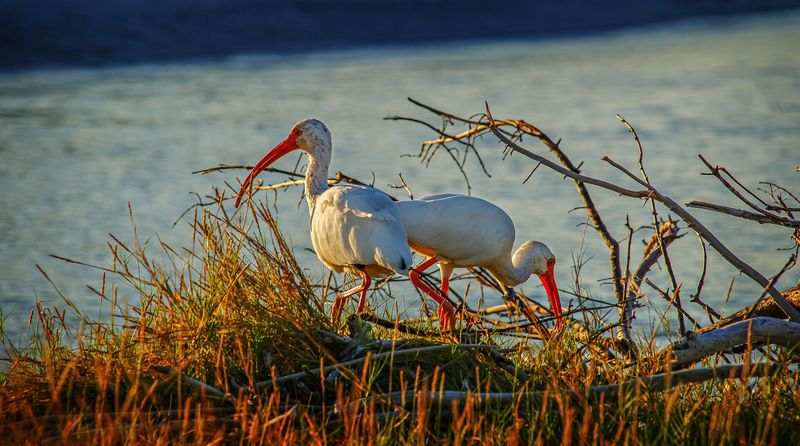
Water is the big clue here. White ibises spend their whole lives near wet places. In Texas, they live year-round along the Gulf Coast and in parts of East Texas.
These birds love marshes, ponds, bayous, swamps, and flooded fields. They need shallow water and soft mud to find their meals. So when one lands in your yard, there is a good chance a wet area sits somewhere close by.
You might not even know that water is near. A small creek, a retention pond, or a drainage ditch can be enough. Golf course ponds and park lakes count too. The ibis knows where the water is, even if you do not.
Cities like Houston, Beaumont, Corpus Christi, and Galveston see lots of ibises. That makes sense, since these places are close to the coast and full of bayous. People farther west in dry parts of Texas rarely spot them.
Here is a fun idea. Open a map app and look at the land around your home. Search for blue patches, green strips along creeks, or low spots near your street. You may find the ibis’s true home just a short flight away.
Knowing you live near wetlands is useful in other ways too. It can help you plan your garden. Plants that like moist soil will do well. You might also see other water birds, like herons and egrets, stop by.
Fun fact: white ibises often fly in long lines or V shapes when they travel between feeding spots and roosts. Watch the sky at dusk, and you might see them heading home to the marsh for the night.
2. Your Lawn Is Soft And Soggy
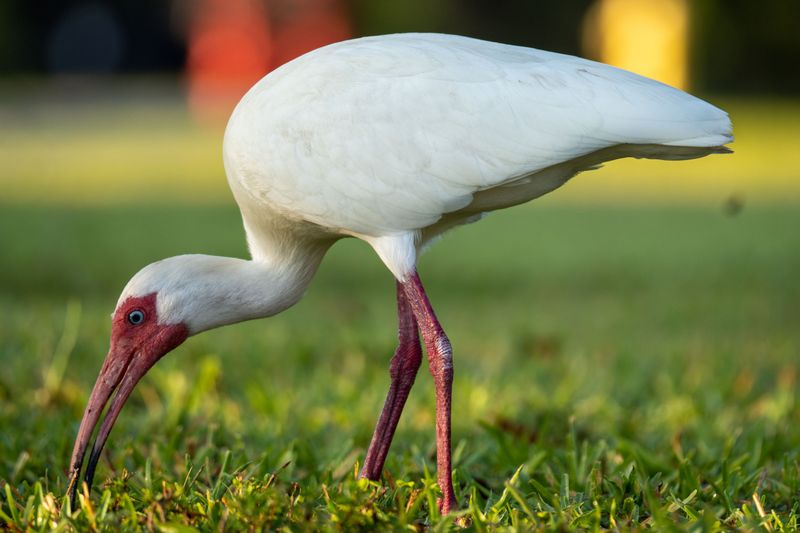
After a big Texas storm, your lawn turns into a buffet line for one special bird. Rain soaks into the ground and makes it soft. That is exactly what a white ibis wants.
Ibises have long, curved bills that are reddish orange. They do not peck like a robin. Instead, they push their bills deep into the mud, feeling around for food. The tip of the bill is very sensitive, so they can find snacks they cannot see.
Your Texas Garden Changes Every Week. Your Plan Should Too.
Gardening in Texas changes quickly throughout the season. Every Friday you’ll receive a simple weekly plan showing exactly what to plant, prune, fertilize, harvest, and protect so you never miss the right timing.
Hard, dry ground is a problem for them. Their bills cannot easily poke into packed dirt. But wet ground is easy to probe, like sticking a straw into pudding. That is why you often see ibises right after heavy rain.
So what does this mean for you? It may mean your yard drains slowly or stays damp. Low spots, shady corners, and areas near gutters often hold water longer. The ibis will find them fast.
A soggy yard is not always bad. But if puddles stay for days, you might want to check your drainage. Too much standing water can bring mosquitoes. Adding a rain garden with native plants can soak up extra water and look pretty too.
Want to see the birds feed? Watch quietly from a window the morning after a storm. You will see them walk slowly in a line, poking and probing with steady rhythm. It looks almost like they are sewing the lawn.
Did you know? Scientists say an ibis can sense food by touch alone. That means it can hunt in muddy water where it cannot see a thing.
3. Hidden Snacks Are Waiting Underground
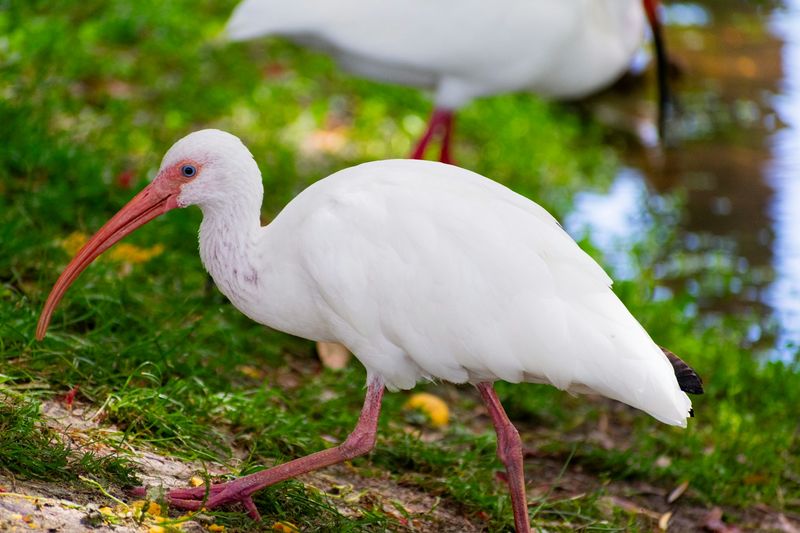
Ever stepped on a little mud tower in your yard? Those bumpy piles are called crayfish chimneys. And to a white ibis, they are like a big sign that says “Food Here.”
Crayfish dig tunnels down to the water below the ground. As they dig, they pile up mud balls at the top. In many Texas yards, especially around Houston, these chimneys pop up all over lawns in wet seasons.
White ibises love crayfish. They also eat beetles, grubs, worms, and other small critters. When an ibis keeps coming back to your yard, it is a strong sign that lots of these creatures live under your grass.
Here is the good news. Ibises act like free pest control. Grubs can harm grass roots. Crayfish chimneys can make mowing bumpy and annoying. A flock of hungry ibises can help keep these numbers down without any chemicals.
That is a great reason to skip harsh bug sprays. Poisons can harm the birds that eat the bugs. Letting the ibises do the work is safer for your family, your pets, and local wildlife.
If the chimneys bug you, just rake them flat before you mow. They will not hurt your lawn much. Many homeowners learn to live with them, especially once they see the birds pulling crayfish out like prizes.
Quick fact: a white ibis often washes a crayfish in water before swallowing it. Some people think this helps clean off mud. Watching one carry its catch to a puddle is a fun sight to spot from your porch.
4. One Bird Usually Brings Friends
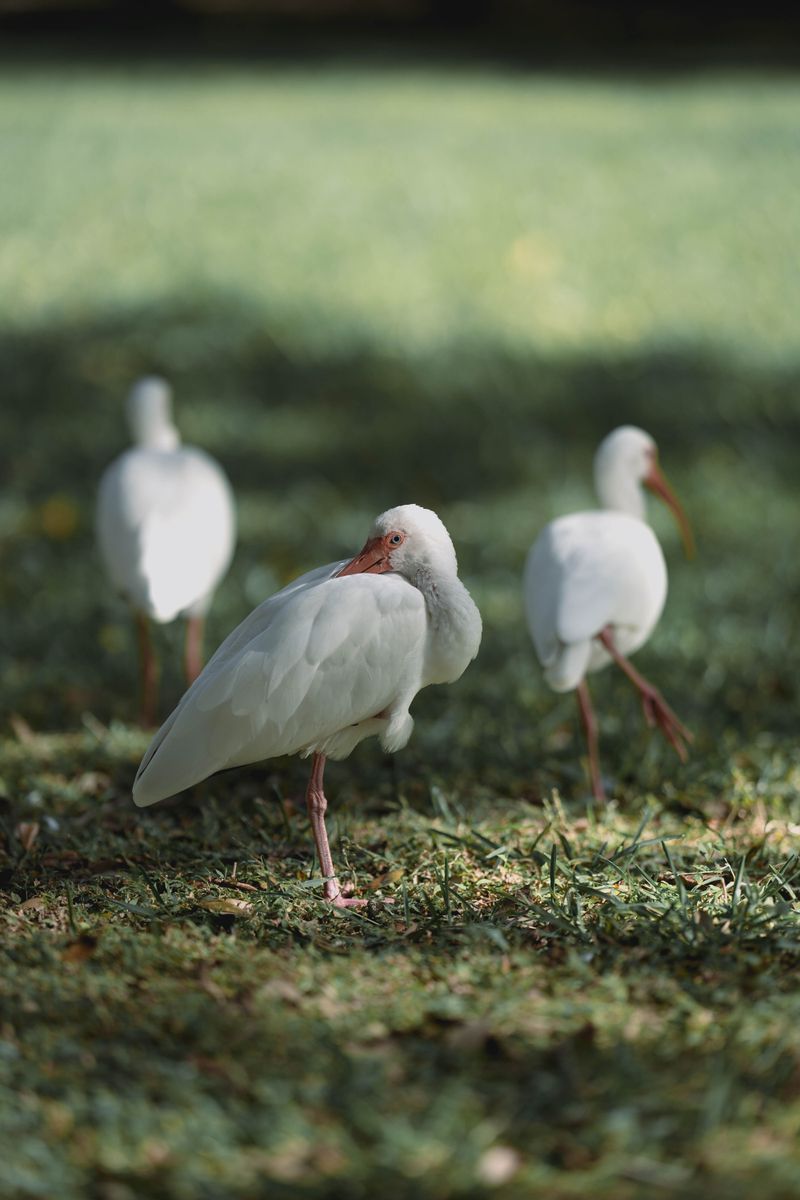
Spot one ibis, and you might soon count ten. White ibises are very social birds. They rarely like to be alone for long.
These birds feed, fly, and sleep in groups called flocks. A flock might be just a few birds or more than a hundred. They often walk across a lawn side by side, heads down, poking the ground as they move together.
Why do they stick together? Safety is a big reason. More eyes mean a better chance to spot hawks, dogs, or other dangers. When one bird gets nervous and flies, the whole group often follows in a white burst of wings.
Group feeding also helps them find food. If one bird finds a good patch of crayfish, others notice and move closer. It is a bit like friends sharing a favorite snack spot.
At night, ibises roost together in trees or shrubs near water. Some roosts hold thousands of birds. In spring, they also nest in big colonies, often mixed with herons and egrets.
So if you see one lonely ibis, keep watching. More may drop in within minutes. Grab your phone or a pair of binoculars and see how many you can count. Kids especially love this game.
A friendly tip: keep pets inside when a flock is feeding. Dogs chasing birds can stress them and scare them away for good. Give them space, and they may return again and again.
Did you know? A group of ibises is sometimes called a “stand” or a “congregation.” Fancy names for a bunch of busy lawn walkers!
5. They Feel Right At Home In The Suburbs
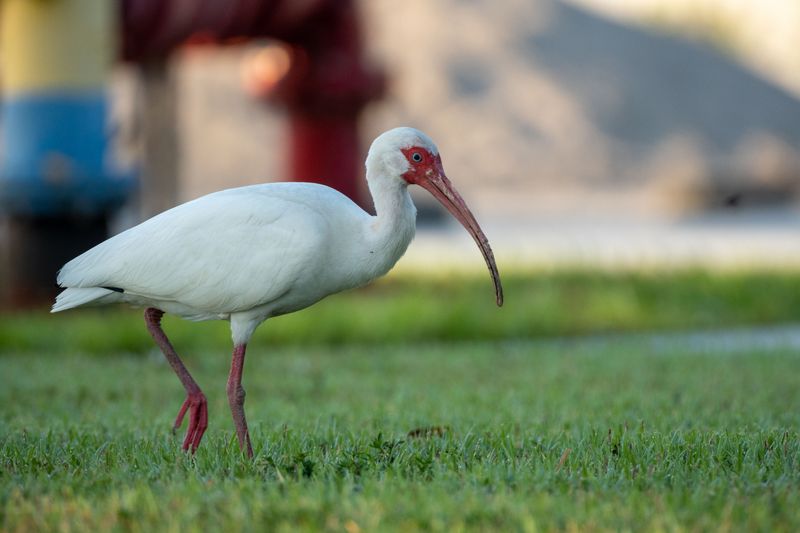
Not long ago, many people only saw white ibises in wild marshes. Today, plenty of Texans see them walking past mailboxes and parked cars. These birds have learned that neighborhoods can be great places to eat.
Cities and suburbs offer a lot of what ibises need. Lawns get watered often. Parks have ponds. Drainage ditches hold water and critters after rain. School fields and soccer fields are wide and open, which makes them feel safe.
Ibises are surprisingly calm around people. They may keep feeding while someone walks a dog nearby. Still, they do watch closely and will fly off if someone gets too close.
Seeing them often in your neighborhood means they have found steady food and water there.
It also shows how wildlife can adapt to changes in the land. Some birds disappear when towns grow, but the ibis has found a way to fit in.
There are a few ways to be a good neighbor to them. Do not feed them bread or human food. It is not healthy for them and can make them depend on people. Let them find their natural food instead.
Also, slow down when driving near ditches and ponds. Ibises sometimes cross roads while feeding. A careful driver helps keep them safe.
Fun fact: in some Florida cities, white ibises have become so common in parks that people call them “urban ibises.”
Texas cities like Houston are seeing the same trend. Your neighborhood might just be part of a growing bird story.
6. The Brown Ones Are Curious Youngsters
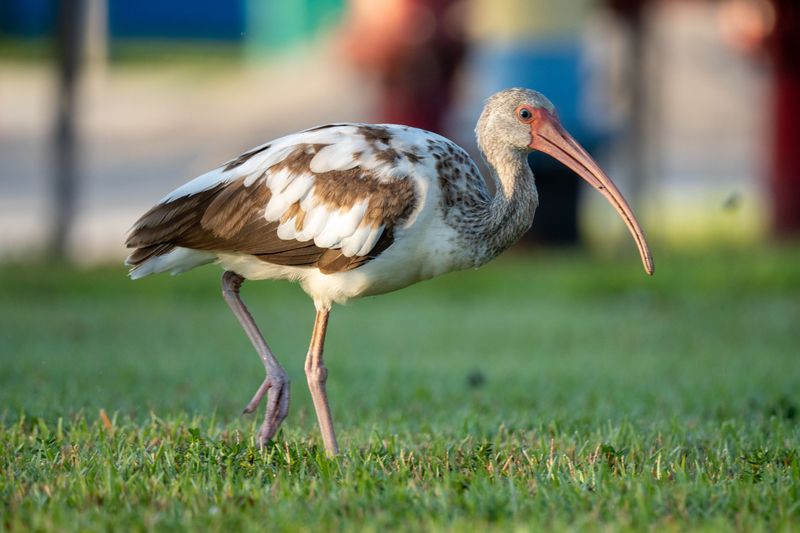
Brown bird, white belly, same curved bill. If that sounds like your visitor, you are probably looking at a young white ibis.
Baby ibises do not start out pure white. Young birds have brown backs, brown streaky heads, and white bellies.
Their bills are often paler, more pinkish than bright red orange. Over about a year or two, their brown feathers slowly turn white.
Many people get confused by this. They think they have found a new kind of bird. Some even mix them up with other wading birds. But that curved bill is the giveaway. Only ibises have that special downward curve.
You are most likely to see these young birds in late summer and fall. By then, they have left their nests and learned to fly well. Now they are exploring, searching for new places to find food.
Your yard might be one of their test spots. Young birds often wander farther than adults as they figure out where the best meals are. If they like your lawn, they may come back.
Watching them can be a sweet experience. Young ibises may look a little clumsy at first. They are still learning how to probe and catch crayfish. Over time, you will see them get better.
Try this: snap a photo of any brown ibis you see each month. Over time, you might notice how their feathers change. It is like a slow-motion growing-up album, right in your own backyard.
7. A Protected Guest To Admire From Afar
Lucky you, a wild bird chose your yard. And this guest comes with special protection under the law.
White ibises are covered by the federal Migratory Bird Treaty Act. This law makes it illegal to harm, capture, or bother them. It also protects their nests and eggs. Breaking this law can lead to big fines.
So what does that mean for you? Simply enjoy them from a distance. Do not chase them, throw things at them, or let pets run at them. If they nest nearby, leave the nest alone.
Their visits are actually a good sign. White ibises depend on healthy wetlands. When they do well, it often means the marshes, bayous, and ponds around them are doing well too. Those same places help clean water, control floods, and support many other animals.
You can help these birds in easy ways. Avoid using strong pesticides on your lawn. Pick up trash, especially fishing line and plastic, near water. Plant native shrubs and grasses that support insects and small critters.
Bird watching can also become a fun family hobby. Keep a small notebook by the window. Write down the date, the weather, and how many ibises you see. Over time, you will start to notice patterns.
Many people also share sightings on apps like eBird. Scientists use this information to track bird numbers across Texas. Your backyard notes can help real research.
In the end, an ibis in your yard is a small gift from nature. Grab a cup of coffee, sit back, and enjoy the show.