Where And When To Hang An Owl Box In Your Texas Yard
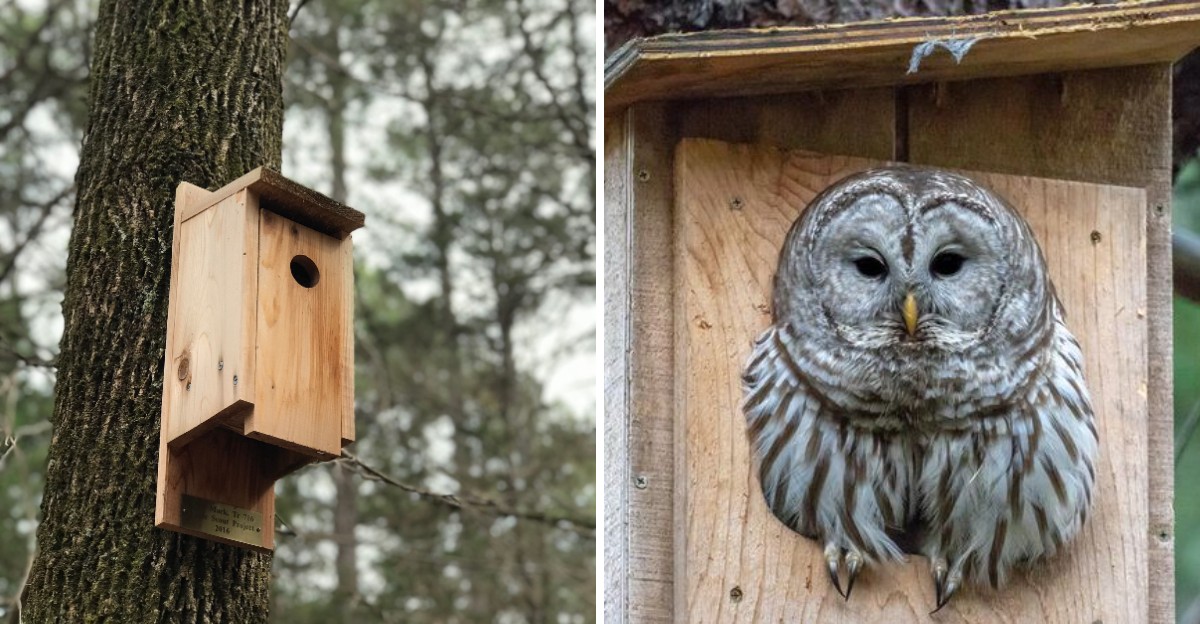
A single family of barn owls can eat thousands of rodents in a year. That’s a lot of mice, rats, and gophers that won’t be raiding your garden, shed, or garage. No wonder more Texans are inviting owls to move in.
An owl box is one of the simplest ways to do it. These sturdy wooden boxes mimic the tree hollows and quiet nooks that owls naturally use for nesting.
Hang one in the right spot, and you may soon hear soft hoots or screeches drifting through the yard at night.
Placement and timing are everything, though. Owls are picky about height, direction, nearby trees, and how much noise and light surround the box.
Put it up at the wrong time of year, and it may sit empty for months. Getting those details right can turn a simple box into a busy owl home.
1. Choose The Right Box For Your Owl
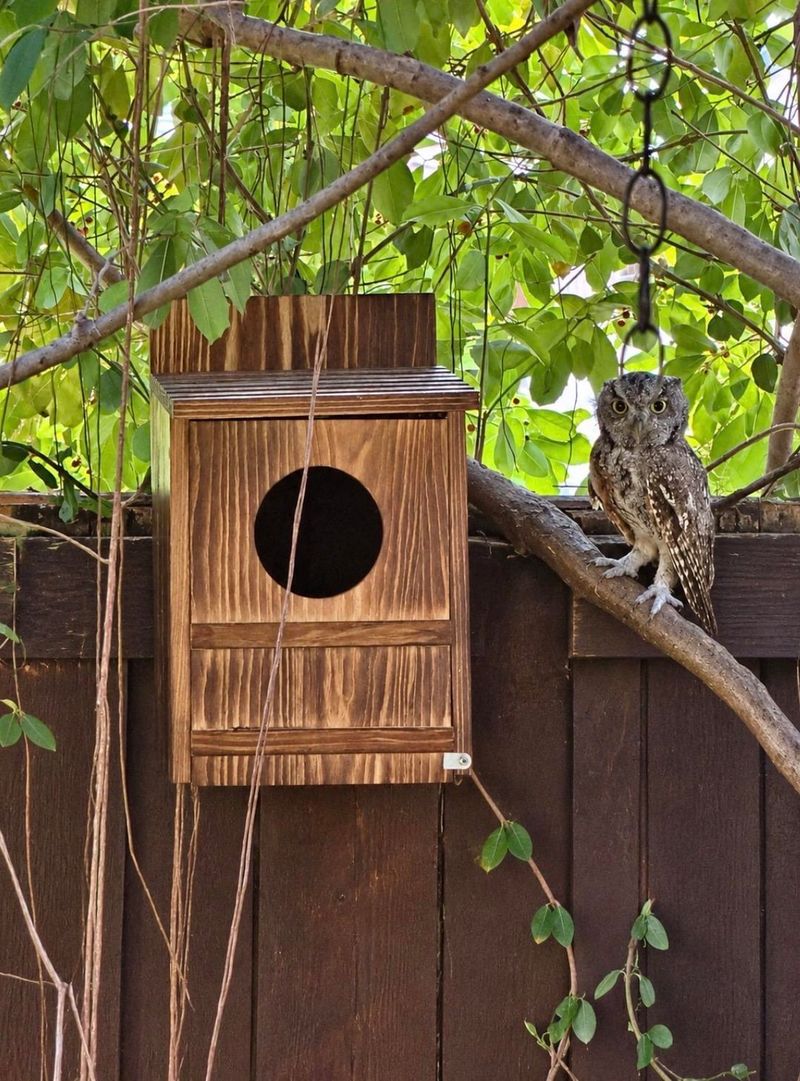
Meet the eastern screech-owl, a bird about the size of a soda can with ear tufts and big yellow eyes.
In most Texas neighborhoods, this little hunter is the owl you are most likely to attract. It does well in suburban yards with trees, parks, and creek edges.
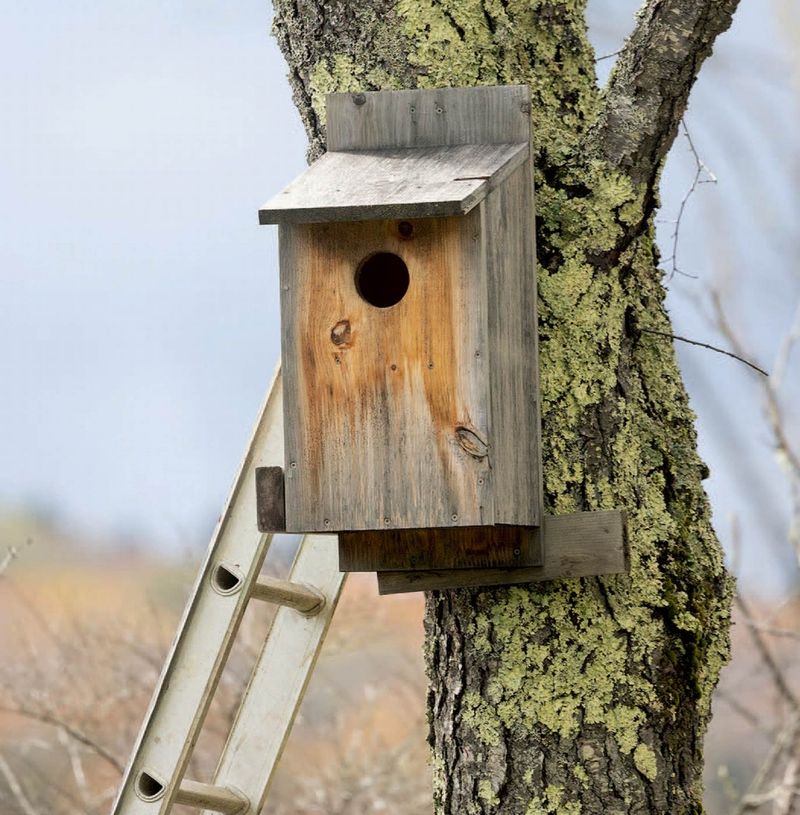
Screech-owls need a fairly small box. A good one is about 8 by 8 inches across the floor and 12 to 15 inches tall.
The entrance hole should be close to 3 inches wide. A hole that is too big may let in larger animals or invite squirrels to move in instead.
Barn owls are a whole different story. These pale, heart-faced birds are much bigger, so they need a roomy box.
Many barn owl boxes are around 24 inches long with a 6-inch entrance hole. Barn owls like wide open land, such as fields, farms, and ranchland.
So which box should you buy or build? Look around your area first. If you live in a town with shady streets, go with a screech-owl box. If your property backs up to pastures or crop fields, a barn owl box could be a smart choice.
Material matters, too. Pick a box made from thick, untreated wood like cedar or pine. Wood that is at least three-quarters of an inch thick helps keep the inside cooler in summer. Avoid boxes made of thin plywood or plastic, since they can trap heat.
Also check for a few handy features. A hinged side or roof makes cleaning simple. Small drainage holes in the floor keep water from pooling.
Little grooves cut inside below the entrance help young owls climb out when they are ready to leave.
2. Hang It In Fall Or Early Winter
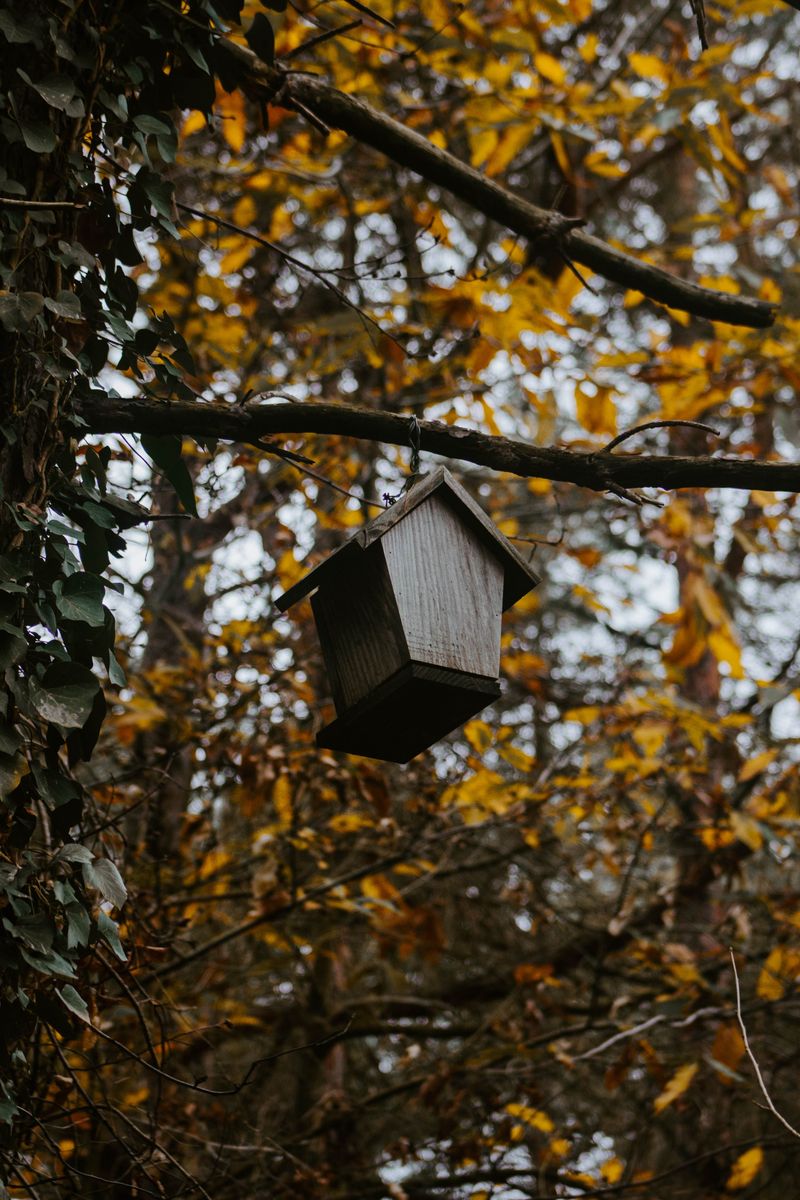
Timing is everything when it comes to owls. Think of it like listing a house for sale before the busy moving season. If your box is ready early, owls have a better chance of finding it.
Fall and early winter are the best times to hang an owl box in Texas. October through December works great for most of the state. The weather is cooler then, so climbing a ladder is far more pleasant than in August.
Your Texas Garden Changes Every Week. Your Plan Should Too.
Gardening in Texas changes quickly throughout the season. Every Friday you’ll receive a simple weekly plan showing exactly what to plant, prune, fertilize, harvest, and protect so you never miss the right timing.
Here is why the timing matters. Eastern screech-owls start scouting for nest sites in late winter.
In Texas, many of them lay eggs in early spring, often in March or even late February in the warmer southern parts of the state. A box that goes up in January may still work, but it gives owls less time to notice it.
Owls also like a box that has weathered a bit. A brand-new box can smell like fresh wood or stain. A few weeks or months outside lets it blend in and look more natural.
Did you know that some screech-owls use boxes in winter even when they are not nesting? They may roost inside on chilly nights to stay warm and safe. Putting up a box in fall gives them a cozy hideout long before spring arrives.
What if you miss the window? Go ahead and hang it anyway. Owls might not move in the first year, but your box will be waiting when they search again.
Patience pays off. Some families wait a season or two before they hear that first happy trill.
3. Mount It At The Right Height
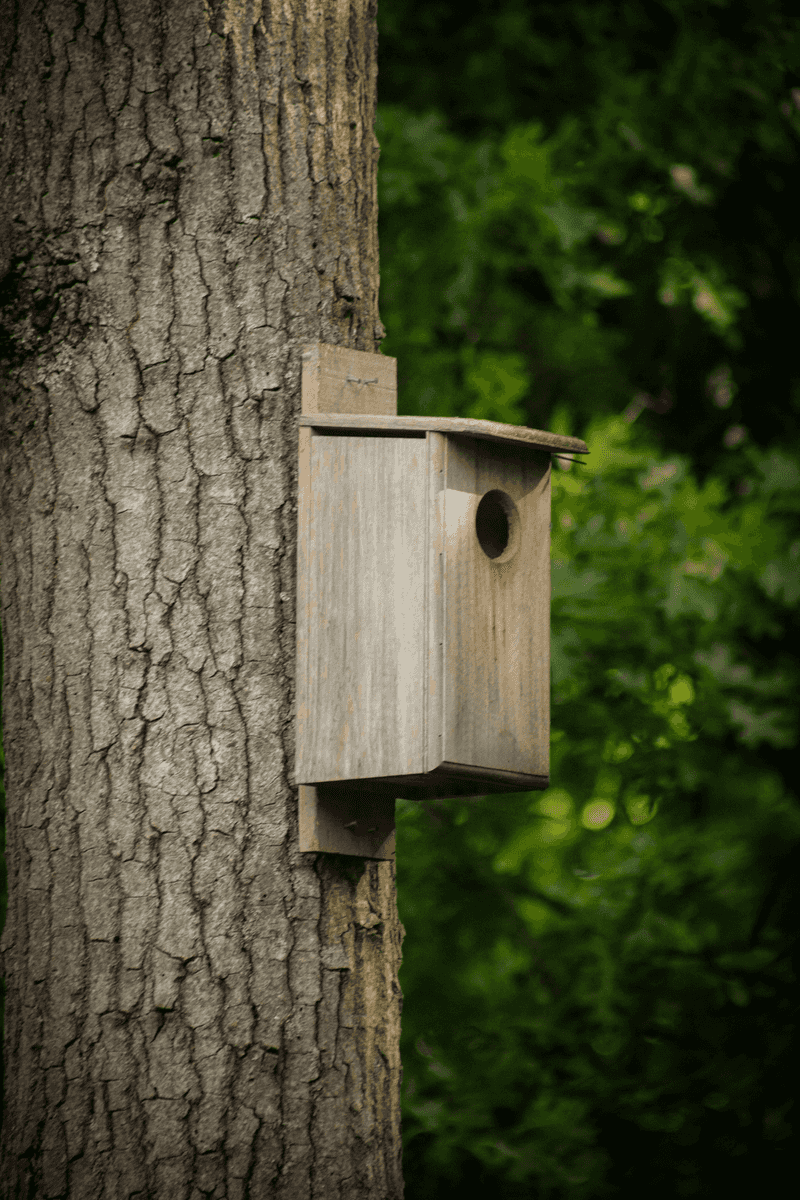
Up high is where owls feel safest. In the wild, they nest in tree holes far above the ground, away from curious dogs and people. Your box should copy that feeling of safety.
For screech-owls, aim for about 10 to 20 feet off the ground. Mount the box on a sturdy tree trunk, not a skinny branch that sways in the wind. Good choices in Texas include live oaks, pecans, cedar elms, and other strong shade trees.
Barn owl boxes go a little higher, usually around 12 to 20 feet up. Since barn owls favor open land, they often use boxes on tall poles, the side of a barn, or a quiet outbuilding. A pole set firmly in concrete works very well near pastures and fields.
Why not go even higher? Safety is one reason, both for you and the birds. You will need to reach the box once a year for cleaning.
A box that is too high can make that job risky. Pick a height you can safely reach with a solid extension ladder.
Use strong hardware when mounting. Lag screws or heavy bolts hold better than nails. For trees, many people use a backing board attached to the box so the screws go into the board, not the walls of the nest. Leave a little room to loosen bolts as the tree grows.
Here is a quick tip from experienced owl fans. Ask a friend to help steady the ladder and lift the box. Owl boxes can be heavy and awkward. Teamwork makes the job much easier and safer.
4. Find A Spot With Shade And Open Space Nearby
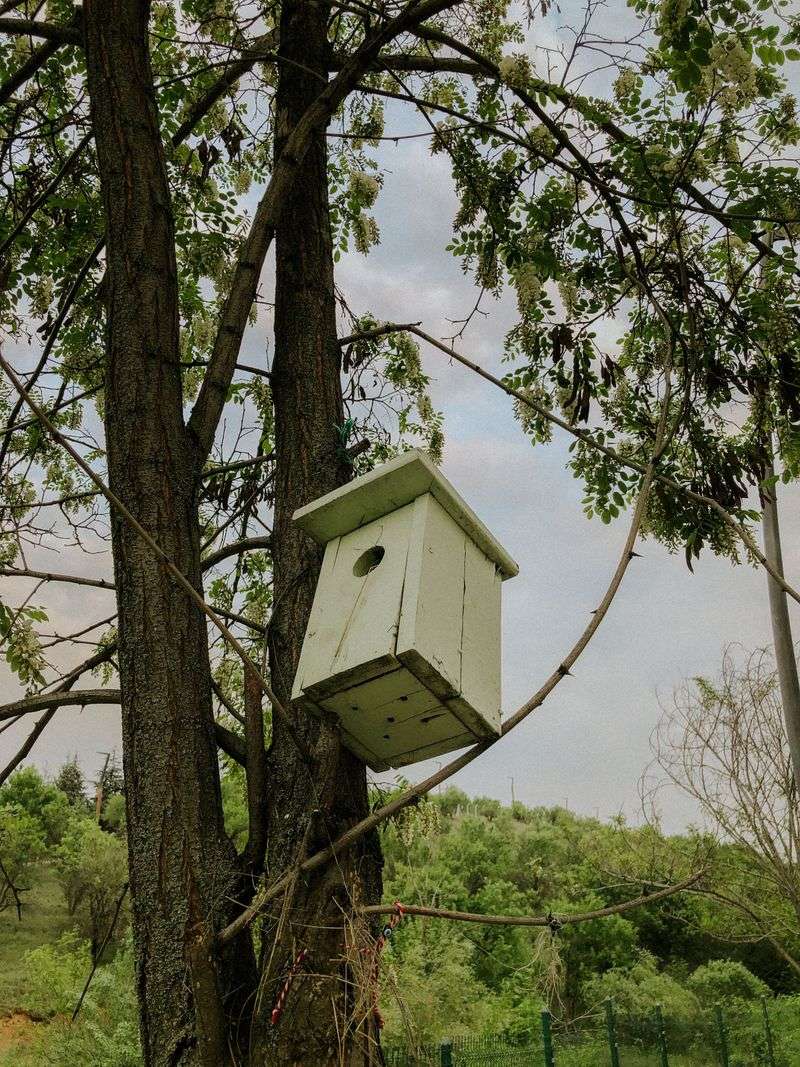
Texas summers are no joke. Anyone who has touched a car seat in July knows how fast things heat up. A wooden owl box sitting in full sun can get hot enough to put eggs and baby owls in serious danger.
Shade is your best friend here. Look for a spot that gets protection from the afternoon sun, when temperatures peak. A thick tree canopy on the west side of the box can make a big difference.
The box itself can help, too. Choose one with ventilation holes near the top so hot air can escape. Light-colored exteriors reflect sunlight instead of soaking it up. Some owl lovers even add a small roof overhang for extra cover.
Shade alone is not enough, though. Owls also want to be close to good hunting grounds. Screech-owls like yards that border lawns, meadows, or green spaces. They swoop down from a perch to grab crickets, beetles, mice, and even small lizards.
Barn owls need even more space to hunt. They glide low over fields and pastures, listening for rodents in the grass. Their hearing is so sharp they can catch prey in total darkness.
So the dream spot has two parts. It should feel shady and sheltered, yet sit near open ground. A tree on the edge of a lawn, a creek bank, or a fence line next to a field all work nicely.
Walk around your yard on a sunny afternoon. Notice which areas stay cool and shaded. That simple stroll can help you find the perfect home site in minutes.
5. Face The Entrance The Right Way
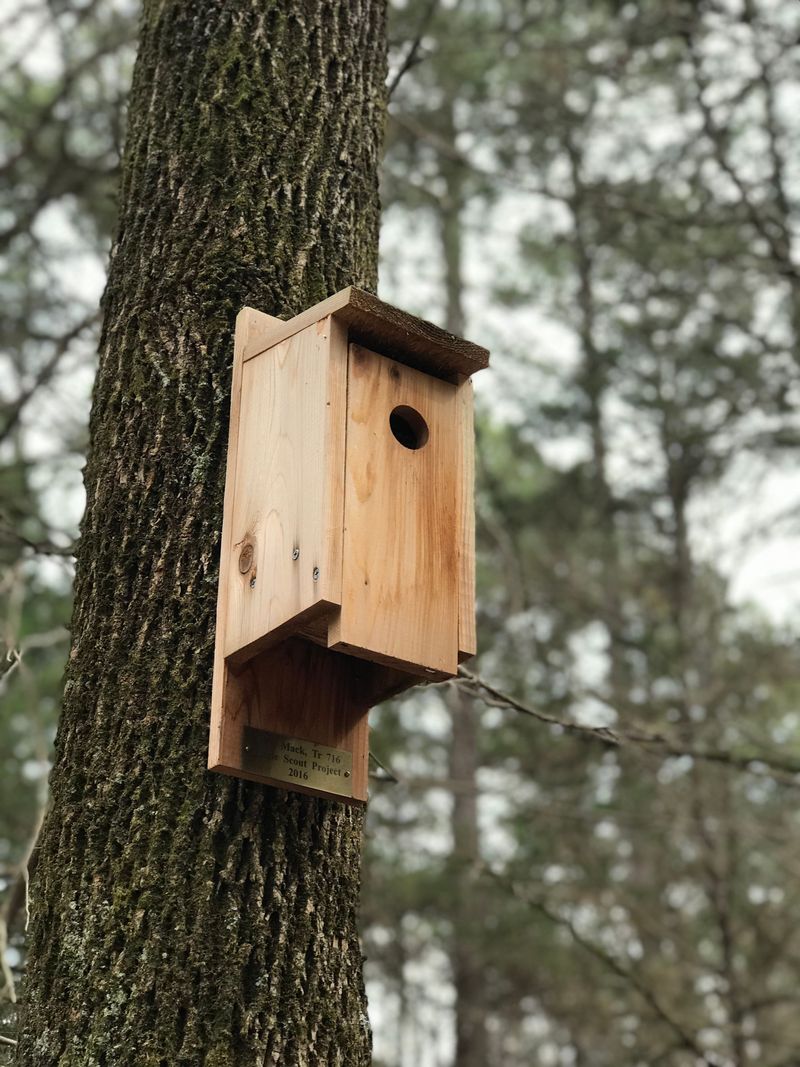
Ever tried to open a front door during a windstorm? Owls deal with the same kind of trouble if their entrance faces the wrong direction. A little thought about which way the hole points can keep the box much more comfortable.
In much of Texas, strong winds and storms often blow in from the south or northwest, depending on the season.
Afternoon sun hits hardest from the west. Pointing the entrance away from those directions helps keep out driving rain and baking heat.
Many people find that a north or east facing hole works well in Texas. An eastern view lets in gentle morning light without the harsh afternoon glare.
Check local weather patterns in your area, since winds can vary from the Panhandle to the Gulf Coast.
Next, think about the flight path. Owls need to swoop in and out quickly and quietly. Branches, vines, or leaves right in front of the hole make that harder.
Trim back anything that blocks a clear runway, leaving several feet of open air in front of the entrance.
A nearby perch is a nice bonus. Young owls often hop out onto a branch close to the box before they can fly well. A sturdy limb within a few feet gives them a safe landing spot during those wobbly first days.
Fun fact time. Owl feathers have soft, fringed edges that let them fly almost silently. A clear entry path lets them use that stealthy skill to slip home without a sound. Your neighbors may never even know you have owls.
6. Add Bedding And Predator Protection
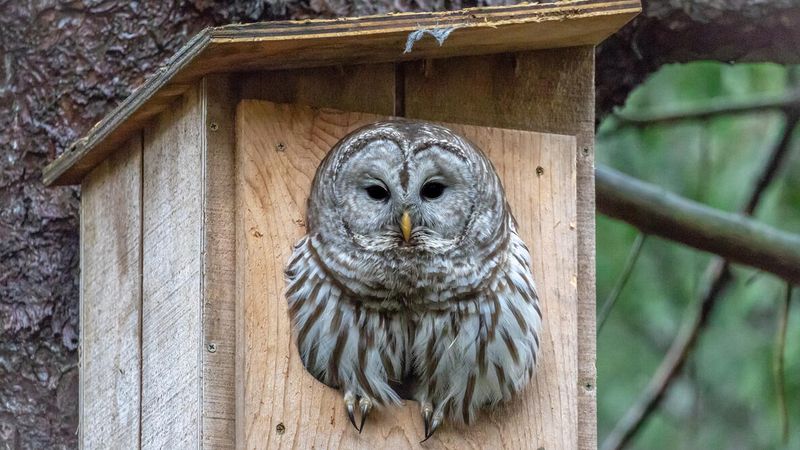
Owls are terrible at housekeeping. Unlike robins or wrens, they do not gather twigs, grass, or mud to build a nest. They simply lay their eggs on whatever is already inside the hole.
That is where you come in. Place about one to two inches of untreated wood shavings in the bottom of the box.
Pine shavings from a farm or pet store work well. The soft layer cushions the eggs and keeps them from rolling around.
Skip sawdust, since it is too fine and can get into the eyes and nostrils of young owls. Also avoid cedar shavings and anything treated with chemicals or scents. Hay and straw can trap moisture and grow mold.
Now let us talk about unwanted guests. Texas has plenty of animals that would love an easy meal of owl eggs. Rat snakes are excellent climbers. Raccoons are clever and strong. Even pet cats can scale trees.
A metal predator guard is a smart fix. Cone-shaped baffles wrap around a tree trunk or pole below the box. Sheet metal bands around the trunk work, too. Climbing animals cannot get a grip on the smooth, slippery surface.
Make sure the guard sits at least a few feet off the ground and a couple of feet below the box. Also trim any branches that could act as a bridge for squirrels or raccoons to bypass the guard.
With soft bedding inside and a shield outside, your box becomes a true safe haven. Mother owls can focus on raising their chicks instead of worrying about intruders.
7. Keep Your Yard Owl-Friendly
Putting up a box is only half the job. The way you care for your yard decides whether owls stick around for years. A few easy habits go a long way.
Start by tossing out rat poison. Rodents that eat poison do not drop right away. They often wander around weak and slow, which makes them easy targets for owls.
When an owl eats that rodent, the poison can make the bird very sick. Owls can catch many rodents a season, so they are free pest control anyway.
The same goes for bug sprays. Screech-owls munch on crickets, moths, and beetles. Pesticides can harm owls through their food and also shrink the supply of insects they rely on. Try natural gardening methods instead.
Cleaning is another key task. Once a year, after nesting season ends, open the box and remove old bedding, feathers, and leftover food scraps.
Late summer or early fall is a good time in Texas. Then add a fresh layer of shavings so the box is ready for the next season.
Here is something every owl host should know. Owls are protected under the federal Migratory Bird Treaty Act.
That means you should never disturb an active nest, handle eggs, or touch baby owls. Watch from a distance with binoculars instead.
Leaving a few dry tree limbs, brush piles, and native plants also helps. These spots give owls places to perch and attract the critters they hunt.
Before long, you might spot fuzzy owlets peering out at dusk. Few backyard moments feel quite as magical.