How To Choose The Right Mulch Type For Your Pennsylvania Yard
Walk into any Pennsylvania garden center in spring or fall, and you’ll find a wall of mulch bags stacked high.
Dark brown, jet black, bright red, golden straw, chunky bark, fine shreds, even bags of stone. They all promise healthier plants and fewer weeds. So which one is actually right for your yard?
The answer depends on what you’re growing and what you want the mulch to do. Some types break down quickly and feed the soil.
Others last for years but add very little nutrition. Certain mulches suit vegetable beds perfectly, while others work better around trees, shrubs, or acid-loving plants like azaleas and blueberries.
A few popular options can even cause problems if they’re used in the wrong spot. Choosing wisely can save you money, protect your plants, and cut down on extra work.
It pays to know the differences before you load up the cart.
1. Shredded Hardwood Mulch For Garden Beds
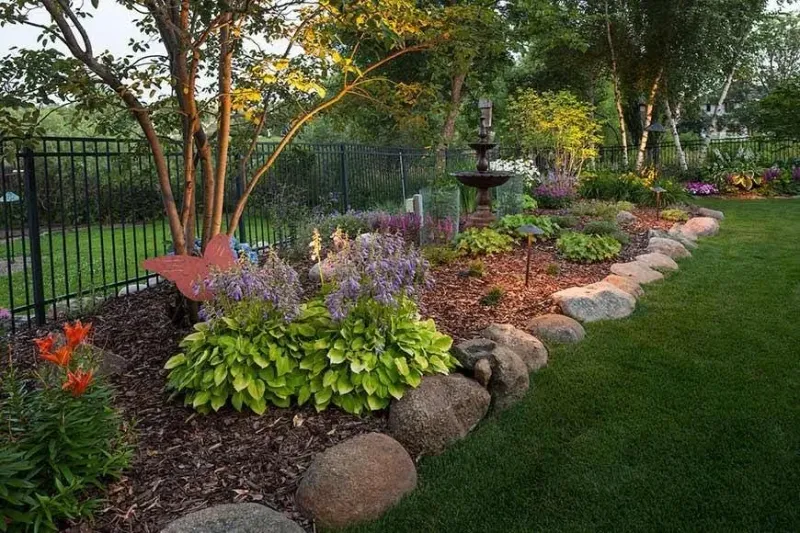
Drive past any garden center in Pennsylvania in April, and you will spot mountains of shredded hardwood. It is the go-to mulch for a reason. Homeowners love its rich brown color and natural look.
Shredded hardwood comes from the bark and wood of trees like oak and maple. The pieces are stringy and rough. When you spread them, they lock together like a loose mat. That matters a lot on slopes.
Heavy spring storms can wash lighter mulches right down the hill, but shredded hardwood tends to stay in place.
It works well around shrubs, perennials, and trees. Over time, the mulch slowly breaks down. As it does, it adds organic matter to the soil.
Pennsylvania clay soil really benefits from that boost. It becomes looser and drains better each year.
Spread it about 2 to 3 inches deep. Any thicker, and water may have trouble reaching the roots.
Keep it a few inches away from tree trunks and plant stems. Piling mulch against bark, often called a mulch volcano, invites rot and pests.
Because it breaks down, you will need to refresh it every year or two. Before adding a new layer, check how much is left.
Rake the old mulch to loosen it, then top it off only where it looks thin. You do not want layers building up year after year.
Buying in bulk from a local supplier usually costs less than bags. Many companies will even deliver a truckload to your driveway. One cubic yard covers about 100 to 150 square feet at a good depth.
A quick tip: skip the brightly dyed versions if you want a natural look. Plain double-shredded hardwood fades to a soft gray that blends nicely with Pennsylvania landscapes.
2. Pine Needles Or Pine Bark For Acid-Loving Plants
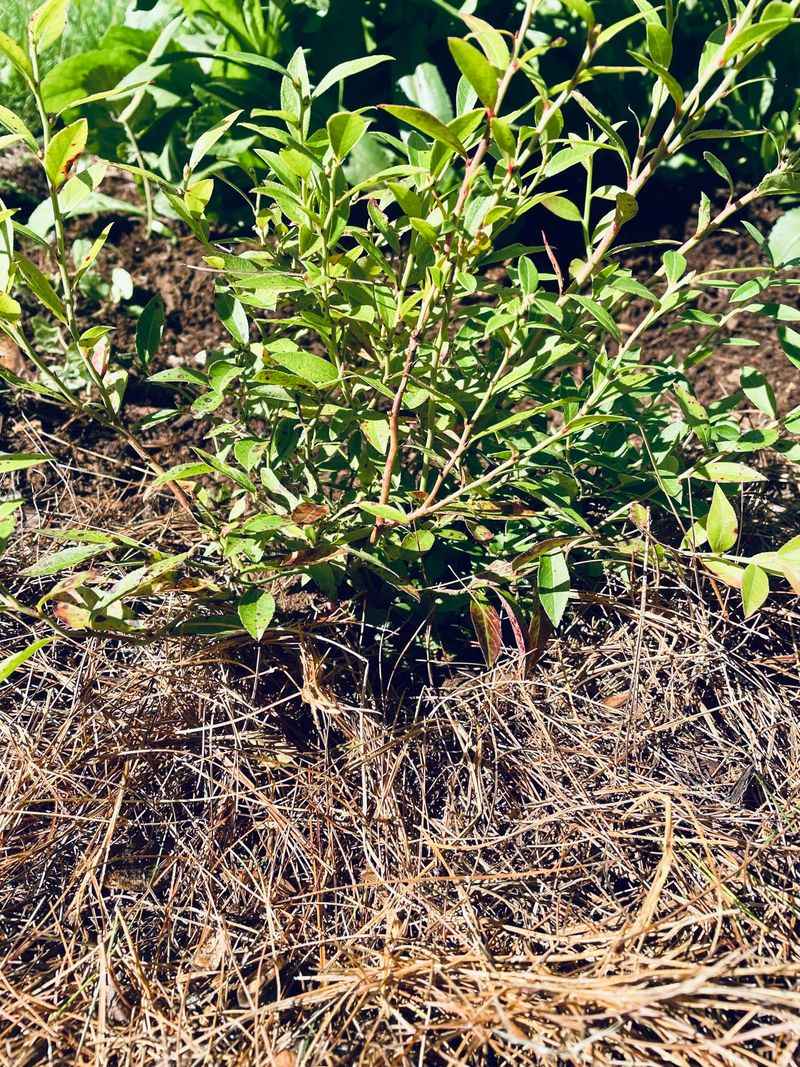
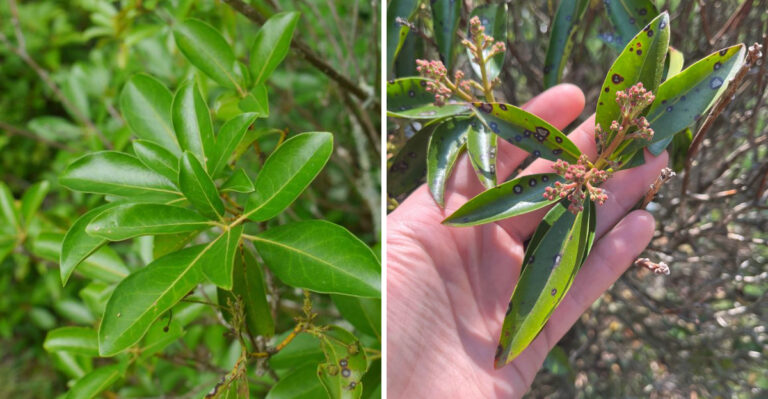
Mountain laurel is Pennsylvania’s state flower, and it has picky taste in soil. So do rhododendrons, azaleas, and blueberries. All of these plants want acidic ground to grow their best.
When the soil is not acidic enough, leaves can turn yellow while the veins stay green. Blueberries may give you only a handful of fruit.
Your Pennsylvania Garden Changes Every Week. Your Plan Should Too.
Gardening in Pennsylvania changes quickly throughout the season. Every Friday you’ll receive a simple weekly plan showing exactly what to plant, prune, fertilize, harvest, and protect so you never miss the right timing.
Pine needles and pine bark make a smart match for these plants. They fit right in with the woodland look these shrubs love.
Pine needles, sometimes called pine straw, are light and fluffy. They let rain and air pass through easily, so roots never feel smothered.
The needles also hold together well, which helps on hills. Plus, they look tidy and natural under shady trees.
Here is a fun fact. Many people believe pine needles make soil much more acidic. In truth, the effect is small.
Still, they create a cozy, forest-like setting that acid-loving plants enjoy. If your soil needs a real change, you can add garden sulfur based on a soil test.
Pine bark nuggets are another option. They last much longer than many other mulches, often several years.
Large nuggets break down slowly, so you will not need to buy more as often. Smaller pine bark mini nuggets look neater in small beds.
Spread pine needles 3 to 4 inches deep, because they settle quickly. Pine bark works well at about 2 to 3 inches. Keep both away from stems.
Do you have white pines in your yard? Then you already have free mulch falling every autumn. Just rake the needles and tuck them under your azaleas. Your shrubs will thank you with bright spring blooms.
3. Shredded Leaves For A Free, Soil-Building Option
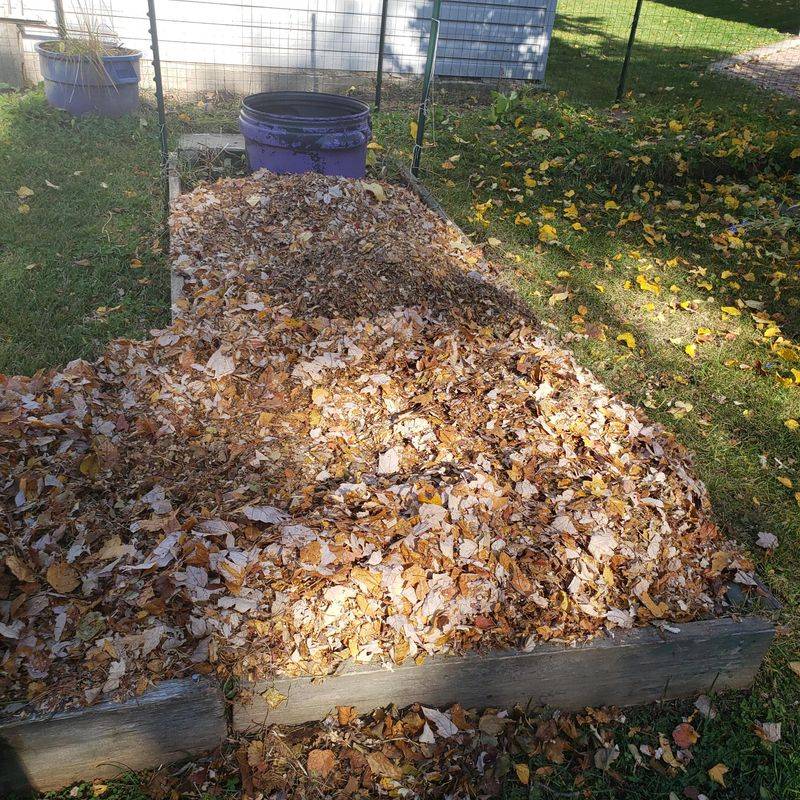
Every October, Pennsylvania trees drop a gift right into our yards. Lots of folks bag those leaves and send them away. That is a bit like throwing out free money.
Shredded fall leaves make an excellent mulch. They cost nothing and do wonders for your soil.
Earthworms, fungi, and tiny soil creatures feast on them. As the leaves break down, they turn into dark, crumbly material that gardeners call leaf mold.
Shredding is the key step. Whole leaves can mat together into a soggy layer that blocks water and air. Chopped leaves stay loose and break down faster. You do not need fancy tools.
Just run over a pile with your lawn mower a couple of times, or use a leaf vacuum with a shredder.
Shredded leaves work great in vegetable gardens and perennial beds. Spread about 2 to 3 inches over the soil. By late spring, much of it will have vanished into the ground. That fast breakdown is perfect for feeding hungry vegetables.
They also shine as a winter mulch. Wait until the ground freezes, usually in December in much of Pennsylvania.
Then cover perennials with a loose layer. The leaves keep the soil frozen and steady. That stops the freeze and thaw cycle from pushing plant roots out of the ground.
Save some extra leaves in bags or a wire bin. You can use them next summer around tomatoes and peppers.Oak leaves last longer than maple leaves, so mix them if you can.
Avoid leaves from black walnut trees around vegetables, since they contain a natural chemical that can harm tomatoes. With a little effort, your fall cleanup becomes next year’s garden gold.
4. Straw For Vegetable Gardens
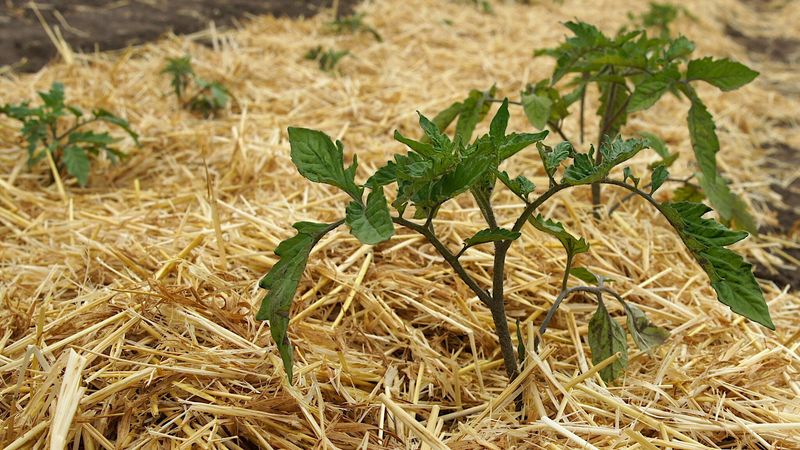
Ask an Amish farmer in Lancaster County how to mulch a vegetable patch, and straw might be the first answer. It has been used on farms for generations. Gardeners still swear by it today.
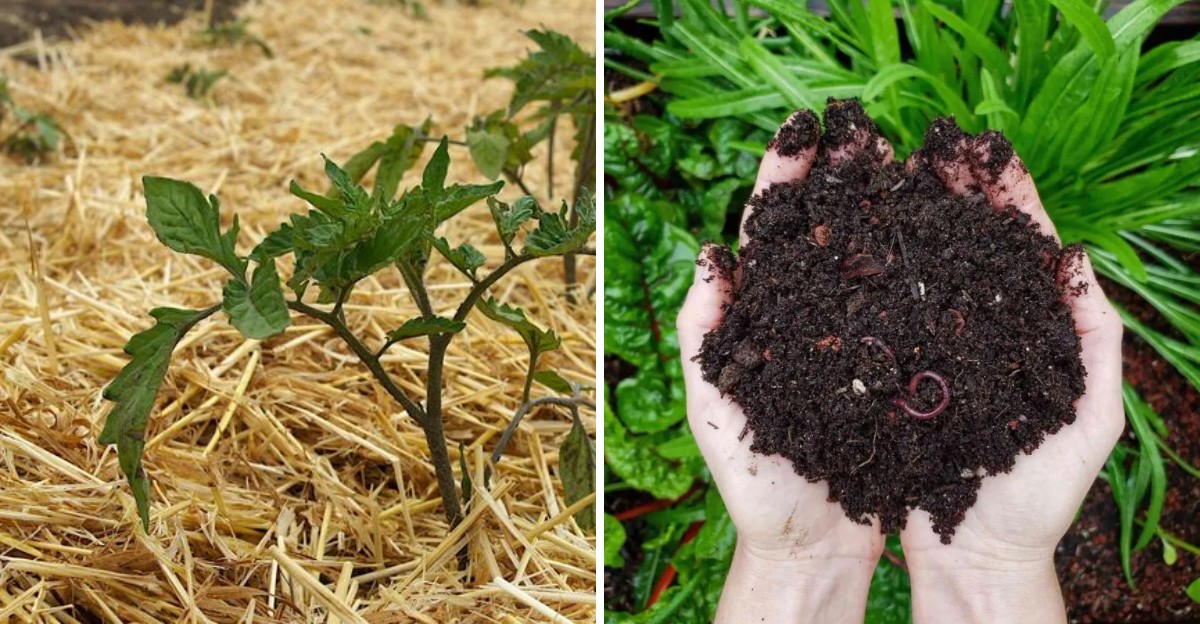
Clean straw is light and easy to handle. One bale covers a lot of ground. You simply pull off flakes and fluff them around your plants. It takes just minutes to mulch a whole row of tomatoes or peppers.
Straw helps vegetables in many ways. It keeps soil moist during hot July days. It also stops rain from splashing dirt onto leaves, which helps prevent diseases on tomatoes.
Strawberries rest on it instead of the muddy ground, so the fruit stays cleaner. That is likely how strawberries got their name!
Garlic growers love straw too. Plant garlic in fall, then cover the bed with 4 to 6 inches of straw. It protects the cloves through the cold Pennsylvania winter. In spring, the green shoots push right through.
When the season ends, straw is simple to work into the soil. You can till it in or let it break down on top. Either way, it adds organic matter.
Now for an important warning. Choose straw, not hay. They look alike, but they are different.
Hay is dried grass cut for animal feed, and it often holds loads of weed seeds. Straw is the leftover stems from grain crops like wheat or oats, so it has far fewer seeds.
Buy from a trusted farm or garden store. Ask if the straw was sprayed with long-lasting herbicides, which can harm vegetables. A bale in late spring will carry your garden happily into fall.
5. Wood Chips For Paths And Around Trees
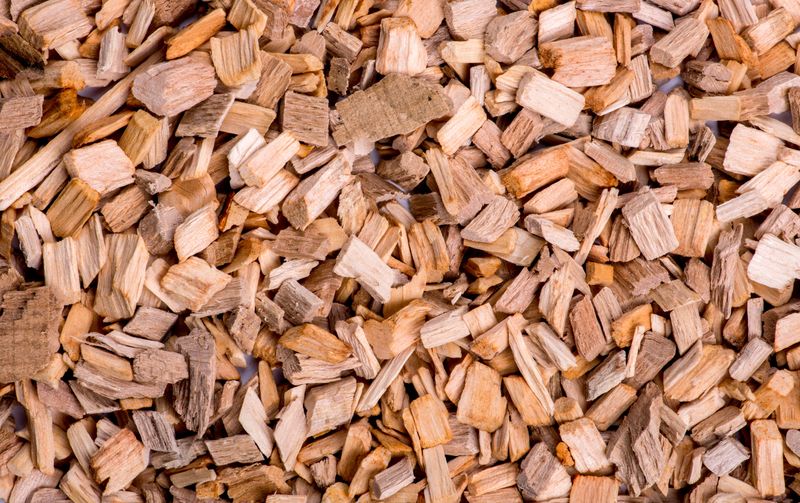
Free mulch delivered to your door sounds too good to be true. Yet many Pennsylvania homeowners get exactly that. Tree services grind up branches all day, and they often need a place to dump the chips.
Coarse wood chips are chunky pieces of wood, bark, and sometimes leaves. They look rougher than bagged mulch. That rustic style suits garden paths, natural areas, and spots under big trees.
On paths, wood chips give a soft, springy surface. They soak up rain, so you do not track mud into the house. Weeds have a hard time pushing through a thick layer. Spread about 4 inches for walkways, and add more as they settle.
Trees love wood chips too. In forests, tree roots grow under a blanket of fallen wood and leaves. A wide ring of chips copies that setting.
Try to cover the area out to the edge of the branches if you can. Keep chips a few inches away from the trunk.
Here is a helpful tip. Leave wood chips on top of the soil. Do not mix them into the ground. When buried, chips can tie up nitrogen that plants need while they break down. Sitting on the surface, they cause very little trouble.
Want a free load? Look up services like ChipDrop online, or call local tree companies. Just know you may get a large pile, sometimes 10 cubic yards or more. Pick a spot for it where it will not block your driveway.
Fresh chips can be steamy and pungent at first. Letting the pile sit a few weeks helps. Before long, you will have a path that feels like a walk in the woods.
6. Gravel For Plants That Need Dry Roots
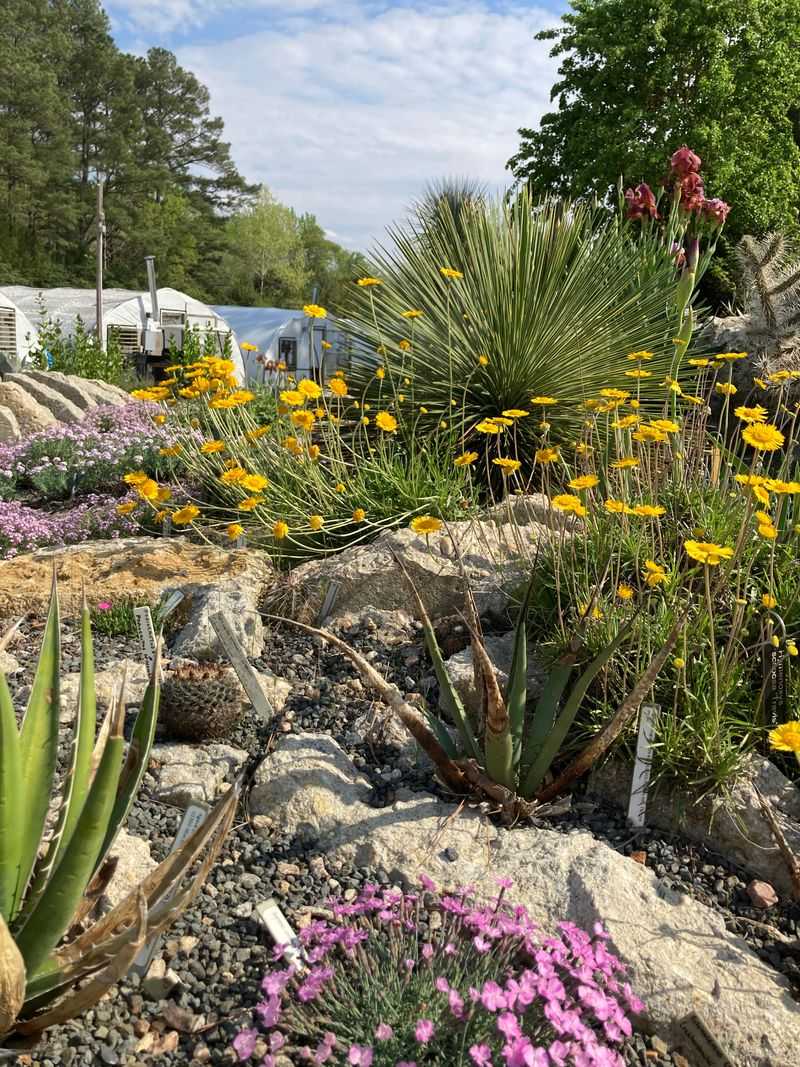
Lavender hails from the sunny, rocky hills around the Mediterranean Sea. Pennsylvania winters, with their slush and steady drizzle, feel like a different planet to it. That is why gravel can be its best friend.
Some plants hate wet feet. Lavender, rosemary, sedums, thyme, and many rock garden plants fall into this group.
Wood mulch, straw, and leaves hold moisture against their crowns. The crown is the spot where stems meet roots. When it stays soggy, rot sets in quickly.
A thin layer of pea gravel or crushed stone solves the problem. Rain drains straight through the stones. The surface dries fast after a storm. Meanwhile, the soil below still stays a bit cooler in summer.
Keep the layer thin, about 1 to 2 inches. You only need enough to cover the soil. Pull the gravel snug around the base of each plant, since crowns benefit most from staying dry.
Gravel also reflects heat and light. Sun-loving plants soak it up. Lavender often smells stronger and blooms more when grown this way.
Good drainage below the gravel matters too. If your yard has heavy clay, mix coarse sand or small stone into the planting hole. Raised beds or mounds work even better for these plants.
Choose small stones in natural colors. Tan, gray, or local fieldstone shades blend nicely. Avoid white marble chips, which can raise soil pH more than some plants enjoy.
One bonus: gravel never needs replacing like wood mulch does. Pull a weed now and then, and blow away fallen leaves in autumn. Your herbs and succulents will happily shrug off a soggy Pennsylvania February.
7. Compost For Feeding The Soil
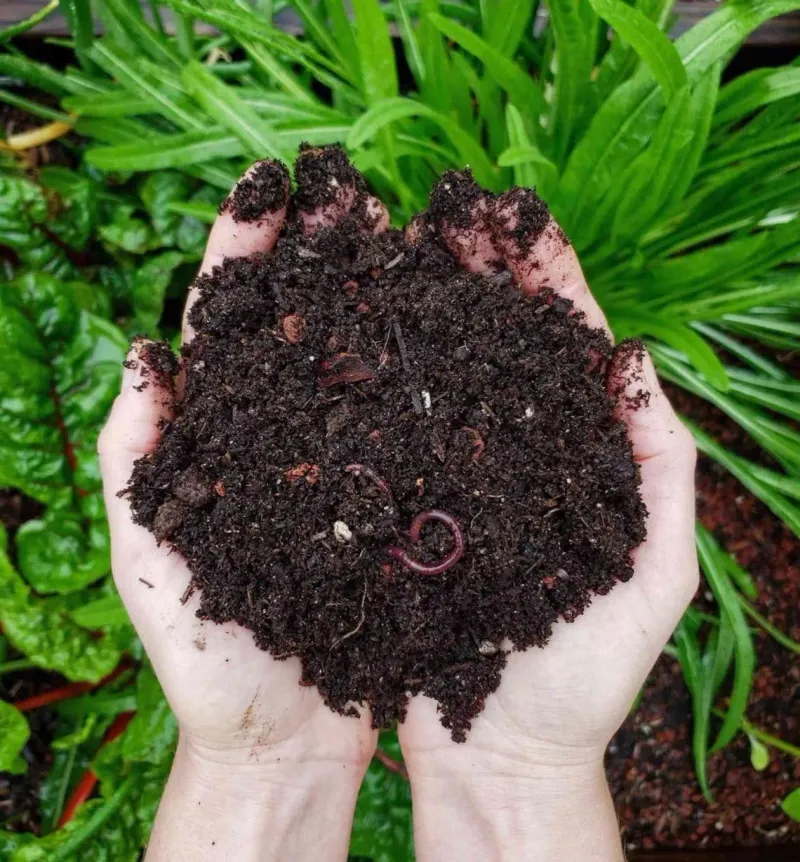
Gardeners sometimes call compost black gold. One look at a handful of the dark, crumbly stuff tells you why. It smells like a forest floor after rain and is packed with goodness for plants.
Compost forms when kitchen scraps, leaves, and yard waste break down. You can make it in a backyard bin or buy it in bags. Many Pennsylvania towns also offer free or cheap compost made from collected leaves.
A thin layer of compost works as both mulch and food. Spread about 1 inch over vegetable and flower beds.
It shields the soil from harsh sun and pounding rain. At the same time, it feeds earthworms and helpful microbes. Those tiny workers carry nutrients down to plant roots.
Clay soil, common across much of the state, gets a big boost from compost. It becomes softer and easier to dig. Sandy soil gains the power to hold more water.
There is one catch. Compost breaks down quickly, sometimes in just a few months. Weed seeds can also sprout easily in its rich, loose texture.
Because of that, many gardeners add a second mulch on top. Shredded leaves, straw, or shredded hardwood make good partners.
Think of it like a sandwich. Compost goes down first to feed the soil. The top layer holds in moisture and blocks weeds. Together, they work better than either one alone.
Spring is a great time to add compost, right before planting. A fall layer works well too, giving it all winter to soak in.
Buy compost that looks dark and smells earthy. If it smells sour or feels hot, it is not quite finished yet.