Should You Rake Fallen Leaves In Your Florida Yard Or Leave Them Alone?
Crunch, crunch, crunch. If that sound is following you across the yard in flip-flops, the oaks are officially shedding again.
Every Florida neighborhood has the same two camps. One neighbor grabs a rake the second a leaf touches the ground, and the other shrugs, sips sweet tea, and lets the yard handle itself.
Both swear they have it figured out. The truth is a little more interesting than picking a side.
The right move depends on your grass, your trees, your soil, and even the lizards and beetles quietly living under that leafy blanket out back. Get it right, and fallen leaves turn into free mulch, free compost, and a happier lawn.
Get it wrong, and you are either wasting a Saturday or smothering your grass. Let’s sort out which one applies to your yard.
1. Why Florida Leaf Drop Is Different
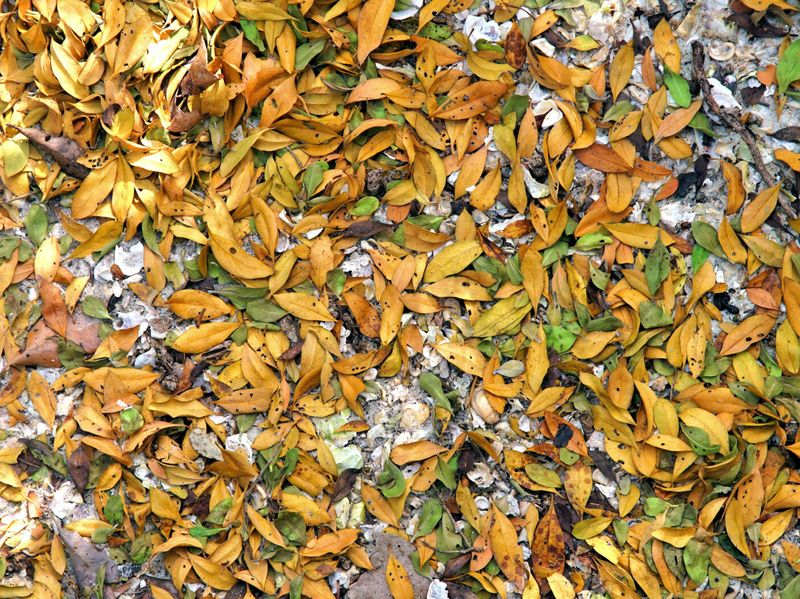
Northern folks rake in October, but Florida has its own calendar. Many of our trees, like live oaks, drop old leaves in late winter and spring while new ones push out.
Fun fact: live oaks are called live because they stay green nearly all year. They swap leaves fast, so a yard can go from tidy to buried in about two weeks.
Maples, sweetgums, and bald cypress add a smaller fall drop too.
Our warm, wet weather changes the game as well. Leaves break down much faster here than in chilly states, thanks to heat, rain, and busy soil life.
A pile that sits all winter up north might melt into the ground in a few months in your yard.
That speed is good news. It means leaves can turn into free food for plants without much work from you.
It also means thick, soggy mats can trap moisture against your grass sooner than you might expect.
Before you decide what to do, take a slow walk around your property. Notice which trees drop leaves, when they fall, and where they pile up most.
Shady corners, fence lines, and spots near the driveway usually collect the biggest drifts.
Knowing your own leaf pattern helps you plan smart. You can focus effort where it matters and relax in spots where nature can handle the job on its own.
2. Thick Leaf Piles Can Smother Lawns
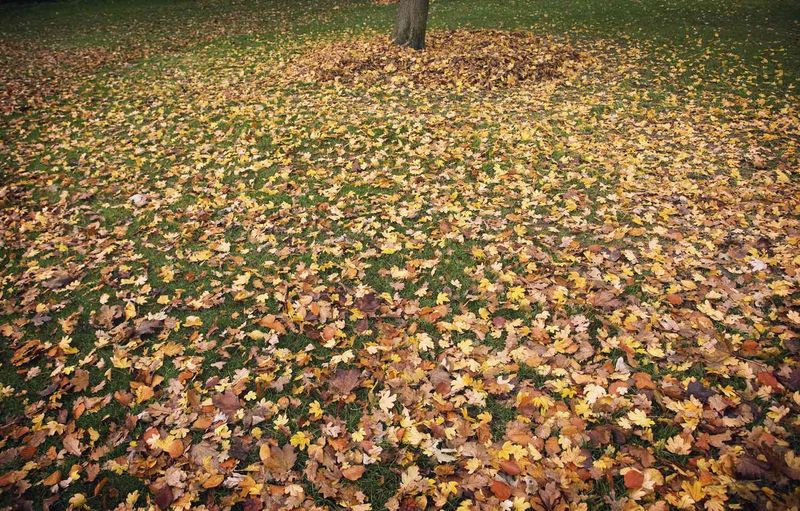
Grass is a sun lover, plain and simple. When a heavy blanket of leaves sits on top of it, the blades underneath lose light and can start turning yellow.
Popular Florida turf types like St. Augustine, Zoysia, and Bahia all need plenty of sunshine to stay thick. A thick layer of leaves can block that light within a couple of weeks, especially on shaded turf that is already struggling.
Add a few rainy days, and the soggy mat holds water right against the blades.
Trapped moisture invites trouble. Fungal problems such as brown patch and gray leaf spot love damp, shaded grass.
Thin, weak patches also give weeds an easy place to move in.
So here is a simple test. Look down at your lawn after leaves fall.
Your Florida Garden Changes Every Week. Your Plan Should Too.
Gardening in Florida changes quickly throughout the season. Every Friday you’ll receive a simple weekly plan showing exactly what to plant, prune, fertilize, harvest, and protect so you never miss the right timing.
If you can still see plenty of green grass peeking through, you are probably fine to leave things alone.
If the ground looks like a brown carpet, it is time to act. You do not need to remove every single leaf.
Just thin the layer so sunlight and air can reach the grass again.
A quick pass with a rake or leaf blower every week or two during peak drop season usually does the trick. Your lawn will stay greener, and you will spend less on repairs later.
3. Mulch Mowing Leaves Right Into Your Grass
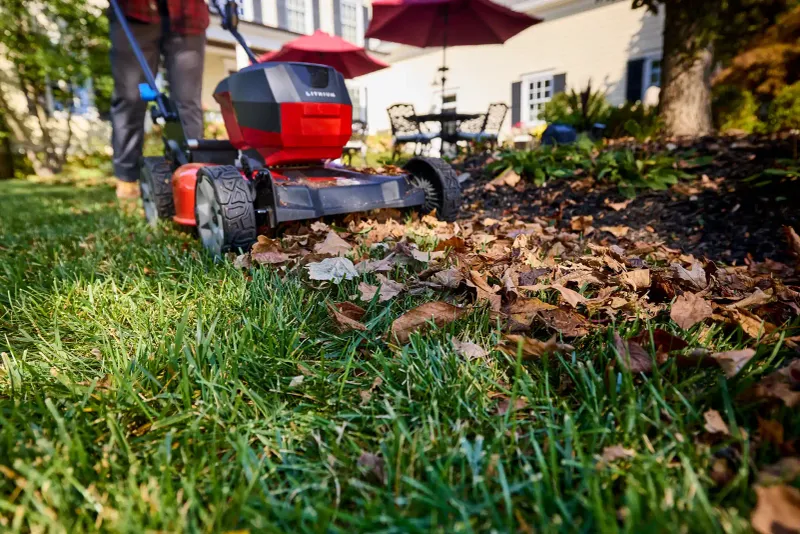
Lazy gardeners, rejoice. There is a method that saves your back and feeds your lawn at the same time.
Mulch mowing means running your mower over the leaves and chopping them into tiny bits. Those small pieces slip down between grass blades and break down quickly in Florida heat.
Studies from university turf programs have found that chopped leaves can add helpful organic matter without harming the lawn.
Most modern mowers handle leaves well, especially ones with a mulching blade. Set the deck at the normal height for your grass type.
For St. Augustine, that is often around three and a half to four inches.
Mow when leaves are dry, since wet ones clump and clog the deck. You may need to make two passes if the layer is thick.
When you are done, the leaf pieces should be about the size of a dime and you should see plenty of grass showing.
Small oak leaves are perfect for this trick. Bigger, tougher leaves like magnolia may need extra passes or a different plan.
Over time, those chopped leaves help sandy soil hold water and nutrients a little better. That means a healthier lawn with less fertilizer.
It is a win for your wallet and for local waterways too.
4. Turning Leaves Into Free Mulch
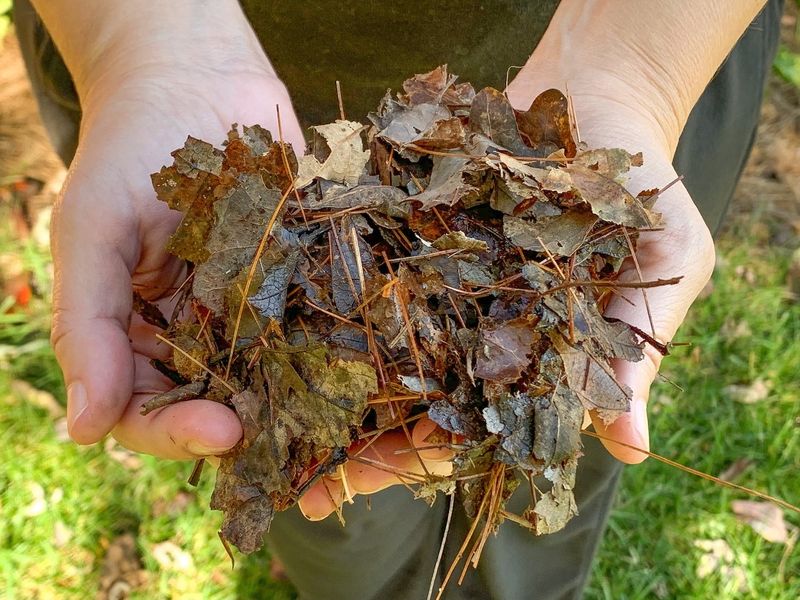
Money doesn’t grow on trees, but mulch sort of does. Every leaf in your yard is a free bag of garden cover waiting to be used.
Store-bought mulch adds up fast, and some types, like certain cypress mulch, are sourced from harvested wetland trees. Leaves are a greener choice that costs nothing.
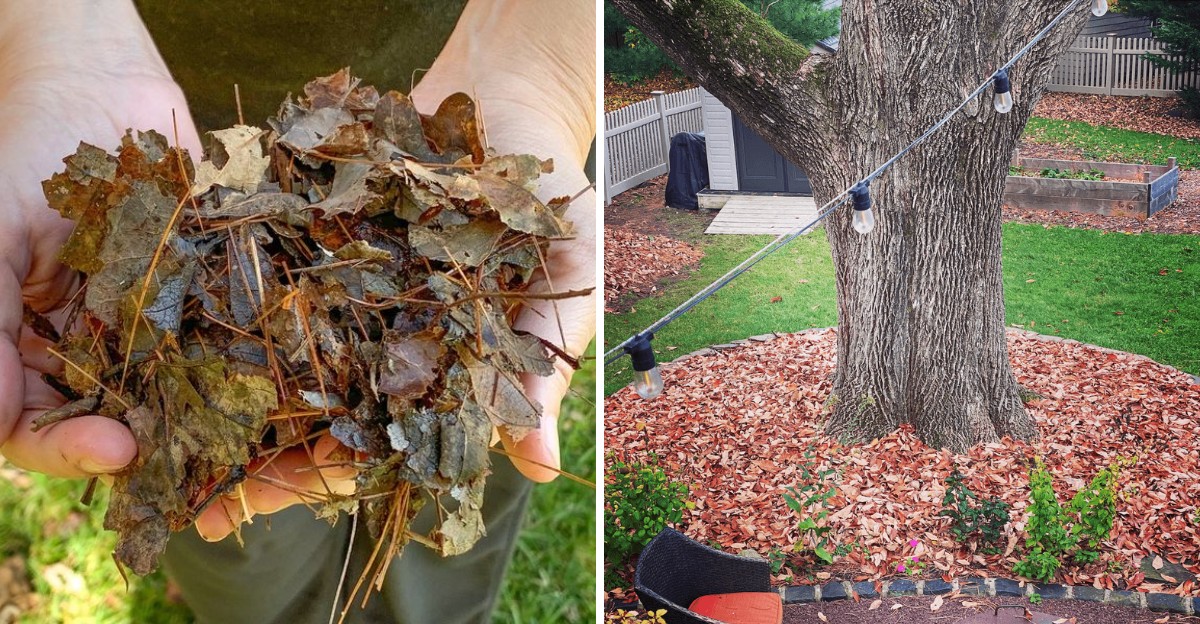
Rake them up, shred them with your mower, and spread them around shrubs, flower beds, and trees.
Aim for a layer about two to three inches deep. Keep it a few inches away from tree trunks and plant stems so moisture does not sit against the bark.
That small gap helps prevent rot and pest problems.
Leaf mulch does several jobs at once in Florida. It shades the soil from blazing sun, holds in water during dry spells, and slowly blocks weeds.
As it breaks down, it adds organic matter to our famously sandy ground.
Shredding matters here. Whole leaves can mat together and shed water instead of letting it soak in.
Chopped leaves stay fluffy and let rain reach the roots.
Shrubs like azaleas and camellias generally do well with a leaf mulch layer, and many native plants, including coontie, are happy with a light organic mulch as well. You will likely notice beds that need less watering and look neater too.
Refresh the layer each time a new batch of leaves drops.
5. Building A Leaf Compost Pile In Your Backyard
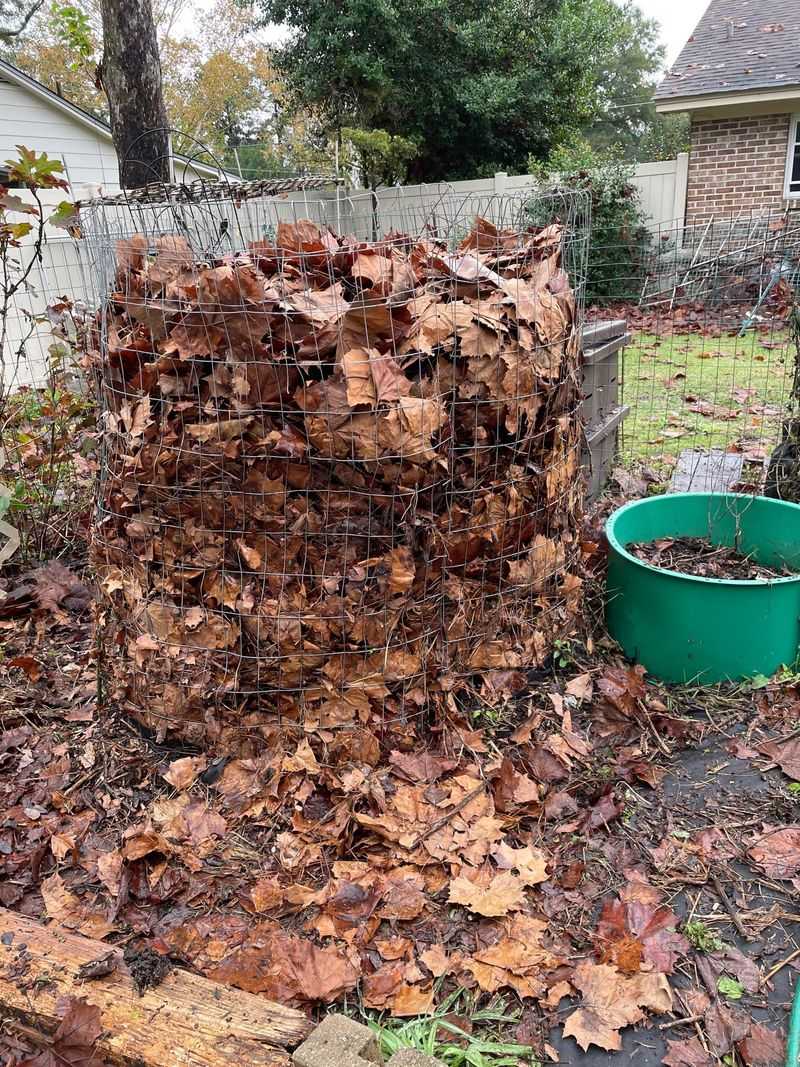
Gardeners sometimes call it black gold. Finished compost is dark, crumbly, smells like a forest floor, and makes almost any plant happier.
Leaves are a key ingredient because they are rich in carbon, which composters call browns. Mix them with greens like vegetable scraps, coffee grounds, and fresh grass clippings.
A common starting point is roughly two to three parts leaves to one part greens, adjusting as you go based on how the pile looks and smells.
Florida gives you a big advantage. Warm temperatures speed up the tiny critters that break everything down.
A well-tended pile here can turn into usable compost in a few months, though shredded leaves and regular turning make a big difference, and unmanaged piles can take considerably longer.
Start with a simple wire bin or a pallet frame in a partly shaded spot. Layer leaves and greens, then sprinkle with water until the pile feels like a wrung-out sponge.
Turn it with a pitchfork every week or two to add air.
Watch out for a few things. During our summer rains, a pile can get too soggy and smell sour.
Toss in more dry leaves to fix that. In a dry spring, add water now and then.
Save a few bags of leaves in your garage so you have browns ready all year. Then use your finished compost in veggie beds, potted plants, and when planting new shrubs.
6. Leaves Make A Cozy Home For Wildlife
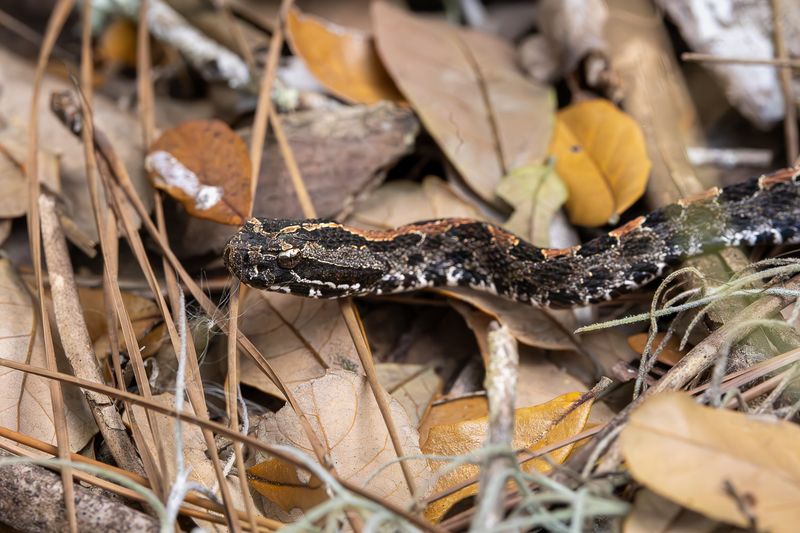
Flip over a patch of leaves and you might meet the neighbors. Beetles, earthworms, tiny spiders, and even skinks hang out in that shady, damp layer.
Leaf litter is like a mini apartment building for wildlife. Many moths and butterflies spend part of their life cycle tucked in fallen leaves.
Ground-feeding birds like brown thrashers and towhees scratch through the litter looking for snacks.
Florida is home to an amazing number of insects and small animals, and many of them depend on this habitat. When every leaf gets bagged and hauled away, those helpful creatures lose shelter and food.
Fewer insects can also mean fewer birds visiting your yard.
You do not have to turn your whole lawn into a jungle to help. Pick a few low-traffic spots, like under trees, behind shrubs, or along a back fence.
Let leaves pile up naturally there.
Native plant beds are an especially good choice. Plants like firebush, beautyberry, and wild coffee pair nicely with a soft leaf layer beneath them.
Kids often love this approach too. A small leaf zone becomes a backyard nature lab where they can spot lizards, roly-polies, and fireflies.
Just remind everyone to look carefully before reaching in, since snakes and fire ants may also enjoy the cover.
7. Keeping Leaves Out Of Storm Drains And Waterways
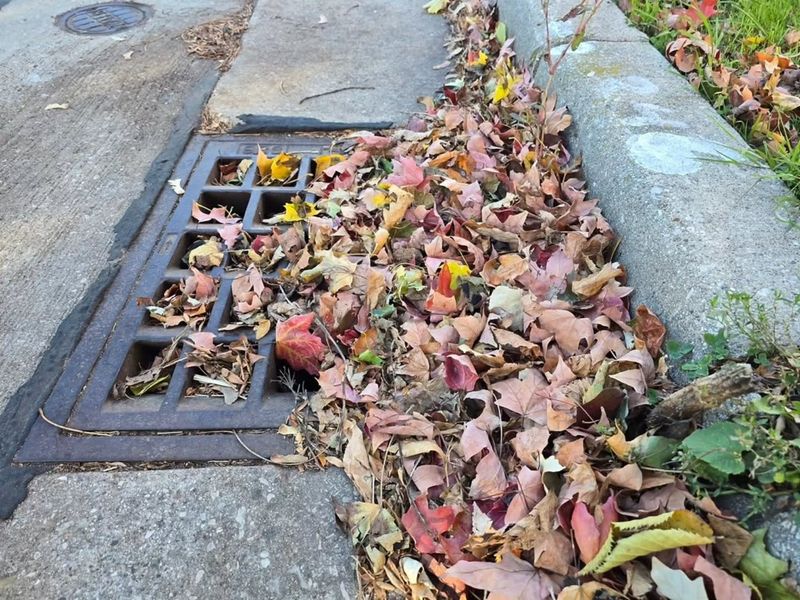
Here is something many homeowners overlook. Where your leaves end up can affect lakes, rivers, and springs miles away.
When leaves get blown into the street or gutter, rain washes them into storm drains. In many communities, those drains carry runoff to nearby water bodies, and while some systems pass through retention ponds, treatment is often limited.
As the leaves break down in the water, they release nitrogen and phosphorus.
Those nutrients act like fertilizer for algae. Too much can lead to green, smelly blooms that harm fish and make water unsafe for swimming.
Our state already battles algae problems in places like Lake Okeechobee and many local ponds.
The good news is that the fix is easy. Point your leaf blower toward your lawn or beds, not the road.
Sweep up any leaves that drift onto your driveway or sidewalk and put them back in the yard.
Many cities and counties in Florida have rules against blowing yard debris into streets, and enforcement varies by location.
Checking your local guidelines takes just a few minutes online.
If you live near a canal, lake, or pond, keep a strip of land along the water free of loose leaf piles. A planted buffer of native grasses can catch runoff and help protect the shoreline.
Small habits really do add up for cleaner water.
8. Spots Where Raking Is A Must In Florida
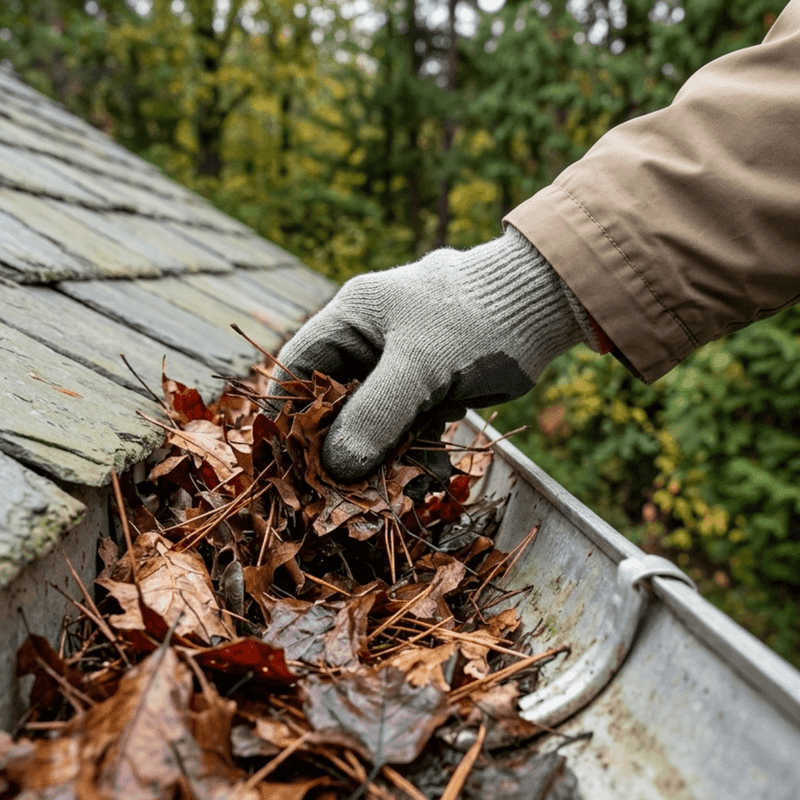
Some places just don’t do well with leaves. Even fans of a natural yard should keep a rake handy for a few key areas.
Gutters and roofs come first. Clogged gutters overflow during our heavy summer storms and can send water toward your foundation.
Leaves on a flat roof can hold moisture and wear down roofing over time.
Pools and screened lanais are next. Leaves stain pool surfaces, clog filters, and shift your water chemistry.
A pool cover or regular skimming during peak drop saves you work and chemicals.
Walkways, steps, and driveways need attention for safety. Wet leaves get slippery, especially after an afternoon shower.
Anyone who has slid down a damp porch step knows how fast that can happen.
Areas right next to your house also deserve care. Thick leaf piles against walls can hold moisture and give pests cover close to the house.
Keep a clear zone of about a foot around your foundation.
Fire safety matters too, especially during Florida dry season in spring. Dry leaf piles near grills, fire pits, or wooden decks can catch sparks.
Clear those spots regularly when the weather turns dry and windy.
Handle these zones, and you can feel good letting leaves stay put elsewhere.
9. Finding The Right Balance For Your Yard
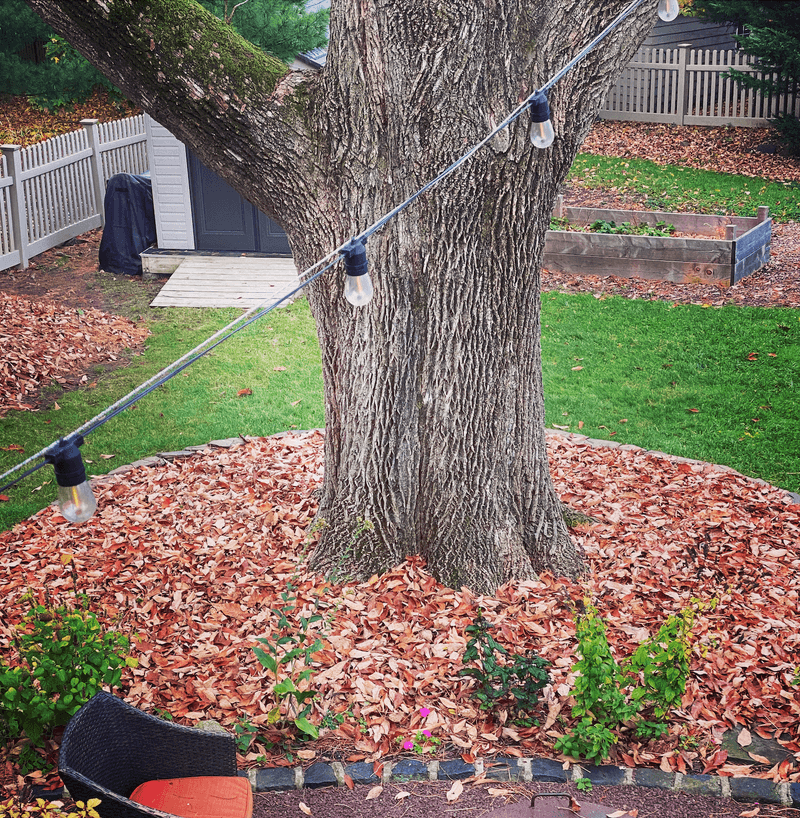
So, rake or relax? Honestly, the smartest Florida yards usually do a little of both.
A balanced plan might look like this. Mulch mow light leaf layers on the lawn.
Rake heavy piles into flower beds as mulch. Toss extras into a compost bin, and leave a wild corner for lizards and butterflies.
Then keep gutters, pools, walkways, and the street clear. That simple mix gives you a tidy look where it counts and free benefits everywhere else.
If you live in a neighborhood with an HOA, check the rules before going too natural. Some associations expect a neat lawn.
Shredded leaves in beds often pass inspection because they look like regular mulch.
Tools can make the job easier. A mulching mower, a sturdy leaf rake, and a lightweight blower cover most needs.
Reusable yard bags or a garden cart help move leaves around without plastic waste.
Your time and energy matter too. Spreading the work over short weekly sessions feels much easier than one giant cleanup day in the heat.
Give the plan one season and watch what happens. Many homeowners notice softer soil, fewer weeds in beds, more birds, and a lower water bill.
Those fallen leaves might turn out to be one of the best gifts your trees give you.