The Winter Weeds That Show Up in Arizona Yards After the First Fall Rain
One good fall storm can turn a bare gravel yard in Phoenix or Tucson into a carpet of green almost overnight. That green is usually not grass you planted but a wave of winter weeds that have been waiting in the soil for cool air and moisture.
Some of them are harmless, a few are actually helpful, and one or two can become real fire and health hazards by spring. Knowing which is which lets you pull the troublemakers early and keep a yard that works for you and the wildlife around it.
1. London Rocket
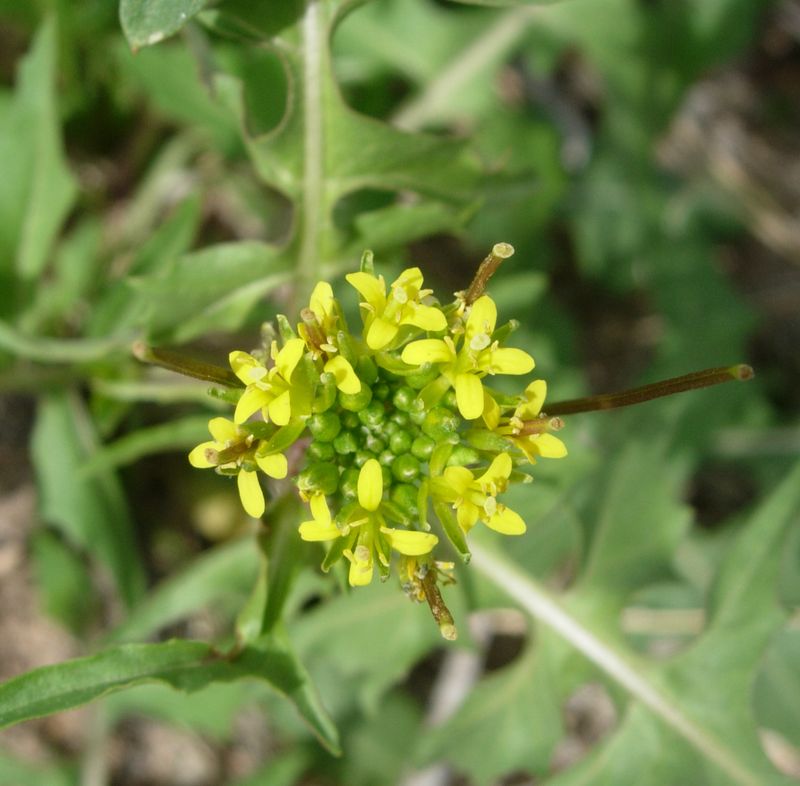
Blink after a November shower and London rocket seems to appear from nowhere. Within a couple of weeks, those tiny seedlings shoot up into tall, skinny stems topped with clusters of little yellow flowers.
Gravel beds, vacant lots, and the edges of driveways are its favorite hangouts.
You can spot it by the deeply lobed leaves that look a bit like a dandelion or arugula. That makes sense, since it belongs to the mustard family.
Each plant churns out long, thin seed pods packed with hundreds of seeds, which is why one missed plant this year can mean dozens next winter.
The good news is that London rocket has shallow roots and pulls out easily, especially when the soil is still damp from rain. Try to get it before those pods turn tan and split open, usually by late February.
A quick weekly walk around the yard with a bucket goes a long way.
Some birds, like finches and sparrows, will nibble the seeds, so a small patch along a back wall is not the end of the world. Just keep it away from patios and walkways, where dry stems can collect trash and give pests a place to hide.
2. Stinknet
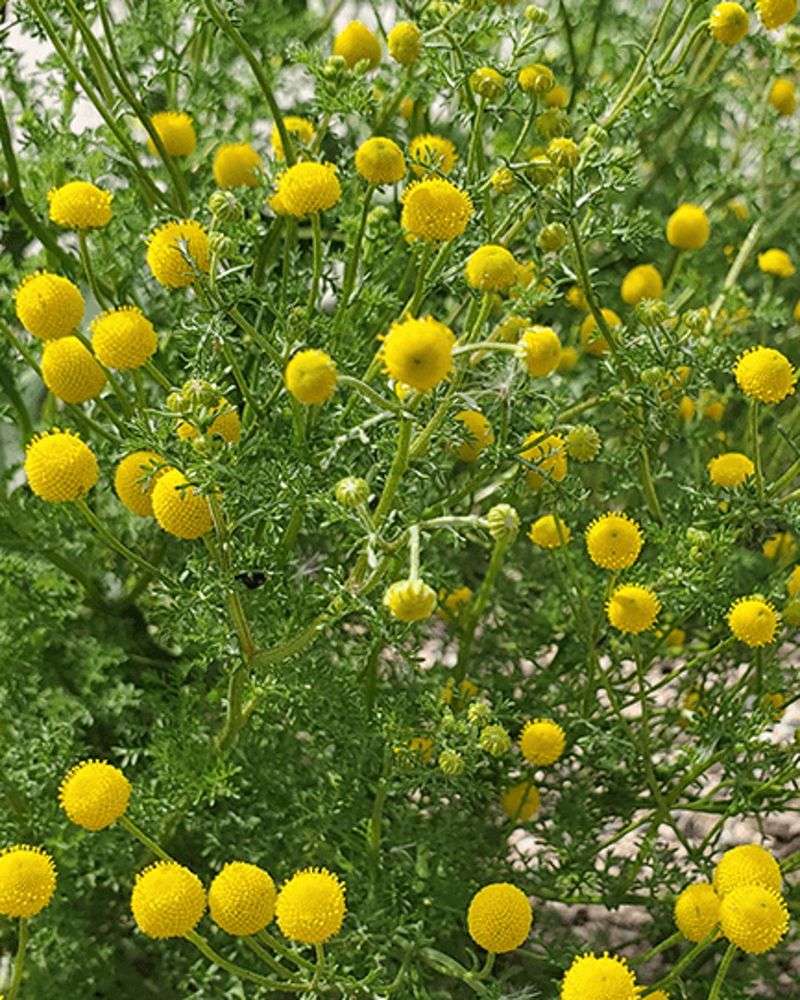
If there is one winter weed Arizona homeowners should never ignore, stinknet is it. Also called globe chamomile, it starts out looking innocent, with lacy, carrot-like leaves hugging the ground.
By February, it sends up round, bright yellow button flowers that smell sharp and unpleasant when brushed.
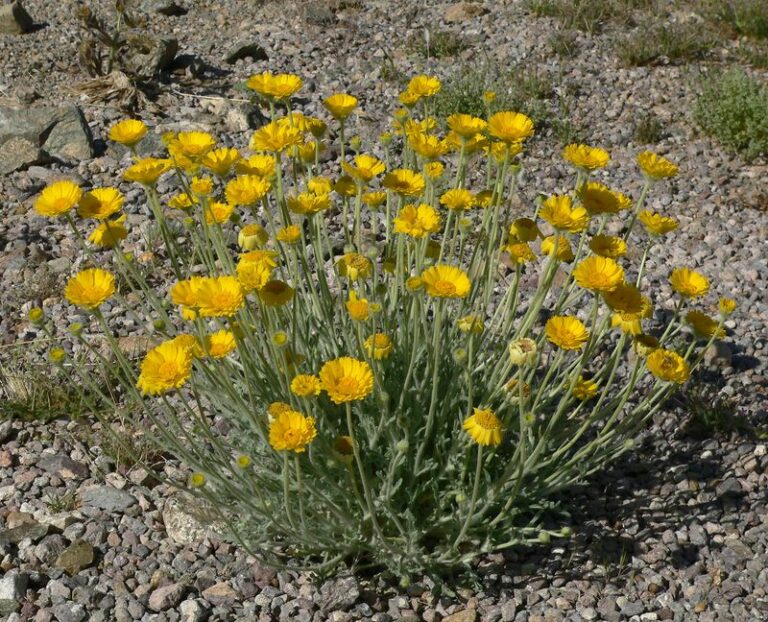
Here is why it matters. Stinknet spreads fast across open desert and yards, crowding out native wildflowers like desert marigold and lupine.
When it dries in late spring, it becomes fine, fluffy fuel that can carry fire right up to a home. Local wildlife also tends to skip it, so it offers very little habitat value in return.
Handle it carefully. Many people get itchy skin or breathing irritation from touching it, so wear gloves, long sleeves, and even a mask when pulling a big patch.
Pull or hoe plants while they are small, ideally before the yellow balls appear. Bag them instead of tossing them on a compost pile, because seeds can still mature after pulling.
Check the same spot again in a few weeks, since new seedlings often keep popping up after each winter rain. Neighbors will thank you for staying on top of it.
3. Annual Bluegrass
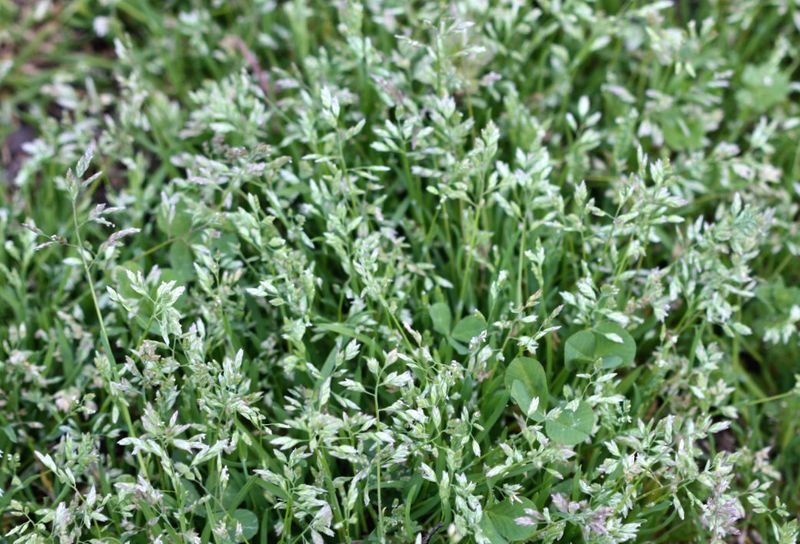
Ever noticed pale green tufts poking up in the shady side of the lawn while the rest is dormant Bermuda? That is probably annual bluegrass, a cool-season grass that loves Arizona winters.
Your Arizona Garden Changes Every Week. Your Plan Should Too.
Gardening in Arizona changes quickly throughout the season. Every Friday you’ll receive a simple weekly plan showing exactly what to plant, prune, fertilize, harvest, and protect so you never miss the right timing.
It grows in small, soft clumps that look lighter than the turf around it. Soon after sprouting, it pushes up feathery little seed heads, even when it is mowed short.
Damp spots near sprinklers, north-facing walls, and areas under trees are where it shows up first.
Annual bluegrass does not stick around for the heat. Once temperatures climb into the 90s in late spring, it browns out and leaves bare patches behind.
Those empty spots can let summer weeds move right in, which is the real headache.
Cutting back on winter watering is one of the easiest fixes. Lawns need far less water in cool months, and wet soil is exactly what this grass wants.
Hand-pull small clumps, and think about whether that soggy shady strip might be better as a bed of native plants such as Mexican honeysuckle or desert ruellia.
Swapping thirsty grass for shade-tolerant natives can save water, cut mowing, and give hummingbirds a reason to visit.
4. Burrclover
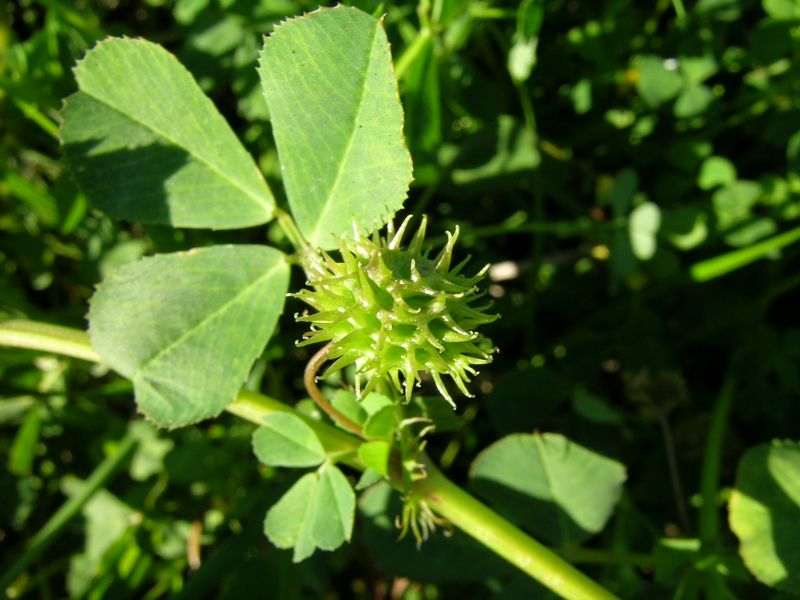
Dog owners usually meet burrclover the hard way. After a walk through the yard in March, their pup comes back with tiny spiky balls stuck in its fur, between its toes, and all over its belly.
Early on, burrclover looks friendly enough. It has three-part leaves like clover and small yellow flowers.
Then those flowers turn into coiled, spiny burrs built to hitch a ride on socks, shoes, and animals. That is how it spreads from yard to yard so easily.
It grows well in both lawns and granite landscapes. As a legume, it can add some nitrogen to the soil, which is one small point in its favor.
Still, most people do not want burrs in their pets or bare feet.
The best timing is early. Pull plants while they are still green and flowering, before the burrs form and harden.
A sharp hoe works well on larger patches in gravel.
If burrs have already dropped, rake them up and bag them. Brush pets after outings during spring, and check paws for anything stuck.
Keeping open soil covered with mulch or native groundcovers like trailing dalea can make it harder for burrclover seeds to take hold.
5. Cheeseweed (Little Mallow)
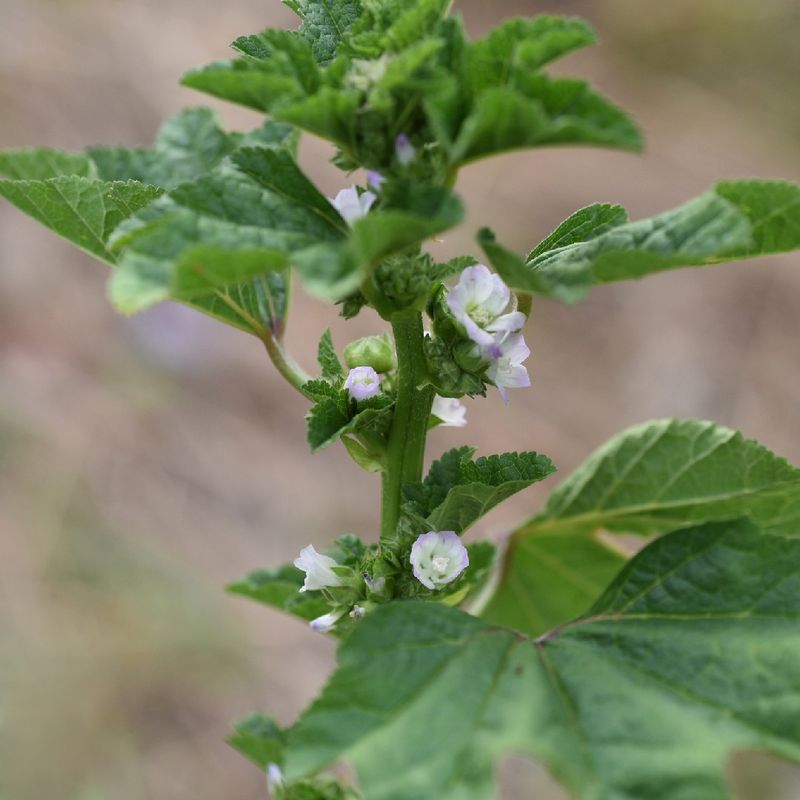
Grandmas in the Southwest sometimes called it cheeseweed because its little seed pods look like tiny wheels of cheese. Kids even used to snack on them.
Today, most homeowners just know it as that round-leaved weed that will not quit.
Little mallow has soft, roundish leaves with wavy edges and small pale pink or white flowers. It can stay low and spread wide, or grow into a bushy plant a couple of feet tall.
Lawns, granite, flower beds, and even pavement cracks are all fair game.
What makes it tough is the root. Cheeseweed sends down a long taproot, and if you snap the top off, it often grows right back.
Pulling after a rain, when the ground is soft, gives you the best shot at getting the whole thing.
A narrow weeding tool or a dandelion fork helps loosen the root before you pull. Young plants are much easier, so tackle them in December and January instead of waiting.
Big mallow patches can also give crickets and other bugs a cool place to hide, which may draw scorpions looking for a meal. Clearing it from foundations and patios keeps the area less inviting.
6. Oxalis (Yellow Wood Sorrel)
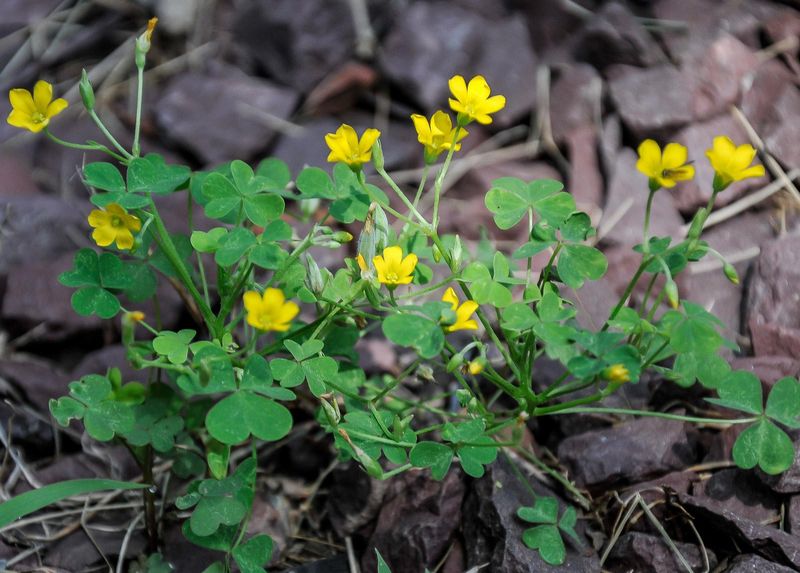
Tap a ripe oxalis seed pod and you might get a surprise. The pods can burst open and fling seeds several feet away, like a tiny catapult.
No wonder it seems to spread across planters so quickly.
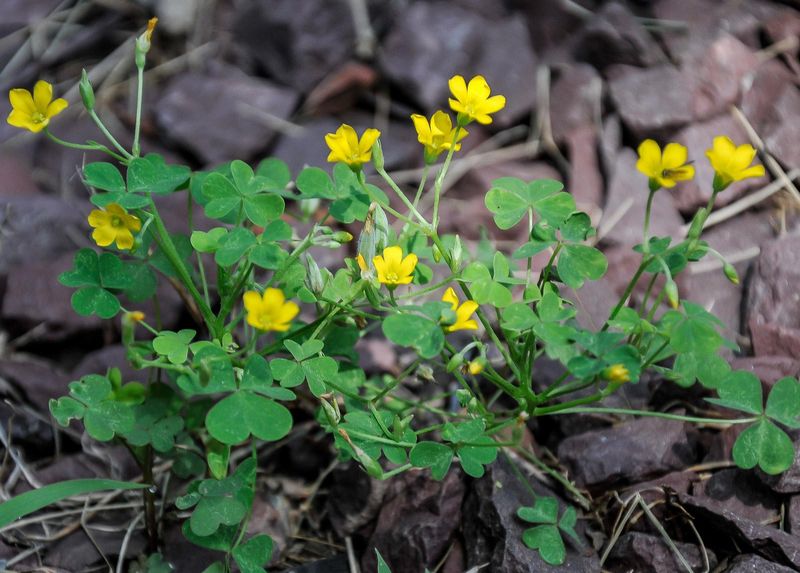
Oxalis is often mistaken for clover, but look closer and you will see heart-shaped leaflets that fold up at night. Small yellow flowers with five petals sit above the leaves.
It loves moist, shady areas, so you will often find it around drip emitters, potted plants, and under patio misters.
Because it hides in pots and nursery containers, oxalis frequently moves into yards on newly bought plants. Check the soil surface of anything you bring home and pick out little clover-like sprouts before planting.
To control it, pull gently so you get the thin roots, and do it before flowers become pods. Keeping watering focused right at plant roots, instead of wetting a wide area, gives oxalis fewer places to settle.
A layer of mulch around shrubs helps too. In the low desert, oxalis usually fades when summer heat sets in, but its seeds stay ready for the next cool, wet season, so a little steady attention pays off.
7. Filaree (Storksbill)
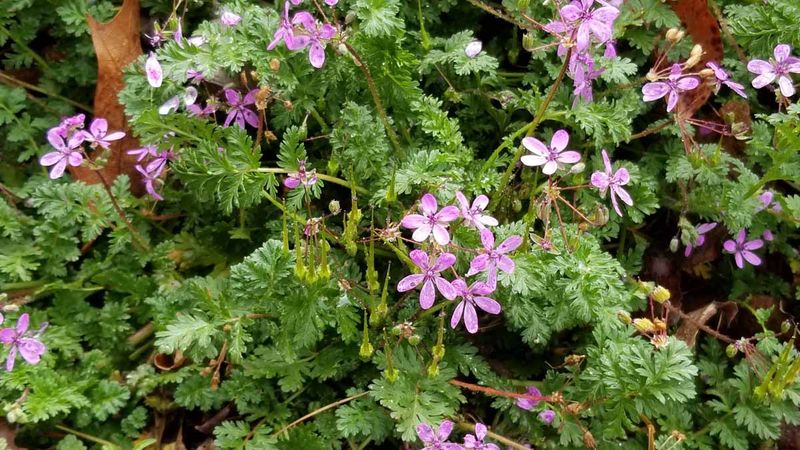
Not every winter weed deserves a fight. Filaree, sometimes called storksbill, is one of the more easygoing visitors that shows up after fall rain.
It forms flat rosettes of finely cut, fern-like leaves that hug the ground. Small magenta flowers appear in late winter, followed by long, pointed seed pods shaped like a bird’s beak.
When those pods dry, the seeds twist like little corkscrews and actually drill themselves into the soil. It is a pretty clever trick.
Filaree has been in Arizona so long that many folks treat it almost like a wildflower. Its low cover can shade bare ground, which may help the soil hold onto moisture during cool months.
Early bees visit the flowers, and quail and doves often peck at the seeds.
In a natural-style desert yard, letting some filaree grow in open areas can be a reasonable choice. It dies back on its own as heat returns in May.
Where it creeps into vegetable beds or tidy gravel paths, just pull it before the seeds ripen. Think of it as a judgment call, not an emergency.
A small patch can quietly support wildlife while you focus your energy on worse offenders.
8. Wild Oats
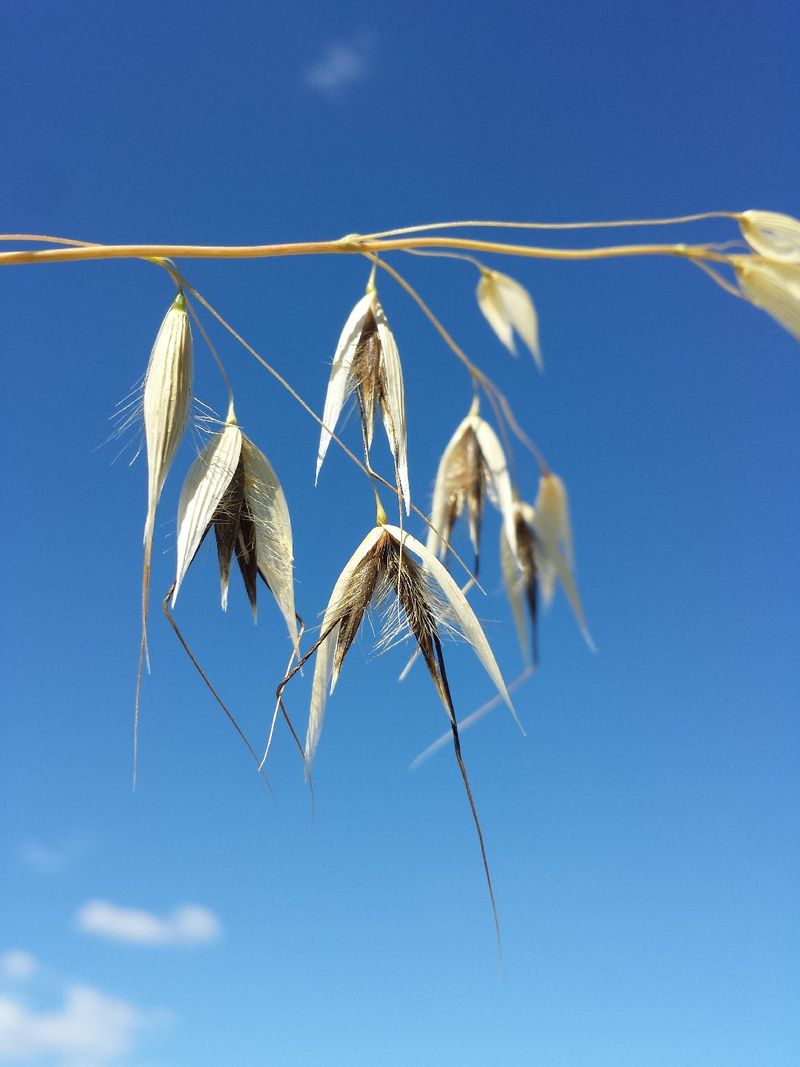
Picture a clump of grass along your back wall that looks almost like a crop from a farm. Those drooping, papery seed heads are wild oats, and they thrive on very little water during Arizona winters.
Wild oats sprout after fall rain with narrow, flat blades that are easy to mistake for ordinary grass. By late winter, the stems stretch upward and form open clusters of dangling seeds.
Each seed has a stiff, bent bristle that can poke into socks and pet fur.
The bigger concern comes when spring heat arrives. Wild oats dry quickly into golden straw, and thick stands can add fuel near fences and sheds.
Dry grass along a wall can also shelter insects that bring scorpions closer to your home.
Pulling is simple while the soil is moist, since the roots are fibrous and shallow. Mow or cut larger patches before the seed heads mature, then rake up the clippings.
Once the area is clear, consider planting something useful in fall. Native bunchgrasses like bush muhly or deer grass, or a row of brittlebush, can fill the space, hold soil, and offer birds shelter without turning into a tinderbox.
9. Russian Thistle (Tumbleweed)
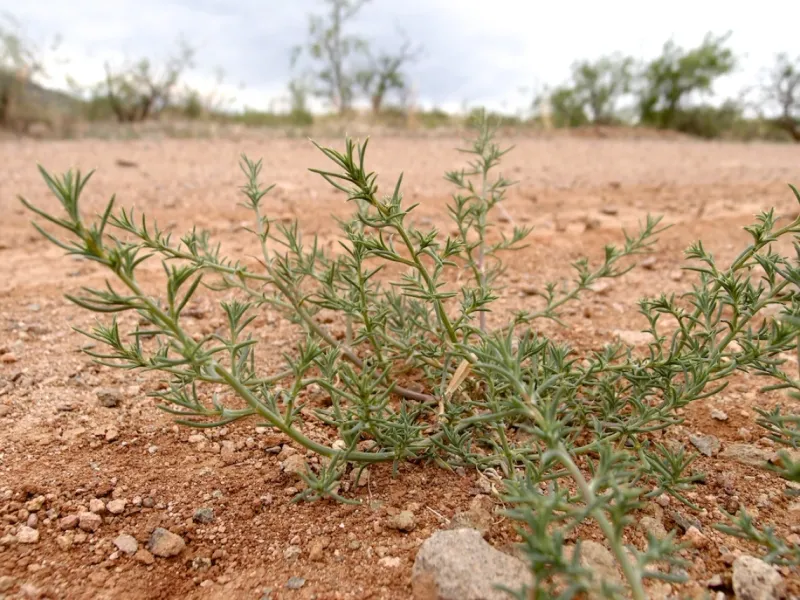
Tumbleweeds rolling across the road feel like a classic Western movie scene. In real life, they are a prickly nuisance, and the story starts as tiny seedlings in your yard.
Russian thistle sprouts after cool-season rains and keeps growing into the warm months. Young plants have soft, thread-like leaves and often reddish stripes on their stems, so they look harmless at first.
As they mature, the leaves turn stiff and spiny, and the whole plant rounds out into a ball.
When it dries, the main stem snaps, and the plant tumbles in the wind, scattering thousands of seeds along the way. Piles of dry tumbleweeds against fences and walls are a real fire risk and a cozy shelter for pests.
Here is the trick: deal with it while it is young and tender. Seedlings pull out in seconds with gloved hands.
Waiting until summer means wrestling a scratchy bush.
Keep disturbed, bare soil to a minimum, since that is where tumbleweeds take off. Planting tough natives such as desert globemallow or creosote bush helps cover open ground, giving seeds less room and giving pollinators and lizards a better home.
10. Buffelgrass
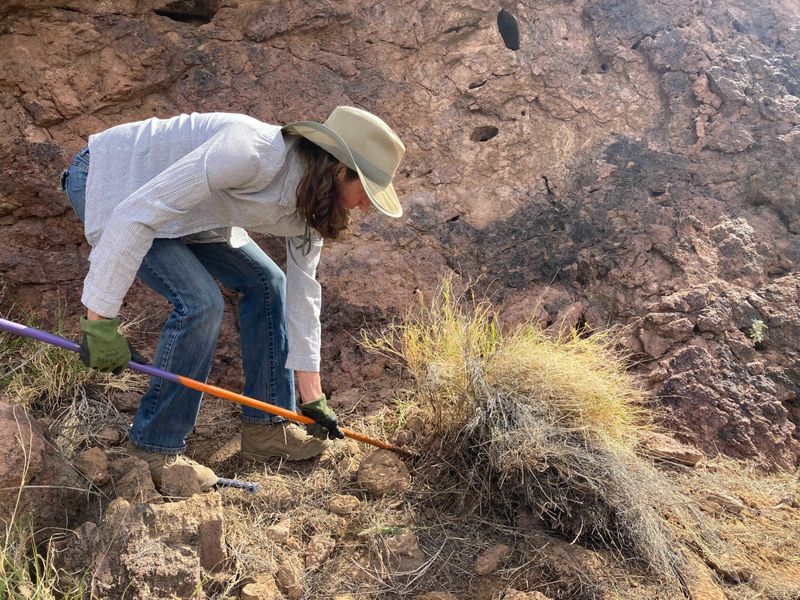
Buffelgrass might be the most serious grass threat in the Sonoran Desert. Brought over from Africa for cattle feed, it now spreads across hillsides, washes, and backyards in both Tucson and Phoenix.
It grows in thick, knee-high clumps with bristly seed heads that often have a purple tint. Although it greens up strongest after summer monsoons, fresh sprouts and regrowth often show after fall and winter rains, so the cool season is a great time to catch it.
Why so much worry? Our native desert plants, like saguaros and palo verdes, did not evolve with fire.
Buffelgrass packs the gaps between them with fuel that burns hot and fast, then bounces right back. It also crowds out the wildflowers and shrubs that feed native bees, birds, and lizards.
Small plants can be dug out with a pick or digging bar. Get the entire crown and root mass, or it will regrow.
Bag the seed heads so they cannot scatter.
After removal, replant bare spots in October or November with natives such as brittlebush, globemallow, or penstemon. Filling the ground with desert-adapted plants is one of the best ways to keep buffelgrass from returning.