Why Hellebores Deserve A Spot In Every North Carolina Shade Garden This Winter
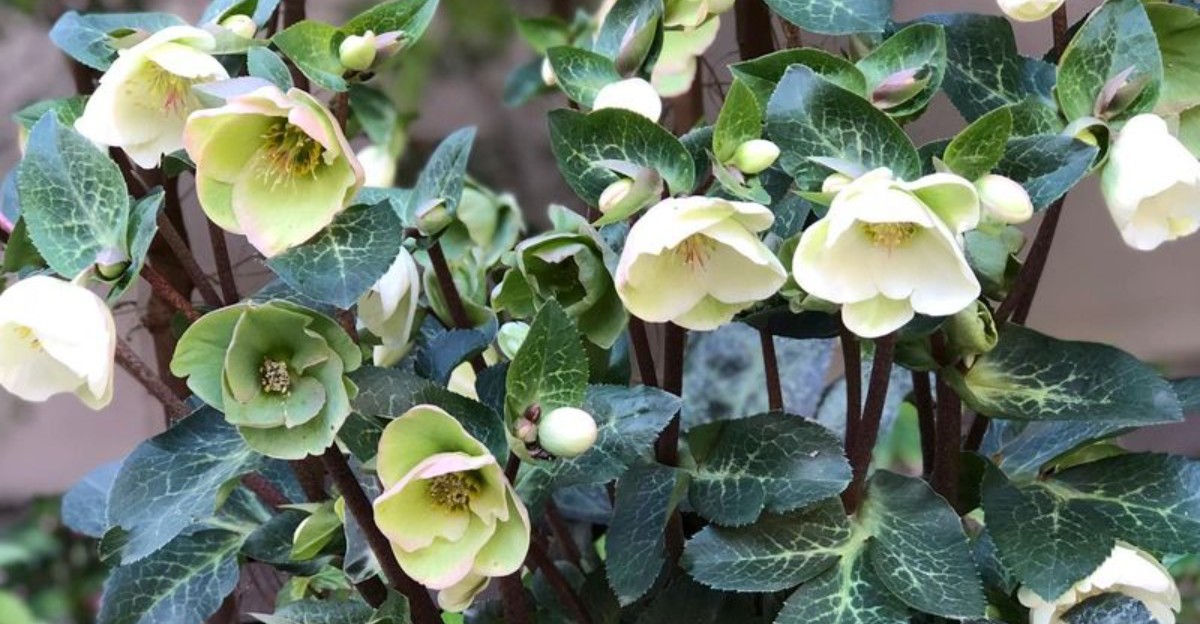
January is not kind to shade gardens. Leaves have rotted down, the soil is cold, and most beds look empty. Then a hellebore opens, with a nodding flower in soft pink, cream, or deep plum, and the whole corner feels awake.
These plants bloom when almost nothing else dares, and the flowers hang on for weeks. The leathery leaves stay green through most of the year, so shady beds never look bare. Deer usually walk right past them.
Once settled, they ask for very little, just rich, well-drained soil and a bit of shade. They are toxic if eaten, so keep that in mind around pets and children.
Fall is the best planting time, which makes now the moment to give your winter garden something to look forward to.
1. They Bloom When Little Else Does
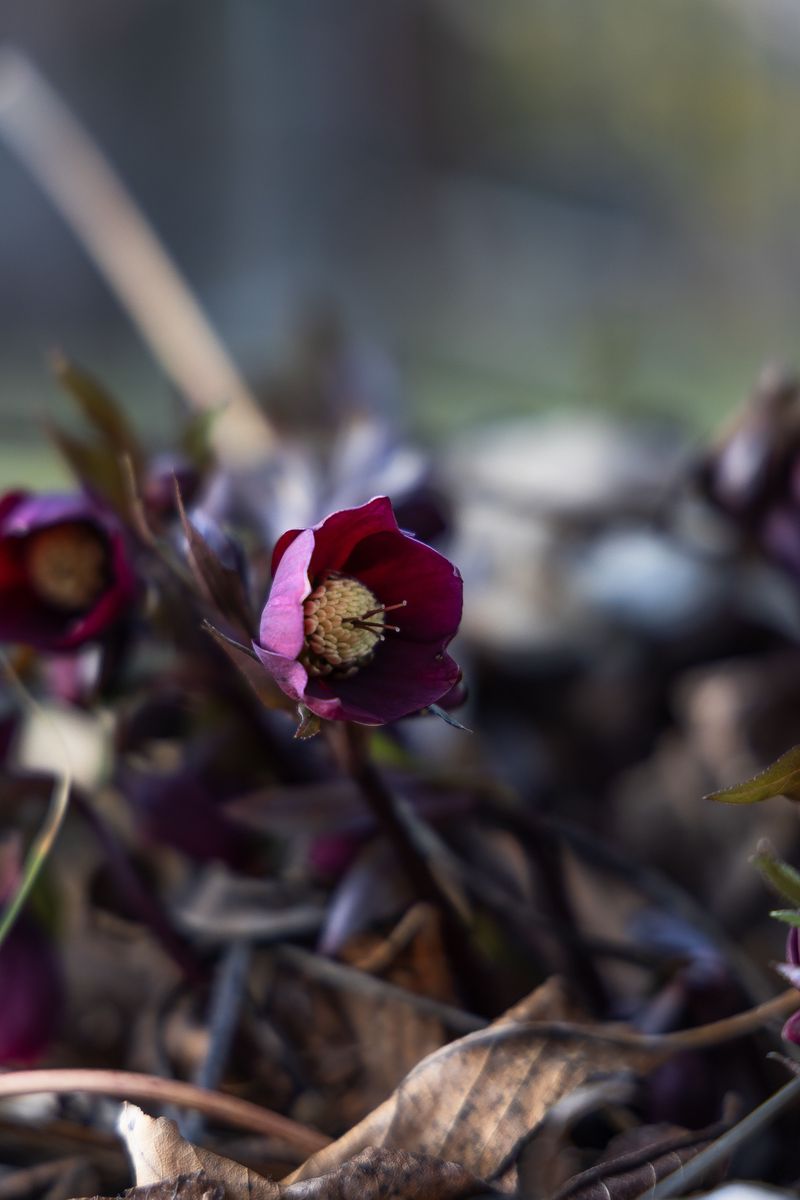
Step outside on a chilly February morning, and most of the garden looks asleep. Then you spot a cluster of hellebores, nodding their pretty heads like they never got the memo about winter. That surprise is half the fun of growing them.
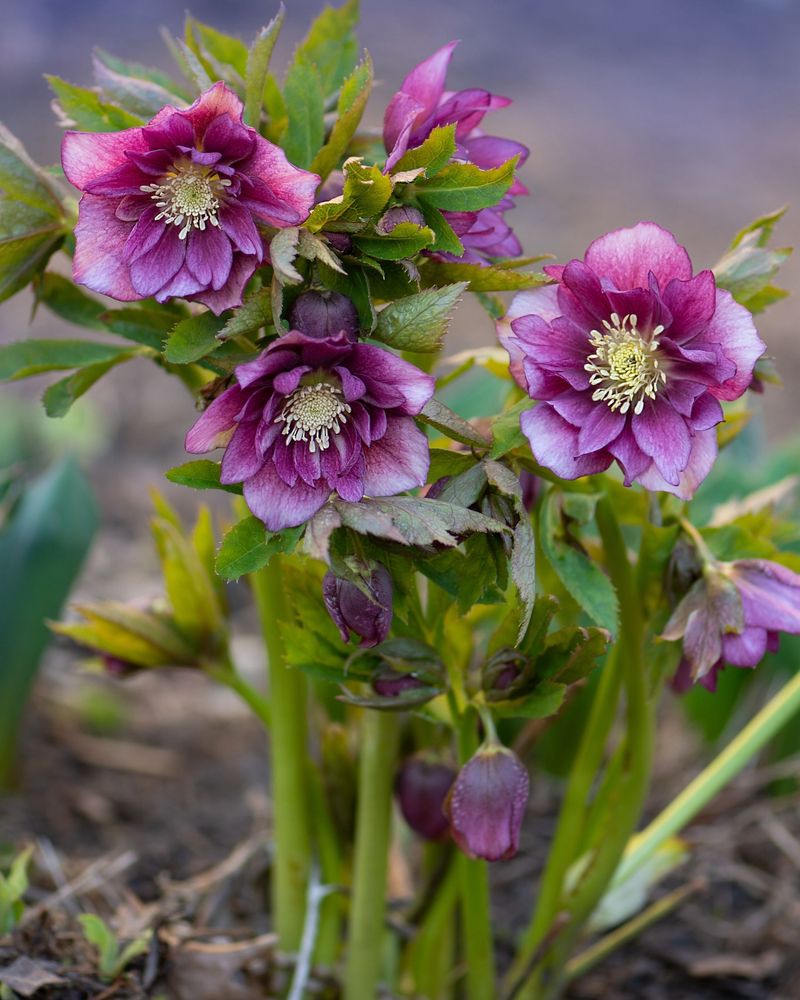
The Lenten rose, or Helleborus × hybridus, is the most popular type, and it earns its fame. Its cup-shaped flowers come in white, soft pink, rich purple, deep burgundy, and even green.
Some have freckles or speckles inside, while others show a thin, colorful edge around each petal.
Blooms open from late winter into early spring. In milder spots, you might even see the first flowers in January. When the hostas are underground and the ferns have gone brown, hellebores bring real color to the shade.
Placement makes a big difference. Many hellebore flowers face downward, so they look best from up close or slightly below. Try planting them along a walkway, beside your front steps, or near a window you look through every day.
A raised bed or a gentle slope also helps, since it lifts the blooms closer to eye level. Some newer varieties hold their flowers more upright, which is a nice bonus for gardeners who want an easy view.
Here in North Carolina, hellebores usually bloom from February into April. Gardens in the Coastal Plain tend to see flowers first, while the Piedmont follows a bit later. Up in the Mountains, the show often starts last but lasts well into spring.
No matter where you live in the state, a few hellebores near the door turn a dull winter walk into something cheerful. You will find yourself checking on them every single day.
2. Their Leaves Stay Green All Year
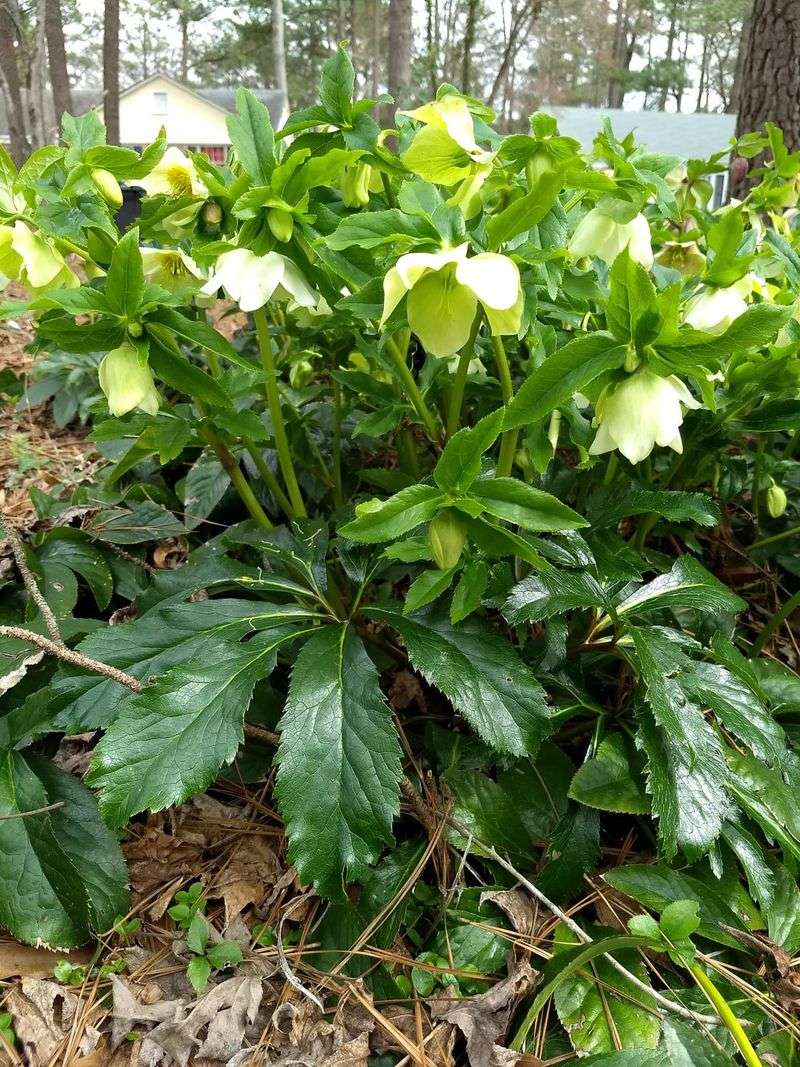
Good bones matter in a garden, and hellebores have them. Long after summer plants fade away, their bold leaves keep the bed looking alive. Think of them as the steady friend who shows up in every season.
Each leaf is thick, leathery, and split into several finger-like sections. The dark green color looks rich against brown mulch and bare tree trunks.
That strong shape adds texture and structure when hostas, ferns, and many other perennials have vanished for the year.
Your North Carolina Garden Changes Every Week. Your Plan Should Too.
Gardening in North Carolina changes quickly throughout the season. Every Friday you’ll receive a simple weekly plan showing exactly what to plant, prune, fertilize, harvest, and protect so you never miss the right timing.
Of course, even tough leaves get worn out. By late winter, last year’s foliage can look tattered, spotted, or flattened by cold weather. That is your signal to grab the pruners.
Watch for new flower buds poking up from the center of the plant. Once you see them, snip the old leaves off at the base, close to the ground. Removing them shows off the flowers and clears room for fresh spring growth.
Work carefully so you do not cut the new buds by accident. Clean pruners help keep leaf spot problems from spreading. Toss damaged leaves in the trash instead of the compost pile if they look diseased.
Fresh leaves will quickly fill in after the blooms open. By summer, you will have a neat, full mound of green that stays put through fall and winter again.
Shade gardens across North Carolina can look thin and empty from December through March. Evergreen perennials like hellebores fill those gaps beautifully.
Pair them with other green favorites, such as Christmas fern or autumn fern, and your shady beds will look full and inviting all winter long.
3. Deer And Rabbits Usually Leave Them Alone
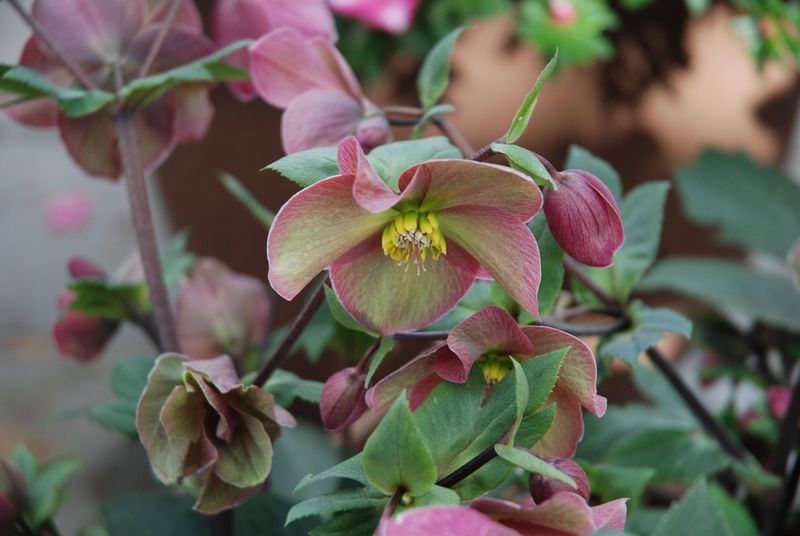
Anyone who has lost a whole row of hostas overnight knows the frustration. You plant, you water, you wait, and then the deer show up for a midnight buffet. Hellebores offer a welcome break from that cycle.
All parts of the plant are toxic and taste bitter. Deer and rabbits seem to know it, and they usually walk right past. That makes hellebores one of the most reliable choices for shady yards where browsing animals visit often.
No plant is totally deer-proof, especially when animals get very hungry. Still, hellebores come close, and they rarely suffer more than a curious nibble. Many gardeners use them as a backbone plant in spots where nothing else seems to survive the herd.
Try tucking them into areas where your hostas or daylilies keep getting chewed. Planting them near the edges of a bed can even help shield tastier plants behind them. A mix of hellebores, ferns, and other tough shade plants creates a garden deer find boring.
That same toxic quality means you should handle them with some care. Wear gloves when planting, dividing, or trimming, since the sap can irritate skin. Wash your hands afterward, too.
Families with pets or young children should think about placement. Keep hellebores away from play areas or spots where a puppy likes to chew. Front borders and woodland beds usually work well.
Deer pressure is a constant challenge in many North Carolina neighborhoods, from Asheville suburbs to Raleigh cul-de-sacs.
Hellebores let you enjoy winter flowers without building a fence or spraying repellent every week. That peace of mind is worth a lot.
4. They Handle Shade, Including Dry Shade Under Trees
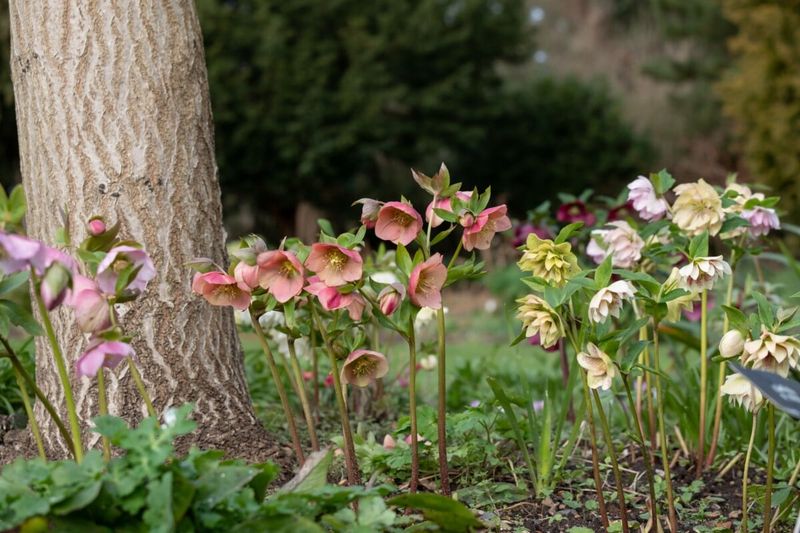
Under a big oak tree sits one of the trickiest spots in any yard. Grass struggles there, roots crowd the soil, and summer shade can be deep. Hellebores often look right at home in exactly that place.
They grow best in part shade to full shade. Spots beneath deciduous trees work especially well. In winter, bare branches let sunlight reach the plants while they bloom, and in summer, the leafy canopy shields them while they rest.
Once established, hellebores also handle dry shade better than many perennials. Tree roots soak up a lot of water, but a mature hellebore clump can usually cope. Young plants need more help, though, so a little effort early on pays off later.
Start with rich, well-drained soil. Mix in plenty of compost at planting time, especially if you have heavy red clay. Good drainage matters because soggy ground can rot the crowns.
Mulch is your next secret weapon. Shredded leaves make a perfect choice, since they copy the natural forest floor and slowly feed the soil. Keep mulch a little away from the center of each plant.
Water regularly during the first year, aiming for moist but not wet soil. After that, give a deep drink during long dry spells. Skip low spots where rain puddles after storms.
Oaks and maples shade yards all across North Carolina, from coastal towns to mountain neighborhoods. Many homeowners give up on those areas. With hellebores, that tough shady patch can become your favorite winter view.
5. Their Flowers Last For Weeks
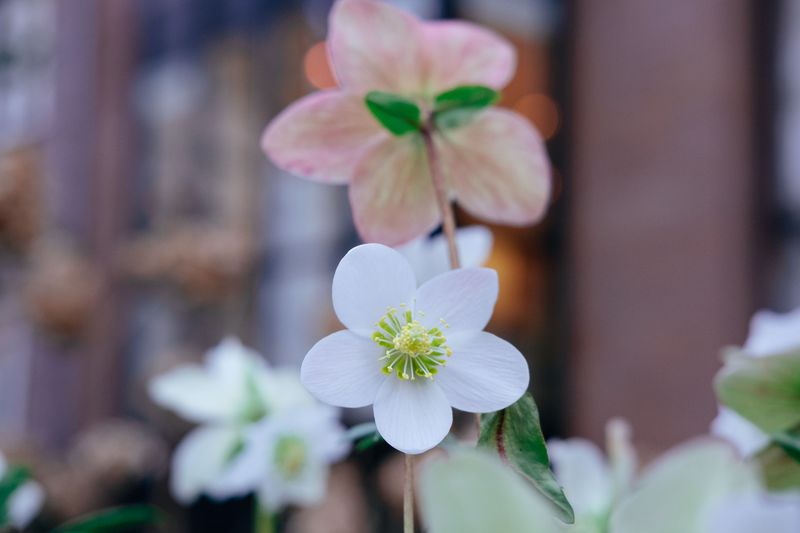
Most spring flowers feel like a quick visit. Tulips and daffodils put on a lovely show, then fade after a week or two. Hellebores stick around much longer, and there is a neat reason why.
The colorful parts you admire are not true petals at all. They are sepals, which normally protect a flower bud. On hellebores, these sturdy sepals stay on the plant for weeks after the real flower finishes its job.
As time passes, the sepals slowly change color. A bright pink bloom might shift to a dusty rose, while white ones often blush green or soft pink. Watching that gradual change becomes part of the fun.
Many hellebores stay attractive for several weeks, and some look good for a couple of months. That long season makes them great value for your garden budget. One plant gives you a lot of color for a long time.
Cutting a few blooms for indoor display is a great way to enjoy them even more. Fresh flowers sometimes droop in a vase, so many gardeners float them in a shallow bowl of water instead. Seen from above, the faces look stunning on a table.
Older blooms, where seed pods have started to form, tend to last longest when cut. Change the water every couple of days to keep them looking fresh.
For North Carolina gardeners, this long show stretches from late winter well into spring. Your hellebores may still look lovely when the dogwoods and azaleas start opening. That kind of overlap creates a garden that feels colorful for months.
6. They Feed Early Pollinators
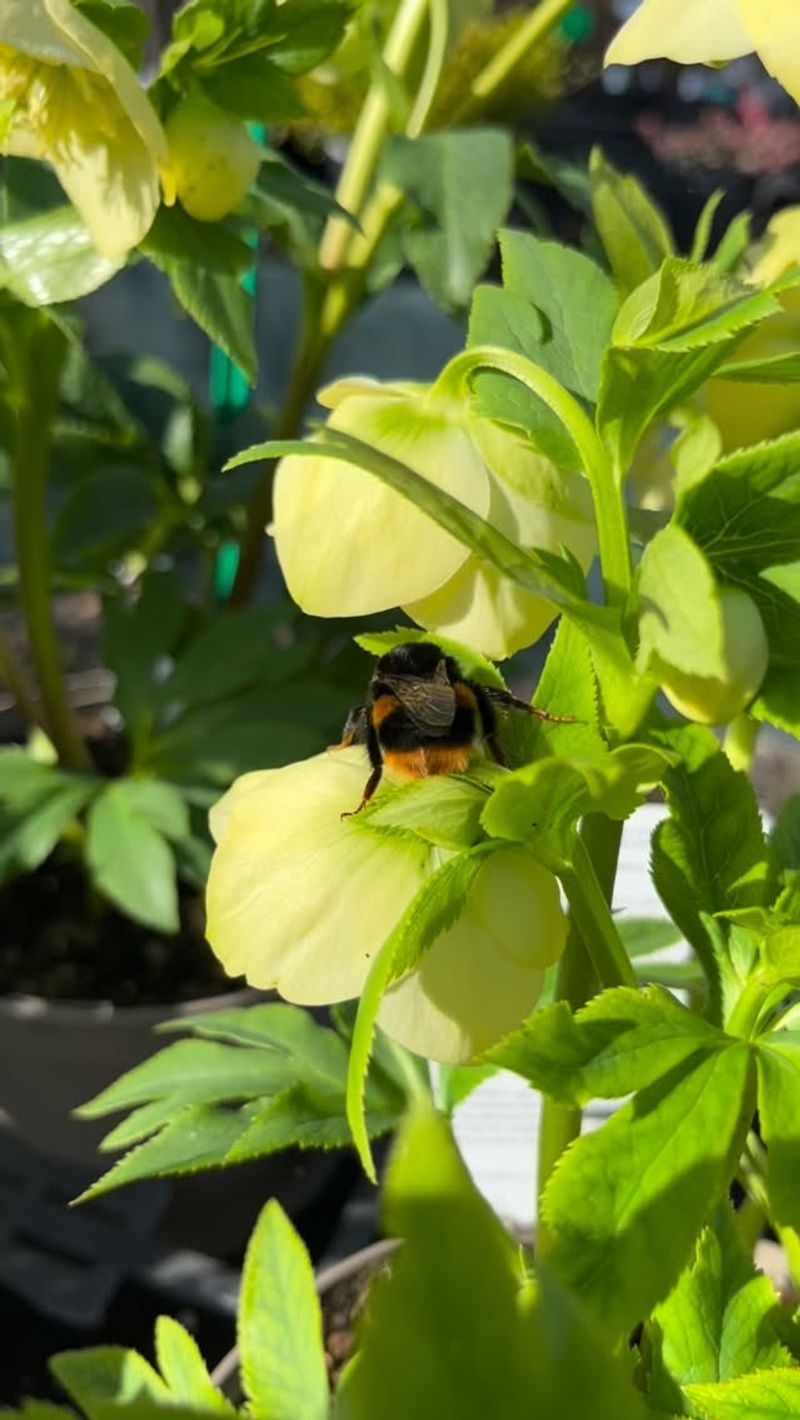
A warm afternoon in February can feel like a gift. Bees think so, too, and they come buzzing out of their nests looking for a snack. Sadly, the menu is pretty short that time of year.
Hellebores help fill that gap. Their flowers offer both pollen and nectar when very few other plants are blooming. For honeybees and early bumblebee queens, that food can make a real difference on a mild winter day.
Look closely at an open hellebore, and you will see a ring of yellow stamens loaded with pollen. Small nectar cups sit tucked inside, too. On a sunny day, you might spot a bee crawling from flower to flower, completely busy.
Helping these visitors takes only a few simple steps. Avoid spraying insecticides near blooming hellebores, since bees could be harmed while feeding. If pests show up, try hand-picking or a strong spray of water first.
Planting in groups also helps. A drift of five or more hellebores is easier for bees to find than a single plant. Groups look better to human eyes as well.
Pair hellebores with other early bloomers for a winter pollinator buffet. Crocus pops up in sunny patches nearby, and witch hazel adds spicy-scented ribbons of yellow or orange. Snowdrops and winter aconite make good partners too.
North Carolina winters often swing between cold snaps and surprisingly warm days. Those mild breaks bring bees out searching for food. A patch of hellebores turns your yard into a welcome stop when they need it most.
7. Fall Is A Great Time To Plant Them
Cool air, softer sunshine, and crunchy leaves underfoot make autumn a gardener’s sweet spot. It is also the perfect moment to bring hellebores home. Getting them in the ground now sets you up for flowers in just a few months.
Fall planting gives roots time to spread in cool, moist soil before winter arrives. The plant does not have to fight summer heat while settling in. By the time buds form, it already feels at home.
Patience pays off, too, because hellebores are long-lived. Many last for years with very little care. Over time, each plant slowly forms a bigger clump, and some will even drop seeds that sprout into surprise baby plants nearby.
Planting is simple. Dig a hole about twice as wide as the pot, then set the plant at the same depth it grew in its container. Burying the crown too deep can slow blooming.
Space plants about 18 inches apart so they have room to grow. Water each one in well right after planting, letting the soil settle around the roots. Then add a light layer of mulch, such as shredded leaves or pine straw.
Keep an eye on rainfall during the first few weeks. If a dry spell hits, water deeply, but follow any local watering limits in your town. A good soak once a week usually beats daily sprinkles.
Across North Carolina, fall planting lets hellebores settle in before their first winter bloom. Pick up a few this season, and come February, you will be glad you did.