Why Leeks Are One Of The Easiest Crops To Grow Through A North Carolina Winter
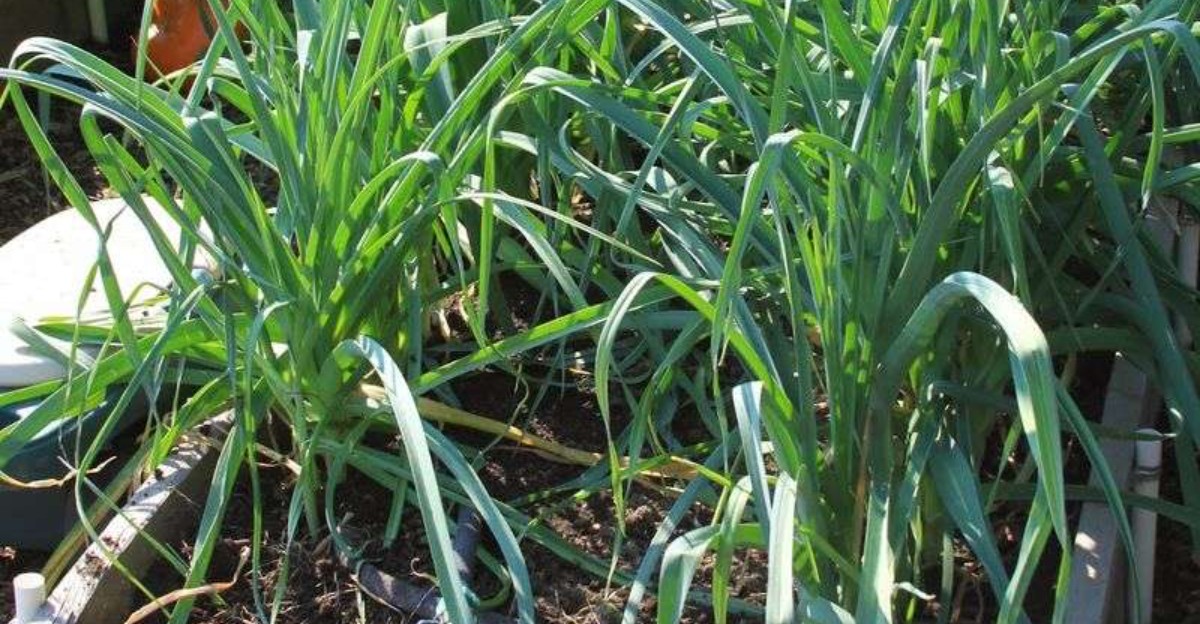
Most vegetables quit when winter arrives, but leeks just stand there in the cold and keep growing.
That stubbornness makes them one of the easiest crops for a North Carolina winter. Mild frost does not bother them, and a cold snap often makes them taste sweeter.
They also store themselves. Instead of pulling everything at once, you leave the plants in the ground and harvest as needed.
Leeks grow slowly, so patience helps, and they need loose soil to form long, pale stems. The jobs they ask for are simple, like hilling soil around the base for tender shafts.
Leeks planted in late summer or early fall are set up for harvests through winter and into spring. For a gardener who wants fresh food in the coldest months, few crops do more with less.
1. They Handle Cold Weather With Ease
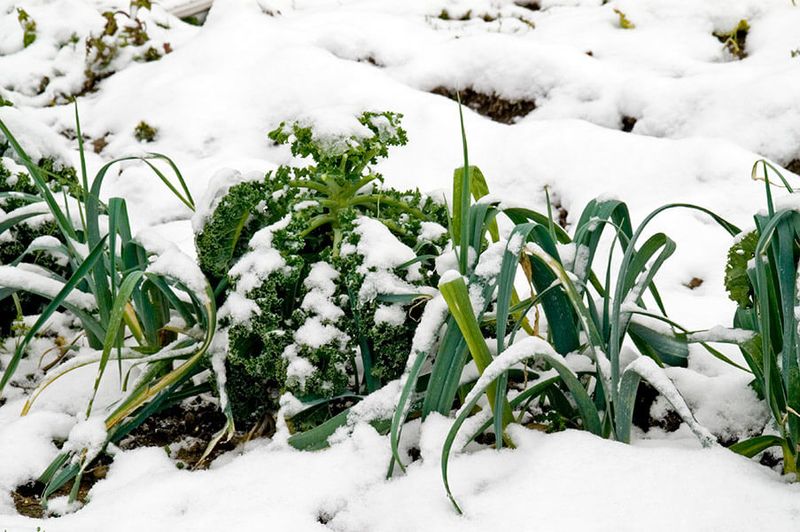
Frost on the lawn usually means bad news for tomatoes and peppers. Leeks, on the other hand, barely blink.
Known to botanists as Allium porrum, they belong to the tough and trusty onion family, and they handle chilly nights far better than most vegetables.
Cool weather slows leeks down, but it does not stop them. They keep growing at a steady, quiet pace through fall and well into winter. Light frosts roll right off their waxy leaves, and many varieties can take repeated freezes without much trouble at all.
Picking the right type makes a big difference. Some leeks are bred for quick summer growth, while others are built for the long, cold haul.
For winter harvests, look for hardy choices like American Flag, a classic heirloom with thick stems, or Blue Solaise, a French variety whose leaves turn a striking blue-violet when temperatures drop.
A little extra cover helps too. Spread a few inches of straw, shredded leaves, or pine needles around the base of each plant. The mulch acts like a cozy blanket, keeping the soil from freezing hard and protecting the tender lower stems.
Here in North Carolina, that toughness really pays off. In the Piedmont and Coastal Plain, leeks often stay in the ground all winter long with no fuss.
Gardeners in the Mountains face colder snaps, yet with a good layer of mulch, many of them enjoy winter leeks as well.
So while other crops head for the compost pile, your leek bed stays green and ready. Few things feel better than stepping into a frosty garden and finding something fresh to bring inside.
2. They Wait In The Garden Until You Need Them
Think of a crop with perfect patience. Sweet corn needs picking in a short window, and zucchini turns into a baseball bat if you look away for a week. Leeks play by a totally different set of rules.
Once they reach a good size, mature leeks can stand in the garden for weeks or even months without losing quality. They do not split, turn bitter, or go woody overnight. Instead, they simply hold their ground until you are ready for them.
Your North Carolina Garden Changes Every Week. Your Plan Should Too.
Gardening in North Carolina changes quickly throughout the season. Every Friday you’ll receive a simple weekly plan showing exactly what to plant, prune, fertilize, harvest, and protect so you never miss the right timing.
That means no harvest panic. You can pull one leek for a pot of potato soup on Tuesday and two more for a stir-fry on Saturday. Everything else stays put, fresh and growing, right where you left it.
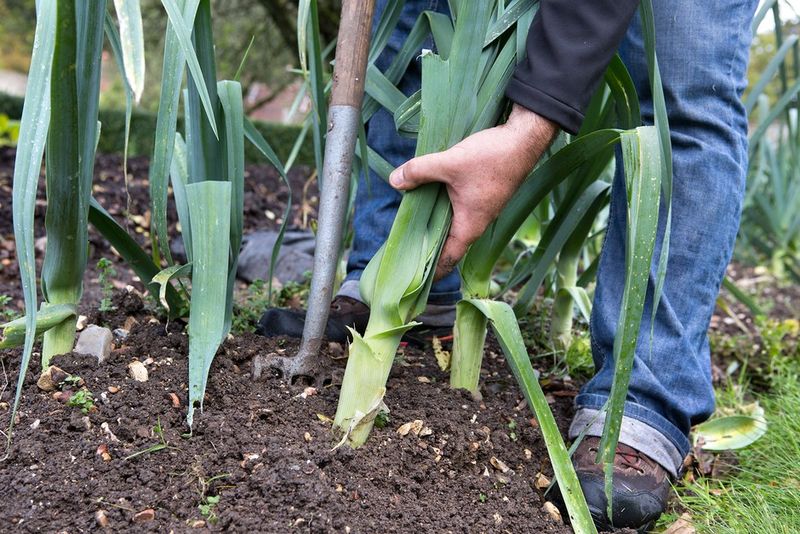
A smart harvest trick saves a lot of frustration. Leeks have deep roots that grip the soil tightly, so yanking them by the leaves often snaps the stem.
Slide a garden fork into the soil a few inches away, gently lift to loosen the dirt, and then ease the leek out in one clean piece.
Keep an eye on the calendar as spring arrives. When the days grow longer and warmer, leeks start sending up tall flower stalks, and the centers turn tough. Harvest any remaining plants before that happens, then chop and freeze the extras for later meals.
For North Carolina gardeners, this habit turns a simple bed into a living pantry. All through the cool season, fresh leeks sit just outside the back door, saving trips to the store and adding mild, sweet flavor to winter cooking whenever the mood strikes.
3. Few Pests Bother Them
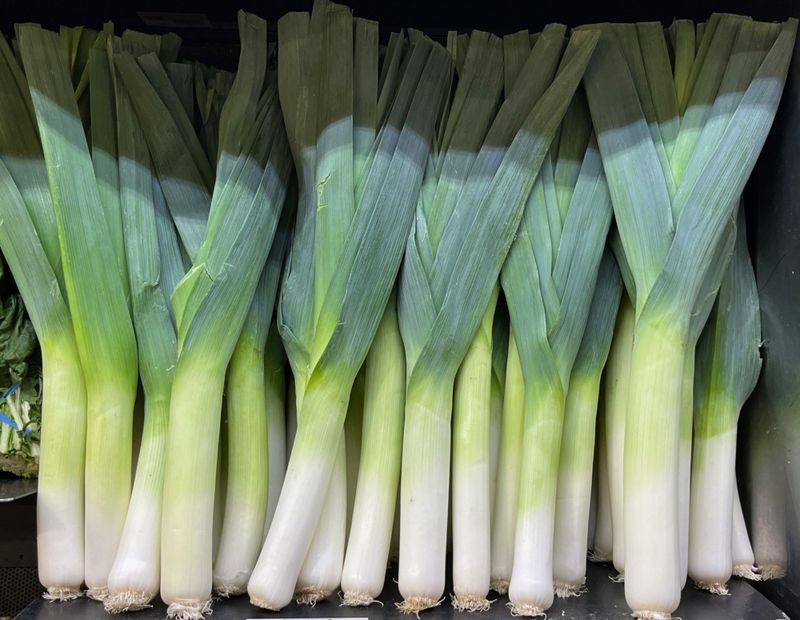
Anyone who has grown fall cabbage knows the heartbreak. One morning the leaves look perfect, and by the next week they are full of holes. Leeks rarely put gardeners through that kind of drama.
Their secret is simple. Leeks carry a strong onion flavor and smell, and their leaves are thick and tough. Many insects and critters take one sniff and move along to something tastier.
Caterpillars like cabbage loopers, along with aphids and flea beetles, love to chew on broccoli, kale, and collards.
Yet these same pests seldom cause serious damage to leeks. While your cabbage family crops might need netting or regular checks, your leeks usually stand clean and healthy.
That said, no plant is completely pest-proof. Thrips are tiny insects that sometimes feed on leek leaves and leave silvery streaks or speckles behind. Take a quick look every week or two, especially during warm, dry spells.
A strong spray of water often knocks them off, and insecticidal soap can help if numbers climb.
Weeds count as a sneaky kind of pest too. They steal water and nutrients that your leeks need to bulk up. Pulling them while they are small keeps your plants strong, and healthy plants handle insect visits much better.
In North Carolina, warm fall days can stretch on for weeks. That extra warmth keeps many garden pests active long after they would quit in colder states.
Leeks give you a break from that battle, letting you spend more time harvesting and less time picking bugs off leaves.
4. Deer And Rabbits Usually Skip Them
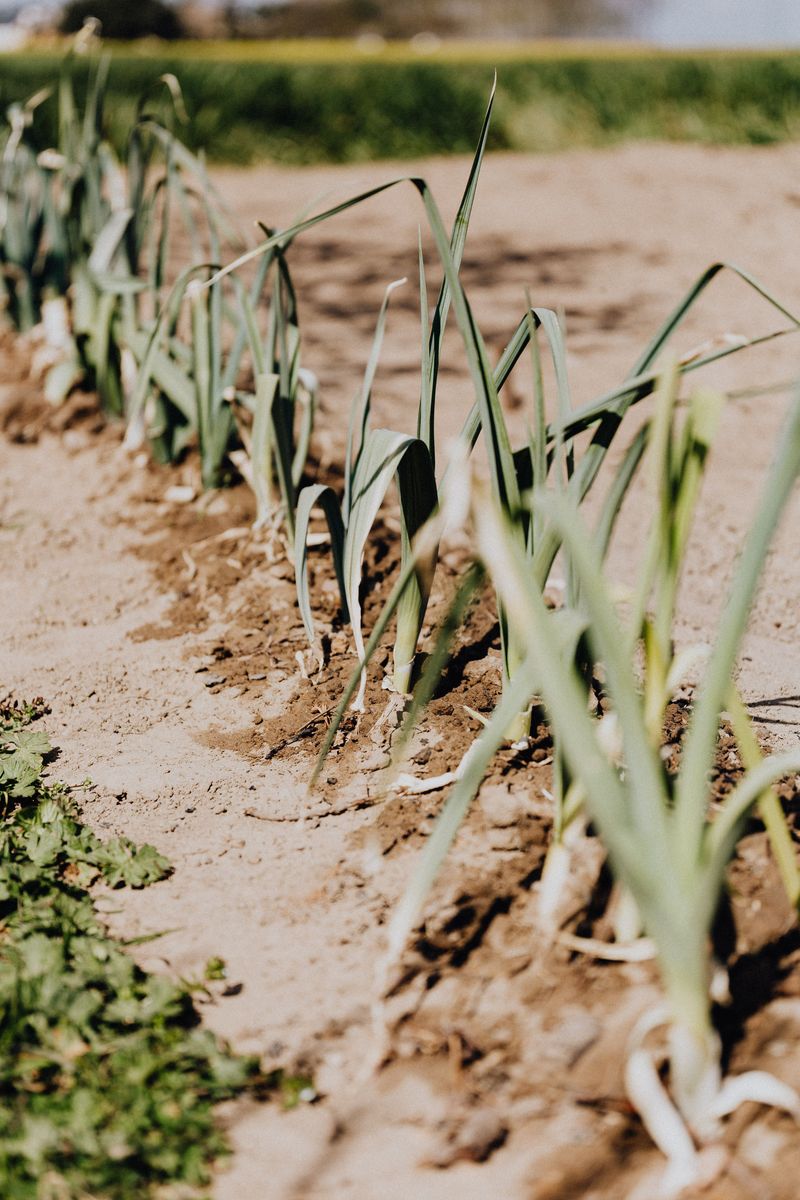
Winter evenings in rural North Carolina often bring visitors. A doe steps out of the tree line, or a rabbit hops along the fence, both looking for an easy snack. Your leeks, happily, are probably not on their menu.
Deer and rabbits generally avoid plants in the onion family. The sharp scent and strong flavor simply do not appeal to them. Gardeners often find their lettuce nibbled to the ground while the leeks a few feet away stand tall and untouched.
You can use that dislike to your advantage. Try planting a row of leeks along the outer edges of your garden, where hungry animals usually enter first. The smell may help confuse visitors and make the area less inviting.
Another clever move is mixing leeks in with crops that animals adore. Tucking them near spinach, lettuce, or young kale creates a blend of scents that can throw off a browsing nose. It is not a guaranteed shield, but every little bit helps.
A mixed winter garden also looks lovely. The upright blue-green leek leaves add height and contrast next to leafy greens, giving your beds a full, healthy appearance even in the gray months.
Keep in mind that a very hungry deer might sample almost anything during a harsh stretch. Still, leeks rank low on the list.
Since wild food grows scarce in winter, animals often target home gardens hard during this season, so having a crop they tend to ignore brings real peace of mind and a much steadier harvest.
5. They Need Little Day-To-Day Care
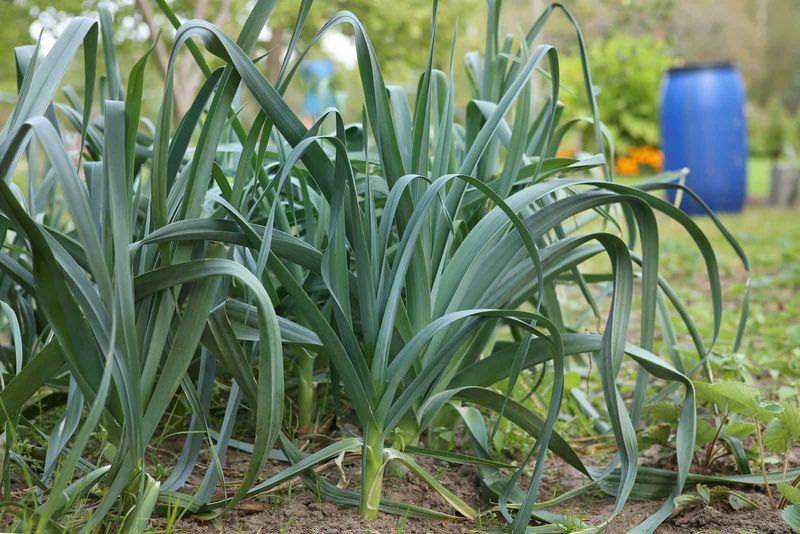
Busy schedules and gardening do not always mix well. Some crops want daily attention, constant trimming, or tall cages to hold them up. Leeks are the easygoing neighbor who never asks for much.
Once they settle into the soil, leeks grow slowly and steadily. They do not sprawl across paths or flop over in the wind. You will never need to stake, prune, or tie them, which saves a surprising amount of time over a long season.
Their wish list is short. Leeks like consistent moisture, so give them a good soaking during dry spells. About an inch of water a week, from rain or a hose, keeps them happy. In winter, rain often handles most of that job for you.
Weeding matters more with leeks than with leafy crops. Their narrow, upright leaves do not cast much shade, so weeds can sneak in and grow fast. A quick pass with a hoe every week or so, plus a layer of mulch, keeps things tidy.
Feeding is easy too. Leeks love nitrogen, the nutrient that fuels leafy growth. Once or twice during the growing season, sprinkle a nitrogen fertilizer like blood meal or a balanced garden product along the row, then water it in.
Gardeners call this side-dressing. Winter garden chores in North Carolina can feel like a hassle on cold, windy days.
Leeks make life simpler, rewarding you with a big harvest for just a few minutes of work here and there. That leaves more time for cozy afternoons and warm bowls of soup.
6. Hilling Soil Makes Long, Tender White Stems
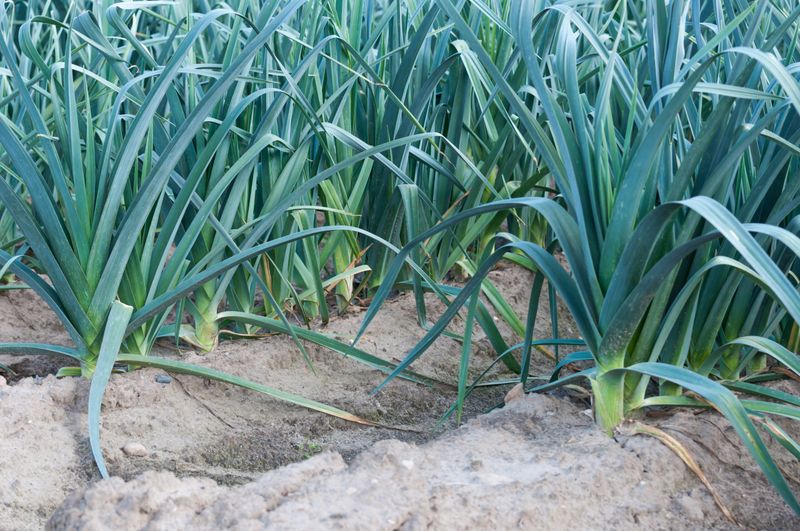
The best part of a leek is that long, pale stem. Cooks prize it for its sweet, gentle onion flavor. Growing it at home takes one easy trick that gardeners have used for centuries.
The trick is called blanching. When you cover the lower part of the stem with soil or mulch, sunlight cannot reach it. Without light, the stem stays white, tender, and mild instead of turning green and tough.
Getting started is simple. Dig a trench about six inches deep, or poke deep holes with a dibber or old broom handle. Drop a leek transplant into each spot so only the top few inches of leaves poke out.
As your leeks grow taller, slowly fill the trench back in. Later, keep piling soil or mulch around the stems every few weeks, a process known as hilling. Each time, cover a bit more of the stem while leaving the leaves free.
One small detail makes a big difference. Try not to let soil fall into the folds where the leaves branch out. Grit tends to collect there, and nobody enjoys a crunchy bite of dirt in their soup.
Straw or shredded leaves make a cleaner hilling option. Cleaning is easy anyway. Slice leeks lengthwise and rinse them under running water to wash away hidden soil.
For North Carolina gardeners, hilling adds just a few minutes of work. In return, you get thick, snowy stems that rival anything at a farmers market. Few garden tasks give such a tasty payoff for so little effort.
7. They Fit Easily Into A Small Garden
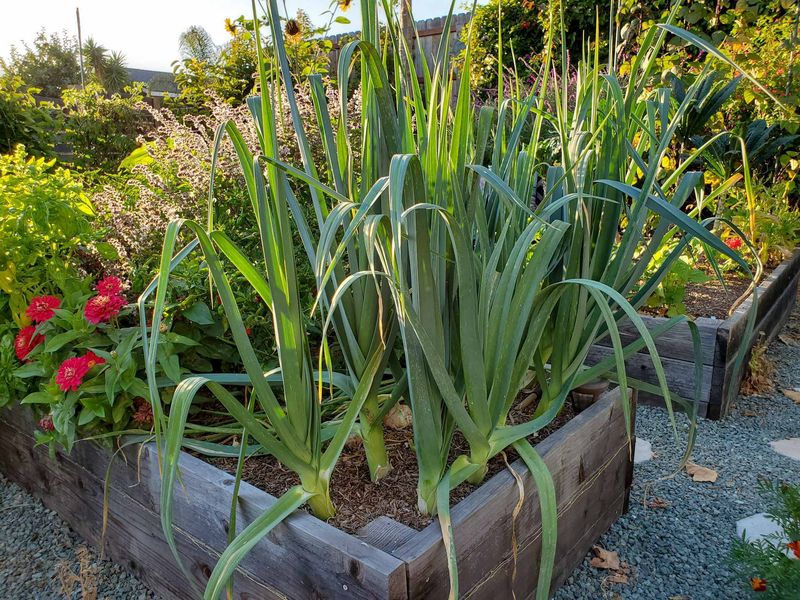
Short on space? Plenty of people garden in tiny backyards, narrow side yards, or a single raised bed. Leeks happen to be one of the best friends a small garden can have.
Their shape is the reason. Leeks grow straight up instead of spreading out, so each plant takes very little ground. You can fit a surprising number into one bed, and they slip neatly between other crops or along the edges of raised beds.
Spacing is easy to remember. Set transplants about 4 to 6 inches apart, with rows about 12 to 18 inches apart. In a raised bed, you can tighten things up a bit and plant in blocks instead of long rows.
Timing matters for a winter harvest. In North Carolina, plant leek transplants in late summer to early fall. That gives them time to grow sturdy before the coldest weather arrives, and they will be ready to pick through much of the winter.
Want a second round? Start leek seeds indoors in late winter, about 8 to 10 weeks before your planting date. The seedlings look like thin blades of grass at first, so be patient.
Move them outside in spring for summer and fall eating. Leeks even work in large containers at least 10 inches deep, making them a fun choice for patios and porches.
With just a few square feet, North Carolina gardeners can enjoy fresh leeks through the coldest months. Small spaces, big flavor, and very little hassle make a winning combination for anyone hoping to grow more food at home.