How To Choose The Right Mulch Type For Your Virginia Yard
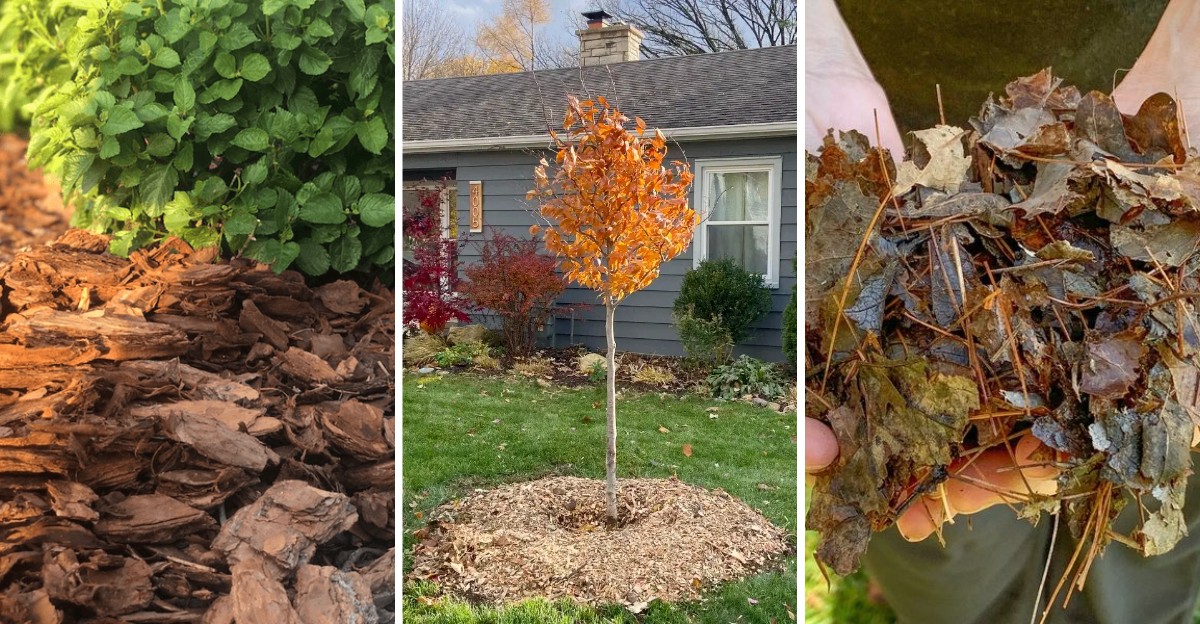
Fresh mulch at the garden center smells like a forest after rain. Every bag, whether brown, black, or red, promises a perfect yard.
The right choice in Virginia depends on your soil, your slopes, and what you’re growing. Heavy Piedmont clay behaves very differently than sandy ground near the coast.
Some mulches feed the soil, some last for years, and some mostly just look pretty. A few common habits can even harm the trees you’re trying to protect.
Picking well can save money and cut down on weeding. It also keeps roots happy through hot summers and chilly winters.
Fall is a great time to refresh beds before the cold sets in. A closer look at your options can help you choose wisely before you load up the truck.
Shredded Hardwood Works Well In Most Beds
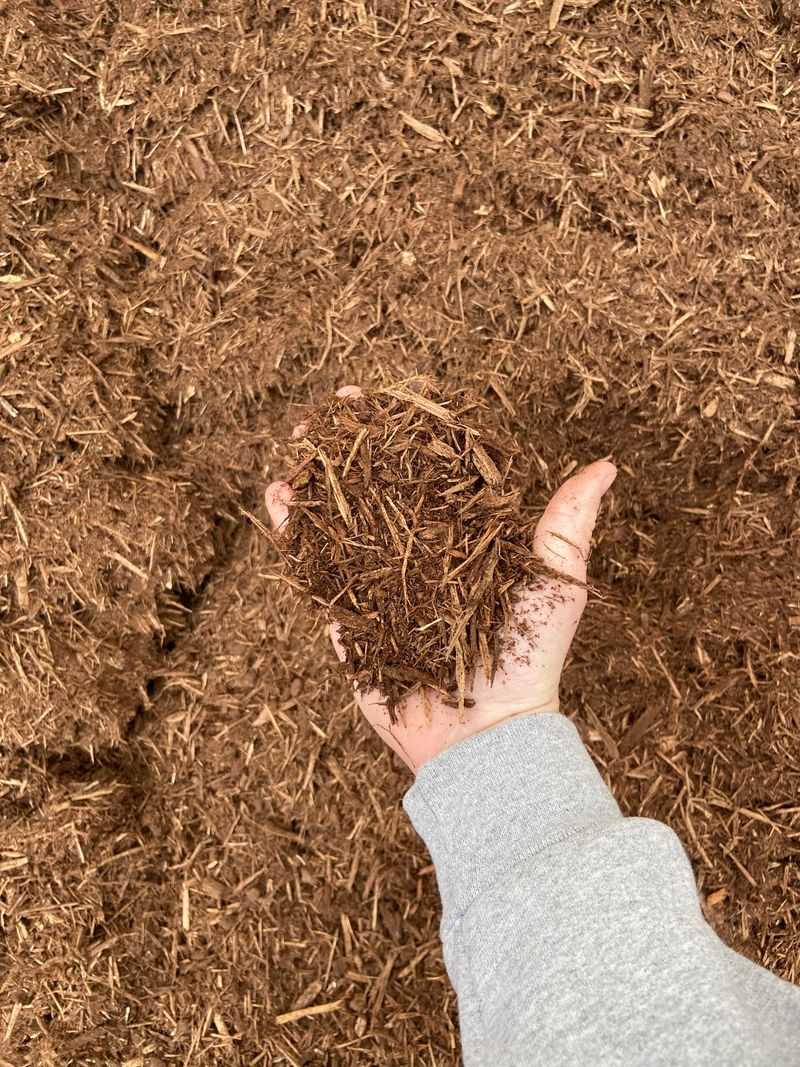
Ask ten Virginia landscapers for a go-to mulch, and most will point to shredded hardwood. It comes from local trees like oak, maple, and poplar, so it is easy to find.
The stringy pieces knit together as they settle into the bed. Because of that tangle, the layer holds its place better than loose nuggets during summer storms.
Hardwood breaks down at a steady, moderate pace. As it slowly rots, it feeds the soil with organic matter that helps tight clay loosen up over time.
Shredded hardwood also does the basic jobs well. It holds in moisture, blocks many weeds, and shields roots from summer heat and winter cold.
Cost is another big plus for busy homeowners. Bulk hardwood from a local yard is usually cheaper than bagged mulch, especially for large beds.
Keep one small detail in mind before you buy. Some hardwood mulches may nudge soil slightly toward alkaline over time, so acid lovers like blueberries are better off with pine bark or pine straw.
Quality matters more than most people realize. Some cheap mulch includes ground-up pallets or construction scraps from unknown sources.
Ask your supplier where the wood comes from before you order a truckload. A good yard will happily tell you it is fresh, virgin hardwood.
Here is a handy trick for spotting quality at the yard. Grab a handful and smell it, since fresh mulch smells earthy, while sour or vinegar odors mean it sat too long.
Spread it in spring, top it off lightly in fall, and your beds will look tidy all year.
Pine Bark Lasts Longer And Breaks Down Slowly
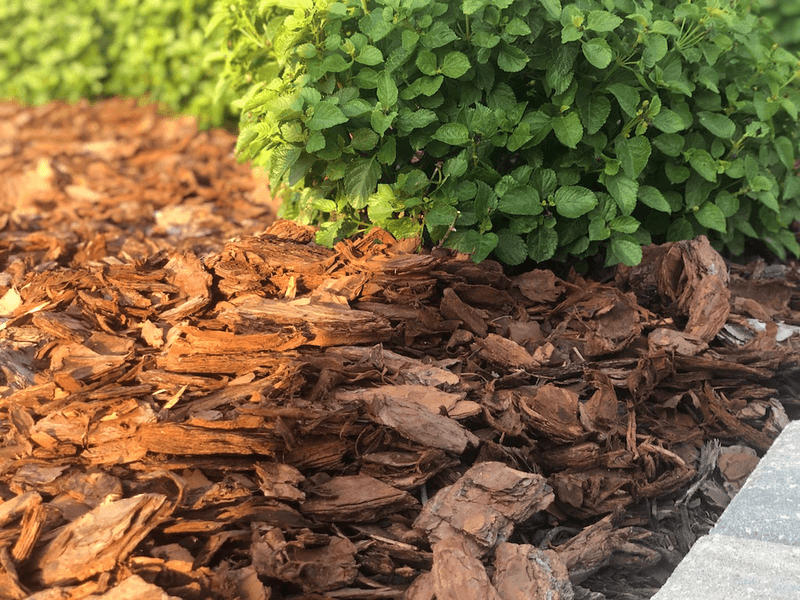
Think of pine bark as the tortoise of the mulch world. It moves slowly, sticks around for ages, and rarely needs a refill.
Pine trees grow all over the state, so bark mulch is easy to find at most stores. You can buy it as chunky nuggets, mini nuggets, or shredded bark.
The secret to its staying power lies in natural resins. Those waxy compounds help the bark resist rot much longer than many hardwood products.
Fewer refills mean less hauling and less money spent each spring. Many gardeners can skip a full year between fresh layers.
Your Virginia Garden Changes Every Week. Your Plan Should Too.
Gardening in Virginia changes quickly throughout the season. Every Friday you’ll receive a simple weekly plan showing exactly what to plant, prune, fertilize, harvest, and protect so you never miss the right timing.
Pine bark shines around trees and shrubs. It keeps soil cool in July and helps hold moisture during long dry spells.
Acid-loving plants seem to appreciate it too. Azaleas, camellias, and rhododendrons are common in Virginia yards and pair nicely with pine bark.
There is one catch with the large nuggets. They are light and can float away during heavy rain, especially on hills or near downspouts.
For sloped spots, shredded pine bark holds on much better. Save the big chunks for flat beds with an edge to keep them in place.
Here is a fun bit of trivia for your next yard chat. Pine bark was once tossed out as sawmill waste before gardeners discovered its value.
Today that former leftover is a favorite in neat, low-effort landscapes. Pick it when you want beds that look good with minimal fuss.
Pine Straw Stays Put On Slopes
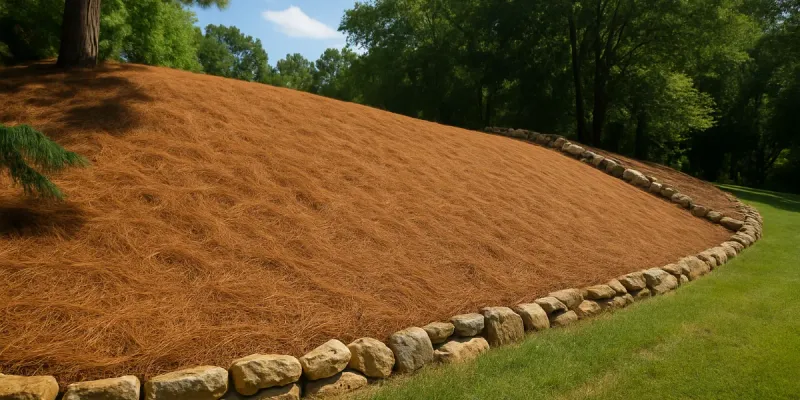
Picture a steep bank after a summer thunderstorm, with soil and mulch sliding onto the driveway. Pine straw is the hero that keeps that mess from happening.
Fallen pine needles are long and thin, and they weave together as they settle. That natural mesh grips the ground and resists washing away.
Slopes, ditches, and hillsides are where pine straw truly earns its keep. It slows rainwater down, which helps stop erosion before it starts.
Drive through Coastal Virginia and you will spot bales of it everywhere. Sandy soils there dry out fast, and pine straw helps hold moisture in.
The needles also let water and air pass through easily. Roots stay moist without getting soggy, which many plants love.
Weeds struggle to poke through a thick layer of needles. Over time, the straw breaks down and releases small amounts of nutrients.
Beneficial soil life thrives underneath as well. Worms and tiny organisms enjoy the cool, shaded space it creates.
Pine straw is lightweight and simple to spread by hand. Just shake out the bale, fluff the needles, and tuck them around your plants.
A useful tip involves timing. Fresh straw is bright gold, but it fades to soft brown within a few months, so expect a yearly refresh.
Planning a hillside garden this fall? Grab a few bales and watch how well they cling.
Shredded Leaves Make Free, Nutrient-Rich Mulch
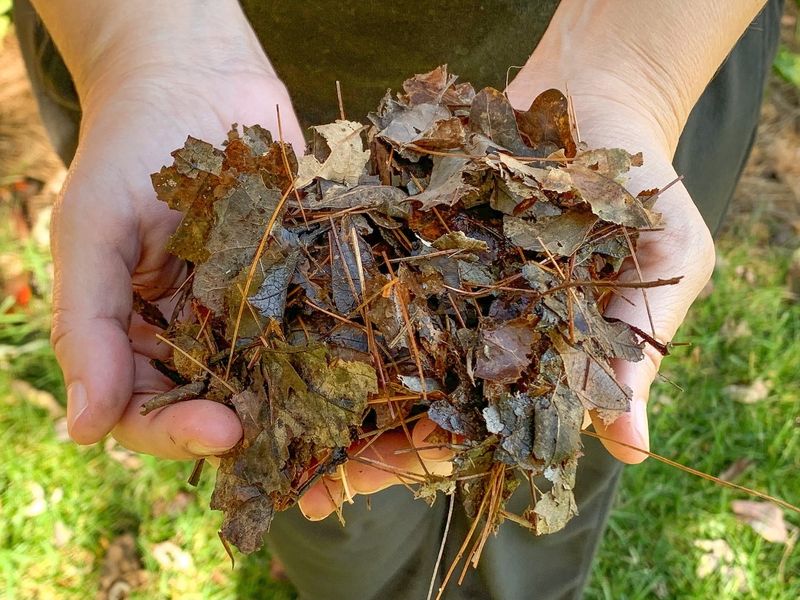
Every fall, Virginia trees drop a gift right onto your lawn. Most folks bag it up and send it away, but those leaves are pure gold.
Shredded leaves make a free mulch that feeds your soil. They work beautifully in vegetable gardens, flower beds, and around young shrubs.
Whole leaves can mat down into a soggy blanket. Shredding them first solves that problem and helps them break down faster.
You do not need fancy tools for the job. Run a mower with a bag attachment over the pile a couple of times.
Clay soil is common across much of the state, and it can feel like brick in August. Leaf mulch slowly loosens it, improving drainage and airflow.
As leaves decay, they add organic matter and a small boost of nitrogen. Earthworms move in quickly and do much of the mixing for you.
Shredded leaves still handle the usual mulch jobs. They keep water in the soil and make life harder for weeds.
Try saving a few bags in a corner of your yard. Spread them in spring when you need a fresh layer.
Oak leaves break down a bit slower than maple. Mixing different kinds gives you a nice balance of speed and staying power.
Free, local, and good for the ground, leaf mulch is hard to beat. Your garden and your wallet will both thank you.
Wood Chips Suit Paths And Tree Rings
Ever watched a tree crew grind branches by the road and wondered where the chips go? Often, they would happily drop them in your driveway.
Many arborists give away untreated wood chips at little or no cost. Sites like ChipDrop connect homeowners with local crews looking to unload.
Wood chips are chunky, sturdy, and slow to break down. They often outlast many bagged bark products.
That toughness makes them a great match for garden paths. They feel soft underfoot and keep muddy shoes out of the house.
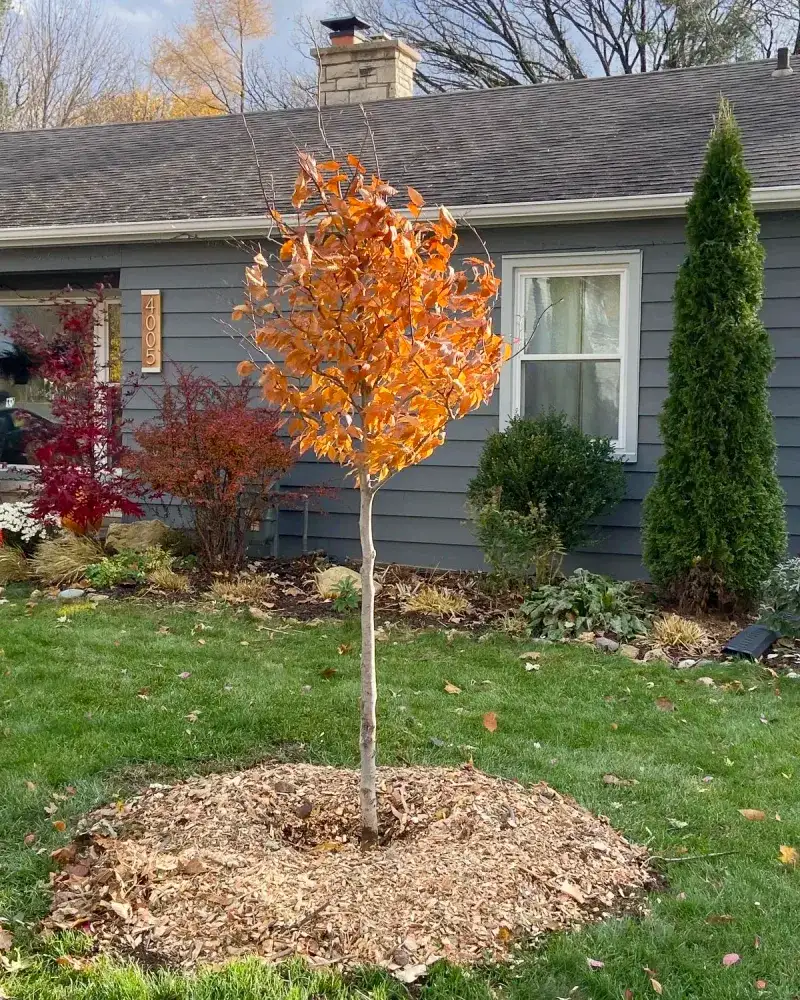
Tree rings are another perfect spot for chips. A wide circle around a trunk protects roots and keeps mowers from bumping the bark.
There is one quirk worth knowing. While chips decay, soil microbes borrow some nitrogen from the top layer of soil.
Plants with shallow roots may look a little pale because of it. A light sprinkle of high-nitrogen fertilizer helps balance things out.
Chips still block weeds and hold moisture well. They also keep soil temperatures steadier through hot summers.
Free arborist loads often arrive as a mix of leaves, twigs, and wood. That variety breaks down into rich soil over a few years.
Just be ready for a big pile. A single drop can fill a pickup bed several times, so pick a handy dumping spot.
Dyed Mulch Is Mostly About Looks
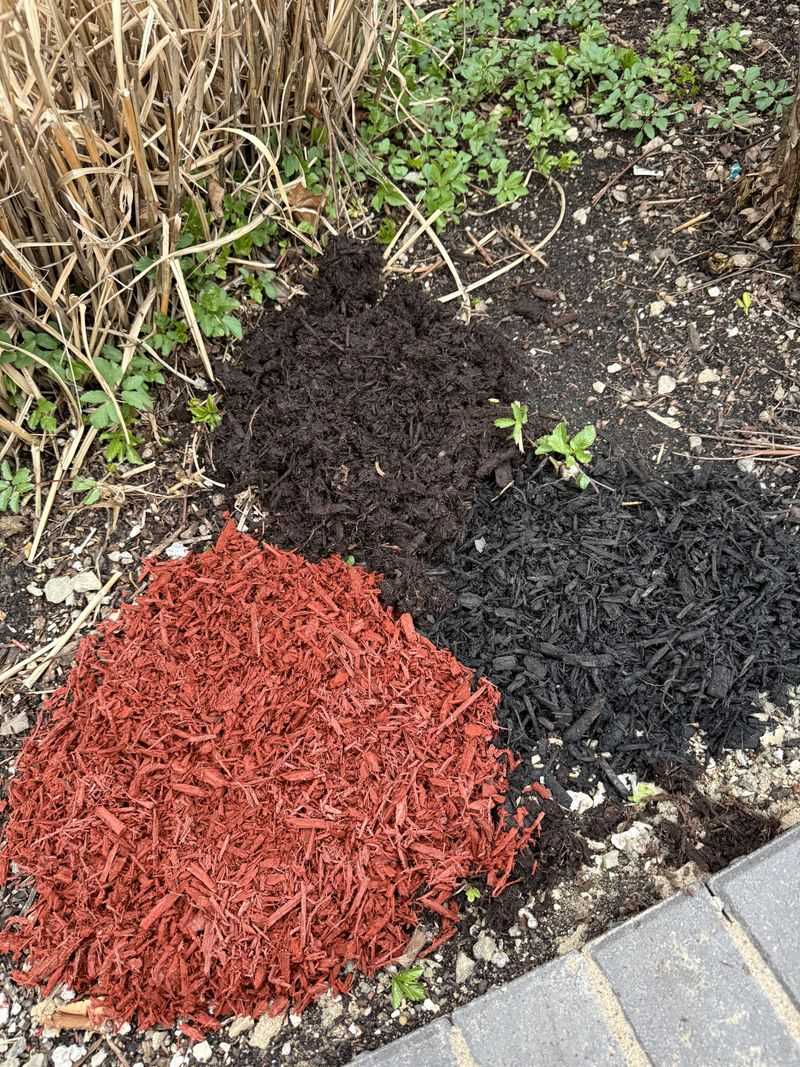
Bright red, jet black, rich chocolate brown. Dyed mulch is the makeup of the garden world, and it sure grabs attention.
Most dyed mulch starts as shredded hardwood, like oak or poplar. Color is added afterward, so the real benefits are similar to plain wood.
Its biggest selling point is staying power for color. Black or brown dyed mulch can hold its shade for about nine to twelve months.
Natural mulch tends to fade to gray much sooner. For curb appeal, that lasting color can be tempting.
Black mulch creates a sharp, modern contrast. Green leaves and bright blooms seem to pop right out of the bed.
Here is where caution comes in. Some cheaper dyed products use recycled wood, such as old pallets or scrap lumber.
That wood may carry chemicals you would rather keep out of your soil. Ask the seller if the mulch is made from virgin wood.
Most modern dyes are iron oxide or carbon based and considered safe. The wood source matters more than the color itself.
Skip dyed mulch in vegetable gardens to stay on the safe side. Save it for front beds where looks matter most.
Choosing it is mostly a style decision. Just remember you are paying for color, not extra plant power, and shop with that in mind.
Two To Three Inches Is Plenty
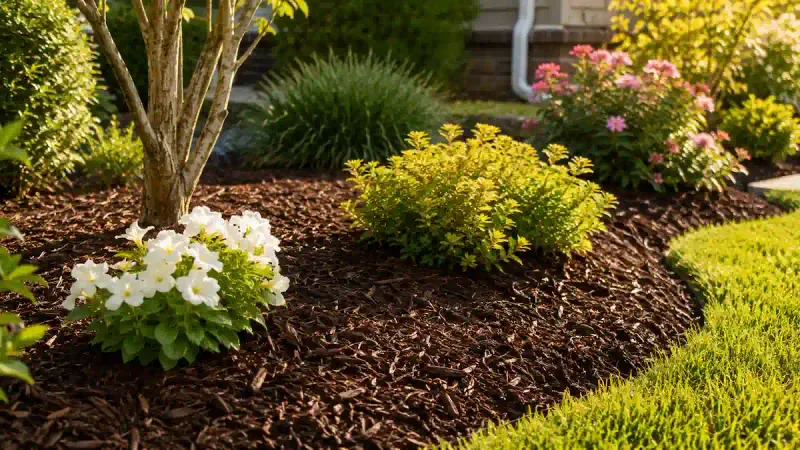
More mulch must mean a better garden, right? Not quite, and your plants might quietly disagree.
For most beds in the state, two to three inches is the sweet spot. Experts at Virginia Cooperative Extension recommend this depth again and again.
At that thickness, weeds struggle to reach the sunlight. Moisture stays in the soil, and roots stay cozy.
Go thinner than two inches, and weeds sneak right through. You will end up pulling more than you planned.
Pile on more than three inches, and new problems appear. Roots can struggle to get air, and soil may stay too wet.
Soggy, airless soil sets the stage for root rot and disease. Shrubs may wilt or yellow without an obvious cause.
Texture changes the rule a little. Fine mulch like shredded leaves works at one to two inches, while chunky chips can go up to four.
Old mulch counts toward the total too. Before adding more, poke a finger or ruler into the bed and check what is left.
Many yards only need a thin top-up each year. Raking the old layer to fluff it up can refresh the color without adding depth.
Need a quick shopping guide? One cubic yard of mulch covers about 100 to 160 square feet at two to three inches deep, so measure first.
Keep Mulch Away From Trunks And Stems
Drive through almost any Virginia neighborhood in spring, and you will spot them. Tall cones of mulch piled against tree trunks, like little brown volcanoes.
Arborists call these mulch volcanoes, and they cause real trouble. Bark is meant to stay dry, not buried under damp wood.
Trapped moisture invites rot and fungus to settle in. Over time, the trunk weakens from the outside in.
Pests love these piles too. Voles and insects can hide inside and chew on bark without being seen.
Roots can also grow up into the deep mulch. They may circle the trunk and slowly squeeze it, a problem called girdling.
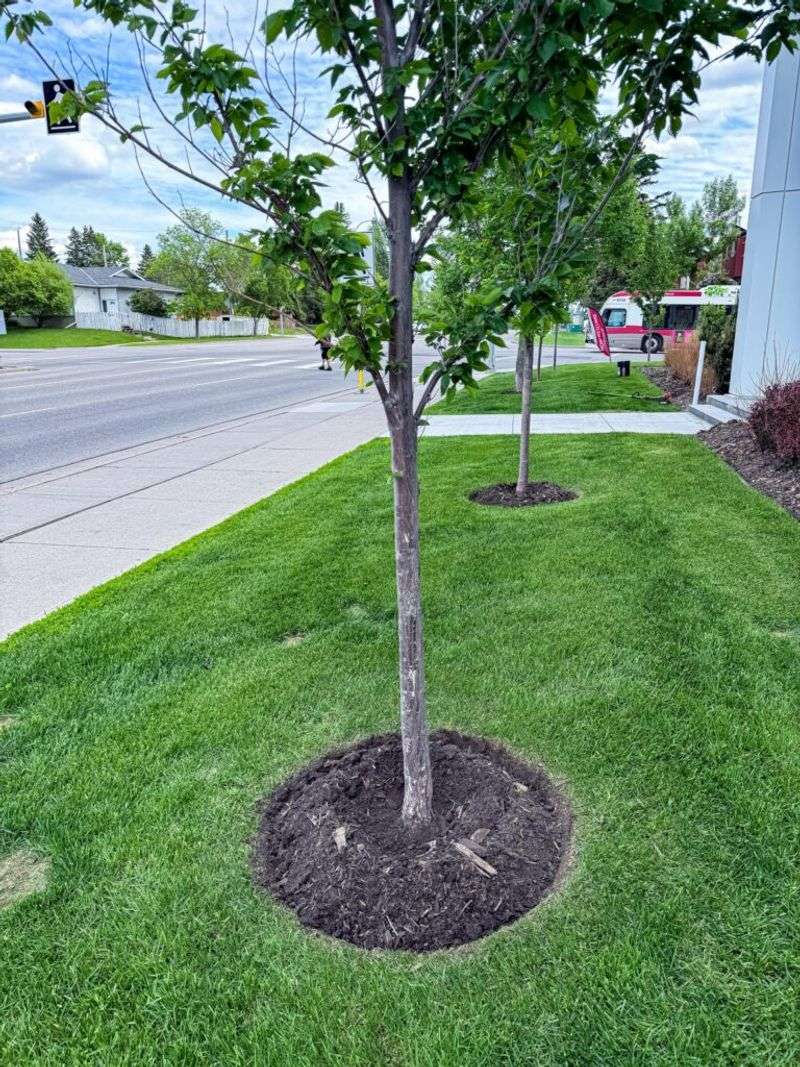
The fix is simple and costs nothing. Pull mulch back three to six inches from every trunk.
Look for the root flare, where the trunk widens as it meets the ground. That flare should stay visible all year.
Shape mulch like a donut, not a volcano. Keep it flat and wide, with an open hole in the middle.
Smaller plants need breathing room as well. Leave about an inch of space around perennial crowns and shrub stems.
Take a quick walk around your yard this weekend. A few minutes with a rake could add years to your favorite trees.