Texas Plants That Are Botanically Fruits But Everyone Thinks Of Them As Vegetables
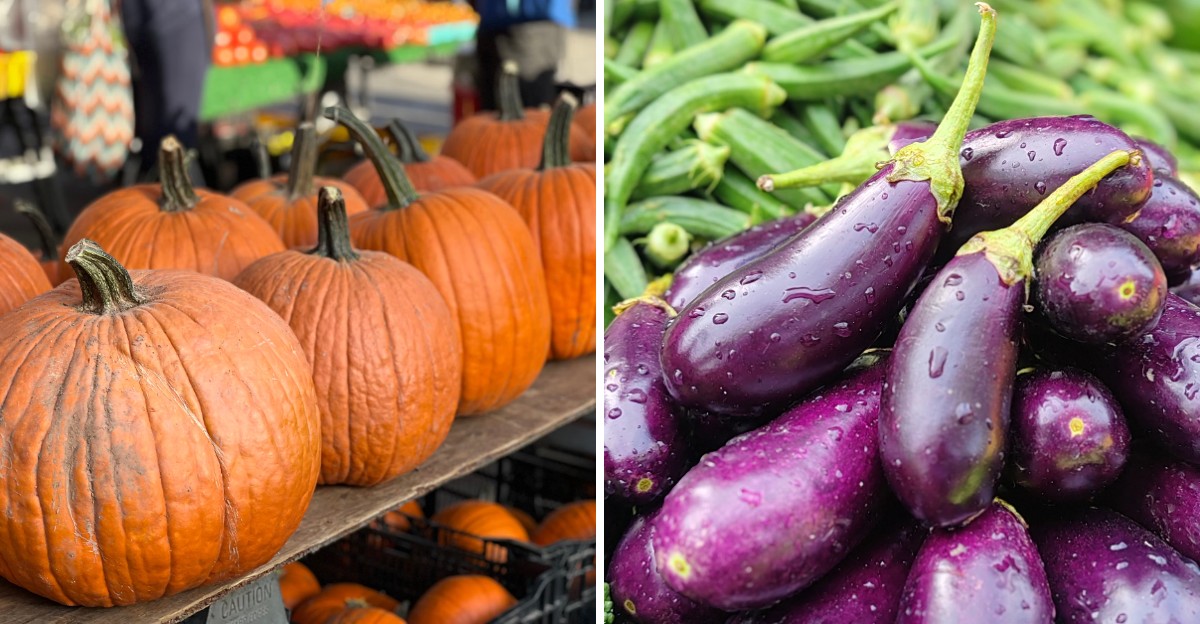
That tomato on your sandwich is a fruit. It sounds strange, but it’s true. To a botanist, a fruit is simply the part of a plant that grows from a flower and holds seeds.
That covers far more than apples, peaches, and berries. Many of the crops Texans grow and cook every week fit that definition, even though we’ve always called them vegetables.
In the kitchen, the line is drawn by flavor. Sweet foods get called fruits, and savory ones end up with the vegetables.
Some of the answers may surprise you, and they make great trivia for your next backyard cookout.
1. Tomatoes Started The Whole Debate
Back in 1893, a fight over taxes went all the way to the U.S. Supreme Court. The question was simple. Was a tomato a fruit or a vegetable?
A family of fruit importers argued that tomatoes were fruits, so they should not pay a vegetable tax.
The judges agreed that, by science, tomatoes are fruits. Still, they ruled that tomatoes should count as vegetables for tax reasons because people ate them with dinner, not dessert. That decision helped lock in how most of us think about tomatoes today.
Botanically, a tomato is even more specific. It is a berry! It grows from a flower and holds lots of tiny seeds inside its juicy flesh. Grapes and blueberries share that same berry label.
Texas gardeners love tomatoes, but our heat can be tricky. Tomato plants stop setting fruit when nighttime temperatures stay above about 75 degrees.
That is why timing matters so much here. Most Texans plant tomatoes in early spring, right after the last frost. A second planting in mid-summer can give you a fall harvest too.
Picking the right type helps a lot. Smaller varieties, like cherry tomatoes, handle Texas heat better than giant slicing types.
Look for heat-tolerant kinds such as Celebrity, Phoenix, or Sun Gold. Texas A&M also recommends varieties tested for local conditions.
Here is a handy tip. You can pick tomatoes when they just start to blush pink. Let them finish ripening on your kitchen counter. Doing so keeps birds and bugs from stealing them first.
So the next time someone calls a tomato a vegetable, smile. Legally they are right. Scientifically, you win.
2. Pumpkins Bring Fall Magic
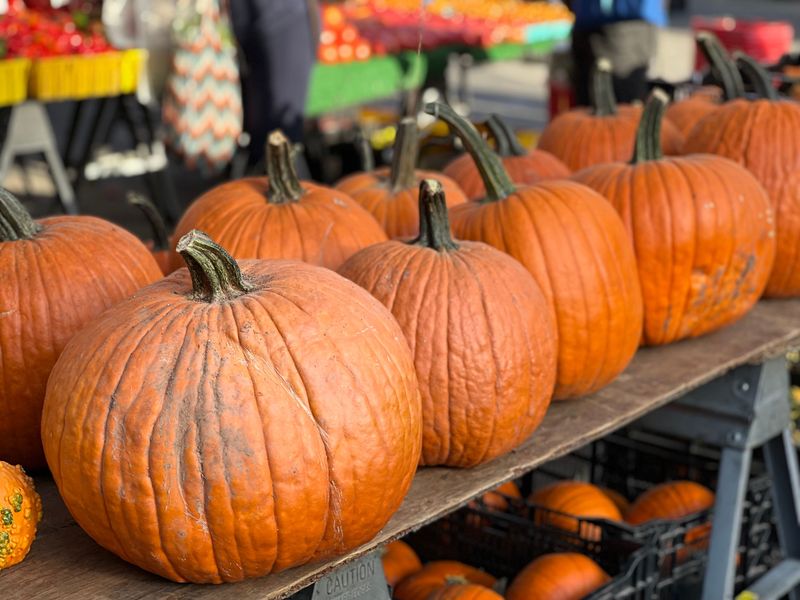
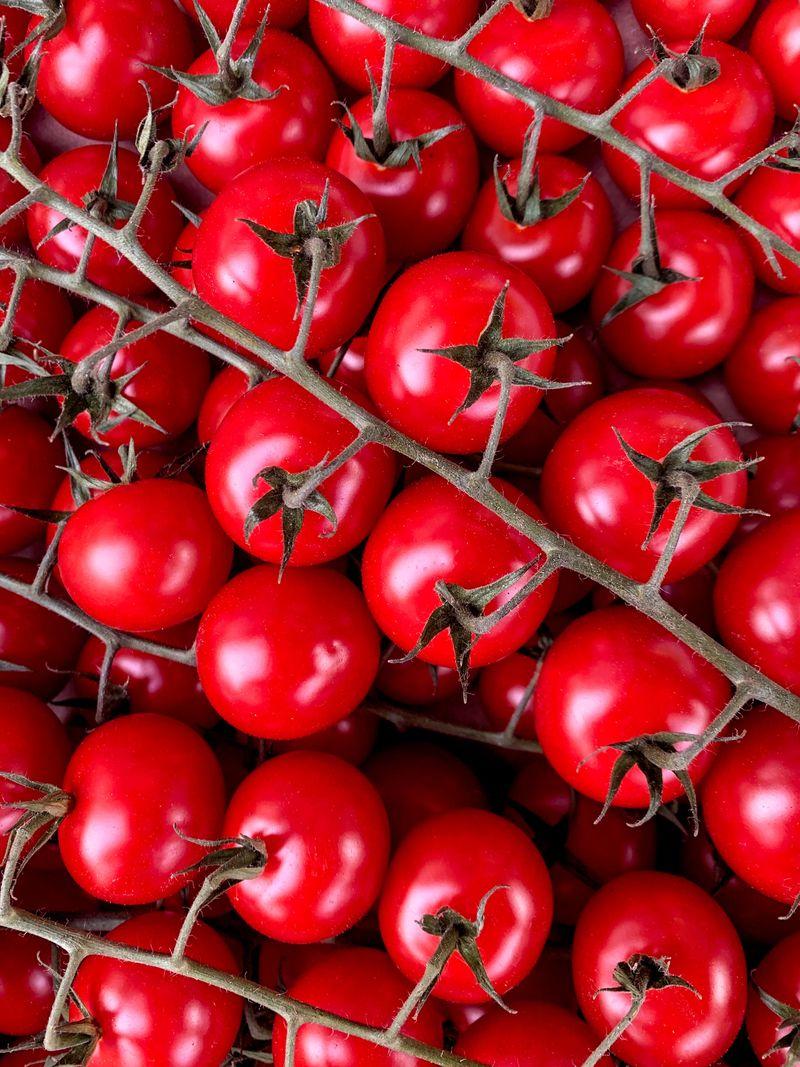
Carving a jack-o-lantern feels like a fall tradition, but did you know you are actually carving a giant fruit? Pumpkins grow from bright yellow flowers. Inside, they are packed with seeds, which is the classic sign of a fruit.
Pumpkins belong to a plant family called the gourd family. Their cousins include squash, cucumbers, and melons.
If you look at the vines side by side, you can see the family resemblance in the big leaves and curly tendrils.
Texas has a special place in pumpkin history. The small town of Floydada, out in the Texas Panhandle, is known as the Pumpkin Capital of Texas.
Farmers there grow huge fields of them every year. The town even hosts a fun festival called Punkin Days each October.
Your Texas Garden Changes Every Week. Your Plan Should Too.
Gardening in Texas changes quickly throughout the season. Every Friday you’ll receive a simple weekly plan showing exactly what to plant, prune, fertilize, harvest, and protect so you never miss the right timing.
Want to grow your own? Timing is everything. In Texas, pumpkins are usually planted in early summer, often in June or early July.
That gives them about 90 to 120 days to grow before an October harvest. Plant too early, and your pumpkins may rot before Halloween arrives.
Pumpkins need lots of room. A single vine can spread 10 to 20 feet across the yard. They also love full sun and deep watering. Water at the base of the plant in the morning to help keep leaves dry and healthy.
Watch out for squash bugs and vine borers, which are common Texas pests. Checking the undersides of leaves every few days can help you catch trouble early.
Bonus fact: those roasted seeds you snack on are the baby pumpkins of the future. Save a few, dry them, and you can plant them next summer.
3. Okra Laughs At The Heat
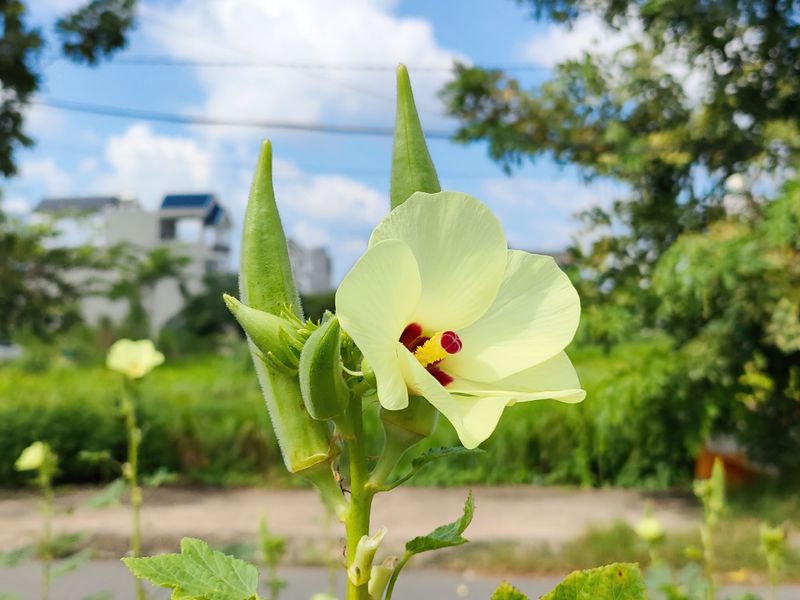
When July hits 100 degrees and most garden plants look wilted and sad, okra just keeps standing tall. Southern gardeners treasure it for that reason. It seems to actually enjoy the blazing Texas summer.
Okra pods might look like green vegetables, but they are really immature fruits. Slice one open and you will see rows of round, white seeds tucked inside. Since the pod grows from a flower and protects seeds, it fits the botanist rule for fruit perfectly.
The flowers are a fun surprise. Okra is related to hibiscus, the tropical plant with big, colorful blooms.
Okra flowers are creamy yellow with a deep red or purple center. Many people think they are pretty enough to grow in a flower bed.
Growing okra in Texas is pretty simple. Wait until the soil is warm, usually late April or May. Plant seeds about an inch deep in a sunny spot. Soaking seeds in water overnight helps them sprout faster.
Picking is where most people go wrong. Okra pods grow incredibly fast. Pick them when they are about 2 to 4 inches long. If you wait a few extra days, they turn woody and tough, like chewing on a stick.
Here is another tip. Wear gloves and long sleeves while harvesting. Okra leaves and stems have tiny hairs that can make your skin itchy.
The more you pick, the more the plant produces. Some okra plants grow taller than an adult by late summer. Fried okra, gumbo, or roasted pods with a little salt make tasty rewards for all that work.
4. Cucumbers Keep Things Cool
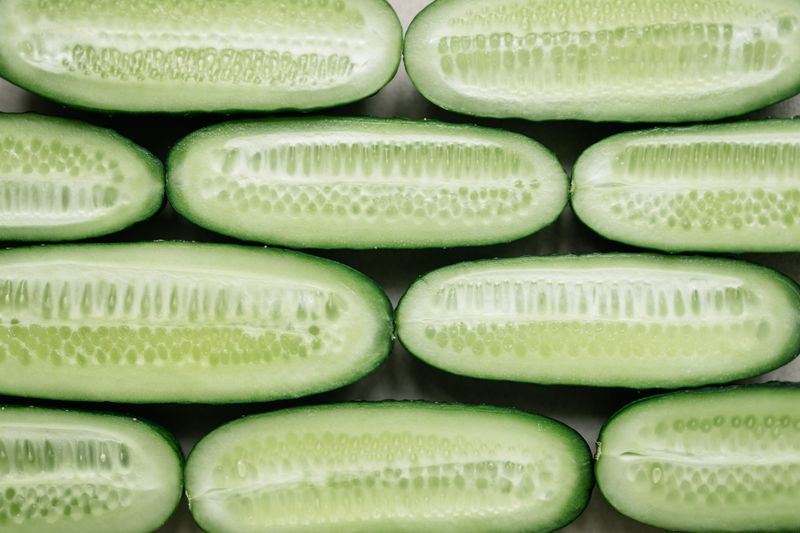
Ever heard the saying cool as a cucumber? It is actually true. The inside of a cucumber can stay several degrees cooler than the air around it, which makes it a refreshing snack on a hot Texas afternoon.
Even though cucumbers end up in salads and on sandwiches, they are fruits. Each one starts as a little yellow flower.
After a bee pollinates the flower, a tiny cucumber begins to swell. Those soft seeds in the middle give away its true identity.
Cucumbers belong to the gourd family, just like squash and melons. In fact, if you compare a cucumber and a cantaloupe vine, the leaves and flowers look a lot alike.
In Texas, cucumbers grow best during the warm spring and early fall seasons. Plant seeds after the danger of frost has passed.
A second crop planted in late summer can give you cucumbers in autumn. Peak summer heat can make plants struggle, so planning around it helps.
Try growing them up a trellis or fence. Vines climbing upward save space, get more air, and produce straighter fruit. You will also find the cucumbers more easily, instead of hunting under a jungle of leaves.
Speed matters with this crop. Cucumbers can grow from flower to picking size in about a week. Harvest them while they are young and firm for the best crunch. Slicing types are best around 6 to 8 inches, while pickling types are ready at 2 to 4 inches.
Overgrown cucumbers turn yellow, bitter, and full of hard seeds. Steady watering helps keep them sweet, so try not to let the soil dry out completely.
5. Zucchini Never Knows When To Stop
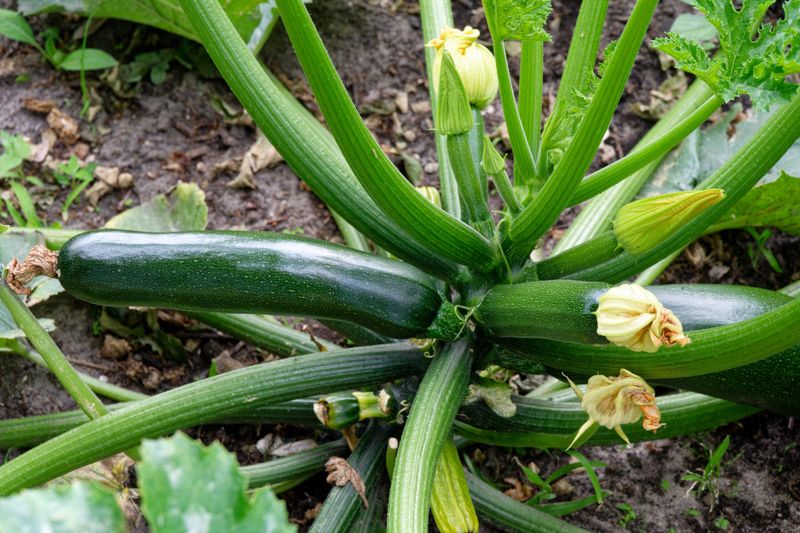
Gardeners love to joke about zucchini. Plant just one or two, and suddenly you are leaving bags of them on your neighbors’ porches. Few plants are as wildly generous.
Zucchini is a type of summer squash. Most people slice it up like a vegetable, but botanically it is a fruit.
It grows from the plant’s big golden flower, and it holds seeds inside. Those seeds are small and soft when the zucchini is young, so you barely notice them.
Here is a fun bit of trivia. Zucchini plants make two kinds of flowers, male and female. Only the female flowers turn into zucchini. You can tell them apart because female flowers have a tiny baby squash right behind the bloom.
In Texas, zucchini grows well in spring and again in early fall. Plant it in rich soil with plenty of sun. Give each plant about three feet of space, because the leaves get huge.
The secret to great zucchini is picking it small. Aim for about 6 to 8 inches long. At that size, the skin is tender and the flavor is mild.
Wait too long and you might end up with a baseball bat sized squash that is tough, watery, and seedy.
Check your plants every day once they start producing. Seriously, zucchini can double in size overnight. Frequent picking also tells the plant to keep making more.
Got too many? Shred extras and freeze them for zucchini bread, muffins, or pasta sauce later. You can even eat the flowers. Stuffed and lightly fried blossoms are a tasty treat many families enjoy.
6. Eggplant Shines In Purple
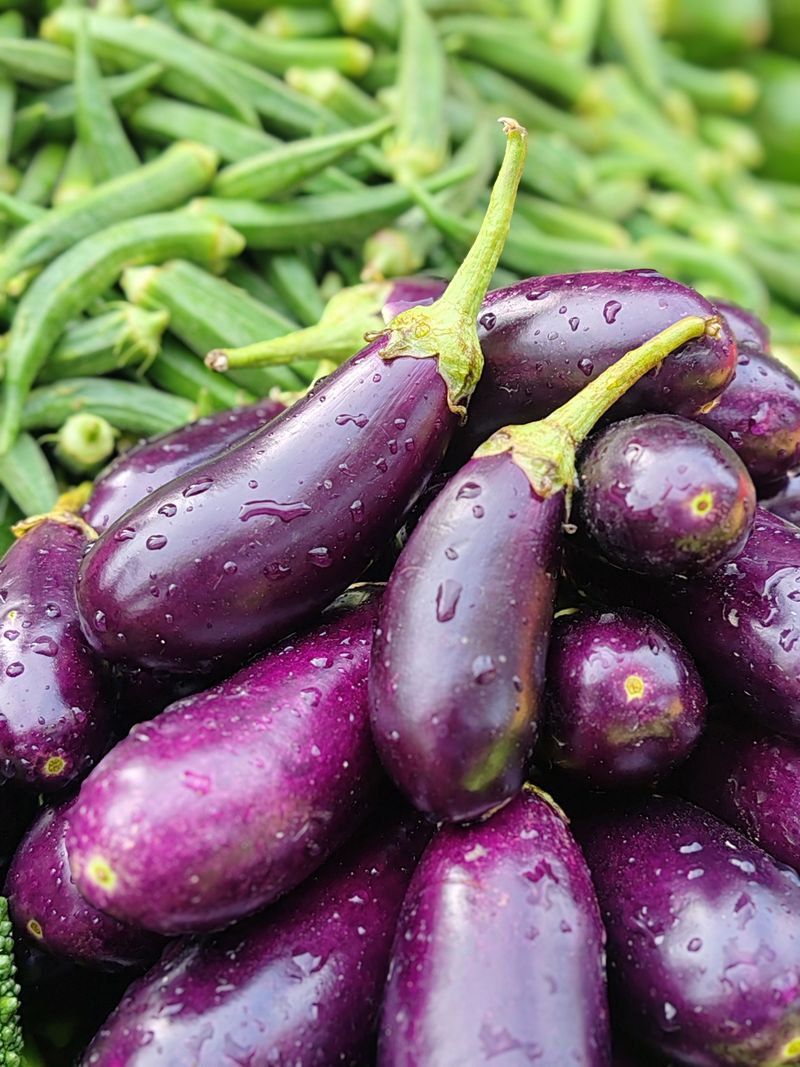
Why is it called an eggplant if it is big and purple? Long ago, some early types were small, white, and shaped just like chicken eggs. The name stuck, even after purple varieties became popular.
Believe it or not, eggplant is a berry in the eyes of botanists. Just like tomatoes, it forms from a flower and holds many small seeds in its soft flesh. It even belongs to the same plant family as tomatoes and peppers, called the nightshade family.
Eggplant is a true heat lover. Cool weather makes it pout, but Texas summers make it thrive. Wait until nights stay above 60 degrees before you set out young plants, usually in late April or May.
Once it gets going, eggplant is a steady worker. It keeps producing through the long summer and often right into fall. Some Texas gardeners pick eggplants until the first frost shows up in November.
Knowing when to harvest is key. Look for skin that is shiny and smooth. Press it gently with your thumb. If it springs back, it is ready.
Dull skin usually means the eggplant is overripe and the seeds have turned brown and bitter.
Use pruning shears or scissors to cut the stem. Pulling can damage the plant. Also, be careful, because many eggplant stems have small prickly spines.
Want to try something different? Seek out varieties like slim Japanese eggplant, striped Listada de Gandia, or little white Easter Egg types.
They grow well in Texas and look amazing in the kitchen. Grilled eggplant slices with olive oil make a simple summer side dish.
7. Green Beans Hide Their Secret Inside
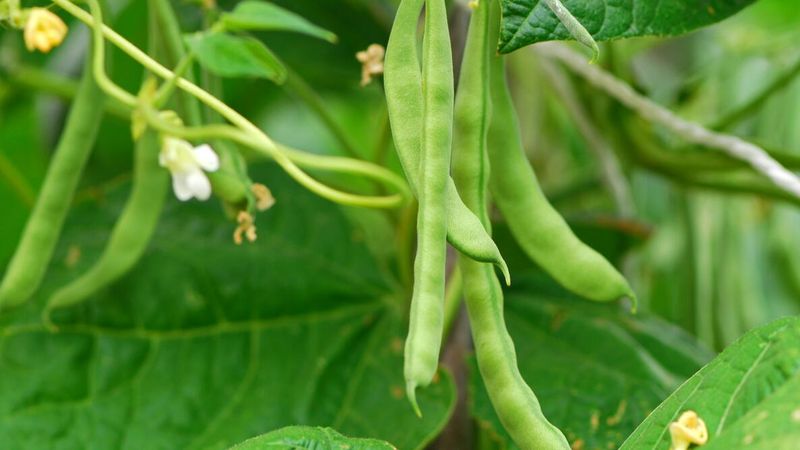
Snap! That crisp sound is one of the best parts of picking green beans. Kids and grown-ups alike love walking down a row and filling a basket in just a few minutes.
So what makes a green bean a fruit? Think about how it is built. The long green pod is the fruit, and the little beans inside are the seeds. The pod grows from a flower and protects those seeds, just like a pea pod or a peanut shell does.
Green beans are among the easiest crops to grow in Texas. They are a great choice for first-time gardeners or kids starting their own patch. Seeds are big, easy to handle, and sprout in about a week.
Texas gives you two chances each year. Plant in spring after the last frost, and again in late summer for a fall crop. Beans do not love extreme heat, so avoid planting during the hottest weeks of July.
You can pick between two main types. Bush beans stay short and produce a big crop all at once. Pole beans climb up a trellis and keep producing longer. Both grow nicely across the state.
Pick green beans while the pods are slender and the seeds inside are still small. Pods should snap cleanly in half. If you see big bumps from the seeds, they are getting tough.
Bean plants also help your garden. Their roots work with tiny soil bacteria to add nitrogen to the ground. Plant leafy greens there next season, and they will thank you with healthy growth.