8 Fall Porch Decor Ideas That Hold Up Through A Pennsylvania Frost
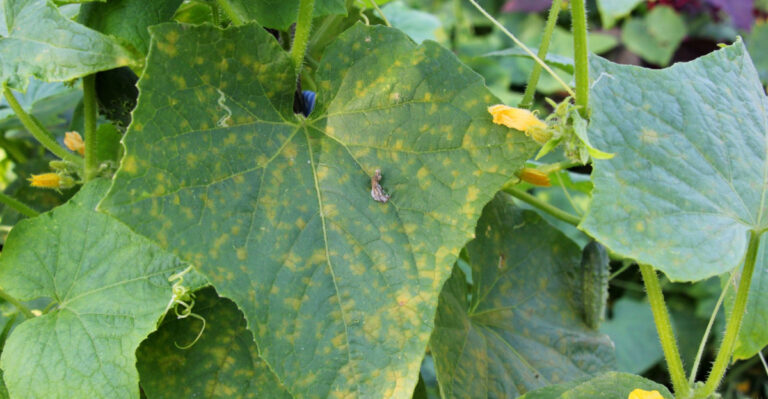
Nothing ruins a beautiful fall porch faster than a hard frost. One cold night, and those cheerful mums turn brown, carved pumpkins go soft and saggy, and tender potted flowers slump over the edges of their containers.
It’s a familiar sight in Pennsylvania, usually right when the decorating season is in full swing.
A fall display doesn’t have to be fragile, though. Plenty of plants and natural materials can handle frosty mornings and still look great well into November.
Ornamental cabbages and kale actually brighten up as the weather cools. Dried cornstalks, gourds, and bundles of wheat stay put no matter what the thermometer says.
Evergreen branches, sturdy grasses, and cold-hardy flowers can carry your porch from Halloween all the way to Thanksgiving.
With a few smart choices, your entryway can stay warm and welcoming long after the first frost rolls in.
1. Ornamental Kale And Cabbage
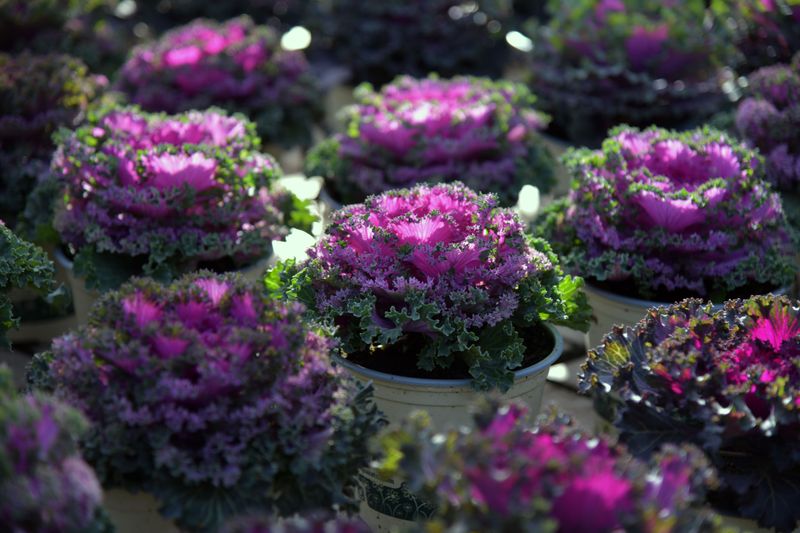
Most plants shiver when the thermometer drops, but ornamental kale and cabbage seem to cheer up. Cold nights actually make their colors pop. The purple, pink, and creamy white centers get brighter once temperatures dip below 50 degrees.
Gardeners in Pennsylvania love them for a simple reason. They can handle frost and even light freezes without much fuss. Many keep looking good until temperatures fall into the teens, which often means late November or later.
Shopping for them is easy. Look for plants with tight, full rosettes and no yellow leaves at the bottom. Bigger plants give you an instant finished look, while smaller ones are cheaper and fill out a bit over time.
Planting is just as simple. Use a container with drainage holes and fresh potting mix. Set the plants a little deeper than they sat in their nursery pots, since their stems can stretch and lean.
For a fun design, try mixing kale and cabbage together. Kale tends to have frilly, ruffled leaves. Cabbage has smoother, rounder leaves that look like giant roses.
Pair them with orange pumpkins for a bold contrast. Purple kale next to a bright pumpkin looks great in photos and from the street. White varieties also glow nicely under porch lights at night.
Watering needs drop as the weather cools. Check the soil once or twice a week and water only when the top inch feels dry. Too much water in cold soil can cause rot.
Here is a fun fact. These plants are edible, but they taste bitter. They are grown for looks, so leave them for decorating and save your salads for the store-bought kind.
2. Pansies And Violas
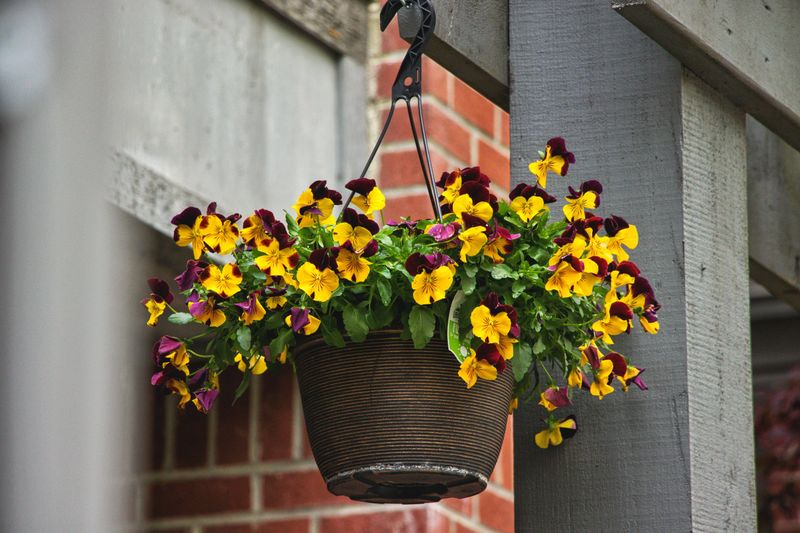
Tiny faces with big attitudes, pansies and violas laugh off a frosty morning. Their petals often look like little smiling faces. Kids and grown-ups alike seem to love them.
Don’t let their delicate look fool you. These flowers are tough. A frost might make them wilt for a few hours, but they usually perk right back up once the sun warms them.
Pansies have larger blooms, about the size of a silver dollar. Violas have smaller flowers but tend to produce more of them. Violas are also a little hardier, so they are a smart pick for colder spots in Pennsylvania.
Your Pennsylvania Garden Changes Every Week. Your Plan Should Too.
Gardening in Pennsylvania changes quickly throughout the season. Every Friday you’ll receive a simple weekly plan showing exactly what to plant, prune, fertilize, harvest, and protect so you never miss the right timing.
Window boxes are a great home for them. So are shallow pots by the front door. Plant them close together for a full, bright display right away.
Color choices are almost endless. Orange and yellow feel classic for fall. Deep purple and burgundy look rich next to pumpkins and gourds.
Here is the best part. Many pansies and violas survive the winter in containers. They may look tired by January, but they often bloom again in March and April.
To help them along, pinch off faded flowers every week or so. Doing that keeps the plant busy making new blooms instead of seeds. Water when the soil feels dry, but skip soggy soil.
On the coldest nights, you can tuck a little straw or evergreen branches around the base. That extra layer protects the roots. Pots set against the house also stay a bit warmer.
Plant them in September or early October. Giving the roots time to settle in before hard freezes helps them come back strong in spring.
3. Coral Bells
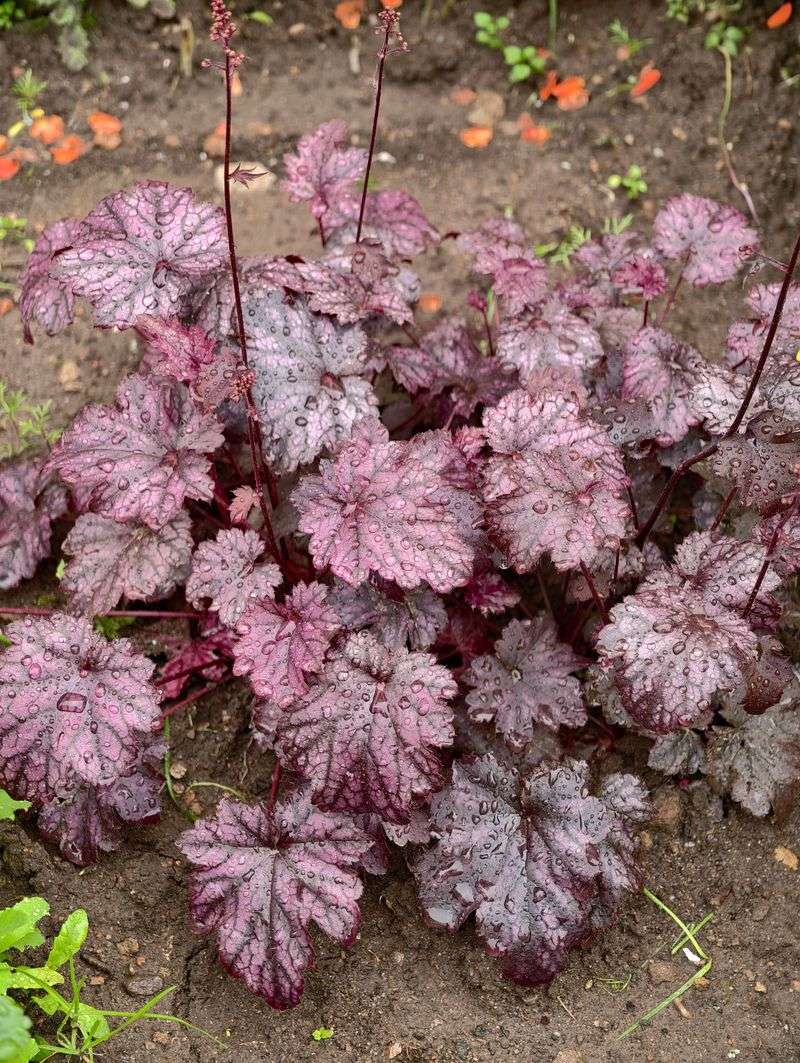
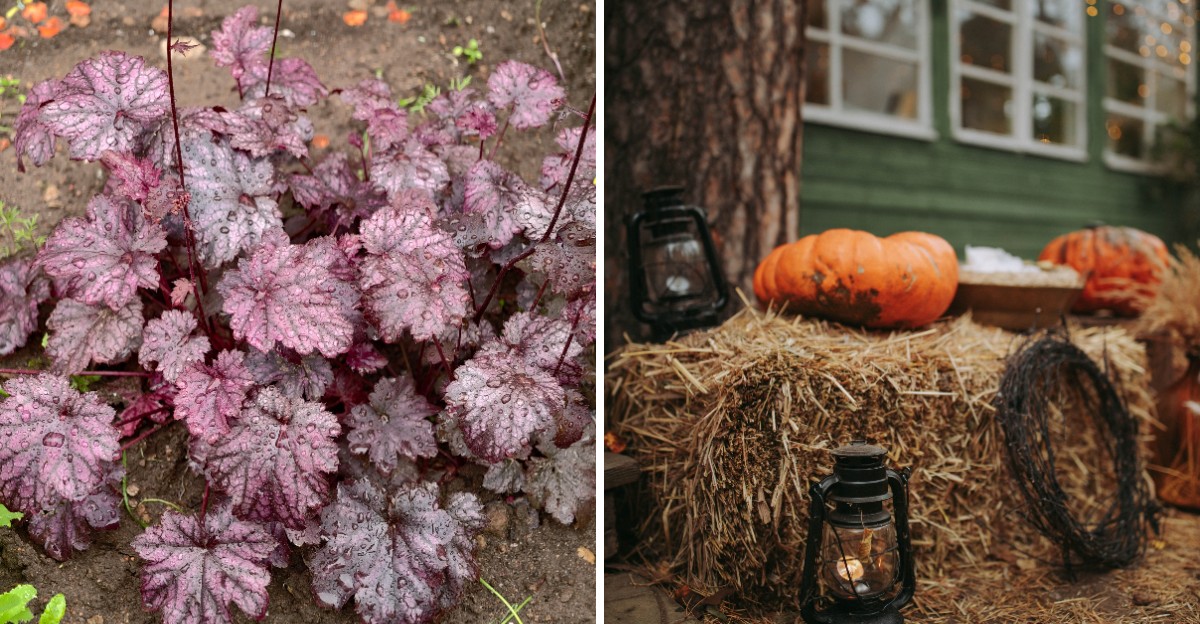
Flowers come and go, but foliage like this sticks around. Coral bells, also called heuchera, are grown mostly for their leaves. And what leaves they are.
Colors range from deep purple and burgundy to caramel, peach, and bright lime green. Some have silver patterns that look painted on. In a fall container, they add color without needing a single bloom.
Frost barely bothers them. Many varieties are hardy down to very cold temperatures. The leaves may get a little darker or crispier at the edges, but they hold their shape well into late fall.
Think of coral bells as the perfect filler. They work well around a taller plant in the center of a pot. Their mounded shape fills the space between bigger plants and the edge of the container.
Try caramel coral bells with orange mums for a warm look. Lime green varieties brighten up shady corners. Purple ones look striking next to white pumpkins.
Care is simple. Water when the top of the soil dries out. They like good drainage, so avoid letting the pot sit in a saucer full of water.
When the season ends, you have a bonus. Coral bells are perennials, which means they come back year after year. Pop them into a garden bed before the ground freezes, and they will return next spring.
Plant them a little high so the crown is not buried. Add some mulch around the base for winter.
Pennsylvania gardeners get extra value here. One fall purchase can turn into years of colorful leaves in the yard. That is a pretty good deal for a porch plant.
4. Dwarf Evergreens In Containers
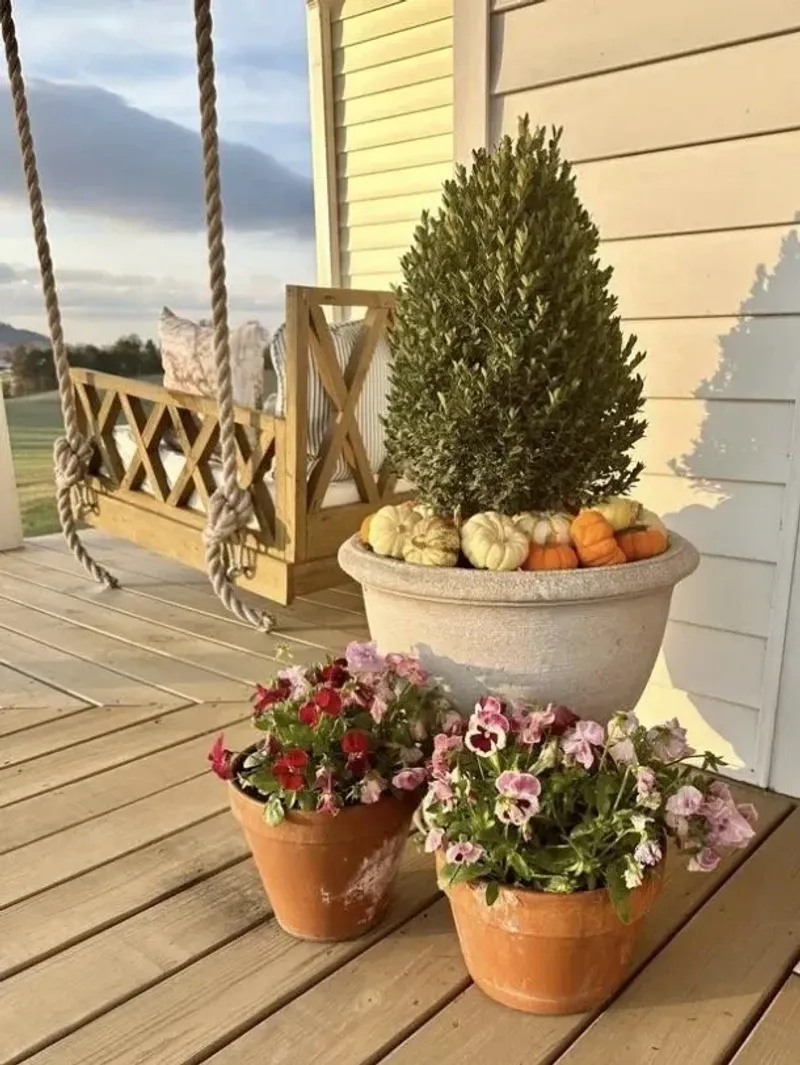
Ask any longtime decorator, and they will tell you a good porch needs a star. Dwarf evergreens fill that role beautifully. They stay green while everything else fades.
The dwarf Alberta spruce is a popular choice. It grows in a neat cone shape that looks like a tiny Christmas tree. Other good options include dwarf arborvitae, mugo pine, and small junipers.
Here is something many people don’t know. Roots in a pot face colder temperatures than roots in the ground. Soil in the earth stays warmer, but a container can freeze solid.
For that reason, pick evergreens rated at least two zones colder than where you live. Much of Pennsylvania falls in zones 5 and 6. Plants hardy to zone 3 or 4 are a safer bet for pots.
Your container choice matters too. Skip thin clay pots, since they can crack when wet soil freezes. Thick plastic, fiberglass, or resin planters hold up better through freezing and thawing.
Bigger pots also help. More soil means more protection for the roots. A pot at least 16 inches wide is a good start.
Water is surprisingly important in winter. Evergreens lose moisture through their needles even in cold weather. Give them a good drink before the soil freezes and during warm spells.
Decorating is half the fun. Wrap a plaid ribbon around the pot in fall. Add white lights and small ornaments when December arrives.
Place a matching pair on each side of your door for a classic look. When spring comes, you can plant them in the yard or keep them potted for another season.
5. Fresh Evergreen Boughs
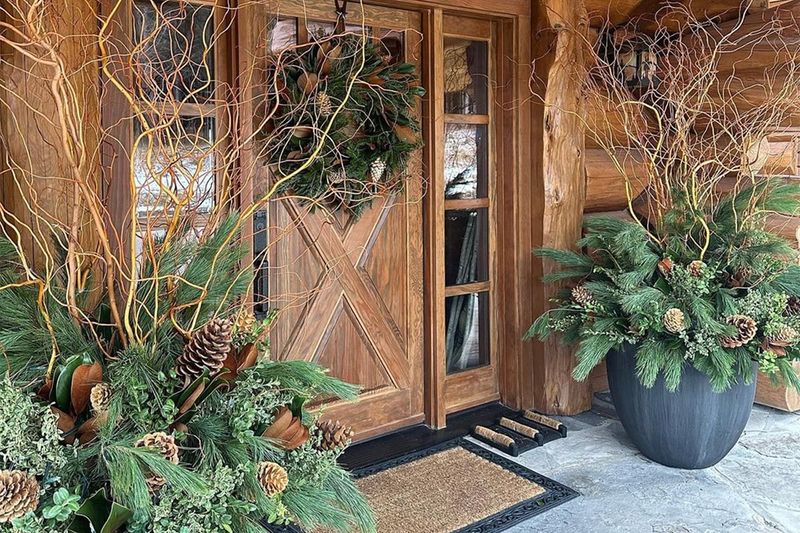
Walk outside on a cold morning, and the smell of fresh pine can make any porch feel cozy. Evergreen boughs are one of the easiest ways to add that feeling. They also cost very little.
Many types work well. White pine is soft and feathery. Cedar has flat, lacy sprays, while fir branches hold their needles for a long time and smell wonderful.
Boxwood adds small, glossy leaves for a neat look. Mixing several kinds together gives your planter lots of texture. Different shades of green look richer than just one.
Where can you get them? Garden centers and Christmas tree lots often sell bundles. You can also trim a few branches from your own trees, as long as you cut carefully and spread out your cuts.
Making an arrangement is simple. Start with an old planter that still has soil in it, even if the summer flowers are gone. Push the cut ends deep into the soil so they stand upright.
Put longer, droopy branches around the edges so they spill over. Add stiffer, upright ones in the center. Fill gaps with smaller pieces until it looks full.
Cold weather is actually your friend here. Low temperatures keep the branches fresh for weeks. If the soil is moist before it freezes, the greens stay perky even longer.
One of the nicest parts is how easily they switch seasons. In fall, tuck in pinecones and small gourds. After Thanksgiving, swap those for red ribbons, ornaments, and a string of lights.
A quick spray of anti-drying product can help them last even longer. You’ll find it at most garden stores.
6. Winterberry Branches
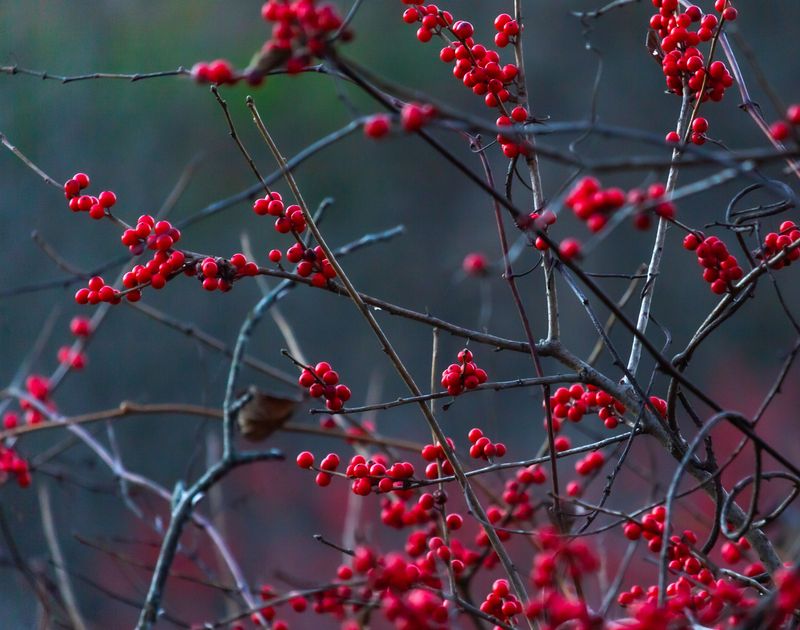
Red berries against a gray November sky are hard to beat. Winterberry branches bring that bright splash of color right to your front door. Once you try them, you may want them every year.
Winterberry is a holly that grows wild in Pennsylvania. Unlike the holly most people know, it drops its leaves in fall. What remains are bare stems covered in shiny red berries.
Did you know birds love these berries? In the wild, robins and bluebirds snack on them through winter. Don’t be surprised if a feathered visitor stops by your porch for a nibble.
Cut branches are sold at many garden centers and florists in late fall. Look for stems packed with berries and no shriveled spots. Some varieties have orange or gold berries for something a bit different.
Using them is easy. Stick tall stems into the center of a planter for height. Shorter pieces can poke out between evergreen boughs to add color.
Cold air helps them hold up. Berries can stay plump and bright for many weeks outside. Placing the stems in moist soil or a bucket of sand keeps them steady in the wind.
A hard freeze might darken the berries a little. Even so, most still look festive well into December. Keeping them out of strong afternoon sun can help.
Want a more lasting option? Plant a winterberry shrub in your yard. You’ll need a male plant nearby for the females to make berries.
Either way, these branches carry your porch straight from fall into the holidays without missing a beat.
7. Corn Stalks And Dried Grasses
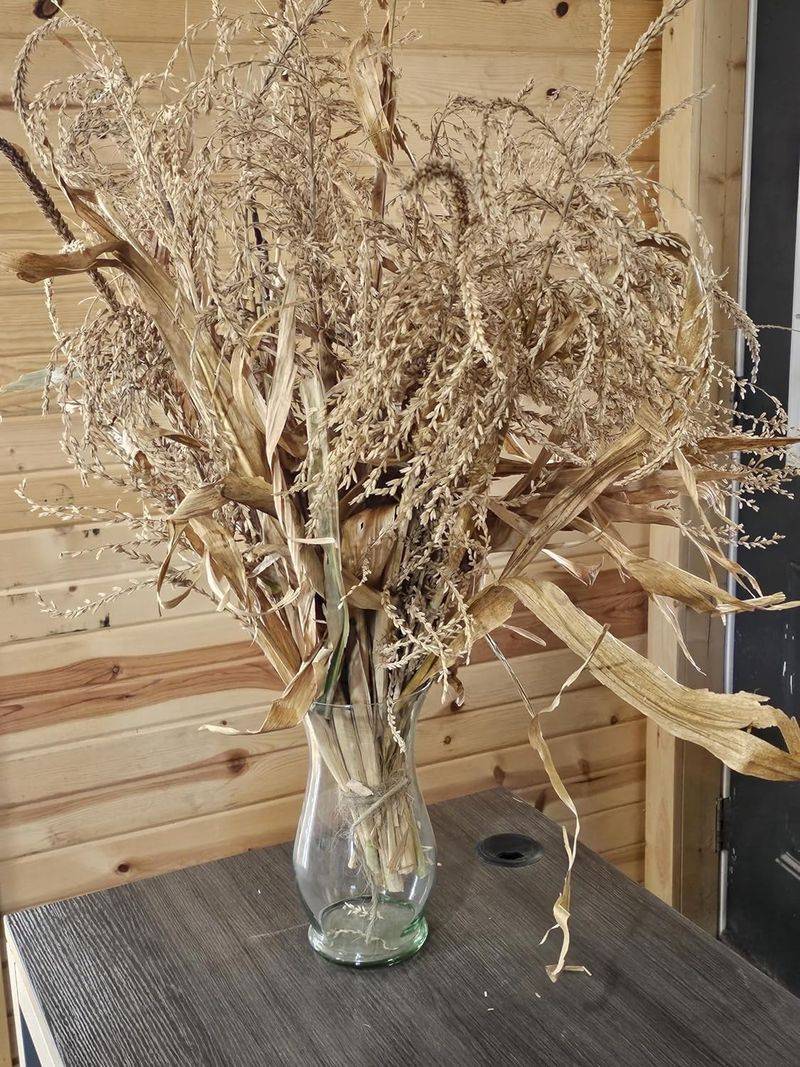
Grandma’s porch probably had them, and for good reason. Corn stalks have been a fall favorite for generations. They say harvest time like nothing else can.
Since they are already dried, frost can’t hurt them. Cold nights and chilly rain won’t change how they look. That makes them one of the easiest choices on this list.
Farm stands across Pennsylvania sell bundles every fall. They are usually cheap, often just a few dollars per bundle. Grocery stores and garden centers carry them too.
Height is their secret power. Tall stalks fill empty space and draw eyes upward. They make even a small porch feel more finished.
The classic way to use them is to tie a bundle to each porch post. Use twine, zip ties, or wire to hold them tight. Add a bow made of burlap or plaid ribbon for extra charm.
Ornamental grasses work in a similar way. Dried pampas grass, wheat bundles, or cut grasses from your garden add soft, wispy texture. Tuck them behind pots so they peek out from the back.
Here is a helpful tip. Wind can knock over loose bundles. Tie them in two places, near the top and near the bottom, to keep them steady.
Mice sometimes enjoy dried corn, so knock off any leftover ears before using them. Checking now and then for nibbled spots is smart too.
When the season ends, many towns collect them with yard waste. You can also break them up for your compost pile. Nothing goes to waste, and your porch looked great the whole time.
8. Straw Bales And Pumpkins
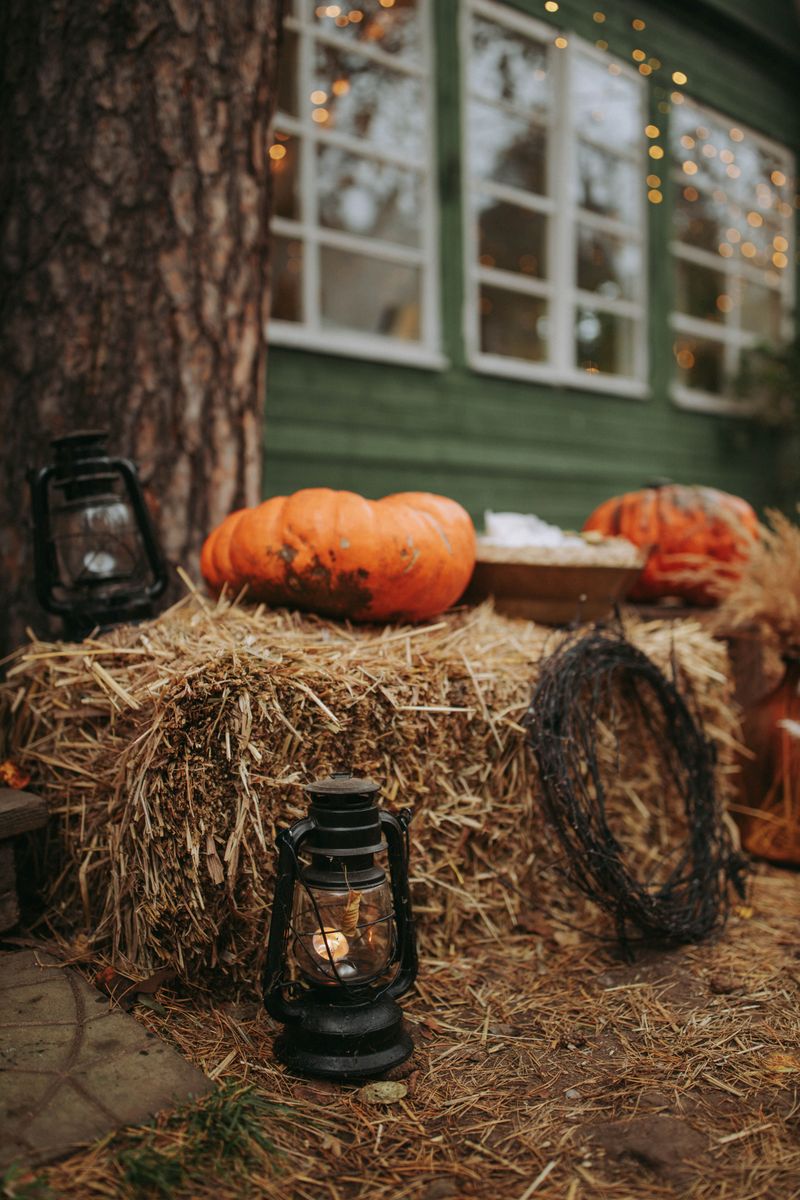
Nothing says autumn quite like a stack of straw bales piled with pumpkins. It is a scene straight out of a Pennsylvania farm festival. Best of all, you can create it at home in minutes.
Straw bales give you a sturdy, rustic base. Stack two or three at different heights to create levels. That way, every pumpkin and potted plant gets its moment to shine.
Mix up your pumpkins for more interest. Classic orange is always a hit. White, green, and warty varieties add fun shapes and colors.
Gourds fill in the small gaps. So do potted mums or kale set right on top of the bales. A lantern or two adds a warm glow at night.
Now for the frost question. Pumpkins can handle a light frost without much trouble. A hard freeze, though, can turn them soft and mushy once they thaw.
Keep an eye on the weather. When temperatures are expected to drop into the low 20s, cover your pumpkins with an old blanket or sheet. Bringing them into a garage overnight works too.
Choose pumpkins with sturdy green stems and no soft spots. Avoid carrying them by the stem, since a broken stem lets rot start sooner. Uncarved pumpkins last much longer than carved ones.
Straw itself is very weather friendly. It may fade a little, but it holds its shape through rain and cold. Set bales on a small tarp to protect your porch floor.
After the season, use the straw as garden mulch. Pumpkins can go in the compost, or leave them out for hungry deer and squirrels.