These Common New York Plants And Critters Can Seriously Harm Your Dog
Your dog’s nose is a powerful tool, but it has terrible judgment about snacks. One sniff of a moldy walnut or a sweet green puddle can turn a happy walk into a scary vet visit.
New York gives dogs plenty to explore, from crunchy fall leaves in city parks to wooded Adirondack trails. Hidden among all that fun are plants, chemicals, and wild animals that can cause real trouble.
Some of these dangers sit right in your backyard, looking completely ordinary. Others only appear when the seasons change and the air turns crisp.
Knowing what to watch for helps you act fast when it matters most. A few of these risks might surprise even longtime dog owners.
The next few minutes could save your best friend a lot of misery. Every walk is safer when you know what to look for.
Wild Mushrooms Can Be Life-Threatening To Dogs
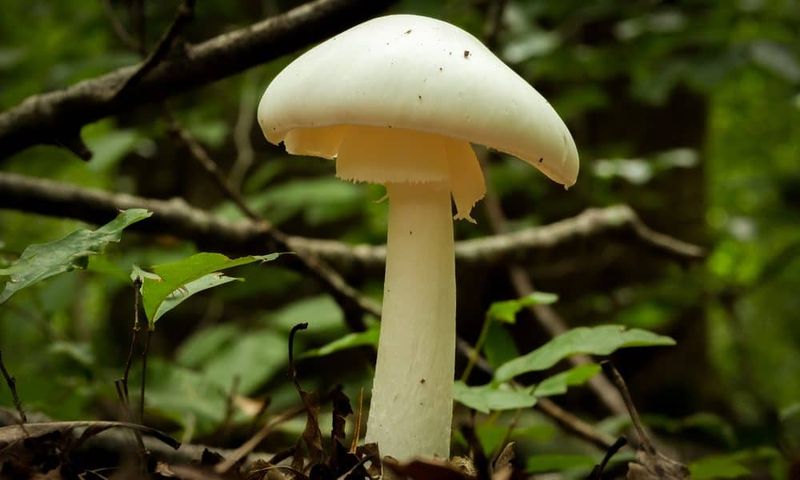
Picture a damp October morning when your dog sniffs out something pale and round under an oak. One quick gulp could turn a pleasant walk into a race to the emergency vet.
Toxic Amanita species, including the destroying angel, pop up in New York woods and parks. Dogs that eat them can survive, but usually only with intensive care.
Only a small share of wild mushrooms are poisonous. Sadly, even experts struggle to tell the safe ones from the dangerous ones by sight.
Some toxic mushrooms give off an earthy or fishy smell. To a curious dog nose, that scent can seem like an invitation to snack.
Watch for vomiting, diarrhea, drooling, tremors, or seizures after any outdoor adventure. Signs may show up within minutes or take several hours to appear.
Here is the tricky part about some species. A dog may seem to bounce back, while liver damage quietly gets worse over the next few days.
Treat any mushroom snack as an emergency, even if your pup acts fine. Snap a photo of the mushroom or bring a sample wrapped in a paper towel.
Your vet or the ASPCA Animal Poison Control Center can use that sample to guide treatment. Walk your yard after rainy spells and pull up any new mushrooms you spot.
Fall is peak season, but mushrooms sprout any time the ground stays wet and warm. A short leash in wooded areas gives you more time to react.
Moldy Black Walnut Hulls Can Cause Tremors
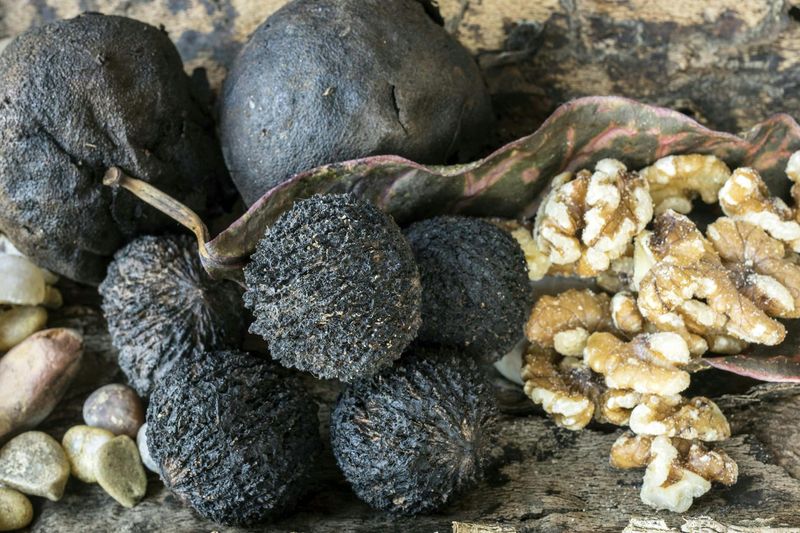
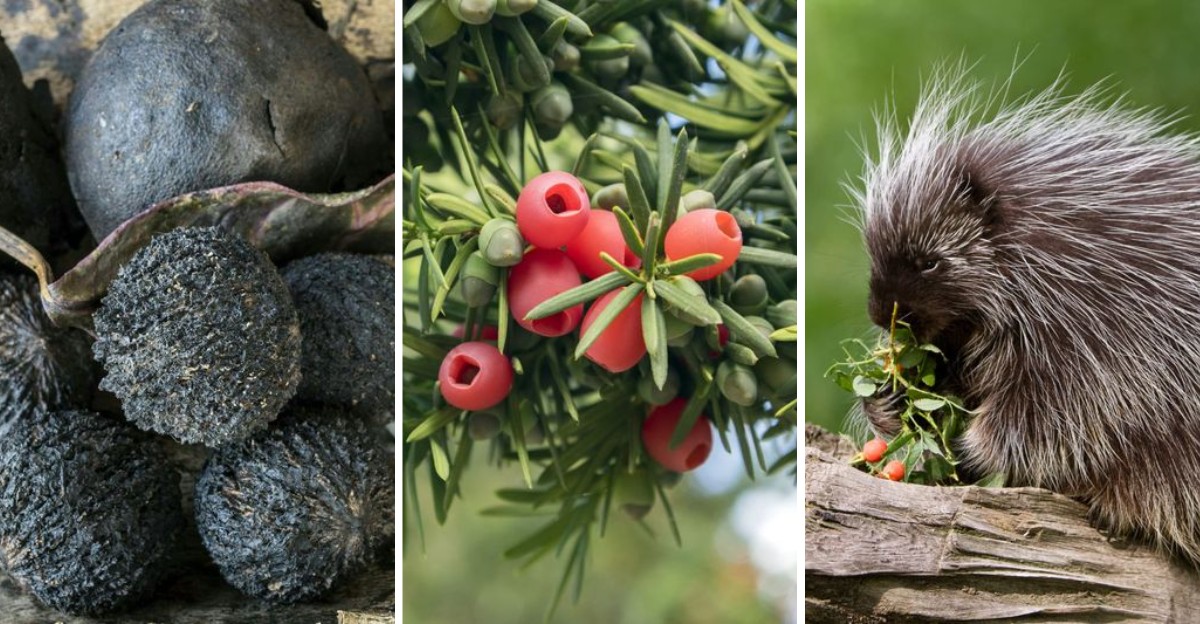
Black walnut trees look harmless, dropping green tennis-ball fruits all over lawns each autumn. Once those hulls rot and turn black, though, they become a real hazard.
Decaying hulls often grow mold that produces tremorgenic mycotoxins. Those big words describe toxins that set off muscle tremors and seizures in dogs.
Black walnuts also contain juglone, a natural compound known to harm horses, though its effect on dogs is less clear. The moldy hulls remain the biggest worry.
Vets in New York, including clinics on Staten Island, treat walnut poisoning cases. Some dogs got sick from chewing the wood, not just the nuts.
Your New York Garden Changes Every Week. Your Plan Should Too.
Gardening in New York changes quickly throughout the season. Every Friday you’ll receive a simple weekly plan showing exactly what to plant, prune, fertilize, harvest, and protect so you never miss the right timing.
Symptoms usually appear within one to six hours. Look for vomiting, diarrhea, restlessness, wobbly walking, a racing heart, or fever.
Here is a surprising detail many owners miss. A dog can get sick simply by walking through rotting hulls and licking its paws afterward.
Whole walnuts bring another problem, since they can block the intestines. Small dogs that gulp food quickly face the biggest risk.
Recovery may take two to five days, even with good veterinary care. Quick treatment usually makes that road much smoother.
Rake up fallen walnuts every few days during autumn. Wipe your dog’s paws with a damp cloth after walks near walnut trees.
If you see shaking or twitching, call your vet right away. Mention walnuts specifically so they know to watch for mycotoxin effects.
Squirrels often bury walnuts and forget them, so moldy nuts may pop up far from any tree. Keep an eye out in garden beds and mulch piles too.
Acorns Can Upset A Dog’s Stomach
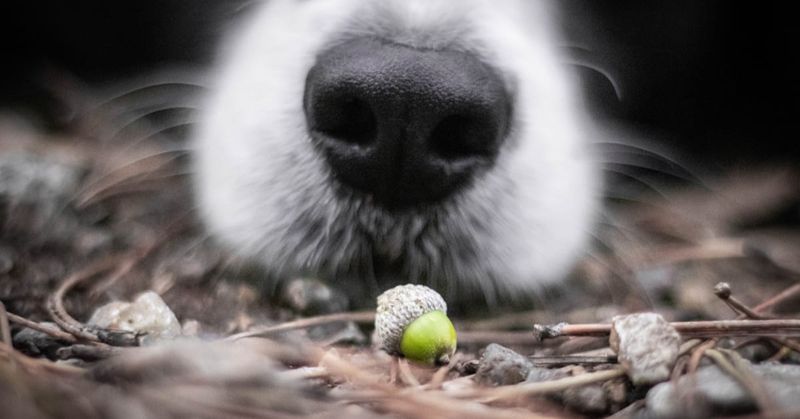
Squirrels love them, and plenty of dogs seem to agree. Acorns crunch like a treat, but they pack a bitter surprise inside.
The culprit is tannins, natural chemicals found in every part of the oak tree. Leaves and bark contain them too, not just the nuts.
Tannins irritate the stomach and intestines, causing painful inflammation. In serious cases, they can harm the kidneys and liver.
Green, unripe acorns carry higher tannin levels than brown ones. Early fall, when green acorns drop, can be an especially risky stretch.
Signs typically appear within a few hours to a day. Expect vomiting, diarrhea that may be bloody, belly pain, tiredness, or a poor appetite.
Extra thirst and frequent peeing deserve a quick call to your vet. Those changes may point to kidney trouble.
Size matters as well. A small dog swallowing several acorns could end up with a blockage that needs surgery.
Oak trees line streets and parks across the state, from Brooklyn to Buffalo. Acorn carpets on sidewalks are hard to avoid each autumn.
Teach a firm ‘leave it’ command and reward your dog generously for obeying. Practice indoors first, then move to the sidewalk.
Sweep acorns off your patio and lawn often during peak drop season. A basket muzzle can help with dogs that vacuum up everything in sight.
One acorn rarely causes a crisis in a large dog. Still, regular snacking adds up and can lead to ongoing tummy trouble.
Yew Is Highly Toxic Year-Round
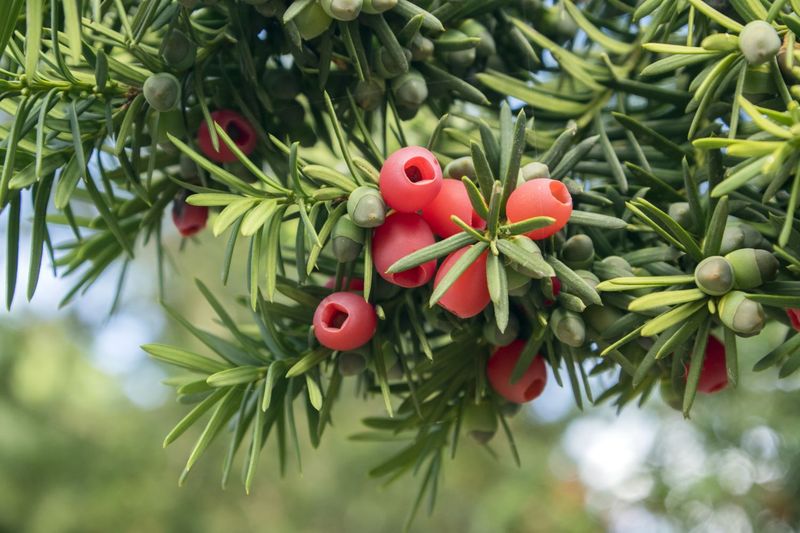
Few shrubs look as tidy and innocent as yew. Its glossy needles and bright red berries decorate front yards and office buildings everywhere.
Beneath that polished look sits one of the most toxic plants a dog can find. Every part contains compounds called taxines, including the leaves, bark, and seeds.
The red fleshy berry itself is less dangerous than the seed hidden inside it. Unfortunately, dogs rarely spit out seeds before swallowing.
Even a small amount can be fatal for an average-sized dog. Chewing on a branch or eating about an ounce of needles may be enough.
Yew stays green all winter, so the danger lasts year-round. Horses have lost their lives after eating yew clippings, which shows how potent it is.
Early signs include vomiting, diarrhea, and heavy drooling. Tremors, seizures, a slow heart rate, and trouble breathing may follow.
Heavy fluid loss from vomiting and diarrhea adds another layer of danger. Severe cases can turn critical shockingly fast.
Check your own yard and your neighbors’ hedges for yew shrubs. Look for flat, dark green needles and small red cup-shaped berries.
Bag trimmings right away after pruning, since dogs often chew fallen branches. Consider replacing yew with pet-safer shrubs your local nursery recommends.
If your dog chews yew, head to the vet immediately. Bring a piece of the plant to speed up the diagnosis.
Don’t wait for symptoms to show up before acting. Treatment works best when it starts within the first hour or two.
Rodent Bait Is Common In Fall
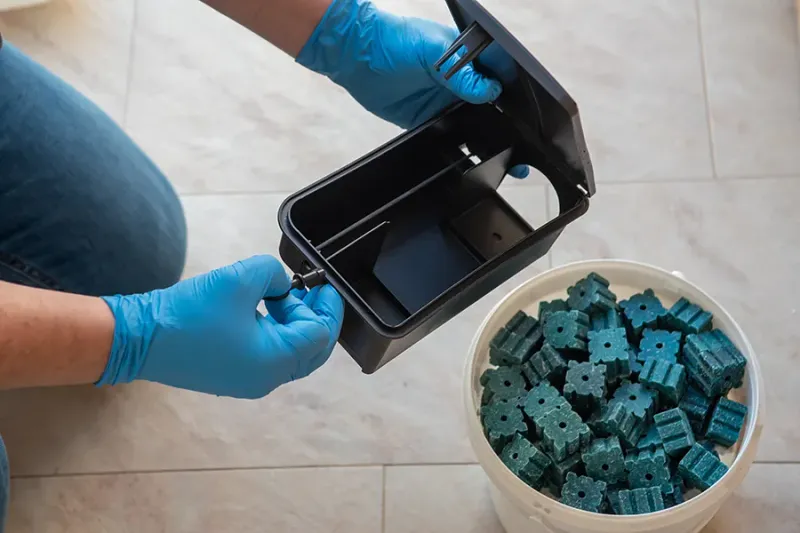
As the weather cools, mice and rats start looking for cozy spots indoors. Homeowners and building managers respond by setting out more bait stations.
Manufacturers flavor these baits to tempt rodents, often with grain, peanut butter, or fish scents. Sadly, dogs find those smells just as appealing.
Emergency vets on Staten Island warn that rodenticide cases need urgent care. Across New York City, bait boxes sit along buildings, alleys, and parks.
Anticoagulant baits stop blood from clotting, which leads to hidden bleeding. Pale gums, bruising, nosebleeds, or coughing blood may not appear for three to five days.
Bromethalin products cause the brain to swell. Wobbly walking, tremors, seizures, or weakness can begin within two hours or up to 36 hours later.
Cholecalciferol, a form of vitamin D3, pushes calcium to harmful levels. Kidney damage follows, with extra thirst, vomiting, and weakness as common clues.
Zinc phosphide releases a toxic gas inside the stomach. Drooling, belly pain, vomiting, and collapse can follow quickly.
Since each type needs different treatment, knowing the product name helps enormously. Snap a photo of the package or bait station label if possible.
Keep your dog close when walking past building foundations and dumpsters. Bait blocks sometimes get carried off by rodents and dropped in odd spots.
At home, use snap traps in enclosed boxes or hire a pet-aware pest control company. Ask them to note exactly where every station is placed.
Seek care right away, even without symptoms. Early treatment gives your dog the best chance at a full recovery.
Ticks Stay Active Through Fall
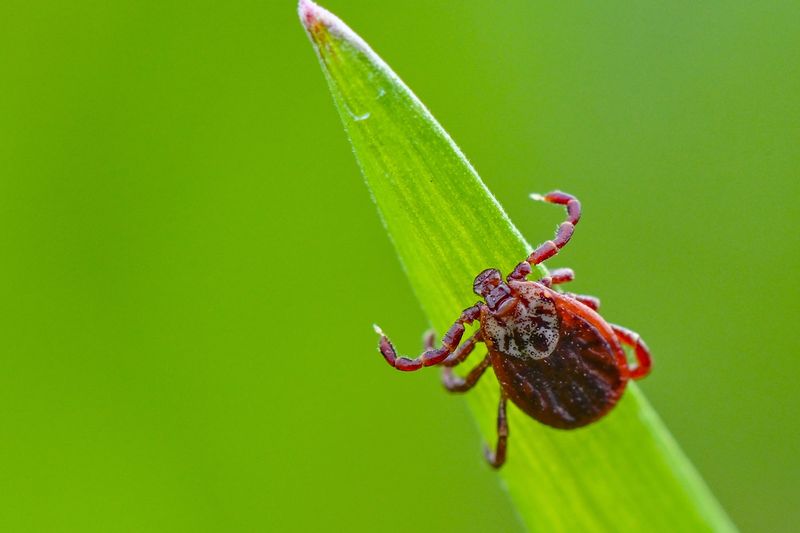
Think tick season ends when summer does? Many dog owners learn otherwise during a crisp October hike.
Ticks stay busy from early spring through late fall in New York. Mild winter days can wake them up too.
Upstate regions like the Hudson Valley, Adirondacks, and Finger Lakes have some of the highest tick numbers nationwide. Deer ticks are especially plentiful in the Hudson Valley.
Here is a striking statistic. In some upstate counties, a large share of tested dogs show exposure to Lyme bacteria.
Lyme disease in dogs rarely shows the bullseye rash people get. Instead, watch for fever, swollen joints, shifting lameness, low energy, and a dull appetite.
Untreated Lyme can lead to kidney and heart problems. Anaplasmosis looks similar and may also lower platelet counts.
Ehrlichiosis, spread by lone star and dog ticks, can cause fever, swollen limbs, and bleeding issues. Rocky Mountain spotted fever brings fever and tiredness as well.
Timing gives you a window to act. Ticks usually need 36 to 48 hours attached to pass along Lyme bacteria.
Run your fingers through your dog’s coat after every outing. Focus on ears, armpits, between toes, under the collar, and around the tail.
Use fine-tipped tweezers or a tick removal tool to pull straight out. Save the tick in a sealed bag in case your vet wants it tested.
Talk with your vet about year-round tick prevention and the Lyme vaccine. Trimming tall grass along your yard’s edges helps reduce tick hangouts.
Porcupines And Skunks Are More Active Too
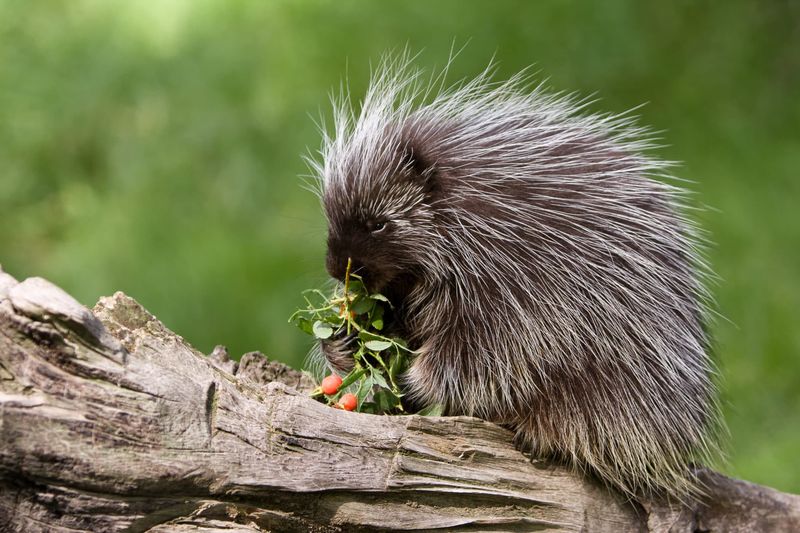
Some dogs need hundreds of quills pulled after a single porcupine meeting. That shows how fast a curious sniff can go wrong.
Porcupines are common in the mid-Hudson region, Catskills, and Adirondacks. Contrary to myth, they don’t shoot quills but lash their spiky tails instead.
Each quill has tiny backward barbs that grip skin and burrow deeper over time. Quills can travel toward joints, eyes, and even internal organs.
Resist the urge to cut quills, since that makes removal harder. Most dogs need sedation, so head straight to a vet.
Skunks bring a different kind of trouble. Late fall sends them searching for dens under decks, porches, foundations, and woodpiles.
Sightings have even increased in Central Park, where dogs have caught a spray. Activity picks up again during mating season in February and early March.
Skunk spray isn’t poisonous, but it can sting a dog’s eyes and irritate the lungs. Watch for foot stomping, a common warning before the spray.
Rabies adds a more serious concern. Skunks are a major rabies carrier across the state, so keep vaccinations current.
The state Department of Environmental Conservation recommends keeping pets leashed outdoors. Dusk and dawn walks deserve extra caution, since both critters roam then.
For a skunked dog, mix hydrogen peroxide, baking soda, and dish soap. Rinse well and keep the mixture away from the eyes.
Check under your deck for fresh digging before letting your dog out at night. A quick flashlight sweep of the yard can prevent an unpleasant surprise.