Tired Of Weeding? Plant These Virginia-Friendly Perennials That Help Crowd Out Weed
You pull weeds for years, yet the seeds keep winning. Soil across Virginia stores a dormant seed bank that wakes the moment you stir it.
Each tug you make rolls out a welcome mat for them. Some sprays trim leaves, so you leave roots preparing a comeback.
Savvy growers across Virginia skip the hoe and still harvest clean beds. Their trick denies weed seeds the light they need to sprout.
Dense planting does the heavy lifting while you rest your knees. Certain companions shade soil, soak up moisture, and give weed rivals little room.
Your bed becomes a crowded club with a selective guest list. Weeds arrive, find no open seat, and move on.
Spacing matters more than muscle, and gaps invite newcomers within days. A bossy groundcover outgrows weeds, and a sneaky pairing closes gaps within a few seasons.
1. Creeping Phlox Carpets Sunny Slopes
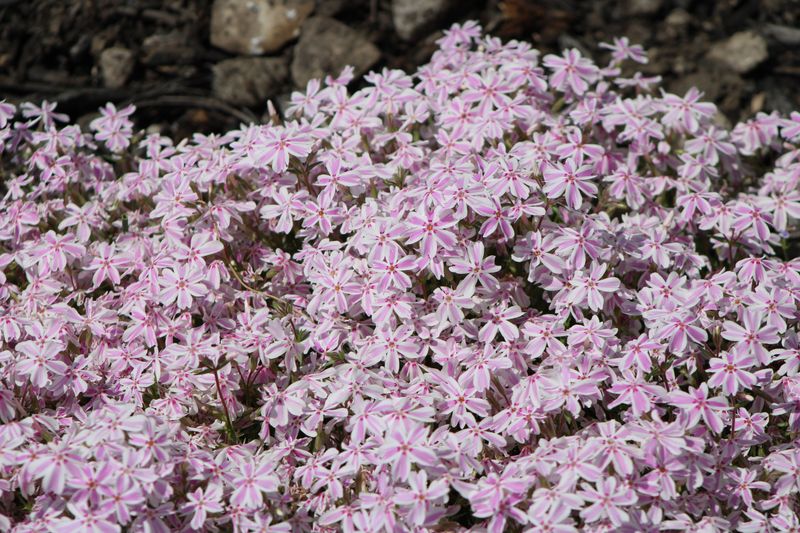
Every April, Virginia gardens and rocky slopes glow with pink, purple, and white blooms. That colorful carpet is creeping phlox, and it does far more than look pretty.
The plant forms a dense mat of needle-like leaves that hugs the ground year-round. Weed seeds land on top, find little bare soil, and struggle to establish.
Phlox subulata is native to the eastern United States, including parts of Virginia. It handles hot summers and cold snaps well, as long as the soil drains.
Give it full sun and soil that drains well after a heavy rain. Slopes, rock walls, and the edges of walkways are ideal homes for this tough little spreader.
October is a smart month to plant, since cooler air reduces stress on new roots. Space plants about 18 inches apart, and they will knit together within two seasons.
Until the gaps close, spread a thin layer of shredded leaves between plants. That mulch blocks light from weed seeds while the phlox fills in.
After spring blooms fade, trim the stems lightly with garden shears to keep growth thick. A quick haircut encourages fresh shoots and an even tighter mat.
Butterflies and early bees love the flowers, so your yard gets busier in spring. Deer often avoid it, too, which makes life easier for many Virginia gardeners.
Once established, the patch needs little water except during long dry spells in August. Many gardeners find it a very low-maintenance planting.
2. Wild Ginger Thrives In Deep Shade
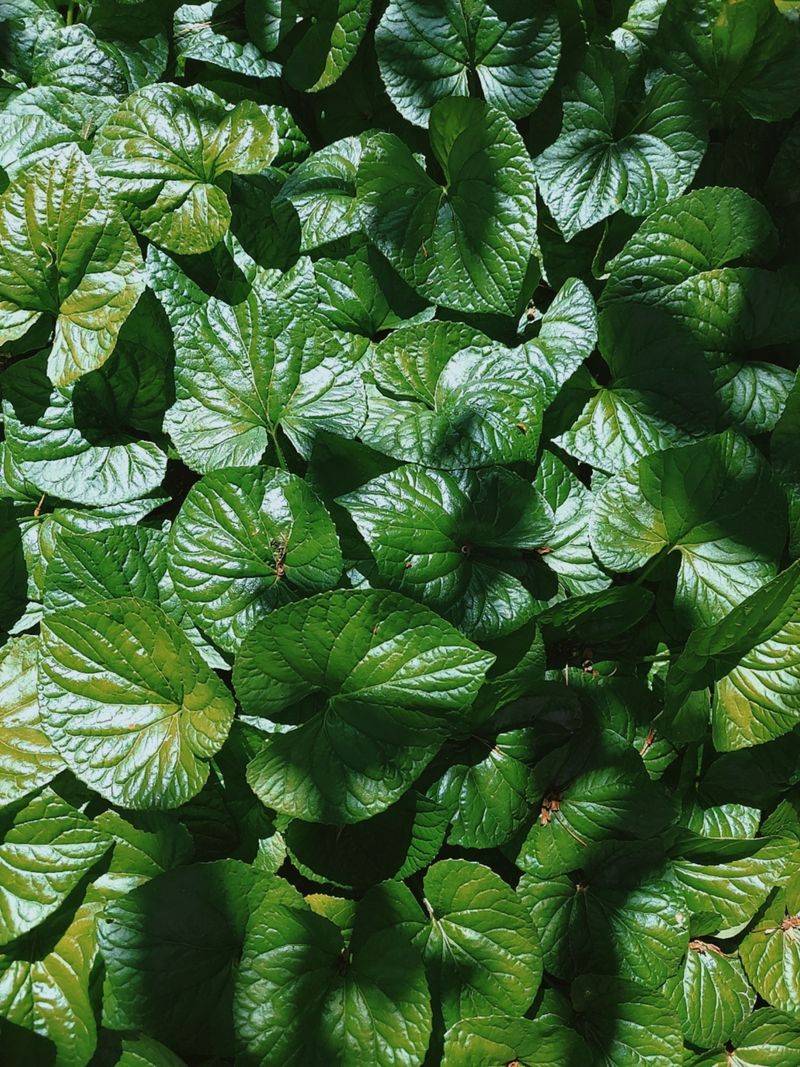
Picture a plant with heart-shaped leaves so thick and overlapping that it looks like green shingles. Wild ginger turns the darkest corner of your yard into a velvety, weed-proof rug.
It is not the ginger you buy at the grocery store, and it should not be eaten. The name comes from its roots, which smell a bit spicy when you scratch them.
Asarum canadense grows wild in Virginia forests, from the Blue Ridge down to the Piedmont. It loves rich soil, steady moisture, and plenty of shade from trees above.
Spreading by underground stems, it slowly builds a solid colony that crowds out unwanted sprouts. The broad leaves also shade the soil, so weed seeds cannot get the light they need.
Your Virginia Garden Changes Every Week. Your Plan Should Too.
Gardening in Virginia changes quickly throughout the season. Every Friday you’ll receive a simple weekly plan showing exactly what to plant, prune, fertilize, harvest, and protect so you never miss the right timing.
Its flowers are odd little brown cups hiding under the leaves near the ground. Ants help carry the seeds around, which is a sneaky way to plant new patches.
For best results, plant small clumps about one foot apart in fall. Mix compost into the planting holes and water well until the ground freezes.
Fallen tree leaves make a perfect winter blanket, so let some stay in place. They break down into the rich, spongy soil this plant adores.
Leaves drop in winter and return in spring, so mark the bed to avoid digging there. A few stones or a small stake works nicely as a reminder.
Under maples or along a shady path with moist soil, few plants work this quietly. Your only chore might be admiring how soft and tidy everything looks.
3. Golden Ragwort Fills Damp Spots
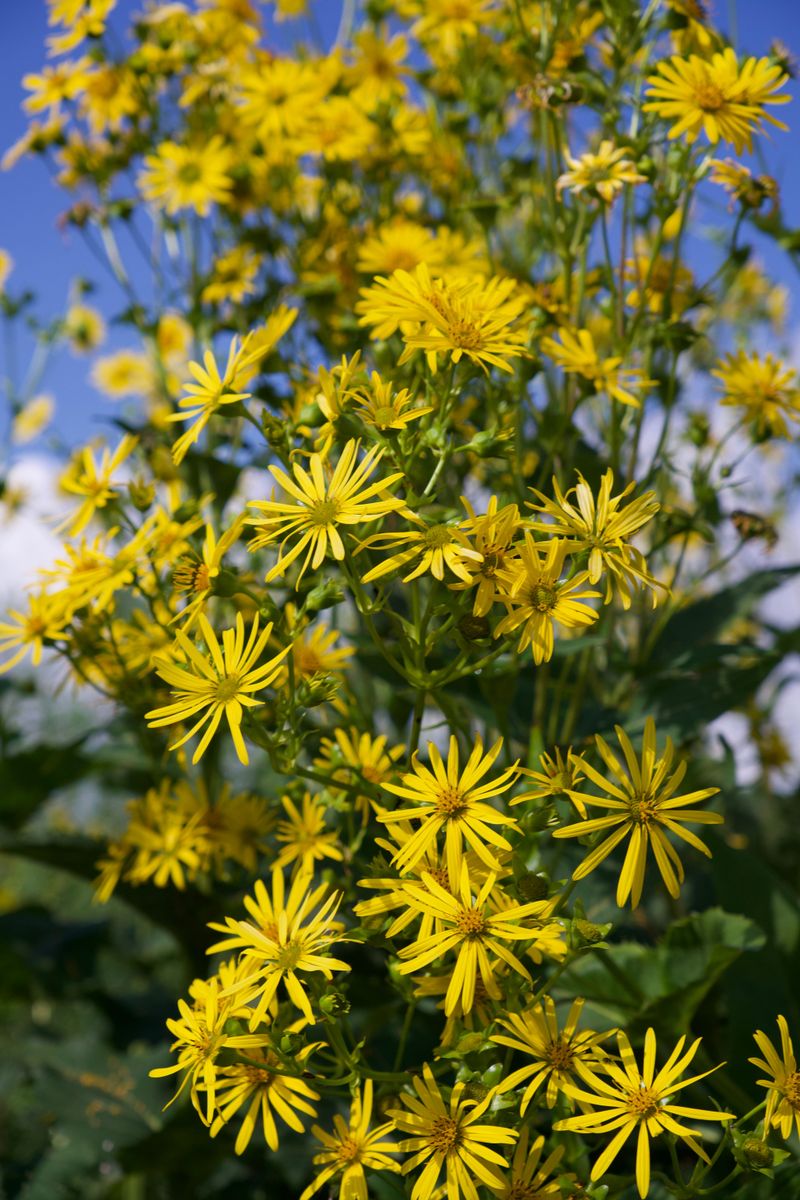
Got a soggy spot where grass struggles and weeds thrive? Golden ragwort fills the space and outcompetes many of them.
This native wildflower forms low clumps of rounded, glossy leaves that stay green most of the winter. In April and May, it sends up stems topped with cheerful clusters of yellow daisies.
Packera aurea spreads fast through creeping roots and dropped seeds. Within a couple of seasons, a few plants can form a thick, leafy groundcover.
That quick growth helps anyone tackling weeds in wet, shady areas. Few weeds can push through once its leaves overlap across the soil.
Plant it near rain gardens, creek banks, or low spots that stay damp after storms. It also tolerates part sun if the soil does not dry out for long.
October planting gives roots time to settle before spring growth kicks in. Set plants about 12 to 18 inches apart and water them weekly until frost.
Since it spreads eagerly, keep it away from small beds filled with delicate plants. A border of stone or edging helps keep its ambitions in check.
Early bees and small native pollinators visit the blooms when little else is flowering. Deer and rabbits tend to avoid it because the leaves taste bitter.
Keep in mind that the plant is toxic if eaten, so avoid placing it near edible gardens or grazing animals.
Snip off the faded flower stems if you want fewer seedlings popping up. Otherwise, let it roam and enjoy a bright, low-care patch of gold every spring. Local native plant nurseries often stock it in fall. Grab a few and watch the transformation.
4. Green And Gold Along Woodland Edges
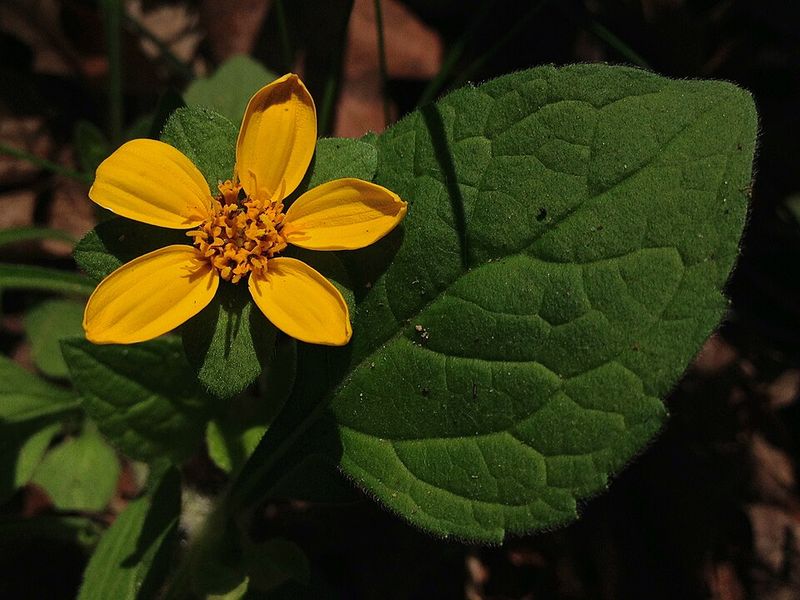
Its scientific name literally includes the word virginianum, so this plant has true hometown pride. Green and gold has grown in Virginia woodlands long before anyone planted a garden.
The plant stays low, about four to twelve inches tall, with fuzzy, deep green leaves. Bright yellow, star-shaped flowers pop up in spring and often return in fall.
Some varieties, such as var. australe, send out long runners that root as they travel. Over time, those runners weave a mat that leaves little room for weeds.
Many gardeners call it a lazy flower, because it grows happily with little attention. Plenty of gardeners agree once the patch settles in.
Green and gold thrives in partial shade, especially along woodland edges or under tall pines. It can take some morning sun, but hot afternoon rays may scorch the leaves.
Well-drained soil keeps the roots healthy, so avoid spots where water puddles for days. Adding a bit of leaf compost helps heavy clay drain more easily.
Fall planting works beautifully, since mild October days help roots spread before winter. Space plants about a foot apart for a full carpet by next summer.
Pair it with ferns, foamflower, or native wild columbine for a natural woodland look. The yellow blooms brighten shady corners that otherwise feel dull and gloomy.
Weeding often drops off after the first year, apart from pulling a stray sprout now and then. That leaves more time to simply enjoy the garden.
5. Pennsylvania Sedge Handles Dry Shade
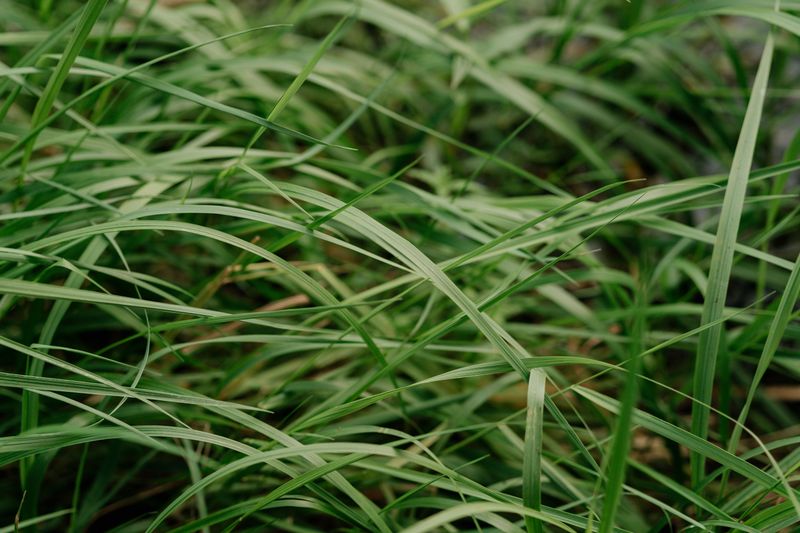
Dry shade under big oak trees is one of the hardest places to grow anything. Pennsylvania sedge tolerates that challenge and fills the space with soft, grassy tufts.
Though it looks like grass, this plant belongs to a different family called sedges. Its fine, arching leaves grow about eight inches tall and sway gently in the breeze.
Carex pensylvanica is native to parts of Virginia, especially dry oak and hickory forests. It spreads through short underground stems, slowly forming a thick, flowing carpet.
Once those clumps join together, weeds struggle to find space or sunlight. The dense roots also hold soil in place on gentle slopes.
Many homeowners use it as a lawn replacement in shady spots where grass keeps thinning out. It needs no fertilizer and only occasional mowing, if you mow it at all.
Plant plugs about eight to twelve inches apart for faster coverage. Closer spacing costs more up front but fills gaps sooner, leaving weeds fewer chances.
Fall is prime planting time, because roots grow strongly in cool soil. Water new plugs once or twice a week until they look settled.
After that, normal rainfall handles most of the work, even during hot summers. This sedge stays green from early spring well into late fall.
Mix in spring bulbs like crocus or native woodland flowers for a splash of color. The sedge hides fading bulb leaves nicely once blooms finish.
Some gardeners trim it back in late winter to tidy up worn leaves. Fresh green blades pop up quickly, looking like a shaggy rug.
6. Black-Eyed Susan Brightens Hot Borders
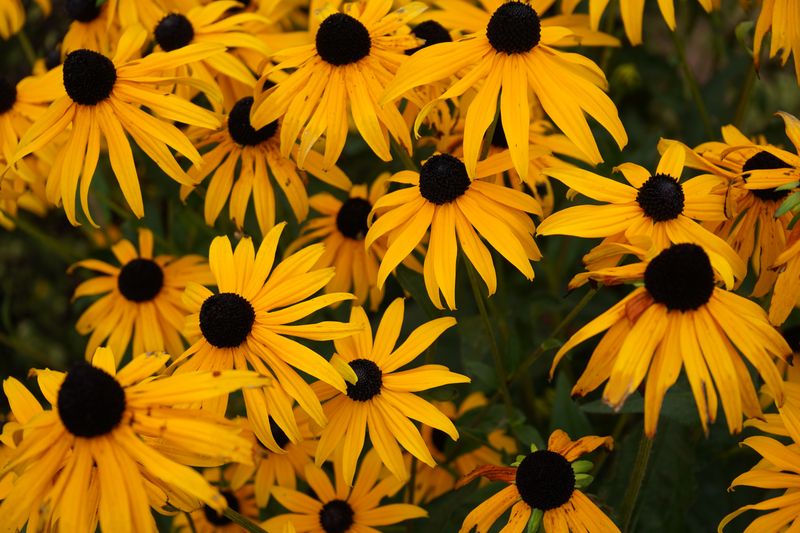
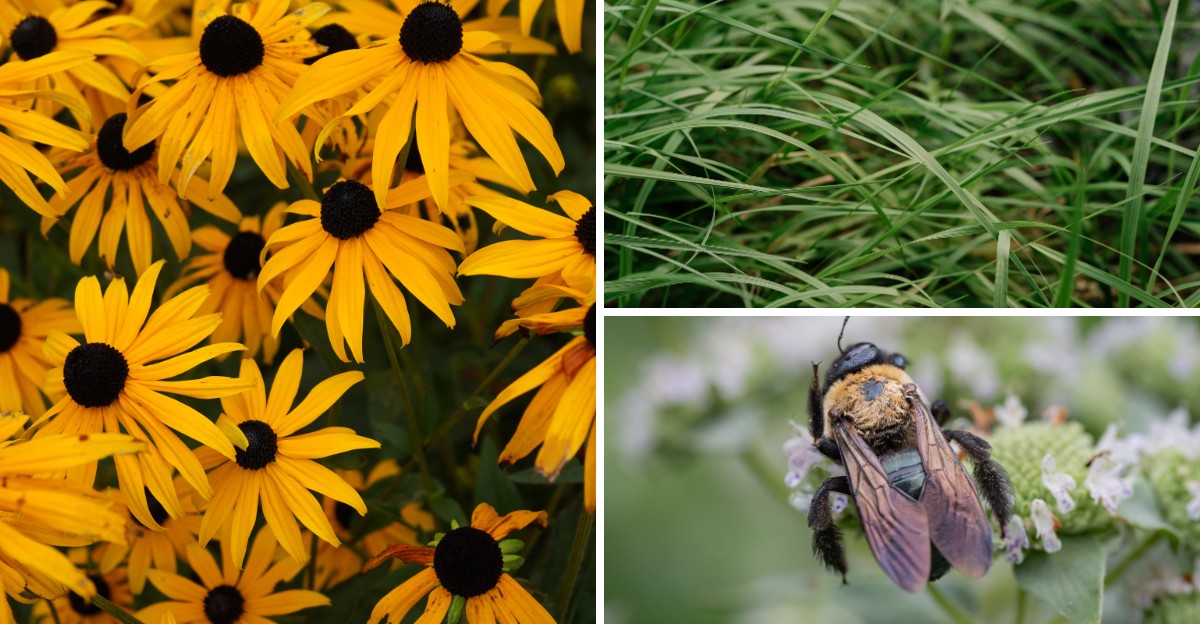
If summer sun could throw confetti, it would probably look like a bed of black-eyed Susans. These golden flowers with chocolate centers bloom from July until frost in many Virginia yards.
Orange coneflower, or Rudbeckia fulgida, is the perennial cousin that spreads and comes back yearly. It forms wide clumps that thicken every season through creeping roots.
Weeds have a tough time when leafy rosettes cover the ground from spring through fall. By midsummer, tall stems and thick foliage shade out many weed seedlings.
Full sun suits it best, though it will handle a few hours of light shade. It shrugs off heat, humidity, and the clay soil common across central Virginia.
Goldfinches feed on the seed heads in fall and winter. Leave the stems standing after blooms fade, and you get free bird entertainment.
Plant in October, spacing clumps about 18 inches apart for quick, full coverage. Water deeply after planting and add a light layer of mulch around the crowns.
Every three or four years, dig and divide crowded clumps in early spring or fall. Replant the extra pieces in new spots, or share them with neighbors.
Butterflies, bees, and other pollinators flock to the bright petals all summer long. Kids love counting the striped visitors, which turns weeding time into bug-watching time.
Pair them with purple coneflower and little bluestem grass for a sunny meadow feel. The mix looks wild and cheerful but stays surprisingly easy to manage.
7. Christmas Fern Covers North-Facing Beds
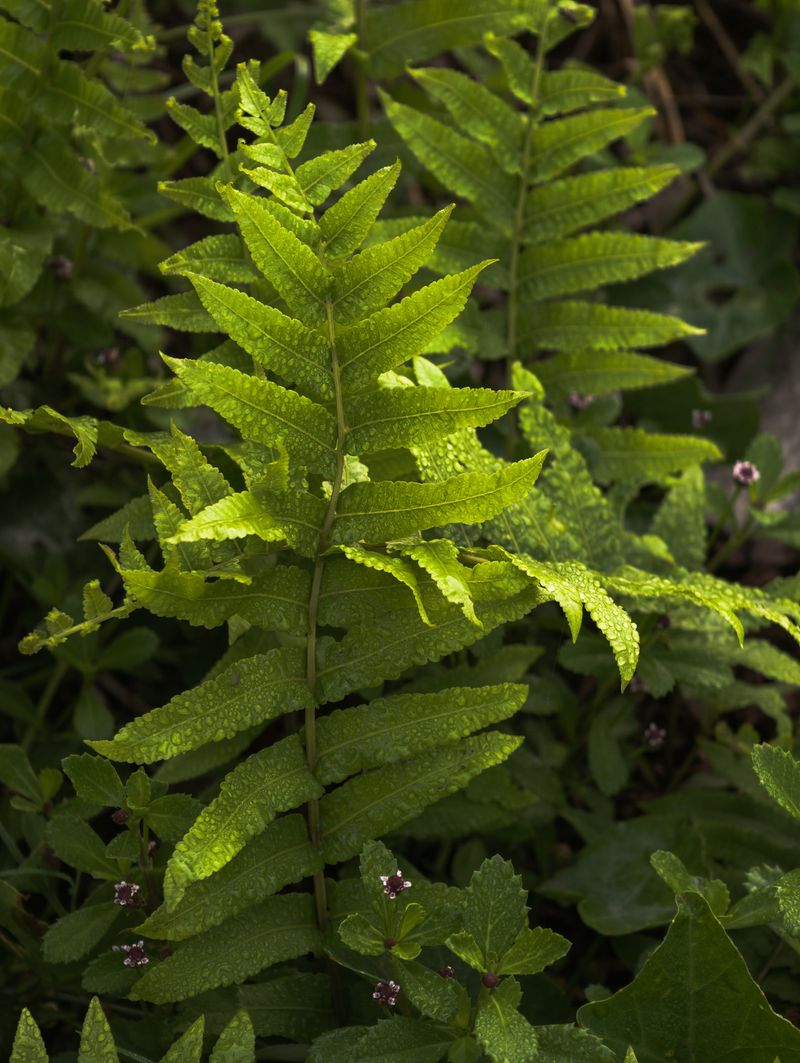
Long ago, folks cut these evergreen fronds to decorate their homes for the holidays. Christmas fern still earns its name, staying green right through December snow.
Each leaflet looks like a tiny stocking, with a little bump that resembles a toe. Kids get a kick out of spotting that shape once you point it out.
Polystichum acrostichoides grows naturally in forests all over Virginia, from mountains to coast. It thrives in shade and handles rocky or clay soil better than most ferns.
Clumps grow wider each year, with arching fronds reaching about two feet long. Planted in groups, they form a lush layer that helps limit weeds below.
North-facing beds, shady slopes, and spots beside the house are perfect matches. Unlike fussy ferns, this one tolerates drier soil once its roots settle.
Plant them in early fall, spacing clumps about 18 to 24 inches apart. Water weekly through fall and tuck shredded leaves around the base.
In early spring, snip off last year’s tired fronds near the ground. Fresh fiddleheads soon uncurl, looking like little green question marks.
Deer usually leave this fern alone, a huge relief in many Virginia neighborhoods. Rabbits seem uninterested, too, so your planting stays full and handsome.
Combine it with wild ginger or sedges for a layered woodland scene. The mix covers soil at different heights, leaving little open ground for weeds.
On gray winter days, those green fronds bring a calm, steady spot of color. It feels like the garden is still awake, just resting quietly.
8. Mountain Mint Builds Pollinator Patches
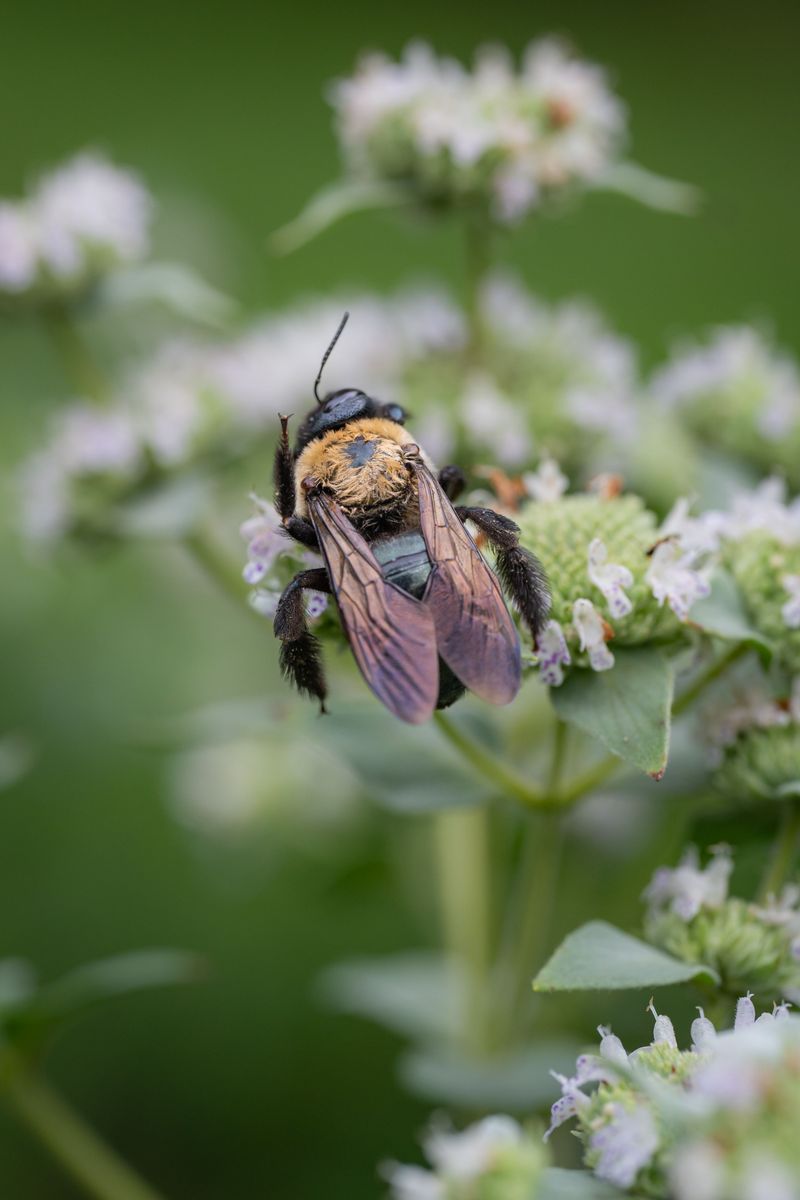
Stand beside mountain mint on a July afternoon, and you will hear it buzzing. It is widely recognized as one of the best native plants for attracting a variety of pollinators.
Short-toothed mountain mint, or Pycnanthemum muticum, grows wild in Virginia meadows and woodland edges. Its silvery bracts look like they were dusted with powdered sugar.
The plant spreads steadily by underground roots, filling space faster than many perennials. Within two years, a single pot can become a wide, dense patch.
Weeds have a harder time once those leafy stems crowd together about two to three feet tall. The minty scent also makes deer and rabbits turn up their noses.
Crush a leaf between your fingers, and you will smell a fresh, cool, peppermint aroma. Some gardeners brew the leaves into a mild tea, though check with an expert first.
Sun or part shade both work, and it tolerates clay, dry spells, and wet spots. That flexibility makes it handy for tricky areas where other plants struggle.
Plant in fall, spacing plants about two feet apart to allow room to spread. Its enthusiasm is a plus for weed control, but keep it away from tidy borders.
Sinking a deep edging strip around the bed helps keep runners where you want them. Pulling a few stray shoots each spring takes only minutes.
Leave the seed heads standing over winter for texture and shelter for helpful insects. Cut them back in early spring before new green shoots appear.
Wild ginger and Christmas fern make a layered team. The fern lifts its arching fronds above while the ginger carpets the soil below, so little open ground is left for weeds.
Mulch any bare spots during the first season, then let the layers close ranks over the next few seasons.