Something With A Shell Is Digging Small Holes In Missouri Lawns At Night
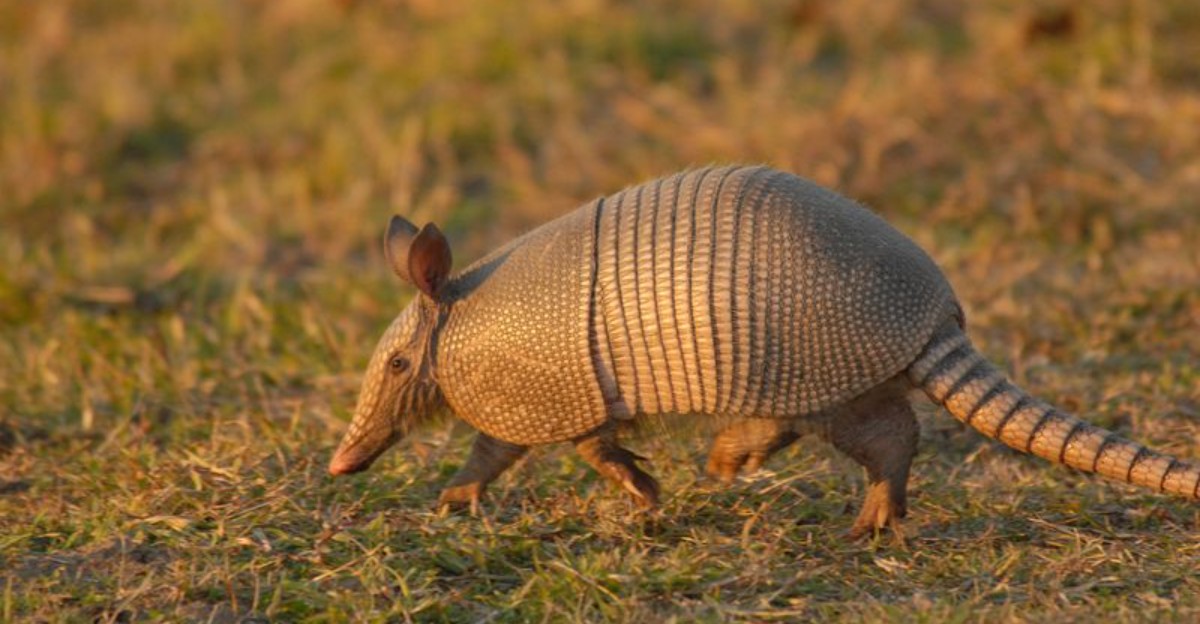
An armored animal from the south now wanders Missouri yards after dark, poking its nose into soil. Its shell is made of bony plates covered by tough skin, and it cannot roll into a full ball.
Each night it leaves behind neat little holes, often three to five inches wide, scattered across the grass. I like how tidy the holes look, almost like someone pushed a fat pencil into the ground and twisted.
You will mostly find this visitor in the southern half of Missouri, though sightings north of the river are growing. Fall is a busy foraging season, since soil insects stay near the surface while the ground is soft and damp.
You may walk out one October morning and find fresh holes where the lawn looked smooth the day before. The strangest part is that the digger isn’t after your grass at all, so what is it hunting down there?
Your Night Visitor Is A Newcomer From The South
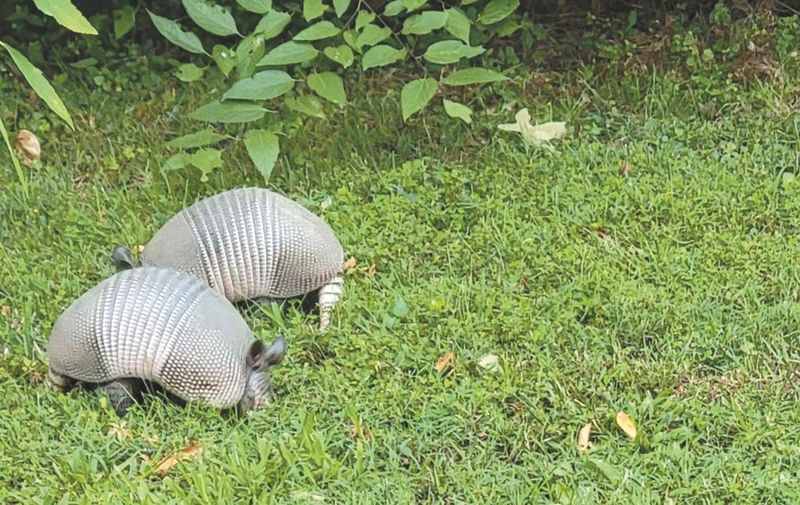
Few Missouri homeowners expect a nine-banded armadillo, yet this shelled mammal is the most likely cause of the holes. Armadillos spread north from Texas and Mexico over the last century, moving slowly across Arkansas and into Missouri.
The Missouri Department of Conservation reports them mostly in southern counties, with scattered sightings farther north each year. Mild winters help them survive, because they lack thick fat layers and struggle when the ground stays frozen.
Their shell is made of bony plates, with flexible bands across the middle that let the body bend easily. Despite that armor, the animal is shy and usually runs or jumps straight up when something startles it.
Most digging happens from dusk until a few hours after midnight, when the soil is cool and damp. In fall, armadillos may shift some feeding into late afternoon as nights grow chillier across the state.
Their eyesight is poor, so they rely on a strong sense of smell to find food under the grass. A busy armadillo can sniff out insects buried several inches deep and dig them up within seconds.
Did you know a female armadillo usually gives birth to four identical young from a single fertilized egg? Biologists have studied this rare habit, which is called polyembryony.
So if your yard sits in southern Missouri, the shelled digger is probably not a mystery creature. Recognizing it early helps you choose calm, legal steps before the lawn damage spreads to new areas.
Those Little Cone Holes Tell The Whole Story
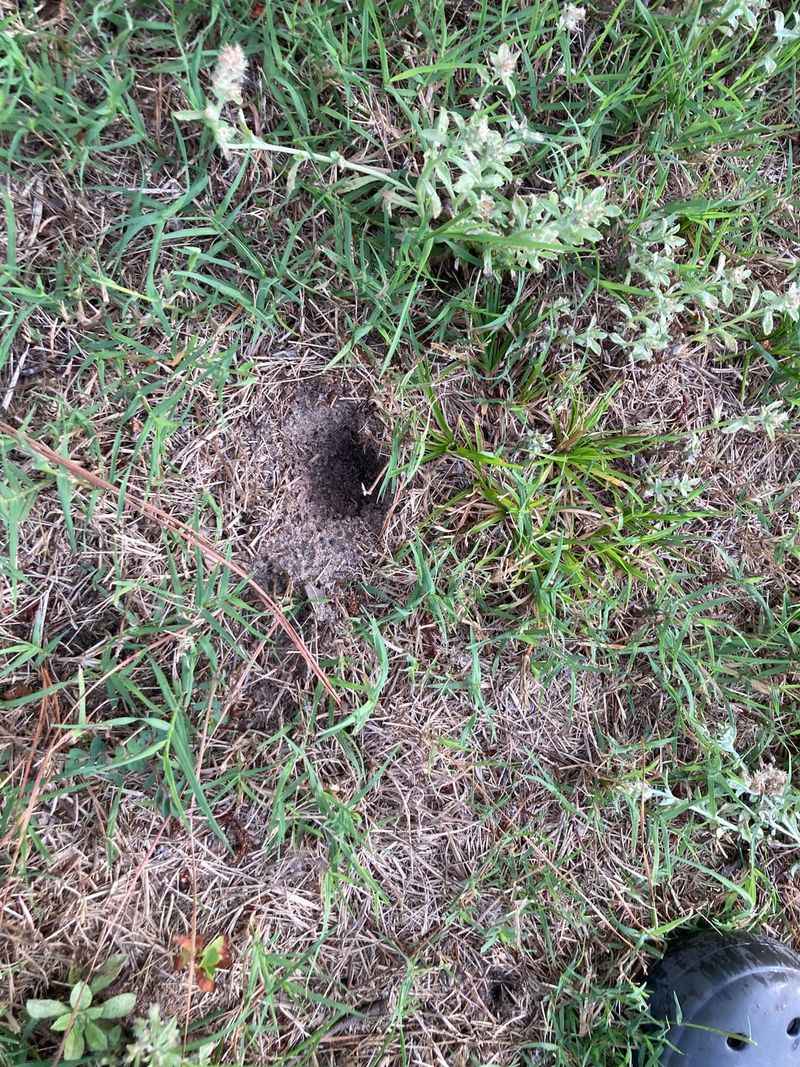
Walk your lawn slowly after a busy night, and you will notice the holes share a clear pattern. Armadillo holes are usually three to five inches wide and one to three inches deep.
Many are shaped like a small cone or funnel, wide at the top and narrow toward the bottom. The animal pushes its pointed snout into the soil, then scoops quickly with strong front claws.
Loose soil often sits in a little pile beside the hole, or gets flung a short distance away. You may also see shallow scrapes in mulch beds, where the armadillo rooted around for beetles and worms.
Your Missouri Garden Changes Every Week. Your Plan Should Too.
Gardening in Missouri changes quickly throughout the season. Every Friday you’ll receive a simple weekly plan showing exactly what to plant, prune, fertilize, harvest, and protect so you never miss the right timing.
Damage often shows up in clusters, because the animal works back and forth across one rich feeding spot. One armadillo can leave dozens of holes in a single night, which explains why lawns look rough so quickly.
Soft, moist soil makes digging easier, so freshly watered areas and spots near downspouts often get hit first. Dry, hard ground slows them down, which is one reason damage drops during long dry spells.
A simple check helps confirm activity, so fill a few holes in the evening and look again at sunrise. New holes beside the filled ones show the visitor is still returning, and you can plan accordingly.
Press loose soil back into each hole with your foot, then water lightly to help grass roots settle. Cool October weather helps cool-season grasses like tall fescue recover, so small holes often fill in before winter.
Your Lawn Grubs Are The Real Attraction
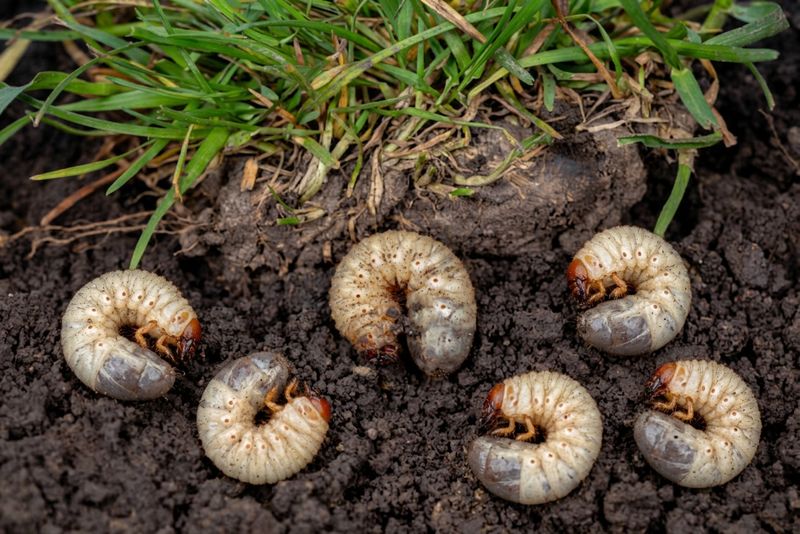
Armadillos are not after your grass at all, since they mostly eat insects and other small soil creatures. White grubs, the curled larvae of June beetles and Japanese beetles, rank high on their menu in fall.
University of Missouri Extension notes that grubs feed on grass roots close to the surface during late summer and early fall. That timing matches peak armadillo digging, because the larvae sit just an inch or two below the turf.
Earthworms, beetles, ants, and termites also draw them in, so a lawn with few grubs can still attract visits. Healthy soil full of worms is good for grass, which means some digging can happen even in well-kept yards.
To check for grubs, cut a square foot of sod on three sides and peel it back gently. Extension guides often suggest treatment only if you find about ten or more grubs in each square foot.
In October, grubs begin moving deeper into the soil as temperatures fall, so treatment results are usually limited. Many extension specialists recommend preventive grub products in early summer instead, when young larvae are easier to control.
Treating grubs alone may not stop the digging, because armadillos will still hunt worms and other insects. Still, fewer grubs can mean fewer reasons to visit, especially when paired with other changes around the yard.
Read every product label carefully, and keep children and pets off treated areas for the listed waiting time. Your local extension office can also help identify grubs if you are unsure what you dug up.
Mole Or Skunk Damage Looks Different Up Close
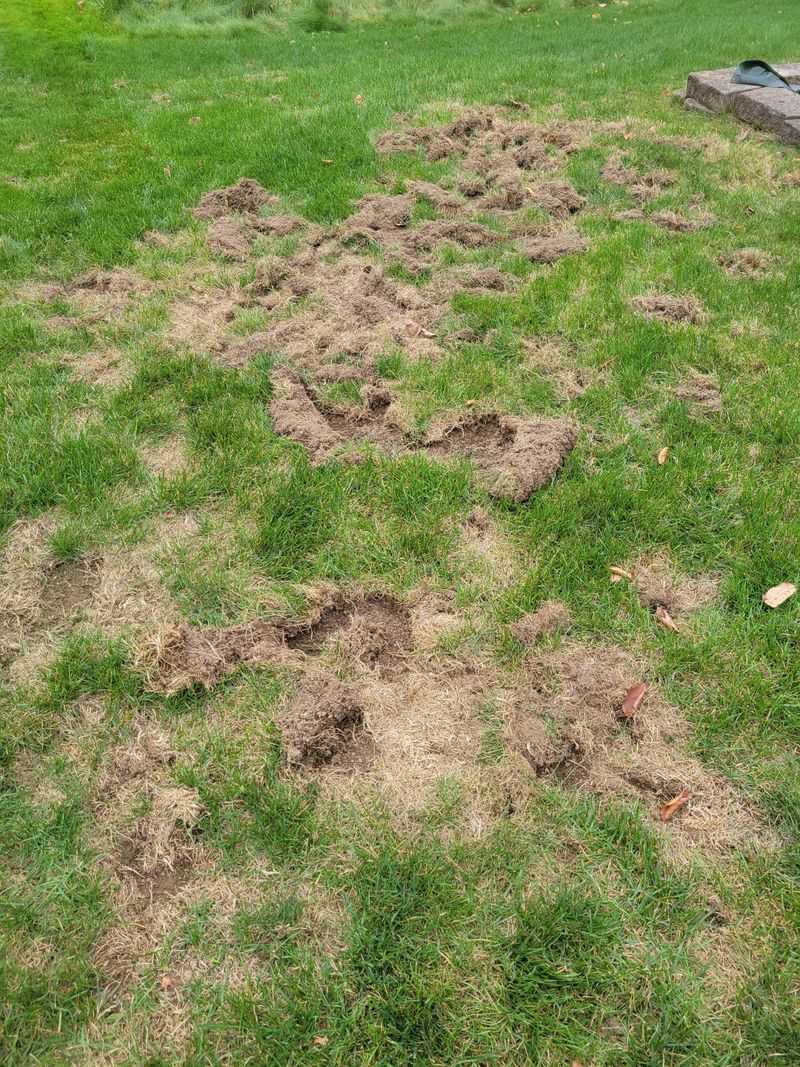
Plenty of Missouri gardeners blame the wrong animal at first, and honestly, the confusion makes a lot of sense. Moles, skunks, and armadillos all eat soil insects, so they often visit the same lawns in fall.
Moles rarely leave open holes, because they tunnel underground and push up raised ridges across the grass. They also build small volcano-shaped mounds of soil, which look nothing like the neat armadillo cones.
Skunk holes can look similar, but they are often shallower and a bit wider at the top. Skunks also tend to peel back small patches of sod, leaving the grass rolled like a loose carpet.
Raccoons do something similar, flipping larger chunks of turf in search of grubs during wet fall nights. Armadillo holes, by contrast, are mostly round and often scattered along the zigzag path where the animal walked.
Tracks offer another clue, especially in soft soil near flower beds, driveways, or muddy spots by the garden hose. Armadillo prints show four front toes and five back toes, while skunk tracks show five toes on every foot.
A strong musky odor near the holes may point toward a skunk rather than an armadillo. A trail camera can settle the question quickly, and many affordable models record clearly in the dark.
Knowing the true digger matters, since fencing, trapping, and repellents work differently for each kind of animal. Correct identification saves money, time, and frustration before you buy products that may not help at all.
Check Under Your Porch Or Shed For Burrows
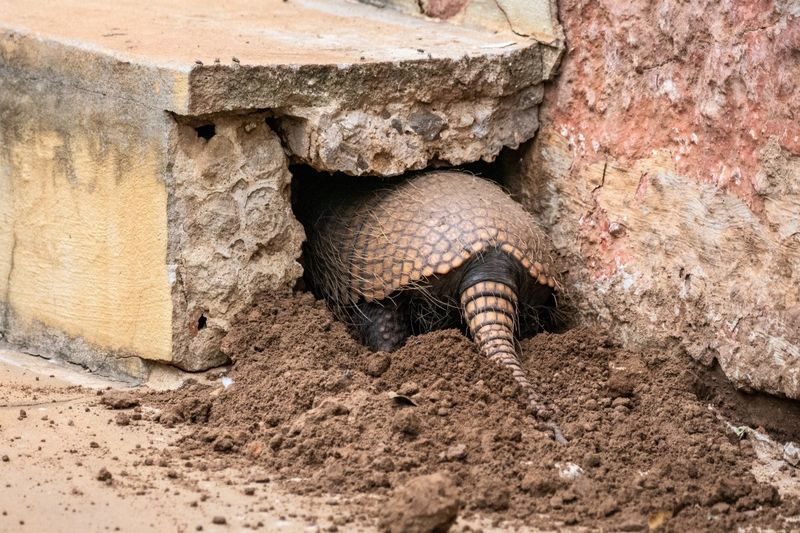
Lawn holes are only half the picture, since armadillos also need a safe place to rest during the day. They often dig burrows under porches, sheds, decks, woodpiles, and thick brush along fence lines in Missouri yards.
Burrow openings are usually seven to eight inches wide, which is much larger than the feeding holes. Tunnels can stretch several feet long, and one armadillo may use more than one burrow on a property.
Digging under a building can loosen soil near footings, so watch for sinking slabs or small cracks. Look for fresh dirt piles, worn paths, and leaves dragged inside, since armadillos sometimes line burrows with plant material.
Fall is a smart time to inspect, because the animals use burrows more as temperatures drop at night. They do not hibernate, so they often stay underground during cold snaps and come out on milder days.
Avoid handling an armadillo with bare hands, since wild animals can carry germs. Wear gloves and keep a safe distance.
To close a burrow, first make sure the animal is gone by loosely stuffing the entrance with leaves. If the leaves stay undisturbed for two or three nights, the burrow is probably empty and ready to fill.
Then pack the hole with soil or gravel, and add buried wire mesh along the base of the structure. Bending the mesh outward about a foot underground discourages new digging when the animal returns later in the season.
Simple Lawn Changes Can Send It Foraging Elsewhere
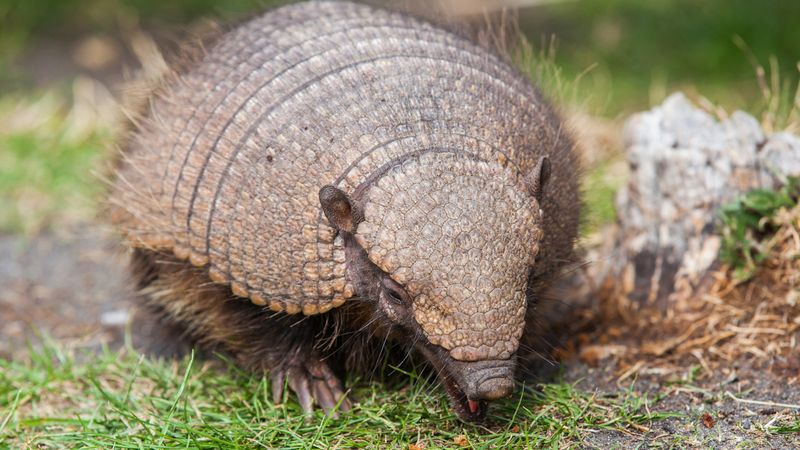
A few small habits can make your yard far less inviting, and most of them cost very little. Armadillos visit lawns that offer soft soil, plenty of insects, and nearby cover where they can hide.
Cut back on extra watering in fall, since moist ground is easier to dig and draws worms upward. Cool-season lawns in Missouri often need only about one inch of water a week, including rainfall.
Clear brush piles, tall weeds, and messy woodpiles near the lawn edge to remove daytime hiding places. Leaving fallen leaves in garden beds is fine, but keep thick piles away from foundations and porch steps.
A sturdy fence can help protect small areas, especially if it is buried about a foot underground. Armadillos are strong diggers and decent climbers, so fencing works best with a slight outward tilt at the top.
Researchers have found that castor oil repellents and scare devices give mixed results, so expect only short-term help. Live trapping with fence wings that guide the animal inside tends to work better, according to many extension guides.
The Missouri Department of Conservation lets landowners control armadillos causing damage, but check current rules before trapping. Relocating wildlife can spread disease and stress the animal, so ask a licensed wildlife control operator for guidance.
October is also a fine month to overseed bare spots, since cool weather helps new grass roots establish. A thick, healthy lawn hides small holes better and bounces back faster when the next spring arrives.