Plant This Native Holly In Florida Now, And Your Yard Will Be Full Of Birds By Winter
Walk past some yards in December and it is practically silent, like a library on a holiday. Walk past others and it sounds like a packed diner at breakfast, with chirping, flapping, and the occasional territorial squabble over the best seat.
The difference usually traces back to one smart planting choice.
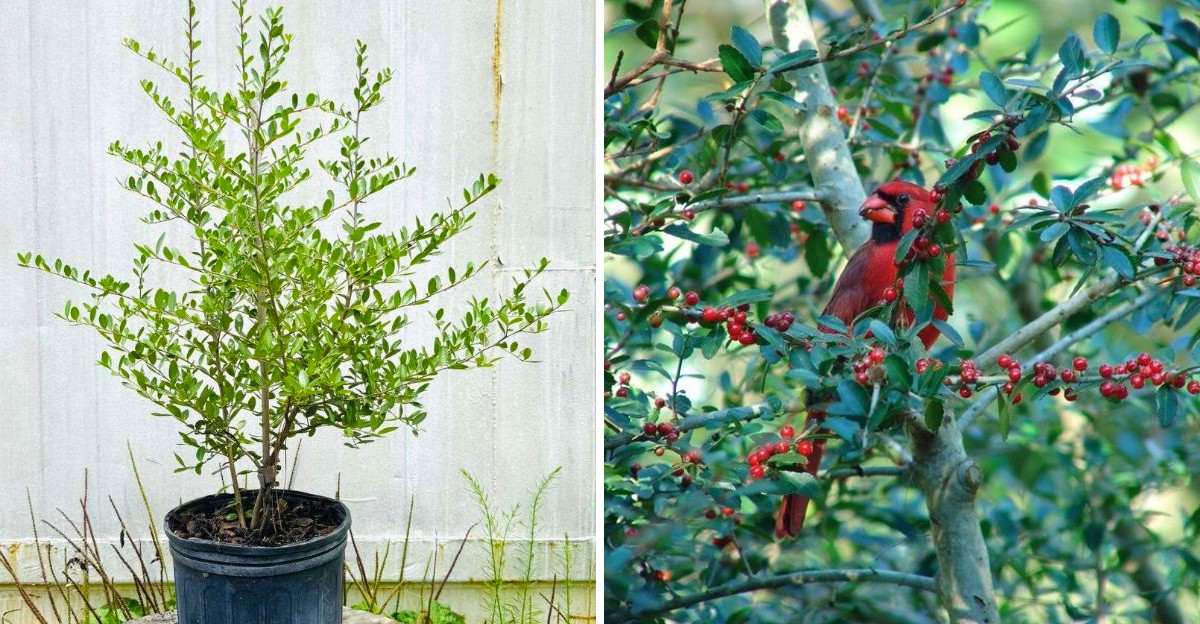
This shrub stays green all winter, handles Florida conditions without complaint, and wears bright red berries that look like someone strung holiday lights through the branches.
No big budget required, and no garden degree either. A little shovel time this season and some patience are enough to get started.
The plant behind this bird party also has a surprisingly colorful past, which makes it even more fun to grow. Fair warning, you may finish reading and decide you want three of them by the porch.
1. Meet The Florida Native Holly Birds Can’t Resist
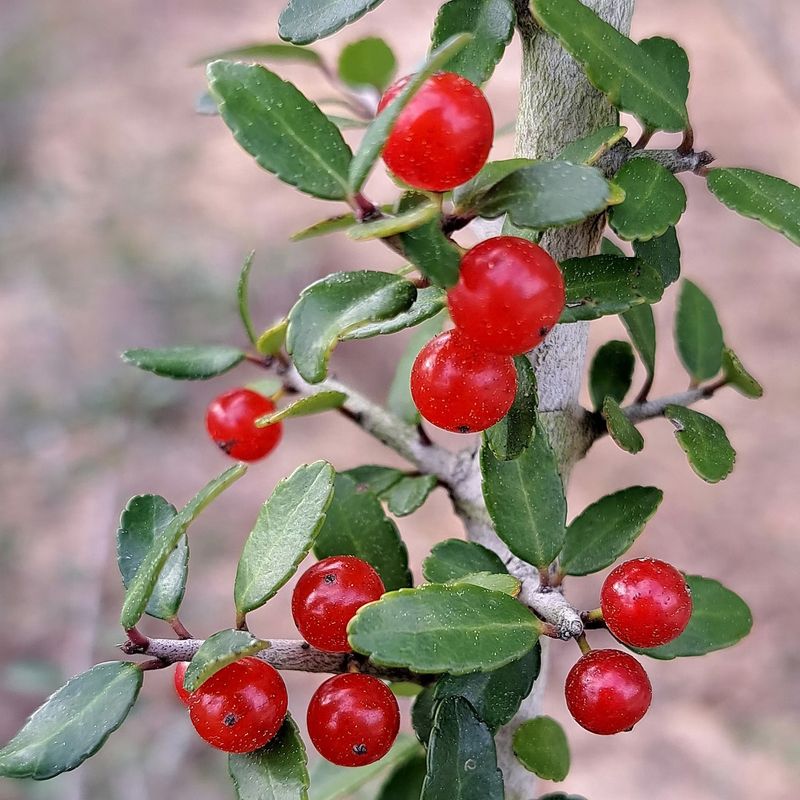
Yaupon holly, or Ilex vomitoria, is the star of this story. It grows wild from coastal dunes to pine woods across Florida.
The leaves are small, glossy, and slightly toothed along the edges. In fall, female plants cover their branches with tiny red berries that shine like beads.
Here is a bit of history. Native peoples brewed the leaves into a drink called the black drink, used in special ceremonies.
Yaupon leaves contain caffeine, and it is widely described as the only native North American plant known to have it. Some people still brew the leaves into tea today.
Only the leaves are used for this. The berries are mildly toxic to people and pets, so they are best left for the birds.
The scientific name vomitoria comes from early European accounts of the black drink ceremonies, where participants sometimes purged. The leaves themselves are not considered strongly emetic, so the name says more about the ritual than the plant.
Gardeners love yaupon because it fits almost any style. You can grow it as a hedge, a small tree, or a neat rounded shrub.
Birds love it for a simpler reason. Those berries hang on through the cooler months, right when other food runs low.
Mockingbirds, cedar waxwings, robins, and catbirds will all come shopping. A mature, berry-heavy plant can offer a generous food supply to visitors over the season.
For a native plant with this much charm, it is surprising more yards do not have one. Yours could be next.
2. Why Fall Planting Works Best In Florida
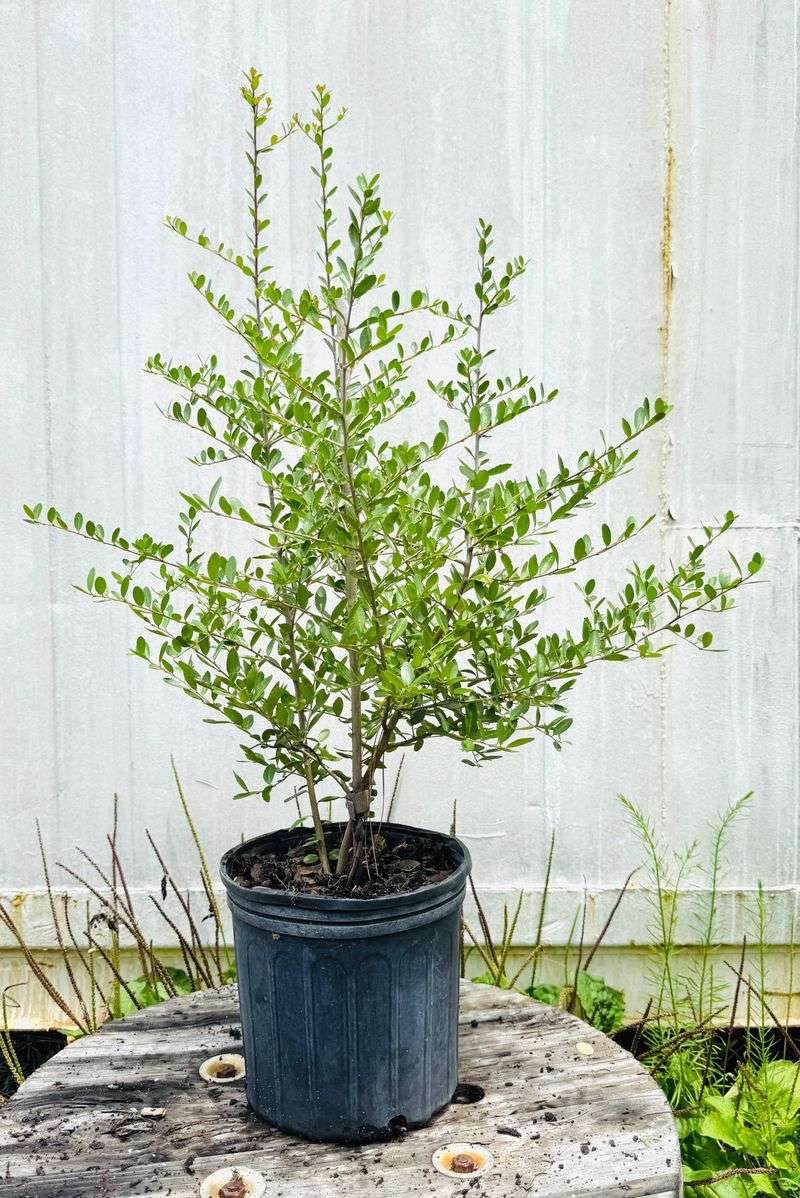
Timing matters more than most new gardeners think. Planting now gives roots a head start before winter birds arrive.
Fall brings cooler nights and fewer scorching afternoons. That gentle weather lets a young shrub settle in without as much stress.
Roots keep growing even when the top of the plant looks still. By spring, your holly will have a stronger base to push out fresh leaves.
Summer planting can work, but it asks more of you. You would be hauling the hose out daily during the hottest stretch of the year.
Fall also lines up nicely with nursery stock. Many garden centers have healthy native shrubs ready right now, often already showing berries.
Your Florida Garden Changes Every Week. Your Plan Should Too.
Gardening in Florida changes quickly throughout the season. Every Friday you’ll receive a simple weekly plan showing exactly what to plant, prune, fertilize, harvest, and protect so you never miss the right timing.
Buying a plant with berries on it is a smart move. It tells you the shrub is female, which matters for fruit, as you will see later.
Try to plant on a cloudy day or late in the afternoon. That small trick reduces shock while the plant adjusts to its new home.
Water deeply right after planting, then check the soil every few days. Push a finger two inches down, and water if it feels dry.
A few weeks of steady care now pays off big. When cold fronts roll through, your yard will already be on the bird map.
3. Winter Berries That Feed Hungry Birds
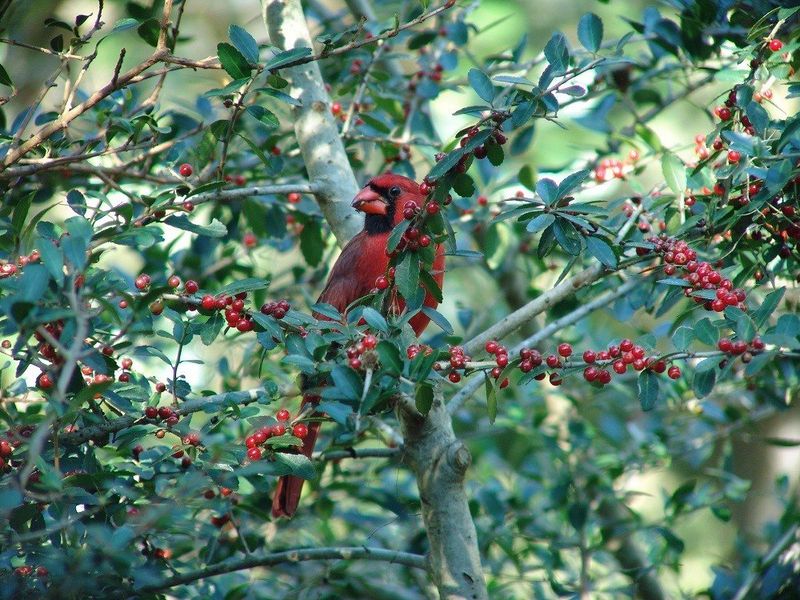
Ever watched a flock of cedar waxwings strip a shrub in ten minutes flat? It is part comedy show and part nature documentary.
Each winter, millions of migrating birds pour into Florida from colder states. They are tired, hungry, and searching for easy meals.
Yaupon berries make a handy snack. They are small enough to swallow whole and ripen just as the travelers show up.
Better yet, the fruit stays on the branches for months. Birds can return again and again instead of finding an empty pantry.
Robins often arrive in noisy groups. Northern mockingbirds may pick one shrub and guard it fiercely, chasing others away like little bouncers.
You might also spot eastern bluebirds, gray catbirds, and yellow-rumped warblers. Even wild turkeys and quail nibble fallen fruit in rural areas.
Keep a notebook or phone app handy near your window. Logging visitors turns a simple shrub into a family science project.
Some bird watchers notice that berries seem to draw more attention once cool weather settles in. That pattern has not been firmly documented for yaupon, but it is a fun thing to track in your own notebook.
Planting two or three shrubs spreads the feast out. More berries mean more birds, and less squabbling over the best branch.
4. Picking The Right Spot In Your Yard
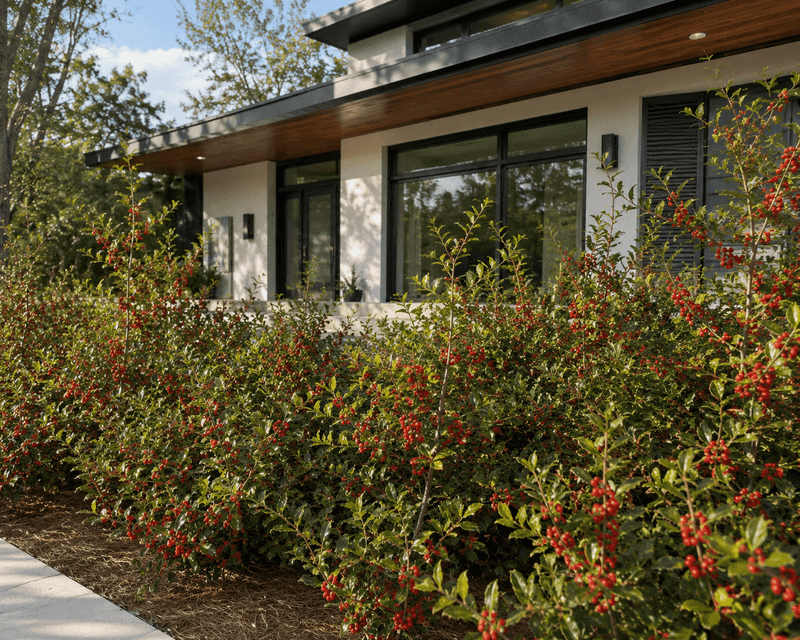
Location can make or break your bird buffet. Luckily, yaupon is one of the easiest shrubs to please.
Aim for full sun to partial shade. More sunlight usually means more berries, so pick the brightest spot you can.
Soil is rarely a problem in Florida. Yaupon handles sandy ground, clay, and even salty coastal air with surprising grace.
It also tolerates wet spots for short periods. Still, avoid places where water sits for days after a storm.
Think about how big the plant will get. Some types stay under five feet, while tree forms can reach twenty feet tall.
Give each shrub enough room to spread without crowding walls or walkways. Measure the mature width on the tag and plant at least half that distance from structures.
Placement near a window is a clever idea. You get front row seats to all the feeding action without leaving your couch.
Birds also like a little cover nearby. Placing yaupon near other trees or shrubs helps them feel safe from hawks and neighborhood cats.
One more tip: keep it a few feet from bird feeders. That spreads the crowd and gives shy birds a quieter place to eat.
Take a slow walk around your yard before digging. Five minutes of planning saves years of moving plants later.
5. Male Vs. Female Plants Matter In Florida Gardens
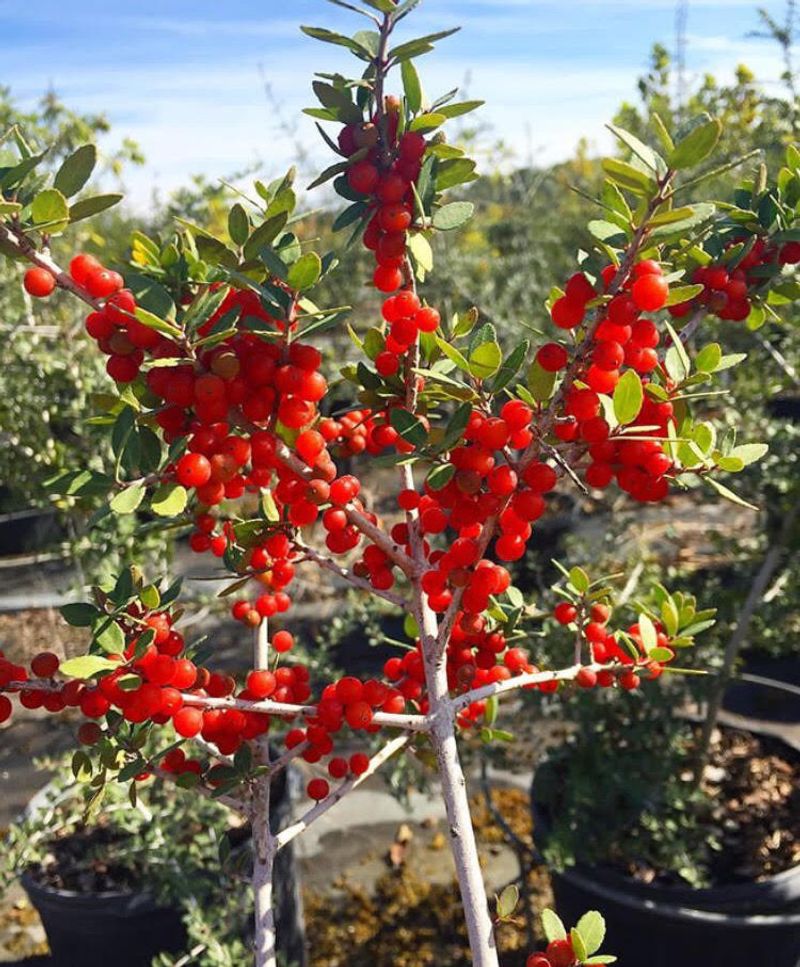
Here is the twist many shoppers miss. Only female yaupon plants make berries.
Hollies come in separate male and female plants. Both bloom with tiny white flowers in spring, but only females turn those flowers into fruit.
So if you bring home a male, you get pretty leaves and zero snacks. The birds will fly right past it on their way to your neighbor’s yard.
The easiest fix is buying a shrub that already has berries. Shopping in fall or winter makes this simple, since fruit is easy to see.
Plant tags may also say female or name a berry-heavy variety. Ask staff at a native plant nursery if you are unsure.
Do you need a male nearby too? Usually a male somewhere close helps with pollination, carried by busy bees.
In many Florida neighborhoods, wild yaupon already grows nearby. That means pollen is often around without any extra planting.
If you live in a newer development with little native growth, add one male for every few females. Bees will handle the matchmaking.
Bonus perk: those spring flowers feed pollinators too. Your shrub becomes a stop for bees in spring and birds in winter, a true year-round helper.
6. Easy Planting Steps For Beginners
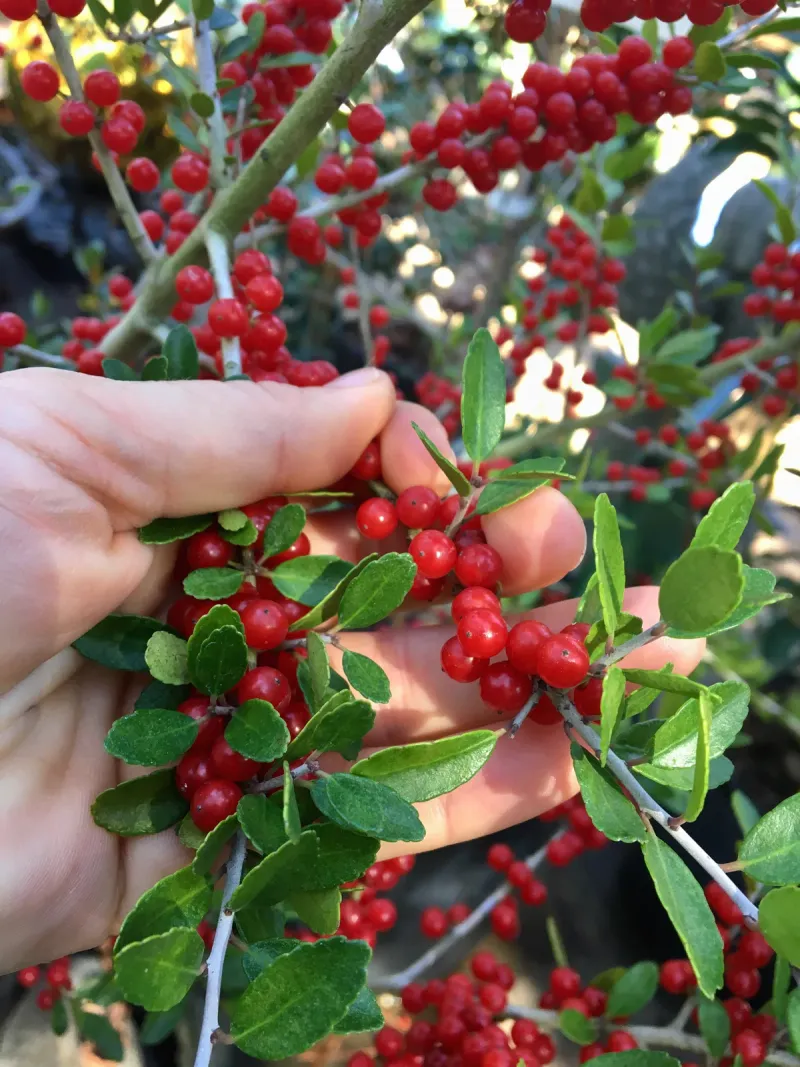
Good news for anyone nervous about gardening. Planting yaupon takes about twenty minutes and very little skill.
Start by digging a hole twice as wide as the pot. Keep the depth the same as the root ball, not deeper.
Gently slide the plant out of its container. If roots circle tightly, loosen them with your fingers so they spread outward.
Set the shrub in the hole so the top of the roots sits level with the ground. Planting too deep can cause trouble down the road.
Fill the hole back in with your native soil. Skip heavy fertilizer or rich potting mix, since yaupon prefers simple conditions.
Press the soil down lightly with your hands to remove air pockets. Then water slowly until the ground is soaked.
Spread two to three inches of mulch around the base. Leave a small gap near the trunk so the bark stays dry.
Pine straw and shredded leaves work nicely in Florida. They hold moisture, cool the roots, and break down into helpful food.
For the first two months, water a few times each week. After that, rain usually does most of the work.
That is truly it. You just built a future bird cafe with one shovel and a hose.
7. Popular Yaupon Varieties For Florida Landscapes
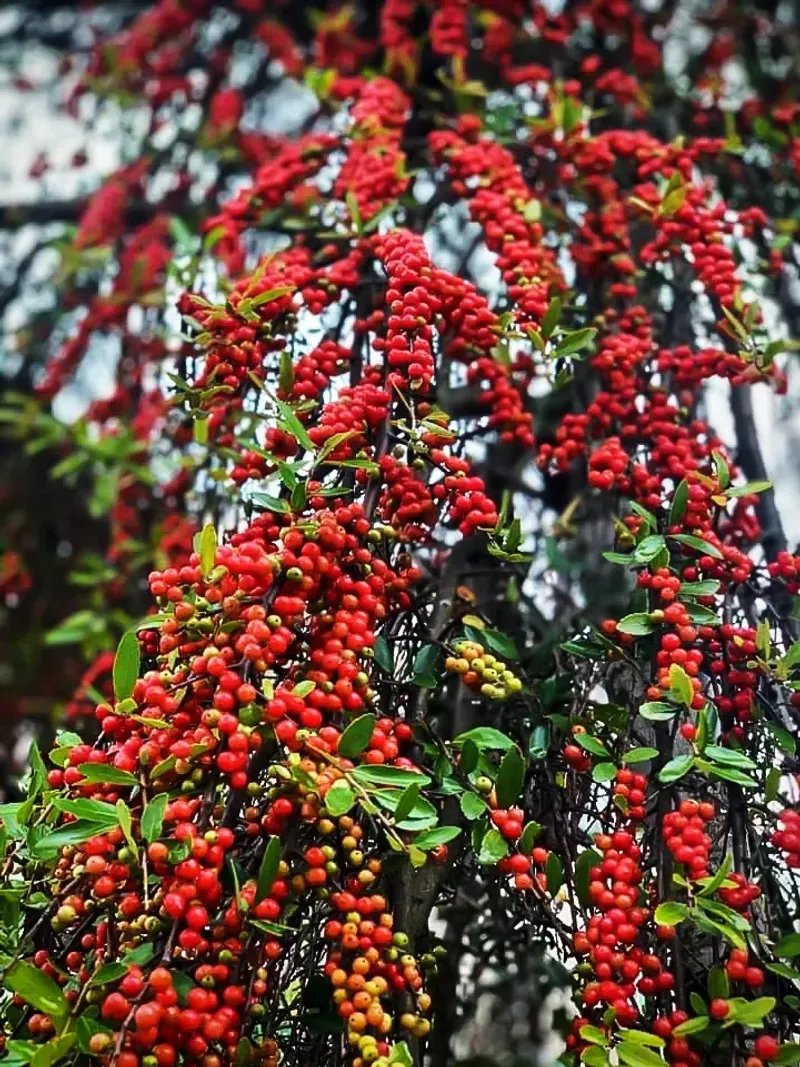
Not every yaupon looks the same. Choosing the right type can save you trimming time for years.
Dwarf yaupon, often called Schillings, forms a neat little mound. It stays around three to four feet, which suits borders and foundation beds.
One catch with dwarf types: many rarely produce berries. They are great for structure, but not your best bird feeder.
Weeping yaupon is a showstopper. Its branches droop gracefully, and female forms drip with red fruit in winter.
Gardeners often use weeping types as small accent trees. One planted by a front walk makes neighbors stop and stare.
Upright and tree forms grow tall and narrow. They work well as privacy screens along fence lines.
Pride of Houston is a well-known female variety with heavy fruit. Folks who want maximum bird traffic often pick it.
Wild-type plants from native nurseries are also excellent. They are well adapted to local weather and offer plenty of berries.
Quick tip: read the label before you buy. Look for words like female, fruiting, or berry to make sure the birds get fed.
Mixing two styles adds variety. A weeping tree with an upright hedge creates layers that birds find extra inviting.
8. Low Effort Care Tips For Homeowners
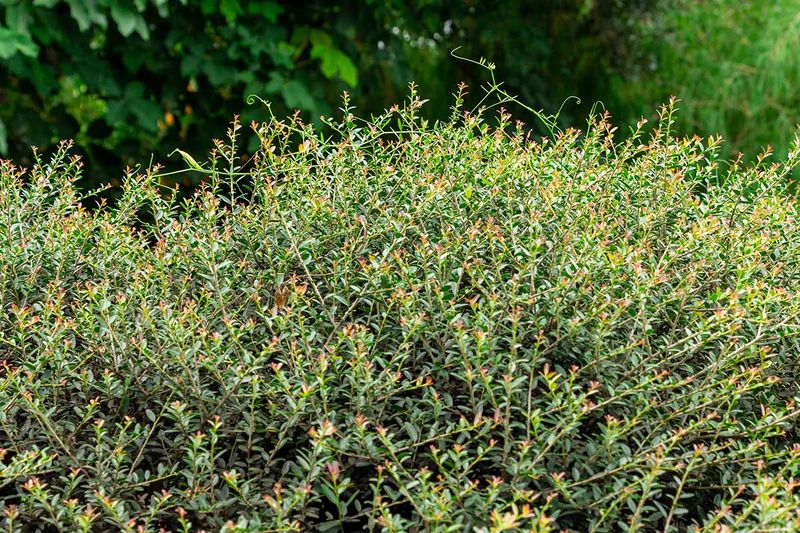
Lazy gardeners, rejoice. Yaupon may be one of the more forgiving shrubs you can own.
Once established, it handles drought like a champ. Florida rainfall usually keeps it happy without extra watering.
Pests rarely cause major problems. You might see a few scale insects now and then, but the plant usually shrugs them off.
Fertilizer is mostly optional. A light feeding in spring can help if leaves look pale, but heavy feeding is not necessary for a plant adapted to lean soils.
Pruning is where folks get into trouble. Berries form on last year’s growth, so heavy cuts in late winter remove next season’s fruit.
The best time to trim is right after the berries are gone in late winter or early spring. Shape it lightly, and let birds finish their meals first.
Watch for suckers popping up near the base. Yaupon likes to spread, so snip extra shoots if you want a tidy look.
Refresh the mulch once a year. It keeps weeds down and helps the soil hold moisture during dry spells.
Hurricanes are a fact of life here. Yaupon is moderately wind tolerant, though how it holds up after a big storm depends on the site, the plant’s age, and the strength of the wind.
Spend maybe one hour a year on care. The birds will reward you with far more entertainment than that.
9. Turning Your Yard Into A Bird Haven
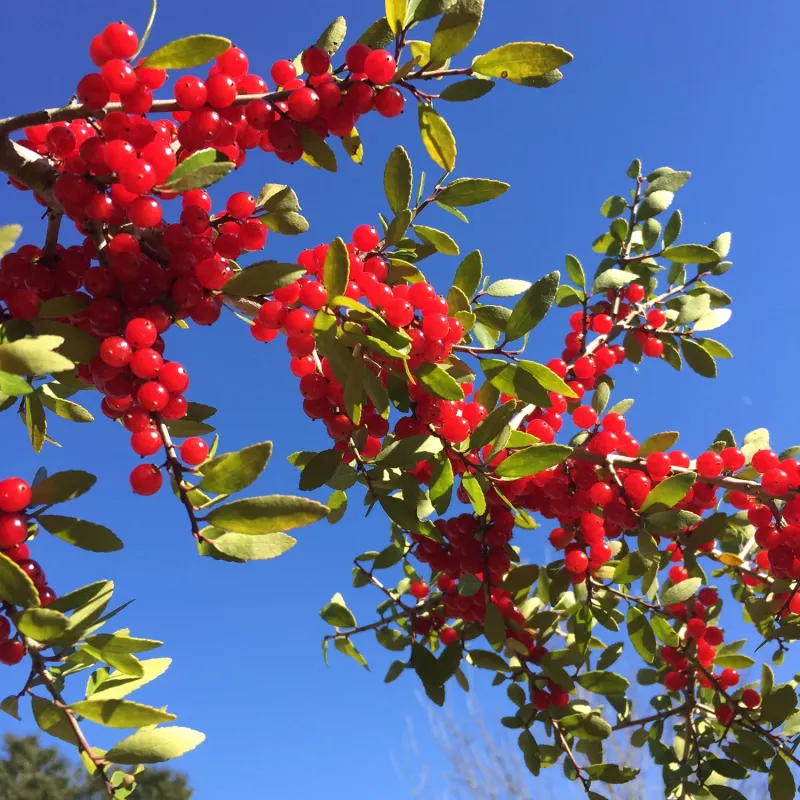
A single shrub is a great start. A few extra touches can turn your yard into the hottest bird spot on the block.
Water is a huge draw. A shallow birdbath near your yaupon gives visitors a place to drink and splash.
Change the water every few days to keep it fresh. Birds notice clean water and will return faithfully.
Pair yaupon with other natives for a year-round menu. Beautyberry, firebush, and wax myrtle all feed birds in different seasons.
Native plants also attract insects. That matters because baby birds need bugs, not berries, to grow strong in spring.
Go easy on chemical sprays. Fewer pesticides mean more insects, which means healthier birds raising families nearby.
Leave a corner a little messy if you can. Fallen leaves and brush piles give ground birds places to hunt and hide.
Many Florida counties offer native plant sales each fall. They are a fun, budget-friendly way to grab more bird-friendly shrubs.
You can even certify your yard as wildlife habitat through national programs. It is a proud little sign for your mailbox.
Start with one yaupon this weekend. By winter, you may find yourself sipping coffee while a whole flock eats breakfast outside.