The Fall Plants That Struggle Most When Texas Swings From Record Heat To Sweater Weather Overnight
Only in Texas can you sweat through your shirt on the porch Tuesday afternoon and then hunt for a hoodie before breakfast Wednesday. One cold front, and suddenly your morning coffee is sending up little clouds of steam like it is auditioning for a winter commercial.
You adjust pretty quickly. Your garden? Not always. Plants feel those wild temperature flips even more than we do, and some of them take it personally.
Leaves that looked perky yesterday can droop, curl, or turn an alarming shade overnight, while their tougher neighbors barely seem to notice anything happened.
Knowing which fall favorites are the sensitive souls makes all the difference, because a little planning goes a long way.
A few old bedsheets, some well-timed watering, and a quick glance at the forecast can keep your fall garden looking great all season.
1. Tender Basil Hates Cold Snaps
Basil is the summer star of many herb gardens. It loves long, sizzling days and acts happiest when the thermometer reads 85 degrees or more.
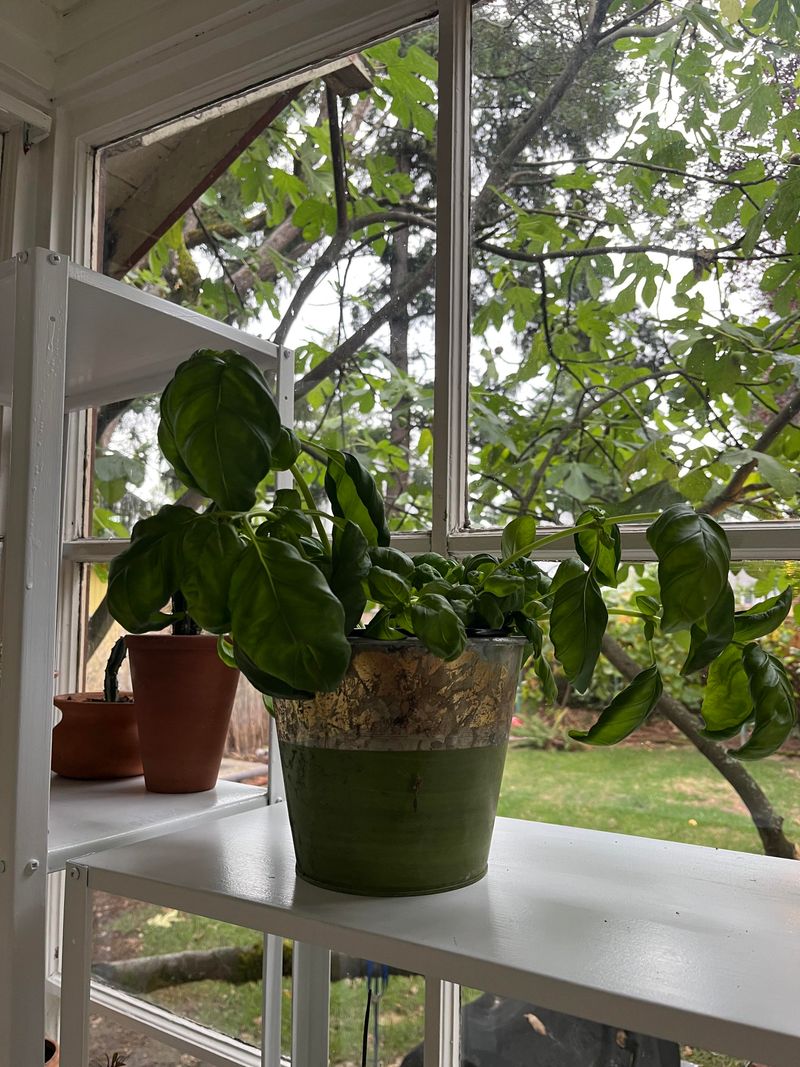
The trouble starts when a cold front slams through. Once nights dip below about 50 degrees, basil leaves can turn black, spotted, or mushy almost overnight.
Gardeners in Texas often see healthy plants on Friday and sad, droopy stems by Sunday.
Watching the weather app is your best defense. When a big drop is coming, harvest the biggest leaves before sundown.
You can blend them into pesto, freeze them in ice cube trays with olive oil, or dry them for winter soups.
Potted basil has an easy escape route. Simply carry the containers into a garage or sunny kitchen for the night.
Plants in the ground can be covered with a frost cloth or an old bedsheet, held down with bricks so the wind does not steal it.
Skip the plastic tarps, though. Plastic touching leaves can transfer cold and cause more harm than help.
Planning ahead pays off too. Rooting a few cuttings in a glass of water by a bright window keeps fresh basil around while the outdoor plants take their chances.
That way your spaghetti nights stay tasty even when sweater weather arrives early.
2. Mums Get Shocked By Sudden Swings
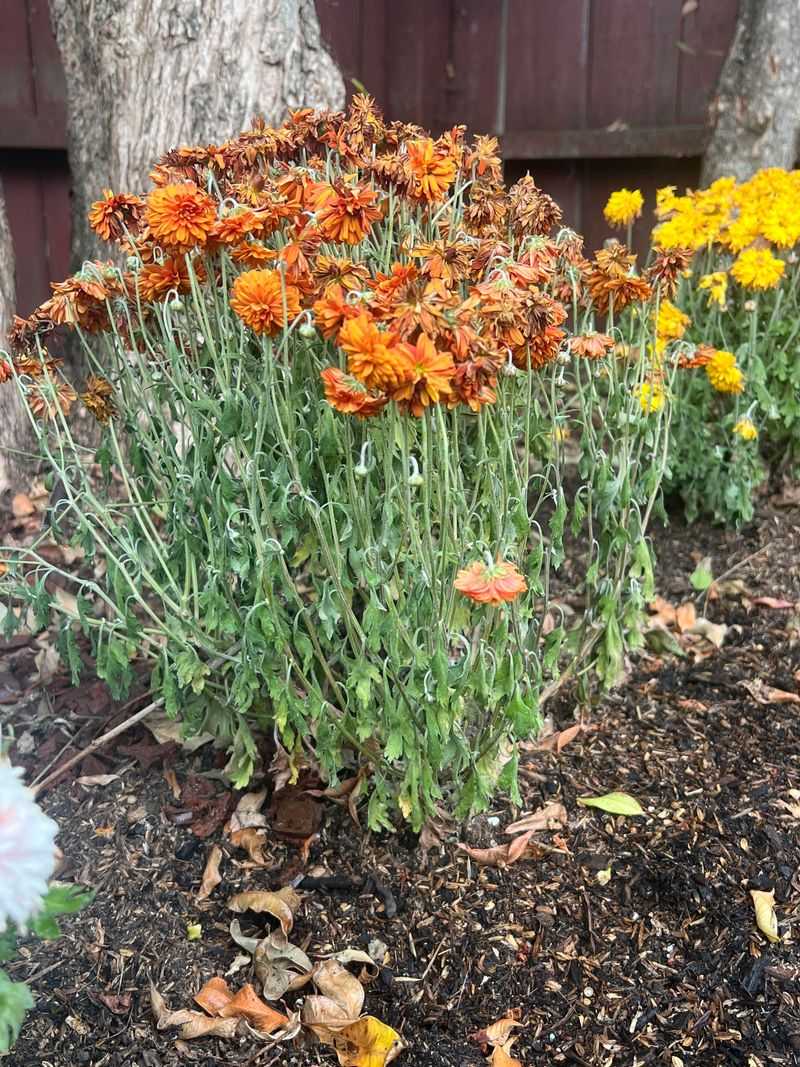
Few things say autumn like a pot of bright mums by the front door. Sadly, many of those cheerful mounds fade fast when the weather can not make up its mind.
Garden mums are grown in greenhouses with steady conditions. When they land on a hot porch in Texas, they guzzle water during the 90-degree afternoons.
Then a cold front rolls in, and the stressed roots struggle to keep up with the change.
The result is often brown, crispy flowers and floppy stems within a week. A big part of the problem is that most store mums are already root-bound.
Their tight little root balls dry out shockingly fast.
Here is a simple fix. Repot your mums into a container one or two sizes bigger as soon as you get them home.
Use fresh potting mix, and water deeply until it drains from the bottom.
Your Texas Garden Changes Every Week. Your Plan Should Too.
Gardening in Texas changes quickly throughout the season. Every Friday you’ll receive a simple weekly plan showing exactly what to plant, prune, fertilize, harvest, and protect so you never miss the right timing.
Place the pots where they get morning sun and afternoon shade. That keeps them cooler on scorching days.
On chilly nights, slide them closer to the house, where the walls hold a little warmth.
Pick plants with lots of tight buds instead of fully open flowers. Buds give you more weeks of color, even if the weather throws a tantrum.
3. Pansies Planted Too Early In Texas Heat
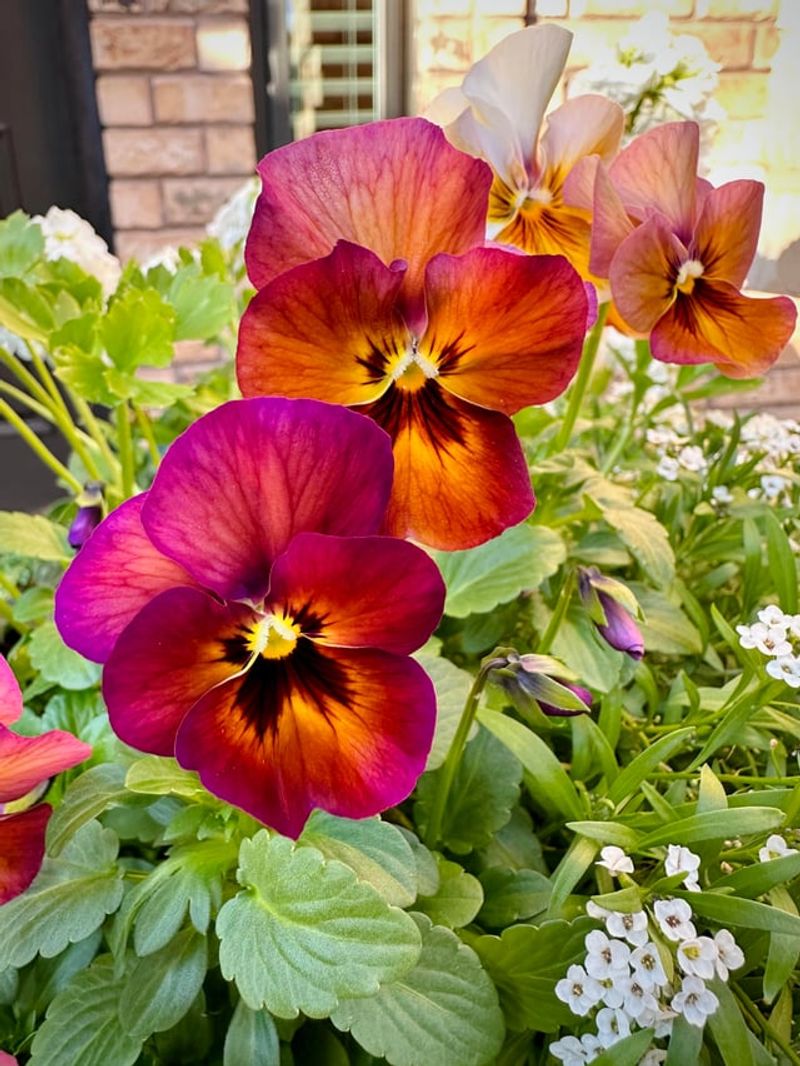
Excited gardeners rush pansies into the ground the minute stores stock them. Those cute little faces seem tough, and they are, but only once real cool weather settles in.
Pansies are cold lovers. They can shrug off a light frost with ease.
What they cannot handle is planting day during a heat wave, followed by a sharp chill a few days later.
In Texas, early October can still bring 90-degree afternoons. Freshly planted pansies in hot soil often stretch, flop, and stop blooming.
Their roots stay weak, and the sudden cold swing that follows adds even more stress.
Patience is the secret here. Wait until nighttime temperatures stay in the 50s and the soil cools off.
For much of the state, late October or early November works well.
Before planting, add a couple inches of compost to the bed. Pansies like rich, crumbly soil that drains well.
After planting, spread mulch around them to keep the roots at an even temperature.
Water the young plants in the morning instead of the evening. Damp leaves on a cold night can invite fungus problems.
Get the timing right, and these bright little flowers will smile at you all the way to spring.
4. Tomatoes Stall Out In Texas Fall Weather
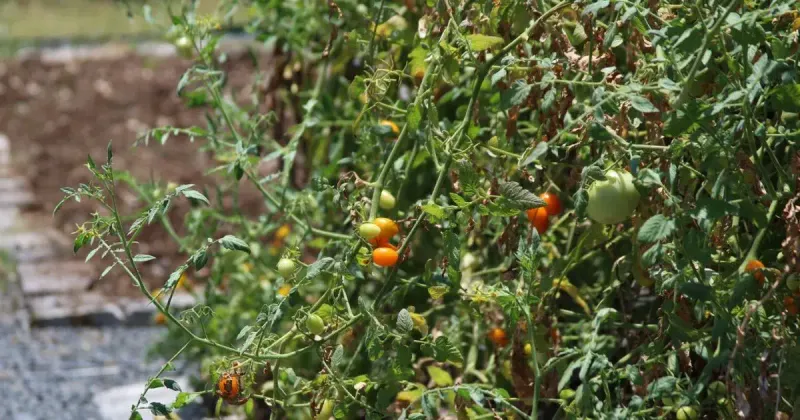
Ask any backyard grower about fall tomatoes, and you might hear a long sigh. These plants can be rewarding, but they are moody when temperatures flip.
Fall tomatoes are usually planted in late summer. They grow through the heat and start setting fruit as things cool.
Then a surprise cold blast arrives, and everything seems to freeze in place, even if no actual frost shows up.
Tomatoes slow down a lot once nights fall below 55 degrees. Green fruit stops ripening, and blossoms may drop.
A true freeze in Texas can wipe out the whole plant in one night.
Covering plants is the first step. Frost cloth draped over tomato cages and clipped tight at the bottom can hold in several degrees of ground heat.
Some gardeners string old-fashioned incandescent holiday lights under the cover for extra warmth. Most modern LED lights give off very little heat, so they will not do much here.
If you try this trick, use outdoor-rated lights and keep the bulbs from resting directly against the fabric.
When the forecast looks truly cold, pick mature green tomatoes that have a slight shine. Wrap them in newspaper, place them in a box, and keep them indoors at room temperature.
Many will ripen over the next few weeks.
Choosing faster varieties helps too. Cherry types and early varieties often finish before winter has a chance to sneak up on them.
5. Hibiscus Sulks When Texas Turns Chilly
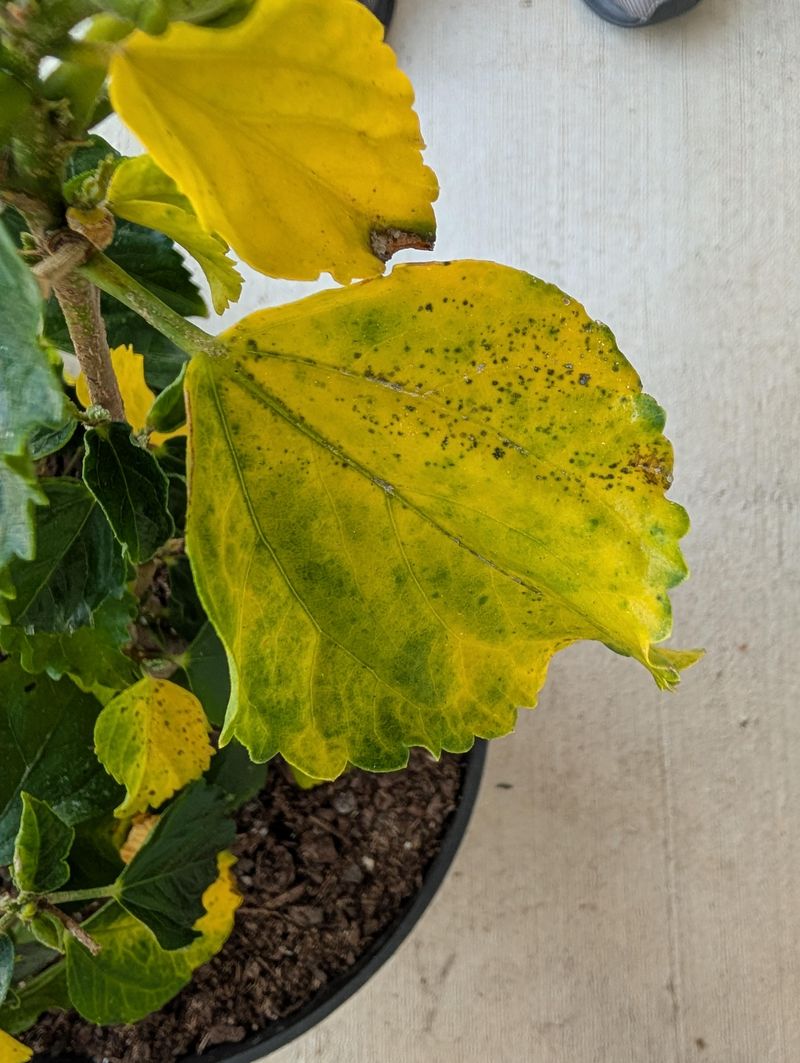
Tropical hibiscus looks like it belongs on a beach vacation postcard. Big red, pink, or orange blooms make patios feel like paradise during the long summer.
Once a cold front pushes through, that vacation mood ends quickly. Tropical hibiscus starts to complain at around 50 degrees.
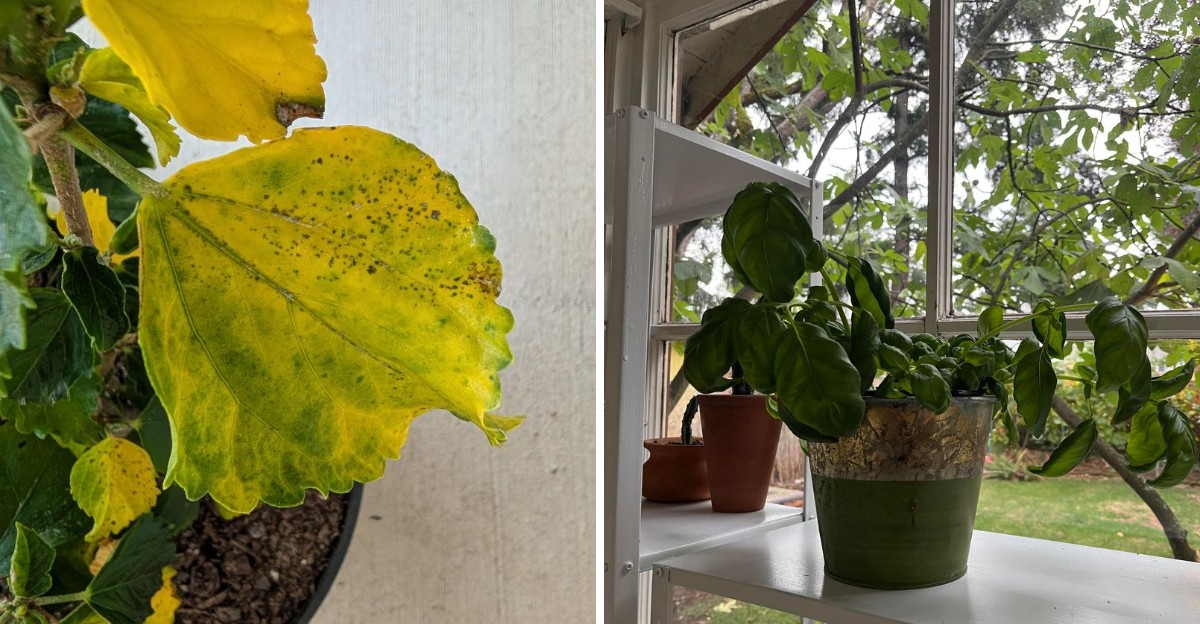
Leaves turn yellow and drop, buds fall off, and the plant can look bare within days.
Many people in Texas grow these beauties in pots, which is great news. Containers can roll inside when the forecast turns cold.
A plant dolly with wheels makes moving heavy pots much easier on your back.
Before bringing a plant indoors, check the undersides of leaves for tiny bugs like aphids or whiteflies. Rinse the plant with a gentle spray of water.
Nobody wants pests moving into the living room for the winter.
Inside, pick the brightest window you have. Expect some leaf drop while the plant adjusts, and do not panic.
Water less often, since it will grow slowly through the darker months.
Hardy hibiscus, sometimes called rose mallow, is a different story. It naturally goes to sleep in winter and comes back in spring.
If you want less fuss, that type is a smart swap.
6. Texas Lantana Gets Caught Off Guard
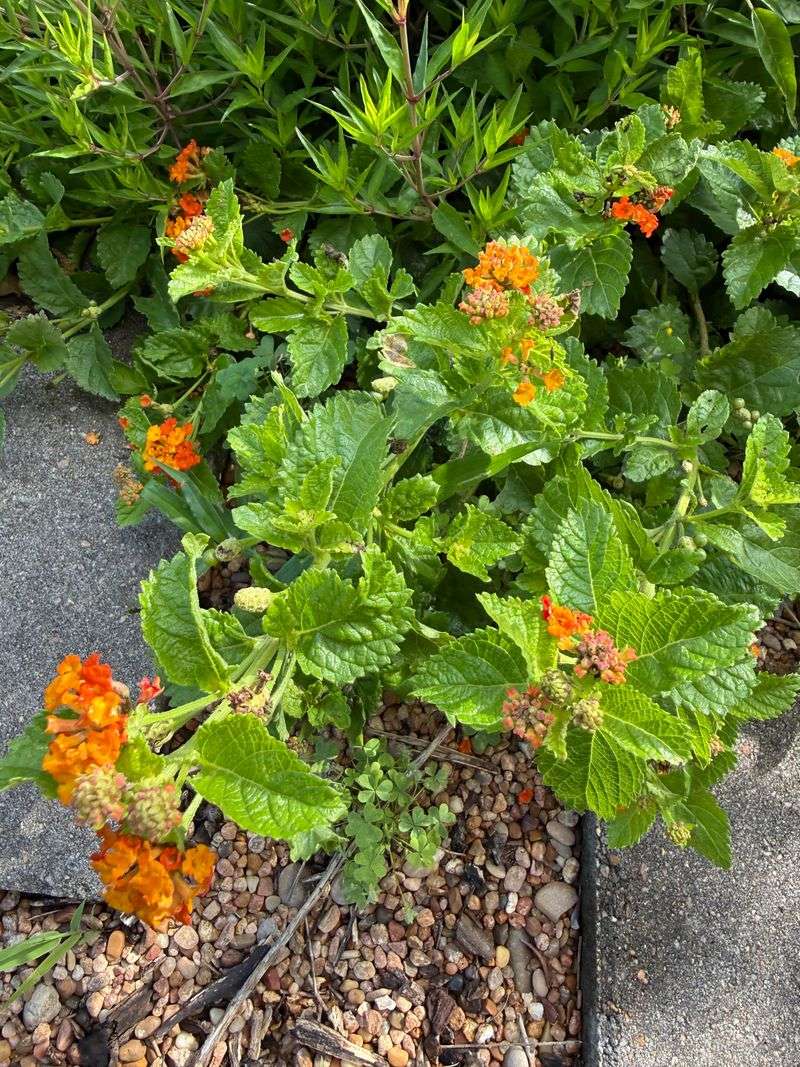
Lantana is the tough kid of the summer garden. It laughs at heat, drought, and blazing sun while butterflies crowd its colorful flower clusters.
That toughness has limits, though. A fast plunge from warm days to a freezing night can blacken the leaves and stems.
North Texas gardeners see it often, while folks closer to the coast may only notice a little leaf damage.
The good news is that most lantana bounces back. The roots stay alive underground even when the top looks rough.
So resist the urge to rip it out.
Leave those brown stems in place through winter. They act like a built-in blanket that shields the crown from cold.
Adding three or four inches of mulch, like shredded leaves or pine straw, gives extra protection.
Wait until spring to prune. Once you spot fresh green growth near the base, trim the old stems down to a few inches.
The plant will fill back in quickly as the weather warms up.
Here is a cool bit of history. Some lantana types are native to the state and have been feeding butterflies for ages.
Choosing native varieties often gives you plants that handle these weather swings a little better.
7. Peppers Pout Through Temperature Flips
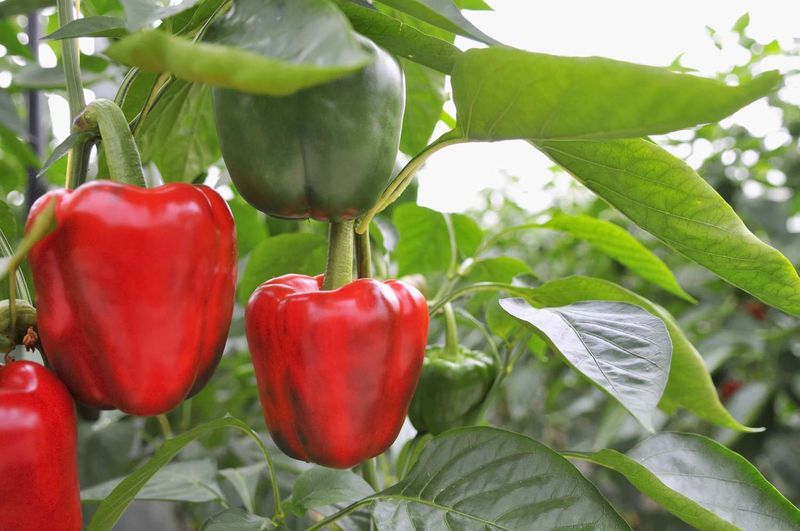
Late summer is when pepper plants finally hit their stride. After surviving the brutal August heat, they explode with fruit just as autumn begins.
Then nature pulls the rug out. A quick drop into the 40s can make leaves droop and fruit stop growing.
Peppers, like their tomato cousins, are warm-weather plants that hate chilly nights.
Gardeners across Texas know that a heavy fall harvest is worth protecting. Cover your plants when temperatures head below 45 degrees.
Frost cloth, cardboard boxes, or even upside-down buckets work for smaller plants.
Remove covers once the sun comes out. Leaving them on during a warm afternoon can cook the plants, which is the last thing you want after all that work.
Before a hard freeze, pick everything. Green bell peppers are perfectly fine to eat.
Hot peppers like jalapenos can be pickled, frozen whole, or strung up to dry.
Here is a neat trick some growers use. Dig up a favorite pepper plant, trim it back, and pot it.
Kept in a bright, cool spot indoors, it can rest through winter and get a head start next spring. Peppers are actually perennials in their native warm climates.
8. Bougainvillea Struggles With Texas Mood Swings
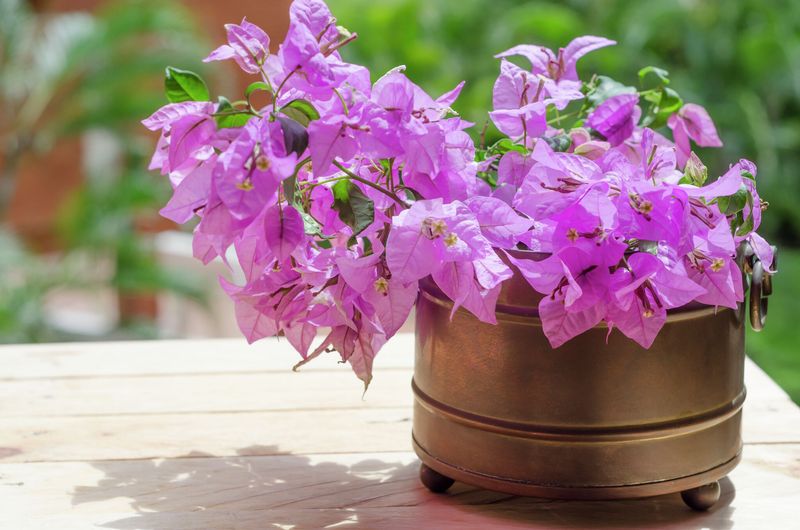
Magenta, orange, and purple bougainvillea can make any patio feel like a resort. The color actually comes from papery leaves called bracts, not the tiny white flowers in the middle.
Bougainvillea comes from South America, where winters are mild. It thrives in heat and sun but gets cranky below 40 degrees.
A frost can turn the leaves crispy and shed all that gorgeous color.
In South Texas, many plants live outdoors year round with a little help. Farther north, gardeners usually grow them in big containers.
That makes it easier to haul them into a garage or sunroom when cold weather threatens.
Watering is where many folks slip up. These plants like to dry out between drinks.
In cool weather, soggy soil can lead to root rot, so cut back watering a lot once fall arrives.
For plants in the ground, wrap the base with burlap or frost cloth on cold nights. Mounding mulch around the trunk adds extra warmth to the roots.
One more tip might surprise you. Bougainvillea blooms best when it feels a little stressed and root-bound.
So skip the giant pot upgrade and let it stay snug. Come spring, it will reward you with bold color again.
9. Texas Lawns Of St. Augustine Grass Feel The Strain
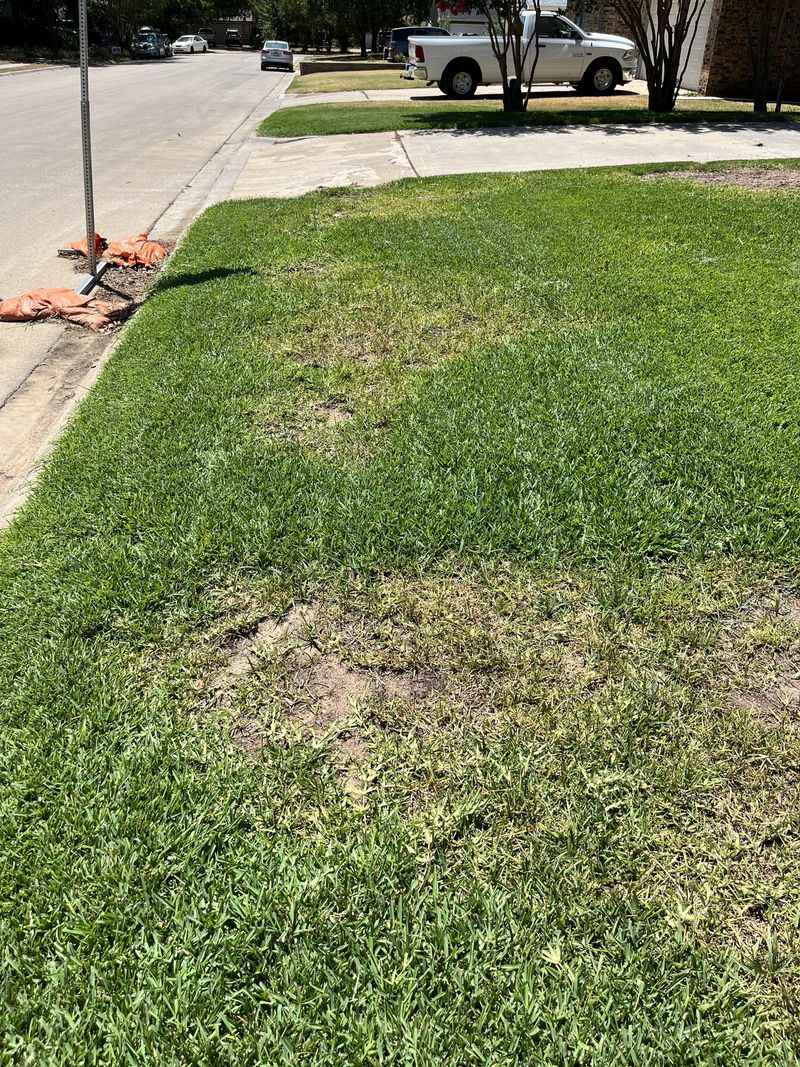
Lawns are plants too, even if we rarely think of them that way. St. Augustine grass covers countless yards, and it reacts strongly when fall weather jumps around.
Warm days followed by cool, damp nights create the perfect setup for a fungus called large patch. Circles of yellow or brown grass suddenly show up, sometimes several feet wide.
Homeowners in Texas often spot these rings in October and November.
Watering habits play a big role. Grass that stays wet overnight gives fungus a cozy place to grow.
Water early in the morning, and only when the lawn truly needs it.
Fertilizer timing matters as well. Heavy nitrogen in the fall pushes soft, tender growth that struggles in sudden chills.
Many lawn experts suggest skipping heavy feeding until spring.
Raise your mower a notch or two during autumn. Taller grass blades store more energy and protect the roots from temperature swings.
Rake up thick layers of fallen leaves too, since they trap moisture against the turf.
If patches appear, a fungicide labeled for large patch can slow the spread. Most damaged spots will green up again when warm weather returns.
With smart care, your yard can glide through the wild fall season looking pretty good.