Black-And-Red Bugs Are Gathering On Indiana Siding Before The First Hard Freeze
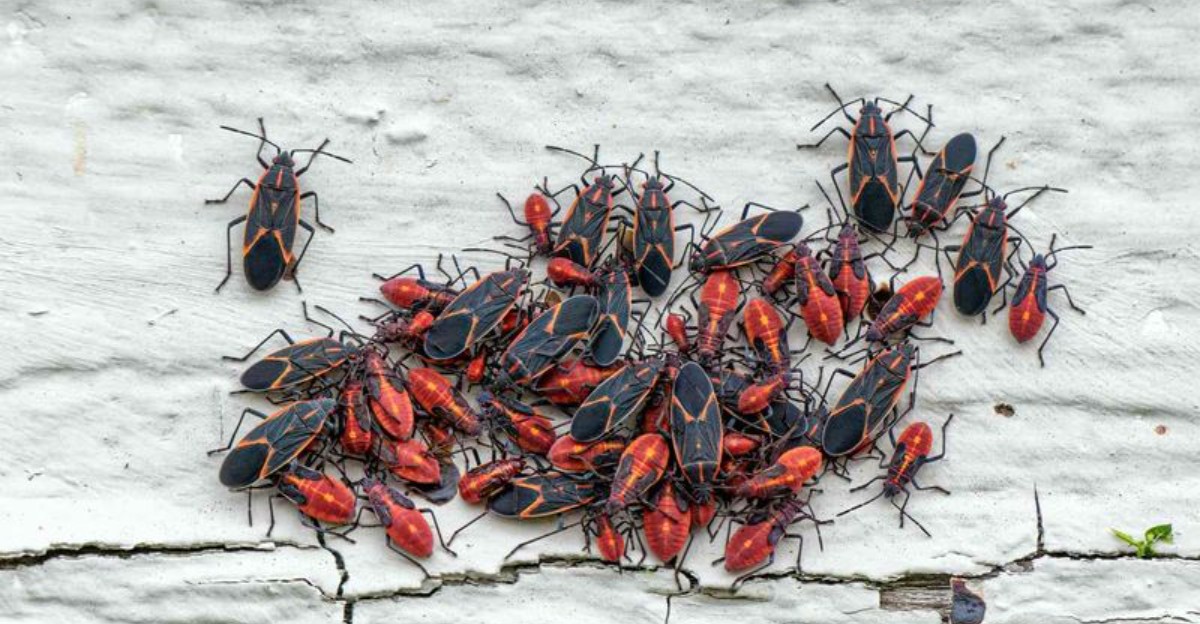
The black bugs with red stripes crowding your siding are searching for a warm place to spend winter. They are adults that will rest quietly inside wall gaps until spring sunshine wakes them up again.
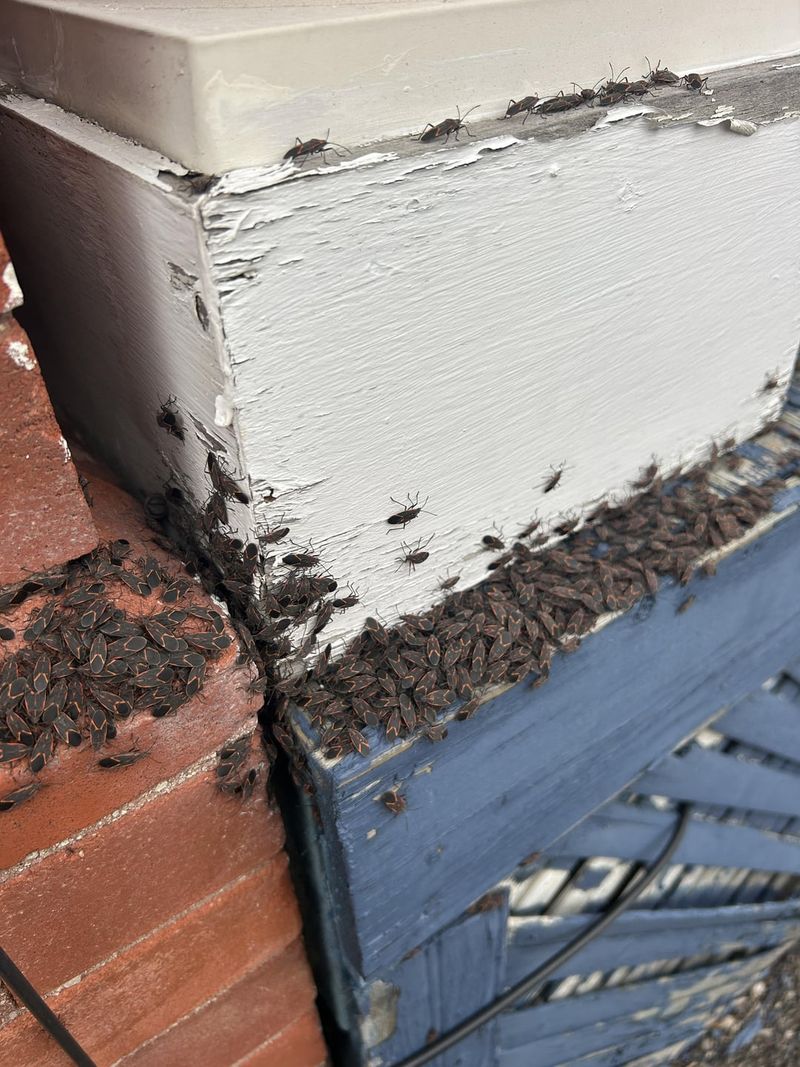
I like how picky they are, because they mostly choose the sunny south and west walls of a house. The shady north side of the same Indiana home might have only a few stragglers on a warm afternoon.
Their favorite food comes from a small group of trees, and seed-bearing female trees often sit near the biggest groups. You can often find the source by looking for winged seeds still hanging in clusters on a nearby branch.
I believe most Indiana homeowners notice them first on a calm October afternoon, right after a chilly night. Have you ever wondered why hundreds of tiny visitors pick your house over every other house on the street?
Warm Siding Draws Them In Search Of Winter Shelter
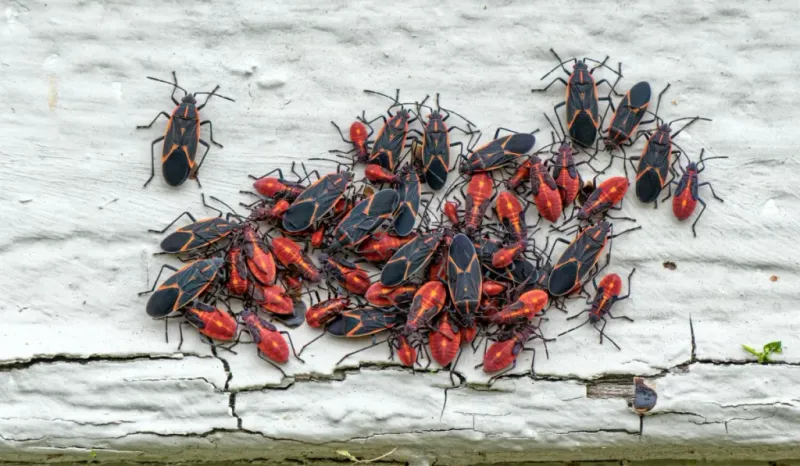
Most of the black-and-red bugs on Indiana siding right now are boxelder bugs, known to scientists as Boisea trivittata. Adults are about half an inch long, with three red lines behind the head and red edges on the wings.
Purdue University Extension explains that these insects spend winter as adults, tucked into protected spots out of the wind. In the wild, they hide under tree bark or leaf litter, but houses offer many more cozy cracks.
Shorter days and cooler nights in September and October signal that it is time to look for shelter. Siding that soaks up afternoon sun stays several degrees warmer than the air, so the bugs gather there first.
Some people mix them up with milkweed bugs or small Asian lady beetles, which can also cluster in fall. A quick look at the narrow body and red stripes usually settles the question for most homeowners.
Young nymphs are bright red and wingless, and you may still spot a few mixed in with adults. Those late youngsters are not built for cold weather, since the fully grown adult stage is the one that carries through Indiana winters.
The gathering often peaks on sunny days in the 60s that follow a frosty morning in mid-autumn. Once a hard freeze settles in, most of them have already found a hiding spot and the walls quiet down.
Their timing is a little different each year, since it depends on local weather rather than a fixed date. Watching your own siding for a week or two will tell you more than any calendar could.
South-Facing Walls Get The Biggest Crowds
Walk around your house on a bright October afternoon, and you may notice the bugs ignore some walls. South and west sides usually hold the largest groups, because those surfaces collect the most heat from the sun.
Light-colored siding reflects some heat, but dark siding, brick, and stone can feel noticeably warm to the touch. Boxelder bugs crawl and fly toward that warmth, then work their way upward toward eaves and roof edges.
Your Indiana Garden Changes Every Week. Your Plan Should Too.
Gardening in Indiana changes quickly throughout the season. Every Friday you’ll receive a simple weekly plan showing exactly what to plant, prune, fertilize, harvest, and protect so you never miss the right timing.
Tall buildings and houses that stand alone in open yards often draw more insects than homes shaded by trees. Sunlit sheds, garages, fences, and even large rocks can also host small clusters during the warmest part of the day.
Clusters often shift through the day, with bugs moving from east walls in the morning to west walls later. Once the sun drops behind the trees, many of them slip into cracks or under siding laps for the night.
You can use this pattern to your advantage when you plan where to check for openings and gaps. The busiest wall on your house is a smart place to start checking for hidden entry points worth sealing.
A simple trick is to snap a phone photo of each side at about three in the afternoon. Comparing those pictures shows you which spots draw the most bugs, so you know where to focus first.
Neighbors with similar houses may see very different numbers, simply because their walls face a different direction. Sun exposure matters a lot, and the trees growing around a yard also shape how many bugs show up.
Seed-Bearing Trees Nearby Often Explain The Numbers
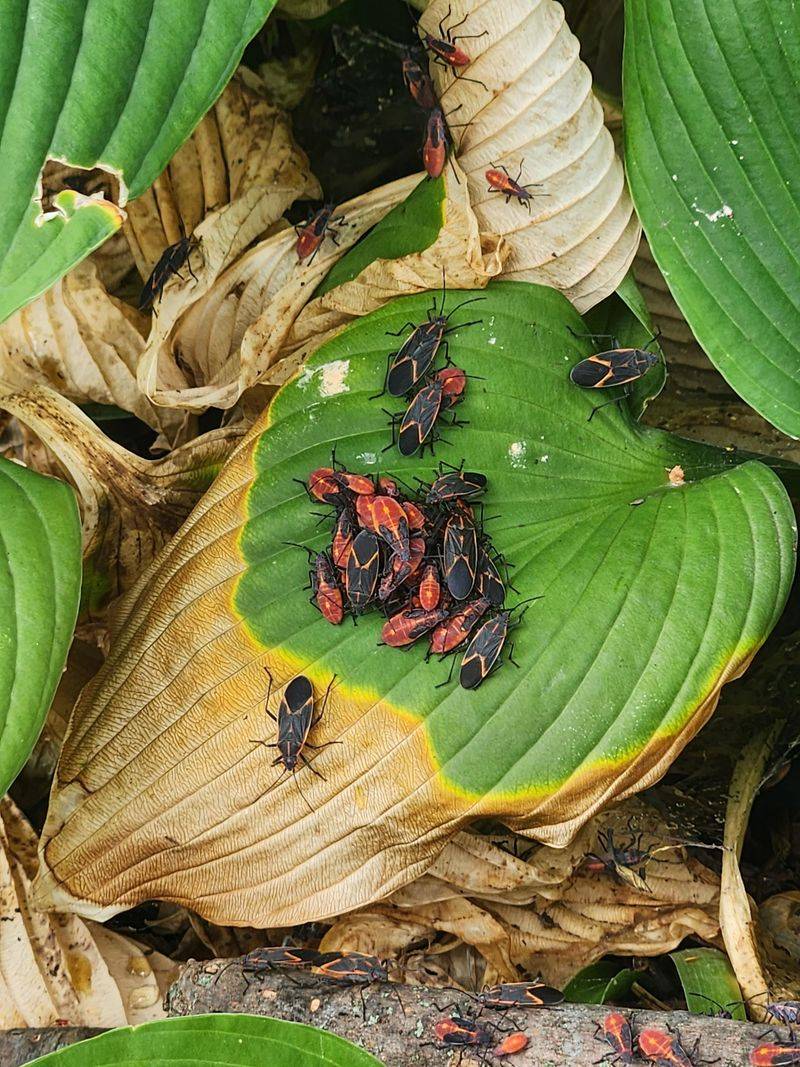
Boxelder trees gave these insects their name, and the connection runs deeper than most people realize. The bugs feed mainly on the seeds of female boxelder trees, which are a type of maple common across Indiana.
Only female trees produce the winged seeds, so a yard with male trees alone often has far fewer bugs. University extension services note that the insects also feed on silver maple, red maple, and sometimes ash seeds.
Large numbers usually build up over summer when nymphs feed on seeds that have fallen into the grass below. A warm, dry summer can lead to bigger fall crowds, while a cool, wet season may keep numbers lower.
Swarms do not depend only on your yard, since the adults can travel in from trees on nearby lots. Removing one boxelder may help a little, but extension experts rarely suggest cutting down trees just for bug control.
Raking up fallen seeds in fall and late spring gives the young nymphs less food to grow on. That small chore can trim next year’s numbers without harming the shade and beauty a mature tree provides.
If you are planting a new tree this fall, a male boxelder can help limit the issue, though bugs from nearby lots may still visit. Local nurseries and the Purdue Extension office in your county can help you pick a good fit for your yard.
Fun fact, the bugs rarely harm the trees they feed on, so the tree itself usually stays healthy. The real trouble begins when all those well-fed adults start searching your walls for a way inside.
Gaps Around Windows Let Them Slip Indoors
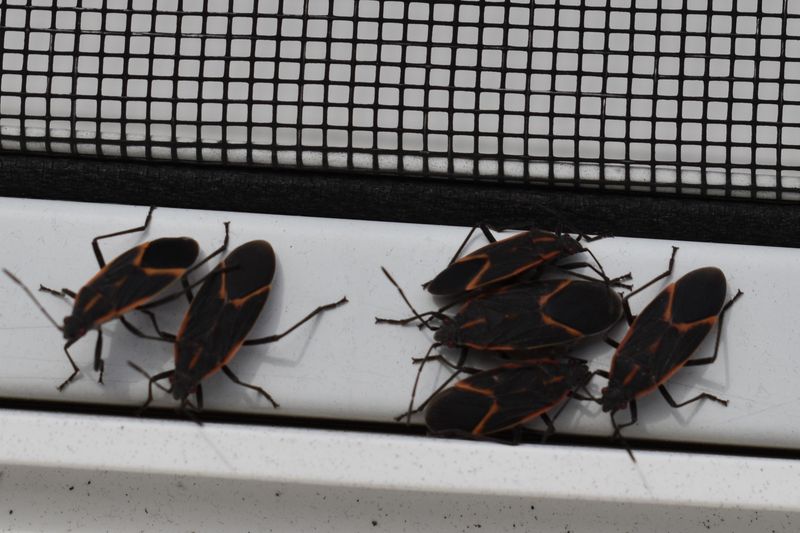
A boxelder bug can squeeze through a gap about one-eighth of an inch wide, which surprises many homeowners. Window frames, door edges, and spots where siding meets trim are some of the easiest paths into a house.
Torn window screens, loose weather stripping, and worn caulk around air conditioners also give them simple routes indoors. Openings where pipes, cables, and dryer vents pass through the wall are another favorite entry point to check.
Once inside, most of the bugs settle into wall voids, attics, and other quiet spaces for the winter months. Trouble starts on sunny winter days, when warmth fools some of them into crawling out into living rooms.
You may find a few wandering slowly across windows in January, confused and looking for a way back outside. Heated rooms near sunny walls tend to see the most visitors, especially upstairs bedrooms and rooms with big windows.
A flashlight check along window frames at dusk can reveal tiny cracks you would miss in full daylight. Shine the light from inside while a helper watches outside, and any glowing gap shows a likely entry spot.
Attic vents and soffits deserve a look too, since the bugs often crawl upward before slipping inside. Ripped vent screens are easy to replace with fine metal mesh from most Indiana hardware stores this fall.
Keeping a short list of every gap you find makes the sealing job much quicker on a mild weekend. Mark each spot with painter’s tape so you can find it again when the caulk gun comes out.
A Nuisance Indoors With Little Risk To People
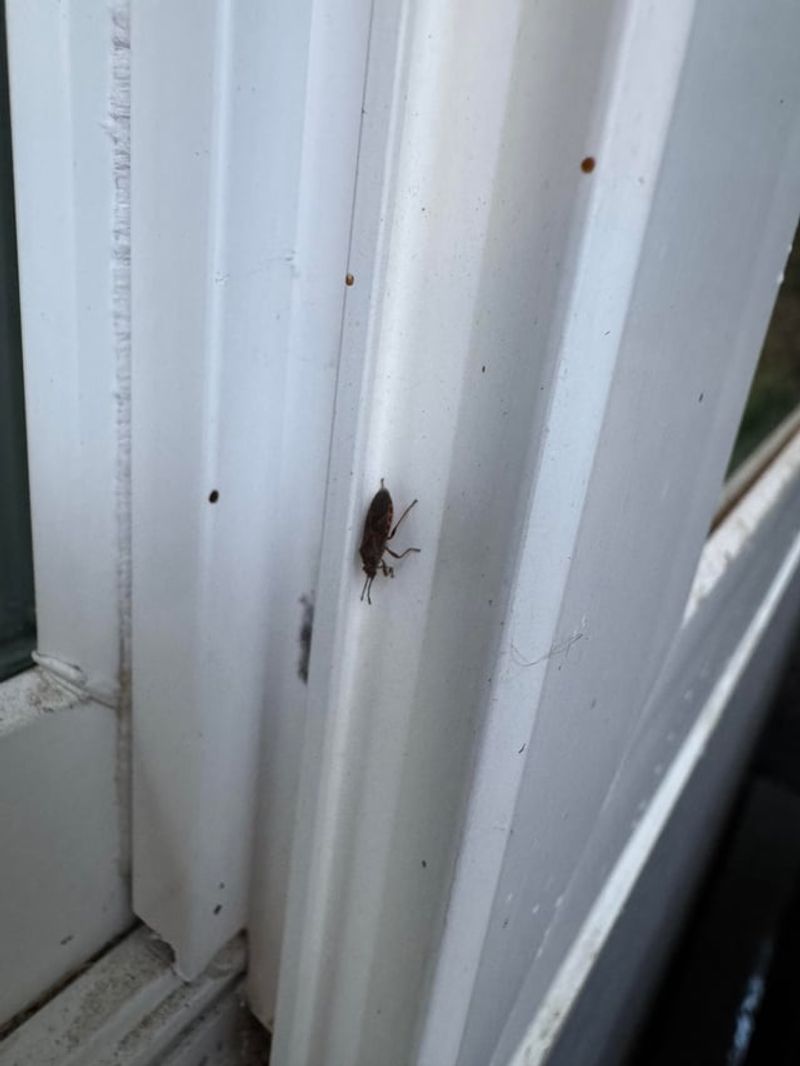
Relax, because boxelder bugs are mostly harmless to people, pets, and the structure of your home. Purdue and other extension services note that they do not chew wood, spread disease, or breed indoors during winter.
They mostly leave fabric, food, and houseplants alone, so your pantry and closets are safe from them. Their mouthparts are built for sucking plant juices, so a bite on a person is rare and usually mild.
The main problem is the mess, since their droppings can leave small reddish stains on curtains, walls, and fabric. Handling them roughly also releases a strong, unpleasant smell, so try to avoid pressing them against walls or fabric indoors.
A vacuum with a hose attachment is the easiest way to remove bugs from windows and ceiling corners. Empty the bag or canister outside right away, or the bugs may crawl back out into the room.
Some people slip a knee-high stocking inside the hose with a rubber band, which traps bugs for easy release. Extension experts generally advise against spraying insecticides indoors, since the treated bugs often end up hidden inside walls.
Those hidden insects can attract carpet beetles later, which creates a second problem that is harder to manage. A sticky trap near a sunny window can help you see how many are still wandering inside each week.
Spotting a dozen in a single afternoon is annoying, but it does not mean your house is infested. Patience helps a lot here, because indoor sightings usually fade once steady spring warmth draws the survivors outdoors.
Sealing Cracks Before The Next Cold Snap
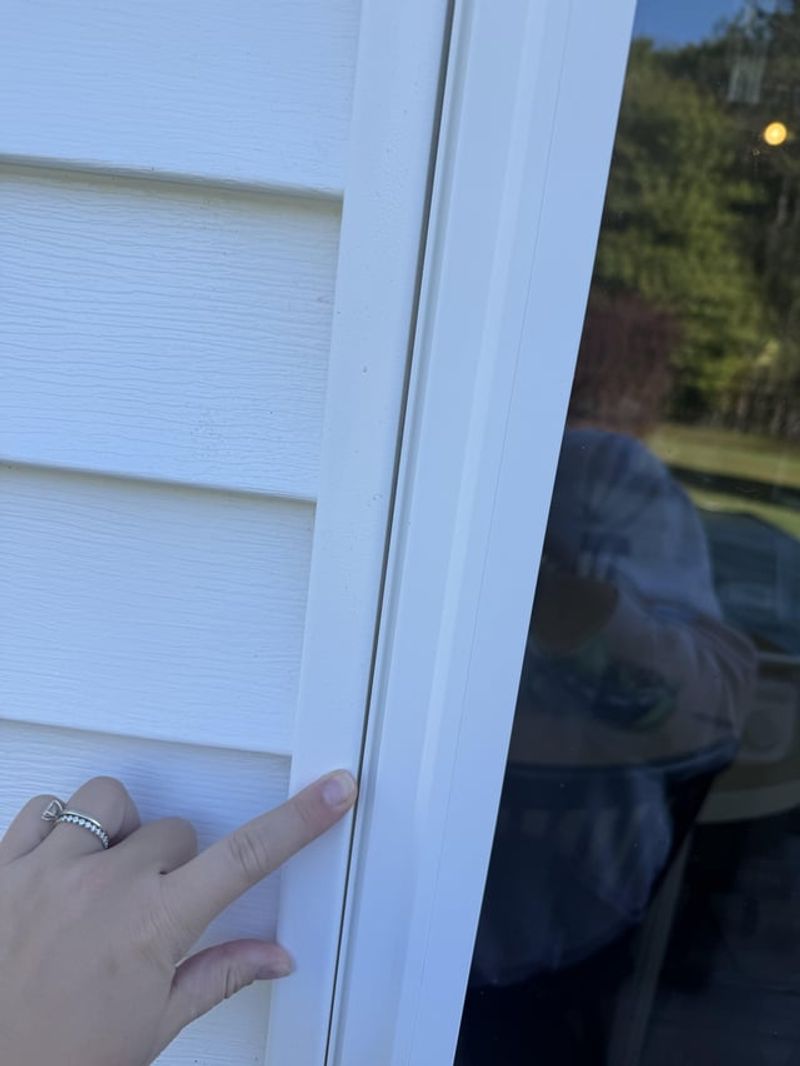
October is your best window for this job, because the bugs are still outside and caulk cures above 40 degrees. Waiting until after a hard freeze often means many of them have already moved into your walls for winter.
Start with the sunny south and west walls you noted earlier, since those spots usually hold the most traffic. Fill cracks around window frames, door trim, and siding joints with a good exterior silicone or latex caulk.
Larger gaps around pipes and wires can be packed with copper mesh, then covered with expanding foam or sealant. Replace worn door sweeps and weather stripping, since a quarter-inch gap under a door is a wide-open invitation.
Patch or replace torn window screens, and add fine mesh over attic and soffit vents that lack covers. For bugs already clustered outside, a bucket of soapy water or a shop vacuum can clear the siding quickly.
A spray of plain water from the hose also knocks them down, though many will simply climb back up. Some homeowners hire a pest professional for an outdoor barrier treatment, which works best in early fall before clustering peaks.
Read every label carefully and follow Purdue Extension guidance, since sealing often does more good than any spray. I like to finish this chore by raking up winged seeds under nearby maples before the snow arrives.
A tighter house also keeps out cold drafts, so the work can trim your heating bill this winter too. Next fall, you may find just a handful of black-and-red visitors sunning themselves on your siding.