9 Yard Mistakes That Attract Snakes to Florida Homes After a Storm
The storm passed last night, and my yard looked like a giant had tossed a salad across it.
Branches, leaves, and puddles covered every corner, and something small slipped under the shed.
Wild weather in Florida pushes more than water around our gardens. Flooded burrows and soaked brush send hidden creatures searching for dry ground, and our yards often look like the perfect hotel.
I believe most of us invite these visitors by accident during cleanup. A few tired habits after a storm can turn a cozy garden into a buffet with free lodging for slithering guests.
Early October in Florida still brings warm days, active wildlife, and the tail end of hurricane season. Small fixes made this week can keep your garden calm, tidy, and far less tempting to uninvited neighbors.
1. Shaggy Grass Becomes A Hidden Highway
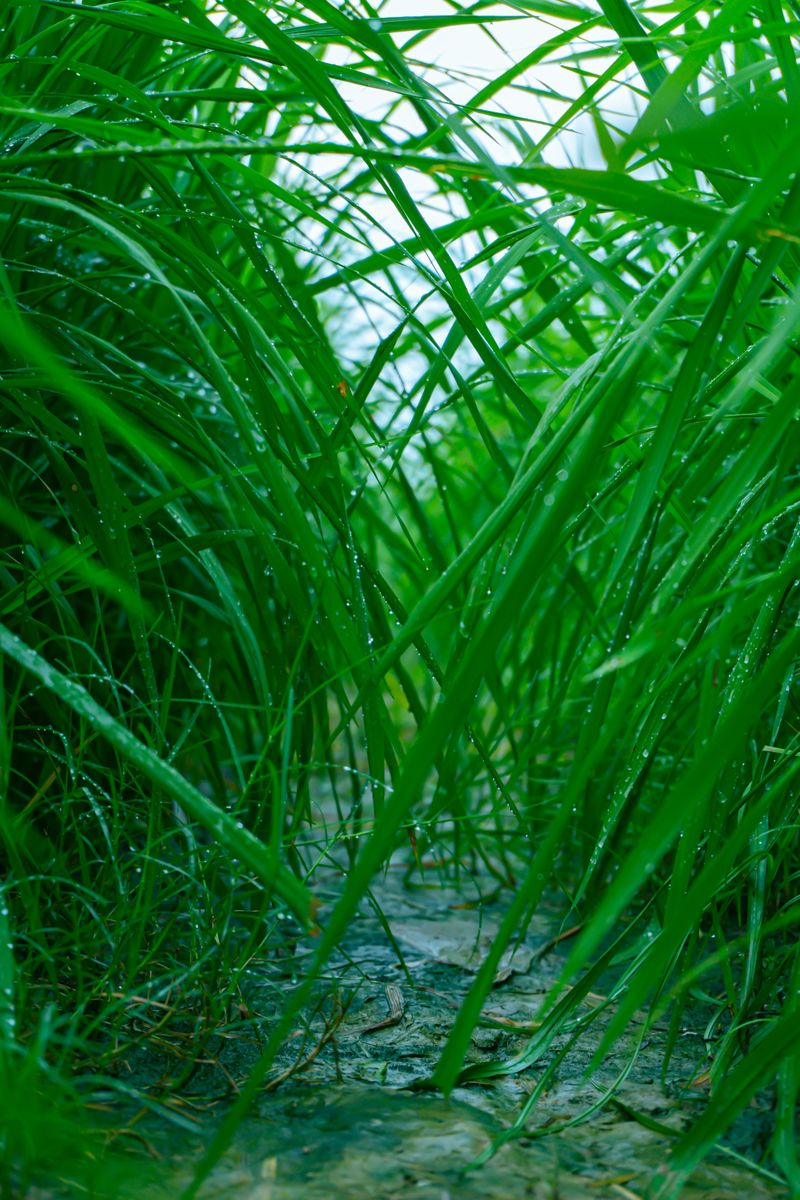
Tall grass works like a secret tunnel system for snakes, and storms make that tunnel even more inviting. Wet blades hide movement, trap cool air, and give nervous reptiles a safe path toward your porch.
After heavy rain, many homeowners skip mowing for a week or two because the ground feels soggy. That pause lets grass shoot upward quickly in warm fall weather, creating thick cover close to doors and walkways.
Frogs, lizards, and rodents also love that shaggy cover, and snakes follow their meals wherever they wander. A lawn full of hidden snacks basically rings a dinner bell for any hungry hunter passing nearby.
You definitely need to mow once the soil firms enough to hold your mower without leaving deep ruts. Keeping grass short near the house removes cover and lets you spot unexpected visitors long before stepping close.
Do not forget the edges along fences, sheds, and air conditioning units, where trimmers often miss thick clumps. Those forgotten strips quietly become favorite resting spots, especially when warm October sunshine heats the nearby ground each afternoon.
2. Storm Debris Piles Turn Into Snake Condos
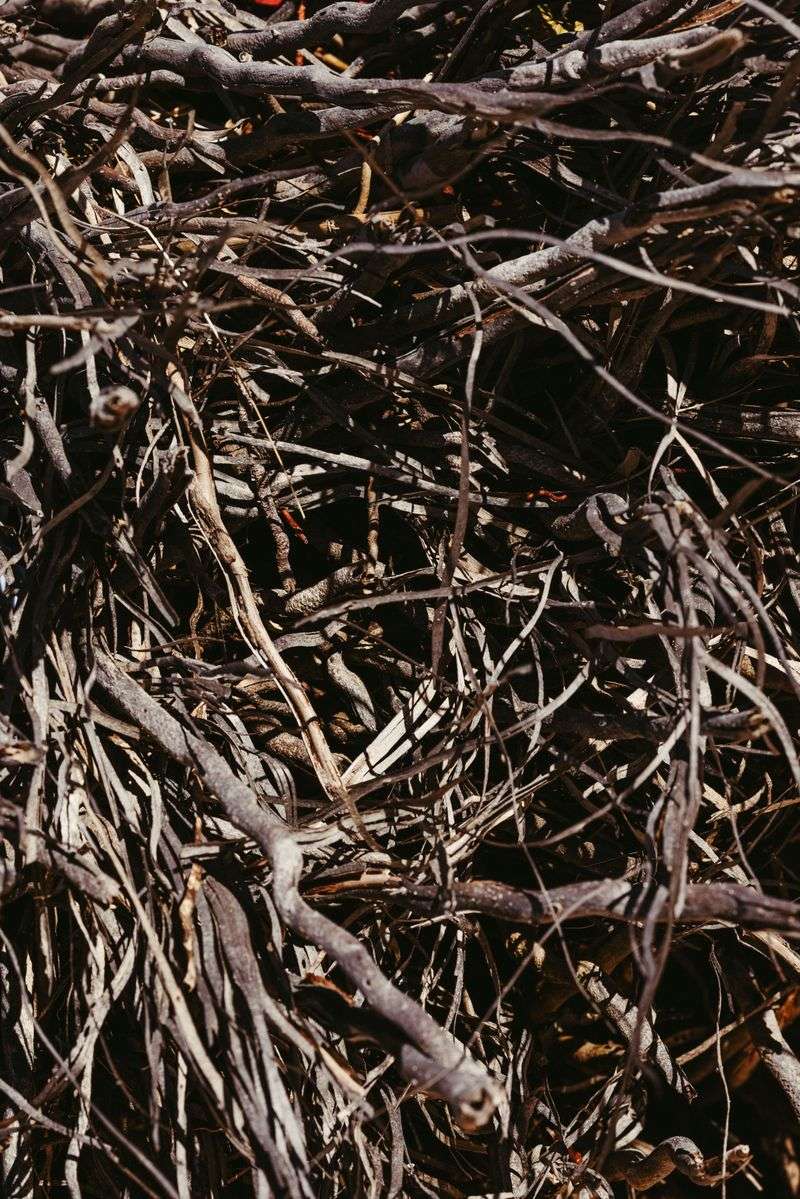
Every storm leaves behind a messy gift of palm fronds, broken limbs, and soggy leaves scattered across the yard. Most of us rake everything into a tidy heap, then leave it sitting there for weeks.
That heap looks harmless, yet it offers shade, moisture, and dozens of dark gaps for a snake to rest. Insects move in first, then mice arrive, and hungry snakes follow that growing food chain right behind.
University of Florida wildlife experts point to brush and debris piles as common reasons snakes linger near homes. Removing that cover often does more good than any spray or powder sold at the hardware store.
Schedule pickup with your county or city as soon as curbside debris collection opens after the storm passes. Until then, keep piles far from the house and away from children’s play spaces and pet areas.
Wear thick gloves and sturdy boots whenever you lift branches, since a snake may already be hiding underneath. Using a rake or long tool to shift debris first keeps your hands safely away from surprises.
3. Firewood Stacks Hugging The House Walls
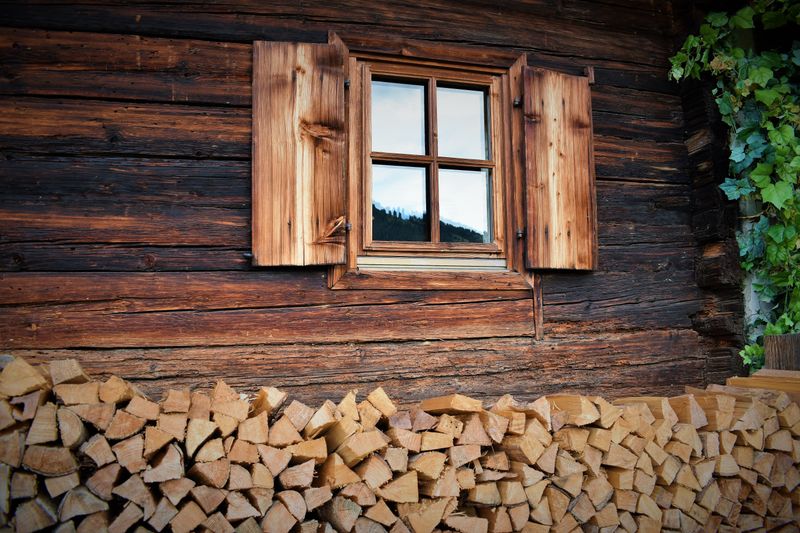
I’m sure plenty of fellow gardeners stack fresh storm wood right against the garage for easy access later. Cooler fall evenings make a backyard fire pit sound lovely, so saving those chunky logs feels sensible.
Unfortunately, a woodpile sitting on bare ground creates layers of shady crevices that snakes find wonderfully comfortable. Logs also hold heat from the afternoon sun, giving cold-blooded animals a cozy place to warm themselves.
Rodents happily nest inside stacked wood, and their presence turns the pile into a pantry for hunting snakes. Damp storm-soaked logs attract even more insects, which feed the lizards and frogs that snakes also enjoy.
Raise firewood on a sturdy metal rack at least a foot above the ground to reduce hiding spaces. Air flowing underneath helps the wood dry faster too, so your fall fires will burn cleaner and brighter.
Move the stack well away from walls, doors, and windows so any visitor stays farther from your living space. Check the pile carefully before grabbing logs, especially at dusk when many snakes become more active outdoors.
4. Rodent Buffets Hiding In Plain Sight
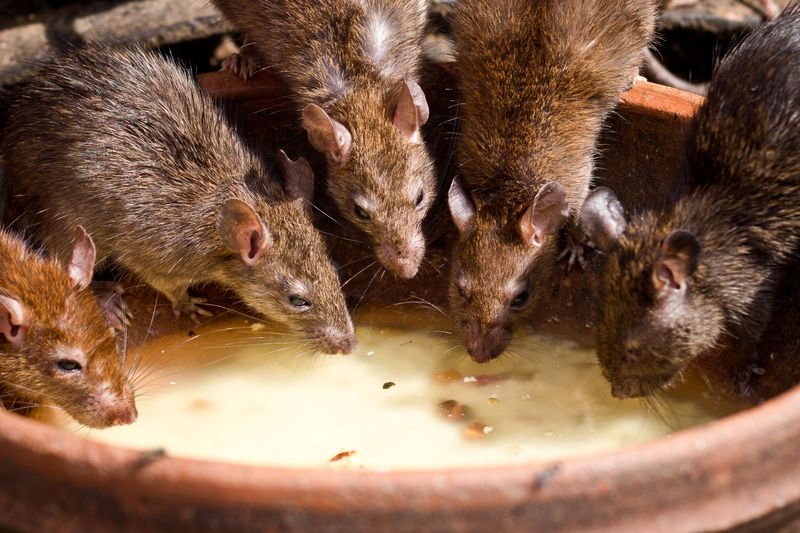
Snakes rarely show up for the scenery, because most of them arrive following a trail of furry snacks. Rats and mice get displaced by floodwater too, and they often scramble toward drier homes and garages.
Once those rodents settle near your house, snakes like rat snakes and black racers may quietly follow them. Your yard then becomes a link in a food chain you never meant to build or support.
Pet food left outside overnight is a common culprit, especially on screened porches with small gaps near the floor. Open trash cans, fallen fruit, and compost scraps can also feed a surprising number of hungry rodents.
Bring pet bowls inside each evening and store kibble in thick containers with tight lids that rodents struggle to chew. Secure garbage lids firmly, and pick up fallen citrus or mangoes before they start attracting nighttime visitors.
Trapping rodents near sheds and garages can also help, though avoiding poisons protects pets and the snakes that hunt them. Fewer mice mean fewer reasons for snakes to linger, which feels like a fair trade for everyone.
5. Soggy Puddles That Refuse To Leave
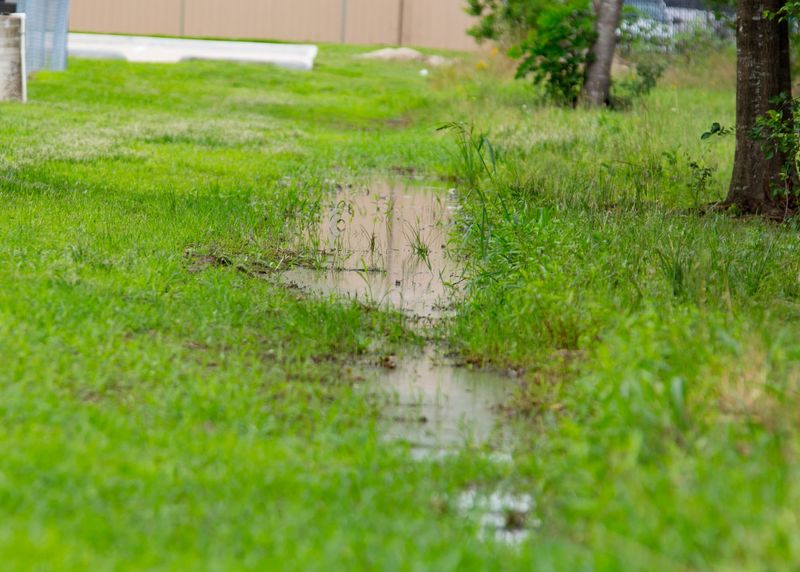
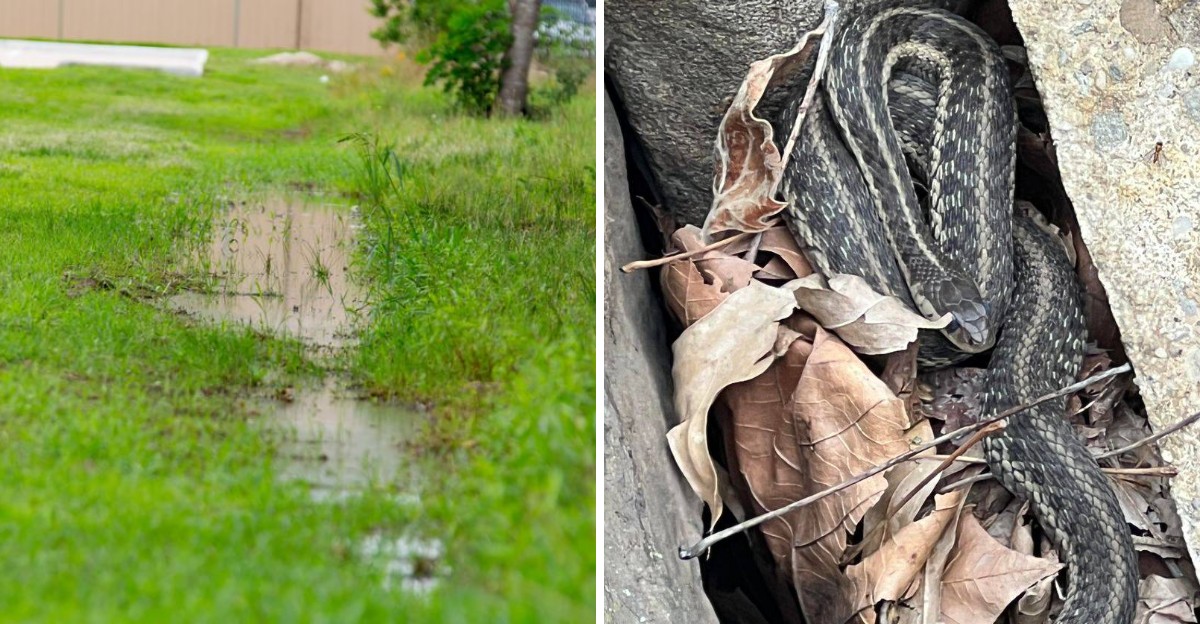
Low spots in the lawn can hold rainwater for days after a big storm, turning grass into tiny marshes. Those shallow pools quickly fill with tadpoles, frogs, and toads, which many snakes consider an excellent meal.
Water snakes and garter snakes especially appreciate wet ground, and they often move through soggy yards hunting amphibians. A backyard that stays muddy for weeks starts looking a lot like their natural wetland homes.
Mosquitoes also breed in standing water, so draining puddles helps your family avoid itchy evenings on the patio. Tackling one problem actually solves two, which makes the cleanup effort feel much more rewarding.
Clear clogged gutters and downspouts so roof water flows away from the foundation instead of pooling beside it. Empty buckets, flower pot saucers, and toys that collected rain, since those small containers add up quickly.
For stubborn wet spots, consider adding soil to level the ground or installing a simple drain pipe system. Fall offers a great window for these projects, since cooler temperatures make outdoor digging much more comfortable for you.
6. Jungle Thick Ground Cover By The Doors

Lush plantings along the foundation look gorgeous, yet thick ground cover can hide a sleeping snake perfectly well. Plants like Asiatic jasmine and dense shrubs create cool, shady pockets right next to your walls.
After a storm, broken stems and fallen leaves pile up inside these beds, making the cover even thicker. Snakes resting there sit just steps from your front door, which nobody really wants to discover by surprise.
I can’t imagine giving up flower beds entirely, and luckily that is not necessary at all for safety. A little trimming and spacing can keep your garden beautiful while removing the dark hiding spots snakes prefer.
Leave a gap of about one foot between plants and your house foundation whenever you redesign or prune beds. Trim shrubs up off the ground slightly, so light and air reach the soil beneath their lower branches.
Early October makes a fine time for this tidying, since many plants slow their growth as days shorten. You will also spot storm damage, pests, or rotted stems more easily once the beds feel open again.
7. Tiny Gaps That Open The Front Door
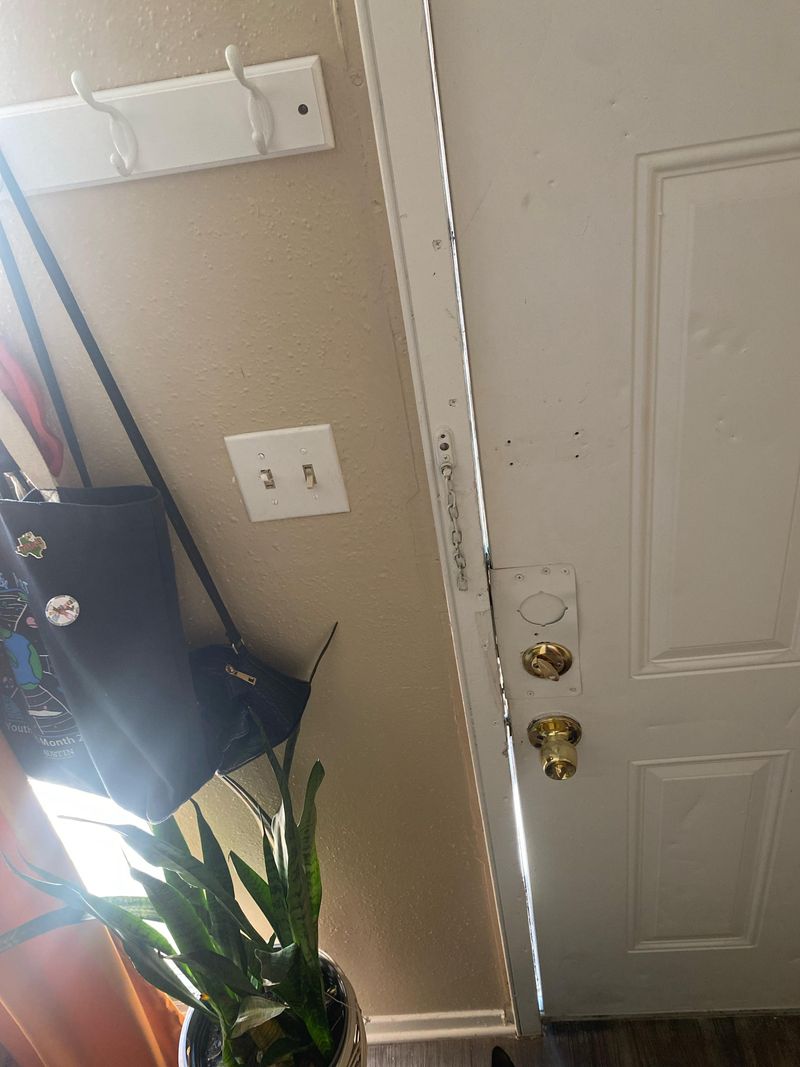
A snake can squeeze through openings far smaller than most people expect, sometimes barely wider than a pencil. Storm winds and flying debris often loosen weatherstripping, crack screens, and widen gaps around doors.
Garages are frequent problem areas because their doors rarely seal tightly against uneven concrete floors. Snakes chasing rodents or seeking dry shelter sometimes slip inside and hide behind boxes or tools.
Walk around your home after every storm and look closely at doors, vents, pipes, and utility line openings. Torn porch screens deserve special attention, since lizards and frogs gathering there can attract a hungry hunter quickly.
Seal small cracks with caulk or expanding foam, and replace worn door sweeps with sturdy new rubber versions. Cover vents and weep holes with fine metal mesh that allows airflow while blocking unwanted crawling visitors.
Do not forget dryer vents, attic openings, and gaps around air conditioning lines entering the walls of your home. A careful afternoon spent sealing openings can save you from a startling discovery in the laundry room later.
8. Rock Borders Built Like Snake Apartments
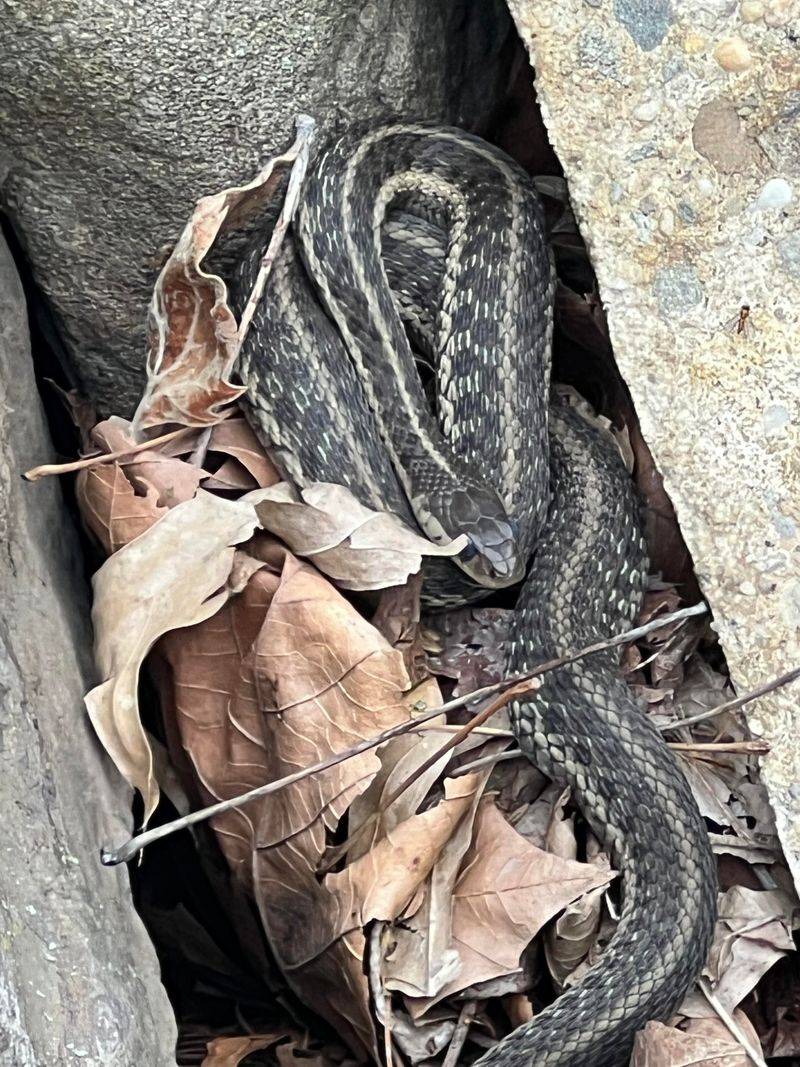
Decorative rock borders seem tidy and low maintenance, yet loose stones create countless little hideaways between them. Gaps under and between rocks stay cool and protected, giving snakes a safe spot to rest during the day.
Rocks also soak up sunshine, offering a toasty basking surface on cooler mornings as fall settles in. That combination of warmth and shelter makes rock piles especially attractive during early October weather.
Storms can shift loose stones, opening fresh cracks and collapsing borders into messy piles near walkways. Rodents and insects often move into those new openings, which brings snakes looking for an easy meal.
Remove piles of leftover landscaping rocks you are not using, or move them far from the house. For borders you love, fill large gaps with smaller gravel or rebuild them more tightly to reduce hiding space.
Look carefully before reaching between stones, since venomous species like pygmy rattlesnakes sometimes rest in such places. Using a garden tool instead of bare hands keeps fingers safely away from anything tucked inside a shady crack.
9. Spilled Birdseed Under Busy Feeders
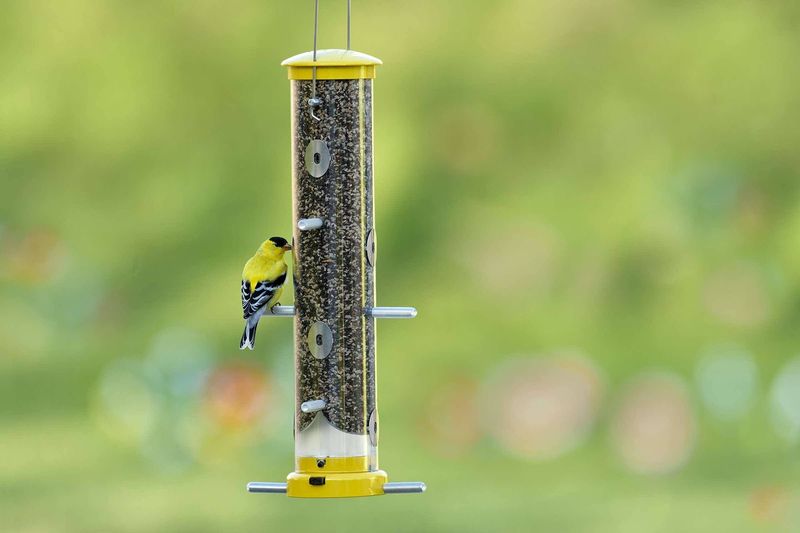
Bird feeders bring cheerful cardinals and chickadees into the garden, but they also create a hidden mess below. Spilled seed collects in the grass, and storms soak it into a sticky feast for nighttime rodents.
Mice and rats quickly learn where those snacks fall, returning every evening to fill their bellies again. Snakes then follow those regular visitors, turning your peaceful bird corner into a busy hunting ground.
Some climbing snakes, such as rat snakes, may even reach nests or feeders while searching for eggs and birds. Fall migration season brings extra birds to many yards, so keeping feeders tidy matters more right now.
Rake or sweep spilled seed every few days, and consider a seed catcher tray beneath each feeder. Choosing no-mess seed blends with hulled kernels also reduces the shells and waste that pile up below.
Store extra birdseed inside metal cans with secure lids, keeping them in a garage or shed with sealed doors. Placing feeders farther from your house adds another layer of distance between visiting wildlife and your daily routines.