Your Fig Tree Is About To Face A New Jersey Winter, And How You Prepare It Can Shape Next Year’s Fruit
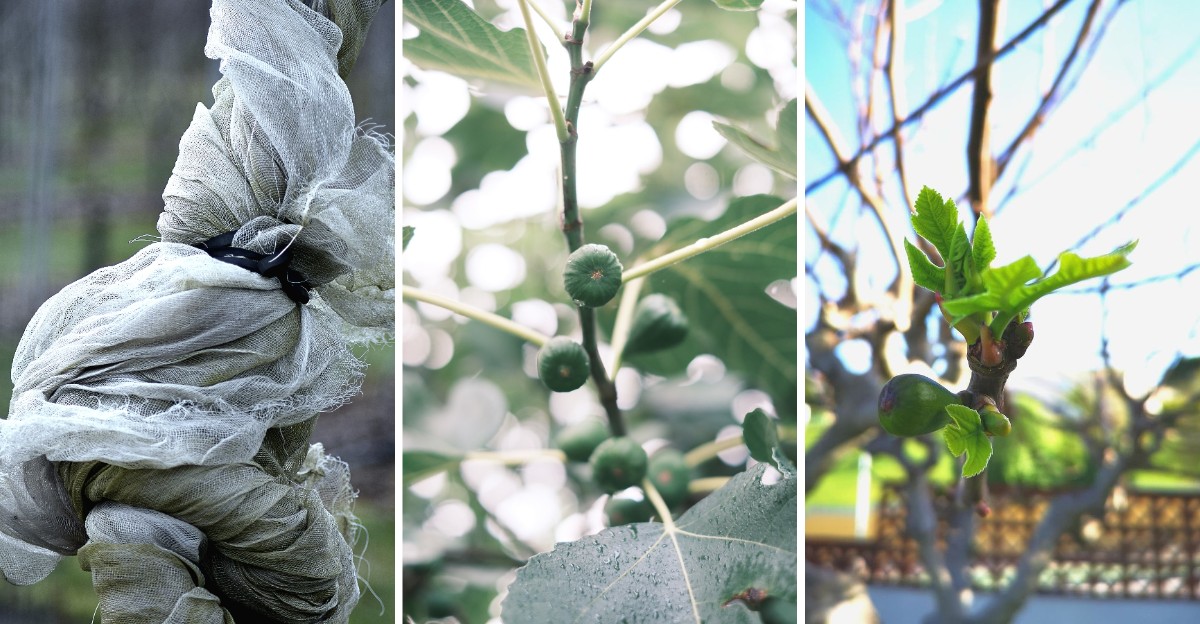
Your fig tree holds a quiet secret, and November is about to reveal it. Winter in New Jersey arrives with icy winds that chill unprotected branches.
Tiny buds on old wood hold your early summer crop. Last August likely offered you honeyed, jammy figs.
Repeating that harvest calls for action before soil firms up. Many New Jersey gardeners wrap, prune, or mulch their trees.
Burlap, mulch, and a clean trim can shield your harvest. Neighbors may stare at a tree wearing a winter coat.
Chicago Hardy and Brown Turkey handle cold differently, so your variety matters. Timing your wrap matters, because early coverings hold moisture against bark.
Late covers leave tender wood exposed to sudden temperature swings. Mice love cozy wrappings, so you need a smart barrier. Time your wrap right, and August can bring a basket of jammy figs.
1. Wait For The Leaves To Drop Before You Start

Patience is a useful ingredient for gardeners in October. Your fig tree needs time to settle down on its own before you bundle it up.
As nights get colder, the tree slowly pulls energy from its leaves and stores it in the roots and branches. That stored energy pushes out new growth next spring and supports fruit by summer.
Wrapping too early can trap warmth and moisture around the branches. The tree may stay confused and soft, which makes sudden cold snaps harder to handle later.
So what is the signal to begin? Watch for the leaves to turn yellow and fall after the first chilly nights.
In much of New Jersey, that happens between late October and mid-November. Shore towns often run a bit later, while northern hill areas tend to get there sooner.
Once the branches look bare, rake up the fallen leaves around the base. Old leaves can hide fungus spores and tiny insects that would love to spend winter there.
Keep an eye on the ten-day forecast too. A good target is wrapping before nighttime lows slide into the low twenties.
Think of this stage like letting bread rise before baking. Rushing it will not help, and a few calm weeks of waiting give you a tougher, readier tree.
A short walk around the tree each weekend helps you notice changes early. Look at the buds and the soil. Small notes now make spring decisions easier.
2. Know Which Fig Variety You Are Protecting
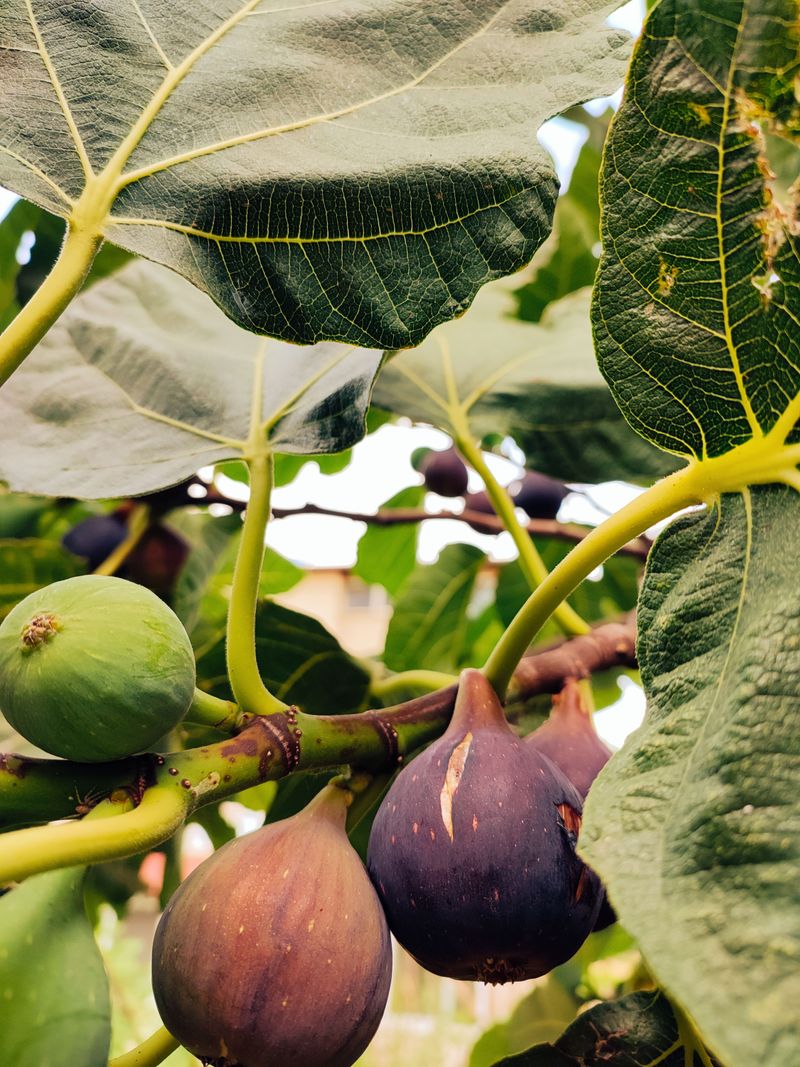
Fig trees do not handle cold the same way, and your variety matters a lot. Some types shrug off chilly weather while others react poorly to the first cool snap.
Brown Turkey and Chicago Hardy are two favorites in New Jersey backyards. Both can bounce back from cold better than many other kinds.
Celeste often regrows from the roots even after a tough winter. Still, regrowth from the ground can delay the early crop, which gardeners hope to protect.
Many Italian families brought fig cuttings to New Jersey over a hundred years ago. Some of those old trees still grow in older Jersey neighborhoods today.
Your New Jersey Garden Changes Every Week. Your Plan Should Too.
Gardening in New Jersey changes quickly throughout the season. Every Friday you’ll receive a simple weekly plan showing exactly what to plant, prune, fertilize, harvest, and protect so you never miss the right timing.
Those older varieties were often wrapped each fall by grandparents using burlap, old carpets, and even buckets. That family habit is a big reason they lasted so long.
If you are not sure what you have, check the plant tag or ask the nursery. A local garden club can also help you identify it from a leaf photo.
Tender types like Black Mission benefit from extra protection here. A cold Jersey snap can set them back without a solid winter plan.
Knowing your tree is like knowing your kid’s coat size. Once you understand how much cold it can handle, choosing the right protection gets much easier.
Take a clear photo of the leaves and fruit this fall. It makes naming your variety simpler next year. A quick record saves guesswork when planning.
3. Prune Lightly And Save The Big Cuts For Spring
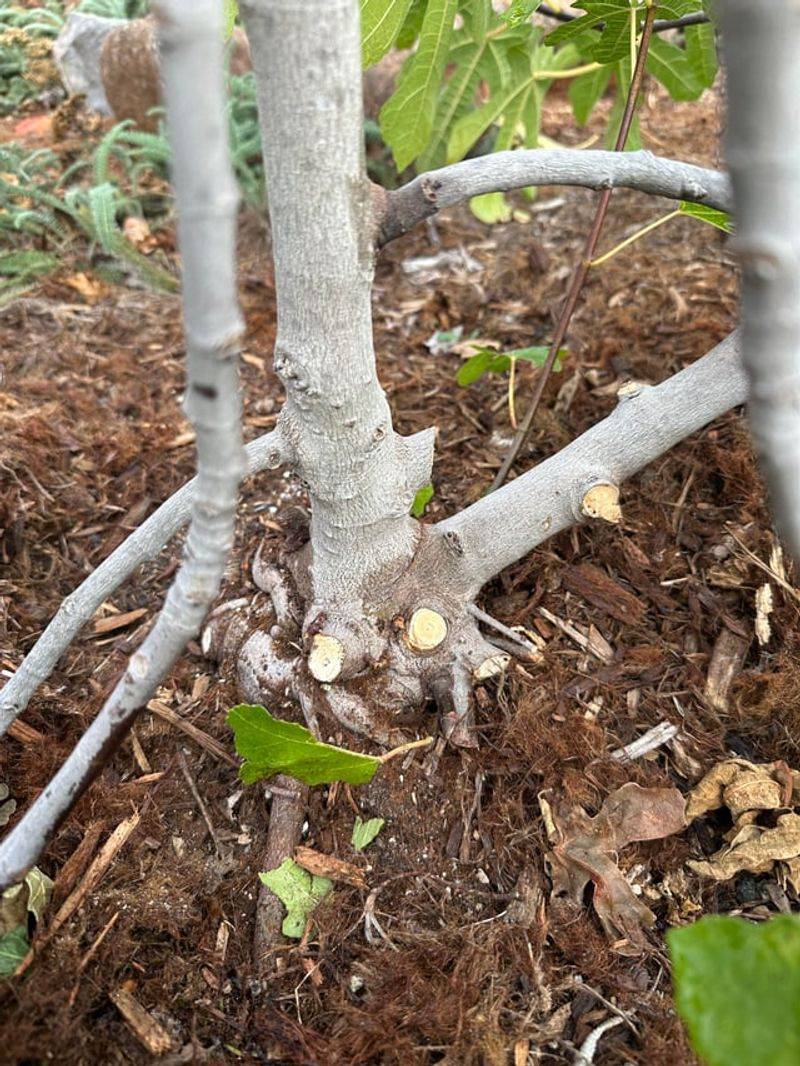
Grabbing the loppers in fall feels productive, but heavy pruning now can backfire. Fresh cuts heal slowly in cold weather and invite winter trouble.
Many fig trees fruit on both old wood and new spring growth. If you trim too much now, you may remove the very branches that would give you an early crop.
Light trimming is fine, though, and it can make wrapping much easier. Focus on branches that are broken, crossing, or rubbing against each other.
Also snip skinny shoots sprouting wildly from the base. They take energy from the main tree and make bundling awkward.
Use clean, sharp pruners for each cut you make. A quick wipe with rubbing alcohol between trees helps limit the spread of plant germs.
Cut just above a bud or where a branch meets a larger one. Ragged stubs can soften and become a cozy hotel for pests.
Some gardeners gently tie tall branches together before pruning. That way, you can see which stragglers stick out and need a small trim.
Save the major shaping for spring, once you unwrap the tree. By then, you will see which branches made it through winter, and your cuts can be smarter and cleaner.
Keep your pruning tools sharp and stored somewhere dry. Good tools make each cut cleaner and calmer for the tree. Careful habits protect next summer’s harvest.
4. Water Deeply Before Winter Settles In
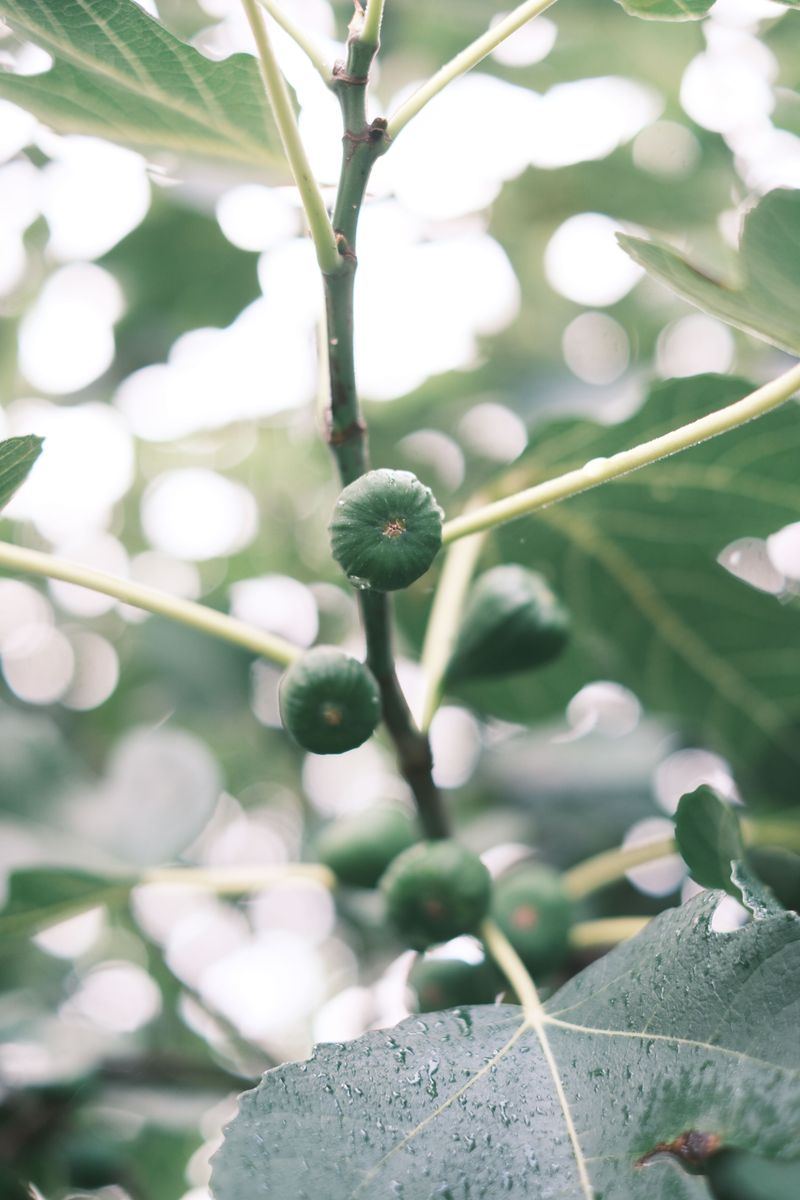
Picture a thirsty tree facing a windy January with dry roots. Cold air pulls moisture from branches, and parched roots cannot replace it.
Watering in fall might seem odd since the weather is cooling down. Yet a well-hydrated tree handles icy temperatures much better than a dry one.
Moist soil actually holds heat longer than dry soil does. That extra warmth helps protect the roots during sudden cold snaps.
Give your fig tree a long, slow soak once a week if autumn rain is scarce. Let the hose trickle at the base for thirty minutes or longer, depending on your soil.
The goal is to wet the soil about a foot deep. A quick splash only dampens the surface and does little for the roots below.
Stop watering once the ground begins to harden, which often happens in December. Water sitting on icy ground can form a slick sheet around the trunk.
Potted figs need attention too, since containers dry out faster. Check the soil with your finger, and water when the top two inches feel dry.
Be careful not to overwater, though. Waterlogged roots struggle, so aim for soil that feels like a wrung-out sponge rather than a mud puddle.
A simple rain gauge shows how much water your tree already receives. Adjust your schedule to match the weather. Steady moisture supports strong roots.
5. Pile On A Thick Blanket Of Mulch
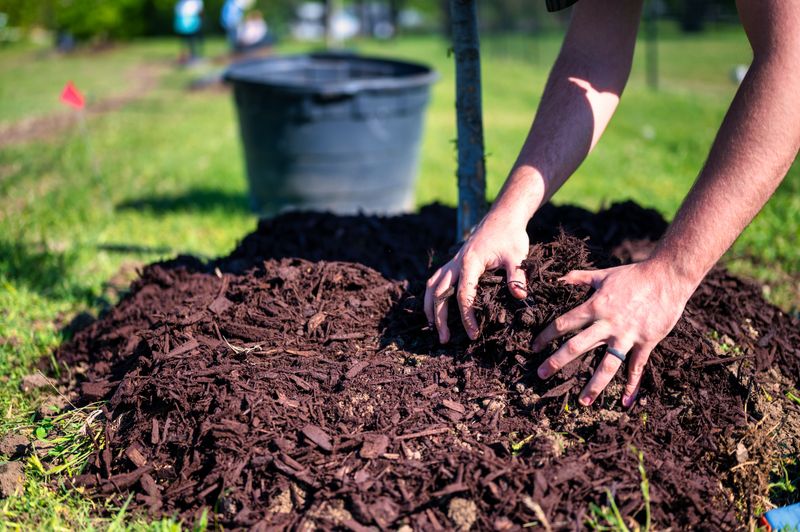
Roots are the tree’s emergency backup plan, so give them priority. Even if branches struggle, healthy roots can push out fresh growth next spring.
A thick layer of mulch acts like a fluffy comforter on a cold night. It keeps soil temperatures steadier and softens the swings between warm and cold.
Those swings can lift roots upward and stress tiny feeder roots. New Jersey winters love bouncing between icy mornings and mild afternoons.
Spread six to twelve inches of shredded leaves, straw, or wood chips around the base. Cover a circle at least three feet wide from the trunk.
Shredded leaves are free and work well if you run a mower over them first. Whole leaves can mat down and turn into a soggy pancake.
Keep a small gap of a few inches between mulch and the trunk itself. Mulch pressed against bark can hold moisture and attract hungry mice.
Wait until after a couple of cold nights before adding the deepest layer. That timing helps discourage rodents from building cozy nests underneath.
In spring, simply pull the mulch back as temperatures warm. You can spread it around the garden afterward, where it will break down and feed the soil.
Top up thin spots after a heavy rain washes some away. A steady layer keeps protecting the roots. Healthy soil supports a strong tree.
6. Bundle And Wrap The Branches Snugly
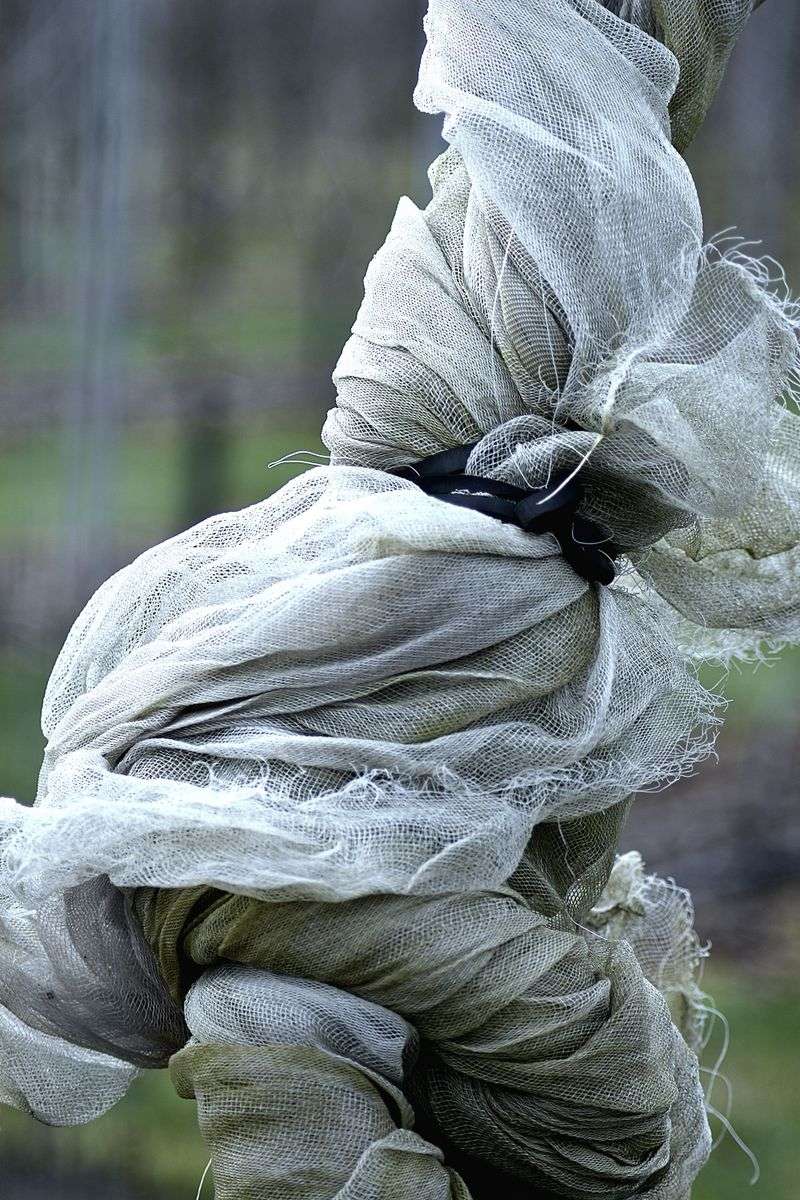
Walk through an old Jersey neighborhood in December and you might spot strange wrapped shapes. Those bundles are fig trees dressed for winter.
Start by gently pulling the branches upward and together. Tie them loosely with soft rope or twine so the tree forms a narrow column.
Next, wrap the bundle in burlap or garden fabric. Avoid plastic directly on the branches because it traps moisture and can overheat the tree on sunny days.
Many gardeners add a layer of insulation inside the wrap. Dry leaves or straw tucked around the branches give extra warmth.
After that, you can add an outer layer to shed rain and snow. A breathable tarp or plant cover works, as long as air can still move.
Cap the top with a bucket or folded tarp to keep water out. Wet insulation turns into an icy sleeve, which works against the tree.
Secure the wrap with twine wound around the outside from bottom to top. Strong winds off the coast can pull loose wraps apart overnight.
Yes, it looks a little silly, like a giant burrito standing in the yard. But that silly burrito can improve your odds of a fruitful summer.
Check the wrap after strong storms and tighten any loose ties. A snug bundle can stay protective through the season. A little attention now pays off in August.
7. Move Potted Trees Into A Cool, Dark Shelter
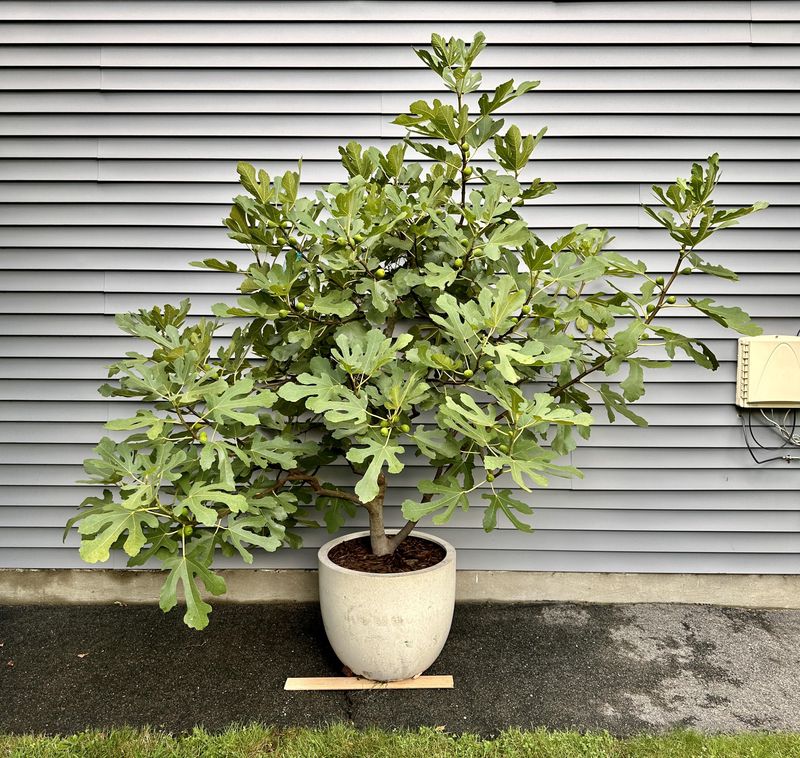
Lucky you if your fig lives in a pot, because it can simply move indoors. Container trees are easier to protect but also more exposed outdoors.
Roots in a pot have little deep soil to shield them from cold. A cold spell can chill them far faster than roots buried in the ground.
A good winter spot is cool, dark, and sheltered from icy air. An unheated garage, basement, or shed usually works well.
Aim for temperatures between about thirty-five and forty-five degrees. Warmer rooms can trick the tree into waking up much too early.
Do not bring it into a warm living room as a houseplant. Indoor heat and dry air stress a sleeping fig and may invite spider mites.
Move the pot after leaves fall and before nights drop to the low twenties. A rolling plant caddy saves your back if the container is heavy.
Check the soil about once a month during winter. Give it a small drink if it feels very dry, but keep it on the dry side.
When spring arrives, bring it outside slowly over a week or two. Start with shady spots so tender new leaves can adjust to sunlight.
Label the pot with the variety and the date you moved it. Notes like these help next season go smoothly. Small habits keep a container tree comfortable.
8. Unwrap Slowly When Spring Finally Arrives
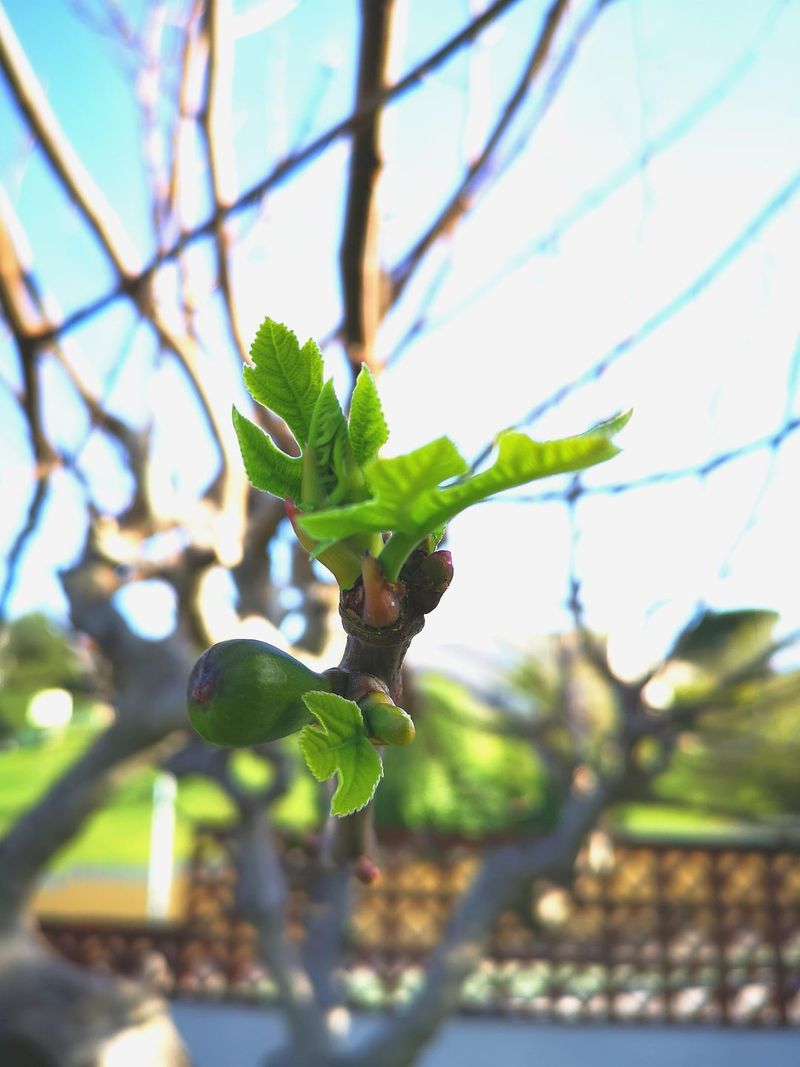
A common mistake comes near the finish line. One warm March afternoon tempts you to remove the layers all at once.
New Jersey springs are known for late chills, sometimes well into April. Unwrapping too soon can expose tender buds to a sudden overnight dip.
Instead, loosen the wrap in stages over two or three weeks. Remove the top cap first so the tree gets air and some light.
Next, peel away the outer layer while leaving the inner burlap in place. Keep old blankets handy in case a surprise cold night shows up.
Many gardeners finish unwrapping around mid-April to early May. Watching the local forecast for lows that stay above thirty helps you choose the moment.
Once the tree is free, check the branches for winter wear. Scratch a branch lightly with your fingernail, and green tissue underneath means it is healthy.
Brown, dry wood can be trimmed back to healthy growth. Wait until buds swell, though, because some branches wake up later than others.
Then step back and admire your hard work. Months from now, you could be eating a warm, sticky fig straight off the branch and grinning.
Mark the date you unwrapped on your calendar. Next fall, you will know when to begin again. That small habit turns guesswork into a reliable routine.