The Low Maintenance Texas Tree That Does It All
Most trees make you choose. Some offer great shade but drop messy fruit all over the driveway.
Others look beautiful but struggle through drought, pests, or the occasional ice storm. A few grow fast, then split apart in the first strong wind. Finding one tree that checks every box can feel almost impossible.
That’s what makes this Texas favorite so special. It handles brutal heat and long dry spells without constant watering.
It shrugs off most pests and diseases, adapts to tough soils, and stays sturdy year after year. Along the way, it provides cool shade, seasonal beauty, and food or shelter for birds and wildlife.
Best of all, it asks for very little in return once it’s established. If you’ve been searching for a tree that’s practical, beautiful, and easy to live with, your search might be over.
1. A Tough Native Tree
Long before anyone planted lawns in Texas, the Texas persimmon was already thriving in the wild. Its scientific name is Diospyros texana. You can find it growing on its own across Central, South, and West Texas.
Botanists sometimes call it a small tree. Others call it a large shrub. The truth is, it can be either one, depending on how it grows and how you shape it.
Most Texas persimmons reach about 10 to 20 feet tall. That size makes them a smart choice for small yards, narrow side gardens, and spots near the house.
You will not have to worry about giant roots or huge branches crowding your space. A big shade tree like a live oak can spread 60 feet or more, but this little native stays tidy.
Being native is a huge plus. The tree has spent thousands of years getting used to Texas weather.
It knows how to handle hot summers, surprise cold snaps, and long stretches without rain. Plants from other places often struggle here, but this one feels right at home.
Native trees also tend to have fewer pest problems. Local bugs and diseases rarely bother them much. That means less spraying and less worry for you.
Fun fact: the word persimmon comes from a Native American word that means dried fruit. People have enjoyed these trees and their fruit for a very long time.
If you want a tree that fits the land instead of fighting it, start here. Ask your local nursery for native stock grown in your region. A tree grown nearby will settle in faster and stay healthier for years to come.
2. Beautiful Bark In Every Season
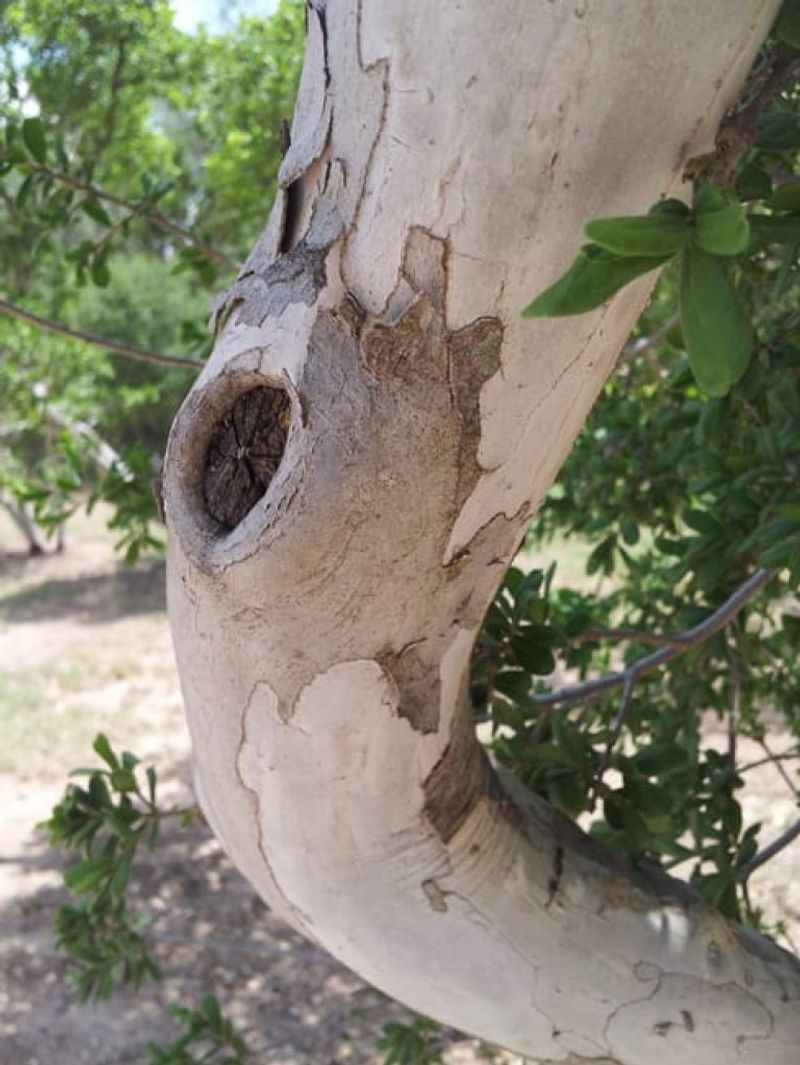
Walk past a mature Texas persimmon in January, and you might stop in your tracks. The leaves are thin and the flowers are gone, yet the tree still looks amazing. The secret is the bark.
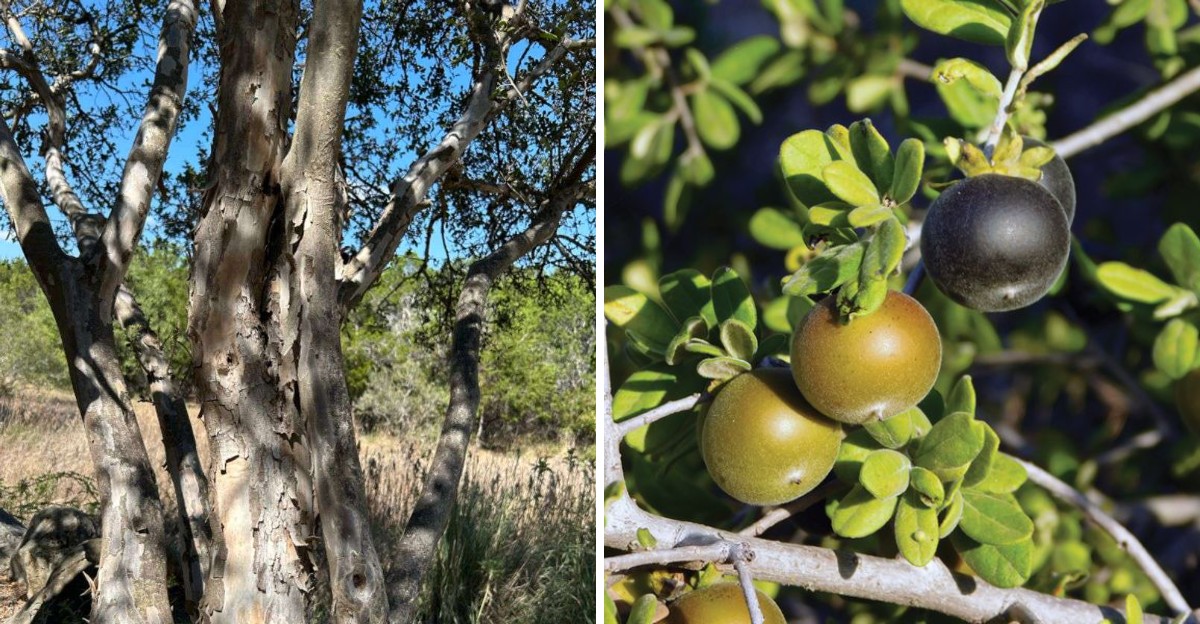
Smooth and gray to almost white, the trunk looks like it was carved from stone. As the tree ages, the outer bark peels off in thin layers. Underneath, you will see lighter patches of pink, cream, and soft gray.
Many people compare it to crape myrtle. Both trees have that smooth, sculpted look. The big difference is that Texas persimmon needs far less water and almost no fussing.
Landscape designers love bark like this because it adds year-round interest. Flowers come and go in a few weeks. Leaves change with the seasons. But good bark stays put and looks great every single day.
Here is a simple trick to show it off. Plant your tree where morning or evening sun hits the trunk. Low light makes the pale bark glow and brings out the colors. Putting a small landscape light at the base works well at night too.
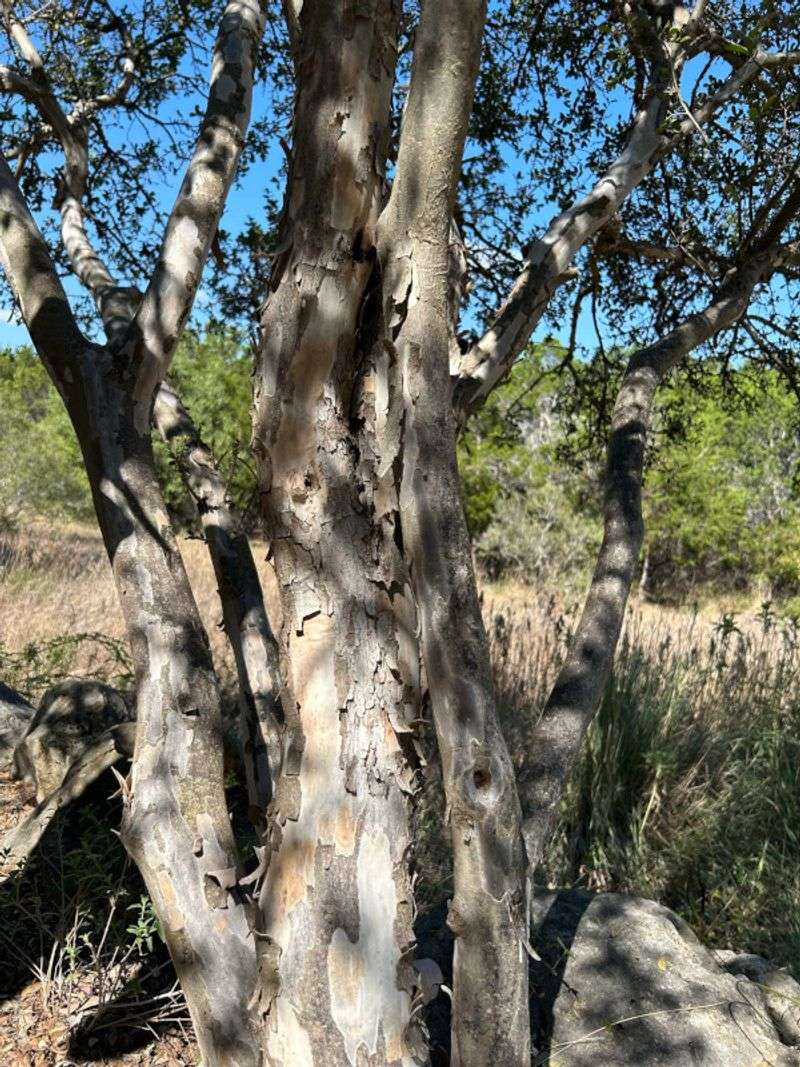
Multi-trunk trees show even more bark. With three or four trunks twisting upward, you get a natural piece of art right in your yard. Some folks add smooth river rocks or low groundcover around the base to frame the view.
Try not to hide the trunk behind tall shrubs. Give it a little open space so people can see it. Once friends notice it, they will probably ask what kind of tree you have.
3. Spring Flowers For Pollinators
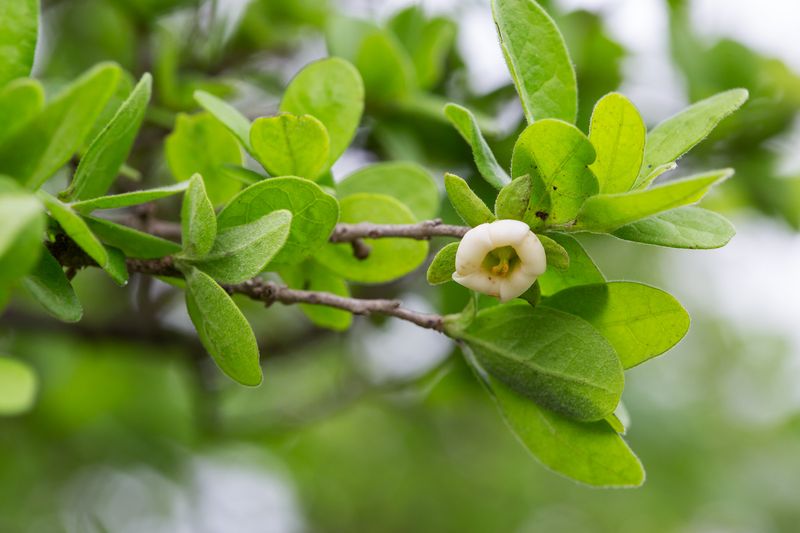
Lean in close on a warm spring morning, and you will catch a sweet scent drifting from the branches. It comes from tiny white flowers shaped like little bells. They are easy to miss from far away, but bees find them right away.
Texas persimmon blooms in early spring, often from February through April. The flowers are small, usually less than half an inch long. They hang down from the branches like tiny lanterns.
Size is not everything, though. These blooms show up early in the year, when food for insects is hard to find.
Bees, butterflies, and other pollinators are hungry after winter. A tree full of flowers is like an open buffet for them.
Why should you care about bees? Pollinators help many plants make fruit and seeds. Your vegetable garden, berry bushes, and fruit trees all do better when pollinators are nearby.
Helping them helps your whole yard. Want to make your yard even friendlier for bees? Try these easy steps:
Skip strong bug sprays, especially during bloom time. Plant other native flowers like salvia and Texas lantana nearby. Leave a shallow dish of water with a few pebbles for insects to land on.
Here is something neat. Texas persimmon trees are either male or female. Male trees often have more flowers, while female flowers later turn into fruit. Both kinds feed pollinators, so you win either way.
Grab a chair and sit near the tree in spring. Listen for the soft buzz. It is a small sign that your yard is helping nature in a big way.
4. Fruit That Feeds Wildlife
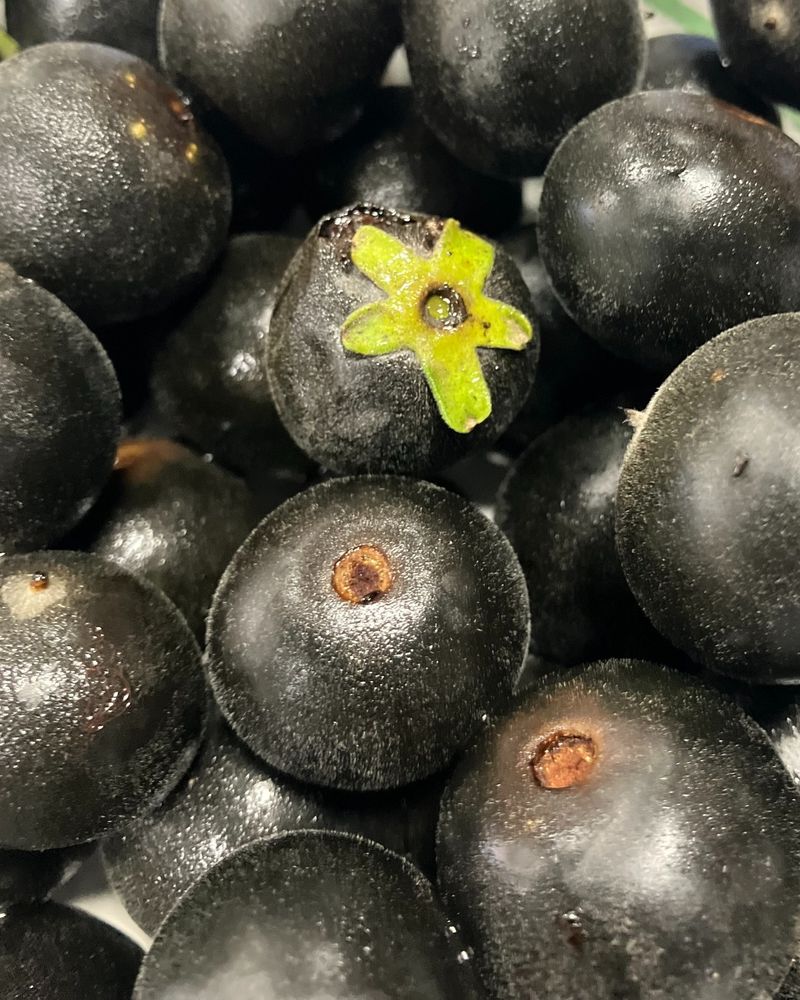
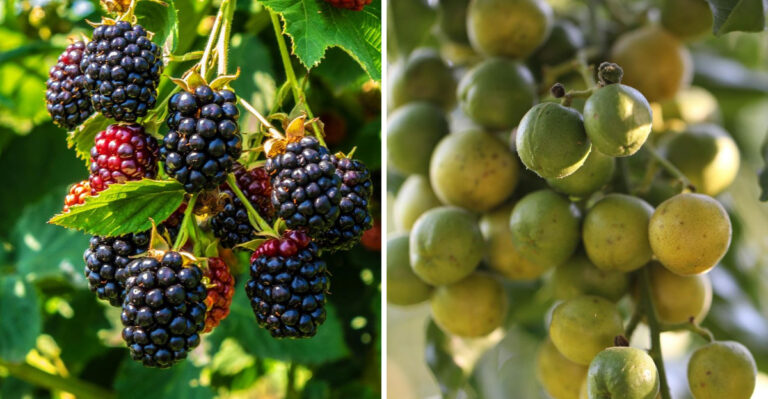
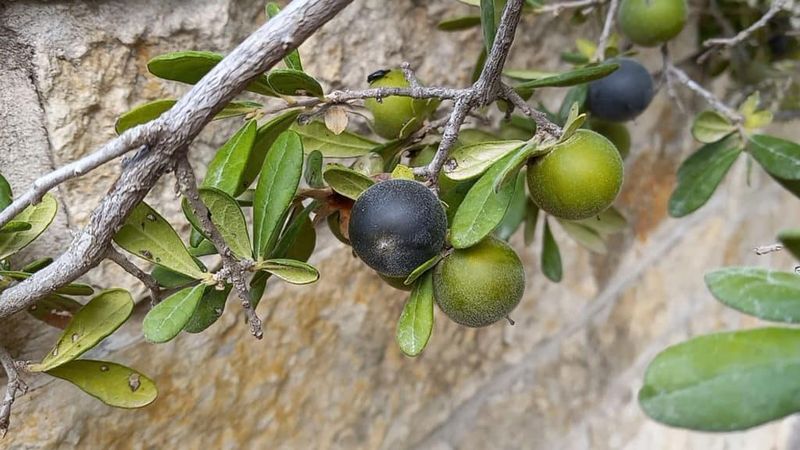
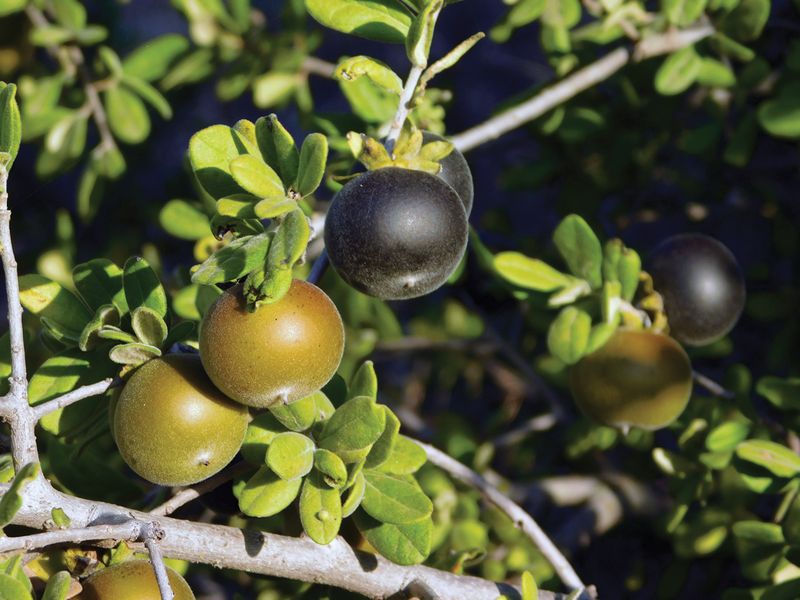
Nature has its own snack bar, and the Texas persimmon runs a busy one. By late summer, female trees are loaded with small, round fruits. At first they are green, but they slowly ripen to a deep black.
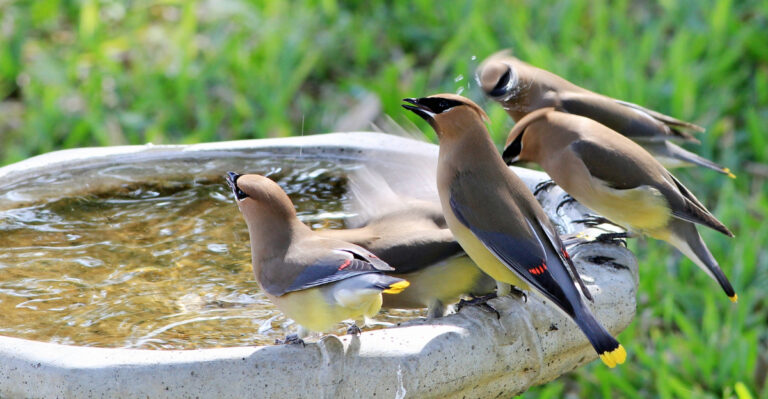
Wildlife goes wild for them. Mockingbirds, cardinals, and many other birds swoop in to grab a bite. Deer nibble on fallen fruit. Raccoons, foxes, and even coyotes have been known to visit at night.
If you love watching animals, place a bench or window seat with a view of the tree. Late summer becomes a fun show. Kids especially enjoy spotting who comes to eat each day.
Good news for people too. The ripe fruit is safe to eat and tastes sweet, a bit like a prune or date. It is only about an inch wide, with a few large seeds inside.
Pick only soft, fully black fruit, since unripe ones taste bitter and make your mouth pucker.
There is one catch. The juice is very dark, and it stains. It can leave purple-black marks on your hands, clothes, and sidewalks. Wear old clothes and gloves when picking, and rinse your hands quickly afterward.
Did you know? Long ago, people used the juice of this fruit to dye animal hides. That is how strong the color is.
Some cooks turn the fruit into jam, pudding, or fruit leather. Others just eat a few fresh off the branch. Either way, it is a fun treat you will not find in most grocery stores.
5. Built For Heat And Drought
August in Texas can feel like living inside an oven. Lawns turn brown, flowers droop, and water bills climb. Through it all, the Texas persimmon just keeps going.
Rocky soil does not bother it. Neither does alkaline ground, the chalky kind found over much of the state. Many trees turn yellow and weak in that soil, but this native handles it like a champ.
Once it is established, the tree needs little to no extra water in most years. Its roots dig deep to find moisture far below the surface. That is why you often see wild ones growing happily on dry hillsides and rocky ledges.
The key word is established. During the first year or two, your young tree does need some help. Water deeply about once a week during hot, dry weather.
After that, you can cut back slowly until rain alone does the job. A few tips will help it settle in fast:
Spread two to three inches of mulch around the base to keep soil cool. Keep the mulch a few inches away from the trunk. Water slowly with a hose trickle so it soaks down deep instead of running off.
Choosing water-wise plants is smart for your wallet and the planet. Many Texas cities limit watering during summer. A tree that does not need much water will not suffer when those rules kick in.
Pair your persimmon with other tough natives like agarita, blackfoot daisy, or cenizo. Together, they make a yard that looks good even in the hottest, driest stretch of the year.
6. Easy Care, With One Planting Tip
Honestly, the hardest part of owning a Texas persimmon might be finding things to do for it. Growth is slow and steady. You will not need to trim it every few months like a fast-growing hedge.
Pruning is simple. Remove suckers, the small shoots that pop up from the roots or the base of the trunk. Clip them off close to the ground with clean pruners. You can do this any time you spot them.
Next, decide on a shape. Want a classic single-trunk tree? Pick the strongest stem and remove the others while the tree is young. Prefer a multi-trunk look? Keep three to five healthy stems and let them grow together. Both styles look great.
Now for the big planting tip. Texas persimmon grows a deep taproot, a thick main root that heads straight down. That root helps it survive drought, but it also makes moving an older tree very hard. Digging up a wild one usually fails.
So buy a young tree grown in a container. Small trees settle in faster and handle the move better. Plant it in a spot you love, because it will not want to be moved later.
Think about fruit before you dig, too. Female trees drop dark, staining fruit. Keep those away from patios, driveways, sidewalks, and pool decks. A spot in a garden bed or near the back fence works much better.
Not sure which kind you are getting? Ask the nursery if they know the tree is male or female. With the right spot, your tree will reward you for decades with almost no work.