The Simple Two Step Method For Freeing North Carolina Trees From English Ivy
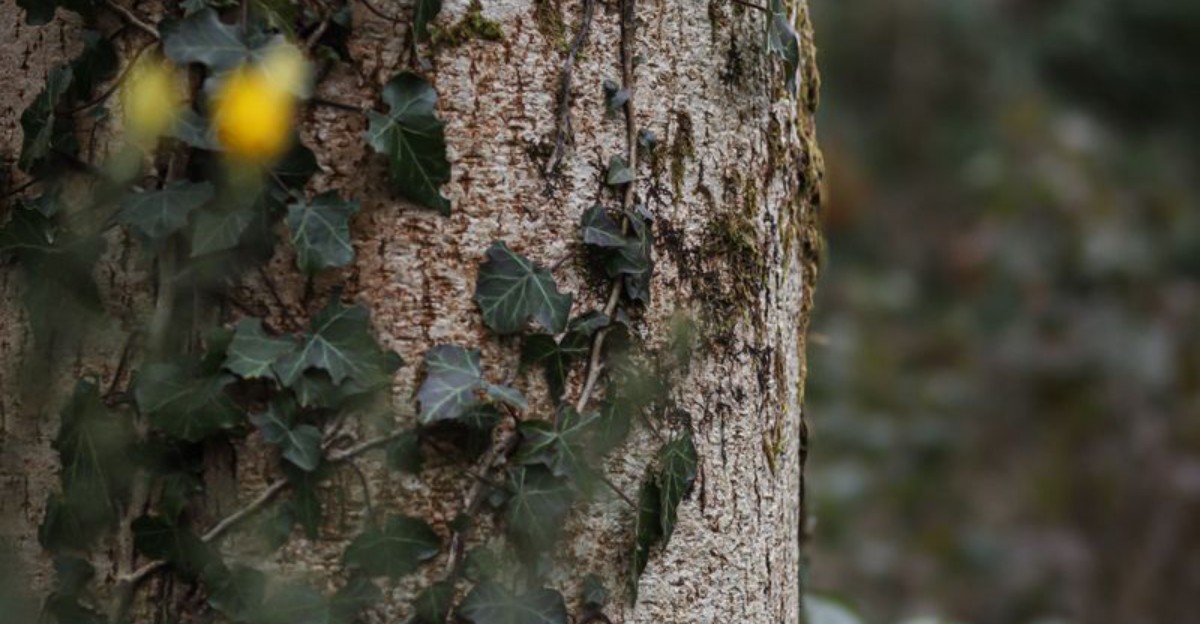
English ivy looks gentle, a green coat wrapped around an old oak. Give it a few years, and that coat has gained weight, shaded every leaf, and started creeping toward the crown. Many North Carolina homeowners want it gone, so they grab the vines and pull.
That instinct is exactly the wrong one. Yanking ivy off bark can strip the surface of the tree and leave wounds, and the roots on the ground keep sending up new growth anyway.
A better approach uses two steps, done in a certain order, and it asks for patience more than muscle.
Winter is a good time to start, since the vines are easy to see. The hardest part is believing that cutting works better than pulling. Learn the sequence, and you can free your trees without hurting them.
1. English Ivy Is An Invasive Vine That Harms Trees
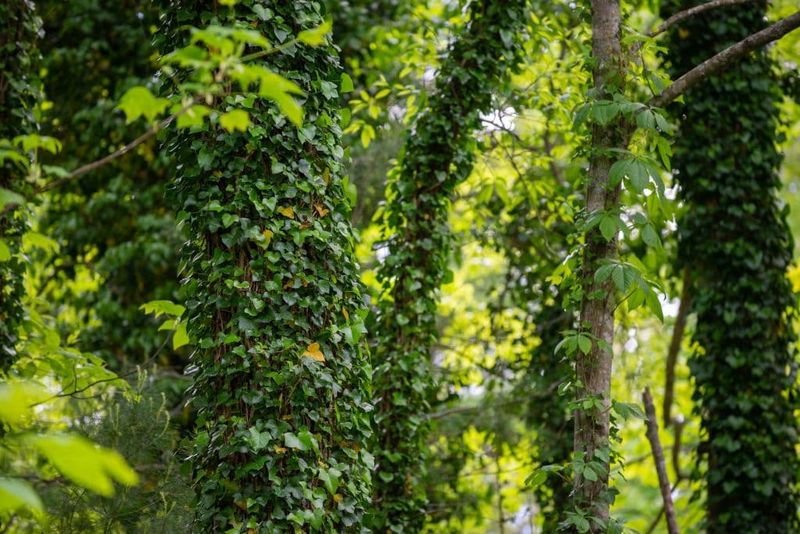
Long ago, gardeners planted English ivy because it stayed green all winter and grew fast. Known to scientists as Hedera helix, it came from Europe and western Asia. Over time, it slipped out of flower beds and spread into backyards, parks, and woodlands.
Once it reaches a tree, the vine starts climbing with tiny rootlike hairs that grip the bark. As it creeps upward, its leaves crowd around branches and block sunlight the tree needs to make food.
Thick vines also add a lot of weight, so ivy-covered trees are more likely to snap or tip over during storms and ice.
Moisture is another hidden problem. A dense coat of ivy holds dampness against the bark, which can invite rot and insects. Worse still, the leafy blanket can hide cracks, cavities, and decay, so you might not notice a weak tree until trouble strikes.
Birds make the spread even bigger. When ivy climbs high, it matures and produces dark berries, and birds carry the seeds to new places. That means one ivy-covered tree can help start new patches far away.
North Carolina lists English ivy as an invasive plant, and for good reason. Left alone, it can cover the ground like a green rug and climb deep into tree canopies over the years.
Older neighborhoods and wooded lots across the state often show mature oaks, pines, and maples wearing heavy ivy coats.
Knowing the risks is the first win. Once you see ivy as a threat instead of a decoration, you are ready to take action and protect the trees that shade your home.
2. Step One Is Cutting The Vines At Two Heights
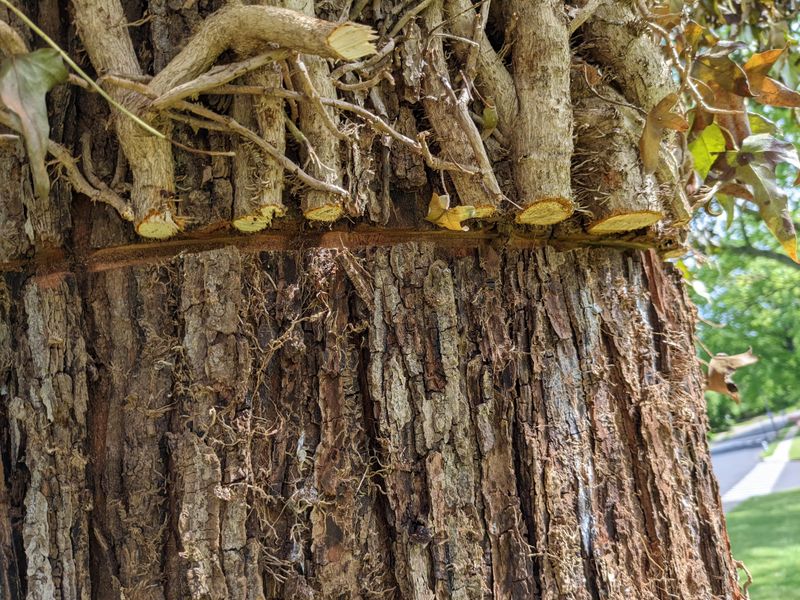
Grab your pruners, because the first step is surprisingly quick. You will cut every ivy vine on the trunk in two places. One cut goes around shoulder or chest height, and the other goes close to the ground.
Why two cuts? Separating the vines creates a clean gap between the roots and the leafy growth above. With that link broken, the ivy in the canopy can no longer pull up water and nutrients from the soil.
Choosing the right tool makes a big difference. Hand pruners work well for thin stems, while loppers handle medium vines with ease. Some old vines grow as thick as your wrist, and a small pruning saw will slice through those without much fuss.
Your North Carolina Garden Changes Every Week. Your Plan Should Too.
Gardening in North Carolina changes quickly throughout the season. Every Friday you’ll receive a simple weekly plan showing exactly what to plant, prune, fertilize, harvest, and protect so you never miss the right timing.
After making both cuts, peel away the short piece of vine between them. Doing so leaves a bare band of bark, so you can easily spot any stems you missed. It also stops the cut ends from reattaching or rooting again.
Go slowly and treat the bark with care. Bark protects the living layer underneath, much like skin protects your body. Instead of digging deep, angle your blade gently and pry vines loose with your fingers or a flat screwdriver before cutting.
Walk all the way around the tree, too. Ivy loves to hide stems on the back side or tuck them into bark grooves. Missing even one healthy vine can keep part of the upper growth fed.
For North Carolina homeowners, this step brings fast results. In a single afternoon, you can stop ivy from causing more harm to several trees, and that feels pretty great.
3. Leave The Upper Vines To Wither In Place

Patience pays off here, even though tugging those high vines down feels tempting. Resist the urge. The ivy above your cuts is best left right where it is. Pulling hard on climbing vines can rip off strips of bark along with them.
Those tiny rootlike holdfasts cling tightly, and yanking can tear wounds into the trunk and branches. Heavy tangles might also come crashing down, bringing broken limbs and debris with them.
Nature does the heavy lifting for you instead. Without a connection to its roots, the upper ivy slowly runs out of water. Over a few weeks to a few months, the green leaves fade, turn brown, and dry up.
As time passes, the vines loosen their grip. Bits break apart and drift to the ground, and the trunk gradually shows through again. It may look a little messy for a while, but that brown stage is a sign of success.
Sometimes, though, a giant clump of ivy sits high in the canopy. Large, heavy masses can become a safety concern, especially over houses, driveways, or play areas.
In that case, calling a certified arborist is the smart move, since they have the gear and training to work up high safely.
North Carolina weather adds extra reason for care. Summer thunderstorms, hurricanes, and winter ice can load up ivy-covered branches until they give way. Letting the vines dry out lightens that load naturally, and a pro can handle anything that still looks risky.
Think of it as letting time finish the job. Your cuts did the hard part, and now the tree gets to shake off its old coat bit by bit.
4. Step Two Is Clearing A Ring Around The Trunk
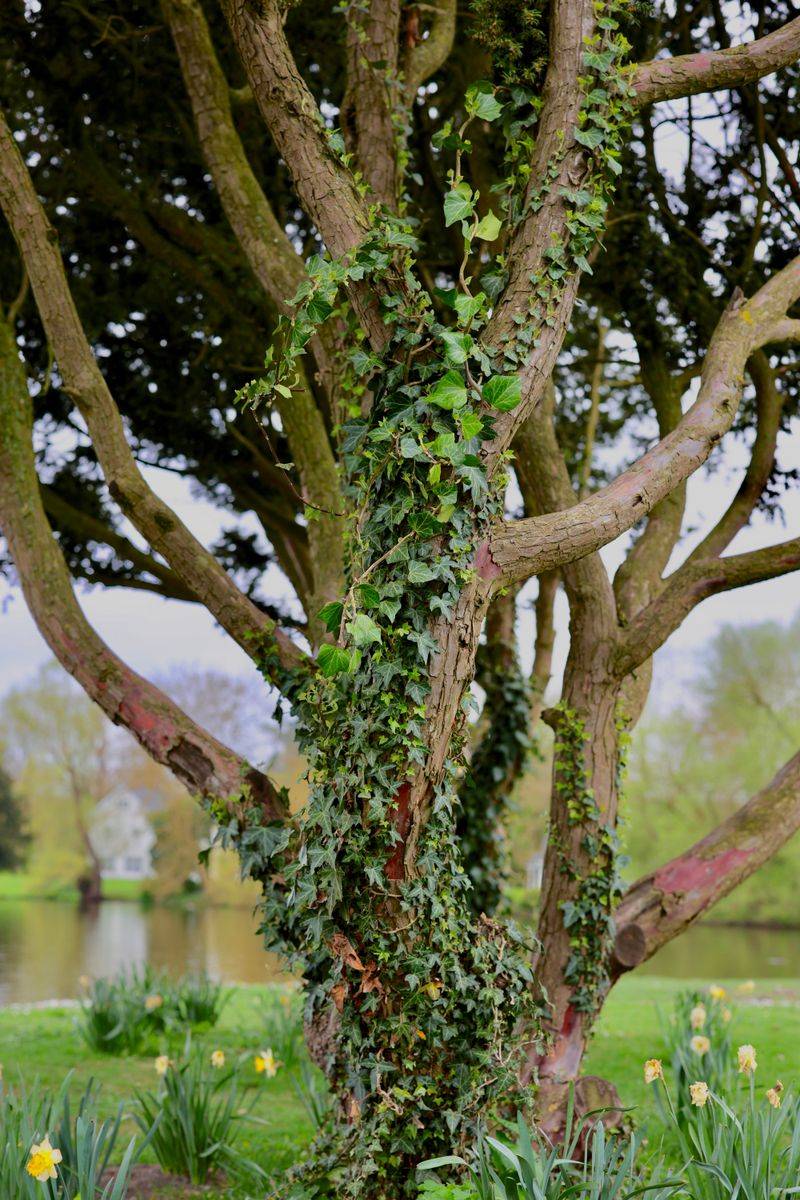
Ground ivy is sneaky. If it keeps growing right next to the trunk, new vines will start climbing again before you know it. That is where step two comes in.
Your goal is to clear a circle of ground around the tree. Aim for a ring about 3 to 6 feet wide, measured out from the trunk. The wider you go, the longer it takes for wandering vines to reach the bark again.
A handy trick makes the job easier. Grab a section of ivy at the edge, pull it up, and roll the vines toward you like you are rolling up a rug. Many stems will lift with their roots attached, and the mat comes away in satisfying chunks.
Roots matter, so dig out as many as you can. A garden fork or hand trowel helps loosen stubborn spots. Moist soil after a rain makes pulling much smoother than hard, dry ground.
When you finish, bag up the ivy instead of tossing it in a heap. Piles left on soil can sprout roots and start a brand new patch. Check your local rules about yard waste, and avoid putting ivy in a backyard compost pile that may not get hot enough.
Many people call this cleared circle a survival ring. It gives the tree a buffer zone and lasting protection from fresh climbing vines. For North Carolina homeowners, it turns a quick fix into real, long term help.
Step back when you are done and admire the view. A clean trunk rising from bare soil looks tidy, healthy, and ready for a fresh start.
5. Fall And Winter Are Good Times To Do The Work
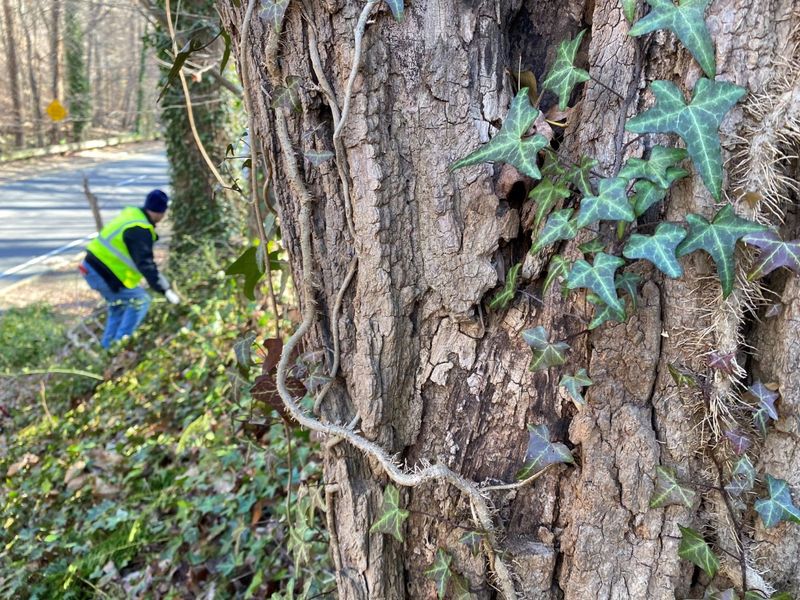
Cool air and crunchy leaves make ivy pulling feel a lot less like a chore. Fall and winter are great seasons to tackle the job. You will sweat less, and bugs like mosquitoes and ticks are far less active.
Visibility gets better, too. Once deciduous trees and shrubs drop their leaves, evergreen ivy stands out on trunks like a green sleeve. Spotting every vine becomes much easier when nothing else is crowding the view.
Bare branches also reveal what else might be tangled in the mix. Poison ivy often climbs the same trees, and you definitely want to know it is there. Its leafless vines are easier to notice in the colder months.
Learning to recognize poison ivy is worth a few minutes of your time. Look for leaves in groups of three during the growing season. On trunks, its older vines look fuzzy or hairy because of the many small rootlets covering them.
Remember that poison ivy can still cause a rash in winter, since the oil stays on stems and roots. Avoid touching it, and never burn it, because the smoke can be harmful to breathe.
Dress for the task. Wear sturdy gloves, long sleeves, and long pants, since some people find that English ivy sap irritates their skin. Wash your clothes and tools afterward to remove any leftover plant oils.
In North Carolina, poison ivy and English ivy often twist together on the same trunk. A little planning keeps you comfortable and itch free, so you can enjoy a productive weekend outdoors.
6. Follow Up To Stop Regrowth
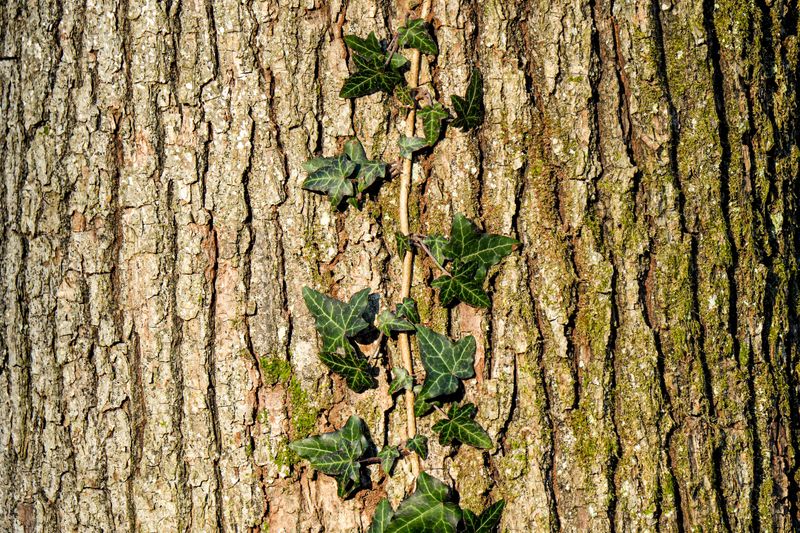
Ivy is stubborn, and it rarely gives up after one round. Tiny roots and small stem pieces left in the soil can sprout into fresh vines. Nearby patches can also creep back into your cleared ring.
A simple routine keeps you ahead of it. Set a reminder to check your trees every few months. A quick walk around the yard is often all it takes to spot new growth.
Young shoots pull out easily, so grab them while they are small. A sprout with a few leaves comes up in seconds, while a vine left for a season can grow long and tough. Catching it early saves plenty of work later.
Mulch is another helpful ally. Spread a layer of wood chips or shredded leaves around the cleared ring, about 2 to 3 inches deep. It blocks light from reaching the soil, which discourages new sprouts and helps hold in moisture for the tree.
Keep mulch pulled back a few inches from the trunk, though. Piling it against the bark can trap dampness and invite rot. Picture a flat donut shape rather than a tall volcano.
Over time, you can expand your efforts. If ivy still covers the ground around your ring, clear a little more each season. Steady progress adds up, and small sessions feel much easier than one giant project.
North Carolina has a long growing season with mild winters, so ivy has many months to bounce back. Regular checks are the secret weapon that keeps your hard work from going to waste.
7. Replace Ivy With Native Groundcovers
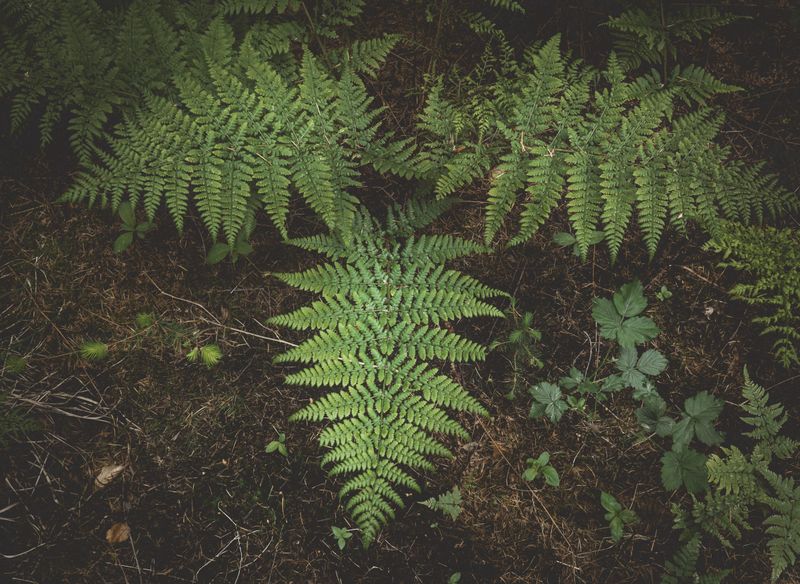
Bare soil is like an open invitation. If you leave cleared ground empty, ivy and other weeds will happily move back in. Filling the space with native plants is the perfect final touch.
Native groundcovers bring a lot to the table. They help hold soil in place during heavy rain, and they feed bees, butterflies, and other local wildlife. Best of all, they stay low and leave your trees alone.
Several shade lovers thrive under North Carolina trees. Christmas fern stays green all winter, while green and gold offers cheerful yellow flowers in spring.
Foamflower sends up fluffy white blooms, and Allegheny spurge forms a lovely low mat with soft, textured leaves.
Placement matters for the tree’s health. Plant outside the root flare, which is the spot where the trunk widens as it meets the ground. Dig small holes and work around large roots instead of cutting through them.
Keep soil and mulch from piling against the trunk. The bark at the base needs air to stay dry and healthy. A neat, open zone right around the trunk protects it well.
New plants need a little care at first. Water them regularly during their first season, especially during dry spells, until their roots settle in. After that, most native groundcovers handle local weather on their own.
Watching a former ivy patch turn into a lively woodland garden is truly rewarding. Ferns unfurl, flowers bloom, and pollinators buzz around.
In North Carolina, your cleared space can become a beautiful, healthy habitat that helps both your trees and the wildlife around them.