The Most Underrated Ohio Fall Chore That Pays Off All Next Spring
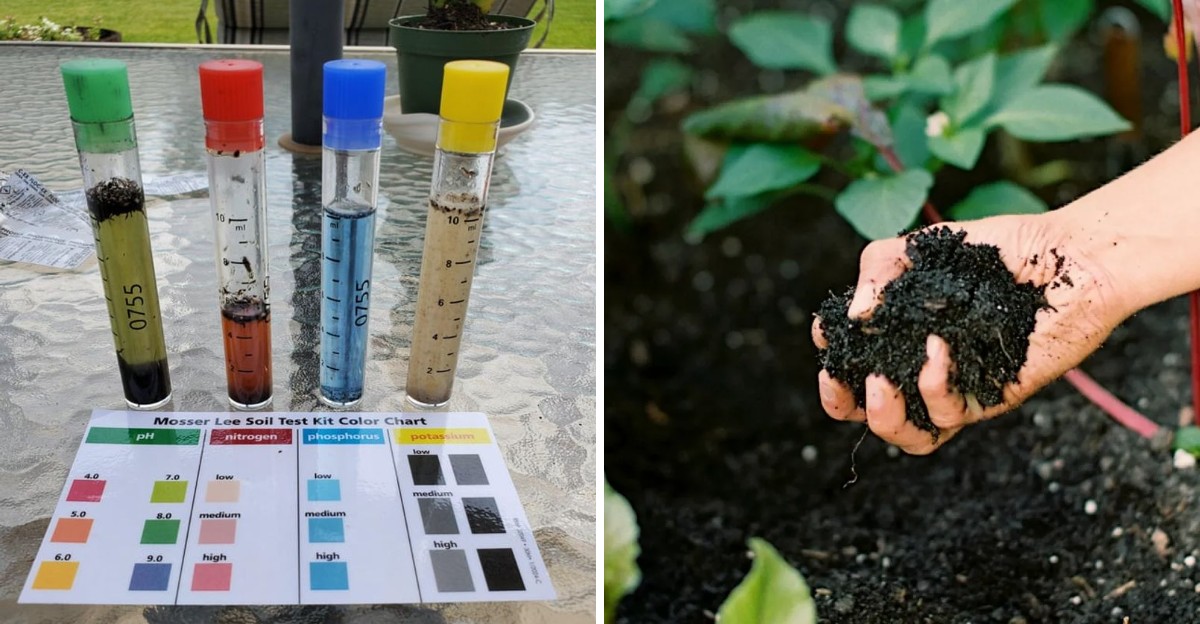
Spring garden work tends to arrive all at once, with seed starting, cleanup, and planting competing for the same weekends.
Many of those jobs feel urgent because they were pushed off months earlier. Fall usually offers drier soil, cooler afternoons, and fewer demands on your time.
One simple chore gets skipped every year because nothing looks wrong when it is ignored. Its benefits stay hidden through winter, then show up when the busy season starts.
Gardeners who make it part of their fall routine often say spring feels calmer.
Early spring weather in much of Ohio can leave beds too wet to work for weeks, shrinking the window for catching up.
Set aside one dry afternoon for this job before the ground freezes. Next April, that single afternoon can make the first warm weekend far smoother.
1. Collecting A Few Scoops Of Soil Now Can Guide Next Spring
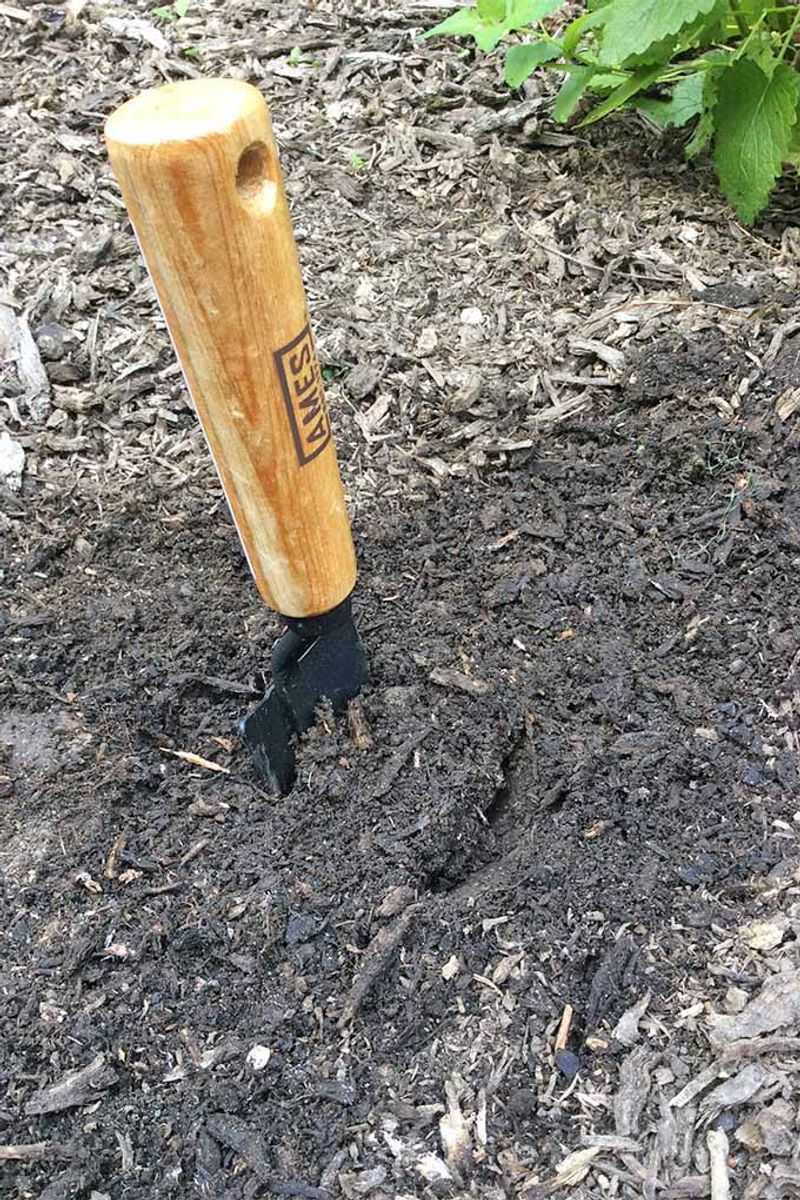
Hidden in a few scoops of dirt is a report card for your whole yard. That report card is a soil test, and fall is a smart time to get one done.
A basic test usually measures soil pH along with nutrients like phosphorus and potassium.
Some labs also report organic matter, which tells you something about how your soil holds water and nutrients. Ask what each test package includes before you mail anything.
Gathering samples is simple work. You need a clean trowel or soil probe, a plastic bucket, and the bag or box your lab requests.
Skip galvanized or brass tools if you can, since metal bits may affect certain results.
Many county Extension offices in Ohio can point you to a soil testing lab and explain how to send samples. Some offices sell kits or forms, though services vary by county.
Once results come back, they usually include numbers plus suggestions for lime or fertilizer. Those suggestions depend on what you told the lab you plan to grow.
Results will not fix every problem, like poor drainage or too much shade.
Still, knowing your pH and nutrient levels takes a lot of guesswork out of spring shopping. You buy what your soil may actually need instead of grabbing whatever bag looks right.
2. Fall Testing Leaves Time To Plan Before Spring Planting
Spring moves fast once the ground thaws. Seed starting, cleanup, and planting all compete for the same few weekends.
Testing in fall pulls one big task out of that crowded stretch.
Labs tend to get busy in spring when everyone remembers their gardens at once. Sending samples in fall can mean a quicker turnaround, although wait times differ from lab to lab.
With results in hand by early winter, you can sit down on a cold evening and actually read them.
Look at the pH first, then the nutrient levels. Write down what the lab suggests for each area you sampled.
A calm winter gives you room to compare products and prices. You can figure out how much lime or fertilizer you need before the stores fill up with spring displays.
Your Ohio Garden Changes Every Week. Your Plan Should Too.
Gardening in Ohio changes quickly throughout the season. Every Friday you’ll receive a simple weekly plan showing exactly what to plant, prune, fertilize, harvest, and protect so you never miss the right timing.
Timing in Ohio also matters for collecting the samples themselves. It is best to dig before the ground freezes, which tends to happen later in the southern part of the state than near Lake Erie.
Avoid sampling soggy or frozen soil, since it is hard to mix and handle.
Planning ahead can also save money. If your results show plenty of phosphorus, you might choose a fertilizer with little or none of it.
Small choices like that add up over a season or two.
3. Lime Works Slowly So Fall Gives It Time Before Planting
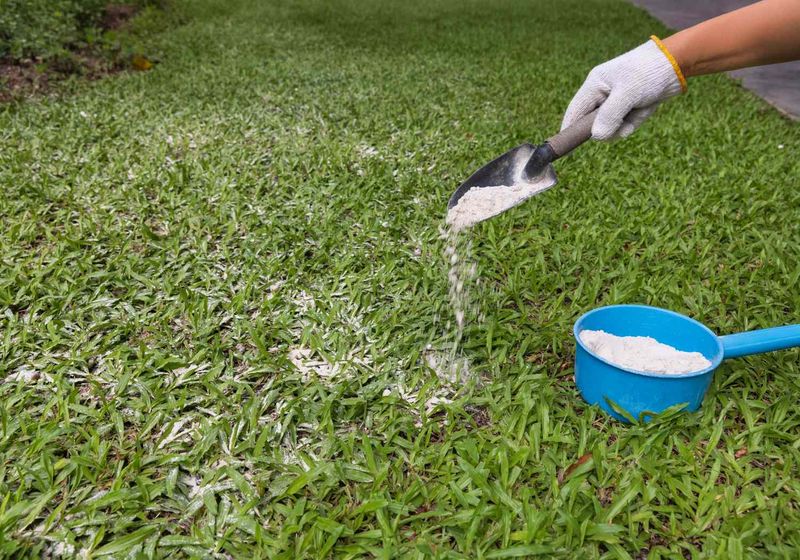
Lime is not a quick fix. Once it hits the soil, it needs moisture and time to raise pH, often over several months.
That slow pace is exactly why fall testing fits so well with liming.
Plenty of soils in parts of Ohio lean acidic, though some areas are neutral or even alkaline. Only a test can tell you which group your yard belongs to.
Adding lime to soil that does not need it may push pH too high.
High pH can make some nutrients, like iron and manganese, harder for plants to use. So skip the lime bag unless your results call for it.
When a test does recommend lime, spreading it in fall gives rain and freeze-thaw cycles a chance to work it in. Results still depend on the product, how fine it is ground, and how much you apply.
Pelletized lime is easy to spread with a regular lawn spreader.
In garden beds, working lime into the top few inches can help it react faster than leaving it on the surface. Follow the rate on your soil report rather than guessing.
Patience pays here. Do not expect a big change in a few weeks, and plan to retest down the road to see how far the pH has moved.
4. Mixing Several Small Samples Gives A More Accurate Picture
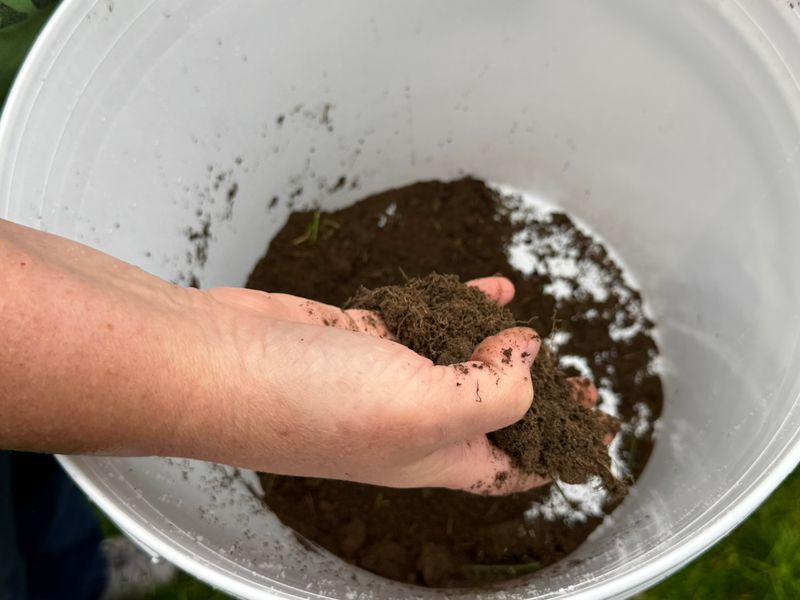
One scoop from one spot tells you about one spot. Your yard is bigger than that.
Soil can change across even a small lot, especially near foundations, old garden beds, or areas where fill dirt was brought in.
Labs usually ask for a composite sample. That just means taking small amounts from many places in one area and blending them together.
Walk the area in a loose zigzag pattern and collect from around ten to fifteen spots, or whatever number your lab suggests.
Depth matters too. Lawns are often sampled to a few inches deep, while vegetable beds are usually sampled a bit deeper, so check your lab’s directions.
Scrape away mulch, grass thatch, or leaves before you dig each core.
Drop every scoop into a clean plastic bucket and break up the clumps. Mix well, then pull out the amount the lab wants, often around a cup or two.
Leave out rocks, roots, and worms as you go.
Odd spots deserve their own sample instead of being blended in. Think of the patch where nothing grows well, or the corner where a burn pile used to sit.
Gardeners across Ohio deal with yards shaped by old construction, so mixed results are common. A good composite helps smooth out those surprises.
5. Lawns And Vegetable Beds Need Separate Samples
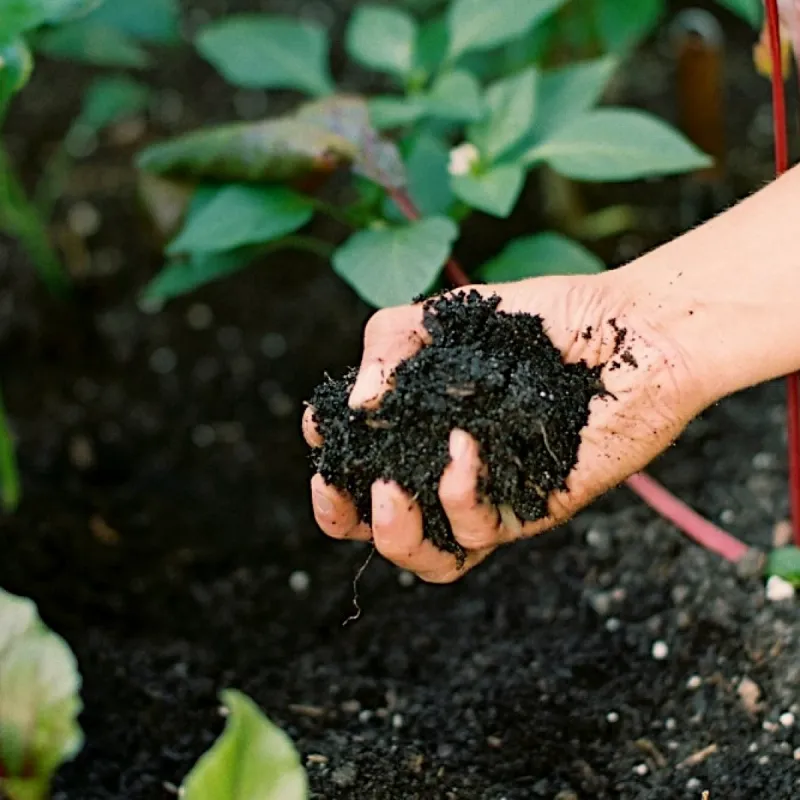
Grass and tomatoes want different things. Mixing their soil into one sample blurs what each area really needs.
Your lawn has likely been fed with turf fertilizer for years, while a vegetable bed may have received compost, manure, or garden fertilizer instead.
Those different histories can lead to very different nutrient levels. A single blended sample might average them out and hide a problem in either spot.
Treat each area as its own project.
Collect one composite from the lawn and a separate one from the vegetable garden. Flower beds, fruit plantings, and shrub borders may each deserve their own bag too.
Label every bag clearly before you forget which is which.
On the lab form, list the plants you plan to grow in each area. Recommendations for a bluegrass and fescue lawn will not match those for peppers and beans.
Blueberries are a good example of why this matters. They prefer quite acidic soil, so a bed for them often needs a very different plan than the rest of the yard.
Raised beds filled with bagged mix can also test far apart from native Ohio ground nearby. Sampling them separately keeps your fertilizer plans honest.
More bags mean a slightly higher lab bill, but the clearer answers are usually worth it.
6. Recently Fertilized Spots Can Throw Off Your Results
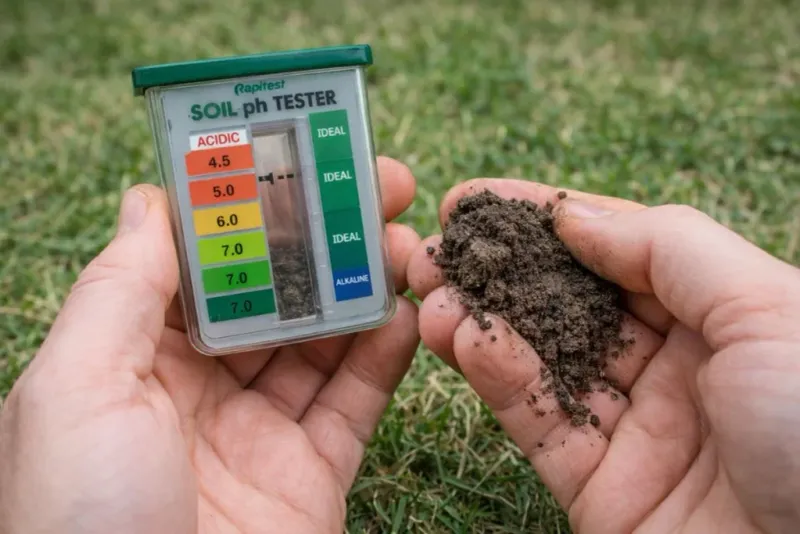
Fresh fertilizer sitting in the soil can fool a lab test. You may end up with numbers that look higher than what your plants normally have to work with.
Timing your sampling around feedings helps keep results realistic.
Plenty of Ohio homeowners fertilize lawns in fall, which turf experts often recommend. If you plan to do that, collect your soil samples first.
Waiting a while after any recent fertilizer or lime application is a sensible approach.
Exact waiting times vary by product and lab advice, so ask your lab or county Extension office what they suggest. Some recommend waiting a couple of months after liming.
Be careful around spots that got a heavy dose of anything. A patch where you dumped extra fertilizer or spilled lime may test very differently than the rest of the bed.
Steer around those spots when gathering cores.
Compost piles and manure heaps are worth avoiding too. Soil right under them can be much richer than your average garden ground.
Writing down what you applied and when makes future tests easier to compare. A simple note in your phone or garden notebook works fine.
Accurate samples lead to advice you can trust, which is the whole reason to test in the first place.
7. Retesting Every Few Years Keeps Fertilizer Choices On Target
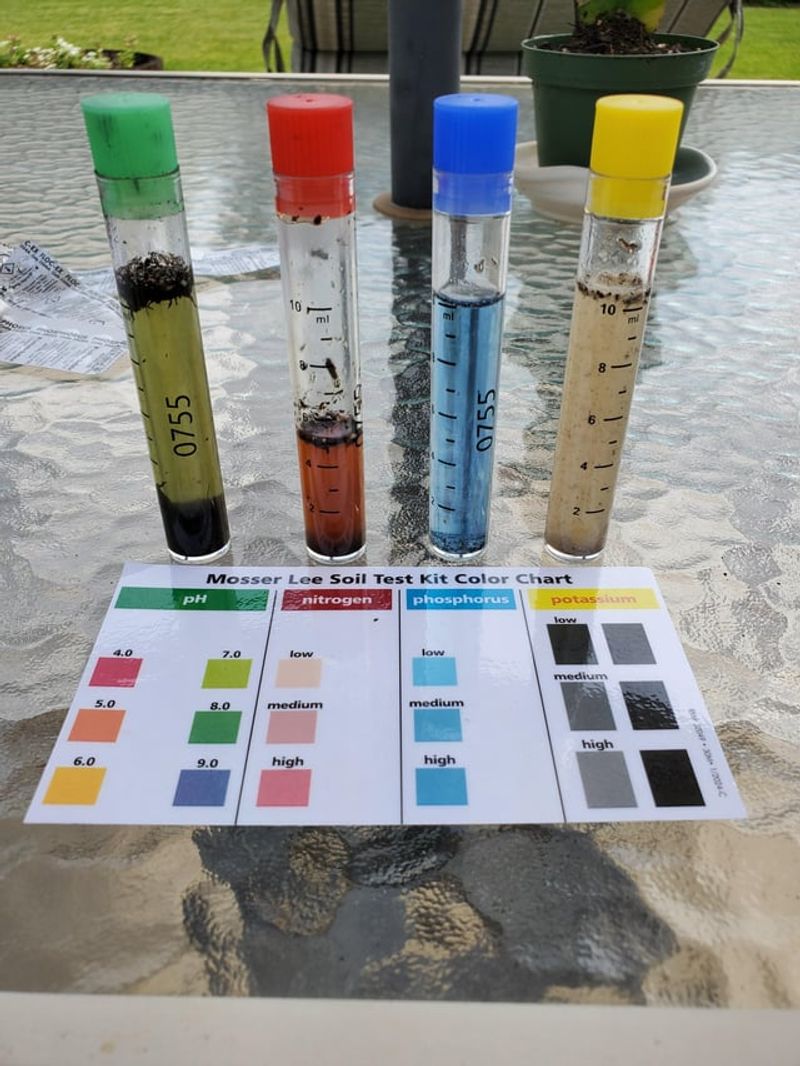
Soil keeps changing after your first test. Plants pull out nutrients, rain moves things around, and every bag of fertilizer or lime shifts the balance a little.
A single test is a snapshot, not a lifetime answer.
Extension guidance often suggests retesting about every three years for lawns and gardens. Some situations call for testing sooner.
If you added lime to fix low pH, a follow-up test can show whether it worked. Newly built beds and struggling plants are other good reasons to check again.
Try to sample at the same time of year each round.
Soil numbers can shift a bit with the seasons, so fall-to-fall comparisons are cleaner. Using the same lab helps as well, since methods may differ between labs.
Keep every report in one folder or file. Over time, you will spot trends, like phosphorus slowly building up from years of fertilizer.
Those trends can lead to smarter, cheaper choices. You might cut back on a nutrient you have plenty of, which also helps reduce runoff into streams and lakes.
Gardeners in Ohio care about runoff for good reason, given past algae problems in Lake Erie. Testing helps you use only what your yard may need, and that small habit can pay off each spring.