Tilling An Indiana Garden In Fall Can Help Or Hurt Depending On How Wet The Soil Is
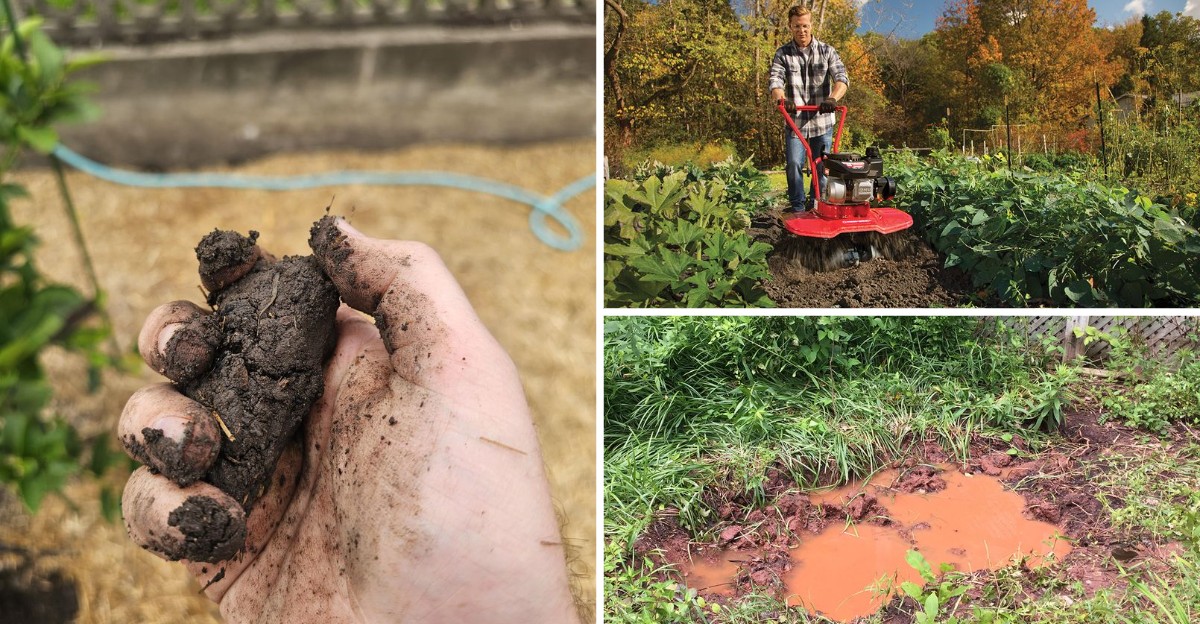
One pass with a garden machine over soggy soil can leave a packed layer lasting several seasons. Soil experts at Purdue Extension explain that wet soil smears and seals, making it hard for roots to push down.
Much of central and northern Indiana sits on heavy glacial soils that hold water long after a fall rain. I believe that slow drainage explains why so many October garden plans turn into muddy lumpy disappointments by spring.
Winter does some work for free, because freezing water in soil expands and pushes clods apart. I like how a rough, chunky bed in November often turns soft and crumbly by the time March arrives.
You can feel the difference with your own hands after a dry week in October versus a rainy one. Have you noticed how one garden bed can crumble like cake one week and cling like modeling clay the next?
Crumbly Soil Benefits While Sticky Soil Packs Down
Ask any longtime Indiana gardener about fall tilling, and you may hear stories about bricks of dried mud. Tilling in fall can loosen soil and mix in organic matter, but only when the ground is reasonably dry.
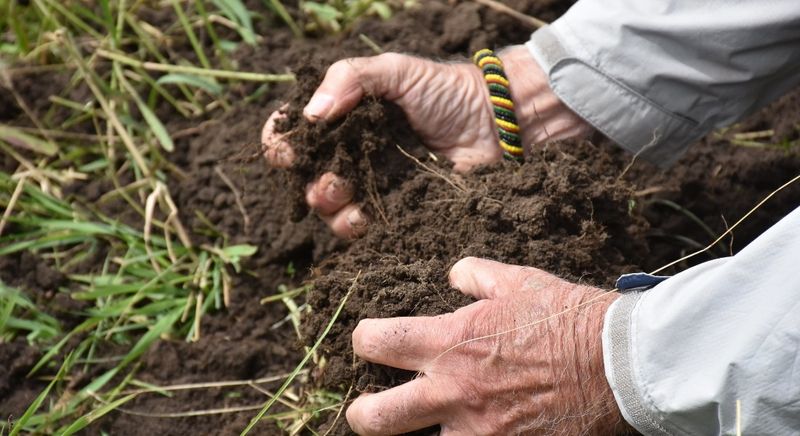
Moist, crumbly soil breaks into small pieces that leave plenty of air spaces for roots, water, and helpful soil life. Those pores let rain soak in instead of puddling, and they give earthworms easy paths through the garden.
Soggy soil behaves differently, because the water acts like grease between tiny clay and silt particles. Spinning tiller tines press those slick particles together, which squeezes out the air and forms dense, heavy clumps.
Extension specialists also warn about a hardpan, which is a flat, packed layer just below the depth of the tines. Roots often struggle to push through that layer, and water can sit on top of it after heavy rains.
Repairing compaction takes time, sometimes several years of added organic matter, deep roots, and careful habits. Waiting a few extra days for the soil to dry is much easier than fixing a packed bed later.
Fall tilling also has a downside even in perfect conditions, since bare, loose soil can wash or blow away. Many gardeners in Indiana now till less often and leave some plant residue on top to protect the ground.
So the honest answer is that fall tilling helps crumbly soil and hurts sticky soil in most Indiana gardens. Checking moisture before you begin matters more than the calendar date or the type of tiller you own.
Squeeze A Handful Before You Start The Tiller
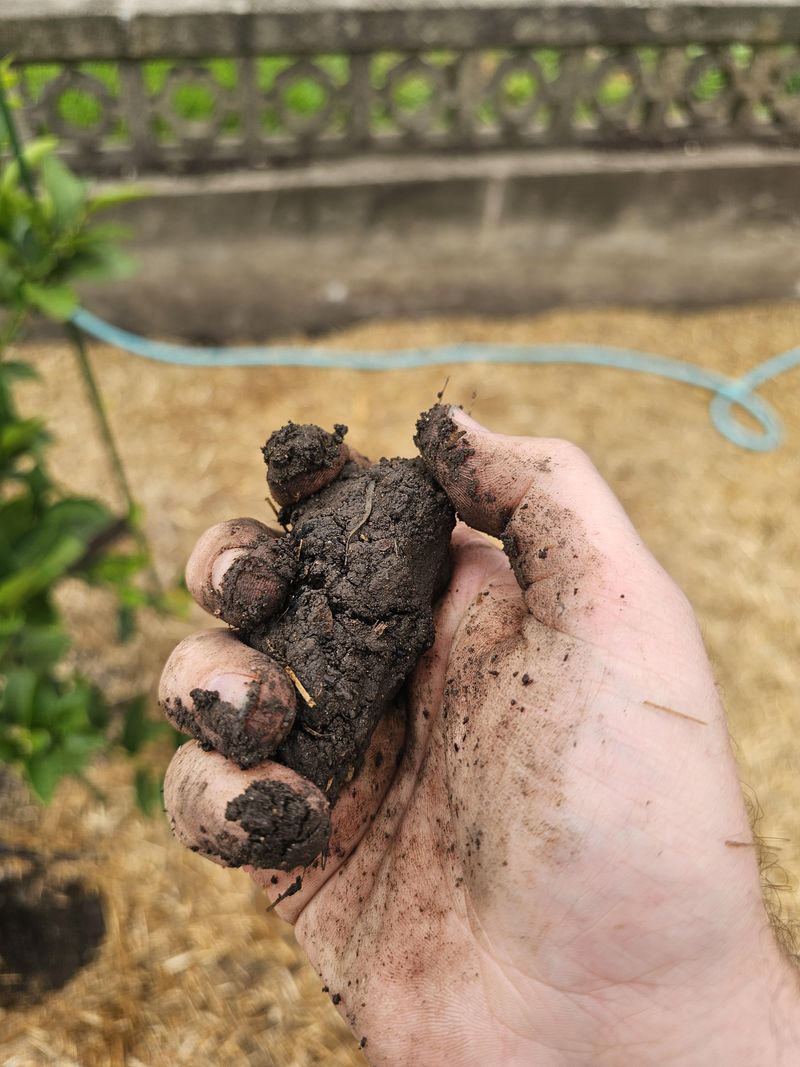
Your hand is the best soil tester you own, and it costs nothing to use on a cool October afternoon. Dig down about four to six inches with a trowel, then grab a handful from that tilling depth.
Squeeze the soil firmly into a ball, then poke it gently with a finger or drop it onto the ground. Soil that crumbles apart easily is ready to work, because it holds some moisture without being saturated.
Your Indiana Garden Changes Every Week. Your Plan Should Too.
Gardening in Indiana changes quickly throughout the season. Every Friday you’ll receive a simple weekly plan showing exactly what to plant, prune, fertilize, harvest, and protect so you never miss the right timing.
A ball that stays in one sticky lump, or smears like frosting, is telling you to wait longer. Shiny fingerprints and a muddy streak on your palm are other clues that the soil still holds too much water.
Some gardeners also roll a little soil between their palms to see if it forms a long ribbon. A long, bendy ribbon usually means wet clay, and that kind of soil packs down quickly under tines.
Soil that is powder dry has its own problem, because tilling it can break structure into fine dust. That dust crusts over after the next rain, which seals the surface and keeps water from soaking in.
Test several spots across the garden, since low corners and shady beds often stay wet days longer than others. One dry spot near the fence does not mean the whole plot is ready for the tiller this week.
After a soaking October rain, heavy soil may need several dry days before it passes the squeeze test. Patience feels slow, but it often saves you from a full season of lumpy, hard ground next spring.
Heavy Clay Soils Across Indiana Need Extra Patience
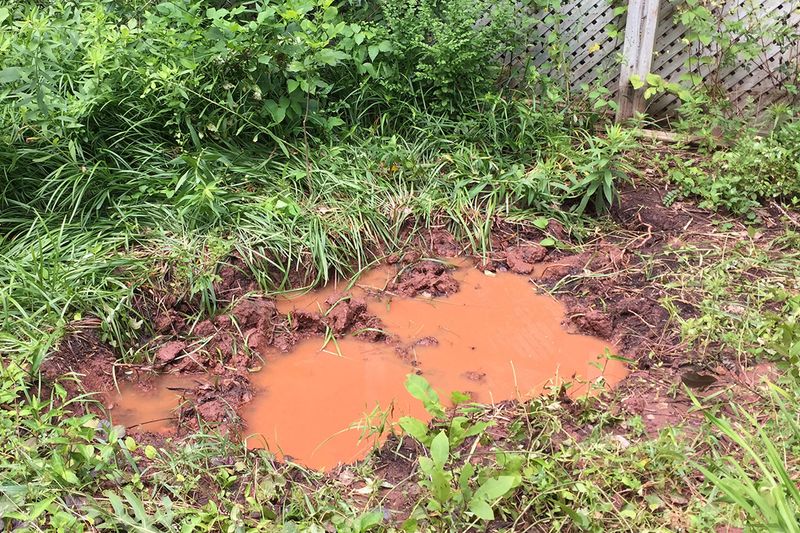
Glaciers shaped much of Indiana thousands of years ago, leaving behind thick deposits of clay-rich till across many counties. Funny enough, geologists call that mixed glacial material till, which has nothing to do with garden machines.
Clay particles are incredibly tiny, so the spaces between them are small and water drains through them slowly. That slow drainage explains why many Indiana gardens stay soggy for days after a steady fall rain.
Clay also holds nutrients well, which is a real strength once the soil has good structure and enough air. The trouble starts when clay is worked wet, because it can dry into hard, cracked chunks that resist roots.
Southern Indiana has its own mix, with some silty loams and some heavy, slow-draining subsoils on hillsides and ridges. Northern sandy areas near Lake Michigan drain faster, so gardeners there can often work soil sooner after rain.
You can find your exact soil type through the free USDA Web Soil Survey by entering your address online. Purdue Extension can also help with soil testing, which shows pH and nutrient levels before you add amendments.
Many Indiana clay gardeners skip deep tilling and build raised beds that drain better and warm faster in spring. Others till lightly once, then rely on compost and mulch to improve the soil slowly over several years.
Adding sand to clay is rarely helpful, since the wrong amount can create a mix that sets like concrete. Organic matter is the safer choice, because it loosens clay gradually and feeds the soil life that builds structure.
Winter Freeze-Thaw Cycles Can Break Up Your Rough Clods
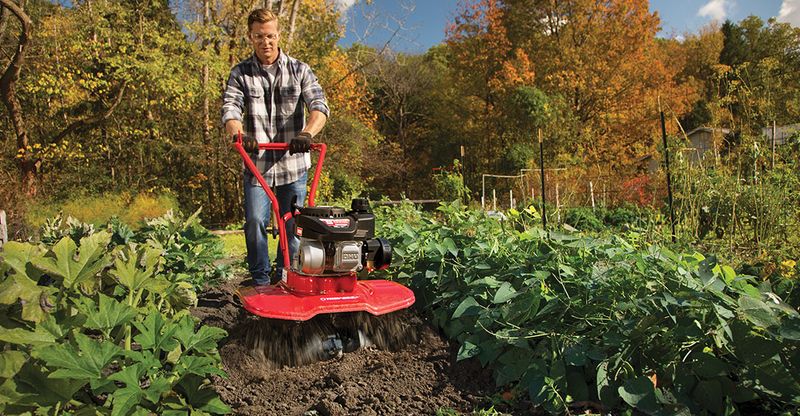
Some of the best soil work in an Indiana garden happens while you are indoors with a warm blanket. Each time soil water freezes, it expands and nudges particles apart, then the soil settles slightly when it thaws.
Indiana winters usually bring many swings above and below freezing, especially across the central and southern parts of the state. Those repeated cycles can crack large clods into smaller, crumbly pieces without any digging or machine work.
For this reason, some extension guides suggest rough fall tilling of heavy clay, leaving big chunks on the surface. The rough surface lets more soil meet the cold air, so winter weather has more edges to work on.
Rough tilling still follows the moisture rule, because wet clay turned in October can form a hidden packed layer. Freezing helps the top few inches the most, and it rarely repairs compaction deeper down in the soil.
There is also a tradeoff to keep in mind, since bare clods can lose soil to wind and spring rains. Gardens on slopes face the greatest risk, so rough tilling works best on flat, protected beds with little runoff.
By March, you may notice those November clods have slumped into softer, mellow soil that rakes smoothly. That bed may need only a light raking, rather than another full pass with the tiller in spring.
Wait for the spring soil to dry before raking, because thawed ground often stays soggy for several weeks. Working it too early can undo the winter benefits and pack the surface right back down again.
Work Leaves Or Compost In Before Winter Arrives
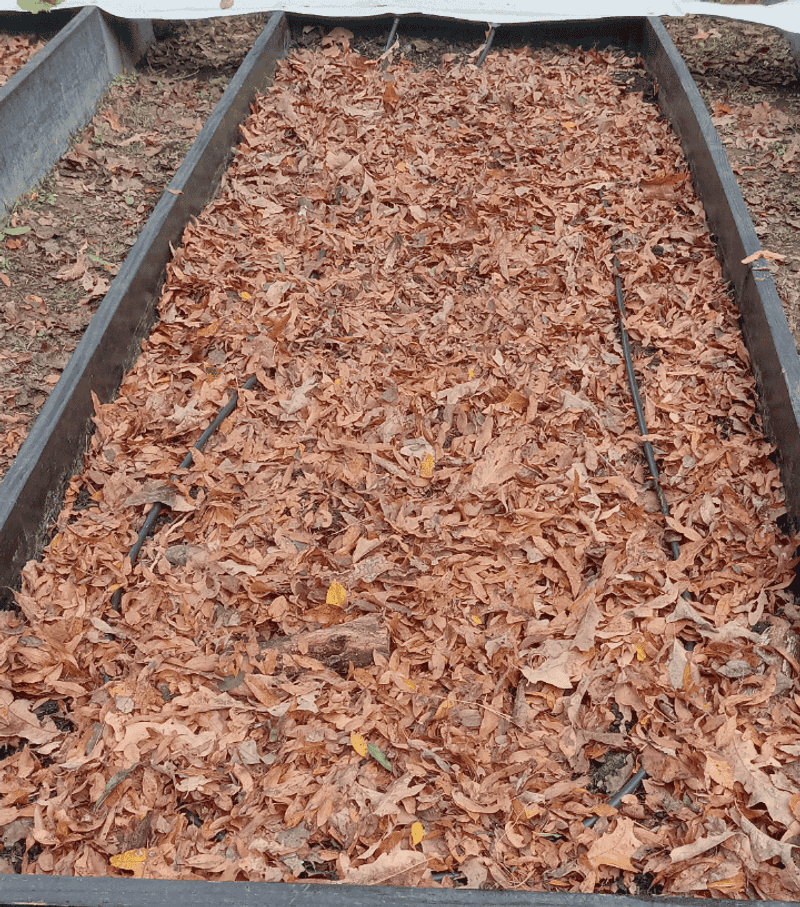
Fallen leaves piling up along the curb are one of the cheapest soil builders an Indiana gardener can find. Extension services across the Midwest recommend shredded leaves and compost for adding organic matter to garden soil.
Organic matter helps clay particles clump into crumbs, which opens space for air, water, and growing roots. In sandy soil, it acts more like a sponge and helps hold water longer between summer rains.
Shred leaves first with a mower or leaf shredder, because whole leaves mat together and break down slowly. Spread about two or three inches over the bed, then work them into the top few inches of soil.
Mix them in only on a day that passes the squeeze test, since soggy soil clumps badly. Fall is a smart time to add them, because the material has all winter to soften before spring planting.
Fresh manure also fits fall timing well, since it can mellow over winter before vegetables go into the ground. Food safety guidelines suggest waiting about 120 days between applying raw manure and harvesting crops that touch the soil.
Leaves can tie up some nitrogen for a while, as soil microbes use it to break the material down. A soil test from a certified lab shows pH and key nutrient levels, and Purdue Extension can explain how to handle nitrogen for spring crops.
Skip fresh leaves from black walnut trees for vegetable beds, because they contain juglone, which can harm tomatoes and peppers. Most other common Indiana tree leaves, like maple and oak, work well once they are shredded into small pieces.
Cover Your Bare Soil With A Crop Or Mulch Layer
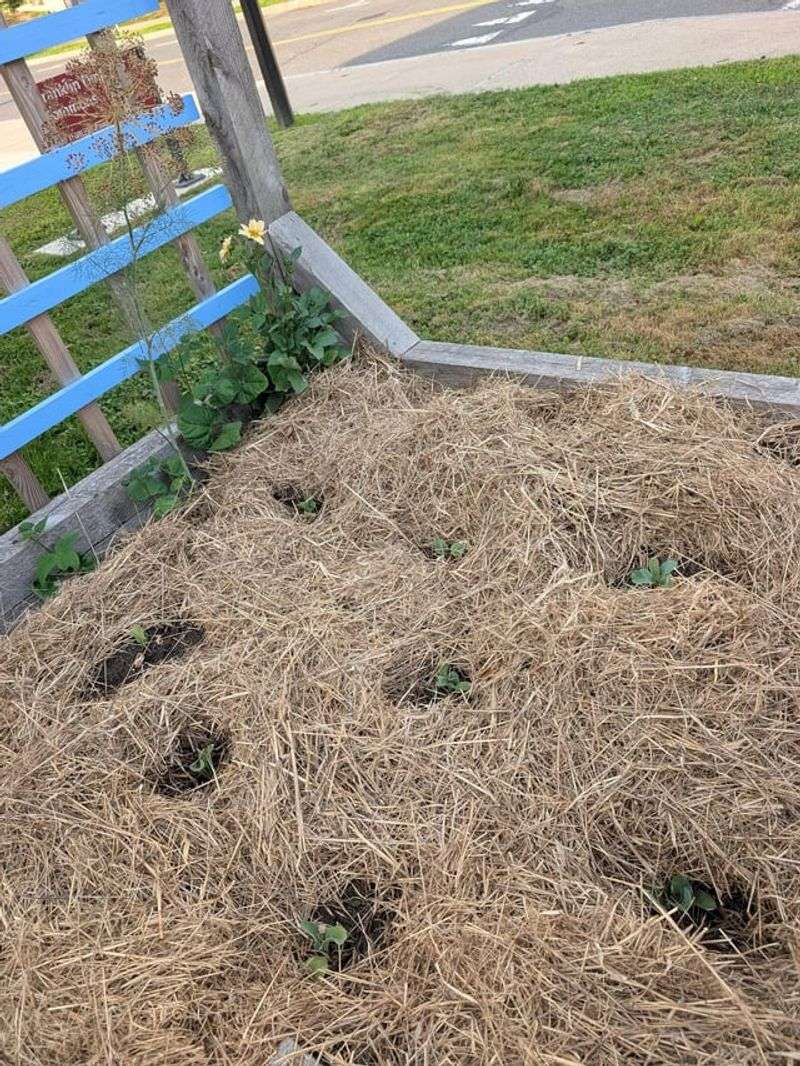
Bare soil sitting through an Indiana winter faces pounding rain, melting snow, and wind that carry loose particles away. A cover crop or mulch layer acts like a blanket that holds the ground in place until spring.
Cereal rye is a favorite fall cover crop in Indiana, because it can be planted into late October. Its roots grow through cool weather, holding soil and creating channels that help water soak in later.
Oats are another option, and they usually freeze back in winter, leaving a soft mat that is easy to manage. That makes oats handy for early spring crops, though they work best when planted by early September.
Rye is tougher to manage in spring, so cut or mow it before it forms seed heads in May. Many gardeners turn it under or leave it as mulch, then wait a couple of weeks before planting.
If the cover crop window has passed, a thick layer of shredded leaves or straw protects bare soil nicely. Aim for two to four inches, which reduces erosion and keeps soil from crusting under heavy spring rains.
Mulch also shelters earthworms and other soil life, which keep building crumbly structure through mild winter stretches. Those creatures do slow, steady tilling of their own, without any risk of packing down wet ground.
Covering the soil after any fall work is the step that makes tilling worth the effort in Indiana. Your garden will likely greet you in spring with softer, richer soil that is ready for planting.