8 Weeds That Show Up in Arizona Gravel After Fall Rains and How to Stop Them
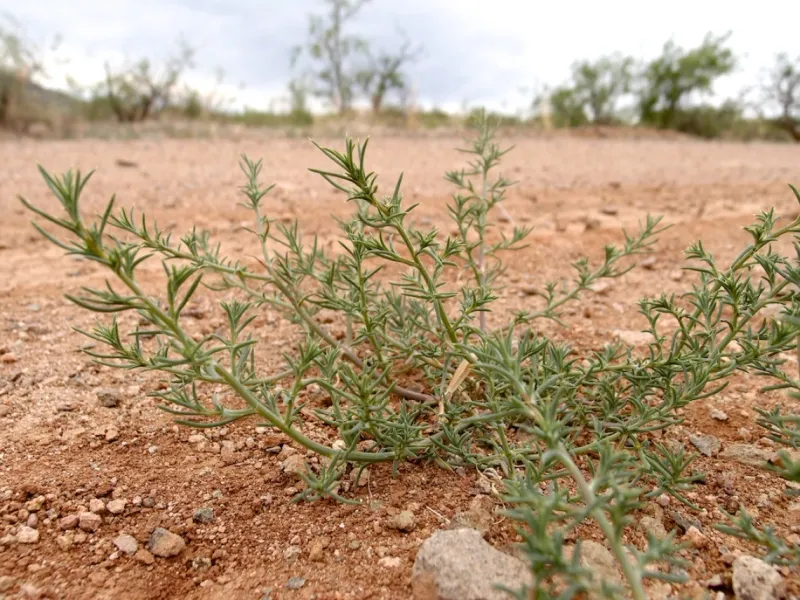
One good fall storm can turn a tidy Arizona rock yard into a green mess almost overnight. Seeds hide between the stones all summer, just waiting for warm soil and a drink of water.
If you know which weeds are coming and when to act, you can stop them before they spread seeds, burrs, or fire fuel across your yard. Here are the eight most common gravel invaders in the low desert and the simple ways to keep them in check.
1. Spotted Spurge
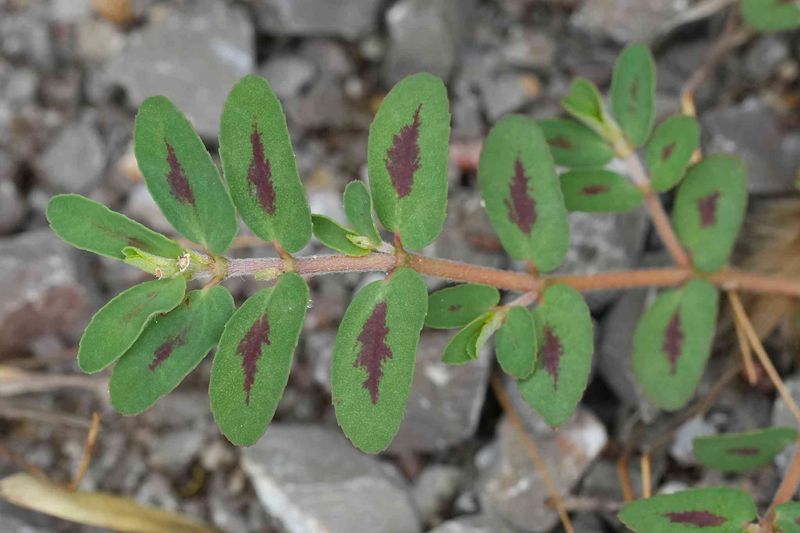
Blink and it is everywhere. Spotted spurge spreads in flat, lacy mats that hug the gravel so tightly you might mistake them for a stain at first glance.
Look closer and you will see tiny oval leaves, often with a reddish spot in the middle, on pinkish stems that ooze milky sap when snapped.
Spurge loves the way rock yards trap heat and hold pockets of moisture after a storm. One plant can drop thousands of tiny seeds, and those seeds settle into the dust between stones for the next round.
The sap can also irritate skin, so wear gloves when you deal with it.
Your best window is the day after a rain. Grab the plant at its center, right where the stems meet the root, and pull slowly so the whole taproot slides out.
Leaving roots behind usually means a fresh mat in a couple of weeks.
For long-term relief, a pre-emergent spread in late winter, around February, targets the warm-season flush before it starts. Water it in right after you apply it.
A second fall application can help catch the late sprouters that pop up after September storms.
2. Puncturevine (Goathead)
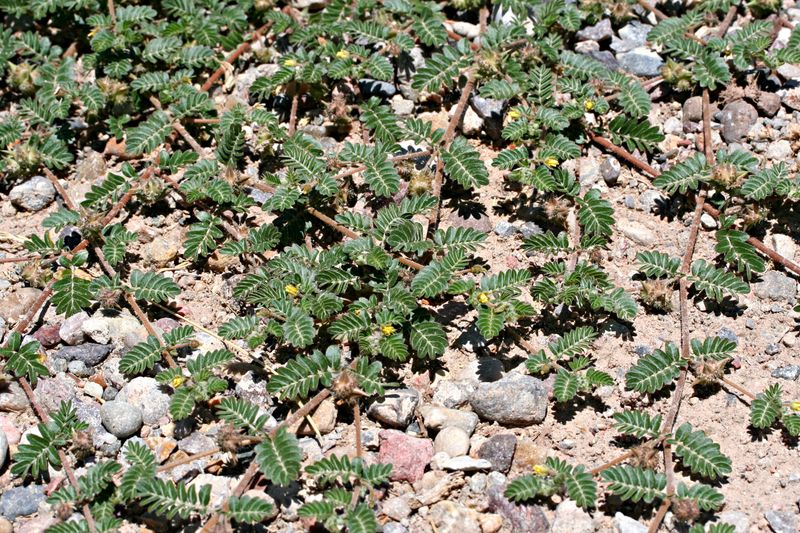
Ask any Arizona kid who has run barefoot across a rock yard, and they will tell you about goatheads. Those spiky little burrs flatten bike tires, hitch rides on dog paws, and jab right through thin flip-flops.
Few weeds earn this much grumbling.
Puncturevine starts out harmless enough. It forms a low, spreading plant with feathery leaves and cheerful tiny yellow flowers.
The trouble begins once those flowers turn into hard, horned seed pods that can sit in gravel for years waiting for the right rain.
Timing matters more here than with almost any other weed. Pull or hoe plants while they are young and still flowering, before any burrs form.
If you see pods already, bag the whole plant carefully instead of tossing it on the ground, or you will be planting next year’s crop yourself.
A flame weeder works well on small plants in open gravel, as long as nothing dry or flammable sits nearby. Follow up with a fall pre-emergent to stop the seed bank from waking up again.
Quick tip: drag an old piece of carpet across the gravel to pick up stray burrs. They stick to it like magnets.
3. London Rocket
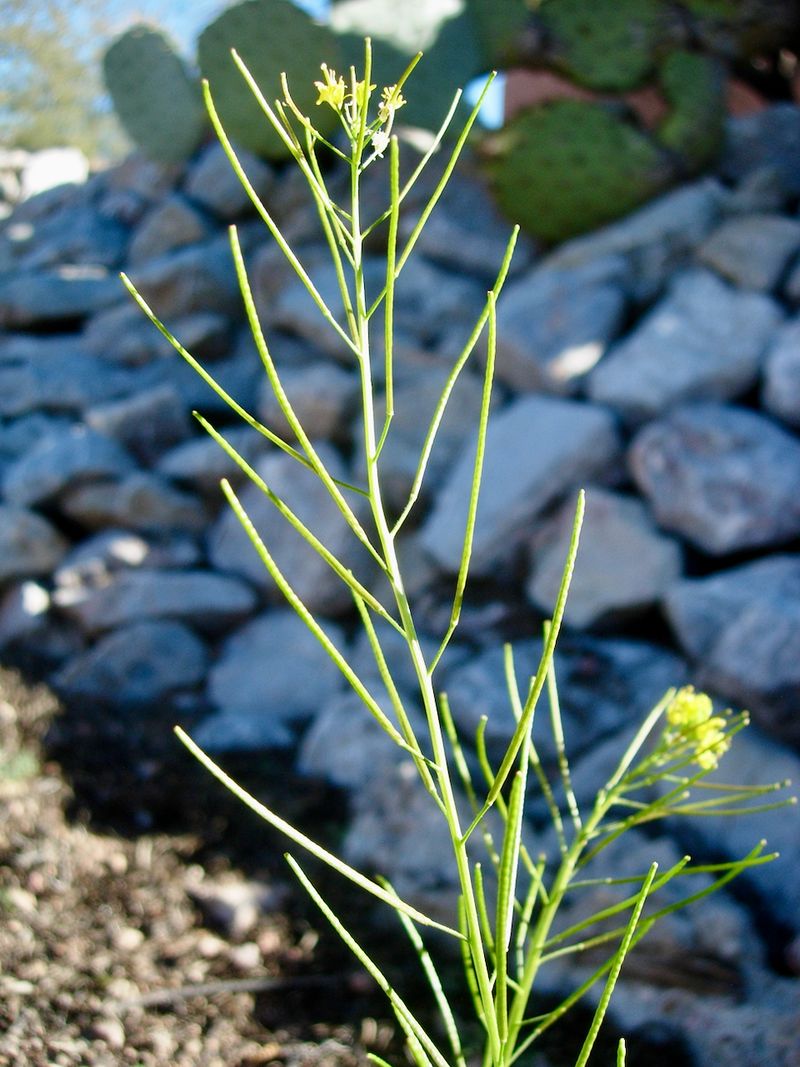
Fun fact: London rocket got its name after it sprang up across the ruins of London following the Great Fire of 1666. In Arizona, it does its own version of that trick, shooting up through gravel once the weather cools and fall rains roll in.
Your Arizona Garden Changes Every Week. Your Plan Should Too.
Gardening in Arizona changes quickly throughout the season. Every Friday you’ll receive a simple weekly plan showing exactly what to plant, prune, fertilize, harvest, and protect so you never miss the right timing.
You will spot it by its lanky stems topped with clusters of small yellow flowers and long, skinny seed pods. Young plants form a rosette of deeply lobed leaves that look a bit like dandelion greens.
It grows fast, and a single patch can go from rosette to seed in just a few weeks.
Since it is a cool-season weed, the smartest move is a pre-emergent applied in September or October, before winter storms arrive. That one step can save you hours of pulling come January.
If plants have already appeared, catch them small. The roots are shallow, so they slide right out of damp gravel with a gentle tug.
A stirrup hoe also makes quick work of a large patch without scattering your rocks all over the place.
Get them out before those pods dry and split. Each plant can release a surprising amount of seed onto your yard.
4. Russian Thistle (Tumbleweed)
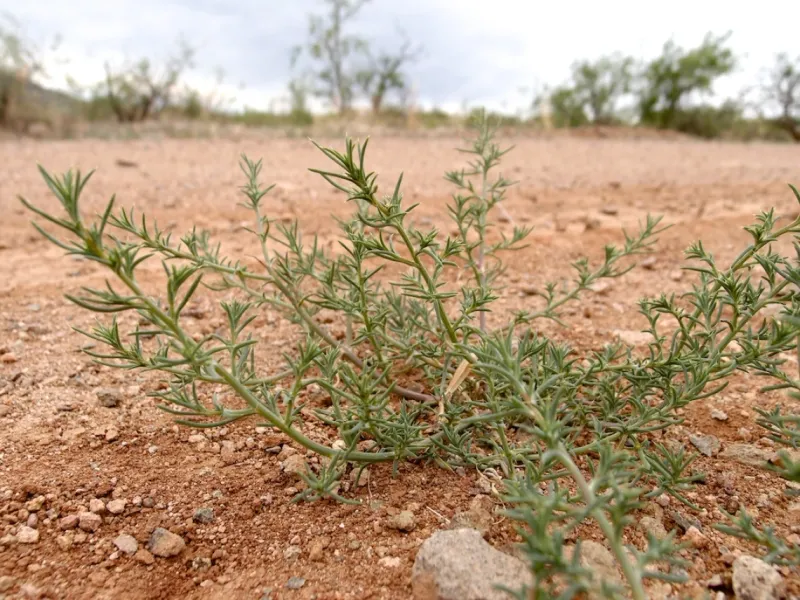
That rolling icon of Western movies is not as charming when it piles up against your block wall. Russian thistle, better known as tumbleweed, starts life as a soft green seedling and ends it as a prickly ball bouncing down the street.
Here is the sneaky part. Young plants look almost tender, with thin, needle-like leaves and reddish stems.
Within weeks they toughen up, grow sharp spines, and become a round bush. Once dry, the base snaps and wind carries the whole thing away, scattering seeds with every bounce.
Dry tumbleweeds also pose a real fire risk, especially when they collect along fences, sheds, and under eaves. Keeping them out of your gravel is about safety as much as looks.
Early action is everything. Pull or hoe seedlings when they are a few inches tall and the ground is still damp from rain.
Wear gloves even then, since the spines develop quickly.
A fall pre-emergent helps cut down on new sprouts. Also check fence lines after windstorms and haboobs, since that is where blown-in seeds tend to gather and germinate.
Clearing those corners regularly keeps the next generation from getting a foothold.
5. Prostrate Pigweed
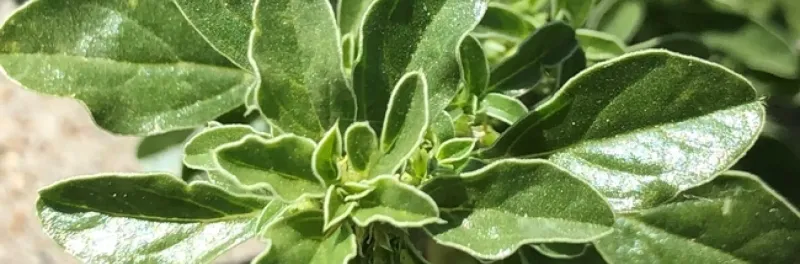
Poor soil, blazing sun, barely any water? Pigweed hears that description and moves right in.
Few weeds feel more at home in a sandy Arizona rock yard than this tough, fast-growing broadleaf.
Prostrate pigweed sprawls flat across gravel with reddish stems and small, rounded leaves that often have a slightly notched tip. Its flowers are tiny and greenish, tucked close to the stems, so many people never notice it is going to seed until it is too late.
Other pigweed types grow upright and can reach knee height surprisingly fast.
What sets pigweed apart is sheer speed. It can pop up days after a storm and mature before you get around to weeding.
Make a habit of walking your yard within a week of any decent rain.
When you find it, pull it while the soil is soft so the taproot comes out whole. A hoe works for bigger stretches.
For spot treatment on driveway edges, boiling water poured directly on small plants can work, though keep it away from your desert plants.
Pre-emergent applied before the monsoon season helps block the summer wave, while consistent pulling keeps the late fall stragglers from refilling the seed bank.
6. Buffelgrass
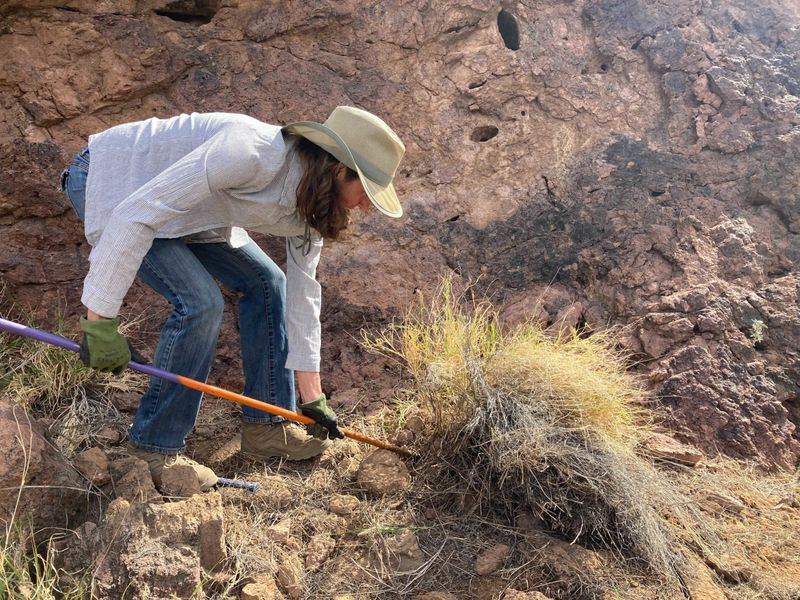
Of all the weeds on this list, buffelgrass is the one desert lovers worry about most. It is not just a yard nuisance.
This invasive grass crowds out native plants and turns the Sonoran Desert into fire fuel, which threatens saguaros, palo verdes, and the wildlife that depends on them.
It grows in thick, bunchy clumps with fuzzy, bottlebrush-like seed heads that start purplish and fade to tan. Once established, it spreads aggressively and comes back from its roots year after year.
A clump in your gravel can seed the empty lot next door, and that wash behind it too.
Removing it takes patience. Dig out each clump completely using a pick or digging bar, getting the entire root crown.
Bag the seed heads so they do not scatter, and plan to return to the same spot several times. Consistency beats one big weekend effort here.
Pre-emergent before the monsoon can reduce new sprouts. Then replace bare spots with natives like brittlebush or desert marigold, which support pollinators and leave less open ground for buffelgrass to claim.
Every clump you pull may help protect the habitat that makes desert living so special.
7. Cheeseweed Mallow
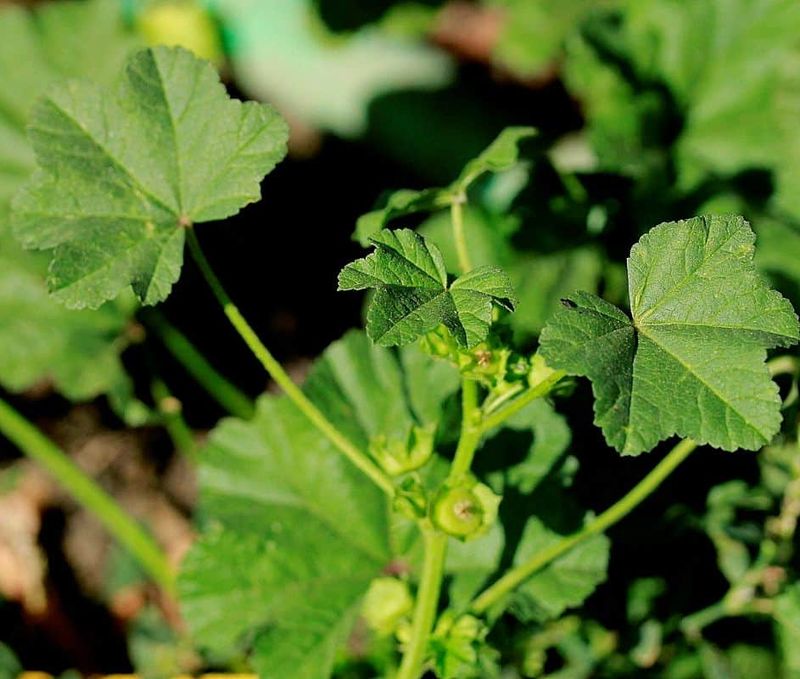
Kids sometimes nibble the little seed pods and call them cheeses, which is exactly how this weed got its nickname. Those flat, round pods really do look like tiny wheels of cheese, and they are your clue to spotting cheeseweed mallow in the yard.
The plant itself has soft, rounded leaves with gently scalloped edges, a bit like a geranium. Small white to pale pink flowers peek out from where the leaves meet the stems.
It can creep along the ground or stand upright, sometimes forming patches dense enough to hide the gravel underneath.
Cheeseweed is a classic fall and winter grower. As temperatures drop and rains return, it takes off while many summer weeds fade away.
Left alone, it builds a deep, woody taproot that makes pulling much harder by spring.
So go early. Young plants come out easily from damp gravel, especially if you loosen the base with a hand weeder first.
Older plants may need a hoe or a narrow digging tool to reach that root.
A fall pre-emergent in September or October can head off most of the trouble. Keeping drip lines tuned also helps, since leaky emitters create perfect moist pockets for mallow.
8. Purslane
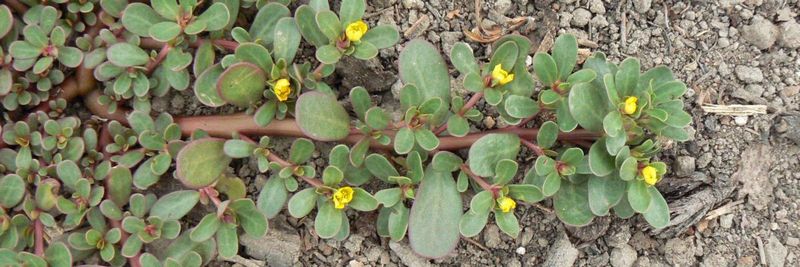
Believe it or not, purslane shows up in salads at some restaurants. Its thick, juicy leaves are edible, but most homeowners would rather not harvest a crop from their front gravel.
Purslane looks almost like a mini succulent. It forms low mats of plump, paddle-shaped leaves on smooth reddish stems, and a single plant can spread a foot wide.
Tiny yellow flowers open in bright sun. Because it stores water in its leaves, it shrugs off heat that would wilt most other weeds.
That water-storing trick also makes it stubborn. Pulled plants left lying on gravel can reroot and keep growing, so always bag or bin them.
Get the whole plant, root included, or use a hoe to slice it free just below the surface.
Purslane especially loves spots that stay a little wet. Check around drip emitters, leaky hose bibs, and areas where sprinklers overspray onto rock.
Switching to drip irrigation that delivers water straight to your desert plants’ roots leaves less moisture for purslane to enjoy.
Smart watering does double duty here. It saves water during dry months and quietly takes away the conditions this tough little weed needs to thrive.