Why Your Florida Lawn Smells Sour After Days of Hurricane Rain
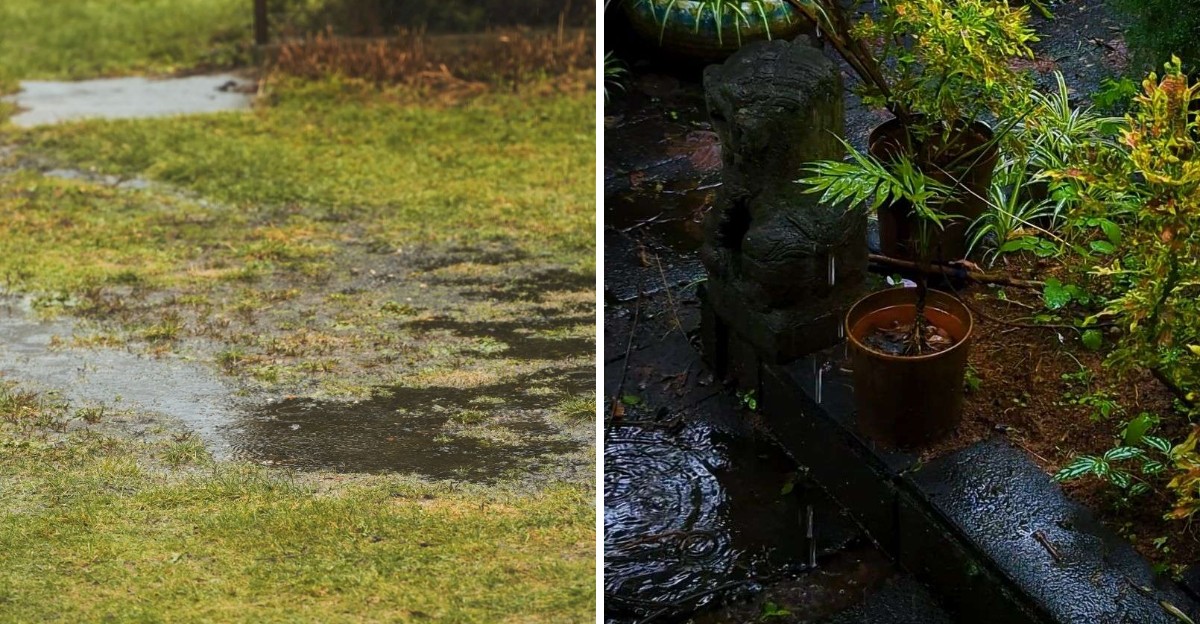
Soggy soil can run out of oxygen in just a few days. After that, the tiny life underground changes jobs, and your yard starts to smell like spoiled milk.
I noticed it after a long stretch of storms here in Florida. The grass looked fine from the porch. One step onto the lawn told a different story.
That sour whiff is a real chemical signal. It comes from gases made deep in the root zone. Some of them smell tangy, and others smell like rotten eggs.
Personally, I find this part of lawn care strangely fascinating. Your nose is picking up a message from the soil. So what exactly is going on down there, and how do you fix it?
Something Big Is Changing Right Under Your Feet
Healthy soil is roughly half solid stuff and half open space. Those tiny gaps between grains usually hold a mix of air and water.
Roots, worms, and helpful microbes depend on that balance.
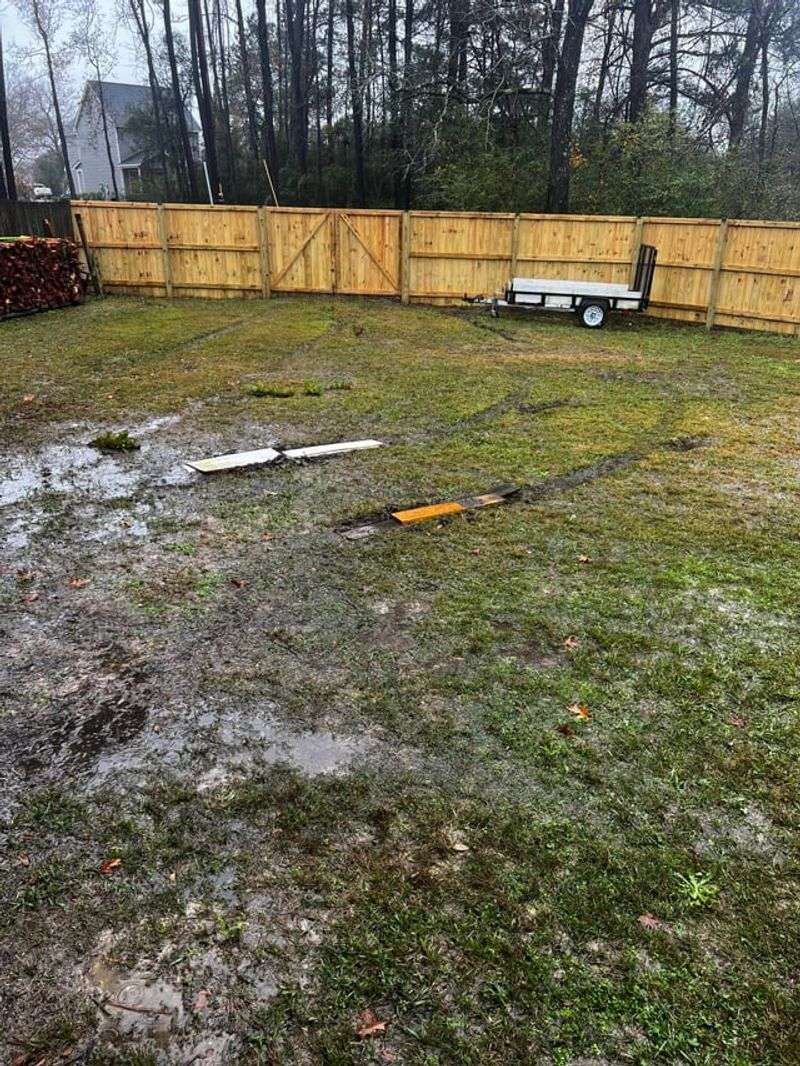
Days of hurricane rain flip the script. Water fills nearly every pore, and the air gets squeezed out.
Your lawn might look green and calm on top, yet the root zone has turned into a stuffy, airless room.
Sandy soils across much of Florida usually drain fast. Even so, a high water table during storm season can leave the ground soaked from below.
Rain keeps coming down while groundwater pushes up, and the soil gets stuck in the middle.
Grass roots need oxygen to breathe, just like you do. When they cannot get it, they slow down and start to struggle.
You may notice yellowing blades or a spongy feel when you walk across the yard.
That soggy shift is the starting point for the smell. Once the air is gone, a whole new crew of microbes moves in.
Their work is what eventually reaches your nose, and it is not pleasant.
Blame It on Soil That Can’t Catch Its Breath
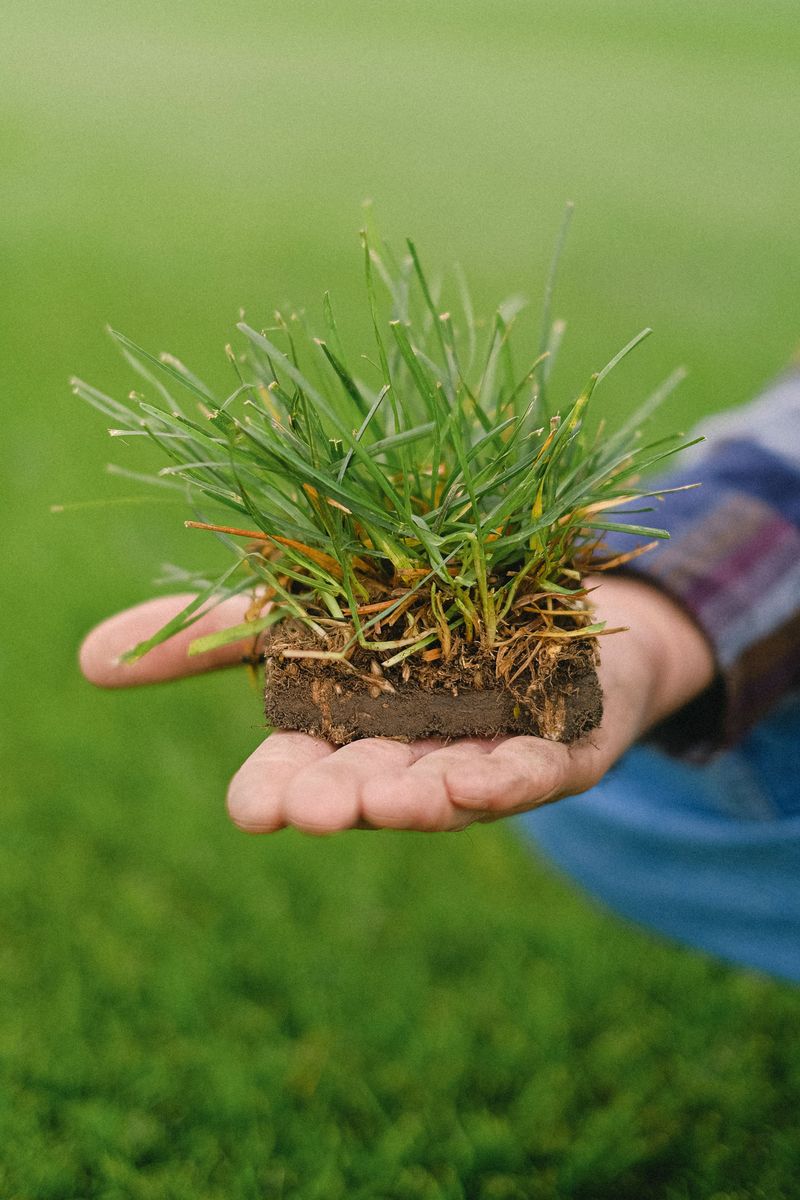
Scientists have a word for soil without oxygen. They call it anaerobic, which simply means living without air.
That condition is the main reason your lawn smells sour after a storm.
Most soil microbes are oxygen lovers. They break down grass clippings, old roots, and thatch cleanly, giving off mostly carbon dioxide and water.
You rarely smell their work at all.
Flooding pushes those helpful microbes aside. Oxygen-free bacteria take over, and they handle leftovers in a messier way.
Instead of a clean breakdown, they leave behind smelly byproducts.
Think of it like a kitchen trash can. With the lid off and air moving, food scraps dry out and fade.
Seal it up in summer heat, and you get a sour stink in a hurry.
Warm temperatures make this happen faster. Hurricane season in Florida brings soil that is hot as well as wet, so microbes stay very busy.
A few days of standing water can be enough to change the smell of your whole yard.
Your nose, in other words, is a decent soil test. A sour odor often means the ground needs air.
Your Florida Garden Changes Every Week. Your Plan Should Too.
Gardening in Florida changes quickly throughout the season. Every Friday you’ll receive a simple weekly plan showing exactly what to plant, prune, fertilize, harvest, and protect so you never miss the right timing.
Those Tangy and Eggy Smells Have Real Names
Ever caught a whiff that reminded you of spoiled milk or old eggs? Those are not random smells.
Each one comes from a specific gas made by oxygen-free bacteria.
The sour, tangy scent mostly comes from volatile fatty acids. Butyric acid is a common one, and it is the same compound behind rancid butter.
Bacteria release these acids while breaking down grass clippings and thatch without air.
The rotten egg smell is hydrogen sulfide. Certain bacteria make it when they use sulfur compounds in place of oxygen.
Your nose can detect it at very tiny amounts, so even a little stands out.
Here is a fun fact. Soil that has been flooded too long sometimes turns gray or bluish below the surface.
That color shift is another clue that oxygen has been missing for a while.
In open lawns, these gases usually stay at low levels and drift away. Still, a strong sulfur smell near a drain or low spot is worth checking.
It could point to a sewage backup, which needs a professional, not a rake.
Low Spots and Packed Ground Make the Stink Worse
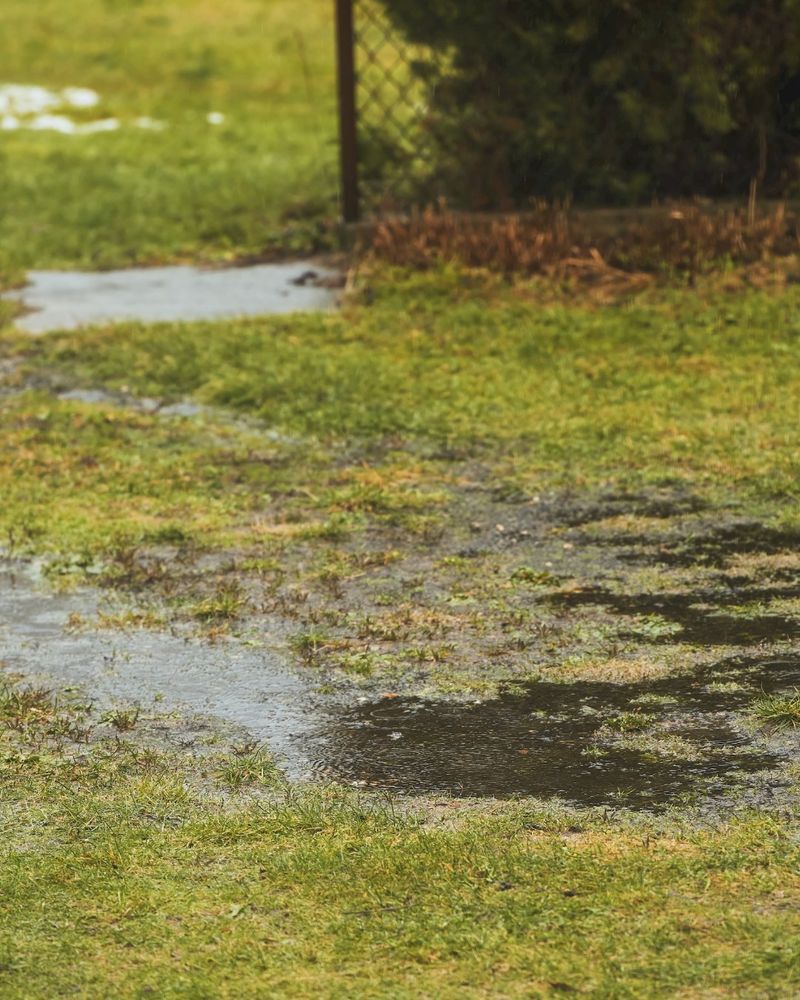
My yard has one corner that holds water like a bathtub. Guess where the sour smell hangs around the longest?
Low spots and compacted areas are usually the worst offenders.
Foot traffic, mowers, and parked cars press soil particles tightly together. Those squeezed pores cannot drain well or refill with air.
After heavy rain, water just sits there for days.
Not every Florida yard is pure sand. Some neighborhoods have clay layers, hardpan, or marl a few inches down.
Builders also bring in fill dirt that can pack hard. Any of these can block water from moving downward.
Thick thatch adds to the trouble. That spongy layer of old stems and roots soaks up water and gives sour-smelling bacteria plenty to eat.
Walk your lawn a day after the rain stops. Note where puddles linger and where the ground feels squishy.
Push a screwdriver into the soil. If it struggles to go in once things dry, compaction is likely part of your problem.
Mapping these trouble zones now helps you target repairs later, instead of treating the whole yard.
You’ll Want to Clear the Storm Leftovers First
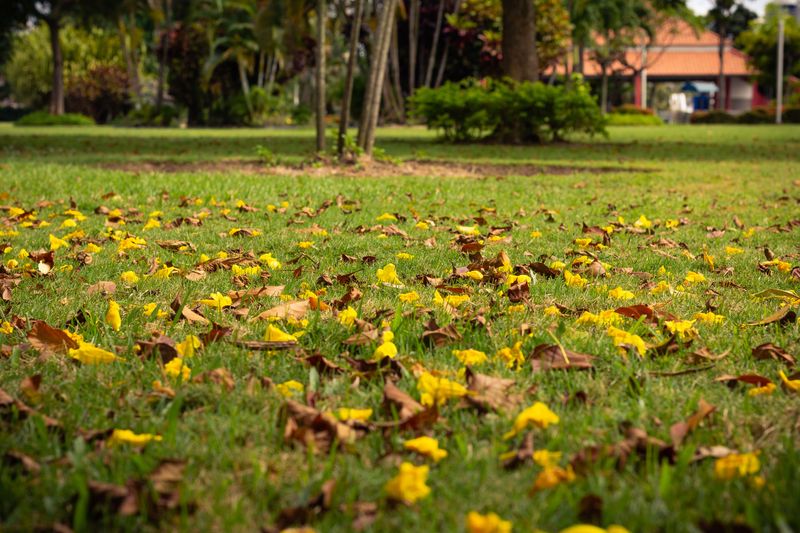
Palm fronds, soggy leaves, and drifted mud piled on your grass act like a wet blanket. Underneath, the turf gets no light and no air.
That is a perfect home for the bacteria making that sour odor.
Start cleanup once the water has drained and the ground can handle light foot traffic. Walking on soaked soil packs it down even more, so give it a little time.
Rake up branches, leaves, and trash gently.
Floodwater often leaves a layer of silt or sediment behind. A thin dusting usually washes in with the next rains.
Anything thicker than about half an inch can smother grass, so rake or shovel it off.
Wear gloves and sturdy shoes while you work. Floodwater can carry sewage, chemicals, and sharp objects.
Wash your hands well afterward.
Skip mowing until the grass dries and stands up again. Wet blades tear and clump, and heavy mowers leave ruts in soft ground.
UF/IFAS Extension also suggests holding off on fertilizer for a while. Stressed roots cannot use it well yet, and extra nutrients may simply wash away into local waterways.
Salty Surge Water Calls for a Good Rinse
Coastal yards face a bonus problem after big storms. Storm surge can push seawater right over your lawn.
Salt left behind pulls moisture away from roots and can burn grass brown.
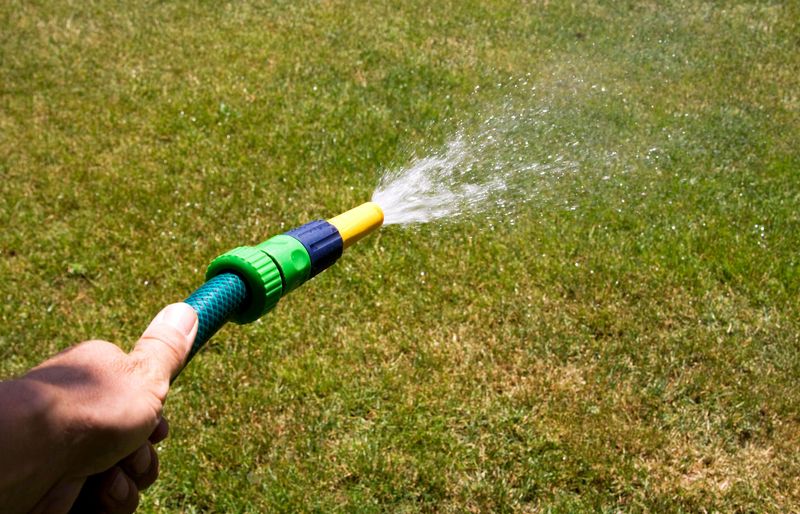
Fresh water is your best tool here. UF/IFAS Extension recommends flushing salt-affected areas with irrigation once surge water drains.
Rain helps too, and Florida sandy soils usually rinse out faster than heavy soils.
Aim for deep, steady watering rather than quick sprinkles. You want water moving down through the root zone and carrying salt with it.
Do not flood an area that is still soggy, though, or you will bring back that sour smell.
Some grasses handle salt better than others. Seashore paspalum and St. Augustinegrass tolerate it fairly well.
Centipedegrass and bahiagrass tend to struggle more after a salty soaking.
Give your lawn a few weeks before judging the damage. Brown blades do not always mean the roots are gone.
Many lawns bounce back once salt levels drop.
A soil test through your county extension office can confirm salt levels. That simple step takes the guessing out of recovery.
Let Some Fresh Air Back Into Those Roots
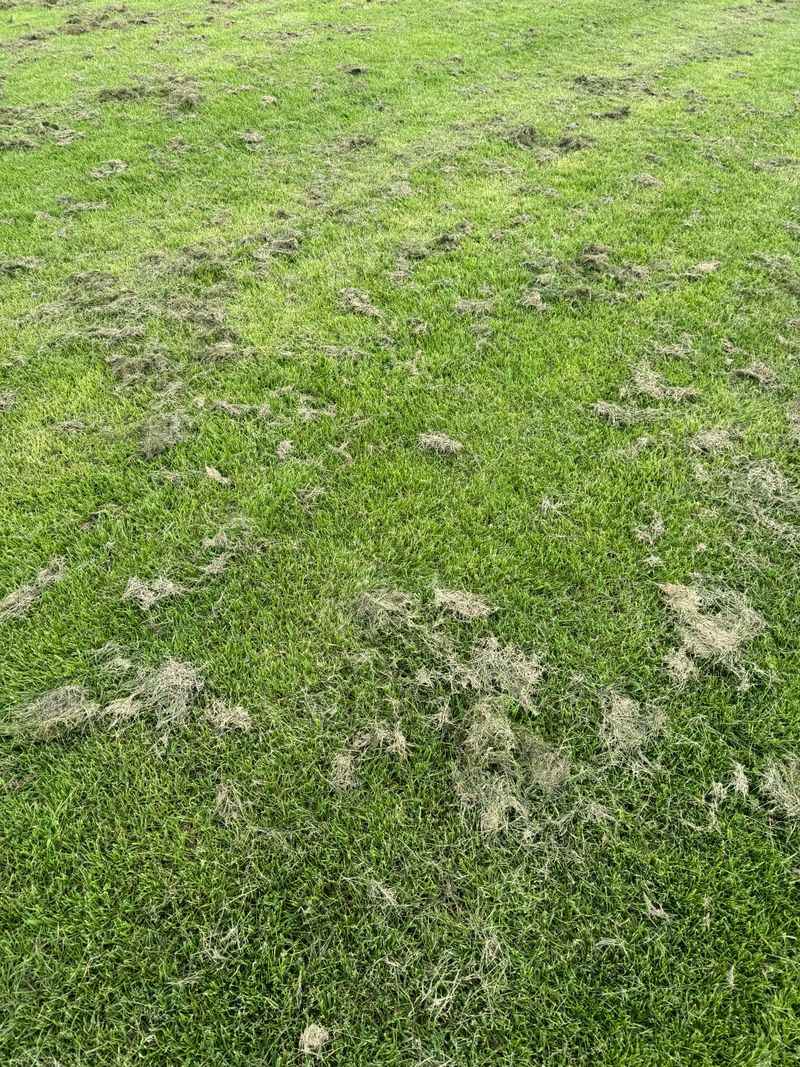
Oxygen is the cure for an airless lawn. Once the soil dries a bit, poking holes into it lets air rush back in.
That shift helps oxygen-loving microbes return and push out the smelly crew.
Core aeration works best. The machine pulls small plugs of soil out of the ground, leaving open channels behind.
Leave the plugs on the lawn, and they will break down within a couple of weeks.
Timing matters a lot. Aerate when the soil is moist but not muddy.
Running heavy equipment over soaked ground can actually create more compaction, which defeats the whole purpose.
In Florida, warm-season grasses recover best when they are actively growing. Late spring through early fall is prime time, so post-hurricane aeration often fits right in.
Spike aerators that simply poke holes are less helpful. They can press soil tighter around each hole.
You can rent a core aerator from many hardware stores or hire a lawn service. Focus first on the soggy, smelly spots you mapped earlier.
Many homeowners notice the sour odor fading within days once air returns.
A Stronger Soil Base Keeps the Next Storm From Souring Things
Hurricane season comes back every year, so a little prep pays off. Healthy, loose soil drains faster and bounces back sooner.
That means fewer days of sour smells after the next big rain.
Topdressing with a thin layer of compost can help over time. It feeds good microbes and improves soil structure.
Spread about a quarter inch after aerating so it settles into the holes.
Watch your watering habits too. Many yards get too much irrigation during the rainy season.
Install a rain sensor, or turn the system off when storms are in the forecast.
Keep thatch under control. A layer thicker than half an inch can hold water and feed odor-causing bacteria.
For stubborn low spots, think bigger. Regrading, adding a French drain, or planting a rain garden with Florida native plants can move water away from your turf.
Finally, mow at the right height for your grass type. Taller grass grows deeper roots that handle stress better.
Your county UF/IFAS Extension office is a great free resource. Their experts can suggest fixes that match your exact soil.