The Old Southern Mason Jar Trick For Rooting Rose Cuttings In North Carolina This Fall
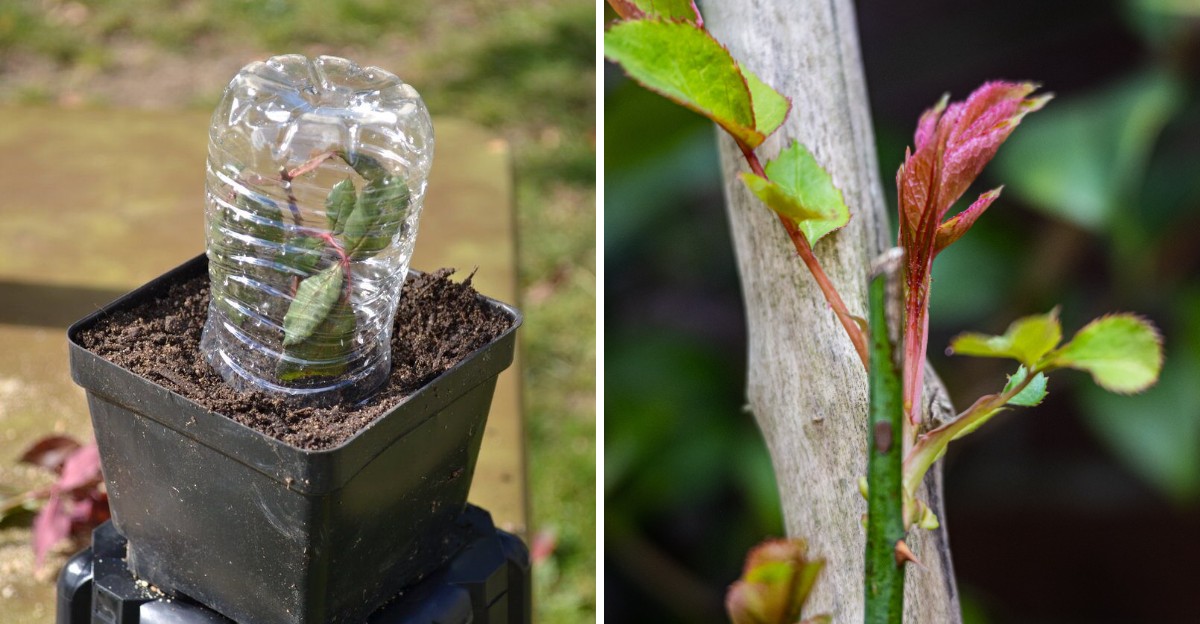
Grandmothers across the South have kept old roses alive for generations without ever visiting a nursery. A stem cut from a neighbor’s bush, pushed into the soil and covered with a glass jar, turned into a new plant by spring. It sounds like folklore.
Plenty of gardeners swear by it. The jar acts like a tiny greenhouse, holding moisture and warmth around the cutting while roots slowly form. It works best with certain kinds of roses, and not at all with others.
Timing, stem choice, and the spot you pick all matter. Some modern roses are protected by patents and cannot be copied legally. Fall’s mild weather makes it a good moment to try. A free rose bush is waiting, if you know how to start.
1. Know How The Mason Jar Trick Works
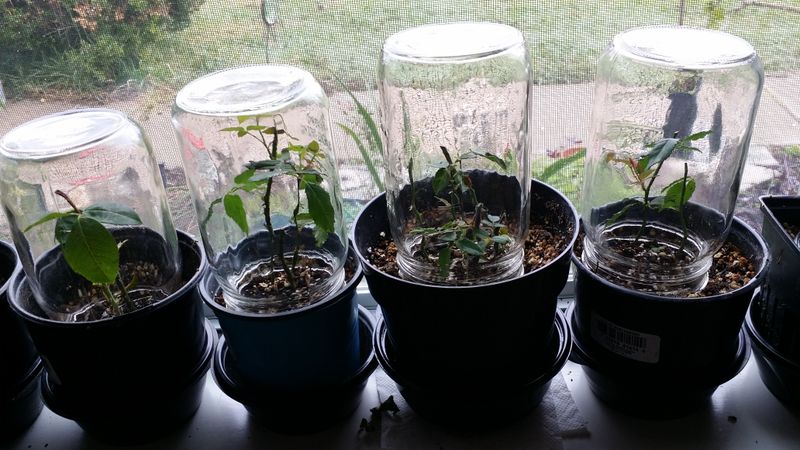
Grandma never owned a greenhouse, yet she grew roses for half the county. Her secret sat on a kitchen shelf: an ordinary glass canning jar. She simply pushed a rose stem into the ground, set the jar upside down over it, and let time do the rest.
The trick works because the jar acts like a tiny greenhouse. A rose cutting has no roots yet, so it cannot pull water from the soil the way a full plant can.
Under the glass, moisture stays trapped in the air, and the leaves and stem stay plump instead of drying out while new roots slowly form.
Timing helps too. Cuttings started in fall and early winter have the whole cool season to work on roots without the stress of summer heat. By the time spring arrives, many are ready to push out fresh leaves and grow with real energy.
For generations, Southern families used this method to share heirloom roses. A cutting from a mother’s garden might travel to a daughter’s new house, or a neighbor might trade a stem from a church yard rose for a slip of a fragrant climber.
Many old roses still growing in Southern yards today got their start this way. North Carolina is a great place to keep the tradition alive.
Winters across the Piedmont and the coast are usually mild, with cold snaps that come and go rather than staying frozen for months. Gardeners in the mountains face harsher weather, but a well-placed jar still gives cuttings a fighting chance.
With so little cost and so much charm, the old jar trick is worth a try in almost any Tar Heel garden.
2. Choose The Right Roses To Root
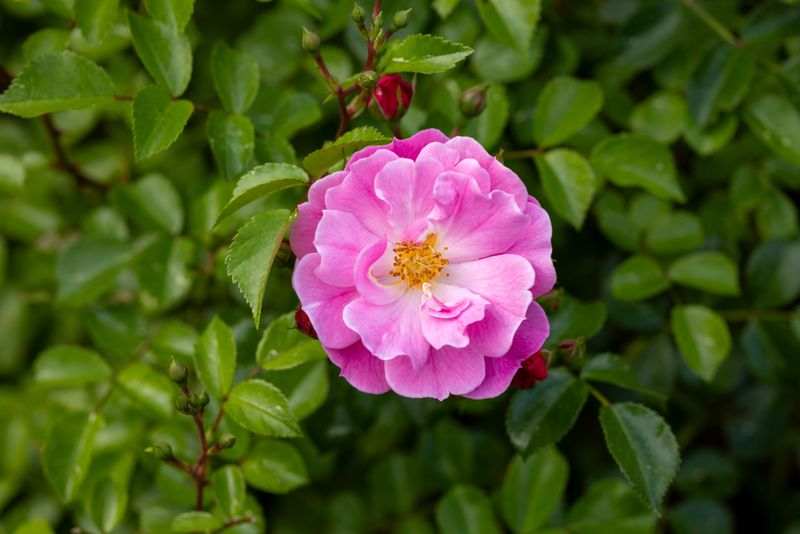
Some roses practically beg to be shared. Old garden roses, heirlooms, and shrubs growing on their own roots tend to form roots easily, and the new plant will look just like its parent. That means the same color, scent, and shape you already love.
Many modern roses are a different story. A large number are grafted, which means the top part was attached to a hardier root from another rose.
Your North Carolina Garden Changes Every Week. Your Plan Should Too.
Gardening in North Carolina changes quickly throughout the season. Every Friday you’ll receive a simple weekly plan showing exactly what to plant, prune, fertilize, harvest, and protect so you never miss the right timing.
They can still root from cuttings sometimes, but results vary, and some grafted roses are slow or stubborn about it.
Patents matter here too. Many newer roses are protected by plant patents, and making copies without permission from the patent holder is not allowed. Before you snip a fancy modern variety, check the plant tag or look up the name online.
Older varieties with expired patents, along with true heirlooms, are fair game. Good candidates include China roses, Noisettes, Teas, and hardy shrub roses that have been around for many decades.
Old Blush, for example, is a classic China rose that roots so easily it became a Southern favorite. Found roses growing near old homesteads and cemeteries are often tough survivors too.
Whatever you pick, choose a healthy, vigorous plant with strong new canes. A thriving parent gives you thriving cuttings, and that boosts your odds right from the start.
North Carolina gardeners have a special advantage. Plenty of families still grow roses handed down from great-grandparents, and those old plants often carry stories as sweet as their perfume.
Rooting a cutting from one of them keeps a living piece of family history growing for another generation.
3. Avoid Cuttings From Diseased Plants
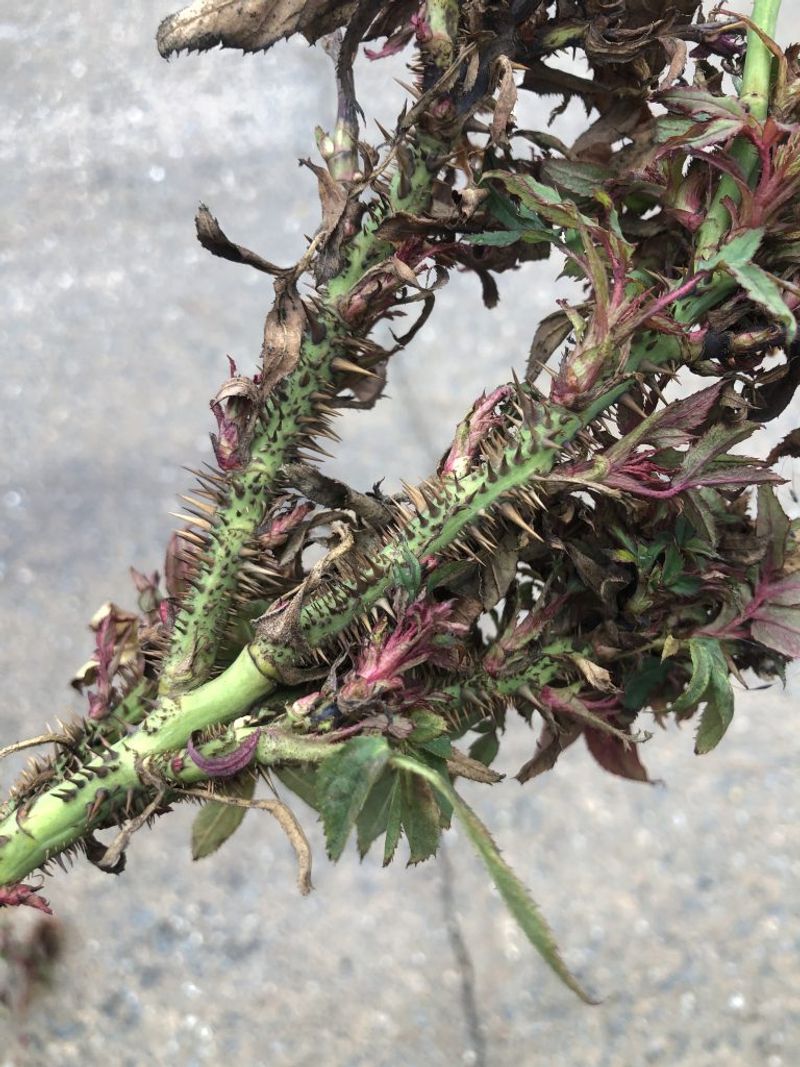
A sick rose can pass its troubles right along to the next generation. Cuttings carry whatever is living inside the parent plant, so a problem you miss today can show up in your new rose next summer. Careful checking now saves heartbreak later.
Rose rosette disease is the biggest worry. Tiny mites, too small to see without a magnifying glass, spread this virus as they drift on the wind from plant to plant.
Infected roses grow clusters of bright red, twisted shoots packed with soft, crowded thorns, often called witches’ brooms.
Sadly, there is no cure. Infected plants usually decline over a few years, and experts recommend removing them completely, roots and all, to protect nearby roses. Rooting a cutting from an infected bush simply moves the problem to a new spot.
Before taking any cuttings, walk slowly around the whole plant. Look for strange red growth that does not match normal new leaves, stems with far too many thorns, or canes that look thick and rubbery.
Also watch for black spot, a fungus that causes dark circles on leaves and yellowing, plus powdery mildew or cankers on the canes.
Only take cuttings from plants that look clean, green, and strong. If you have any doubt, skip that bush and find another source. Your local N.C.
Cooperative Extension office can help identify questionable symptoms, often for free. In North Carolina, rose rosette has hit landscape roses hard, especially popular shrub roses planted in large groups along roads and parking lots.
Choosing healthy parents is one of the simplest ways to help slow its spread and keep your own garden blooming.
4. Take Cuttings At The Right Time And Size
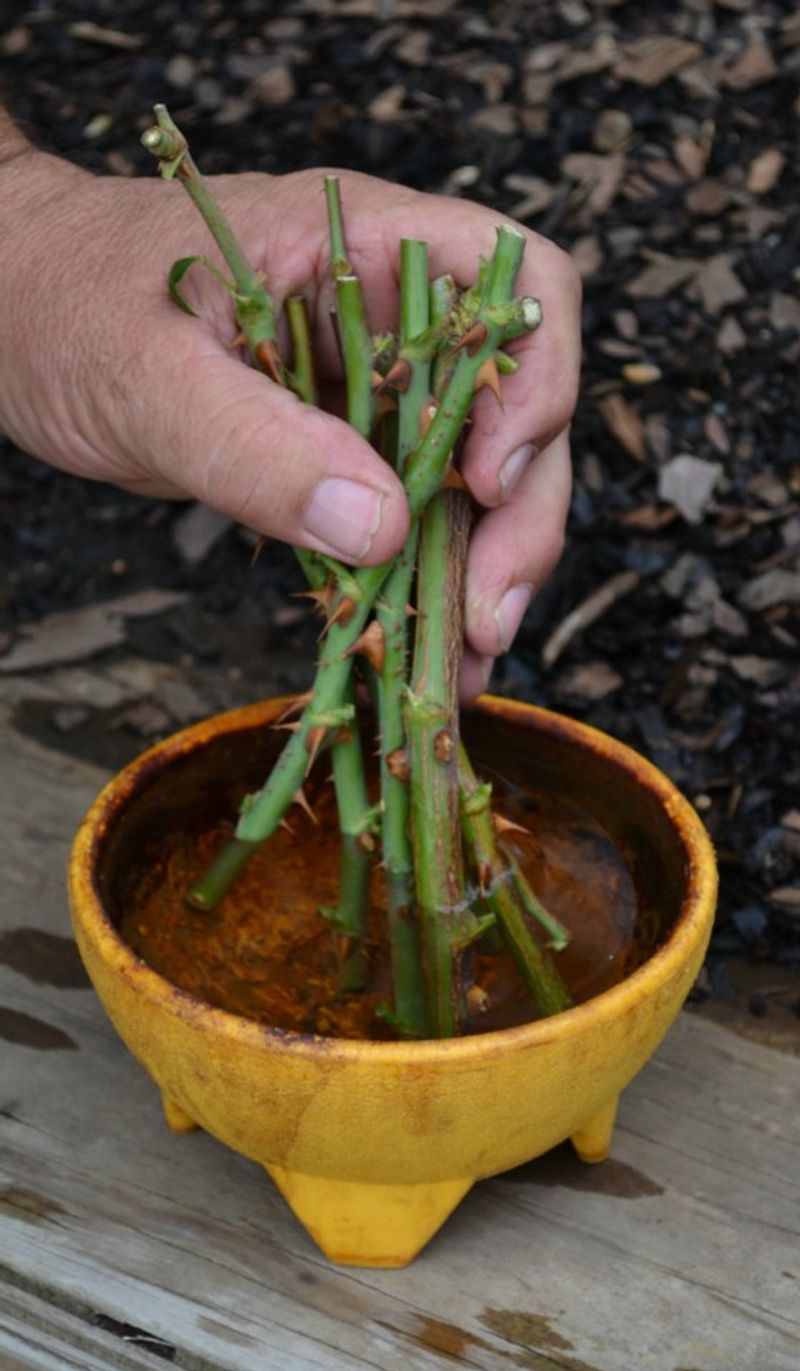
Grab a pencil before you grab your pruners. That pencil makes the perfect measuring stick, because the best rose cuttings are about as thick as one. Stems that size hold enough stored food to fuel new roots through the long, quiet months ahead.
Look for canes that grew this year and have started to firm up. They should feel sturdy, not floppy and soft like brand-new shoots, and not woody and gray like very old canes. A stem that just finished blooming is often a great choice.
Fall and early winter are the sweet spot. Once summer heat fades, these half-ripe stems root slowly and steadily without baking under the jar.
Many Southern gardeners took cuttings around October through December, after the first cool nights arrived.
Now for the cutting itself. Use clean, sharp pruners and snip a piece about 6 to 8 inches long. Make the bottom cut just below a leaf node, which is the small bump where a leaf joins the stem, since roots love to form there.
Next, remove any spent flowers or hips at the top. Strip off the lower leaves so nothing sits under the soil and rots. Leave a couple of leaves near the tip, because they help feed the cutting while it works on roots.
Plant cuttings soon after taking them, ideally the same day. If you need to carry them home, wrap the ends in a damp paper towel and tuck them into a plastic bag.
Across North Carolina, fall rooting under jars is a time-honored habit, and following these simple size rules keeps that tradition working beautifully.
5. Use Rooting Hormone For Better Results
Old-timers often skipped the store-bought helpers and still had plenty of luck. Roses are fairly eager to root, and many varieties will form roots under a jar with nothing extra at all. So why bother with rooting hormone?
Simple answer: it can tip the odds in your favor. Rooting hormone contains plant growth substances that encourage roots to start forming faster.
Faster roots mean a cutting spends less time relying only on stored energy, and more cuttings tend to make it through the winter.
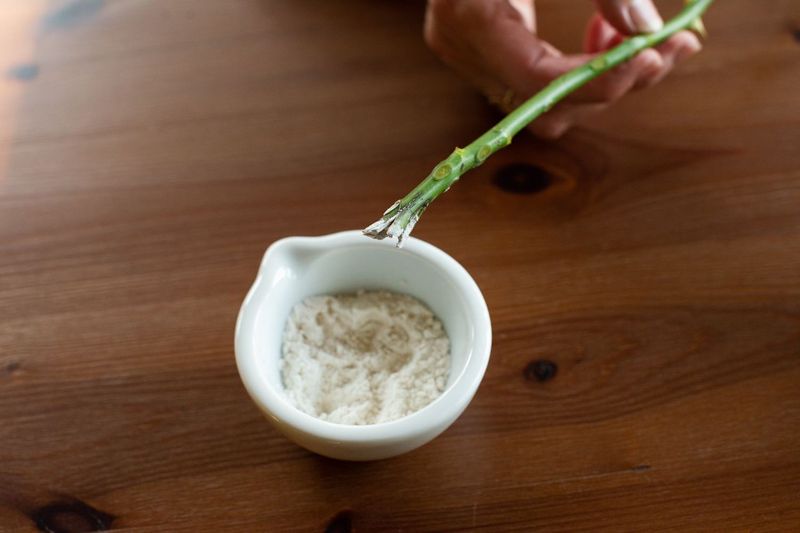
Getting started is easy. First, take a clean knife and gently scrape a thin strip of bark from one side of the bottom inch of the stem. You only want to reveal a sliver of green underneath, not carve deep into the wood.
That little wound gives roots more places to break through. Next, dip the bottom end into rooting hormone powder or gel, making sure the scraped area gets coated. Tap the stem lightly to knock off the extra, since a thin layer works better than a thick clump.
Pour a small amount of powder into a separate cup rather than dipping straight into the container. That keeps the rest of your supply clean for next season.
Then make a hole in the soil with a pencil or stick, so the coating does not rub off when you plant. For North Carolina gardeners, a quick start really counts.
Spring warmth can arrive early in the Piedmont and along the coast, and a cutting with solid roots by then will handle the change far better. A few cents of hormone is a small price for that kind of head start.
6. Pick A Bright, Sheltered Spot Out Of Direct Sun
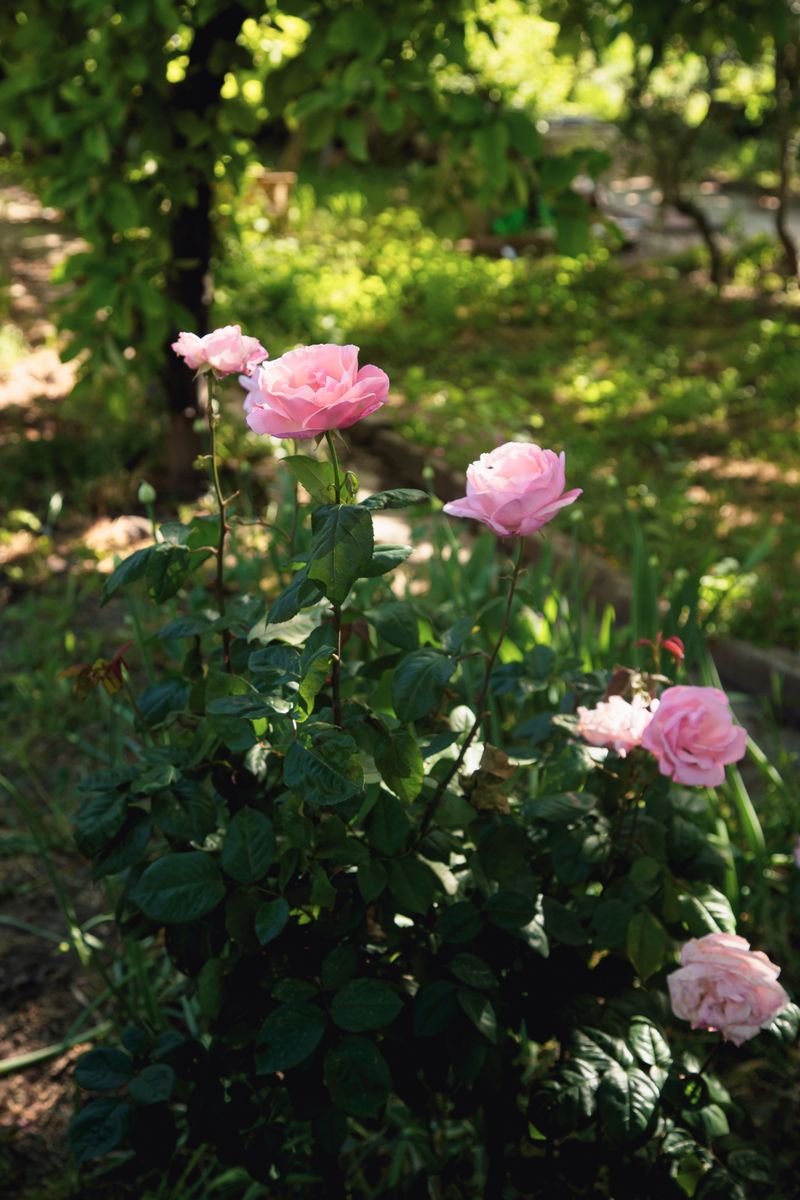
Think about a car parked in the sun on a cool day. The inside gets surprisingly warm, even when the air outside feels chilly. A glass jar over a cutting works the same way, which is why placement makes or breaks this whole project.
Cuttings need light to keep their leaves working, but hot, direct sun can heat the air under the jar quickly and scorch the tender stem. Strong winds and harsh cold can also batter young cuttings. The goal is a bright spot that stays calm and protected.
Good choices include the north or east side of your house, where cuttings get bright shade or gentle morning sun only. The ground under deciduous shrubs can work well too, since bare branches let in winter light while still offering some cover.
Once you find your spot, loosen the soil with a trowel and mix in a few handfuls of compost. North Carolina’s heavy red clay can stay soggy, so this step helps water drain while still holding moisture. Loose soil also makes it easier for new roots to spread.
Push the cutting a few inches deep, about a third to half of its length, and firm the soil around it with your fingers. Water it well. Finally, set a clear glass jar over the top and press the rim slightly into the soil to seal in humidity.
Bright winter days are common across the state, and even in January a jar in full sun can warm up fast. Choosing shade from the start keeps conditions steady, so your cutting can focus on one thing: growing roots.
7. Keep The Soil Moist Through Winter
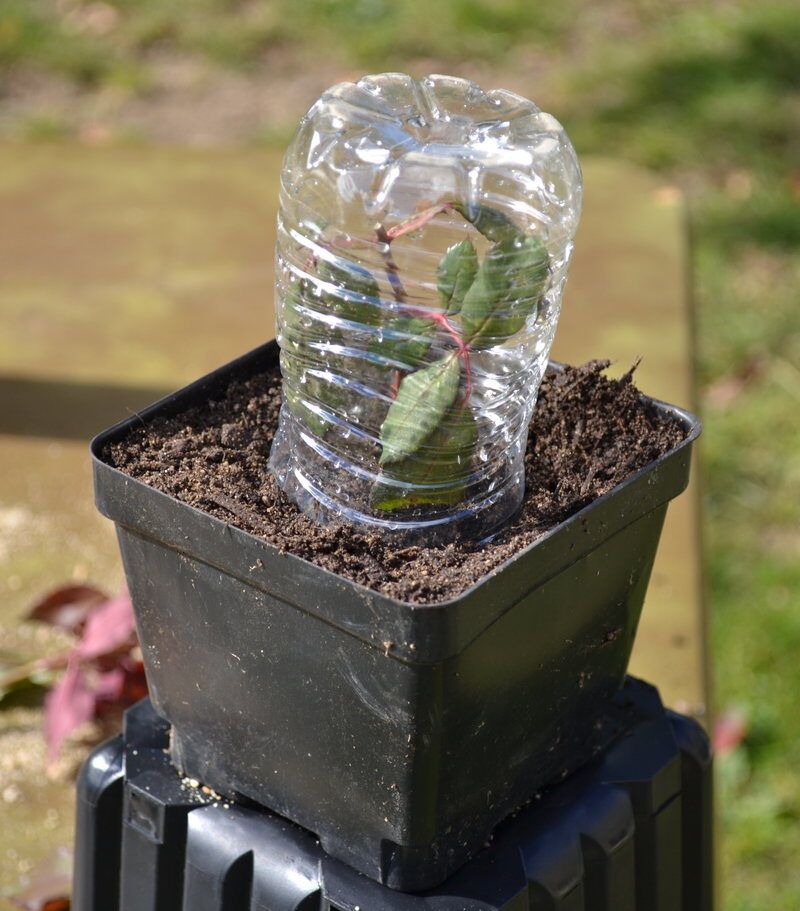
Patience is the hardest tool in the shed. Once the jar goes on, very little seems to happen for weeks, maybe months. Underground, though, the cutting is quietly building a callus and then tiny white roots.
All that slow work depends on moisture. If the soil dries out, rooting can stall or stop completely, and the cutting may never recover. The jar helps hold humidity in, but it does not water the soil around the edges for you.
Make a habit of checking every week or two. Push a finger into the soil right next to the jar. If it feels dry an inch down, give it a slow, gentle drink so the water soaks in instead of running off.
Pay closer attention during dry spells, when rain skips the garden for a couple of weeks. Windy days can dry soil faster than you expect too.
A light layer of mulch around the jar, like shredded leaves or pine straw, helps hold moisture and keeps the soil temperature steadier.
Now comes the tricky part. Leave the jar alone, and resist the urge to tug on the cutting to see if roots have formed. Even a gentle pull can snap fragile new roots and set your plant back by weeks.
Fogging inside the glass is a good sign that humidity is doing its job. In North Carolina, winters often bring long stretches without steady rain, especially in the Piedmont.
A simple watering routine carries cuttings through those dry weeks, so they stay on track for a strong spring start.
8. Check For New Growth In Spring And Transplant Carefully
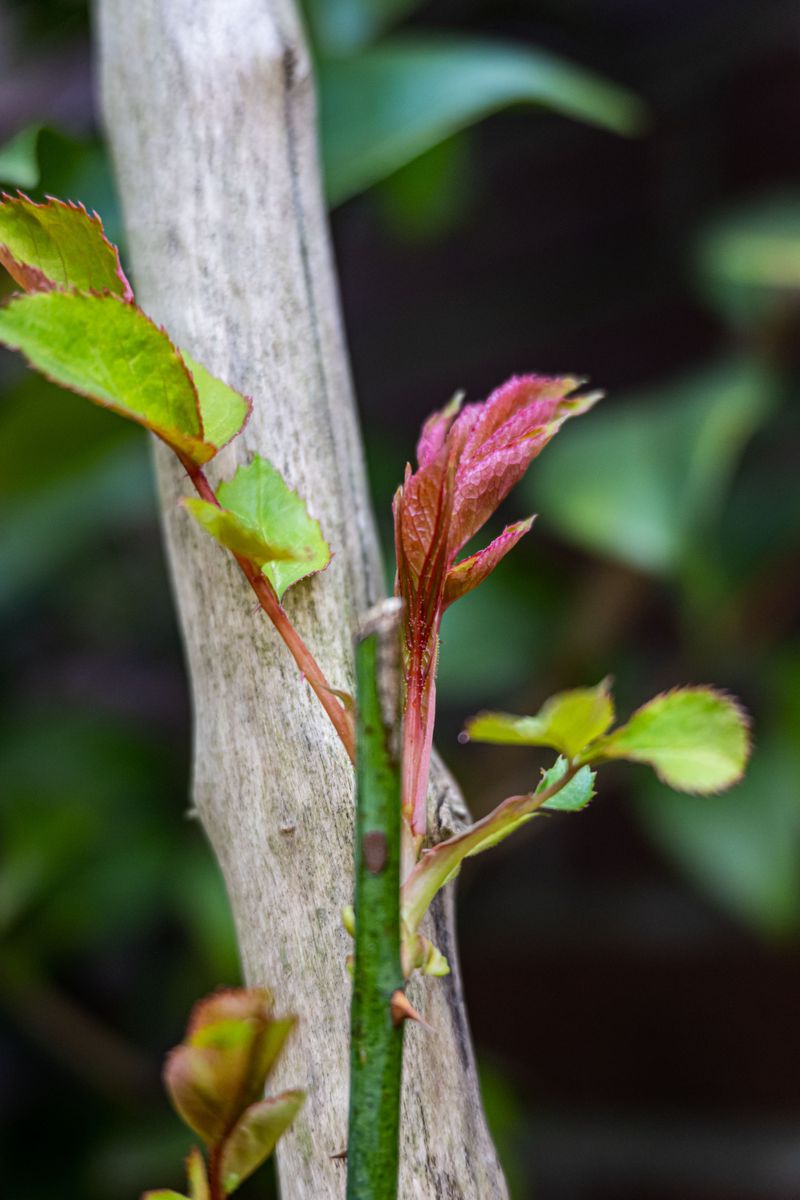
Few garden moments feel as rewarding as spotting fresh leaves under the glass. When spring warms up and your cutting starts pushing out new shoots, that is a strong sign roots have formed below. All those months of waiting finally pay off.
Still, hold off on yanking the jar away. Your little rose has spent the whole winter in moist, still air, and open air can shock it. Young plants need time to toughen up, much like you would ease into cold pool water.
Start by tilting the jar or propping one side up with a small stone for a few hours a day. Over a week or two, leave it open longer and longer. Once the leaves stay perky without the jar, remove it for good.
Through the first summer, keep the young rose watered, especially during hot, dry weeks. A layer of mulch helps keep roots cool. Skip heavy fertilizer early on, since gentle growth builds a sturdier plant than a rushed one.
Then wait one more season before moving it. The following fall or winter, when the rose is resting, dig carefully around it, keeping as much soil around the roots as possible. Replant it at the same depth in its permanent sunny spot and water it in well.
North Carolina summers can be long and steamy, so a full growing season in place lets young roses build solid roots before facing a move. Before long, that humble stem becomes a blooming bush, ready to share with the next friend who admires it over the fence.