8 Compost Pile Mistakes To Avoid Once Michigan Temperatures Drop
A compost pile in July practically runs itself. By November, the same pile can go quiet, sit cold, and smell strange. Many Michigan gardeners assume it has stopped working for the season and ignore it until spring.
That is only partly true. Cold slows the microbes, but the choices you make now decide how fast things start again when the weather warms. A few habits that were harmless in summer turn into real problems in winter.
Too much water freezes into a solid block. Too little air leaves everything soggy underneath. Some scraps bring unwanted visitors, and others never break down.
Eight common mistakes show up again and again, and every one is easy to fix once you know what to look for.
1. Letting The Pile Stay Too Small
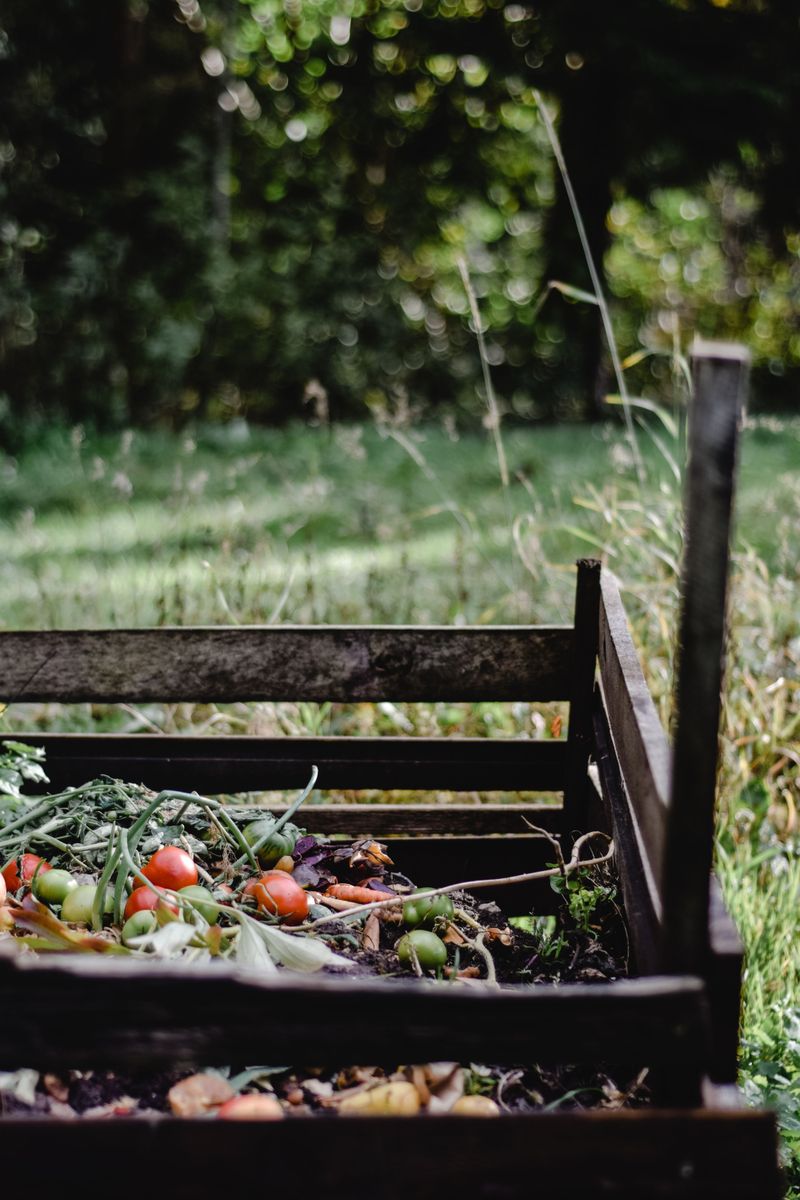
Size really does matter when the thermometer starts sliding toward zero. A compost pile works like a little furnace, because the tiny microbes inside give off heat as they munch through scraps and leaves.
Small piles simply cannot hold onto that warmth for long. Think about a cup of hot cocoa compared to a big pot of soup.
The cup cools off in minutes, while the pot stays warm much longer. Compost behaves the same way, so a tiny heap on a cold night loses its heat fast and can freeze solid, bringing all the action to a stop.
Aim for a pile that measures at least 3 feet wide, 3 feet deep, and 3 feet tall. That size gives the center enough bulk to stay insulated while the outer layers act like a cozy blanket. Bigger piles, up to about 5 feet on each side, can hold heat even better.
Got two or three small heaps scattered around the yard? Fall is the perfect time to combine them into one solid mound before the ground freezes. Merging them gives the microbes a stronger home and makes winter care much easier for you.
Once winter settles in, keep feeding the pile right in the middle. Pull back the top layer, tuck new scraps into the warm core, and cover them up again. That simple habit keeps the center active and protects fresh material from the icy air.
Michigan winters can stretch from November well into March, and a small pile might sit frozen and idle for months. Building it big now means your compost keeps working longer and bounces back faster once spring sunshine returns.
2. Adding Kitchen Scraps Without Enough Browns
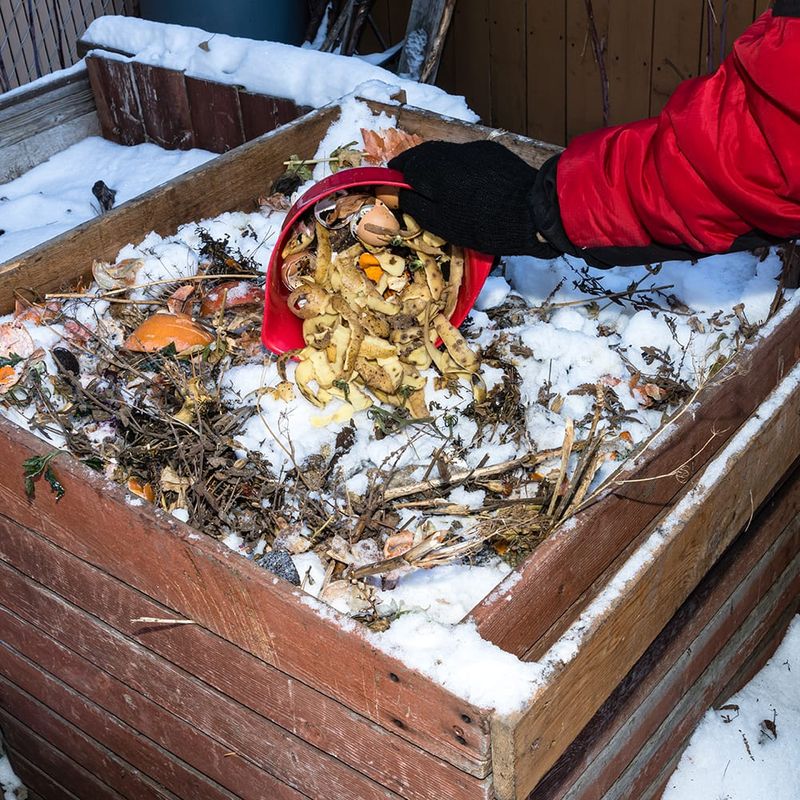
Banana peels, carrot tops, and leftover lettuce pile up fast in a busy kitchen, especially around the holidays. Tossing them straight onto the compost seems easy enough. Without a good helping of dry material, though, trouble starts brewing quickly.
Kitchen scraps are known as greens, which means they are wet and loaded with nitrogen. Dry leaves, straw, and shredded cardboard are called browns, and they bring carbon to the mix.
Too many greens and not enough browns turn a pile soggy and stinky, and in cold weather that mess freezes into a slimy, airless block.
Your Michigan Garden Changes Every Week. Your Plan Should Too.
Gardening in Michigan changes quickly throughout the season. Every Friday you’ll receive a simple weekly plan showing exactly what to plant, prune, fertilize, harvest, and protect so you never miss the right timing.
Balance is the secret here. Every time you add a bucket of food scraps, cover it with two to three times as much dry leaves or straw. The browns soak up extra moisture, add air pockets, and keep odors under control.
Planning ahead makes this simple. In October and November, rake up dry leaves and stuff them into paper yard bags or old feed sacks. Store them in a garage, shed, or right next to the compost pile so they stay ready all winter long.
A lidded bin or trash can full of browns parked beside the pile is a real game changer. When snow is knee deep, you will not want to hunt for leaves. Everything you need will be waiting within arm’s reach.
Michigan gardeners have a big advantage, since fall brings a mountain of free leaves from maples, oaks, and other trees.
The catch is that those leaves vanish under snow by December. Gather them while you can, and your winter compost will stay balanced, sweet smelling, and ready to grow.
3. Adding Whole Leaves Instead Of Shredded Ones
Ever stepped on a soggy pile of wet leaves and felt it squish like a wet blanket? That same thick mat forms inside a compost pile when whole leaves go in. They stick together in tight layers that are surprisingly hard to break apart.
Those dense layers block air and water from moving through the pile. Microbes need both to do their job, so whole leaves can sit for a year or more with barely any change. In cold weather, the process slows down even further.
Shredded leaves tell a completely different story. Smaller pieces give microbes far more surface area to work on, so they break down much faster. They also blend nicely with kitchen scraps and other materials instead of forming a stubborn crust.
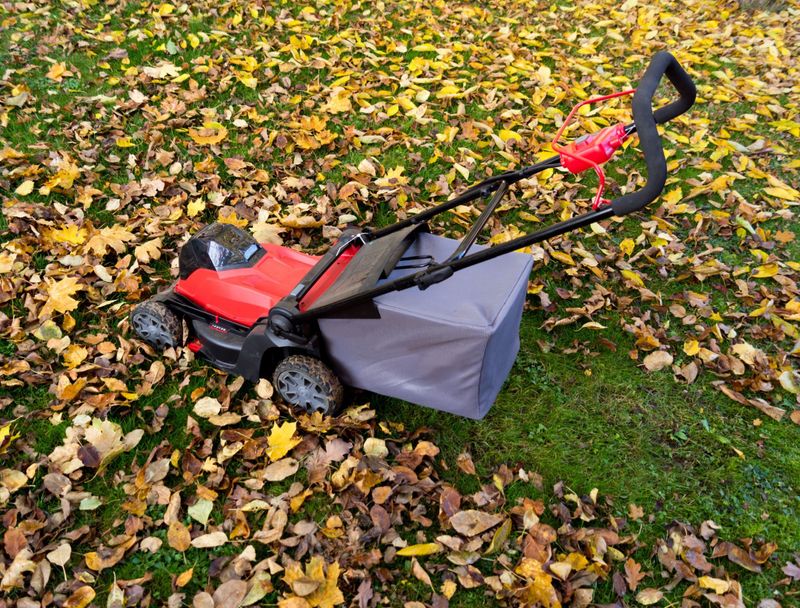
Good news: you probably already own the perfect tool. Run a lawn mower over a pile of leaves a couple of times, ideally with a bagging attachment to collect the pieces. A leaf shredder or a leaf blower with a vacuum and shred setting works great too.
Once the leaves are chopped, mix them into the pile instead of dumping them in thick slabs on top. Toss them in with greens, stir them around a bit, and keep the layers thin. Your compost will stay loose, airy, and much more active.
Michigan is famous for its gorgeous fall color, and all those maples and oaks drop a huge amount of leaves each autumn. Oak leaves are tough and slow to rot, so shredding them helps a lot. Turn that yearly leaf drop into a free, fast-working compost booster.
4. Letting The Pile Get Soggy Or Bone Dry
Grab a kitchen sponge, soak it, and wring it out. That damp, springy feel is exactly how healthy compost should be. Too wet or too dry, and the whole process stalls out.
A soaked pile is a big problem in late fall and winter. Rain and melting snow fill every air pocket, and when temperatures drop, the pile freezes into a heavy, airless lump. Without oxygen, the good microbes stop working and sour smells can take over.
The opposite trouble is less obvious but just as real. A pile that dries out, maybe under a roof edge or in a windy spot, simply quits breaking down. Dry scraps can sit there unchanged for months.
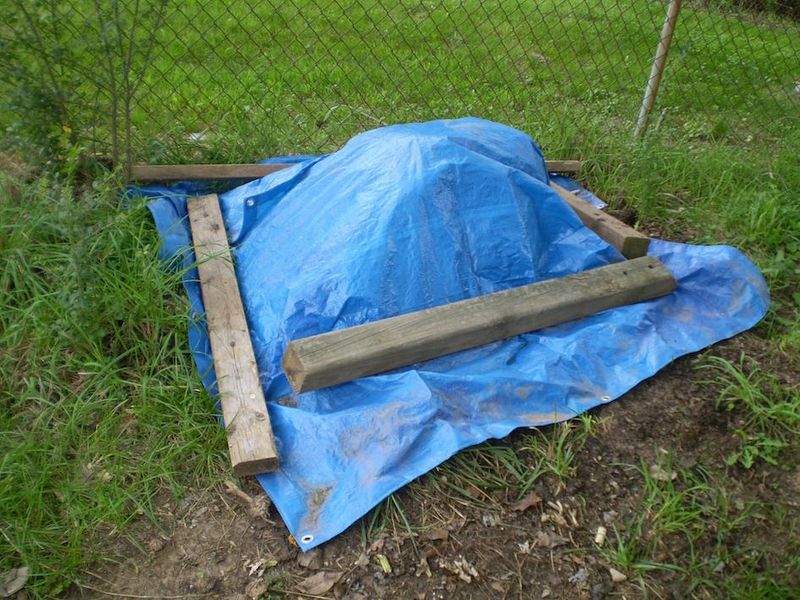
Covering the pile is the easiest fix. A sturdy tarp weighed down with bricks or rocks keeps out heavy rain and snow while still letting you peek inside. A compost bin with a lid works even better and looks tidier too.
Winter thaws are a great time to check on things. Dig into the pile with a garden fork and grab a handful from the middle.
If water drips out, mix in dry shredded leaves or straw, and if it crumbles like dust, sprinkle on a little water when temperatures are above freezing. Michigan weather loves to keep gardeners guessing.
Chilly fall rains can soak a pile in a week, and a January thaw can turn snow into slush overnight. Keeping an eye on moisture helps your compost stay in good shape no matter what the sky throws at it.
5. Turning It Too Often In Freezing Weather
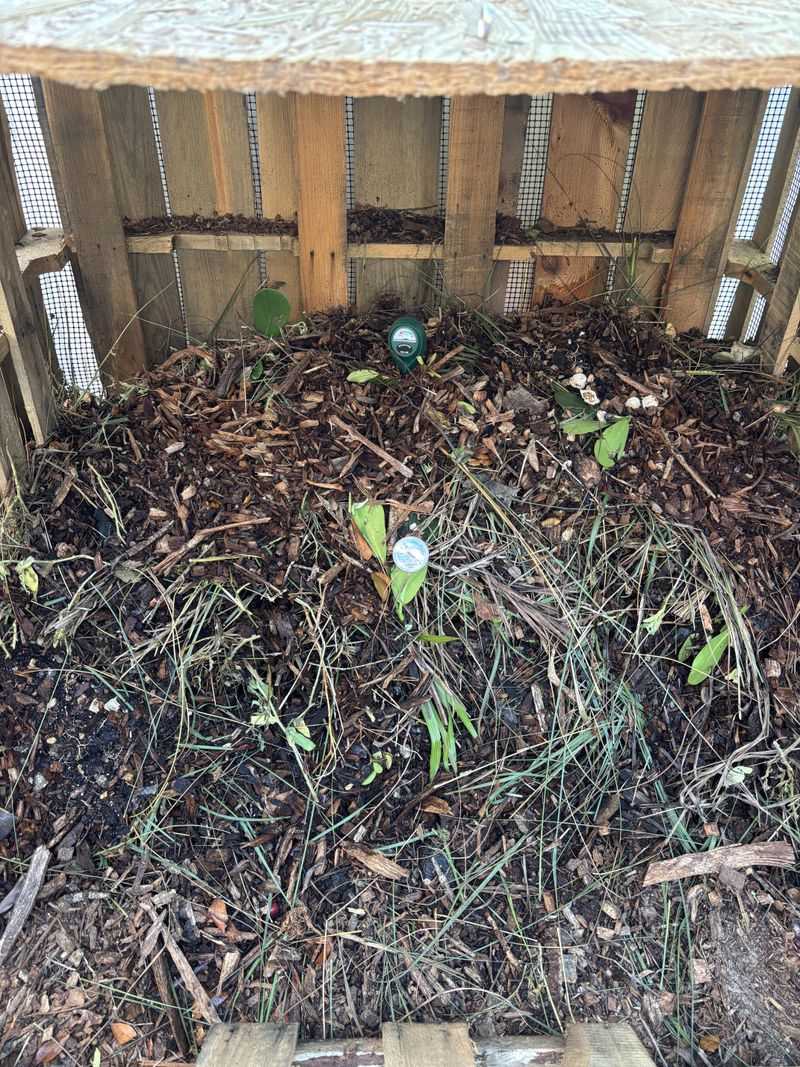
Steam rising from a compost pile on a frosty morning is one of the coolest sights in the garden. That little cloud means the center is warm and busy. The quickest way to lose it is to start stirring things up in freezing weather.
Turning feels like the right thing to do because it adds air, and in summer it really helps. In winter, though, flipping the pile exposes that warm core to icy air. The heat escapes fast, and decomposition can slow way down or stop completely.
Fall is your best window for a good, thorough turn. Before the hard freezes arrive, mix the pile well so the materials are blended and fluffy. That gives the microbes plenty of air to carry them into the cold months.
After that, step back and let the pile rest. Through the coldest stretch of winter, leave it mostly alone. When you add fresh scraps, just open a small hole in the center, drop them in, and cover them back up with leaves or finished compost.
Mild spells are a different story. If a warm week pushes temperatures into the 40s, feel free to give the pile a light turn. Once spring truly arrives, go ahead and mix it fully to wake everything back up.
Michigan gardeners face weeks of bitter cold, sometimes with temperatures well below zero. Turning during those stretches does far more harm than good. Patience pays off here, and your pile will reward you with a quick restart when the snow melts.
6. Adding Meat, Dairy, Or Greasy Foods

Raccoons are clever little bandits, and a winter compost pile full of leftover chicken bones is basically an open invitation. Skunks, rats, and even the neighbor’s dog will happily join the party. Keeping certain foods out of the pile saves you a lot of headaches.
Meat, bones, fish, cheese, milk, and oily foods all cause trouble in a backyard compost pile. They break down slowly, especially in cold weather, and they create strong, unpleasant smells. Those odors travel far and draw hungry animals right to your yard.
Winter makes the problem worse. Wild food is hard to find when snow covers the ground, so animals search harder and dig deeper. A pile with greasy scraps can get torn apart overnight, leaving a mess scattered across the snow.
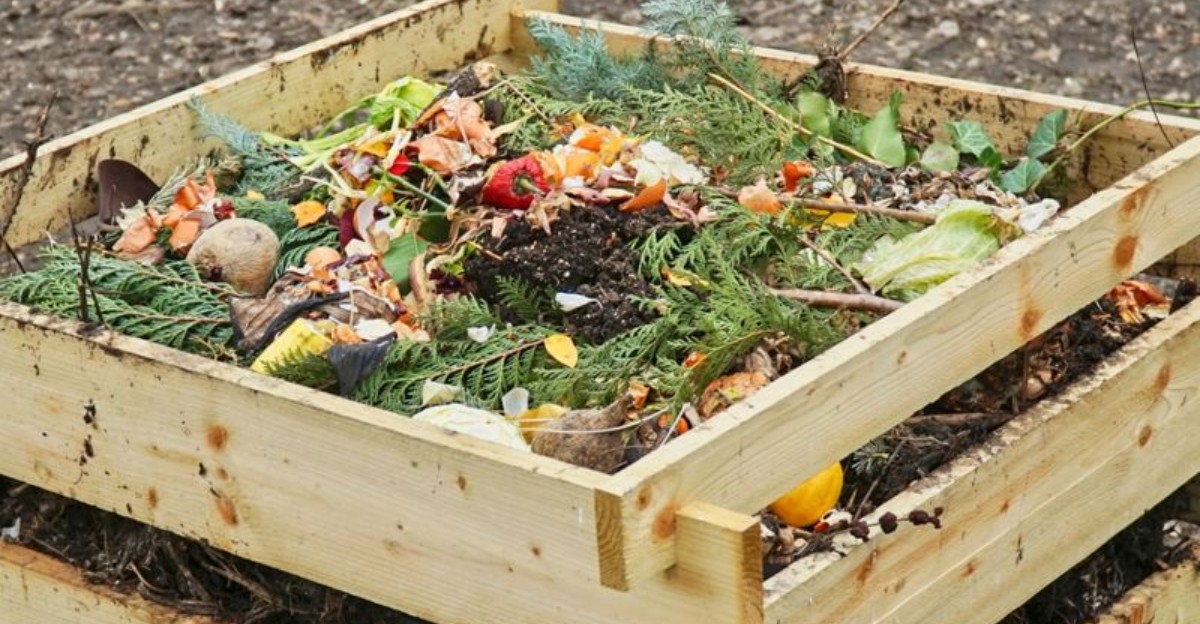
Stick to the safe list instead. Fruit and vegetable scraps, coffee grounds, tea leaves, crushed eggshells, and yard waste are all great choices. Coffee filters and plain paper tea bags can go in too, as long as they are not plastic.
Burying food scraps in the center of the pile helps hide smells and keeps things tidy. Cover each batch with a good layer of leaves or straw. If animals still come snooping, switch to a sturdy bin with a locking lid or a solid bottom screen.
Michigan is home to plenty of curious wildlife, from raccoons and opossums to skunks and squirrels. During the cold months, they often treat compost piles like a buffet. Keeping the menu plant based makes your pile far less tempting.
7. Composting Diseased Plants And Weed Seeds
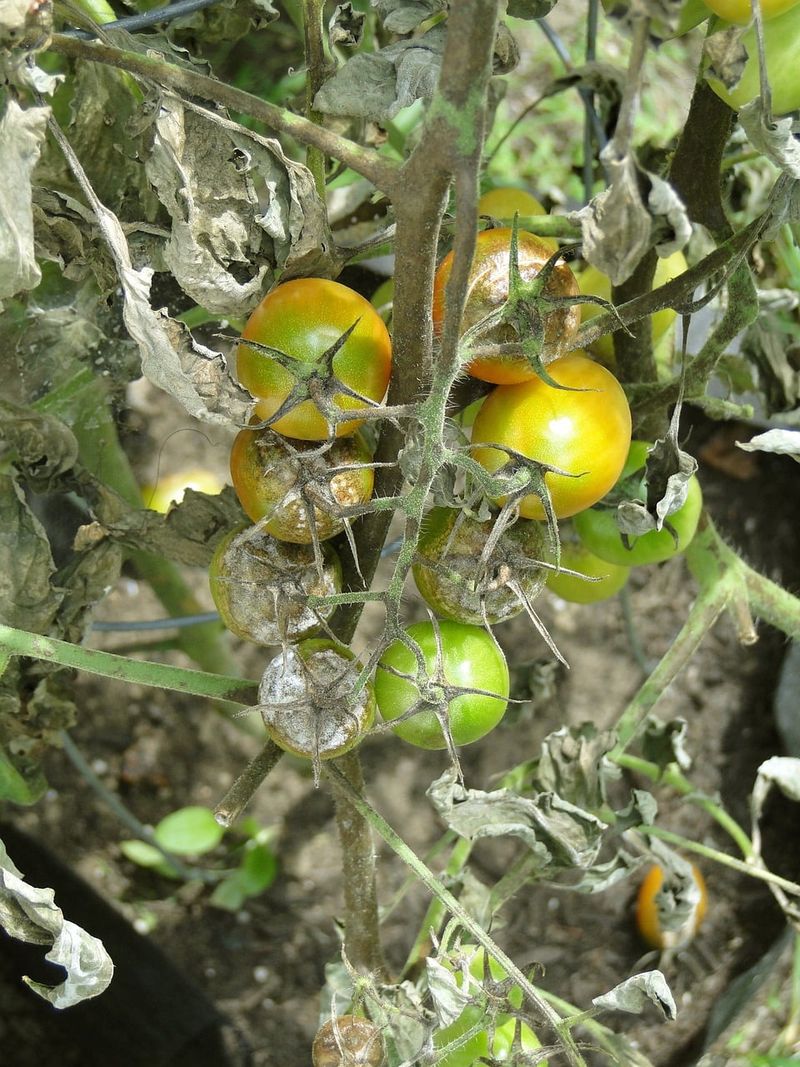
Nobody wants to pass last year’s garden problems along to next year’s plants. Yet that is exactly what can happen when sick vines and seedy weeds land in a winter compost pile. A little caution during fall cleanup goes a long way.
Hot compost piles can reach 130 to 160 degrees Fahrenheit, which is enough to wipe out many plant diseases and weed seeds.
Cold or slow piles never get close to those temperatures, and winter piles are almost always on the cool side. Germs and seeds can survive the whole season and come right back when you spread the compost in spring.
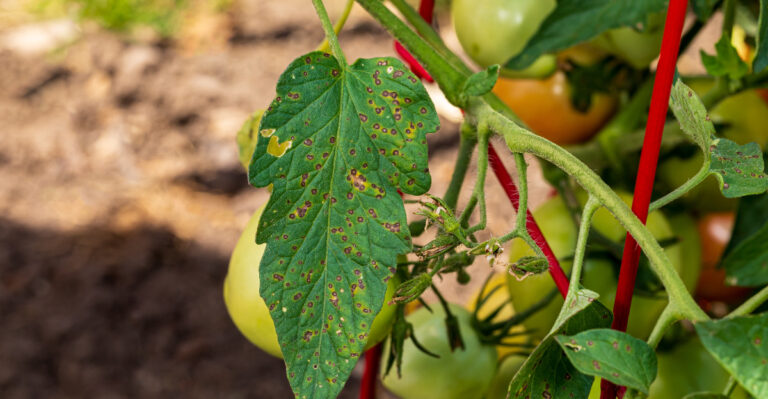
Diseased plants top the list of things to skip. Tomatoes with early blight or late blight, squash and cucumbers coated in powdery mildew, and anything with strange spots or rot should stay out.
Healthy plant material is fine, but questionable leaves are not worth the risk. Weeds are sneaky too.
Once dandelions, crabgrass, or lamb’s quarters have gone to seed, those seeds can sprout all over your beds. Pull weeds before they flower whenever possible, and toss seedy ones elsewhere.
Bagging is the simple answer. Put diseased plants and seedy weeds into paper yard waste bags for curbside pickup, or into the trash if your town allows it. Many municipal composting sites run much hotter than home piles.
Fall cleanup in Michigan often means pulling out tomato plants that struggled through humid summer weather. Blight and mildew are very common here. Keeping those plants out of your compost helps next year’s garden start fresh and strong.
8. Leaving The Pile Exposed To Wind And Cold
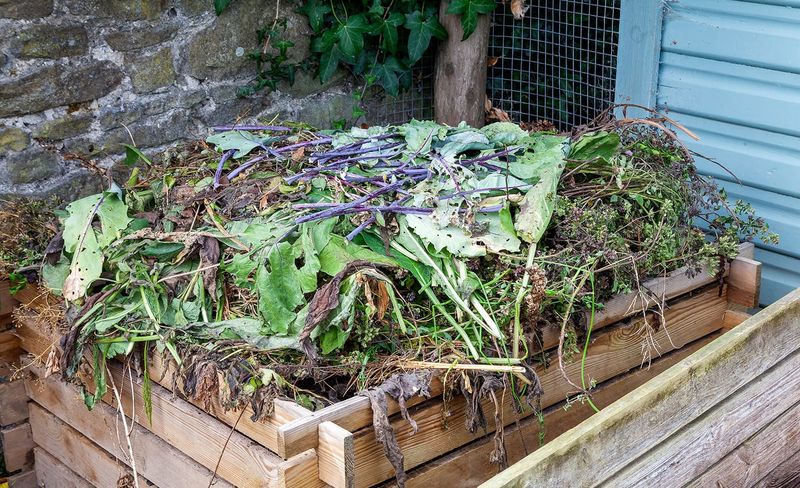
Standing at a bus stop on a windy January day teaches you fast how much a breeze can chill you. Compost piles feel that same bite. Wind steals heat from an open pile much faster than still air ever could.
Location makes a huge difference. A pile tucked into a sunny corner, shielded by a fence, shed, garage, or row of evergreens, stays noticeably warmer. Even a few extra degrees can keep the microbes working longer into the season.
Insulation adds another layer of protection. Stack straw bales around the pile like a little fort, or line it with bags of leaves. A thick blanket of leaves or straw on top helps trap warmth rising from the center.
Moving a pile can be a big job, so think about placement before the snow flies. South-facing spots get the most winter sun, which helps warm the pile on clear days. Being close to the house makes trips with kitchen scraps easier too.
Keep your expectations realistic. During the deepest cold, even a well-protected pile may slow down or stop working entirely, and that is completely normal. The microbes are simply resting, not gone.
Spring brings the good part. As soon as temperatures climb, the pile wakes up quickly and gets right back to work, often faster than an unprotected one.
Michigan winters bring harsh winds off the Great Lakes and long frozen stretches, so a sheltered, insulated spot gives your compost its best shot at a strong comeback.