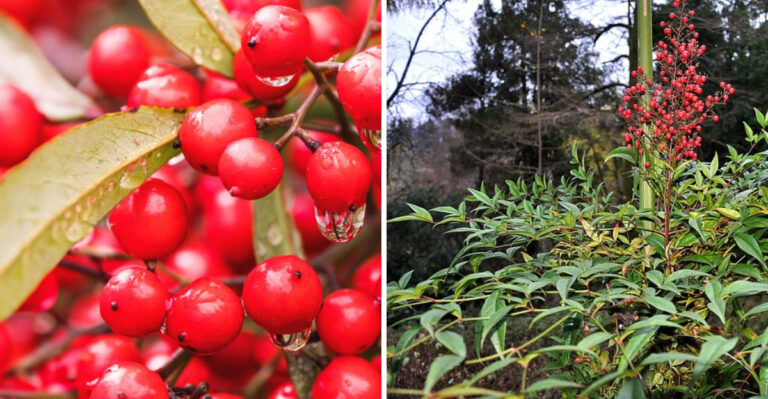
Bush Honeysuckle Stays Green After Missouri Woods Turn Brown, So Now Is The Time To Spot It
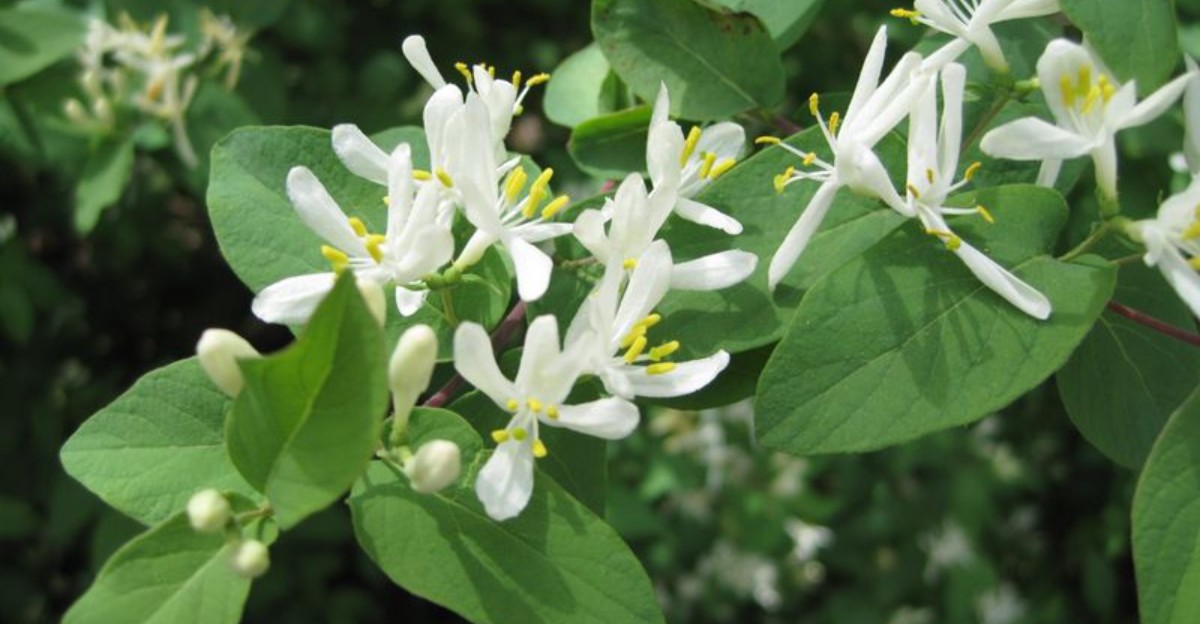
A few shrubs in Missouri woods hold bright green leaves well into November, after most native trees have dropped their leaves. I like how plainly that gives them away, because a green bush in a gray forest is hard to miss.
The same shrubs also wake up early in spring, often leafing out a couple of weeks before native plants. That long growing season lets them soak up extra sunlight while the trees around them are still resting.
Birds eat their bright red berries each fall and drop the seeds along fencerows, trails, and creek banks. That is a big reason the Missouri Department of Conservation lists bush honeysuckle as an invasive shrub that spreads easily in woodlands.
You need only a short walk this month to see them, since October light makes green leaves glow. Have you ever noticed how one patch of woods still looks like summer while the rest feels like winter?
Lingering Green Leaves Stand Out Against Bare Woods
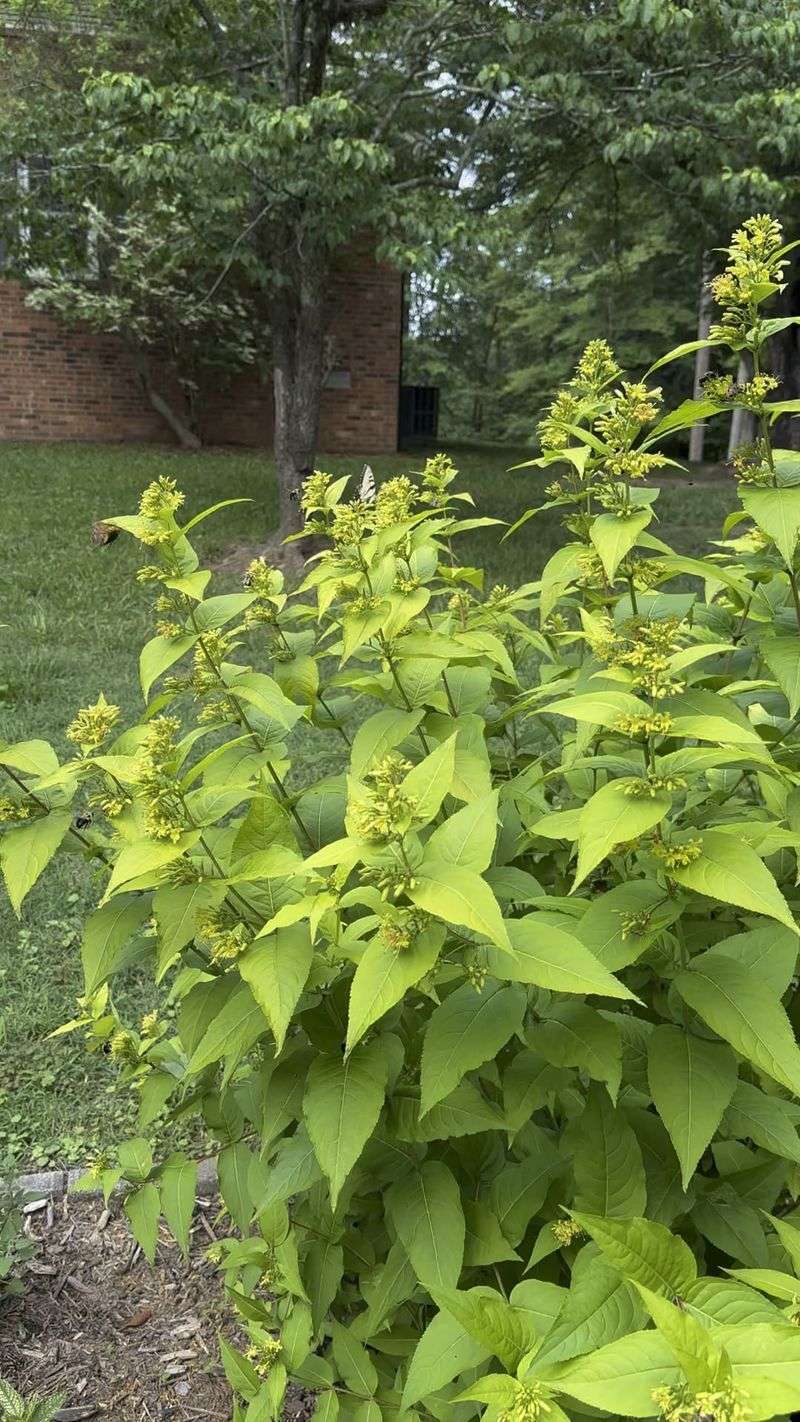
Bush honeysuckle holds green leaves weeks longer than hickories, native dogwoods, and most other woodland shrubs and trees. Many leaves stay green into late November, and some cling on even into early December in mild years.
That late color is the main reason fall works so well for spotting it across fields and forests. Once native leaves drop, the honeysuckle looks like a bright green cloud sitting under the gray tree trunks.
Look for a large, spreading shrub that often grows six to twenty feet tall with arching branches. The leaves sit opposite each other on the stem, and each leaf has a long, pointed tip.
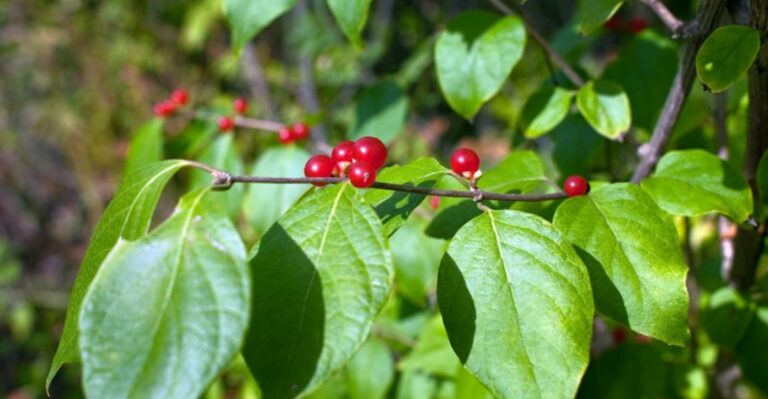
In fall, small red berries appear in pairs where the leaves join the stem along each branch. Those shiny berries often hang on through winter, giving you another clue after the leaves finally drop.
Scientists at several universities think the long leaf season helps the shrub store extra energy each year. That stored energy may explain why it spreads so quickly and grows so thick in Missouri forests.
A good plan is to walk a familiar trail or property line on a clear October or November afternoon. Mark each green shrub with bright tape or a phone map pin so you can find it later.
Fencerows, woodland edges, and creek banks are common hot spots, since birds often rest there and drop seeds. Even a quick drive down a country road can show you how widespread the shrub has become.
Hollow Stems That Confirm The Identification
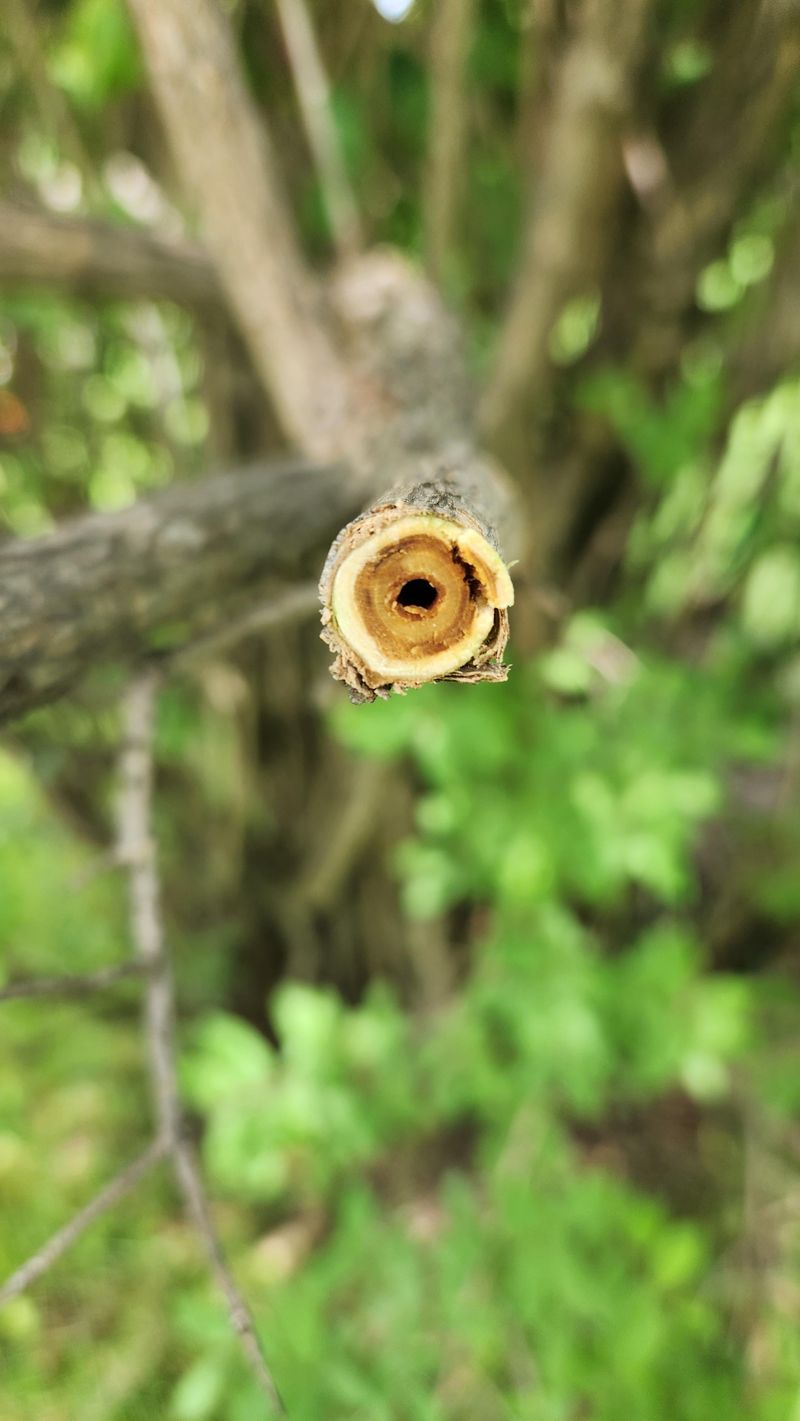
One snap of a small branch can settle the question, and it takes only a pocketknife or pruners. Cut a stem about as thick as a pencil or thicker and look closely at the very center of the cut.
Amur honeysuckle and its close cousins have a hollow center, sometimes lined with a thin layer of brown pith. Native shrubs with similar leaves usually have a solid white center, which makes the test very handy.
The bark gives another clue, especially on older stems that have grown thick over several seasons. It is light tan or gray and often peels in long, shaggy strips that look a bit stringy.
Your Missouri Garden Changes Every Week. Your Plan Should Too.
Gardening in Missouri changes quickly throughout the season. Every Friday you’ll receive a simple weekly plan showing exactly what to plant, prune, fertilize, harvest, and protect so you never miss the right timing.
Younger twigs may feel slightly fuzzy, while older ones look rough and furrowed near the base. Many shrubs also grow with several stems rising from one crown, like a loose bundle of sticks.
Checking the stem matters because leaves alone can fool people, especially after frost changes their color a little. The hollow center is one of the clearest signs extension services point to when teaching identification.
I suggest testing two or three stems on each shrub before deciding, just to be sure. Very young twigs can look solid, so test stems that are at least pencil-thick for the most reliable answer.
Keep a small notebook or phone note listing each confirmed shrub and where it grows on your land. That simple record helps you plan control work and track new seedlings over the next few years.
Native Shrubs That Can Look Similar
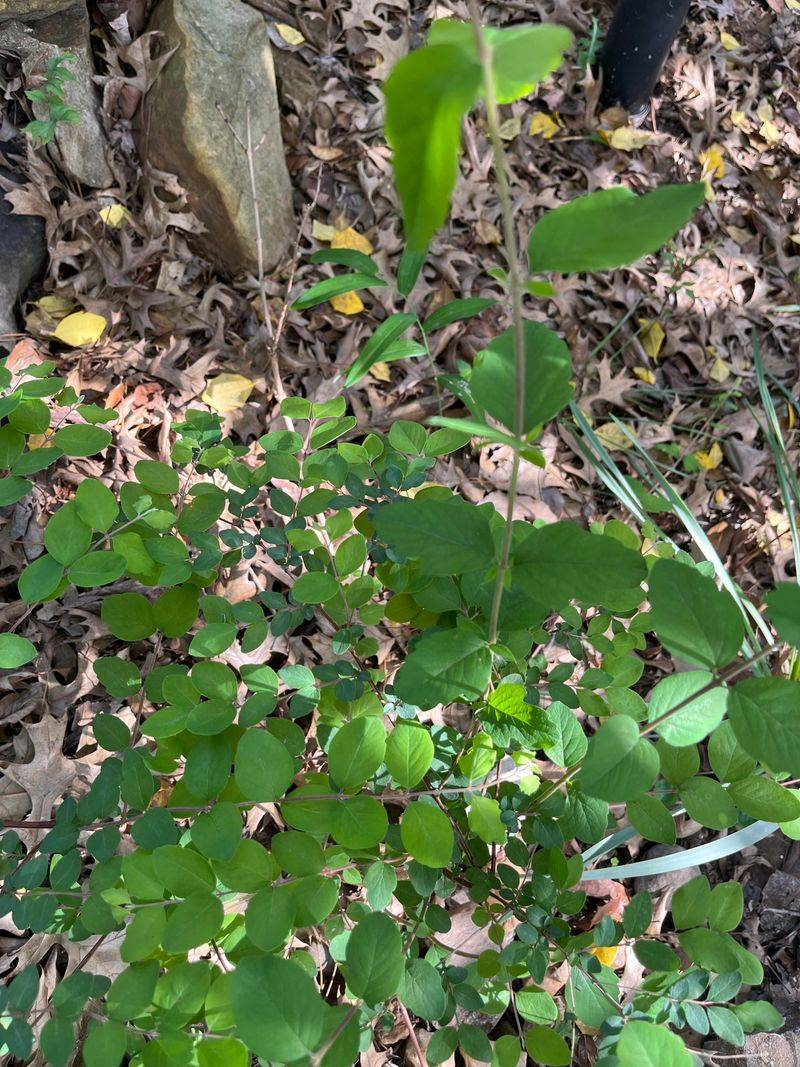
Not every green shrub in October is an invader, so a little patience protects the plants you want. Several Missouri natives share the same opposite leaves and red or colorful fruit, which can cause honest mix-ups.
Coralberry, also called buckbrush, is a common look-alike that grows low, usually under three feet tall. Its purplish-pink berries cluster tightly along the stems, and its twigs have a solid center inside.
Native honeysuckles in Missouri, such as wild honeysuckle vines, climb or twine rather than forming tall shrubs. Their stems are solid, and their upper leaves often join together around the stem like a small cup.
Gray dogwood and roughleaf dogwood also have opposite leaves, but their fruits are white rather than red. Dogwood leaves show curved veins that bend toward the tip, a handy detail you can check quickly.
Blackhaw and other native viburnums hold blue or black fruit and usually turn red or purple in fall. Spicebush leaves are alternate, and they smell spicy and lemony when you crush one between your fingers.
Most of these natives change color or drop leaves earlier, while the invader stays green much longer. Use leaf timing as a first hint, then confirm with the hollow stem test before removing anything.
Native shrubs feed caterpillars, pollinators, and birds, so keeping them makes your woods healthier over a long time. The Missouri Department of Conservation offers free guides with clear photos to help you compare these plants side by side.
Dense Shade That Crowds Out Woodland Wildflowers
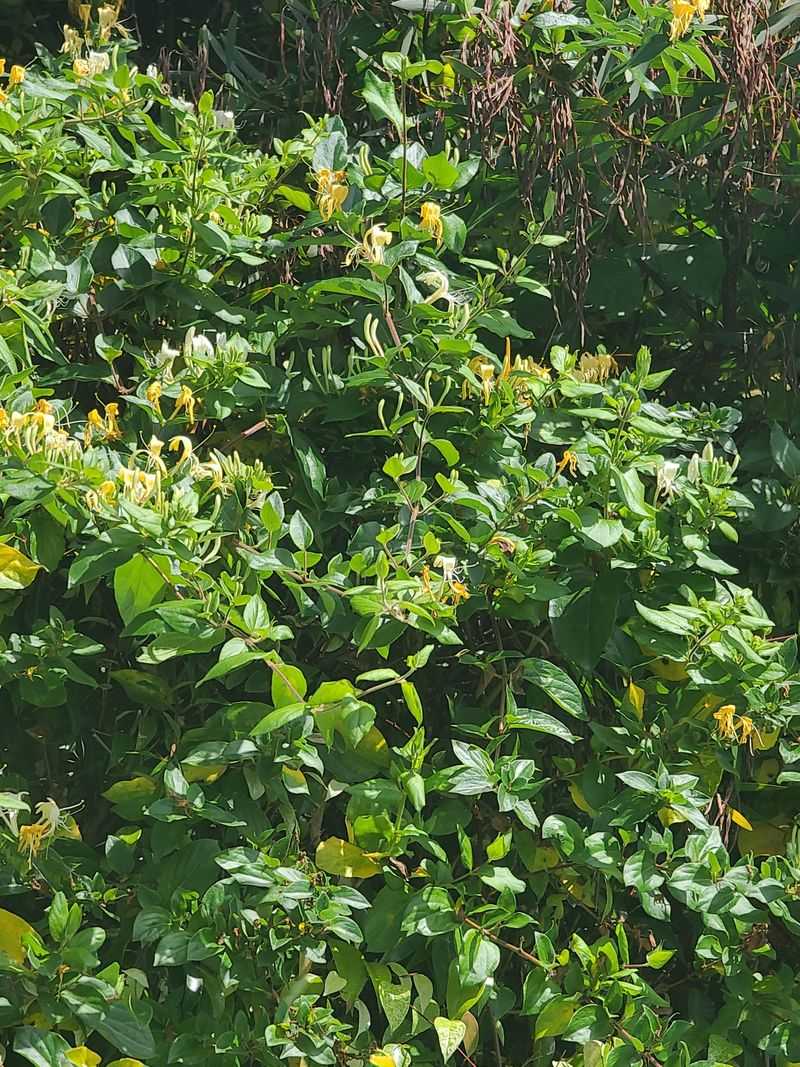
Spring wildflowers like trout lily, Dutchman’s breeches, and bloodroot depend on sunshine before the trees leaf out. Bush honeysuckle leafs out first and shades the forest floor during that short and important window.
In fall, its late leaves keep blocking light while native seedlings try to finish their own growing season. Over many years, thick stands can leave the ground under them nearly bare except for honeysuckle seedlings.
Research in Missouri and nearby states has linked heavy honeysuckle cover to fewer native tree seedlings and wildflowers. Some studies also suggest chemicals in its roots and leaves may slow the growth of nearby plants.
Scientists are still studying how strong that chemical effect is, so the shade remains the clearest problem. Wildlife feels the change too, because fewer native plants means fewer insects for nesting birds to eat.
The berries look like a treat, yet they hold less fat than many native fruits birds need in fall. Migrating songbirds often benefit more from fruits like dogwood, spicebush, and viburnum before long flights south.
Researchers have also found that nests built in honeysuckle may face more predators because of low, open branches. That finding varies by study and location, but it adds another reason to manage thick patches.
When honeysuckle is removed, many woodlands show returning wildflowers within a few seasons, though results differ from site to site. Seeing trilliums or mayapples pop back up feels like getting an old friend back in your woods.
Hand Pulling Young Plants In Soft Soil
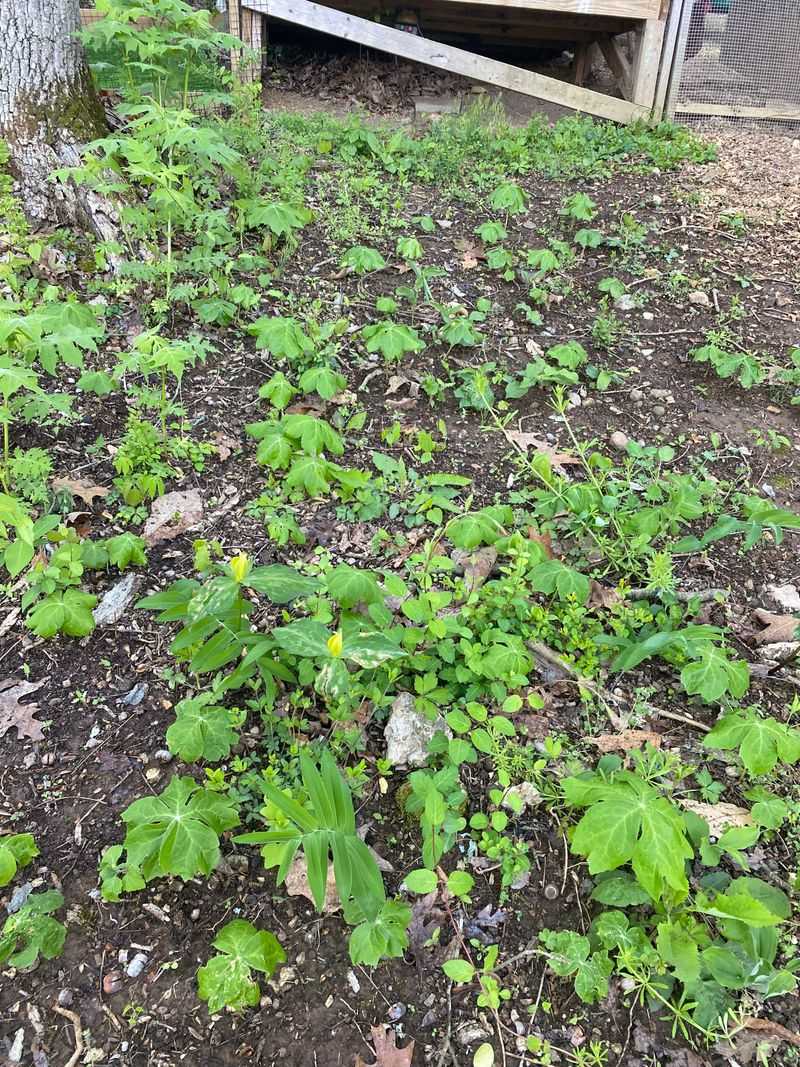
Small seedlings are the easiest target, and fall rains often leave the soil soft enough for clean pulling. Plants under about two feet tall usually come out by hand if you grip them low near the ground.
Pull slowly and steadily so the whole root comes up, since broken roots can sprout new stems. Wearing sturdy gloves protects your hands, and a garden weeder helps loosen stubborn roots in rocky Missouri soil.
For slightly bigger shrubs, a weed wrench or similar lever tool can pop out stems up to about two inches. These tools grip the base and rock the roots free, which saves your back and lots of effort.
Shake loose soil back into the hole and press it down gently to limit new weed seeds sprouting. Pulled plants can be left roots-up on dry ground or hung in a shrub fork, since stems touching damp soil may root again.
Fall timing helps because the green leaves make even tiny seedlings easy to spot among brown leaf litter. Many families turn it into a weekend project, giving kids a simple job with real results they can see.
Watch for seedlings near larger shrubs, since berries drop close to the parent plant and sprout in clusters. Check your work again next fall, because seeds stored in the soil can keep sprouting for several years.
Pulling works best for scattered plants, while thick stands of big shrubs often need cutting and treatment instead. Starting with the small ones keeps the problem from growing while you plan bigger removal jobs.
Cut-Stump Treatment For Larger Shrubs
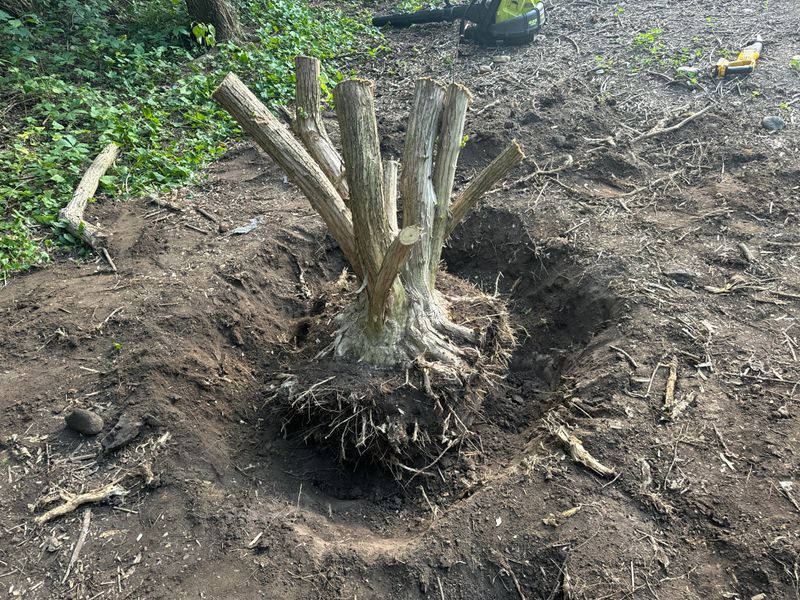
Big honeysuckle shrubs usually resprout quickly when they are only cut, often coming back thicker than before. Extension services recommend cutting the stems near the ground and treating the fresh stump with herbicide right away.
Fall is a favored time because plants move sugars down to their roots, carrying the herbicide along too. Many guides suggest applying it within about fifteen minutes of cutting, before the stump surface begins to seal.
Common choices include glyphosate or triclopyr products, painted or sprayed on the outer ring of the stump. That outer ring holds the living tissue, so you do not need to soak the whole cut surface.
Read the product label carefully and follow its directions, since it is the legal guide for safe use. Wear gloves and eye protection, and keep herbicides away from children, pets, and nearby streams or ponds.
A small handsaw or loppers handles most stems, while a chainsaw speeds up work on very thick stands. Adding a little marker dye to the herbicide helps you see which stumps you have already treated.
Large patches may take several seasons, so working in sections keeps the job from feeling overwhelming. Some landowners hire a professional or join volunteer groups that remove honeysuckle in Missouri parks each fall.
After clearing, plant natives like serviceberry, spicebush, or redbud to fill the open space with helpful growth. I believe watching those native shrubs settle in is the best reward for all that hard work.