Got A Little Space In Your Missouri Bathroom? Here Are 8 Plants That Love The Steam
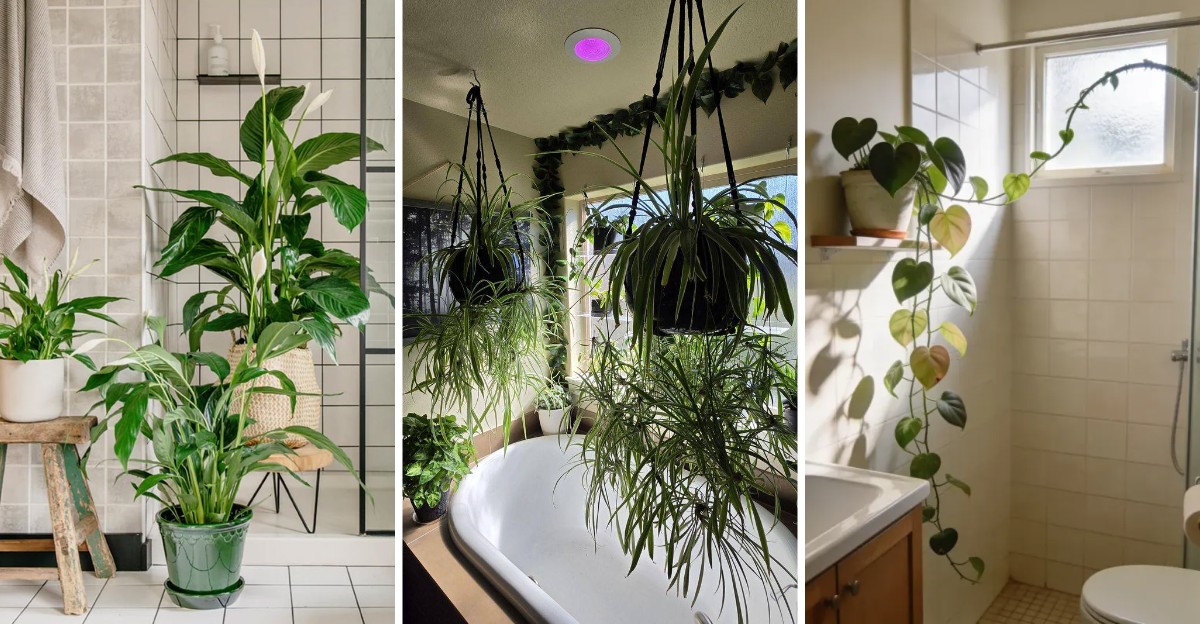
Your steamy shower can recreate the damp air of a tropical rainforest floor for certain leafy houseplants. Furnace heat in a Missouri October often drops indoor humidity well below what these tropical plants prefer.
Many popular tropical houseplants grow naturally in places where the air stays moist nearly all year long. Extension experts often suggest humidity levels above fifty percent for these plants to look their very best.
I like how a bathroom can reduce the need for a humidifier or frequent misting. A small shelf near the shower is an underused growing spot in many homes.
You need a spot with some natural or bright artificial light, a little space, and a plant that enjoys a daily warm fog. So which leafy roommates will happily share your Missouri bathroom this fall, and which one fits your space?
1. Boston Fern For Bathrooms With A Bright Window
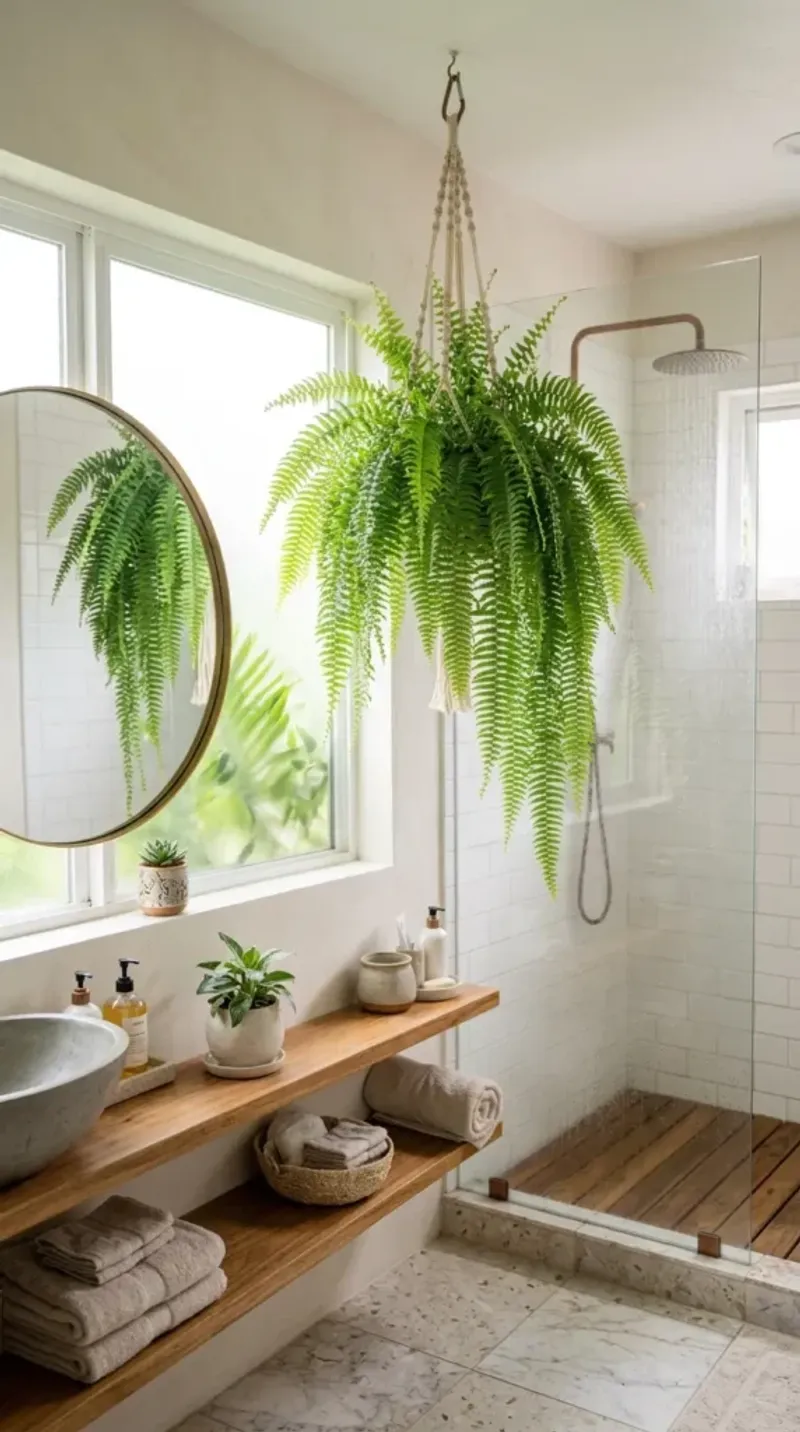
Long, feathery fronds spilling from a basket make a plain bathroom feel like a shady creek bank in seconds. Boston ferns grow wild in humid tropical regions, so your daily shower steam suits them better than a dry den.
Bright, indirect light matters a lot for this fern, and a frosted window near the tub works beautifully. Harsh afternoon sun through clear glass can scorch the fronds, so keep the pot a few feet back.
Steady moisture keeps it happy, which means the soil should feel lightly damp, like a wrung-out kitchen sponge. Letting it dry out fully often leads to crispy brown leaflets that rain down on your bathroom floor.
October is a smart time to bring any porch Boston fern indoors before Missouri nights get too chilly. Check the fronds and soil for tiny pests first, and rinse the plant gently under the shower if needed.
Furnace heat dries indoor air quickly in fall, but a bathroom softens that problem better than most rooms do. Your fern will likely stay greener through winter there than it would beside a heating vent in the hallway.
Feeding can slow down now, since the plant grows more slowly as daylight hours shrink through late autumn. Many extension guides suggest a light, diluted fertilizer only every month or two during the cooler, darker season.
Trimming a few yellow fronds at the base keeps the plant tidy and helps fresh growth push through. A hanging hook or tall plant stand gives those arching fronds room to drape without brushing your towels.
2. Bird’s Nest Fern With Its Rippled Fronds
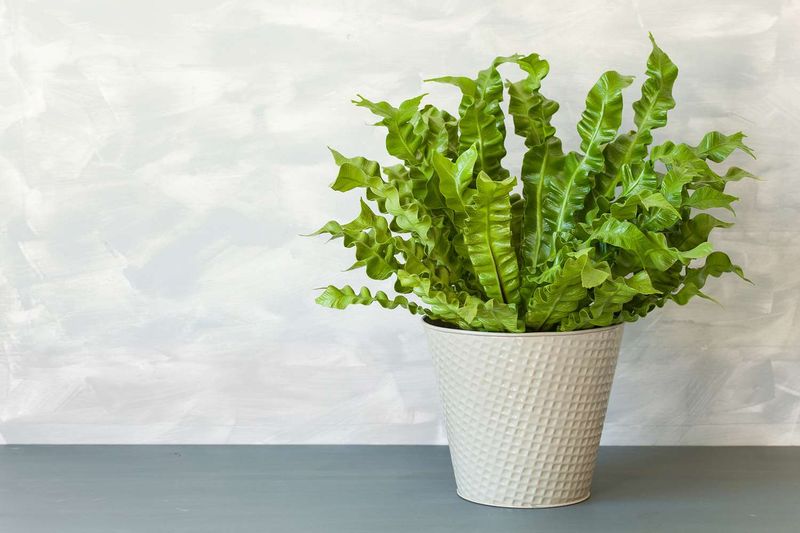
Rippled, glossy fronds rising from a fuzzy center give the bird’s nest fern a look that feels almost sculpted. In its tropical home, it often grows on tree branches, catching leaf litter and rainwater in that cozy middle.
Unlike lacy ferns, this one has wide, solid leaves that look like wavy green ribbons standing in a ring. Guests often ask if it is real, because the wavy edges seem too perfect for a living plant.
Medium to bright indirect light keeps the fronds firm, while low light leads to slower growth and flatter leaves. A spot on the vanity or a sturdy shelf near a frosted window usually works well in most bathrooms.
Your Missouri Garden Changes Every Week. Your Plan Should Too.
Gardening in Missouri changes quickly throughout the season. Every Friday you’ll receive a simple weekly plan showing exactly what to plant, prune, fertilize, harvest, and protect so you never miss the right timing.
Water the soil around the edges instead of pouring directly into the center rosette where new fronds unfurl. Water sitting in that crown for long periods can cause rot, especially in cooler fall temperatures indoors.
Shower steam is a real gift here, because dry air often turns frond tips brown and papery. Missouri homes running the furnace in October can feel surprisingly dry, so the bathroom becomes a welcome refuge.
Try not to touch the young fronds while they unroll, since they bruise easily and stay marked for months. Patience pays off, because one new frond at a time slowly builds a full, impressive nest shape over seasons.
Fertilizer needs are modest, and a weak dose every month or two is plenty during the cooler months. Too much feeding can cause brown spots on the leaves, which is a mistake that takes ages to fix.
3. Golden Pothos For Dimmer Corners
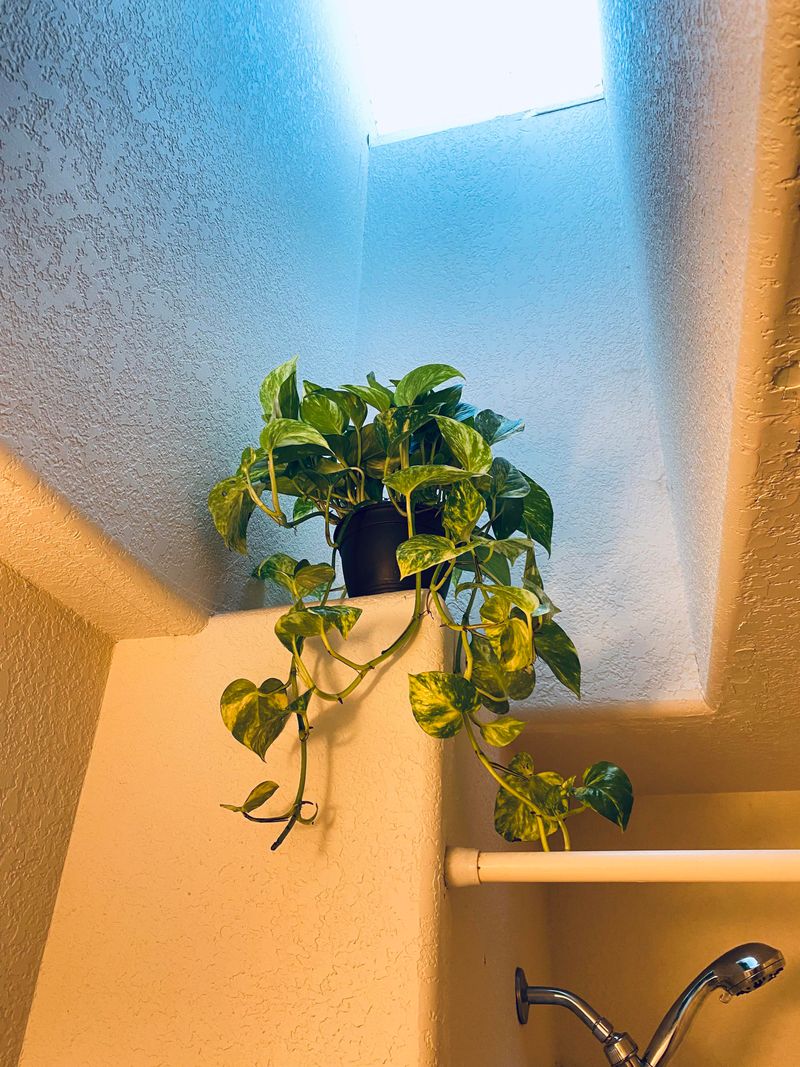
Got a bathroom corner that barely sees daylight and makes most houseplants sulk within a week or two? Golden pothos is one of the most forgiving vines around, and it handles dimmer spots with surprising grace.
Its heart-shaped leaves are splashed with buttery yellow streaks that brighten plain tile and white towels nicely. In lower light, those streaks may fade a bit, and the leaves often turn a deeper solid green.
University extension sources describe pothos as tolerant of low light, though moderate indirect light keeps growth fuller. A spot a few feet from a small window or under bright vanity bulbs can keep it reasonably content.
Let the top inch or two of soil dry before watering, because soggy roots are its biggest weakness. Bathrooms stay humid, so the soil often dries more slowly than it would in a sunny kitchen.
Fall is a great season to trim leggy vines that stretched out over the long, bright months behind you. Snip just below a leaf node, then root the cuttings in a jar of water on the windowsill.
Within a few weeks, small white roots usually appear, giving you free plants to share with friends or neighbors. Many people keep a cutting jar in the bathroom itself, since the warm, moist air seems to speed rooting.
Pothos leaves contain calcium oxalate crystals, which can irritate the mouth of curious pets or small children. Keep the vine on a high shelf or a hanging hook where nibbling paws and little hands cannot reach.
4. Peace Lily For Low Light With Steady Moisture
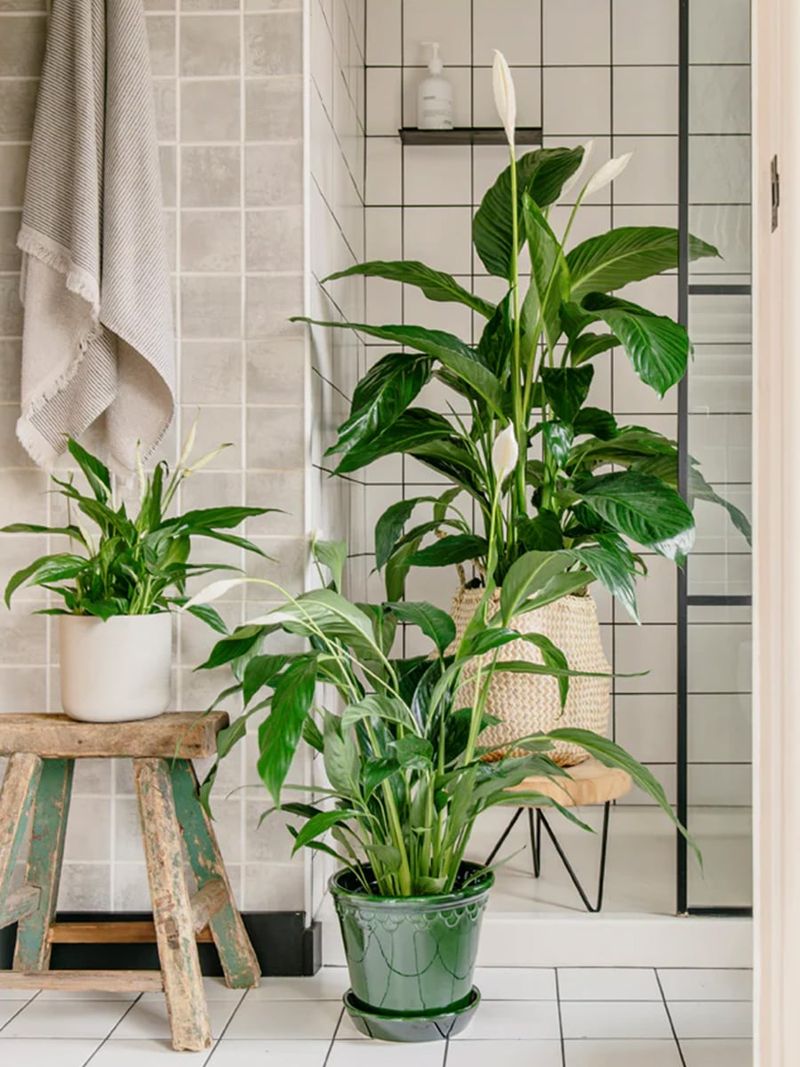
Few houseplants are as honest about thirst as the peace lily, which droops dramatically when its soil gets dry. Give it a drink, and the leaves often perk back up within a few hours, like nothing ever happened.
Glossy, dark green leaves and white, spoon-shaped blooms make it a classic choice for calm, spa-like bathrooms. Those white flowers are actually modified leaves called spathes, wrapped around a small spike of tiny true flowers.
Low to medium indirect light suits this plant, which makes it handy for bathrooms with a small, shaded window. Flowering is usually heavier in brighter spots, so expect more foliage than blooms in a very dim room.
Steady moisture is the goal, with soil that feels evenly damp but not soggy or sour smelling at all. Room temperature water works best, since cold water straight from the tap can shock the roots in fall.
Humidity from daily showers helps prevent the crispy brown leaf tips peace lilies often get in dry rooms. Missouri furnaces start running in October, so moving your plant into the bathroom now can protect its leaves.
Dust settles on those broad leaves quickly, and a gentle rinse in the shower keeps them shiny and efficient. Clean leaves absorb light better, which matters more as the autumn days grow shorter and grayer each week.
Like pothos, peace lily contains calcium oxalate crystals that can upset pets if they chew on the leaves. Place it on a counter or shelf away from curious cats, and your bathroom can stay safe and green.
5. Heartleaf Philodendron Trailing From A High Shelf
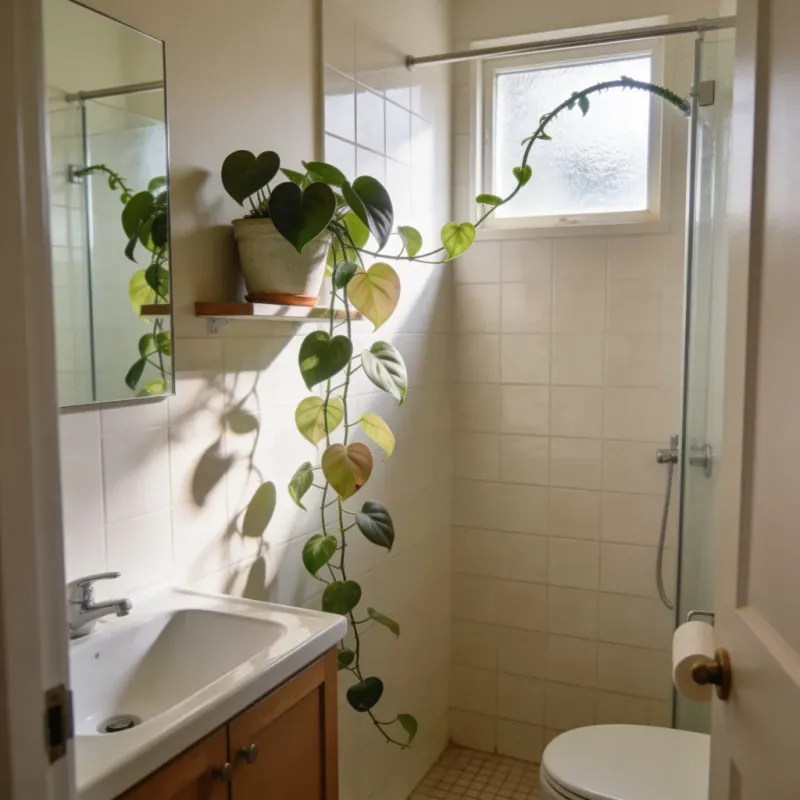
Plenty of us remember a grandparent’s heartleaf philodendron trailing across a kitchen cabinet for what felt like decades. Those soft, heart-shaped leaves still charm people today, and they look wonderful tumbling from a high bathroom shelf.
Heartleaf philodendron is a climbing vine in the tropical forests of Central America and the Caribbean islands. In your home, it trails gracefully instead, sending stems down several feet if you let them keep growing.
A shelf above the toilet or near the ceiling puts the vines on display and keeps them out of reach. Warm, moist air rises, so higher shelves in a bathroom often stay a little more humid than lower ones.
Medium indirect light keeps the leaves large and closely spaced along the stem, which looks fuller and neater. Lower light is tolerated, though the vines may stretch out with bigger gaps between each heart-shaped leaf.
Water when the top inch of soil feels dry, and make sure the pot has a drainage hole. Yellowing leaves often point to overwatering, especially in cooler months when plants drink much less water.
Pinching back the vine tips in fall encourages bushier growth near the pot instead of long, bare strands. Those trimmed pieces root easily in water, so you can tuck them back into the pot for extra fullness.
Its leaves contain calcium oxalate, so a high perch also protects pets from an upset mouth or stomach. A simple wall shelf and a lightweight plastic pot make the setup easy, safe, and pleasant to look at.
6. Calathea With Leaves That Fold Up At Night
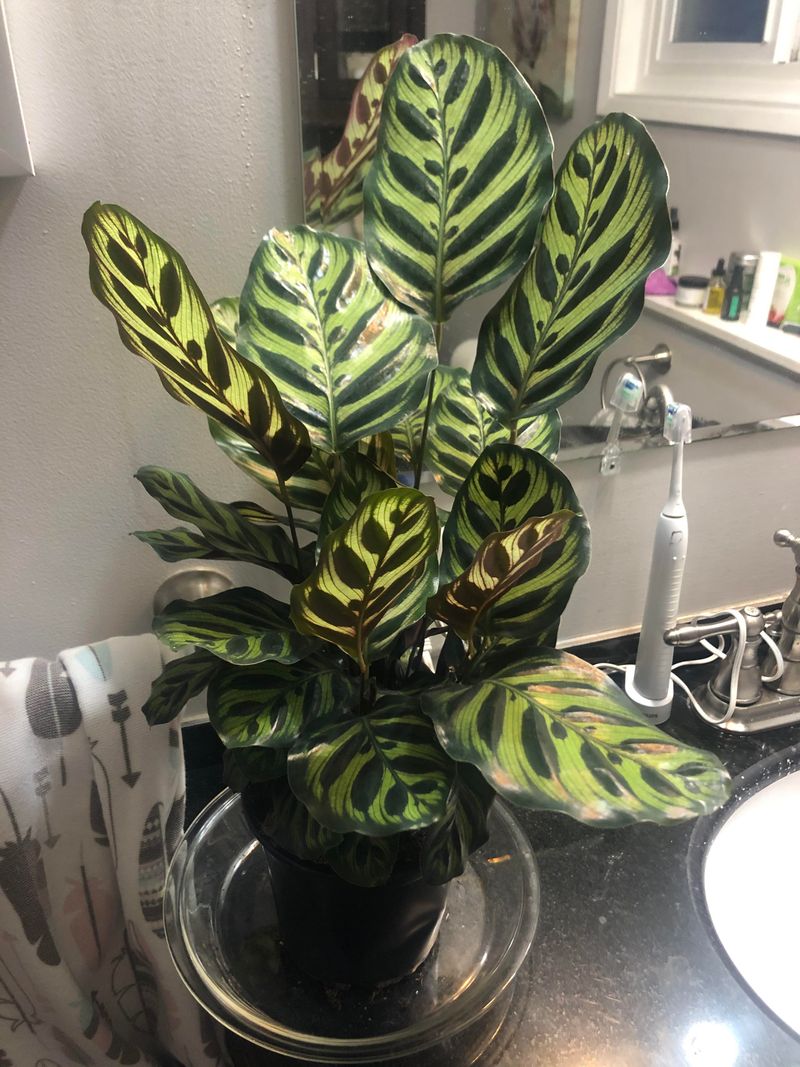
Walk into your bathroom after dark, and you might catch your calathea with its leaves raised like praying hands. Those nightly movements are called nyctinasty, and they are why calathea belongs to the plant group nicknamed prayer plants.
During the day, the leaves lower again to catch light, showing off stripes, feathers, and deep purple undersides.
Calatheas are fussier than many houseplants, and dry air is one of their biggest complaints in most homes. Brown, crispy edges often appear when humidity drops, which is exactly why a steamy bathroom suits them so well.
Bright indirect light keeps the patterns vivid, while direct sun can bleach the leaves and curl their edges. A frosted window or sheer curtain gives just the right gentle glow for these colorful, sensitive tropical plants.
Many growers suggest filtered or distilled water, since some tap water minerals may cause leaf tip burn over time. Keep the soil lightly moist, and let the top half inch dry slightly before giving another careful drink.
Cold drafts bother calatheas a lot, so keep them away from leaky windows as Missouri nights cool in October. Temperatures above 65 degrees usually keep them comfortable, and a warm bathroom often beats a drafty sunroom in fall.
Calatheas are generally listed as non-toxic to cats and dogs by the ASPCA, which pet owners appreciate. That makes them a friendly pick for lower shelves, as long as playful paws do not shred the leaves.
7. Moth Orchid Thriving In Bathroom Humidity
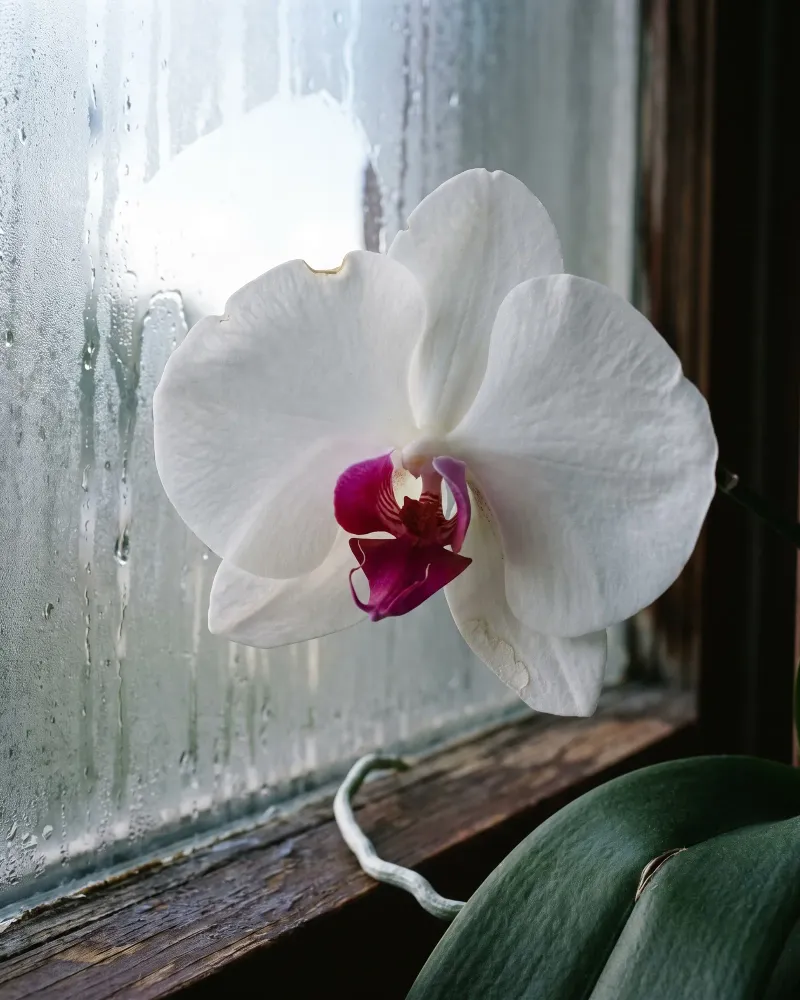
Most moth orchids sold in stores grow on tree bark in the wild, clinging to branches instead of soil. Their roots soak up moisture from humid air and rain, so a steamy bathroom feels like a familiar treetop home.
Phalaenopsis is the scientific name, and the nickname comes from flowers that look like moths in mid-flight. A single flower spike can hold blooms for two or three months, which feels like a real bargain.
Bright, indirect light from an east window is ideal, since harsh afternoon sun can scorch the thick leaves. Leaves that look medium green usually mean good light, while very dark leaves suggest the spot is too dim.
Water about once a week, when the bark mix feels nearly dry and the roots look silvery green. Let extra water drain fully, because orchid roots sitting in a puddle tend to rot faster than you expect.
Fall offers a handy trick, because cooler nights around the low sixties can encourage a new flower spike. A Missouri bathroom near a slightly cool window in October may give your orchid the nudge it needs.
Shower steam keeps the aerial roots plump, though the plant still needs fresh air moving around its leaves. Leaving the door open after showers helps prevent water from sitting in the crown and causing problems later on.
Use a weak orchid fertilizer every few weeks while it grows, and cut back once blooms appear. With patience, the same plant can rebloom year after year, which makes that first purchase feel even sweeter.
8. Spider Plant Hanging Above The Tub
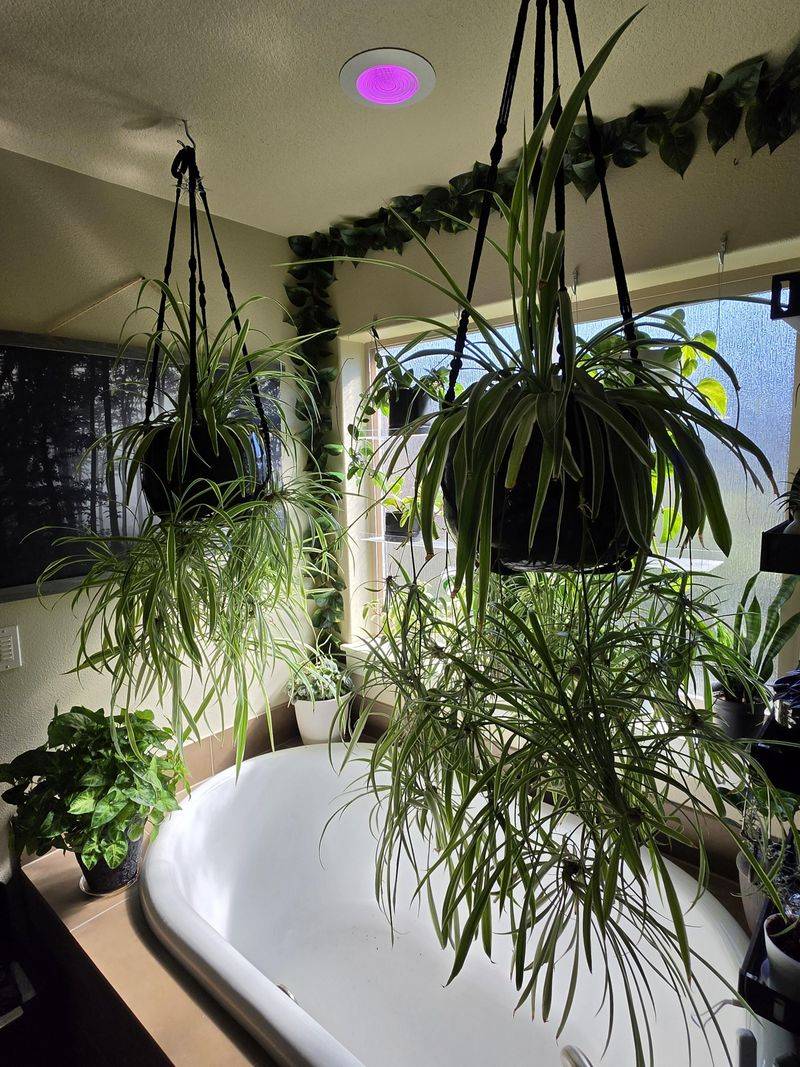
Baby plantlets dangling on long stems make a spider plant look like it is throwing a tiny party. Hung above the tub, those little offshoots sway gently in the warm air rising from your evening bath.
Spider plants come from southern Africa, and they are among the toughest, most adaptable houseplants you can grow. Green or striped varieties both handle humidity well, and they tolerate a range of light levels in bathrooms.
Bright to medium indirect light keeps the stripes crisp, while very low light makes the leaves pale and floppy. A ceiling hook near a frosted window puts the plant in a sweet spot for both light and steam.
Brown leaf tips are common, and they often come from fluoride or salts in tap water over time. Collecting rainwater or using filtered water can help, and you can trim brown tips with clean scissors anytime.
Water when the top inch of soil is dry, since thick roots store moisture and resist short dry spells. In cooler fall months, watering every week or two is usually plenty for a medium-sized hanging spider plant.
Those plantlets are basically free gifts, and they root easily when pinned onto a small pot of moist soil. Once roots form, snip the stem, and you have a new plant ready for a friend or another room.
The ASPCA lists spider plants as non-toxic to pets, though cats sometimes love chewing the dangling, grassy leaves. Hanging the pot high keeps the foliage looking neat and gives your bathroom a cheerful, leafy canopy all winter.