8 Pumpkin And Gourd Varieties That Thrive In Texas’s Fall Heat
The small West Texas town of Floydada proudly calls itself the Pumpkin Capital. Every fall, fields across the High Plains fill with bright orange rows, proving pumpkins can thrive in the Lone Star State.
Growing them in a backyard garden, however, can be a different challenge. Texas heat is rough on many classic varieties.
Vines wilt under the blazing sun, pollination falters, and pests like squash bugs and vine borers seem to show up right on schedule. Plenty of gardeners end up with tired plants and only a handful of fruits.
Some pumpkins and gourds handle those conditions far better. Many come from hot, humid regions or have been grown in the South for generations.
They keep producing through scorching days, resist common pests and diseases, and still deliver plenty of color for fall. Choosing the right varieties can make your homegrown harvest a lot easier.
1. ‘Seminole’ Pumpkin
Long before anyone sold pumpkin spice lattes, the Seminole people of Florida were growing a tough little pumpkin in swampy, steamy land.
They often planted seeds at the base of trees and let the vines climb right up the trunks. That same hardy spirit makes the ‘Seminole’ pumpkin a top pick for Texas gardens.
Most pumpkins struggle when the air turns hot and sticky. Seminole vines just keep growing. They can spread 20 feet or more, so give them plenty of room or a strong fence to climb.
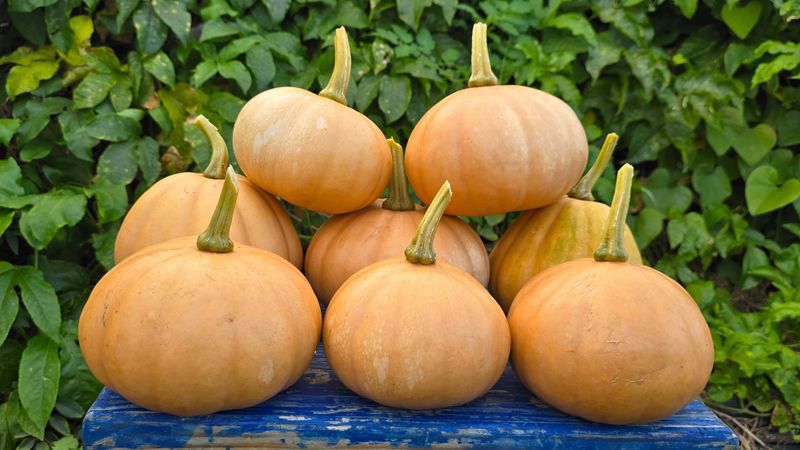
The fruits are small and tan, usually about the size of a softball or a little bigger. Some look round, while others are shaped like a bell. Inside, the flesh is deep orange and very sweet. Many cooks say it tastes better than common pie pumpkins.
One big reason gardeners love this heirloom is pest resistance. Squash vine borers are a nightmare in Texas.
They tunnel into stems and make vines wilt fast. Seminole stems are tough and hard to damage, so the plants often bounce back where other pumpkins fail.
Here are a few tips for success. Plant seeds in late spring or early summer once the soil is warm.
Water deeply about once or twice a week, and add mulch to keep roots cool. You can harvest when the skin turns tan and hard to scratch with a fingernail.
Bonus: these pumpkins store for months. Many families keep them on a shelf until spring. That means you can enjoy homegrown pumpkin bread long after the holidays are over.
2. Calabaza
Walk into almost any Latin market in San Antonio or Houston and you will likely spot big wedges of calabaza wrapped in plastic.
Families across Latin America and the Caribbean have cooked with this pumpkin for generations. It feels right at home in the Texas heat, too.
Calabaza is sometimes called West Indian pumpkin. It grows in tropical places where temperatures stay high most of the year. So a Texas August does not scare it one bit.
Be ready for some serious vine action. These plants are big, bold, and fast-growing. A single plant can cover a large patch of yard, so pick a spot where it can roam. Some gardeners let the vines run along the edge of a lawn or over a low fence.
Your Texas Garden Changes Every Week. Your Plan Should Too.
Gardening in Texas changes quickly throughout the season. Every Friday you’ll receive a simple weekly plan showing exactly what to plant, prune, fertilize, harvest, and protect so you never miss the right timing.
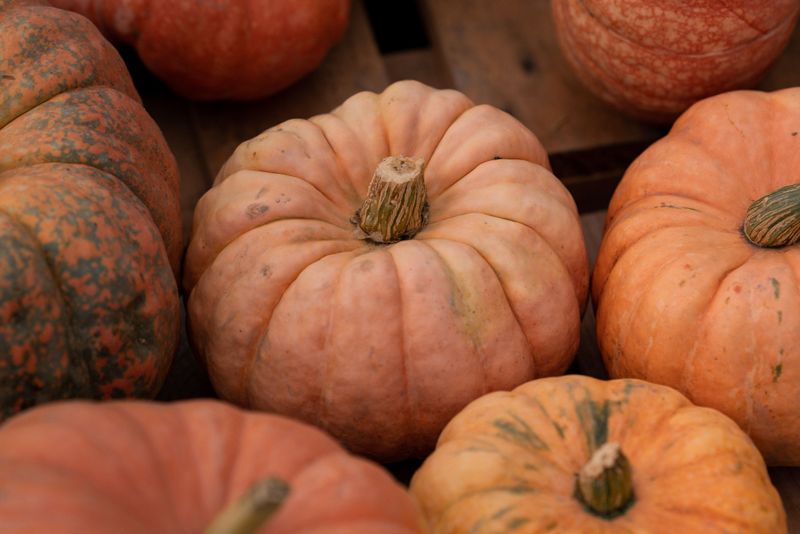
The fruits vary a lot in looks. Some are green with spots, others are tan or orange. They can weigh anywhere from 5 to 20 pounds or more. Cut one open and you will find thick, bright orange flesh with a sweet, nutty flavor.
Calabaza really shines in the kitchen. It holds its shape well in soups and stews. Try it in black bean soup, Cuban-style stew, or simply roasted with a little salt and cinnamon.
For growing tips, plant seeds in rich soil with lots of compost. Calabaza needs a long season, often 100 days or more, so start early. Harvest when the stem dries and the skin hardens. A whole fruit can last several months in a cool, dry spot.
3. ‘Dickinson’ Pumpkin
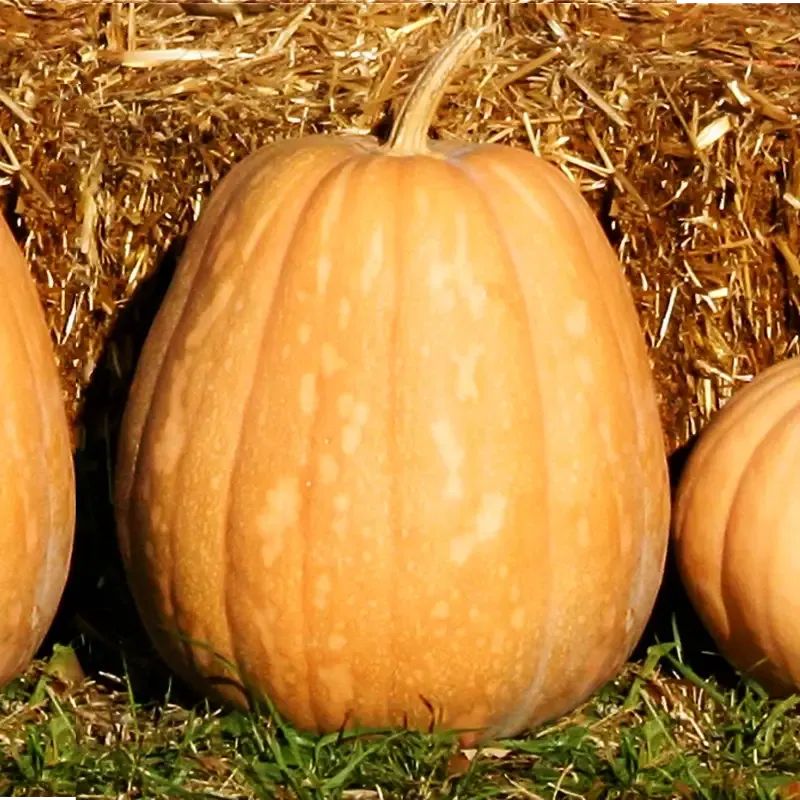
Ever opened a can of pumpkin for Thanksgiving pie? There is a good chance the pumpkin inside was a ‘Dickinson’ or a close cousin. It may not look like a classic jack-o-lantern, but bakers know it is pure gold.
Dickinson pumpkins are tan and oblong, kind of like a big, lumpy football. They often weigh 10 to 40 pounds. Their plain skin hides something special, though. The flesh is thick, dense, and naturally sweet.
Why does that matter? Watery pumpkins make soggy pies. Dickinson flesh cooks down smooth and creamy, so your pie sets up nicely. It also works great in muffins, breads, and even pancakes.
Texas gardeners like Dickinson because it handles heat better than many orange types. It belongs to the same family as butternut squash, called Cucurbita moschata. Plants in this group tend to stand up to hot weather and borers better than others.
To grow your own, choose a sunny spot with loose, well-drained soil. Mix in compost before planting. Space hills about 6 to 8 feet apart, since the vines get long.
Water at the base of the plant instead of on the leaves. Wet leaves can lead to powdery mildew, which is common in humid areas.
The season is long, around 110 days. Plant in early summer for a fall harvest. Pick when the skin turns fully tan and the stem feels dry.
Once cured, a Dickinson can sit in your pantry for months. Roast it whenever you want fresh puree. Your homemade pie might just beat the store-bought kind.
4. ‘Long Island Cheese’ Pumpkin
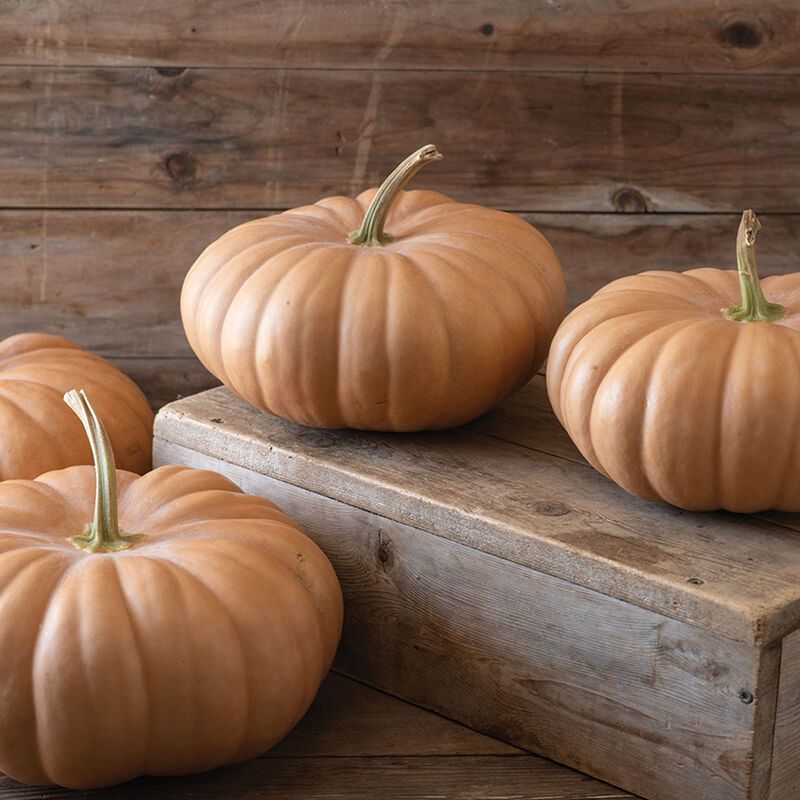
Picture a wheel of cheese, and you have a pretty good idea of what this pumpkin looks like. Its flat, ribbed, tan shape is how it got its funny name.
Farmers on Long Island in New York grew it back in the 1800s, and it has been a favorite ever since.
So how does a New York pumpkin end up on a Texas list? It turns out this heirloom is a tough cookie. Like Dickinson, it belongs to the moschata group, which means better heat tolerance and stronger stems.
The fruits usually weigh 6 to 10 pounds. That is a handy size for one family. You will not end up with more pumpkin than you can use.
Inside, the flesh is bright orange, smooth, and sweet. Some cooks call it one of the best pie pumpkins ever grown. It also makes rich soup and creamy pumpkin butter.
The real superpower is storage. A well-cured Long Island Cheese pumpkin can last up to a year in the right conditions. Keep it somewhere cool, dry, and out of direct sun. Check it every few weeks for soft spots.
Curing is simple. After harvest, leave about two inches of stem attached. Let the pumpkin sit in a warm, shady place for about ten days so the skin hardens.
On top of all that, it looks lovely on a porch. The soft tan color pairs well with mums, hay bales, and white pumpkins. You get a fall decoration that doubles as dinner later.
5. ‘Jack Be Little’ Mini Pumpkin
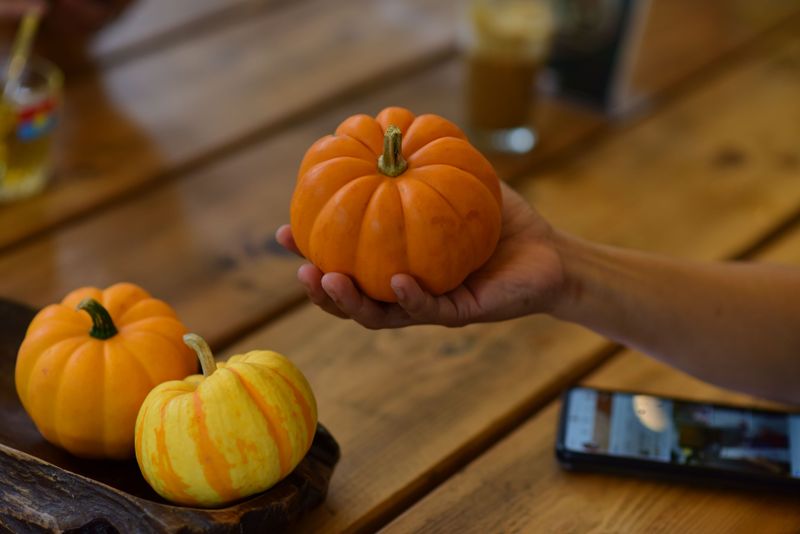
Small but mighty! These cute little pumpkins fit right in the palm of your hand. Kids adore them, and gardeners love how quickly they grow.
Jack Be Little pumpkins are only about 3 inches wide and 2 inches tall. They are flat, ribbed, and bright orange. Each vine can produce a bunch of them, sometimes 8 to 10 or more.
Speed is their secret weapon in Texas. Most varieties need 90 days or more to mature. These minis are ready in about 90 to 95 days, and some gardeners see fruit even sooner. A shorter season means less time for heat waves and bugs to cause trouble.
Timing still matters. Many Texans plant in late June or July for an October harvest. Plant too early and the fruit may ripen in the middle of summer and rot before fall.
Try growing them on a trellis or a sturdy fence. The fruits are light, so they hang without needing extra support. Vertical growing also helps leaves dry faster, which cuts down on mildew.
Once picked, these mini pumpkins are decorating gold. Line them along a windowsill, tuck them into a centerpiece, or use them as place cards at Thanksgiving. Kids can paint faces on them, too.
Fun fact: they are edible! You can scoop out the seeds, bake them whole, and fill them with butter and brown sugar. It makes a sweet single-serving treat. Cured minis can last for months, so your fall table stays cheerful all season long.
6. Luffa Gourd
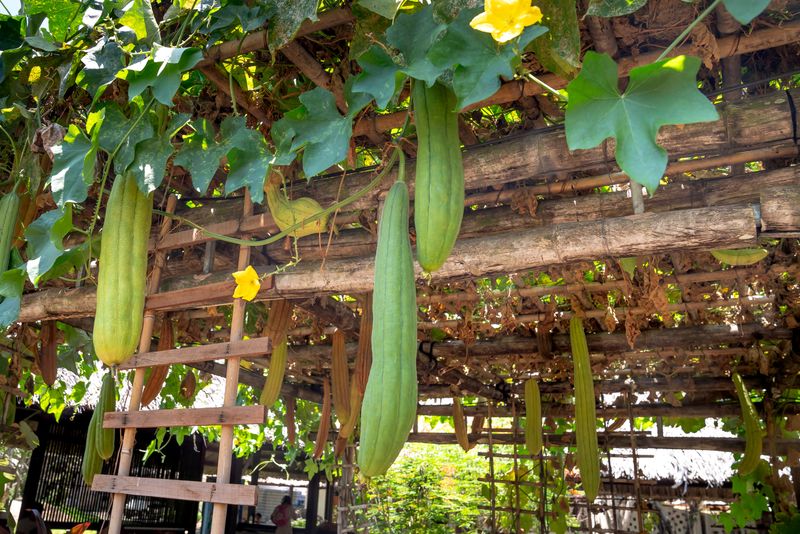
Here is a surprise for a lot of people. That scratchy sponge in your shower might have grown on a vine, not in the ocean. Luffa gourds turn into natural sponges, and Texas is a great place to grow them.
Luffa plants love long, hot summers. They need around 150 to 200 warm days to fully mature. That makes them tricky in northern states but perfect for much of Texas.
The vines are eager climbers. Give them a chain-link fence, a cattle panel arch, or a strong trellis. Before long, you will see bright yellow flowers buzzing with bees. Long green gourds follow, often reaching 1 to 2 feet.
Young luffas are actually edible. Pick them when they are small and tender, about 6 inches long. Many Asian dishes use them in stir-fries, much like zucchini.
For sponges, though, leave them on the vine. Wait until the gourds turn brown, feel light, and rattle when you shake them.
Then the fun begins. Soak the gourd in water for a few minutes, crack the dry skin, and peel it off. Shake out the seeds and save some for next year.
Rinse the sponge and let it dry in the sun. You can cut it into slices for dish scrubbers or keep it long for the bath.
Homemade luffas make great gifts. Tie one with a ribbon and add a bar of soap. Friends will be amazed you grew it yourself in the backyard.
7. Birdhouse Gourd
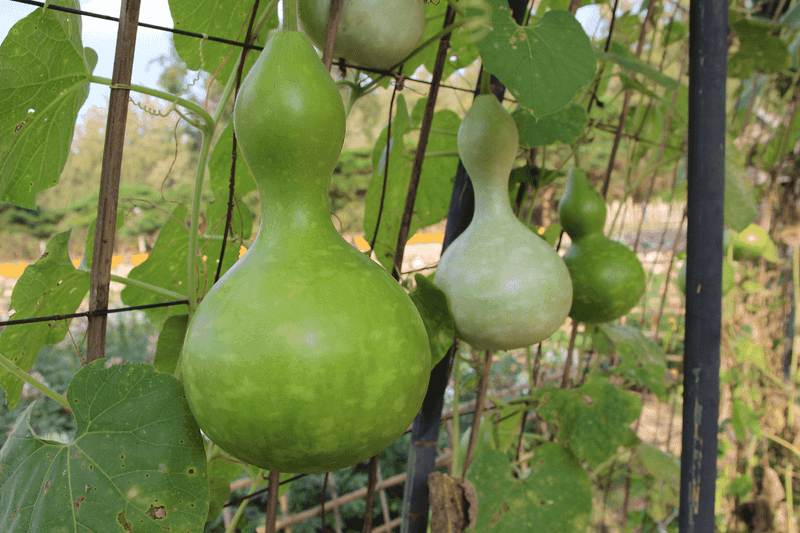
Purple martins have been nesting in gourds for hundreds of years. Native Americans hung hollow gourds on poles to attract these birds, which helped keep insects down near crops. You can carry on that tradition in your own yard.
Birdhouse gourds, also called bottle gourds, have a round bottom and a narrow neck. When fresh, they are green and smooth. After drying, the shell becomes hard and woody, almost like a thin piece of wood.
Heat is their best friend. These vines need a long season, often 120 days or more. Texas summers give them all the warmth they crave. Plant seeds in late spring once the soil is warm to the touch.
Vines grow large and heavy, so build a strong trellis. Gourds that hang in the air tend to keep a nicer shape and avoid rot spots from sitting on wet soil.
Leave the gourds on the vine until the stems turn brown. Then cut them off and set them in a dry, airy place. Patience is key here.
Drying can take three to six months. Mold may appear on the outside, but that is normal. Just scrub it off later with a soapy pad.
Once the seeds rattle inside, your gourd is ready. Drill a hole about 2 inches wide for martins, plus a few small drain holes in the bottom. Paint the outside white to keep it cool.
Beyond birdhouses, these gourds make bowls, rattles, and painted art pieces. One vine can supply a whole year of craft projects.
8. Ornamental Gourds
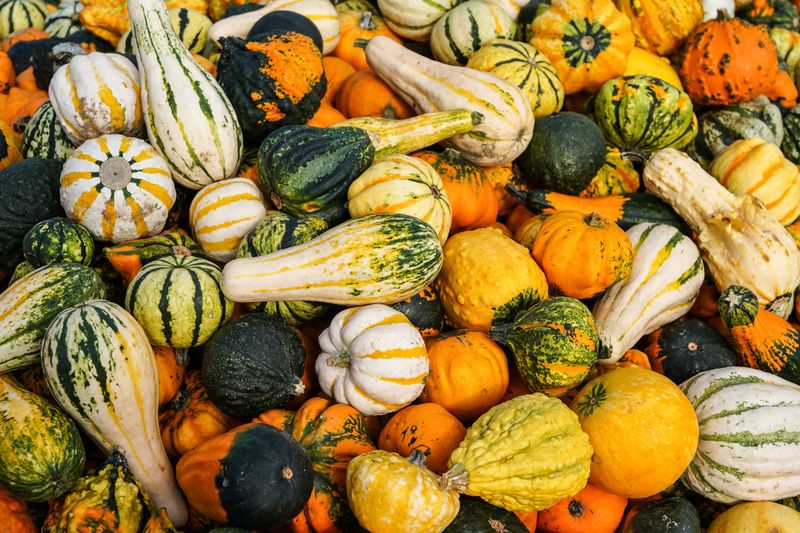
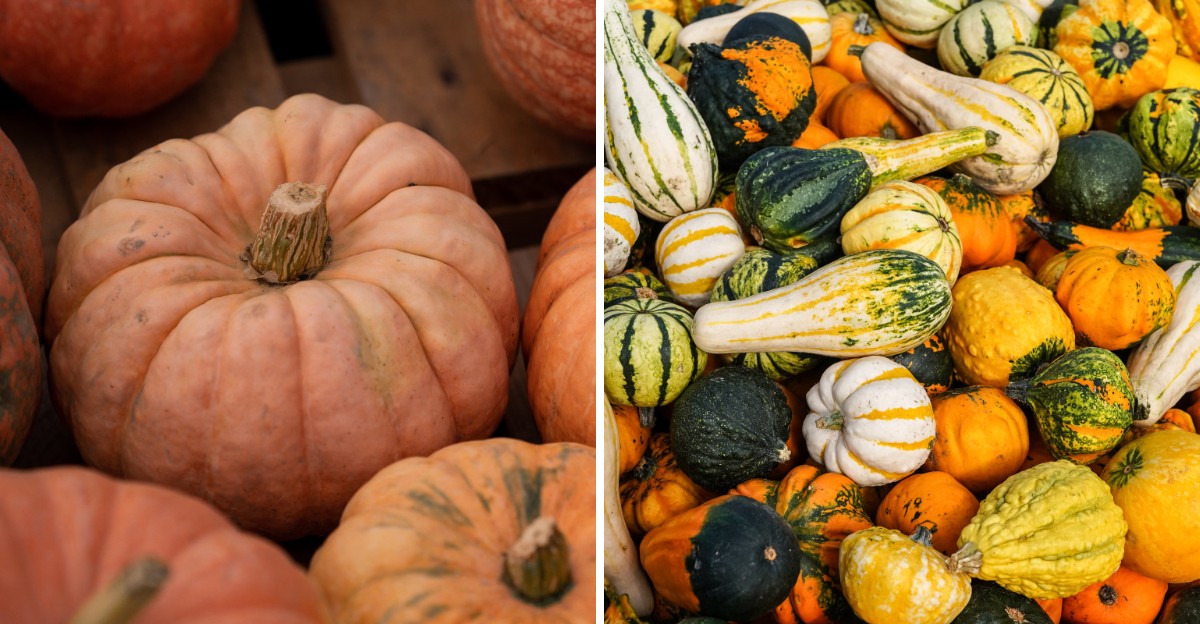
Warty, striped, bumpy, and bright, ornamental gourds look like nature decided to have a little fun.
Some are shaped like pears, others like eggs, and a few even look like tiny crowns. Every harvest feels like opening a surprise bag.
Most packets come as a mix, so you never know exactly what will pop up. You might get yellow and green two-tone gourds, orange ones with white stripes, or spiny little oddballs. Kids especially enjoy guessing what each one will become.
Good news for busy gardeners: these plants grow fast. Many mature in about 90 to 100 days. That quick pace helps them finish before pests build up late in the season.
Plant seeds in full sun after the soil warms. A trellis works well and keeps the gourds clean. Water steadily, especially during dry spells, but avoid soaking the leaves.
Knowing when to pick is important. Wait until the stems turn brown and dry. Gourds picked too early often shrivel or rot. Use clippers and leave a short piece of stem on each one.
Next comes curing. Wipe each gourd with a mix of water and a splash of bleach to remove germs. Then spread them out in a well-ventilated spot like a garage or covered porch. Turn them every few days so they dry evenly.
After a few weeks, your gourds are ready for display. Pile them in baskets, line a mantel, or add them to wreaths. Keep in mind they are for looks, not for eating. Enjoy them as cheerful decorations all autumn long.