The Florida Porch Plant Some Gardeners Swear Keeps Armadillos Away
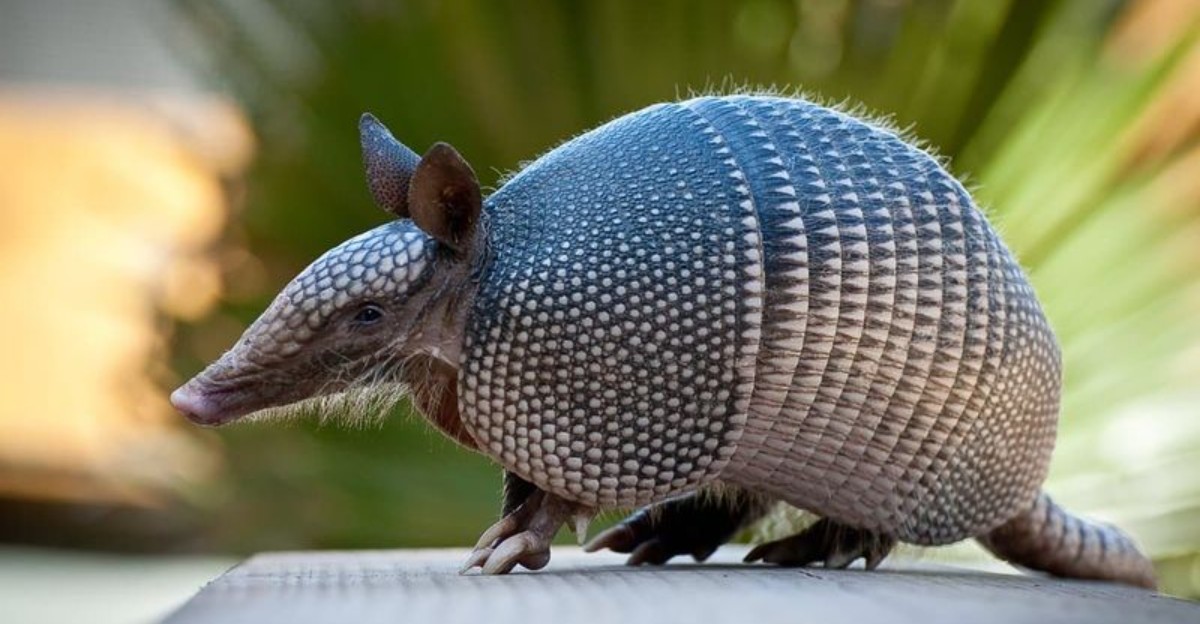
You wake up, step onto the porch, and your freshly mulched beds look like a bulldozer paid a visit overnight. Sound familiar?
Armadillos can turn a tidy Florida yard into a plowed field before the coffee is ready. You have tried every trick in the book.
Mothballs stink up the place. Fences cost an arm and a leg.
Traps make you the bad guy.
Then a neighbor mentions a potted plant by her front door. She swears her yard has stayed untouched for two full seasons.
Magic? Probably not, and the science stays thin.
Still, plenty of seasoned gardeners across the Sunshine State will tell you with a straight face that it works like a charm.
Every gardener loves a good secret, and this one is the talk of the whole garden club. Grab a coffee, pull up a chair, and meet the plant that might just save your lawn.
Marigolds Top Many Lists Of Armadillo-Repelling Plants
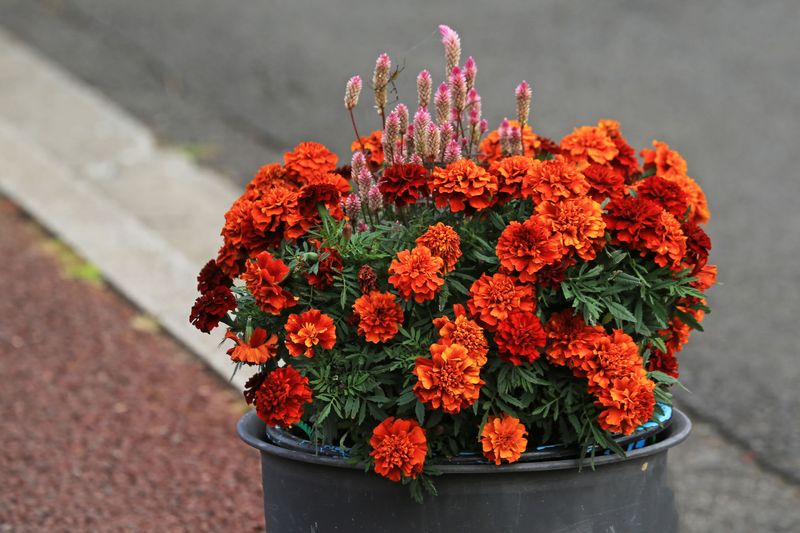
Ask ten Florida gardeners what keeps armadillos out of the yard, and a few will point straight at a pot of marigolds. These sunny little blooms show up again and again on garden websites and in neighborhood chats.
French marigolds get named most often. They are small, bushy plants with ruffled flowers in orange, gold, and deep red.
You can find them at almost any garden center, usually for just a few dollars a flat.
Part of their charm is how easy they are to grow. They handle Florida heat well, bloom for months, and look cheerful lined up along a porch or walkway.
Many people plant them for color first and pest control second.
Fun fact: marigolds are native to Mexico and Central America, not France. The name French marigold likely came about because the plants became popular in European gardens centuries ago.
So why do they land on so many armadillo lists? Mostly, it comes down to word of mouth.
A gardener plants marigolds, notices fewer holes, and shares the tip with a friend. Over time, that story spreads from porch to porch.
That kind of experience is worth hearing. Still, a good gardener asks questions before spending a whole weekend planting.
The next few sections look at what is behind the claim and what actually helps.
Their Strong Scent Is The Reason People Give
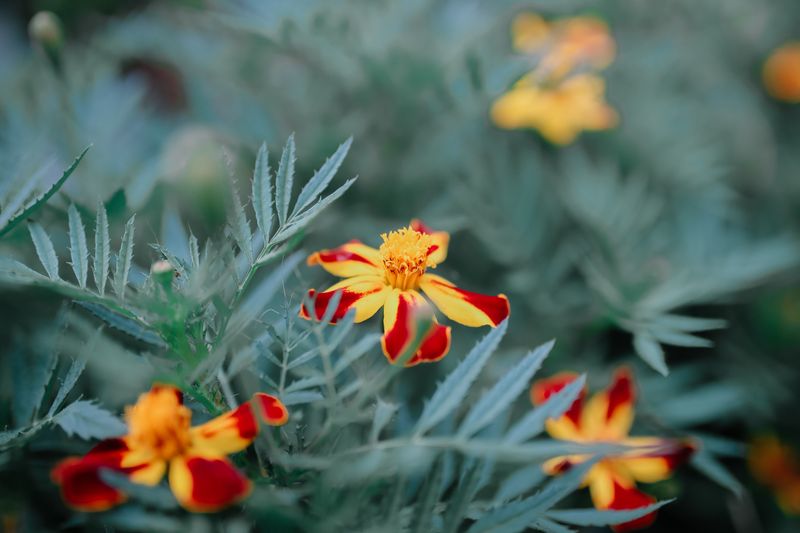
Brush your hand across a marigold leaf, and you will notice a sharp, musky smell right away. Some people love it, and some wrinkle their noses.
Fans of the plant believe armadillos fall into the second group.
The idea makes some sense at first glance. Armadillos have poor eyesight, so they lean heavily on their noses.
They sniff their way across lawns at night, hunting for snacks hidden in the soil.
Because their sense of smell matters so much, people figure a strong odor might confuse or annoy them. Marigolds give off a distinct scent that some say can throw off a variety of garden pests.
Marigolds are not the only smelly suggestion out there. Folks also try garlic, cayenne pepper, vinegar, ammonia, pine, peppermint, and castor oil.
Some sprinkle powders, while others spray homemade mixes around flower beds.
Picture it from the armadillo point of view. You are waddling along, nose to the ground, and suddenly the air smells like a spice cabinet.
Would you turn around, or just keep digging for dinner?
That question is the heart of the debate. A theory that sounds logical is a good starting point, but it is not the same as proof.
To know for sure, we need to look at what researchers have actually found.
No Research Has Proven Plants Keep Armadillos Away
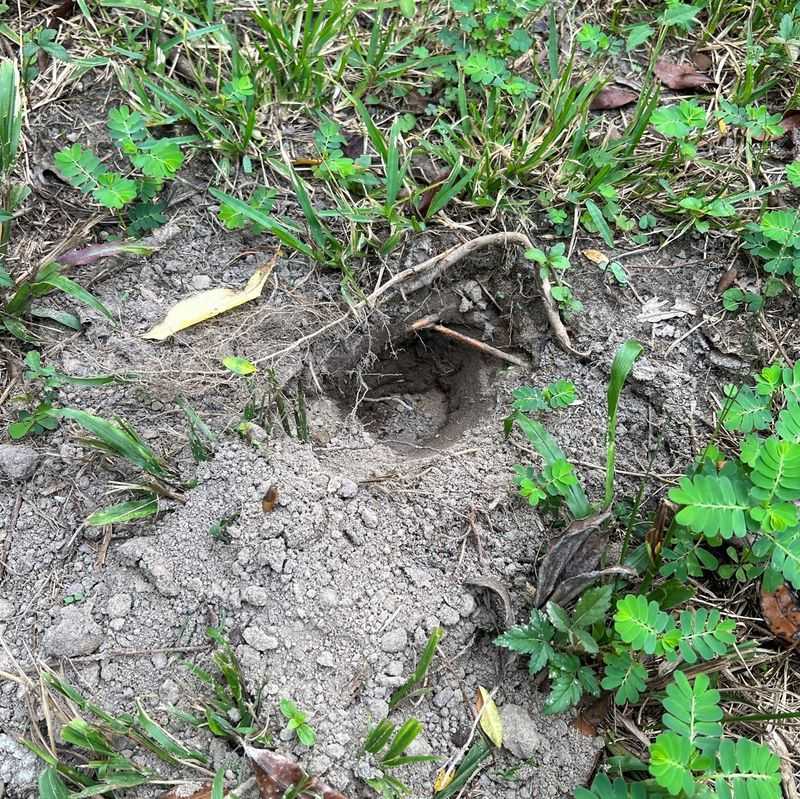
Here is the plain truth, served without frosting. Scientists have not shown that marigolds, or any other plant, reliably keep armadillos away.
Many expert sources agree on this point. Plant-based repellents, along with many store-bought and homemade options, tend to fall short for long-term armadillo control.
An armadillo with an empty belly is a determined little digger.
Research on spicy deterrents like cayenne pepper has shown mixed results too. Sometimes it seems to help for a while, and other times the animals ignore it.
Rain can wash it away, and you are back where you started.
UF/IFAS puts it bluntly. No repellents, toxicants, or fumigants are registered or proven to work on armadillos.
So why do some folks swear their marigolds work? Armadillo visits rise and fall naturally with weather, soil moisture, and food.
A quiet stretch might just happen to line up with a new planting.
None of this means you should toss your marigolds. They are lovely, cheap, and useful in other ways.
Just think of them as a nice extra, not a guard dog. If armadillos are tearing up your yard, you will want to add stronger steps alongside your flowers.
French Marigolds Do Have A Real Track Record Against Nematodes
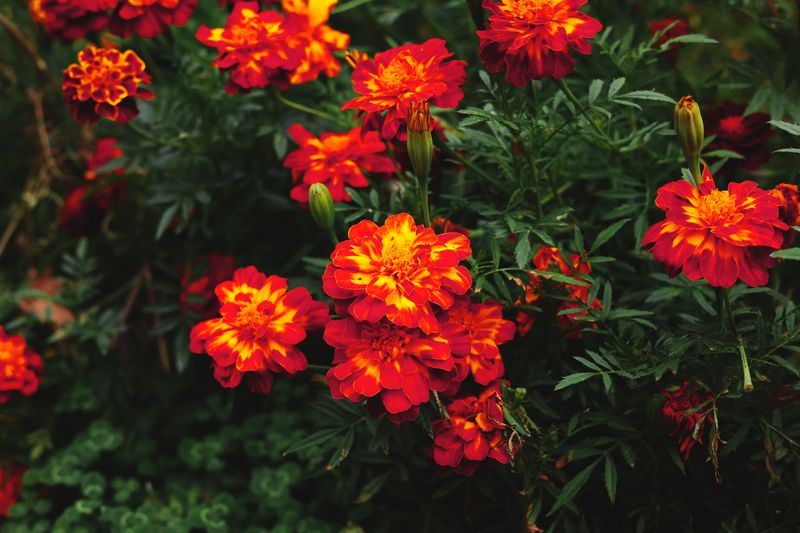
Good news, marigold lovers. Your favorite flower has a real job in the garden, and science backs it up.
It just happens to fight a much smaller foe than armadillos.
Root-knot nematodes are tiny worms that live in soil and attack plant roots. They cause swollen knots, stunted growth, and weak harvests.
Florida sandy soil is a favorite home for them, which frustrates many vegetable growers.
French marigolds, known by the scientific name Tagetes patula, are well known for fighting back. Their roots release a natural compound called alpha-terthienyl.
That substance is toxic to many types of nematodes.
Marigolds also work as a clever trap. Nematodes are drawn to the roots, move in, and then cannot reproduce there.
Their life cycle gets interrupted, so fewer of them stick around to bother your tomatoes or peppers.
You can use this trick one simple way. Grow a thick, dense patch as a cover crop for at least two months before planting vegetables.
Some gardeners turn the plants into the soil afterward.
Results build over time, so patience helps. Plant them in warm months, keep them healthy, and give the roots a couple of months to do their work.
Your garden gets color and better soil at the same time, which is a pretty sweet deal. Marigolds cut nematode numbers but cannot wipe them out, and results vary by variety.
Armadillos Dig For Grubs And Worms, Not Your Plants
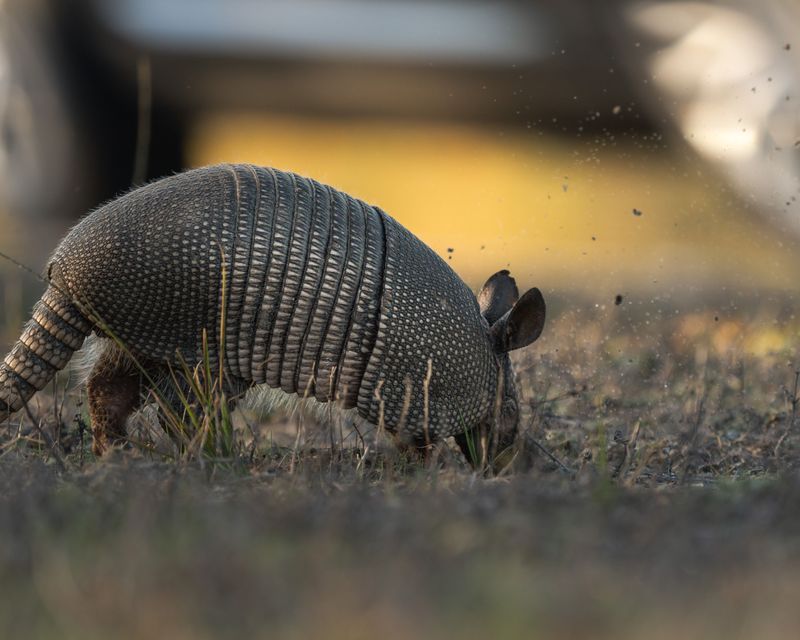
Imagine a tiny armored vacuum cleaner with a nose for bugs. That is basically an armadillo on a night out.
Once you understand what it wants, the damage in your yard starts to make sense.
Armadillos are mainly insect eaters. Their menu is full of grubs, earthworms, mole crickets, and other small critters living in the soil.
A juicy lawn with lots of bugs looks like an all-you-can-eat buffet to them.
Those holes you find are not bites out of your flowers. They are the leftovers of a snack hunt.
Armadillos poke their snouts in, dig fast with strong claws, and move on to the next spot.
Now and then, they may nibble fruit, seeds, or other plant bits, mostly when bugs are hard to find. But most garden trouble comes from uprooted plants and loosened soil, not chewing.
They usually come out at night, which is why the mess seems to appear by magic. If you want proof, a cheap trail camera can catch them in action.
Many homeowners are amazed at how busy one armadillo can be.
Knowing this changes your game plan. Instead of guarding plants from hungry mouths, focus on the soil and the bugs inside it.
Fewer grubs and worms means fewer reasons for a visit.
Cut Back On Watering And Fertilizing To Shrink Their Food Supply
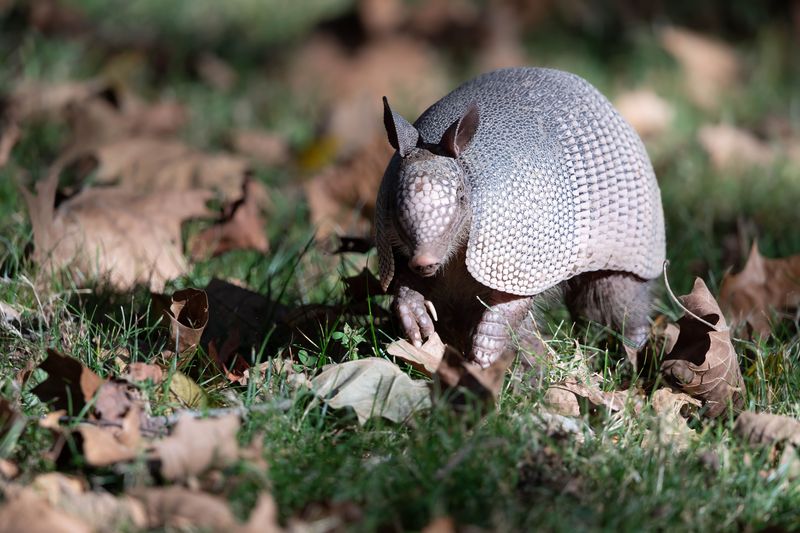
Sometimes the best fix is doing a little less. A lawn that stays soggy and overfed can roll out a welcome mat for armadillos without you realizing it.
Moist, soft soil is easy to dig, and it attracts the worms and grubs armadillos crave. During dry spells, they may also dig looking for moisture itself.
A wet patch in a dry neighborhood stands out like a lit sign.
Try trimming your irrigation schedule. Water deeply but less often, and early in the morning so the surface dries during the day.
Check your local watering rules too, since many Florida counties limit days anyway.
Easing up on heavy fertilizing can also help. Rich, lush turf tends to support more soil insects.
A balanced approach keeps grass healthy without creating a bug paradise.
Treating for grubs is not a sure fix. UF/IFAS says treating soil insects has not been proven to stop armadillo digging, and it can wipe out helpful bugs along the way.
If you do have a big grub problem, ask a local expert which products fit your yard and how to use them safely around kids and pets.
Here is the honest catch. Shrinking their food supply does not guarantee they leave, since moisture also draws them in.
In a few cases, hungry armadillos may dig even wider while hunting for other meals. That is why this step works best as part of a team, not on its own.
Fence Prized Beds With Buried, Slanted Wire

When you truly love a flower bed, a fence is your strongest friend. Armadillos are skilled diggers but clumsy climbers, and a smart barrier plays right into that weakness.
The secret is what happens underground. A fence sitting on top of the soil will not stop a determined digger.
Bury the bottom edge about 18 inches deep, which is what UF/IFAS recommends.
Here is a handy trick. Slant the fence outward, away from the bed, at about a 40 degree angle.
When an armadillo tries to tunnel under or climb over, it hits wire and usually gives up.
Above ground, the fence does not need to be tall. Something sturdy but light, around 2 to 3 feet high, often does the job.
Metal wire holds up better than plastic in Florida weather.
Raised beds have their own easy fix. Line the bottom with galvanized hardware cloth with small openings, around one quarter to one half inch.
This blocks diggers from coming up through the floor of the bed.
Some homeowners add a low-voltage electric wire about 3 inches above the ground. It gives a mild jolt that teaches armadillos to stay back.
Follow the instructions carefully and keep children informed so everyone stays safe.
Pair Marigolds With These Steps For Real Results
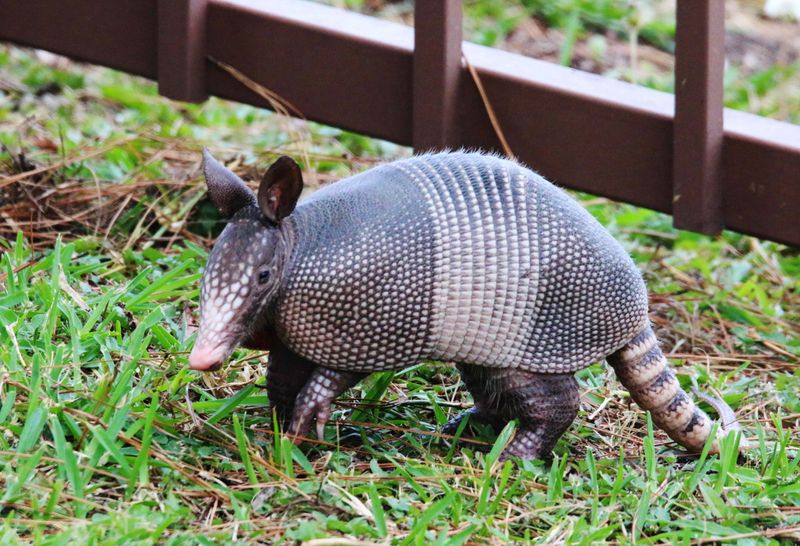
Think of your yard like a sports team. Marigolds can be the cheerful mascot, but you still need strong players on the field to win against armadillos.
Start by removing places where they like to hide or rest. Brush piles, woodpiles, and overgrown shrubs give them cozy cover close to your lawn.
Clearing these spots makes your property feel less like home to them.
Pick up fallen fruit regularly, especially under citrus or mango trees. Rotting fruit draws insects, and insects draw armadillos.
A quick daily sweep keeps the buffet closed.
Motion-activated sprinklers and lights are a popular add-on. Wildlife agencies have not found scare devices to be reliable, so treat them as a bonus, not a fix.
If you try one, move it around now and then so the animals do not get used to it.
Combine these with smarter watering and buried fencing around your best beds, and add grub control only if you truly have a grub problem. Each step chips away at what makes your yard appealing.
Together, they make a real difference.
If digging keeps going strong, call a professional wildlife control service. They know local laws and humane methods.
Florida rules generally call for a trapped armadillo to be humanely euthanized or released on the same property, so moving it elsewhere is off the table. Meanwhile, keep those marigolds blooming on the porch.
They brighten your entrance, help your soil, and give neighbors something nice to talk about.