11 Native Texas Plants That Handle Both Drought and Flash Floods
Texas gardens can bake for months and then drown in a single wild afternoon of pounding rain. I wonder how many of us have watched a cracked flower bed turn into a muddy pond overnight.
Most garden plants pick one side of that fight and quietly give up on the other side. A few tough natives shrug at both, and they grew up right here in our own backyards.
These survivors sink deep roots into the ground and hold soil steady against racing sheets of storm water. Many of them also feed hummingbirds and hungry songbirds through the cooler months of a Texas fall.
October is a wonderful planting window, so you definitely need these names on your shopping list soon. I believe your soggy corner and your sunbaked strip will both thank you by next summer.
1. Frogfruit
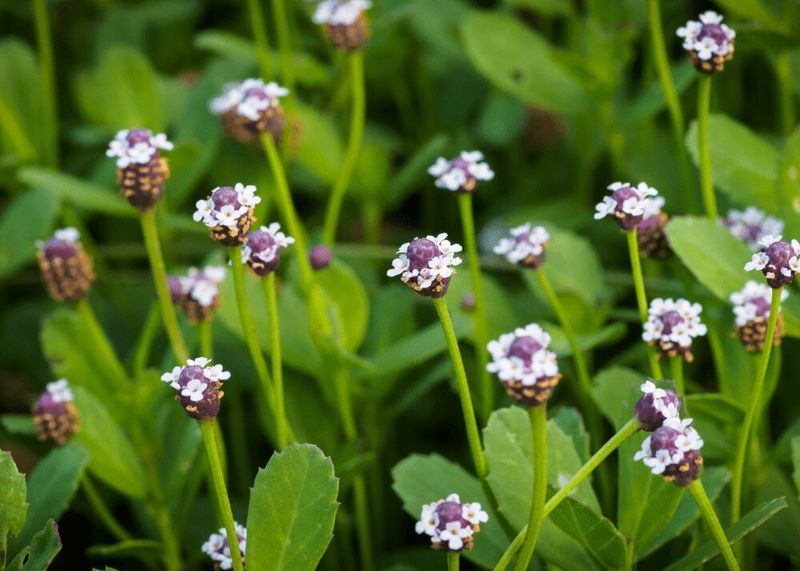
Butterflies treat this tiny groundcover like a busy roadside diner, and the menu stays open for months. Frogfruit, or Phyla nodiflora, hugs the soil just a few inches tall with little white and purple flower heads.
Its round flower clusters look a bit like miniature matchsticks, which may explain another nickname, turkey tangle. Kids often giggle at the frog part, though nobody seems sure where that funny name first came from.
What earns it a spot here is serious toughness when rain falls in buckets and then disappears for weeks. Wildflower experts note it handles periods of standing water and long, hot droughts once roots settle in.
The low mat creeps outward by rooting stems, so it covers bare patches faster than you might expect. That spreading habit helps hold soil on slopes and along ditches where storm runoff tends to scour the ground.
Several butterflies, including the phaon crescent and common buckeye, lay eggs on its leaves for hungry caterpillars. You get a living nursery underfoot that also handles light foot traffic better than many fussy groundcovers.
Early October is a smart time to tuck in plugs because cooler nights ease transplant stress on young roots. Water them every few days for the first month, then step back and let the plants do their thing.
In colder snaps the foliage may turn reddish or go semi-dormant, then it bounces back with warmer weather. Consider it a lawn alternative for that low, soggy spot where grass keeps sulking after every heavy storm.
2. Tropical Sage
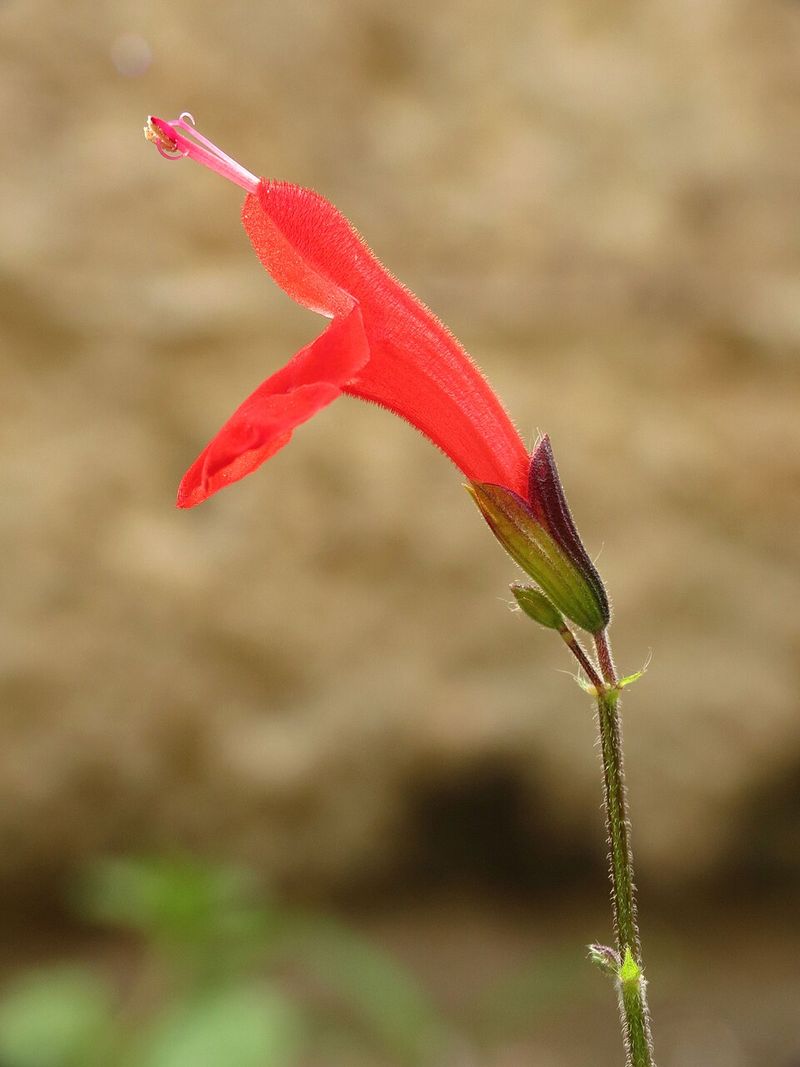
Hummingbirds can spot those scarlet flower spikes from across the yard, and they rarely wait for an invitation.
Tropical sage, known to botanists as Salvia coccinea, is a cheerful native that reseeds itself with happy abandon.
Its square stems give away its family secret, since sages belong to the large and fragrant mint family. Rub a leaf gently between your fingers and you will catch a faint, pleasant herbal scent right away.
Plants usually reach one to three feet tall, forming a loose, airy shrublet that fits easily among other perennials. Red is the classic color, though you may also find pink and white selections at local native nurseries.
Your Texas Garden Changes Every Week. Your Plan Should Too.
Gardening in Texas changes quickly throughout the season. Every Friday you’ll receive a simple weekly plan showing exactly what to plant, prune, fertilize, harvest, and protect so you never miss the right timing.
Native plant references list it as tolerant of drought, and it handles brief soggy spells in well-mulched beds.
That combination makes it handy near downspouts where water rushes out during storms and then quickly dries up.
Partial shade often keeps the foliage looking fresh, especially in the hottest parts of the state during long summers. Full sun works too, though you may notice the plants looking leggier and thirstier by late afternoon.
Right now, in early fall, many plants are still blooming and dropping seed onto the ground around them. Leave some spent spikes in place, and you will likely find a fresh crop of seedlings next season.
Gardeners in warmer coastal areas may see it act like a short-lived perennial that returns from the roots. Farther north, a hard freeze may knock it back, yet its scattered seeds usually keep the show going.
3. Bald Cypress
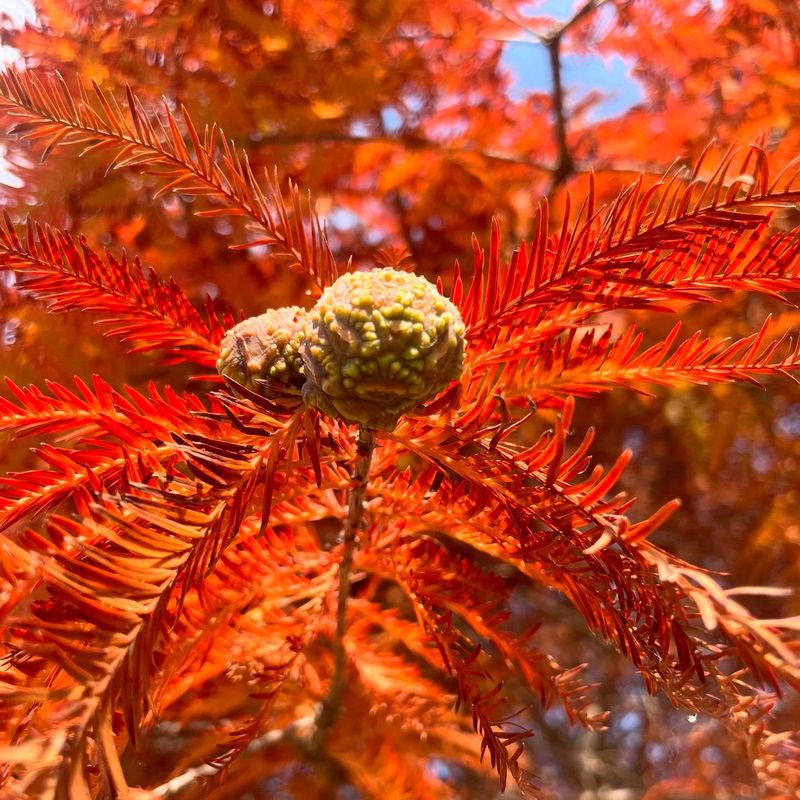
Few trees can stand in a river and still shrug off a brutal dry spell years later. Bald cypress, or Taxodium distichum, pulls off that trick with feathery needles and a tall, tapered trunk.
Despite looking like an evergreen, this conifer drops its needles each fall, which explains the bald part of the name. Before they fall, the needles turn a rusty orange color that glows beautifully in late autumn light.
Along creeks and rivers, mature trees often send up woody bumps called knees around their base. Scientists still debate what purpose those knees serve, which makes them a fun mystery for curious kids and adults.
The tree grows naturally in swamps and along streams, so periodic flooding rarely bothers an established specimen.
Texas A&M sources also note solid drought tolerance once roots spread deep, making it a popular urban street tree.
Plan for plenty of room, since mature trees can top fifty feet with a spread of twenty feet or more. Keep it away from sidewalks because those knees may pop up in wet sites and create tripping spots.
October is an excellent month to plant container trees, giving roots several cool months to settle before summer heat. Water deeply once a week through the first year, especially during dry stretches without any helpful rainfall.
Hardy across USDA Zones 4 through 10, it suits most of the state without special winter protection. I believe a single bald cypress near a rain garden can turn a soggy lawn into a showpiece.
4. Yaupon Holly
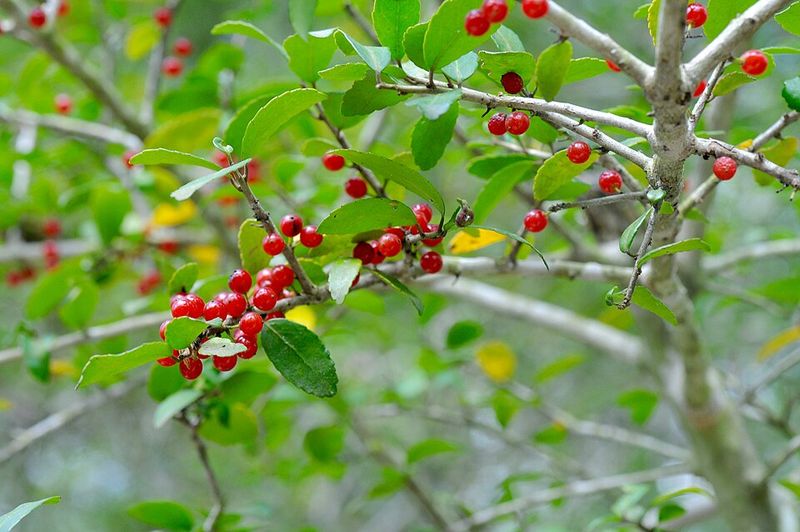
Long before anyone sold fancy teas, people across the Southeast brewed drinks from the leaves of this holly. Yaupon, or Ilex vomitoria, is one of the very few plants native to North America that contains caffeine.
The scary species name came from an old misunderstanding about ceremonial drinks, not from the leaves themselves. Today small companies harvest wild yaupon for tea, so your hedge might share roots with a trendy beverage.
Its small, glossy leaves have gently scalloped edges, so you can prune it without fighting sharp holly spines.
Female plants carry bright red berries through fall and winter, giving robins and mockingbirds a welcome snack.
What makes it special for this list is its ability to handle drought and occasional flooding with very little fuss. Extension specialists also praise its tolerance of salt spray, which helps gardeners living near the breezy coast.
You can find it as a compact dwarf shrub or as a multi-trunked small tree with smooth gray bark. Dwarf types stay tidy near foundations, while taller forms grow into handsome screens along fence lines.
Sunny spots usually produce more berries, though the plant still grows well in fairly deep shade under oaks. Buy a plant with berries in fall if you want fruit, since only female plants produce them.
Early October planting gives roots time to settle while soil stays warm and the air finally cools down. Water weekly until spring, then let this tough evergreen take care of itself through most weather swings.
5. Cedar Elm
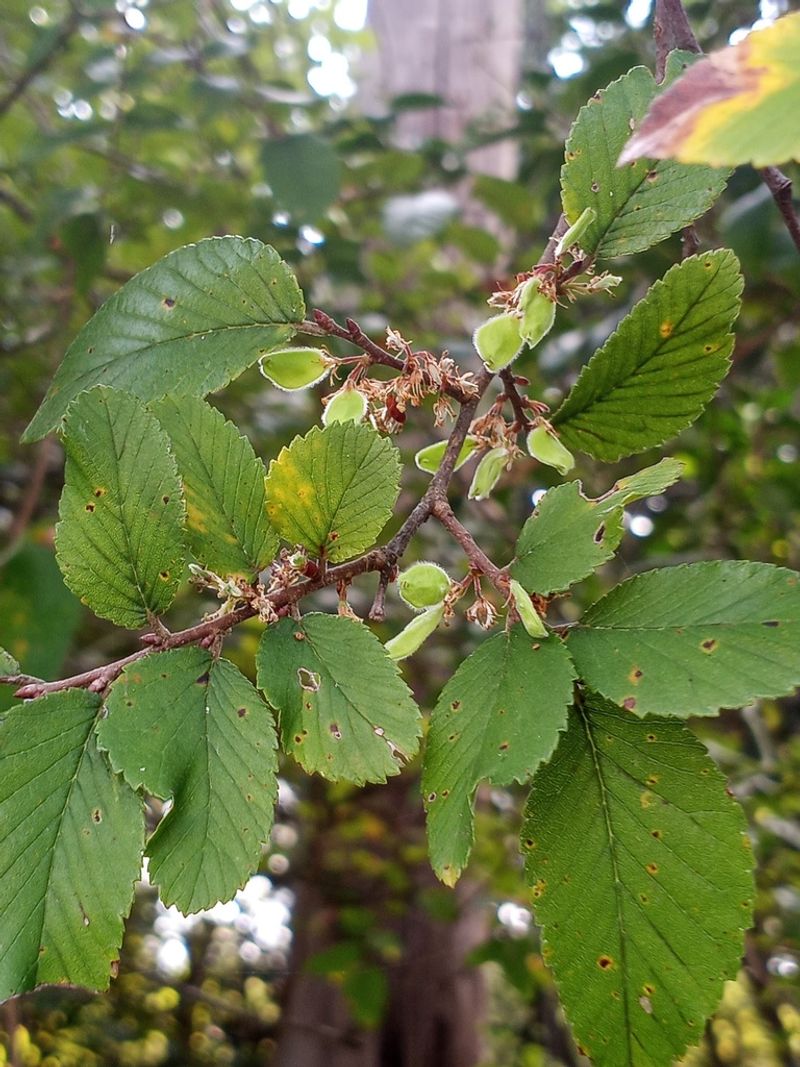
Ask a seasoned arborist to name a tough shade tree, and cedar elm often comes up first. Ulmus crassifolia has small, sandpaper-rough leaves that feel a little like a cat’s tongue when you touch them.
Those tiny leaves are part of its secret, since smaller leaves lose less water during scorching dry spells. The tree also handles low spots that flood after storms, a rare skill among large shade trees.
Unlike most elms, it flowers in late summer and early fall instead of spring, so look closely right now. The blooms are tiny and greenish, followed by flat, winged seeds that drift down like little paper confetti.
Young twigs sometimes grow corky ridges called wings, which give bare winter branches a rugged, knobby texture. In good years, the leaves turn soft yellow before falling, adding a warm glow to late autumn yards.
It adapts to heavy clay and rocky limestone soils found across much of central and north Texas. Mature trees usually reach fifty to seventy feet tall, so give them plenty of space from your roof.
Watch for leafy clumps of mistletoe in the branches, and have an arborist remove them before they spread.
Elm leaf beetles may chew some foliage, but healthy trees usually recover without needing heavy chemical sprays.
Plant container-grown trees this fall and water deeply every week or two during the first growing season.
Within a few years, you should have dependable shade that rarely complains about drought or soggy ground.
6. Wax Myrtle
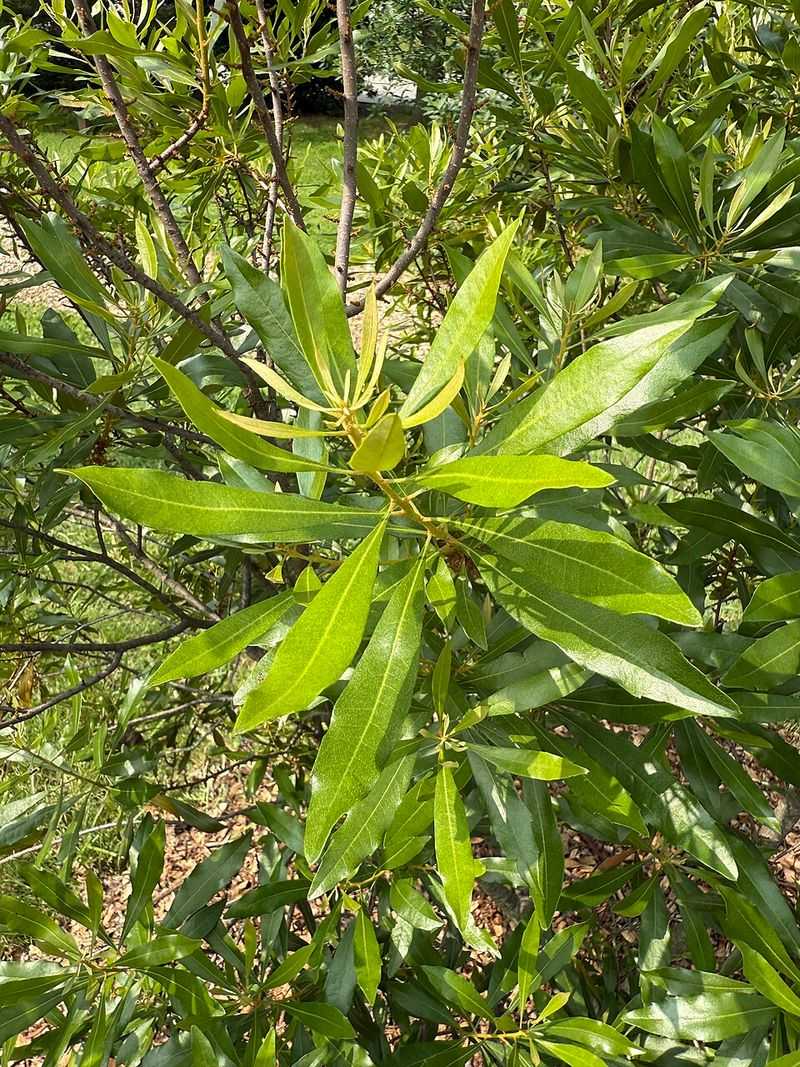
Colonial families once boiled the waxy berries of this shrub to make sweetly scented candles for the holidays. Wax myrtle, known as Morella cerifera, still carries that spicy fragrance in its narrow olive-green leaves today.
Brush past a branch on a breezy fall afternoon, and you will catch a clean, bay-like scent. Many people call it southern bayberry, and the aroma explains why the old candle makers loved it so much.
Native plant guides list it as comfortable on wet, poorly drained sites as well as dry sandy uplands. That range makes it a reliable pick for yards that flip between puddles and parched ground every year.
Its roots host special bacteria that capture nitrogen from the air, helping it grow in poor, thin soils. You rarely need fertilizer, which saves money and keeps extra nutrients out of nearby creeks after heavy rain.
Female plants produce pale blue, waxy berries that feed yellow-rumped warblers and bluebirds during the colder months. Plant a male nearby if you want plenty of fruit, since both sexes are needed for a good berry crop.
Most plants grow about ten to fifteen feet tall, though older specimens can stretch much higher in rich soil. Dense branches make it a fast privacy screen, and regular trimming keeps it tidy as a hedge.
Plant it this October so roots can spread through winter before next summer brings intense heat again. Give young shrubs regular water the first year, then enjoy a fragrant, carefree screen for many seasons.
7. Inland Sea Oats
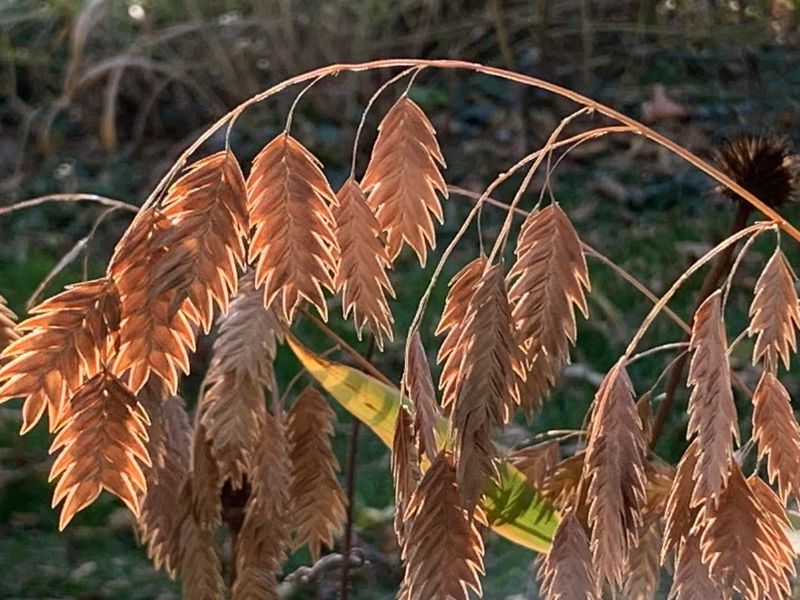
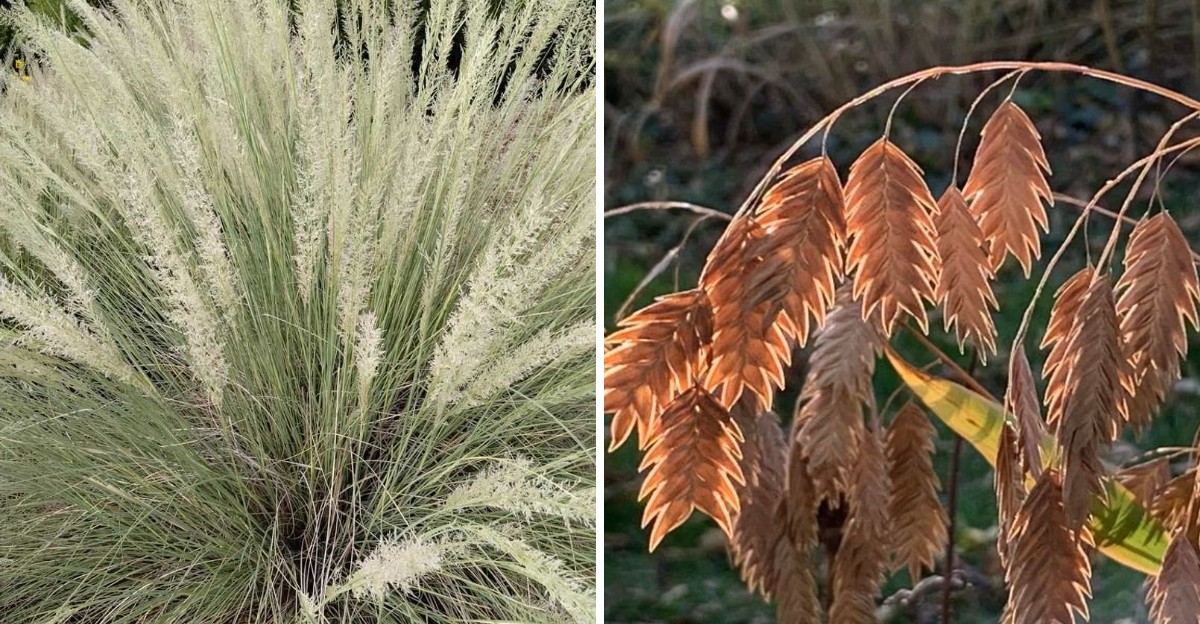
Those dangling seed heads look like tiny flattened fish hanging from wire, and they shimmer in the slightest breeze. Inland sea oats, or Chasmanthium latifolium, is a clumping native grass that loves creek banks and shady woodland edges.
Right now in early October, the seed heads are fading from green to warm bronze and coppery tan. Many gardeners leave them standing all winter, since the dry stalks rattle softly and catch the frost beautifully.
Along streams, this grass gets drenched during floods and then sits through long, hot dry spells without complaint. Its dense, fibrous roots grab onto soil, which helps reduce erosion on slopes and along rain garden edges.
Shade is where it truly shines, and that makes it rare among ornamental grasses that usually crave sunshine. Under big oaks or along a north-facing wall, it fills awkward spots with soft, bamboo-like foliage.
Expect clumps about two to three feet tall, with wide leaves that turn golden before going dormant. Cut the old growth back in late winter so the fresh green shoots can push through in spring.
One warning deserves attention, because this grass reseeds generously and can pop up in nearby beds. Snip some seed heads off before they drop if you prefer a tidier garden with fewer surprise seedlings.
Birds and small mammals nibble the seeds, and the clumps provide hiding spots for ground-dwelling creatures in winter. I’m sure you will love how it softens hard edges without asking for much water once it settles.
8. Turk’s Cap
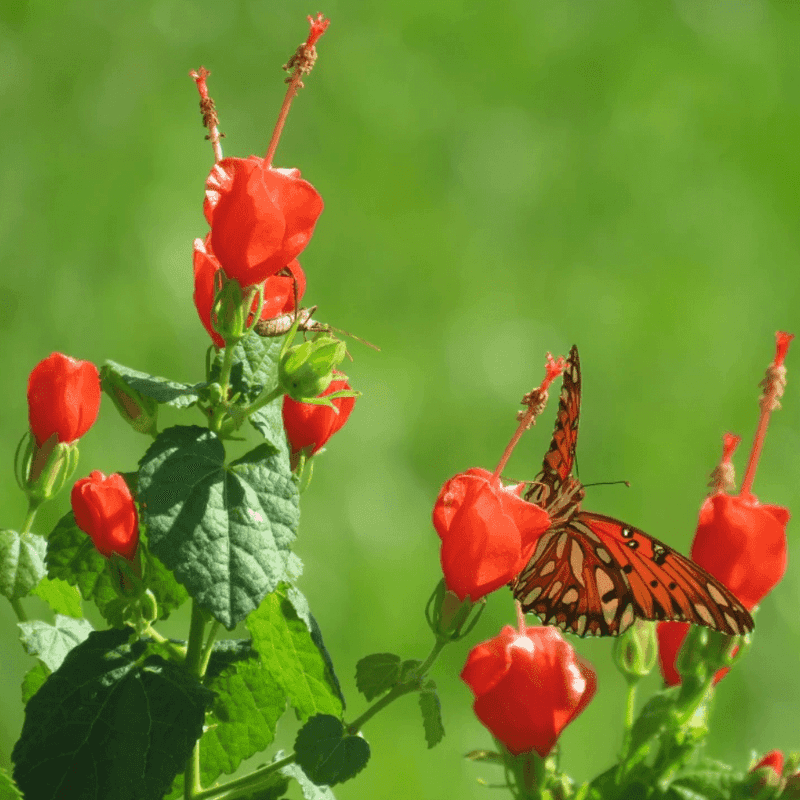
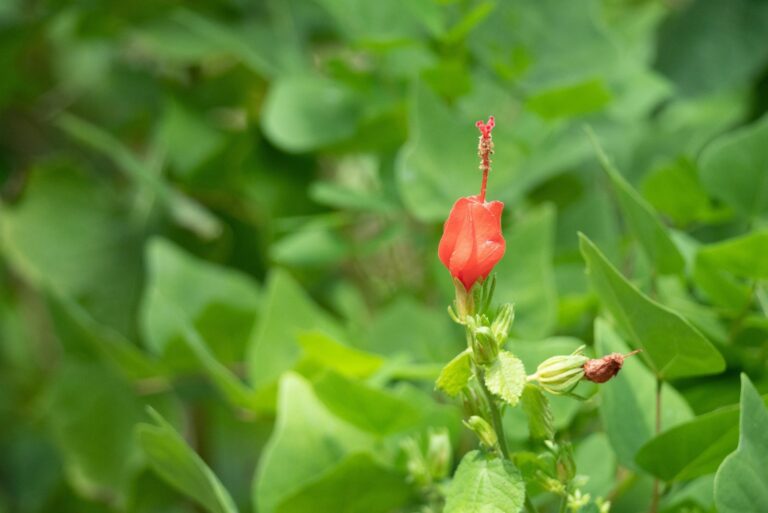
Each bright red flower stays twisted shut like a tiny swirled turban, and hummingbirds still find their way inside. Turk’s cap, Malvaviscus arboreus var. drummondii, is a sturdy native shrub that flowers when many plants quit.
Its blooms rarely open wide, so their shape keeps out many bees while welcoming long-billed visitors. Butterflies and moths also stop by, and some people say the small red fruits taste a bit like apples.
Those marble-sized fruits ripen in fall, and birds along with other wildlife often snack on them happily. The leaves are edible too, though you should confirm identification carefully before tasting anything from your garden.
In the wild, it grows along shady stream banks that flood after storms and then dry out in summer. That history explains why it handles both soggy weeks and long dry spells once a deep root system forms.
Partial shade suits it best, and the plant adapts to both heavy clay and rocky limestone soils easily. Under big trees, its bold, heart-shaped leaves fill dim corners where many flowering shrubs often struggle.
Expect plants about three to five feet tall, spreading slowly by roots into a loose, leafy colony. Flowers keep coming through October in many areas, providing a crucial fuel stop for migrating hummingbirds.
After a frost knocks back the stems, cut them low in late winter to encourage fresh growth. Fall planting works well, giving roots months to grow before heat returns and hummingbirds come looking again.
9. Big Muhly
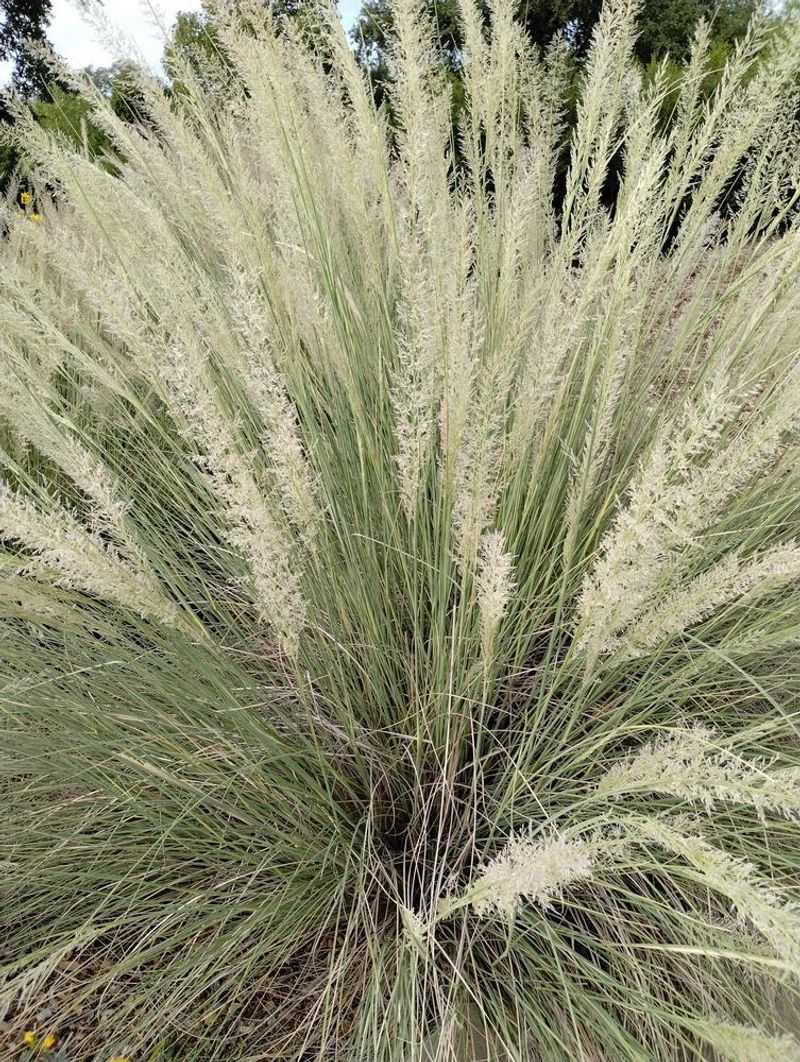
Tall, silvery plumes rise above this grass in fall, glowing like candle flames when the evening sun hits them. Big muhly, named Muhlenbergia lindheimeri, is a stately clump grass that can reach about five feet tall.
Its species name honors Ferdinand Lindheimer, a German-born botanist who collected plants in the Hill Country in the 1800s. He is often called the father of botany in this region, so this grass carries real history.
Wild populations grow along limestone creeks on the Edwards Plateau, where floods rush through after big storms. Those same spots bake for months during summer, so the grass learned to handle both conditions.
The blue-gray leaves form a tidy fountain shape that looks good from spring right through the winter months. In early October, plumes emerge purplish and fade to soft silver, swaying beautifully in every breeze.
Deer usually leave it alone, which makes it a great choice for neighborhoods where hungry herds wander nightly. It also works as a native substitute for pampas grass, which can spread aggressively in some areas.
Full sun gives the best plumes, though it tolerates a little afternoon shade in hot western yards. Good drainage helps during wet winters, so plant on a gentle slope or a slightly raised mound.
Cut the clump back to about a foot tall in late winter before new growth appears in spring. I can’t imagine a better plant for adding movement to a dry garden that sometimes floods.
10. Texas Lantana
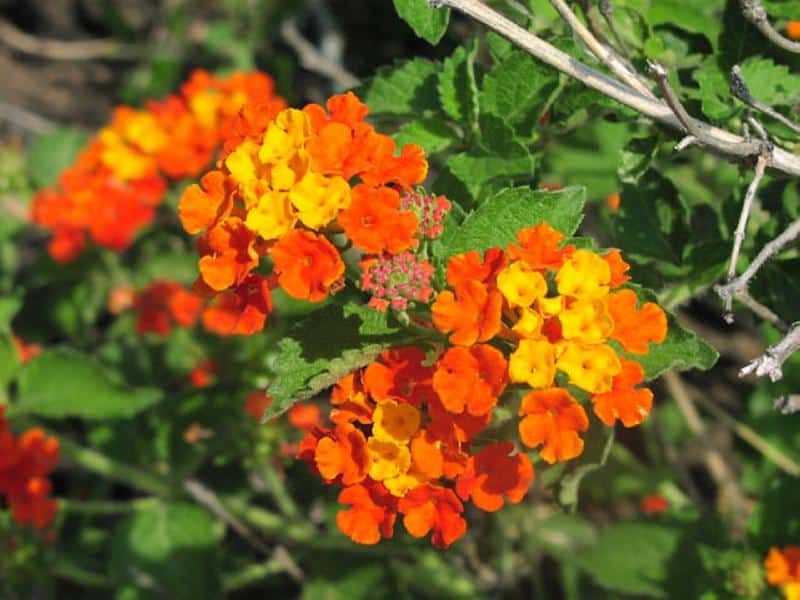
Each flower cluster looks like a tiny sunset, with yellow centers melting into orange and red outer rings. Lantana urticoides, the native lantana, keeps blooming through blazing heat that sends many showy annuals into a sulk.
Gardeners should not confuse it with common lantana, Lantana camara, which is invasive in parts of the South. Choosing this native version supports local wildlife without the risk of plants escaping into nearby wild areas.
Its sandpapery leaves give off a strong, sharp scent that many deer seem to dislike quite a bit. Butterflies such as swallowtails and skippers visit constantly, so expect a fluttery show into the first frost.
Native plant sources list it as drought tolerant, and it handles brief soggy spells in well-drained ground. Avoid planting it where water sits for weeks, because constantly wet roots may rot during cool weather.
Plants usually grow two to three feet tall and spread wider, forming a sprawling mound of color. Later in the season, shiny dark berries appear, and birds happily eat them as fall moves along.
Those green, unripe berries are toxic to people and pets, so plant it away from curious toddlers. Wearing gloves when pruning is also wise, since the rough leaves can irritate sensitive skin for some people.
In early October, trim lightly if needed, but save heavy pruning until after the last frost next spring. Frost may brown the stems, yet the roots usually send up fresh shoots once warmer weather returns.
11. Switchgrass
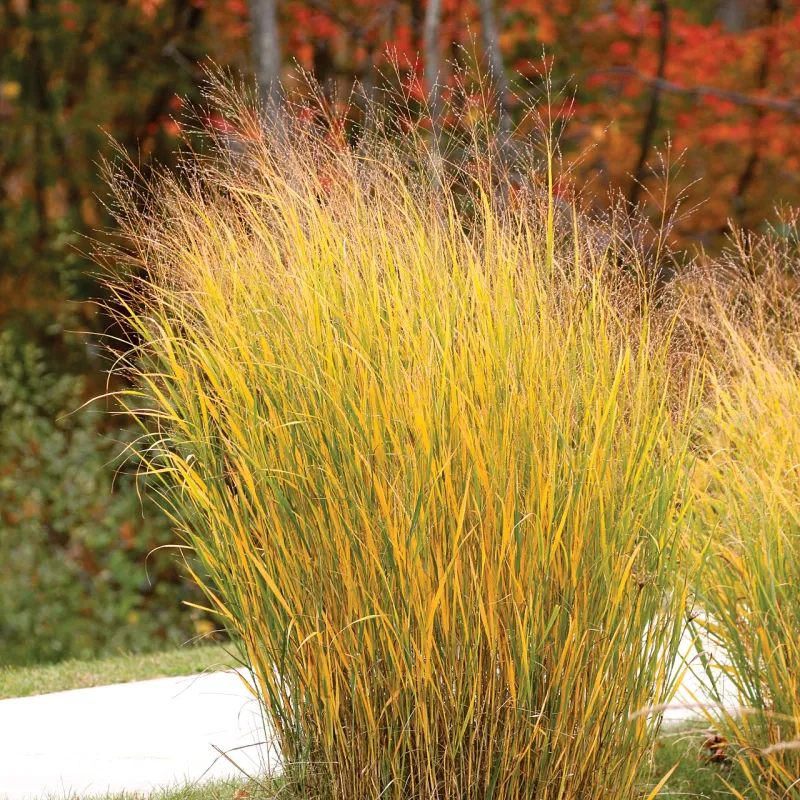
Roots on this prairie grass can plunge down ten feet or more, reaching moisture shallow plants can only dream about. Switchgrass, Panicum virgatum, was one of the key grasses of the tallgrass prairie that once covered huge stretches of land.
Those deep roots do double duty, holding soil firmly in place when floodwaters rush across low pastures. Researchers have even studied switchgrass as a possible biofuel crop because it grows so vigorously on poor land.
It tolerates both drought and wet soils, which explains why you find it in ditches and upland meadows alike. Few ornamental grasses handle such a wide swing in moisture with this much steady, upright good behavior.
In early October, the airy seed heads look like a pink or reddish cloud floating above the leaves. Many varieties also turn gold or burgundy as nights cool, adding real autumn color to sunny borders.
Selections like Heavy Metal offer blue foliage, while Shenandoah is known for its striking reddish fall tones. Check plant tags for mature height, since some types stay near three feet and others top six feet.
Seeds feed sparrows and quail through winter, and the dense clumps shelter birds during cold, windy nights. Leave the stalks standing until late winter, then cut them back before the fresh shoots start appearing.
Full sun keeps the clumps upright, while too much shade or rich fertilizer can make the stems flop. I believe switchgrass is a perfect closing act for any yard that swings between soggy and bone dry.