What To Do If You Find An Invasive Termite Swarm In Your Florida Home
You flip on the kitchen light and a cloud of winged insects swirls around the window. Your stomach drops.
Florida swarmers do not knock first, and they rarely show up alone.
Stay calm and keep your cool. Those wings on the sill tell a story, and it started months ago inside your walls.
Formosan termites, the invasive heavyweights of the Sunshine State, can chew through a house faster than you can say Jack Robinson.
Do not grab the bug spray and call it a day. A quick spritz clears the room, but the colony gets the last laugh.
Scoop a few wings and bodies into a jar, snap a clear photo, and mark the spot on the wall. That jar is gold to a pro.
Call a licensed pest control company today. Every hour counts, so read on before the damage gets well out of hand.
Florida’s Invasive Swarmers Are Asian And Formosan Subterranean Termites
Florida holds a strange world record that nobody brags about at parties. It is the only place on Earth where Asian and Formosan subterranean termites live side by side.
Both bugs came here from overseas, likely riding along in boats, lumber, and shipping crates. Once they landed, the warm, wet weather made them feel right at home.
Today they show up in many parts of the state, from Miami to the Panhandle.
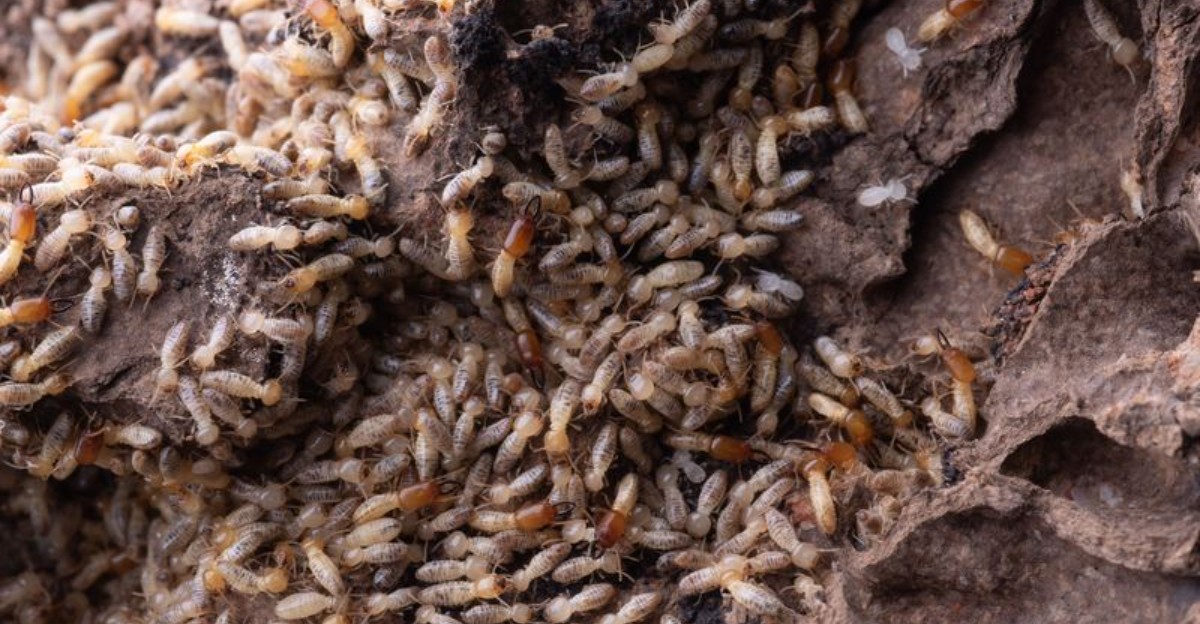
Native termites cause trouble too, but these two newcomers play on a much bigger scale. A single Formosan colony can grow past one million members.
Picture a busy city hidden underground, with workers chewing nonstop day and night.
Size matters here because more mouths mean faster damage. A huge colony can harm beams, floors, and walls far quicker than a small native group.
Some homes show serious harm within just a few years.
Both species live in the soil and build mud tubes to reach wood. They can also form nests above ground if they find steady moisture, like a leaky roof or pipe.
That sneaky habit lets them hide inside walls for a long time.
So when winged insects appear, it helps to know these two names. Learning who they are is the first smart move in protecting your home.
Asian Termites Swarm First, From Late Winter Into Spring
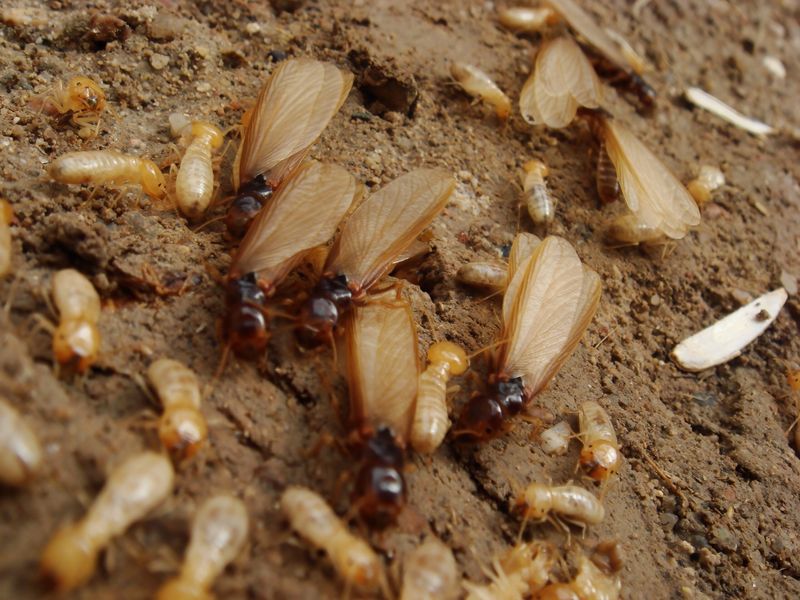
Ask a South Florida pest expert about February, and you might hear a sigh. That is when Asian subterranean termites start warming up for their big flight season.
Their swarming time usually runs from mid-February through late May. In South Florida, many people spot the first swarms around March.
Each year can shift a little based on rain and temperature.
Here is the fun part, if you can call it fun. These swarmers wait until dusk to launch their flights.
As the sun sets, they pour out of hidden cracks and keep flying well into the night.
Why so many at once? Each winged termite hopes to find a mate and start a brand-new colony.
Flying together in huge numbers gives them a better chance of pairing up before birds and lizards grab them.
Most swarmers do not succeed, but some do. A lucky pair can drop its wings, crawl into damp wood or soil, and begin a new family.
Keep a simple note on your calendar for late winter. Watch for wings near lights, on sills, or in spider webs during those early spring evenings.
Spotting them early gives you a head start on getting help.
Formosan Termites Take Over In Late April
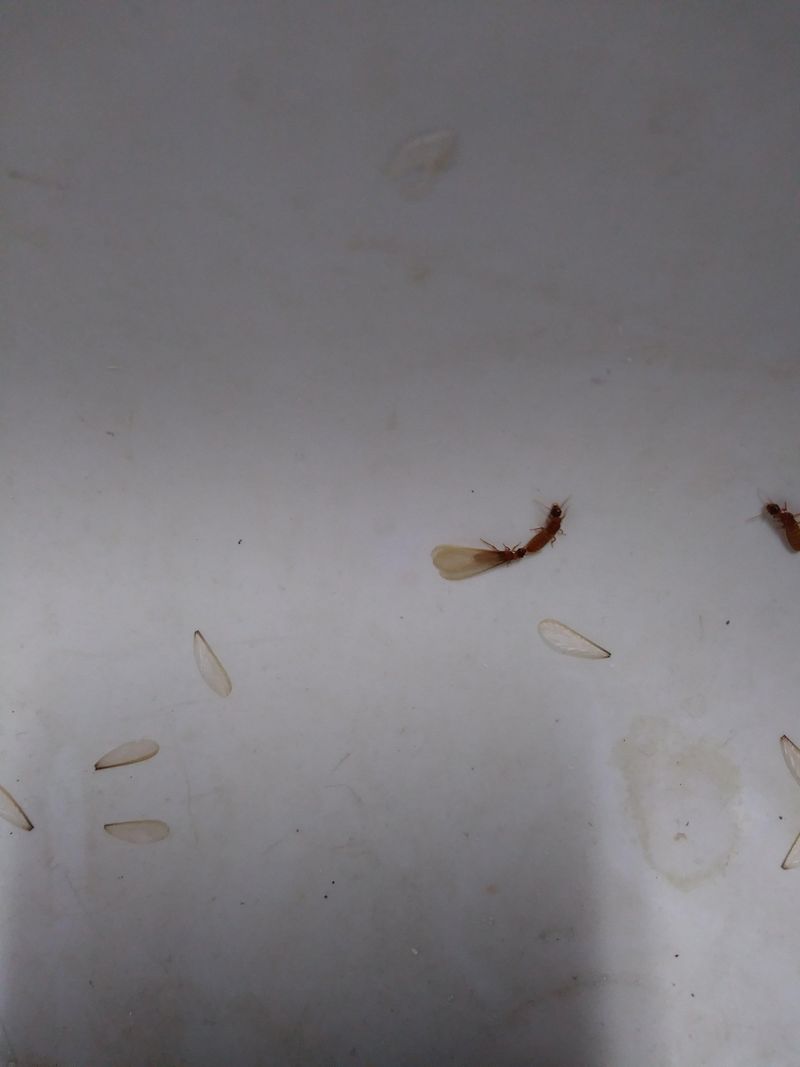
Just when the Asian swarmers start to fade, a second wave rolls in like a sequel nobody asked for. Formosan subterranean termites take the stage in late April or early May.
Their season usually stretches through late June or early July. The busiest stretch tends to land between late May and early June.
During those weeks, warm and sticky nights can bring clouds of wings.
Like their Asian cousins, Formosan termites prefer to fly after dark. Many Floridians first notice them after a muggy evening rain.
The air feels heavy, the lights glow, and suddenly the swarm appears.
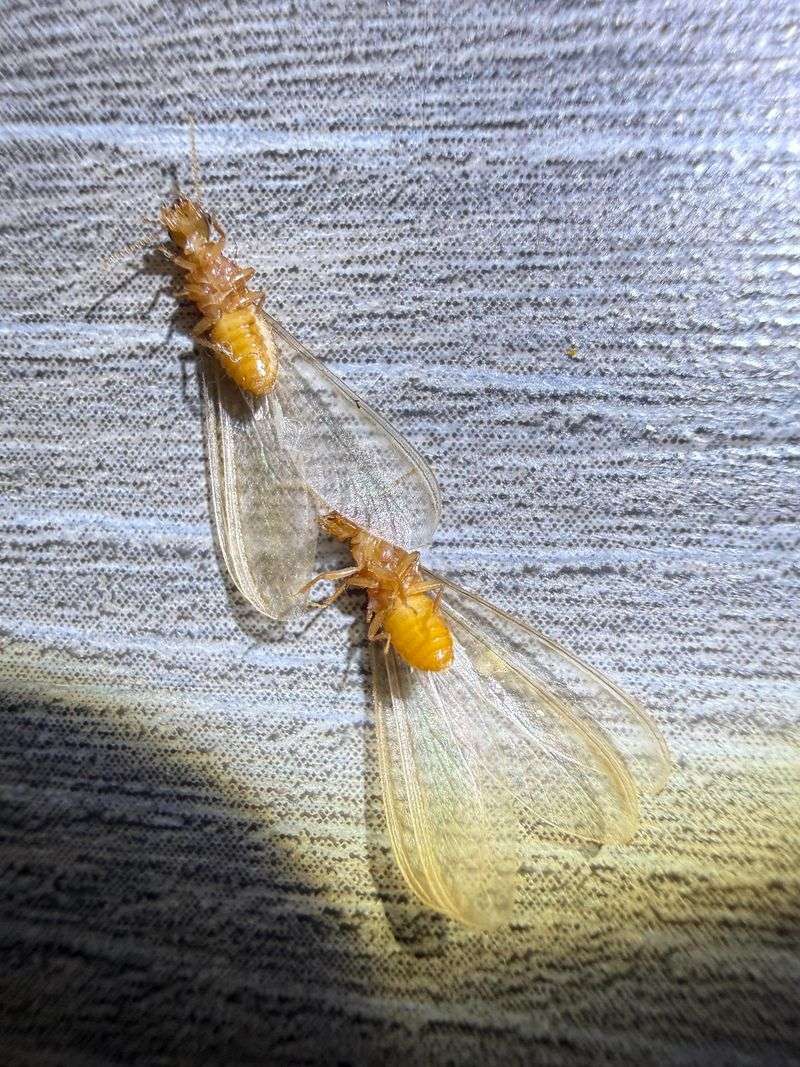
Formosan swarmers are a bit larger and have a yellowish-brown color. People sometimes mistake them for flying ants.
A quick tip helps tell them apart: termites have straight antennae, thick waists, and four wings of equal length.
Fun fact: Formosan termites earned the nickname super termites. Their giant colonies and big appetites make them one of the costliest pests in the country.
Plan ahead by checking your home in spring. Fix leaky gutters, keep mulch away from the foundation, and store firewood off the ground.
Small steps like these make your yard less inviting when swarm season peaks.
Both Are Drawn To Porch Lights, Indoor Lights And Screens
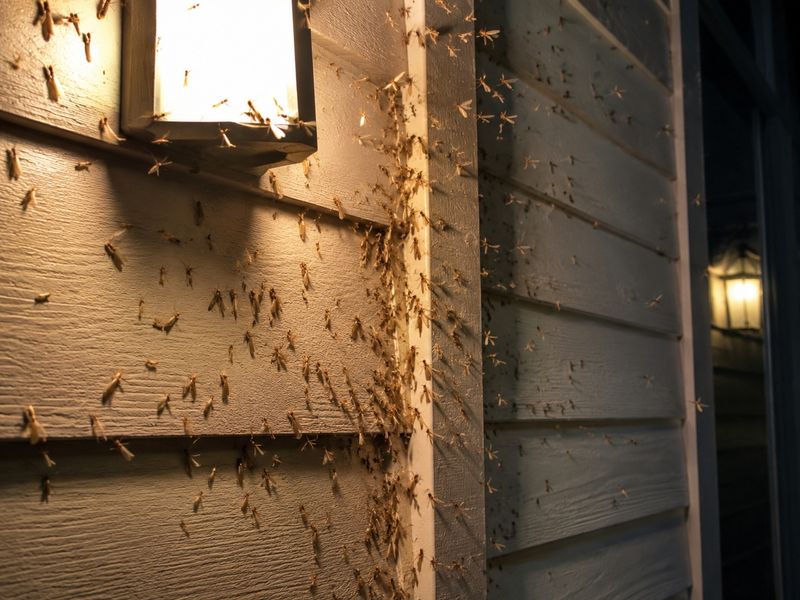
Moths get all the blame for crowding around lamps, but termite swarmers love a bright bulb just as much. Both Asian and Formosan species fly at night and head straight for light.
You may find them gathered around porch lights, street lamps, and glowing windows. They often cling to window screens in big, wriggly patches.
Even a TV or computer screen near a window can catch their attention.
That pull toward light is how many swarmers end up indoors. An open door, a torn screen, or an unscreened window gives them an easy path inside.
Within minutes, a quiet living room can turn into a fluttering mess.
Here is a helpful clue for detectives at home. If you see shed wings piled on a windowsill, swarmers likely passed through recently.
Those tiny, see-through wings break off easily once the insects land.
Look closely at where the swarmers gather. A cluster near one window could just mean outdoor bugs followed the light.
But swarmers coming from inside walls, baseboards, or floors may point to a colony within your house.
Patch screens and seal gaps around doors before spring arrives. A little prep now can keep these light-loving visitors on the outside.
Turn Off The Lights And Close Windows During A Swarm

Think of it as hosting a party and suddenly realizing the guests are uninvited. The fastest way to end the fun is simple: turn off the lights.
During peak swarm evenings, cut back on outdoor lighting. Switch off porch lamps, landscape lights, and bright bulbs near doors.
Fewer lights mean fewer swarmers heading toward your home.
If a swarm is already happening, close all doors and windows right away. This keeps more swarmers from slipping inside and helps contain the ones already there.
Pay special attention to windows without screens.
Indoors, dim the rooms near windows. Close blinds or curtains so the glow does not leak outside.
Some families even move TV time to a back room on heavy swarm nights.
Want a handy trick? Swap regular outdoor bulbs for yellow bug lights or warm LED bulbs.
Many flying insects find these colors less appealing than bright white light.
Stay calm while you do all this. Swarmers cannot bite, sting, or spread illness, and they usually stop flying within an hour or so.
Taking these quick steps keeps the mess small and gives you time to plan your next move with a clear head.
Save A Few Termites In A Vial Of Alcohol
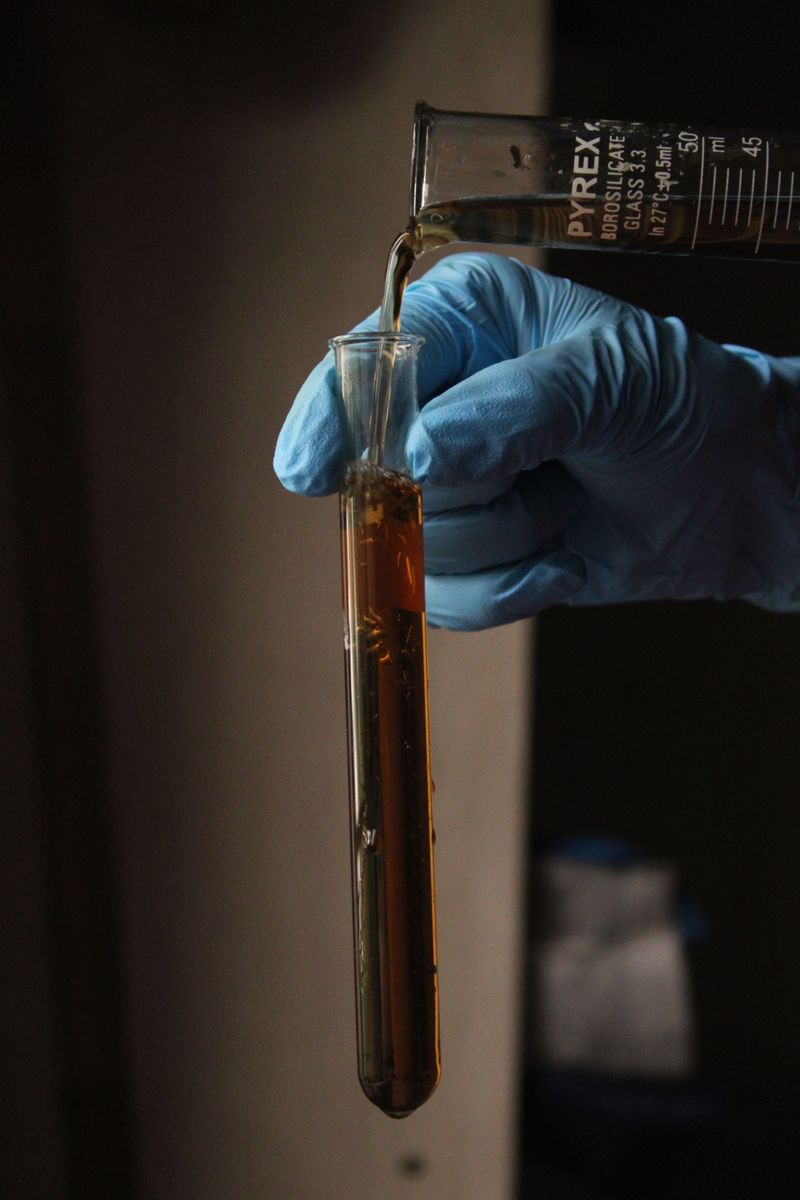
Before you grab the vacuum, pause and play scientist for a minute. A small sample can tell experts exactly which termite moved into your neighborhood.
Find a small container with a tight lid, like an old pill bottle or a little jar. Fill it with rubbing alcohol, ideally 70 percent isopropyl.
If you have none, hand sanitizer can work in a pinch.
Gently scoop a few swarmers into the liquid using a spoon, tweezers, or a piece of tape. Even loose wings are useful, so add some of those too.
The alcohol keeps the bodies in good shape for study.
If you spot any soldier termites, add them as well. Soldiers have large, teardrop-shaped heads and strong jaws, and they help experts make a sure match.
Winged swarmers, called alates, are also great samples.
Label the container with the date and the address where you found the bugs. A strip of masking tape and a marker do the job nicely.
Keep the sample somewhere cool and away from kids and pets. With this little vial in hand, you now hold important evidence.
It turns a confusing night into a clear set of facts.
Send Samples To UF For Free Identification
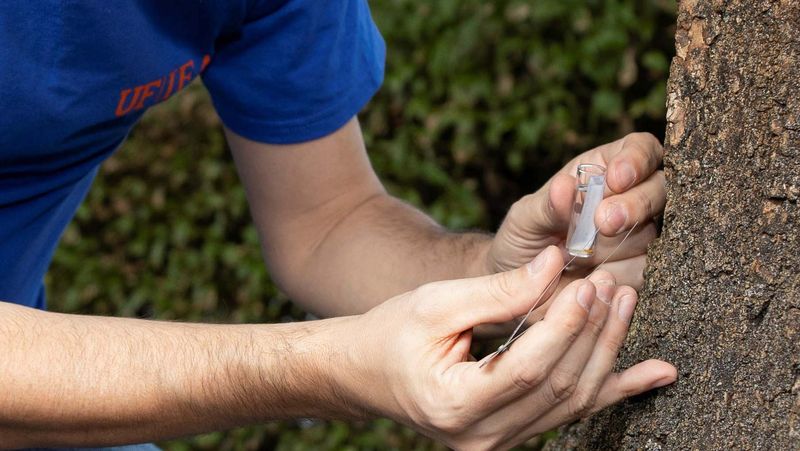
Here is a bit of good news on a stressful night: expert help costs nothing. The University of Florida offers free termite identification through UF/IFAS.
You can mail your sample to the UF Termite ID Team at the Fort Lauderdale Research and Education Center. Scientists there study these insects every day.
They can tell an Asian termite from a Formosan one with confidence.
When you pack your sample, include three key details. Write the address where you collected the bugs, the date you found them, and your email address.
The team will send your results by email.
Pack the vial carefully so it does not leak. Wrap it in a plastic bag, then tuck it inside a padded envelope or small box.
Check the UF/IFAS website for current mailing tips before you ship.
Why go through the trouble? Different termite species need different treatment plans.
A method that works on one type may not be the best choice for another.
Your sample also helps researchers track where these invasive termites are spreading across Florida. In a small way, you become part of a statewide science project.
That is a pretty neat bonus for mailing one tiny bottle.
Vacuum Up The Rest
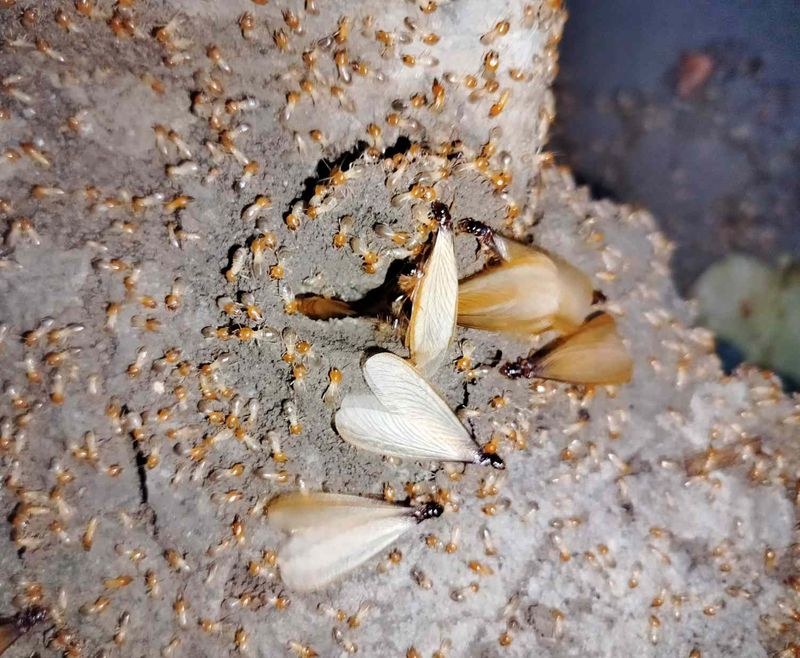
Sample saved? Great, now it is cleanup time, and your vacuum is the star of the show.
It is the easiest and tidiest way to clear away a swarm.
Run the vacuum along windowsills, floors, counters, and light fixtures. Use the hose attachment to reach corners and screen tracks.
Grab the scattered wings while you are at it.
Once you finish, act fast with the contents. Remove the vacuum bag or empty the canister into an outdoor trash bin.
Tie the trash bag tight so no stragglers can wander back inside.
You might feel tempted to reach for a can of bug spray. Try to resist that urge.
Spraying only handles the bugs you can see and does nothing about the hidden colony.
Bug spray can also make things harder for a professional later. Chemicals may scatter evidence or affect the spots an inspector needs to study.
Leaving the area clean but untreated gives the pros a clearer picture.
Quick tip: note where the swarmers seemed to come from before you clean. A crack in a baseboard or a spot near a window frame is a valuable clue.
Snap a photo with your phone to share with your inspector.
Call A Licensed Pest Control Company
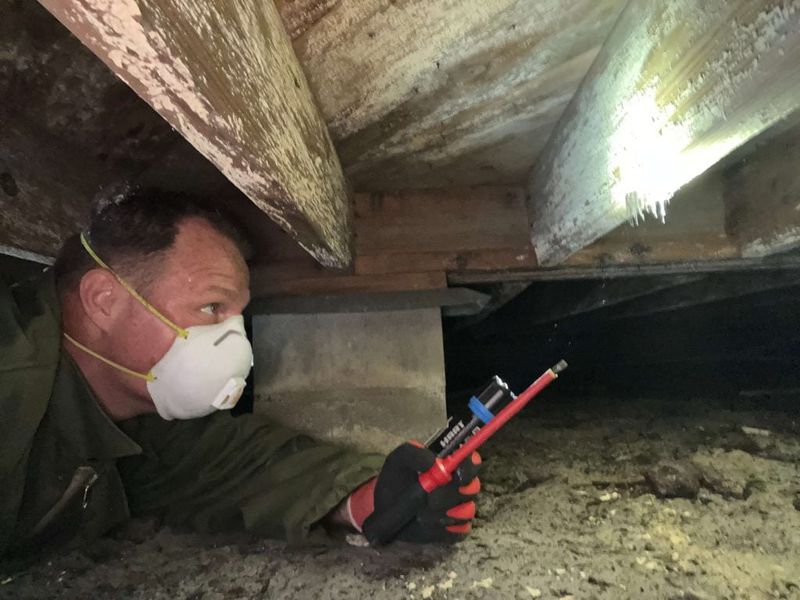
A swarm is like smoke from a hidden campfire. The wings you saw mean a grown-up colony is likely living nearby, or maybe inside your walls.
That is why the final step matters most. Call a licensed pest control company, ideally within 24 hours of the swarm.
Quick action gives you the best shot at limiting damage.
Home remedies and store-bought sprays rarely solve the problem. Established colonies hide deep in soil, walls, and wood where you cannot reach.
A trained pro has the tools and know-how to find them.
During the visit, the inspector will check your foundation, attic, crawl spaces, and wooden trim. They look for mud tubes, soft wood, and moisture problems.
Share your UF results, photos, and notes to speed things up.
Ask good questions before you agree to a plan. What species did they find?
Will they use liquid soil treatments, bait stations, or both? Is there a warranty, and how often will they return to check?
Make sure the company holds a Florida pest control license. You can confirm this through the Florida Department of Agriculture and Consumer Services.
With the right team on your side, that surprising night of wings becomes the start of a well-protected home.