Should You Keep Your Pennsylvania Christmas Cactus In The Dark
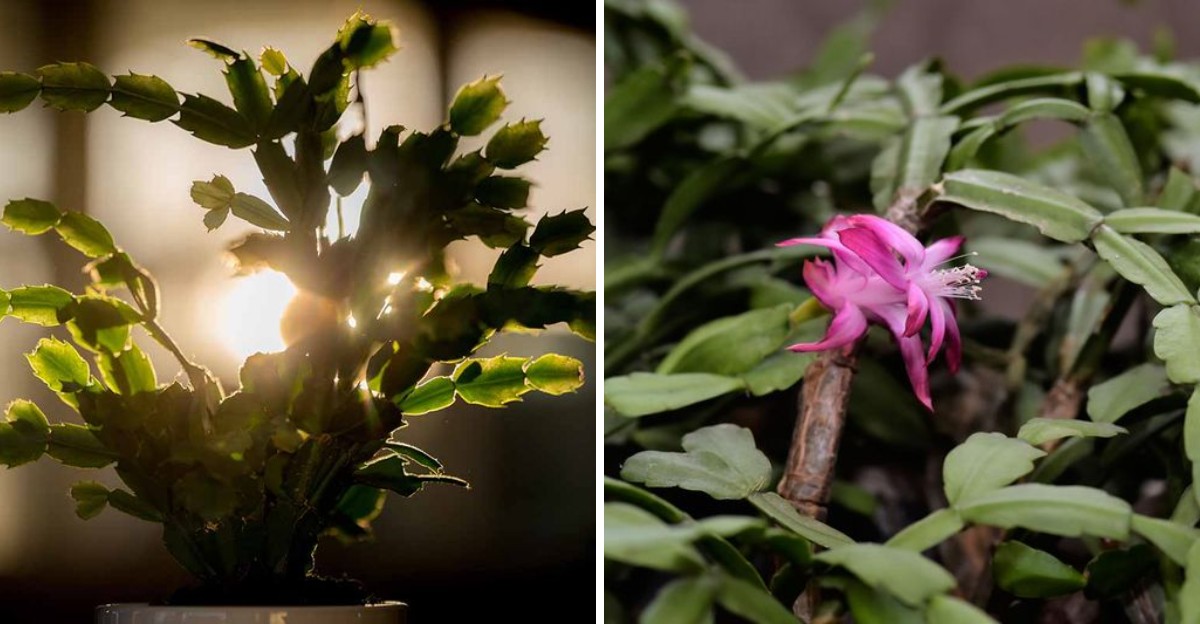
Some Pennsylvania plant lovers swear by an old trick. Every evening in the fall, they carry their Christmas cactus into a closet or cover it with a box, then bring it back out the next morning.
It might sound a little extreme, but there’s real science behind it. Christmas cacti set flower buds based on the length of the night.
When they get long, uninterrupted stretches of darkness for several weeks, they get the signal that it’s time to bloom. A single lamp switched on in the evening can be enough to throw them off.
That doesn’t mean the plant should live in the dark full-time, though. Too little daylight can leave it weak, pale, and unable to support those blooms.
The key is finding the right balance between light and darkness, and knowing exactly when that balance matters most.
Yes, But Only At Night And Only In Fall
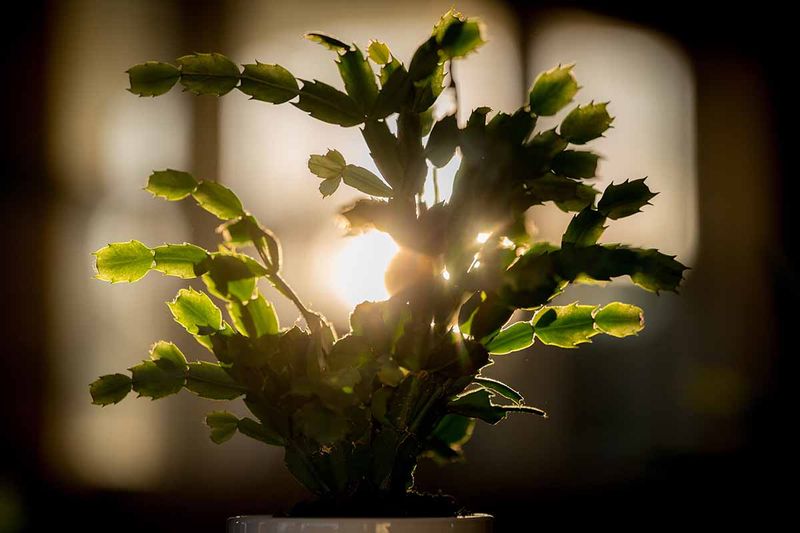
Short answer? Yes, but with a big catch. A Christmas cactus does not want to live in the dark all year long. It only needs extra darkness at night, and mostly during the fall.
Think of it like a bedtime routine. Kids sleep better when the lights go out at the same time each night. Your cactus works in a similar way, except its good night of rest leads to flower buds instead of a happy morning mood.
During spring and summer, the plant is busy growing new leaf segments. It wants plenty of bright, indirect light and normal day and night cycles. There is no need to hide it away during those months. In fact, doing so would slow its growth.
Things change once fall arrives. Around late September, the plant starts paying close attention to how long the nights are.
Long, unbroken nights tell it that winter is coming and that it is time to make flowers. If those nights keep getting interrupted by lamps or bright rooms, the plant gets confused.
So the goal is not total darkness around the clock. The goal is long, peaceful nights during a certain season. Many Pennsylvania homes already have this naturally in a guest room or a quiet corner that nobody uses after dinner.
Here is a simple way to remember it. Daytime means light, and fall nights mean darkness. Keep that rule in mind, and you are already ahead of many plant owners.
Once you understand this rhythm, the rest of the process feels much easier, and your plant will reward you with a colorful show when the holidays roll around.
Why Darkness Helps It Bloom
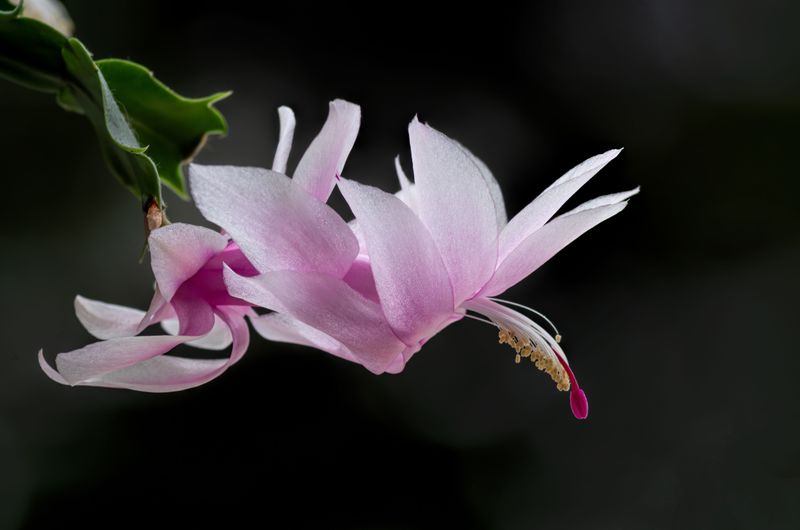
Plants can tell time. It sounds like a science fiction idea, but it is true. A Christmas cactus can sense how long the nights last, and it uses that information to decide when to bloom.
Scientists call it a short-day plant. That name is a bit misleading, because what really matters is the length of the night.
When nights stretch long enough, the plant switches from growing leaves to building flower buds.Here is a fun fact. The Christmas cactus is not from a desert at all.
Your Pennsylvania Garden Changes Every Week. Your Plan Should Too.
Gardening in Pennsylvania changes quickly throughout the season. Every Friday you’ll receive a simple weekly plan showing exactly what to plant, prune, fertilize, harvest, and protect so you never miss the right timing.
It comes from the mountain rainforests of Brazil, where it grows on trees and rocks. In its home, the changing seasons bring longer nights, and that signal tells the plant to flower.
Inside the leaves, special chemicals react to light and dark. When light hits the plant at night, even for a short time, those chemicals reset. The plant then acts as if the night was short, and it keeps waiting to bloom.
That is why a living room full of lamps can be a problem. Your family might be watching movies until late, and the cactus is sitting nearby soaking up all that glow. To the plant, it feels like summer never ended.
Knowing this helps you work with nature instead of against it. Pennsylvania falls give us shorter days naturally, so you just need to protect those evening hours.
Once you see darkness as a message instead of a punishment, the whole process makes sense. You are simply helping your plant read the calendar correctly, so it knows the holiday season is near.
How Much Darkness It Needs
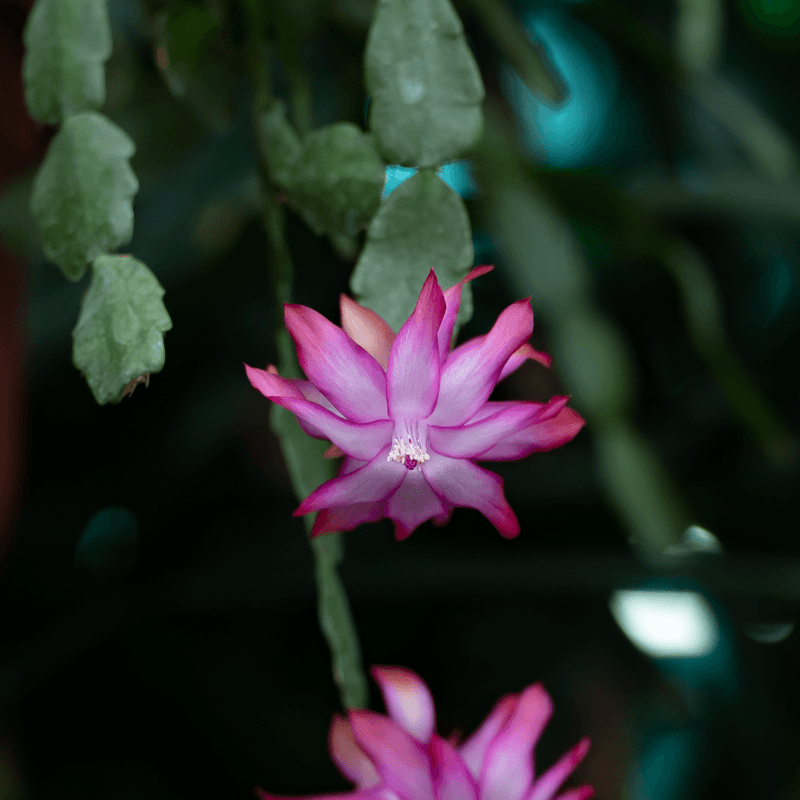
Numbers help here, so let us get specific. Your Christmas cactus needs about 12 to 14 hours of complete darkness every night. Keep that schedule going for around six weeks.
Most Pennsylvania gardeners start in late September or early October. That timing usually brings blooms right around Thanksgiving or Christmas. If you start later, the flowers may show up in January, which is still a nice winter treat.
A simple schedule works well. Move the plant into a dark space around 6 p.m. and bring it out around 8 a.m. That gives it roughly 14 hours of rest. Setting a phone reminder can keep you from forgetting.
Where should it go? A closet, an unused bedroom, or a basement corner with no windows can all work.
Some people cover the plant with a large cardboard box at night. Avoid plastic bags, since they trap moisture and can cause rot.
Watch out for sneaky light. A TV screen, a porch light shining through a window, or a hallway lamp can be enough to interrupt the night. Even opening the closet to grab a coat for a few minutes might set things back.
Here is a quick test. Stand where the plant sits at night and wait for your eyes to adjust. If you can easily read a book, it is too bright. Real darkness means you can barely see your hand.
It might feel like a lot of effort, but six weeks pass quickly. Treat it like a little fall project, and you will feel proud when those first buds appear.
It Still Needs Bright Light During The Day
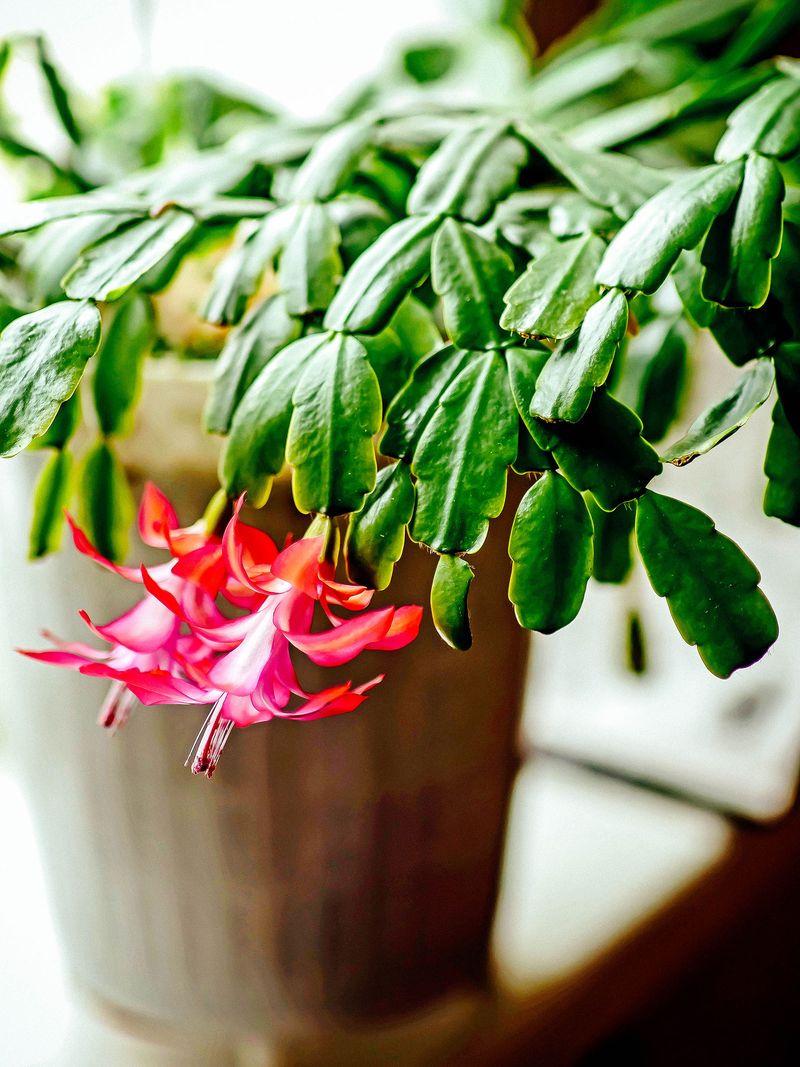
Some folks go a little too far. They hear that darkness brings flowers, so they shove the cactus into a closet and leave it there for weeks. Sadly, that plan usually backfires.
Plants make their own food from light. During the day, the leaves soak up sunshine and turn it into energy. Without that energy, your cactus cannot build strong buds, and it may start to look pale, limp, or wrinkled.
Picture trying to run a race after skipping breakfast for days. You would feel tired and weak. A cactus kept in the dark nonstop feels the same way, and it may even drop the few buds it manages to form.
The fix is easy. Each morning, carry the plant back to a bright spot with indirect light. An east-facing window is often perfect because it gets gentle morning sun. A north window can work too, especially if the room is bright.
Be careful with strong afternoon sun from a south or west window. Direct rays can scorch the leaves and turn them reddish. A sheer curtain makes a nice buffer if that is your only option.
Hate moving plants every day? You are not alone. A smarter choice is finding a room that gets good daylight but stays completely dark once the sun sets. A spare bedroom or a home office that nobody uses at night can do both jobs.
That way, your plant enjoys its sunny day and its quiet night without any shuffling. Balance is the real secret, and your cactus will thank you with healthy, plump segments and plenty of flowers.
Cool Temperatures Can Do The Same Job
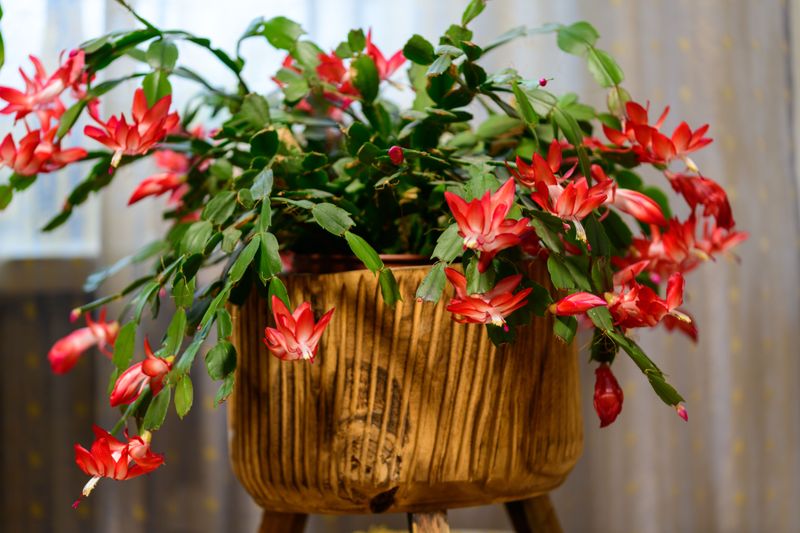
Good news for busy people. You may not need a strict darkness routine at all. Cool nights can trigger flower buds too.
When temperatures drop to about 50 to 55 degrees Fahrenheit, a Christmas cactus starts setting buds even if the nights are not perfectly dark.
Cold air sends a strong seasonal signal, much like long nights do. Put the two together, and you get an even better result.
Pennsylvania falls are made for this trick. Our October and November evenings often cool down nicely.
Many homes have a chilly spare room, an enclosed porch, or a drafty windowsill that stays cooler than the rest of the house.
Grandparents across the state often had huge, blooming cacti without ever reading a care guide. Their secret was usually a cool back room or sun porch. The plants simply soaked up the brisk autumn air and bloomed like clockwork every year.
Safety matters, though. Christmas cactus is a tropical plant, so frost can badly harm it. Keep it well above freezing, and bring it inside if temperatures dip below about 45 degrees. A cheap indoor thermometer helps you keep an eye on things.
Also keep the plant away from heating vents and fireplaces. Warm, dry air works against bud formation and can dry out the soil fast.
During this cool period, water a little less often, letting the top inch of soil dry out between drinks. Cooler air means the plant uses water more slowly.
With chilly nights doing much of the work, you can relax and let the season help your cactus get ready to shine.
Stop The Dark Treatment Once Buds Appear
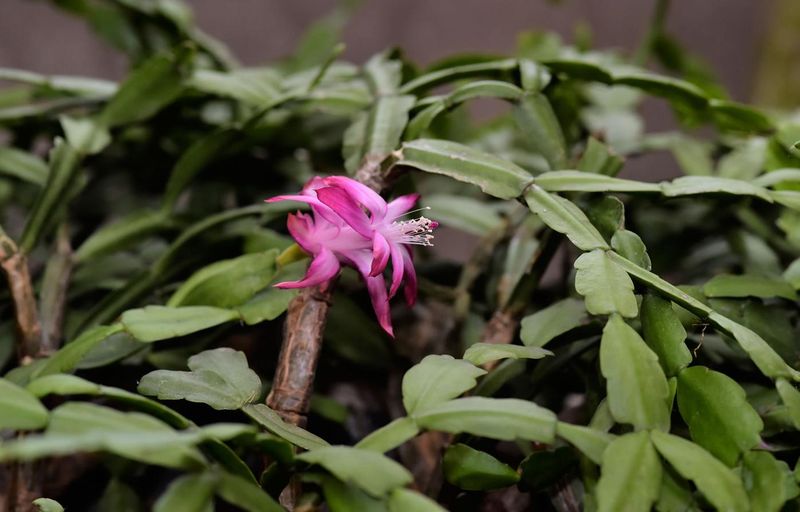
Success! Those tiny bumps at the tips of the leaves mean your hard work paid off. Once buds form, you can finally relax.
The plant no longer needs special darkness after buds appear. It has already received the message that it is time to bloom.
You can return it to its normal home, whether that is a kitchen table, a living room shelf, or a bright window.
Choose that spot carefully, though. After you settle the plant, try not to move it much. Christmas cacti are a bit dramatic about change, and a sudden shift in light or temperature can make buds fall off before they open.
Bud drop frustrates many plant owners. One day the plant is loaded with promise, and the next day little buds are scattered on the table.
Common causes include cold drafts from doors, blasts of heat from vents, dry soil, and being moved from room to room.
Keep things steady. Water when the top of the soil feels dry, but never let the pot sit in a puddle. A spot with stable temperatures between 60 and 70 degrees is ideal while the flowers develop.
Here is a cute bit of trivia. Flowers often turn to face the light, so rotating the pot can make them twist awkwardly or even drop. Leave it facing one way for the best show.
In a few weeks, you should see a burst of color that lasts for a long time. Snap some photos, share them with friends, and enjoy the cheerful blooms all through the holiday season.