What Michigan Asparagus Beds Need In November For A Stronger Spring Harvest
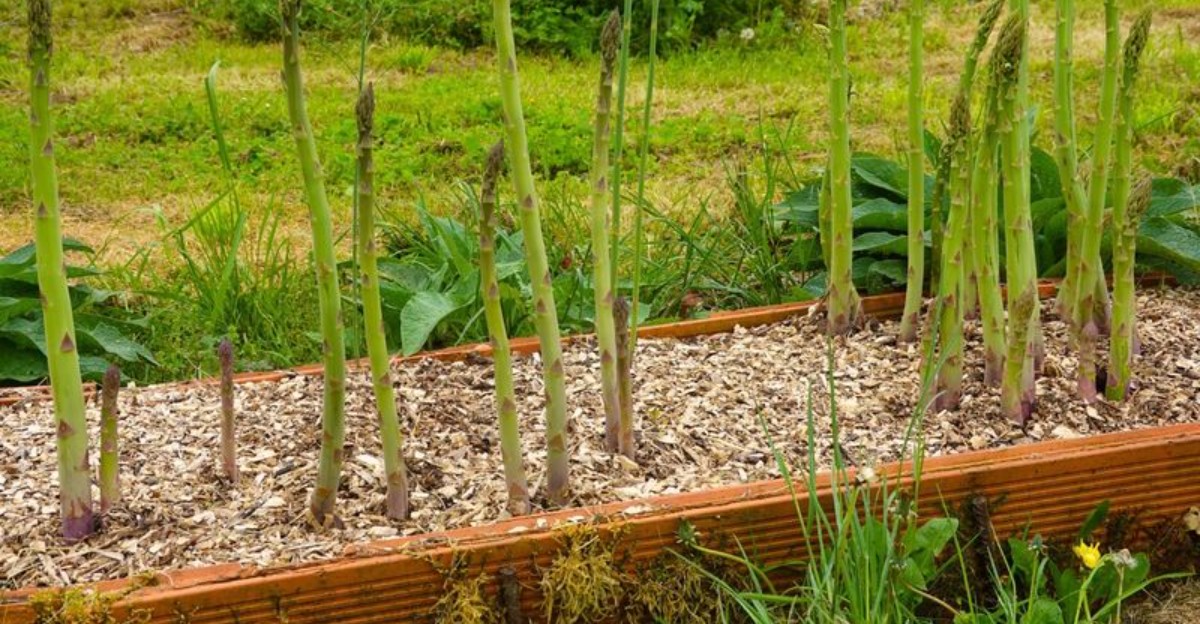
Asparagus asks for patience. Plant a crown today, and you may wait two or three years for a real harvest. That makes every fall decision count, because a healthy bed can produce for decades.
By November, the tall, feathery fronds have turned yellow or brown, and the garden looks finished. What happens next determines how many spears appear in April. One task protects the bed from pests and disease that spend winter in old stalks.
Another feeds the crowns before the ground freezes. Timing the cleanup wrong can cost you a season. Michigan’s cold winters are actually good for asparagus, as long as the bed is ready. A short list of jobs now sets you up for a stronger spring.
1. Let The Ferns Turn Yellow Before Cutting
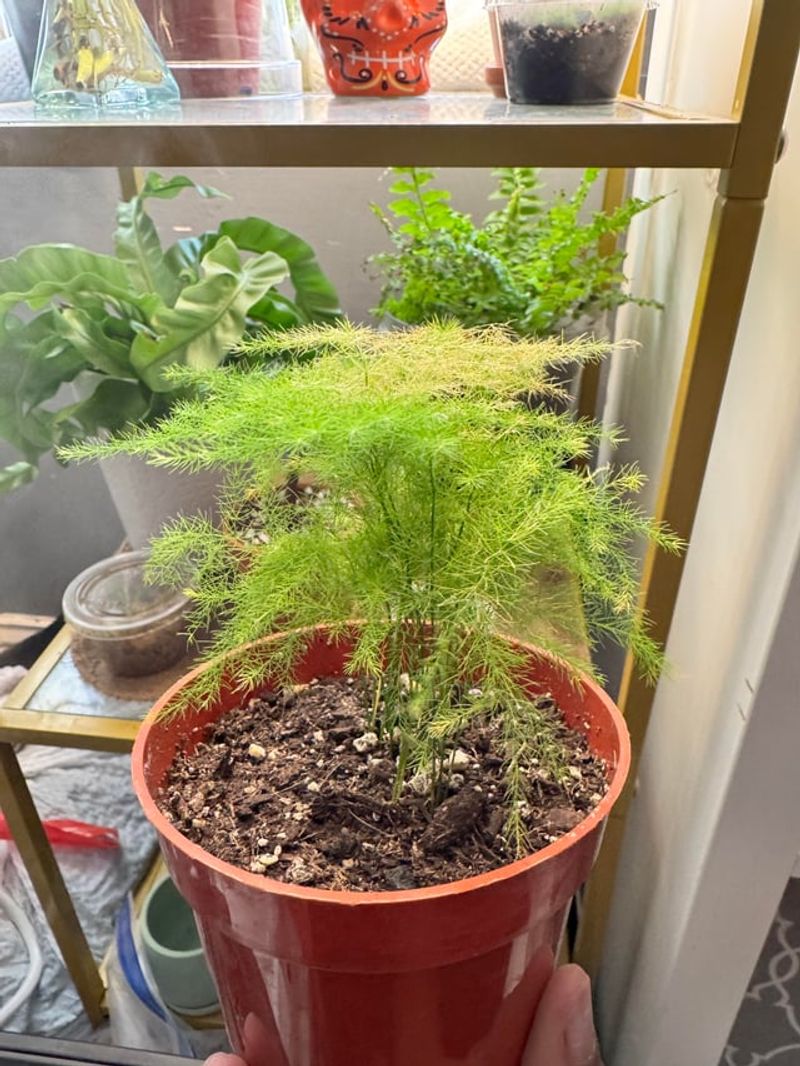
Those wild, feathery ferns waving in your garden might look messy by fall, but they are working hard for you.
After the spring harvest ends, the leftover spears grow into tall ferns that soak up sunlight all summer long. They turn that sunlight into food and send it down to the roots, which gardeners call crowns.
Every spear you pick next spring grows from the energy stored in those crowns. When you cut the ferns while they are still green, you stop that flow of food early.
The crowns head into winter hungry, and next year’s spears often come up thinner and fewer in number. Patience pays off here. Wait until the ferns have turned completely yellow or brown, which usually happens after a few hard frosts in late fall.
In much of Michigan, that change shows up sometime in late October or November, depending on where you live and how cold the nights get.
A quick test can help you decide. If you see any green left on the stems, give the plants another week or two. Once the whole fern looks golden or tan and feels dry, the plant has finished moving its food underground and you can grab your pruners.
Michigan grows more asparagus than almost any other state, and commercial farmers here know that strong crowns mean strong harvests.
Home gardeners can follow the same smart rule. Treat those ferns like a savings account, and let them make every last deposit before you close it for the season.
2. Cut Ferns To The Ground And Remove The Debris
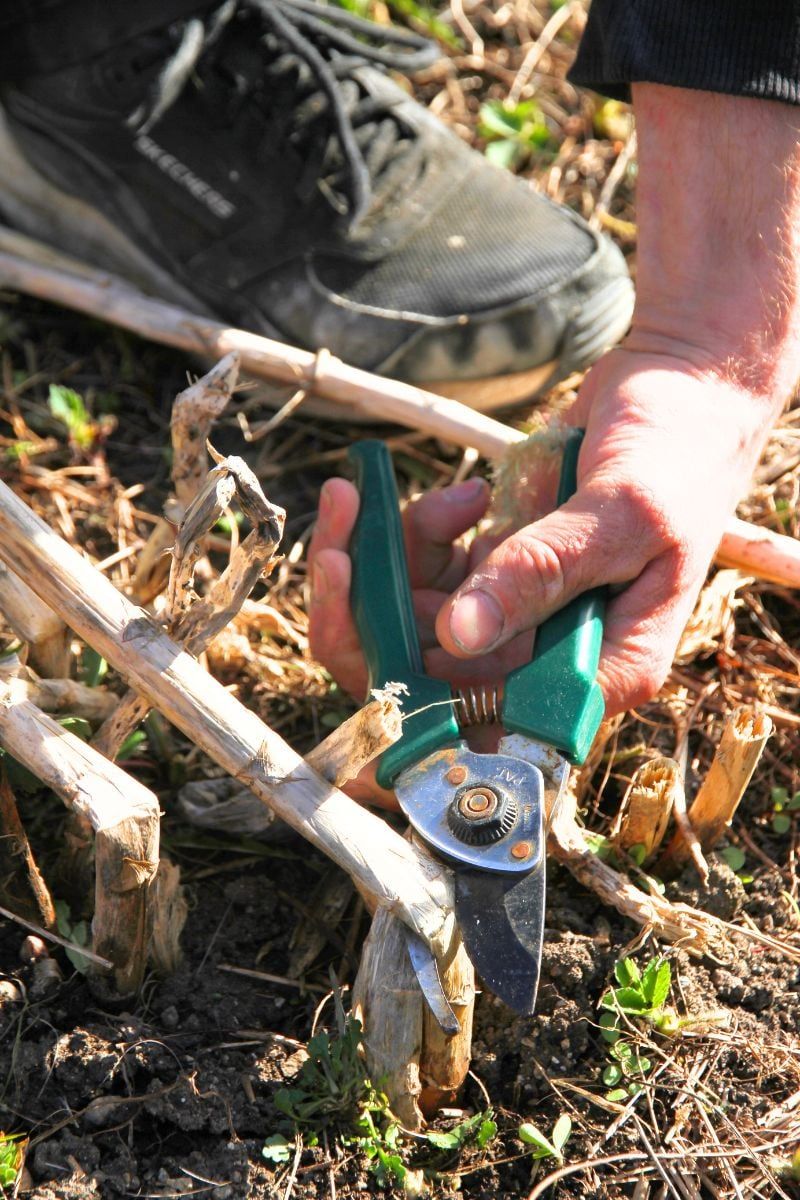
Once the ferns have browned, it is time for a good old-fashioned cleanup. Grab your pruners or loppers and cut every stem right down to ground level. Short stubs can hide pests, so get as close to the soil as you comfortably can.
Why bother with all that tidying? Old asparagus ferns make a cozy winter hotel for asparagus beetles, which are those small, colorful bugs that chew on spears in spring.
Fallen stems and needles can also carry fungal diseases like asparagus rust and purple spot, which wait patiently for warm, wet weather to strike again.
After cutting, rake the bed carefully and gather up all the fern pieces. Those tiny, needle-like leaves love to scatter, so take an extra pass to catch the stragglers. A leaf rake with flexible tines works well without scraping too deep.
Your Michigan Garden Changes Every Week. Your Plan Should Too.
Gardening in Michigan changes quickly throughout the season. Every Friday you’ll receive a simple weekly plan showing exactly what to plant, prune, fertilize, harvest, and protect so you never miss the right timing.
Now comes the part many gardeners skip. If your ferns showed orange or reddish rust spots, or purple marks on the stems this year, bag that material and put it in the trash.
Home compost piles often do not get hot enough to wipe out disease spores, so tossing sick stems there can send trouble right back to your garden. Healthy, spotless ferns can go into the compost bin without worry.
Michigan gardeners see asparagus rust and purple spot often, especially during humid summers, so this simple chore makes a big difference. Think of it as giving your bed a fresh, clean start before winter rolls in.
3. Pull Weeds Before Winter Sets In
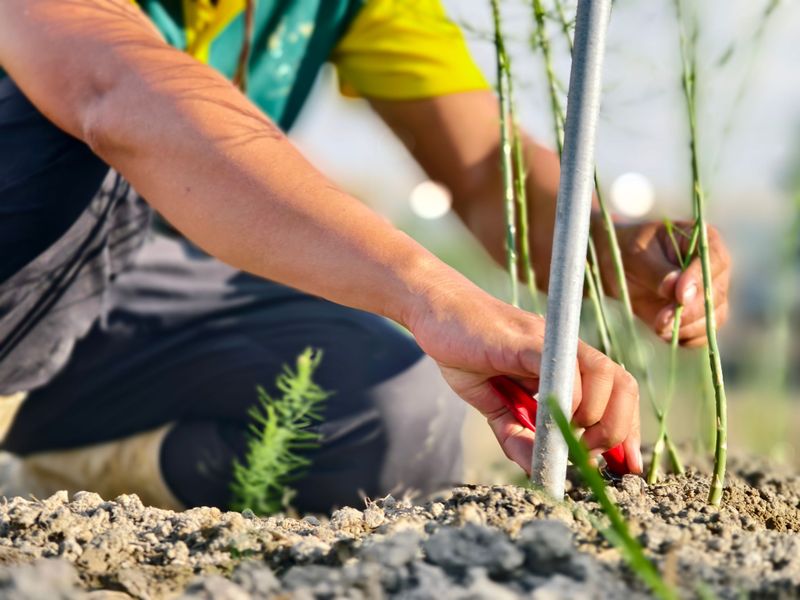
Asparagus is a lot of wonderful things, but a fighter it is not. Weeds can crowd it out with surprising speed, stealing water, food, and space that the spears badly need. A bed that looks a little weedy in fall can turn into a jungle by May.
Fall is sneaky that way. Many perennial weeds, like quackgrass and dandelions, quietly spread their roots during cool autumn weather. They settle in all winter, then burst into action in spring just as your first spears try to push through the soil.
November gives you a great chance to stop them. With the ferns cut and the bed cleared, you can finally see what is growing down there.
Pull or dig out weeds and grasses by hand, and try to get as much of each root as you can, since many weeds regrow from tiny root pieces left behind.
Go easy with your tools, though. Asparagus crowns sit fairly close to the surface, often just several inches down, and deep digging can bruise or slice them. A hand weeder or small fork lets you loosen roots gently without hurting the plants you want to keep.
Damp soil makes the job much easier, so try weeding a day after a light rain. Michigan gardeners who stay on top of weeds tend to enjoy productive beds for fifteen or even twenty years.
Neglected ones slowly lose steam, giving fewer and skinnier spears each season, so a little effort now really adds up over time.
4. Top-Dress With Compost
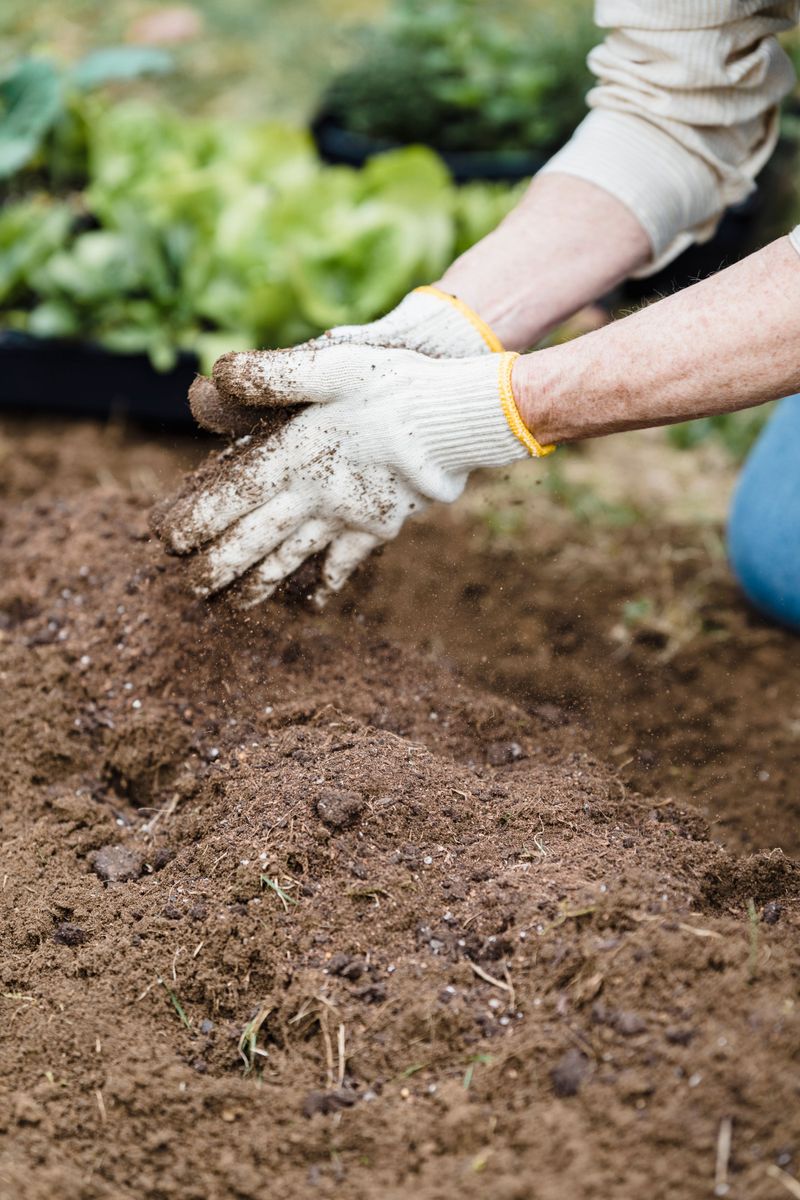
Few garden plants stick around as long as asparagus. A well-kept bed can keep producing for two decades, which means the same patch of soil has to feed those crowns year after year. Over time, that soil needs a little refill.
Compost is the perfect snack for a hungry asparagus bed. As it breaks down, it slowly releases nutrients the plants can use. It also improves soil structure, helping sandy soil hold more moisture and helping heavy clay drain better.
The method is simple. After cleanup, spread one to two inches of finished compost evenly across the bed. Finished compost looks dark and crumbly and smells like a forest floor, not like garbage.
No need to dig it in. Rain, snow, and earthworms will slowly carry the goodness down toward the crowns over winter. If November slips away from you, early spring works too, as long as you add it before the spears start poking up.
One word of caution about manure. Fresh manure can be too strong for plants and often carries weed seeds that sprout right in your bed. If you want to use manure, choose a well-aged or composted product instead.
Michigan soils vary a lot, from sandy spots along the lakeshore to heavy clay in other regions. Compost helps nearly all of them.
Feeding your soil each year keeps the crowns strong and productive, so you can count on fresh spears long after the bed’s first harvest.
5. Add Mulch For Winter Protection
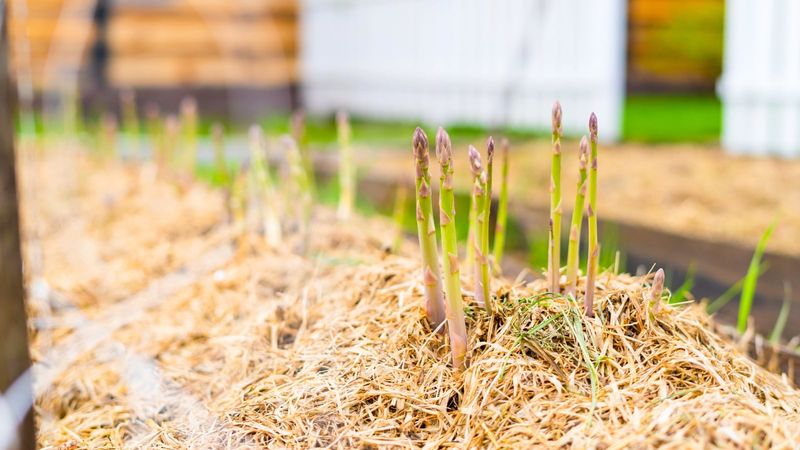
Michigan winters can be tough on just about everything, including the crowns hiding under your asparagus bed. Deep freezes are one problem. The bigger trouble often comes from wild swings, when the ground freezes, thaws, and freezes again.
Each of those cycles can stress shallow crowns and even push soil around them. A thick layer of mulch acts like a warm blanket, keeping soil temperatures steadier through the season. It also holds in moisture and gives weeds a harder time come spring.
Straw and shredded leaves both work beautifully. Spread four to six inches over the bed once the ground has started to cool, usually in November. Shredding leaves with a mower first keeps them from matting into a soggy layer.
Choose clean straw rather than hay whenever possible. Hay usually contains lots of seeds, and you will end up weeding a new crop of grass next summer. Straw is mostly seed-free stems, so it stays tidy.
Spring brings one more step. Once the snow melts and days start warming, pull some of that mulch back from the rows. Bare soil warms faster in the sun, and the spears can push up sooner without fighting through a thick mat.
Leave a thinner layer between rows to keep moisture in and weeds out. Many Michigan gardeners find that a well-mulched bed handles harsh winters and sudden March thaws far better. Your crowns stay snug, and you get a smoother start to harvest season.
6. Test The Soil And Adjust pH If Needed
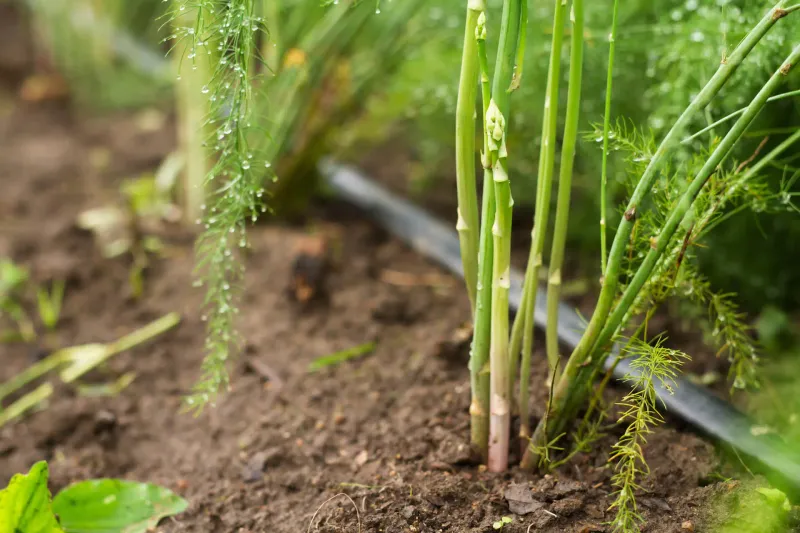
Guessing is fun for games, but not so great for gardening. A soil test tells you exactly what your asparagus bed has and what it might be missing. It takes the mystery out of feeding your plants.
Asparagus likes soil that sits close to neutral on the pH scale, roughly between 6.5 and 7.0. Over many years, some beds slowly drift toward the acidic side.
When that happens, the plants struggle to use nutrients, and you may notice weaker growth and fewer spears. Getting a test is easy.
Use a clean trowel to dig small amounts of soil from several spots in the bed, about six inches deep, and mix them together in a clean bucket. That blend gives a fair picture of the whole area.
Michigan gardeners have a handy resource close by. Michigan State University Extension offers home soil test kits, and you can mail your sample to their lab for results. The report explains your pH and nutrient levels in plain terms.
Here is the key rule. Add lime only if the test shows the soil is too acidic. Adding lime without a reason can push pH too high and cause new problems. Follow the fertilizer advice in your report, too, since it is tailored to your actual soil.
Some Michigan soils, especially in northern and western parts of the state, lean naturally acidic. Fall is a smart time to test, because lime needs months to work before spring growth begins.
7. Skip The Old Salt Trick
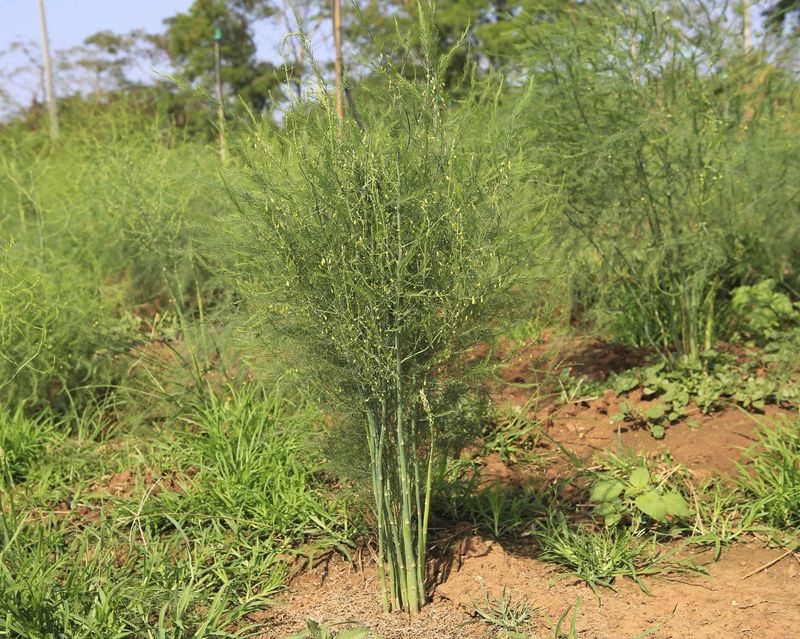
Grandpa might have sworn by it. Years ago, many gardeners sprinkled salt over their asparagus beds to keep weeds away. The idea came from a real fact, since asparagus can handle more salt than lots of other plants.
Handling some salt is not the same as loving it, though. Salt builds up in the soil year after year because rain cannot wash it all away. Over time, it breaks down good soil structure and makes the ground hard and crusty.
The tiny helpers suffer too. Earthworms, helpful fungi, and beneficial microbes all struggle in salty soil, and those creatures keep your garden healthy.
Salt can also wash into nearby flower beds, lawns, and even groundwater, causing harm far beyond the asparagus patch.
Luckily, better options are simple and cheap. A thick layer of mulch blocks many weeds before they ever sprout. Regular hand weeding takes care of the rest, especially if you pull weeds while they are small.
Winter brings another salt source many people forget. Road salt and de-icing products from driveways and sidewalks can splash or drain into garden beds. In Michigan, where snowy months stretch long, that runoff adds up quickly.
Keep de-icers well away from your asparagus bed whenever possible. Try sand or a plant-safer product near garden edges, and avoid piling salty snow on the bed. Your soil will stay loose and lively, and your spears will thank you with a cleaner, happier harvest.
8. Water Before The Ground Freezes If It’s Dry
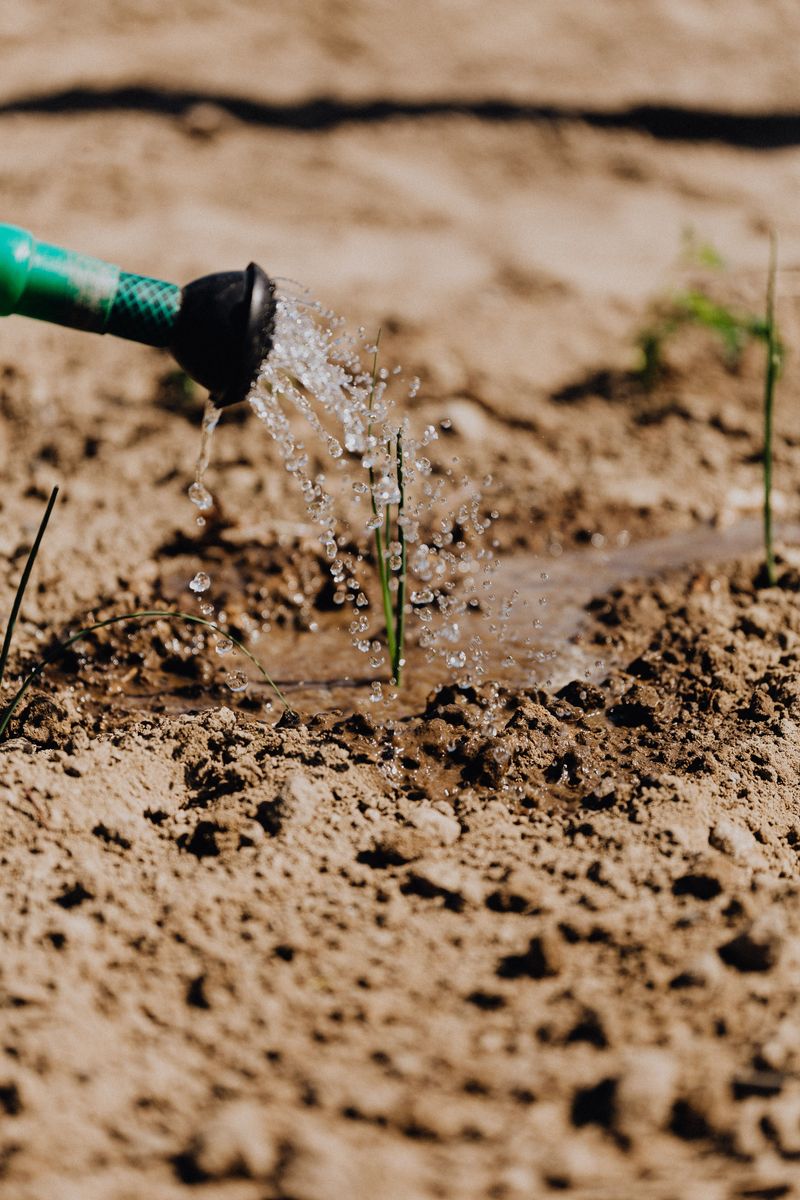
Thirsty plants do not sleep well, and asparagus crowns are no exception. Roots that head into winter with plenty of moisture stay healthier and wake up ready to grow. Dry crowns, on the other hand, can get stressed during the long cold months.
Watering in November might sound odd. Most people roll up their hoses as soon as the leaves fall. Yet a dry fall can leave soil parched well below the surface, even when the top looks damp from morning dew.
Checking is easy. After you finish your cleanup, push a trowel or long screwdriver several inches into the soil and pull up a little dirt. If it feels dry and crumbly instead of cool and slightly moist, your bed could use a drink.
Water deeply rather than lightly. A slow soak from a hose or soaker line lets moisture reach the crowns, while a quick sprinkle barely wets the top inch. Pick a mild day when temperatures sit above freezing, and water in the morning so the surface can dry a bit before night.
Once the soil is moist, keep your mulch in place. That layer slows evaporation and helps hold water through winter. Together, a good soak and a snug blanket set your crowns up nicely.
Michigan has seen dry conditions this fall, with parts of Lower Michigan running abnormally dry and serious drought in the western Upper Peninsula. Watering before the ground freezes is a small step that can lead to plump, juicy spears in spring.