What To Do If A Copperhead Shows Up In Your Pennsylvania Yard This Fall (And What Not To)
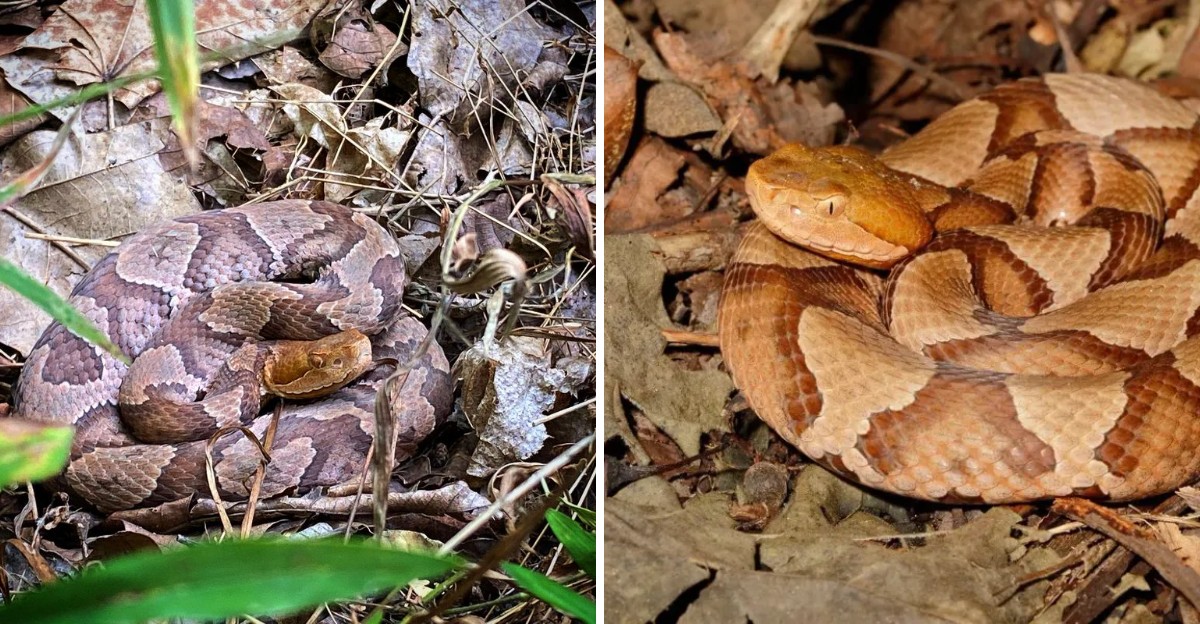
Fall is a common time for run-ins with copperheads in Pennsylvania. They’re moving toward winter dens, basking on warm rocks, stone walls, and sunny patios. Y
oung snakes born in late summer are out exploring, too. They’re often hidden among fallen leaves, woodpiles, and garden beds, right where people are raking and cleaning up.
Most copperheads would rather slip away than strike. Trouble usually starts when someone tries to handle, chase, or attack one.
Staying calm and following a few simple dos and don’ts can keep everyone safe.
1. Keep Your Distance And Let It Move On
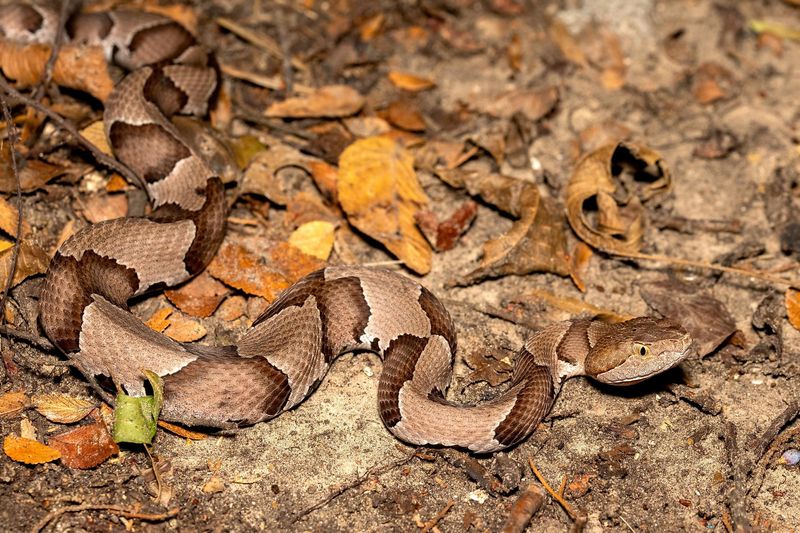
Most people think a copperhead wants to chase them. The truth is the exact opposite. These snakes are timid, and their first plan is almost always to stay still and hope you walk past.
Copperheads usually bite only when someone steps on them, grabs them, or traps them in a tight spot. If you keep a safe gap, the risk drops to nearly zero. A good rule is to stay at least six feet away, and farther is even better.
Fall timing works in your favor too. During September and October, copperheads travel toward winter dens called hibernacula.
These are often rocky hillsides or old stone walls. Many snakes may gather in the same den every year, sometimes with other snake species.
The one in your Pennsylvania yard may just be cutting across on its trip. So what should you actually do? Back away slowly without making sudden moves.
Then watch from a safe place, like a window or porch, so you know where it goes. Most snakes leave within an hour or so once they feel the coast is clear.
Try not to spray it with a hose or toss things at it. Bothering the snake can make it feel cornered, and a nervous snake is more likely to strike. Patience is honestly your best tool here.
Here is a fun fact to share with friends. Young copperheads have bright yellow or green tail tips. They wiggle them like worms to lure frogs and other small prey closer.
Staying calm can be hard when your pulse is racing. Still, a few quiet minutes of waiting usually ends the whole visit peacefully for everyone involved.
2. Bring Kids And Pets Inside Right Away

Curious noses and small hands are the biggest worry when a snake appears. Dogs, cats, and young kids all love to investigate new things. Unfortunately, a copperhead does not know they mean no harm.
Dogs get bitten more often than people do. A dog will often sniff right up to a snake or paw at it, which puts the face and front legs in danger. Cats may try to bat at it like a toy.
The moment you spot a copperhead, call everyone inside. Use a calm but firm voice so kids do not panic and run toward the snake by mistake. Put dogs on a leash or bring them indoors until the snake is clearly gone.
Your Pennsylvania Garden Changes Every Week. Your Plan Should Too.
Gardening in Pennsylvania changes quickly throughout the season. Every Friday you’ll receive a simple weekly plan showing exactly what to plant, prune, fertilize, harvest, and protect so you never miss the right timing.
Children should also learn a simple rule ahead of time. If they see any snake, they should stop, back away, and tell a grown-up. You can practice this like a fire drill so it feels normal instead of scary.
Pets need a little extra planning during fall. Walk your dog on a leash near woodpiles, stone walls, and leafy edges of the yard. Keep the grass short where your pets play most.
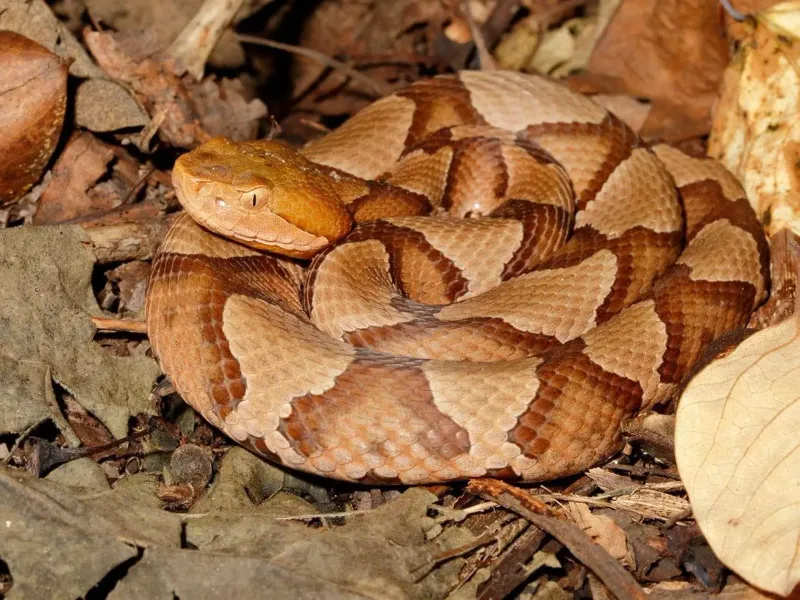
A quick lesson on how to spot a copperhead helps too. Show kids pictures of the hourglass bands, which are wide on the sides and narrow on the back.
Many harmless snakes look different, but treating every snake with respect is the safest habit.
Once everyone is safe inside, you can relax a bit. Watch the snake from a window and wait for it to slip away on its own.
3. Call A Pro When It Will Not Leave
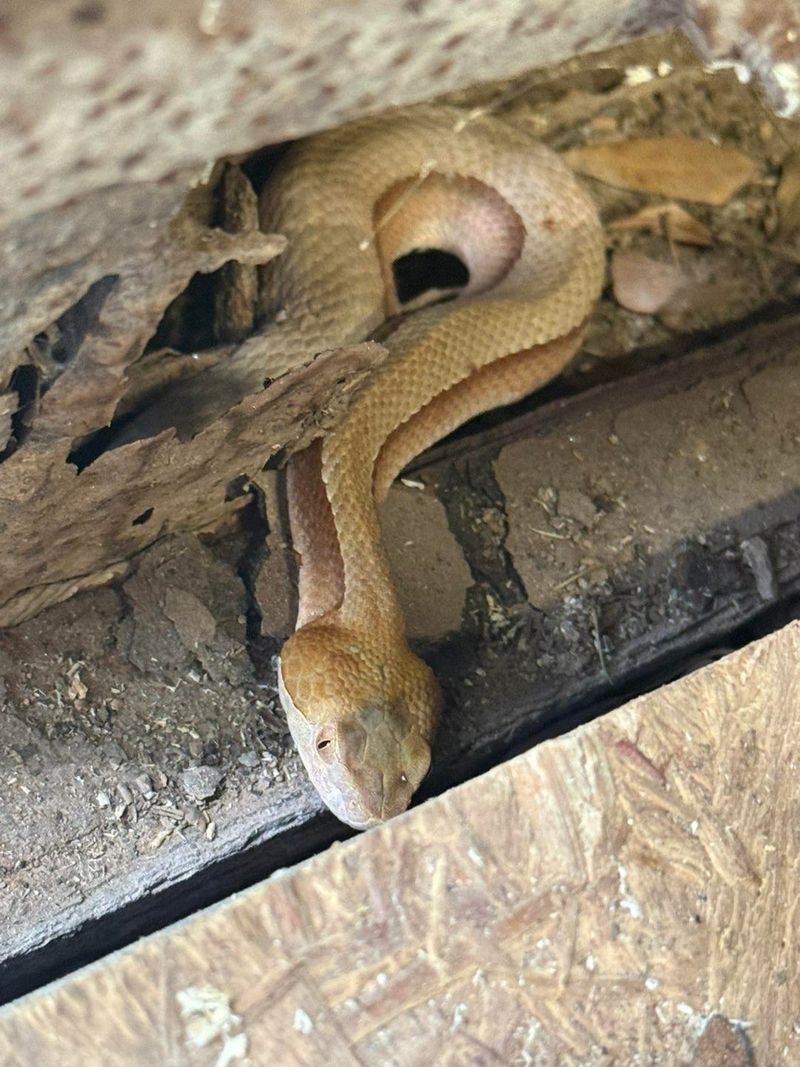
Sometimes a snake picks a terrible spot to rest. It might curl up beside your front step, slip into the garage, or keep showing up day after day. That is the moment to bring in help.
Licensed wildlife removal experts deal with snakes all the time. They have special tools like long tongs, hooks, and secure containers. Most importantly, they know how to move a venomous snake without getting hurt or hurting the animal.
Start by searching for a wildlife control company in your county. You can also call local animal control or your township office for advice. Some areas have volunteers who relocate snakes for free or for a small fee.
While you wait, keep an eye on the snake from a safe place. If it moves, note where it goes so the expert can find it fast. Keep doors closed so it cannot slip into your living space.
Garages deserve special attention in autumn. They often hold mice, which copperheads love to eat. A snake hunting in your garage might return again and again until the food source disappears.
Asking questions helps you get the most out of the visit. You might ask where the snake likely entered and what you can fix to stop it from coming back. Many pros will point out gaps or clutter that you never noticed.
Calling for help is not overreacting. It is a smart, responsible choice. Paying a professional costs far less than a hospital visit, and you get peace of mind knowing the job was done safely.
4. Clear Out Hiding Spots Once It Is Gone
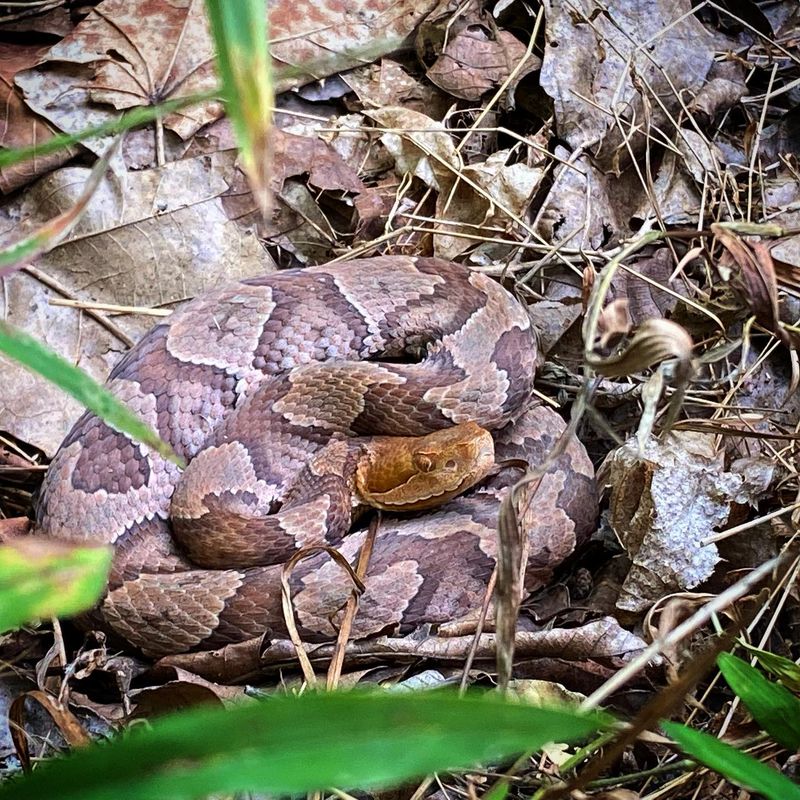
Think of your yard from a snake’s point of view. A pile of leaves looks like a cozy blanket. A stack of firewood looks like a hotel with free snacks inside.
Copperheads blend in perfectly with brown leaves, mulch, and wood. Their coppery bands look just like fallen foliage. That camouflage makes cluttered areas both a great hideout for them and a hidden danger for you.
Fall cleanup is the perfect time to make changes. Rake leaves often instead of letting them pile up for weeks. Mow tall grass and trim thick bushes, especially near walkways and doors.
Woodpiles need a new home too. Stack firewood on a raised rack at least 20 feet from your house. Keep rock piles, old boards, and scrap metal off the ground or haul them away.
Next, check the edges of your buildings. Snakes slip into small gaps under sheds, decks, and porches. Sealing these openings with hardware cloth or fine mesh keeps them out.
Food matters as much as shelter. Copperheads mainly eat mice, voles, and other small critters. Keep bird seed cleaned up, store pet food in sealed bins, and fix any mouse problems you notice.
Always wear thick gloves and sturdy boots during cleanup. Use a rake or tool to move debris instead of reaching in with your hands. A flashlight helps if you are working in shady corners.
These chores might feel like a hassle. Even so, a tidy Pennsylvania yard gives snakes fewer reasons to stop by, and it looks nicer too. That is a win on two fronts.
5. Never Try To Catch Or Harm The Snake
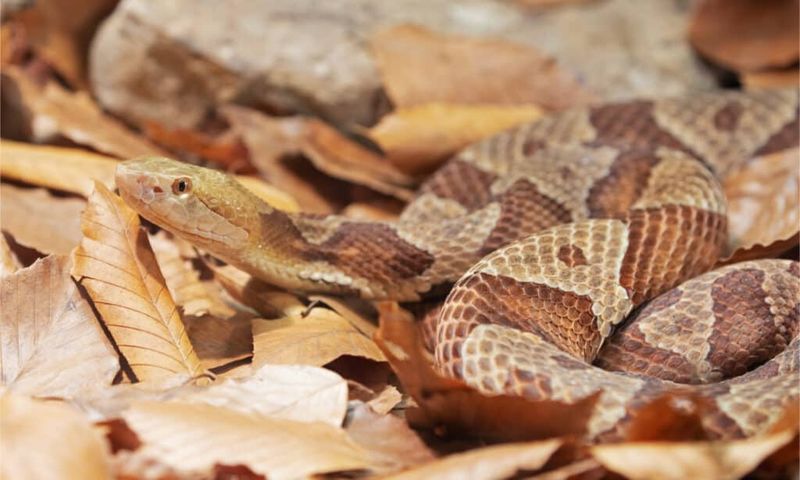
Grabbing a shovel can feel like the brave move. Doctors and snake experts will tell you it is actually one of the riskiest choices you can make. A large share of bites happen to people who were trying to handle or attack a snake.
Getting close to swing a tool puts you right in striking range. Copperheads can strike quickly, and a startled snake defends itself. Even a snake that looks injured can still bite by reflex.
There is a legal side as well. In Pennsylvania, reptiles, including venomous snakes, are managed by the Pennsylvania Fish and Boat Commission. The agency has rules about catching, keeping, and harming them. Breaking those rules can lead to fines.
Copperheads also play a helpful role in nature. They eat lots of mice and other rodents that spread germs and chew wires. Without them, rodent numbers in your neighborhood could climb.
Leave catching to trained experts with proper gear. Do not try to trap the snake under a bucket or scoop it into a box. Those tricks may look easy in online videos, but they often go wrong.
Curious about how long copperheads live? In the wild, many live around 18 years, which surprises a lot of people. That long life shows how well they avoid trouble when left alone.
Walking away might feel strange at first. Still, it protects your body, keeps you on the right side of state rules, and lets a useful animal go on with its life. Everyone comes out ahead.
6. Skip The Repellents And Mothballs
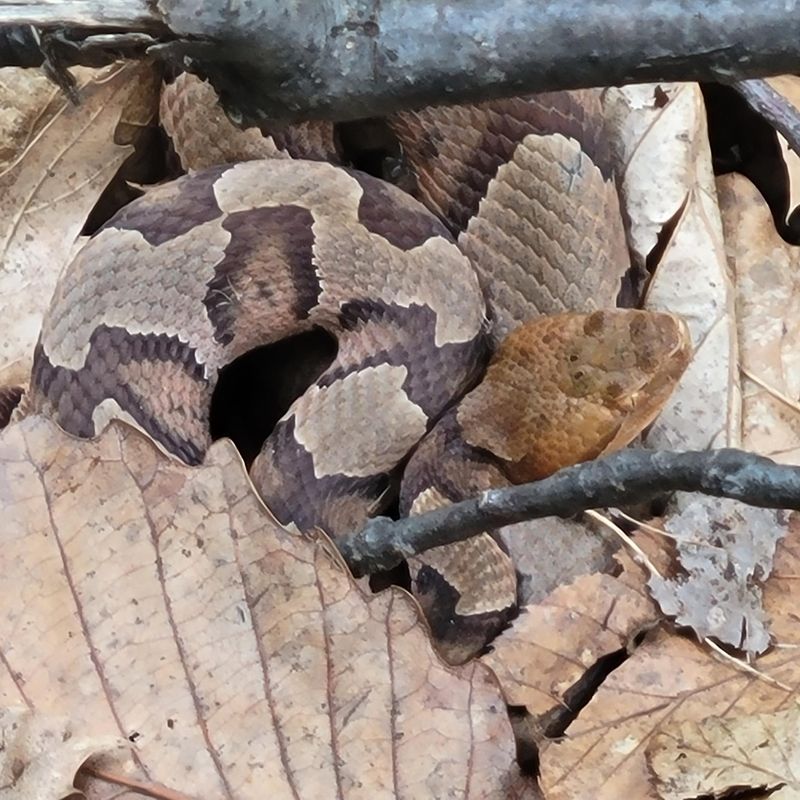
Walk down any hardware store aisle and you will see bags promising a snake-free yard. They sound like a quick fix. Sadly, most of them do not work the way the labels suggest.
Researchers have tested many popular snake repellents. In most studies, snakes crawled right over the treated ground with little or no change in behavior. Spending money on these products often gives a false sense of safety.
Mothballs are an even bigger problem. They contain strong chemicals meant for sealed closets and storage bins, not open yards. Using them outdoors goes against their label directions, which means it breaks federal pesticide rules.
Those chemicals can also seep into soil and water. Kids and pets might mistake mothballs for candy or treats and swallow them. That can cause serious health problems quickly.
So what really works? The answer is less exciting but much more effective. Take away the things snakes want most, which are shelter and food.
Keeping rodents under control is a huge step. Seal trash cans tightly, sweep up spilled seed, and fix gaps where mice sneak into sheds. When the mice disappear, snakes have little reason to hang around.
Some homeowners also install snake fencing. This is a fine mesh buried a few inches into the ground and bent outward at the top. It works best around small spaces like gardens or play areas.
Skipping the gimmicks saves money and keeps your family safer. Smart yard care beats any spray, powder, or smelly ball you can buy.
7. Act Fast And Avoid Home Remedies After A Bite
Old cowboy movies got snakebite care very wrong. Cutting the wound and sucking out venom might look heroic on screen. In real life, those moves cause more harm than good.
If a copperhead bites you or someone nearby, call 911 right away. Head to the nearest emergency room as quickly and safely as possible. Copperhead bites are rarely life-threatening for healthy adults, but they still need medical care fast.
Staying calm helps your body. Sit down, breathe slowly, and keep the bitten area still. Try to hold it at about the level of your heart.
Swelling often starts quickly. Remove rings, watches, bracelets, and tight clothing near the bite before the area puffs up. Waiting too long can make them hard to take off.
Now for the list of things to skip. Do not cut the skin, try to suck out venom, or use ice. Never tie a tourniquet, since cutting off blood flow can badly damage the limb.
Pets need the same quick response. If your dog or cat is bitten, call an emergency vet and go right away. Keep your pet as quiet and still as you can on the drive.
Snapping a photo of the snake from a safe distance can help doctors. Do not try to catch it though. Hospitals can treat the bite without the actual snake.
Saving the poison control number, 1-800-222-1222, in your phone is a smart move. Having a plan ready means you can act in seconds instead of panicking.