This Pumpkin Farm Grows Varieties You Won’t Find in Stores in New York
Franklin D. Roosevelt once had a friendly squash rivalry with the founder of this farm. That is a real piece of family history, and I love it.
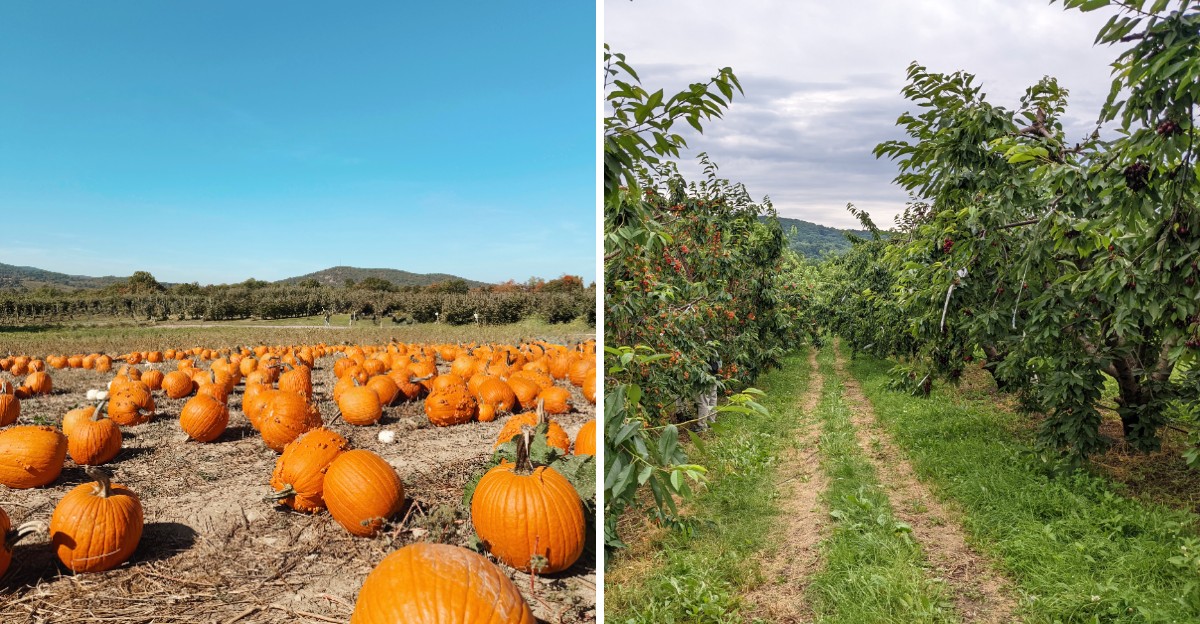
The land has stayed with one family since 1913. It now covers about 270 acres in the Hudson Valley of New York. Orchards roll toward views of the Catskill Mountains.
You’re in for a big surprise at harvest time. The squash and pumpkin table here can look like a sampler from a seed catalog.
Personally, I think a grocery store pumpkin bin feels a little sad after this. You need to know one thing up front. This is a real working farm, not a theme park.
Your Grocery Store Pumpkin Bin Is About To Feel Very Boring
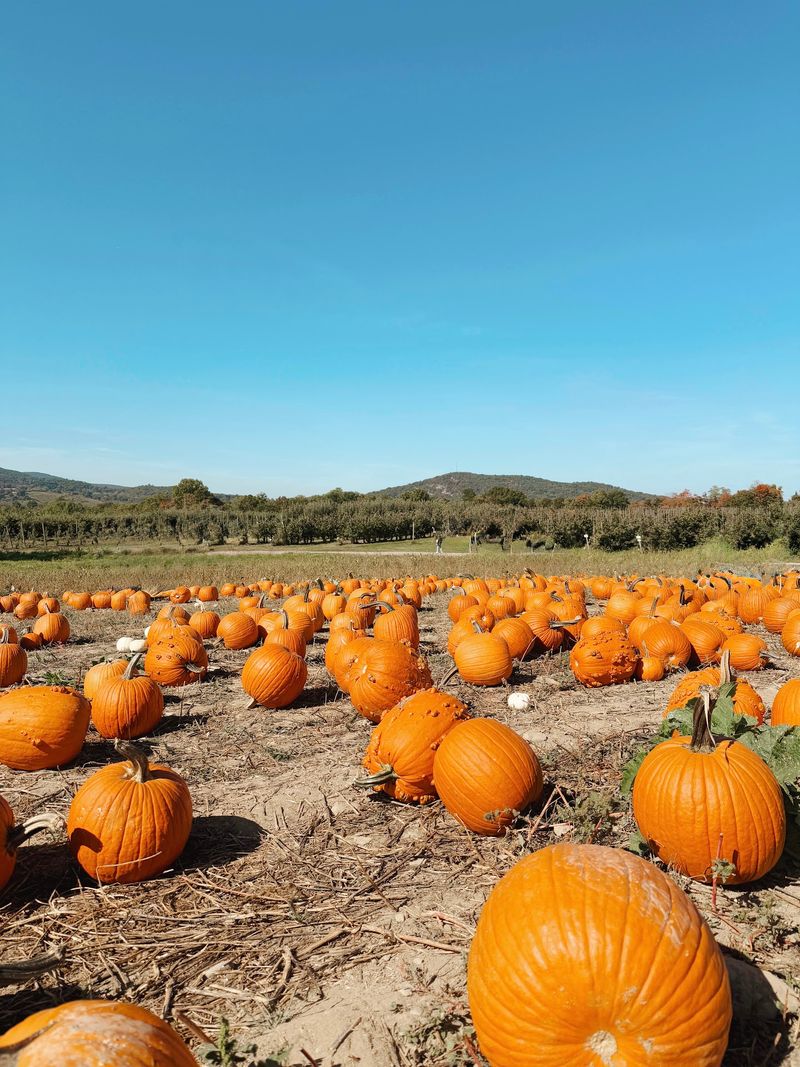
Orange is only the opening act at Fishkill Farms. The farm grows classic pumpkins for picking, plus a lineup of winter squash and gourds you rarely spot in a supermarket. Shoppers have noted a nice assortment of pumpkins and squash set out at the farm store in fall.
Varieties like Black Futsu, Honeynut, and Kabocha show up in the farm’s harvest story. Black Futsu is a bumpy Japanese heirloom with dark skin that turns tan in storage. Honeynut is a small, sweet cousin of butternut, so it fits easily on a cutting board.
Kabocha, often called Japanese pumpkin, brings a dense, nutty texture to soups and roasting pans. The mix changes from season to season, so the exact table depends on what the field gives that year. That unpredictability is half the fun.
For home gardeners, this is a living test kitchen. You can taste a variety before deciding if it deserves space in your own beds next spring. Smaller types like Honeynut also suit tighter gardens better than giant carving pumpkins.
My advice is simple. Buy two unfamiliar squash, roast them side by side, and let your taste buds vote. Save a few seeds from open-pollinated heirlooms, and your garden might get a new favorite.
FDR Once Joined A Squash Rivalry On This Land
Family farms with a presidential side story are rare, and this one has a great one. Henry Morgenthau Jr. founded the farm in 1913 after studying agriculture at Cornell University. He later became a close friend and neighbor of Franklin D. Roosevelt.
Roosevelt visited often, and the two even carried on a neighborly competition over growing squash. Honestly, that makes the modern squash display feel like a family tradition. Few pumpkin patches can claim a backstory with that much flavor.
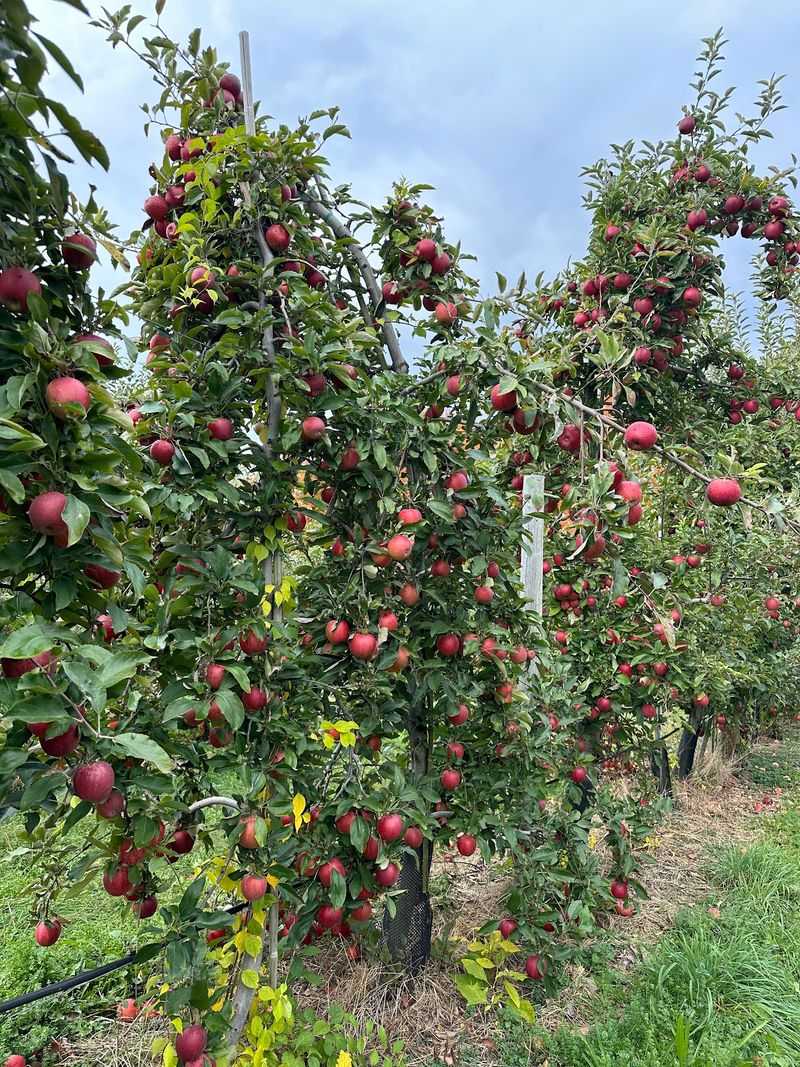
The early farm raised dairy, chickens, and vegetables. By the 1950s, apples had become the main focus. In the 1960s, the farm opened its rows to pick-your-own visitors, a move that shaped everything that came after.
Today, Henry’s grandson, Josh Morgenthau, runs the operation. He pushed the farm toward organic and ecological growing, giving an old property a forward-looking mission. The Morgenthau family has kept the land for more than a century.
Your New York Garden Changes Every Week. Your Plan Should Too.
Gardening in New York changes quickly throughout the season. Every Friday you’ll receive a simple weekly plan showing exactly what to plant, prune, fertilize, harvest, and protect so you never miss the right timing.
That long ownership shows in the place. The orchards feel settled into the hills rather than planted for a quick season. For gardeners, it is a reminder that good land rewards patience, and that one family’s choices can shape a landscape across generations.
Organic Picking Is Harder To Find Than You Think
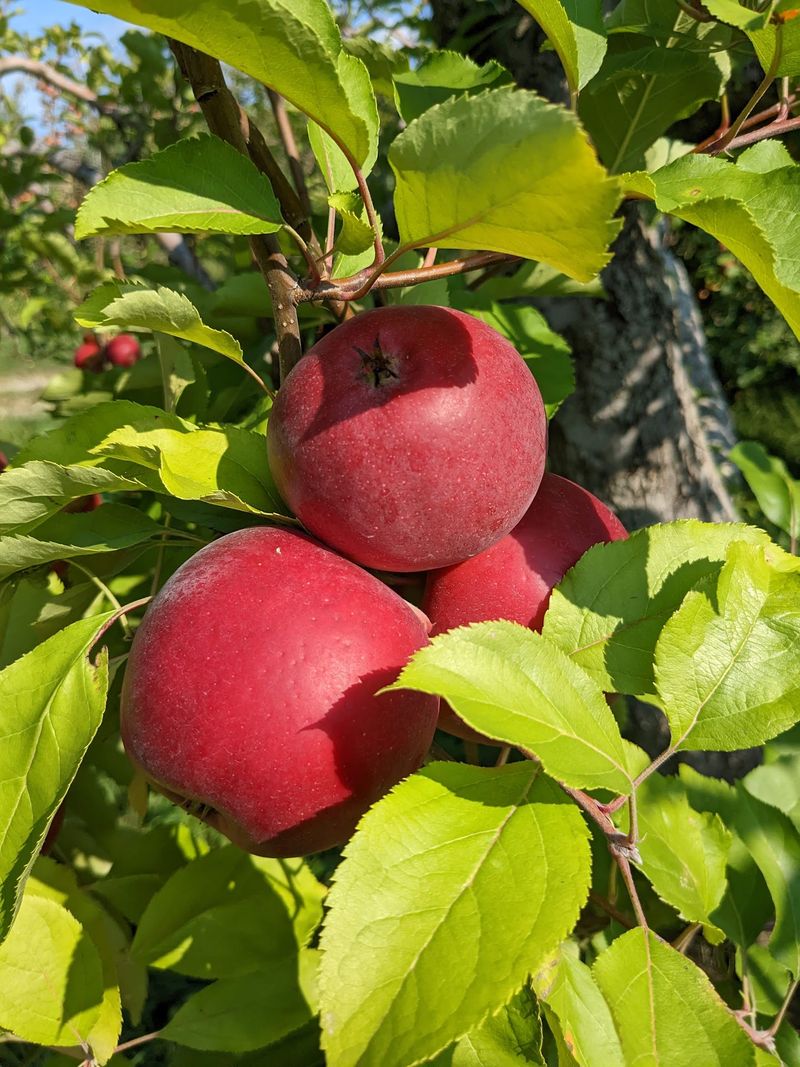
Plenty of farms offer picking, but organic picking is another story. Fishkill Farms ranks among the few farms in New York offering pick-your-own organic berries and apples. That alone makes it worth noticing.
Here is how the growing breaks down. The vegetables, berries, and farm-fresh eggs are certified organic, and about one-third of the apple orchard holds organic certification too. The rest of the apples, plus stone fruit and pears, follow Eco Apple certified practices.
Eco Apple is an ecological program that limits chemical inputs and leans on careful orchard monitoring. Since 2010, the farm has skipped synthetic fertilizers and herbicides entirely. Soil health sits at the center of the plan.
Habitat matters as well. The farm works to protect native pollinators, helpful insects, and orchard wildlife. In other words, the bees and ladybugs are part of the staff.
Home gardeners can borrow these ideas on a smaller scale. Leave a corner of flowers for pollinators, feed your soil with compost, and watch pest problems before reaching for sprays. A 270-acre farm proves the approach can work, so your backyard tomatoes can surely handle it.
Book Ahead Or Watch Someone Else Pick Your Peaches
Reservations are required for pick-your-own at Fishkill Farms, and that rule saves a lot of heartbreak. Weekend slots in fall can fill fast. A quick online booking keeps your plans on track.
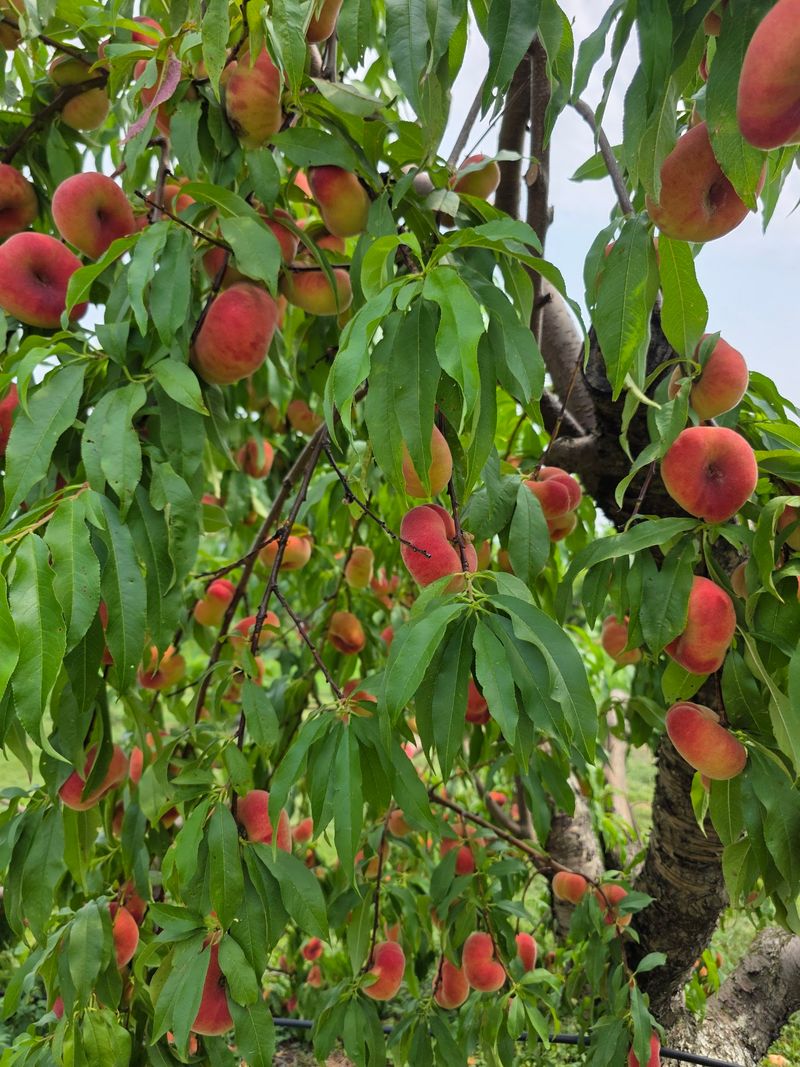
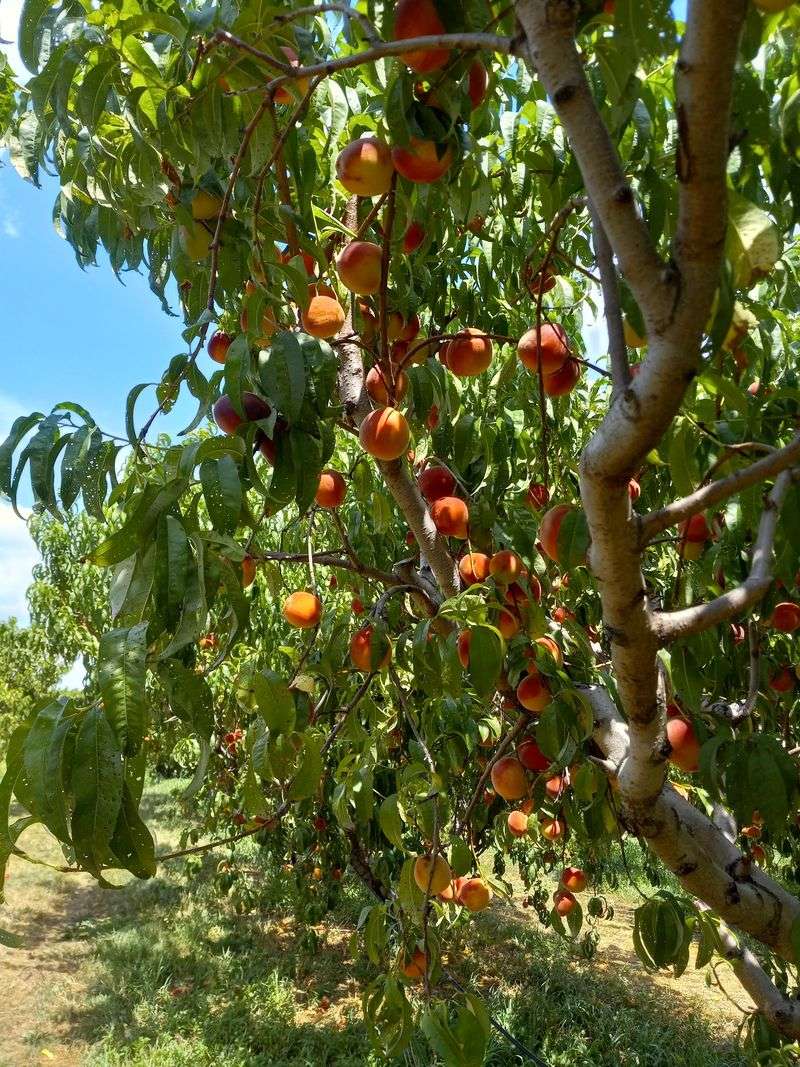
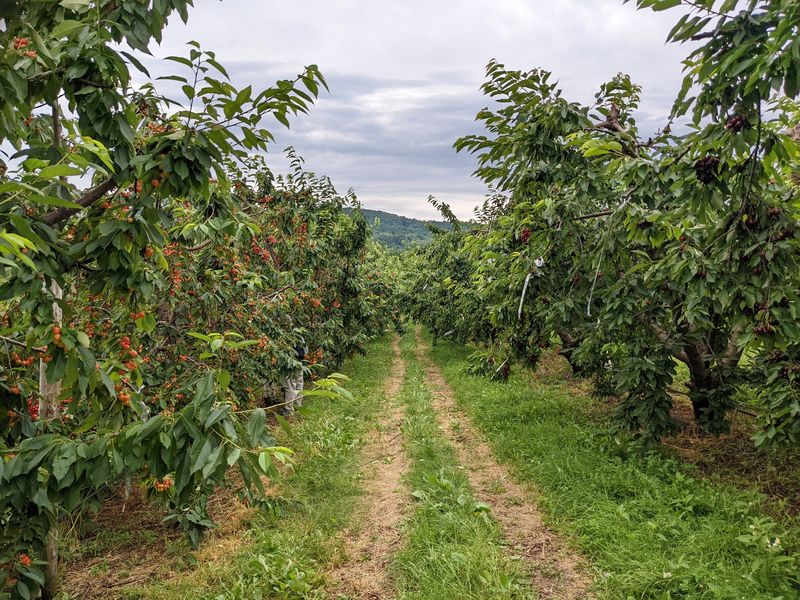
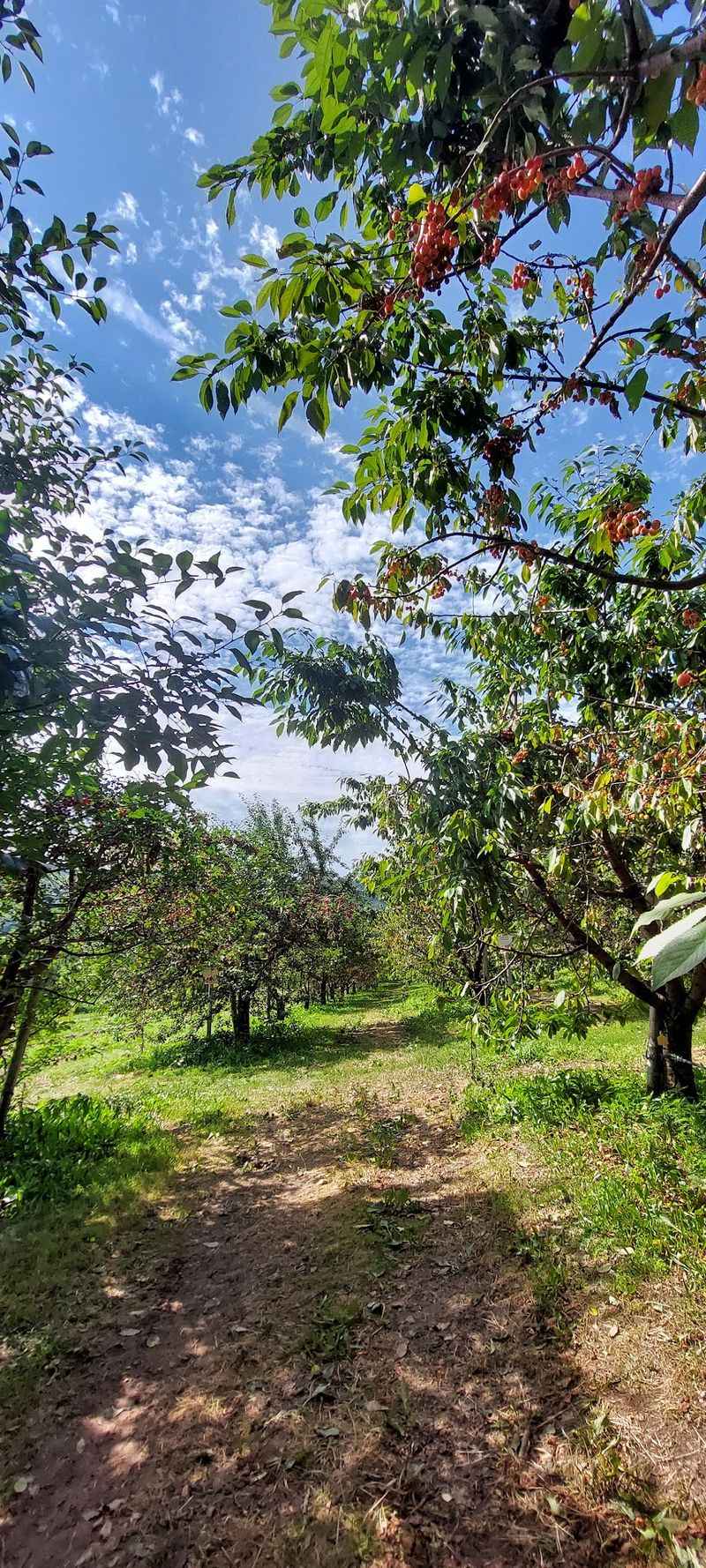
The picking calendar runs from late spring into fall. June brings strawberries and sugar snap peas, while July offers cherries, organic raspberries, blackberries, and blueberries. Late summer adds peaches, nectarines, heirloom tomatoes, and eggplant.
Autumn is the big show, with more than 100 apple varieties in the orchards plus the pumpkin patch. The farm hands out containers at check-in, so you can leave your baskets at home. Wagon rentals help with heavy bags and tired little legs.
A smart tip comes straight from the farm. The fronts of rows get picked over first, so walk deeper later in the season. The farm’s GPS map shows current ripe varieties and where to find them.
One more note for pet owners. Dogs are not allowed in picking areas, a policy in place since 2020, though they are welcome in the courtyard and outdoor cider bar. Pack water, wear sturdy shoes, and expect a solid step count on this sprawling property.
Those Cider Donuts Have Their Own Window For A Reason
A donut line can tell you a lot about a farm. At Fishkill Farms, the Donut Window serves fresh cider donuts in cinnamon sugar or plain. On busy fall afternoons, visitors have reported waits stretching past half an hour.
Timing is your best weapon. Arrive early, or try a weekday, and your odds improve a lot. When demand spikes, there may be a dozen limit per person, so plan your sharing strategy wisely.
Next door, the Farm Store stays open year-round. Shelves hold seasonal produce, local meats, cheeses, honey, maple syrup, jams, and pies. Fresh-pressed apple cider is a big seller when it is in season.
Gift hunters get a good selection too. The store carries bath and body products, kitchenware, and home goods. There is also a section of New York State hard ciders, wines, beers, and spirits, including the farm’s own Treasury Cider.
For gardeners, the produce bins work like a tasting menu. Pick up an unfamiliar apple or pear, then look it up before ordering trees for your yard. The store is small and gets crowded on weekends, so a little patience goes a long way.
The Best Seat On The Farm Comes With Mountain Views
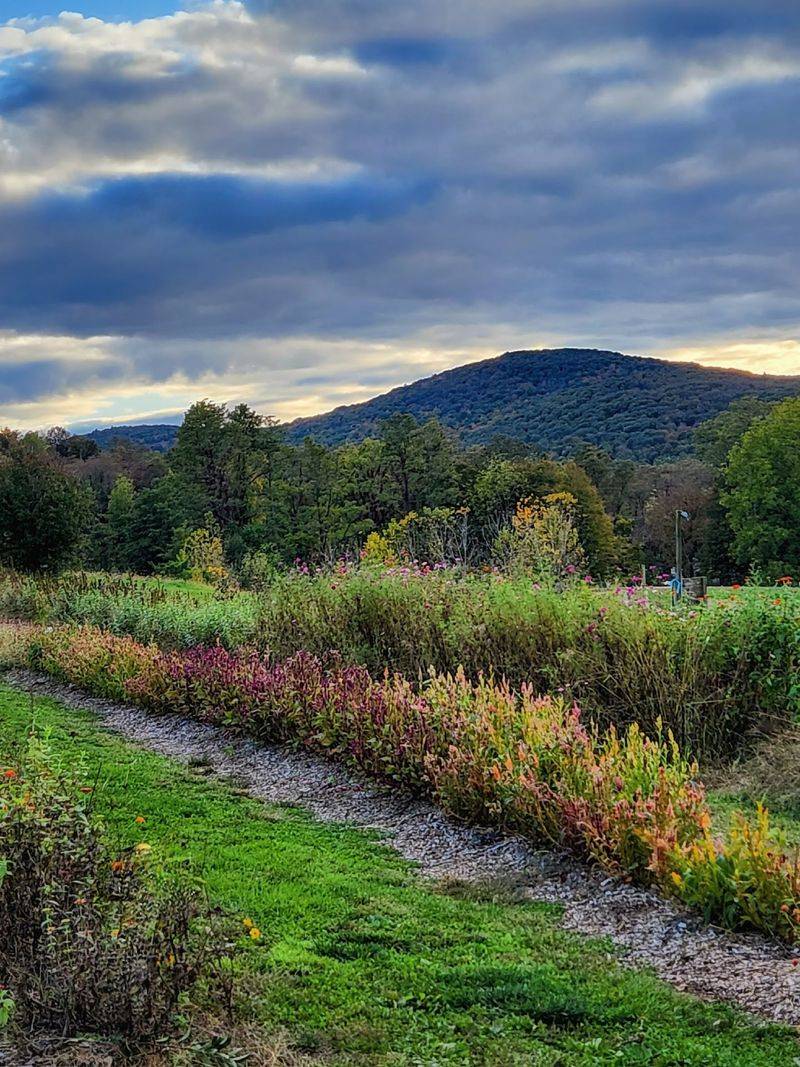
Tree to bottle is the whole idea behind the Treasury Cider Bar. The hard cider is made from apples grown at Fishkill Farms. You are drinking the same orchard you just walked through.
Expect a different style than many store-bought ciders. The farm makes its cider traditionally from its own ripe fruit, which keeps it naturally dry and less carbonated. Fans of sugary cider may be surprised, so a flight is a smart way to explore.
The setting steals plenty of attention. A covered porch is open from May through November, and an indoor space handles cooler months. Views stretch across flower gardens and orchards toward the Catskill Mountains.
Not into cider? The bar also pours local beer, wine, and cocktails. Light bites like cheese and charcuterie plates round things out.
Winter visitors get a bonus, because café-style brunch and lunch move indoors to the cider bar during the colder months. That makes the farm worth a trip even after the last apple drops. Dogs can join you on the outdoor porch, which makes this the most relaxed corner of the property for the whole crew.
Fall Weekends Here Come With A Soundtrack
Live music drifts across the courtyard during Fall Harvest Festival Weekends, held from September through November. Local bands play on the main stage. It turns apple picking into something closer to a party.
Wagon rides loop around the property, which is helpful for grandparents and small kids. You can also drive up to some orchard areas if you prefer. A corn maze adds a puzzle for anyone with energy to spare.
Food gets a big upgrade on weekends. The Farmer’s Fork stand is known for Jamaican jerk chicken, along with hot dogs and seasonal veggie meals. An apple cider slushy makes a fun sweet stop.
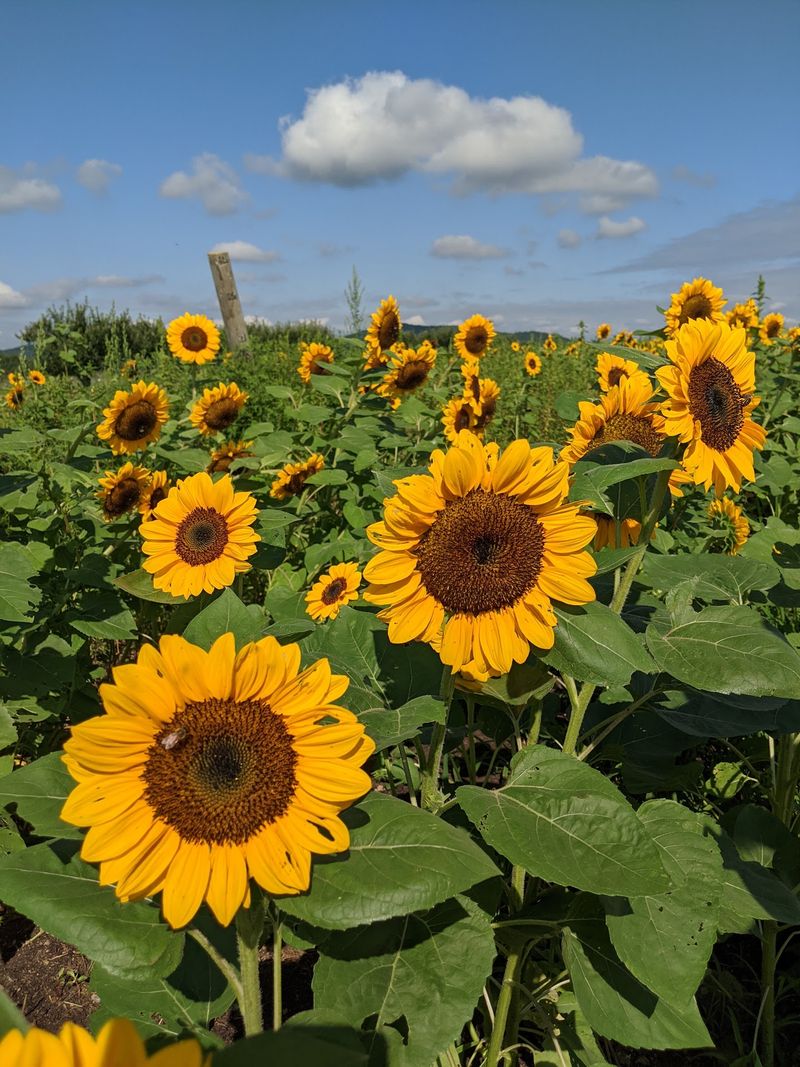
Summer has its own celebration too. The Fruit and Flower Fest in August highlights flower picking, summer apples, and tomatoes. Farm yoga on the covered porch and orchard and cidery tours appear on the calendar at times.
A practical tip from visitors helps here. Grab a lunch table around 11 or 11:30 before the biggest crowds arrive. Weekday food options are more limited, since most vendors run on weekends, so pack snacks if you are coming midweek.
Kids Learn Where Food Really Comes From Here
Classrooms move outdoors at Fishkill Farms from June through early November. The farm hosts school field trips during those months. Students explore sustainable agriculture, local history, wildlife, and natural science.
That mix fits the farm’s identity well. Fishkill Farms calls itself a real, working, family-owned farm rather than a theme park. You will find friendly sheep on site, but there is no petting zoo.
Families who care about honest farm experiences tend to appreciate that. Kids see actual crops, actual soil, and actual work. No slides, no cannons, just fruit hanging on trees.
The community side runs deeper too. The farm offers a CSA, or Community Supported Agriculture program, for households wanting regular produce. Visitors have also praised it as a good employer for local high schoolers.
For gardening parents, a visit can spark real interest at home. After picking berries, a child might want a strawberry pot on the patio. After seeing pollinator habitat, a small flower strip suddenly seems exciting. Few things grow a young gardener faster than tasting something warm straight off the plant.
Getting There Is Easier Than Most City Folks Expect
Ninety minutes north of New York City, the scenery shifts from skyline to orchard. Fishkill Farms sits in Hopewell Junction in Dutchess County. The exact address is 9 Fishkill Farm Rd, Hopewell Junction, NY 12533.
Drivers have an easy route, since the farm sits just off I-84. Parking is spacious, a point many visitors mention. Train riders can take the Metro-North Hudson Line to Beacon, then catch a roughly 15-minute car ride.
Schedule a cab or rideshare ahead of time. Cars are not as plentiful here as in the city. Getting stranded with a bag of apples is nobody’s dream ending.
Current hours run 9 a.m. to 6 p.m., Tuesday through Sunday, with Mondays closed. The phone number is 845-897-4377, and the website lists seasonal updates. The farm stays open year-round, so fall is not the only window.
Each season brings a different reason to visit this corner of New York. Spring offers early berries, summer brings peaches, and autumn delivers apples and unusual squash. Winter means brunch with mountain views. Pick a season and go see which one wins you over.