Georgia Gardeners Can Keep Harvesting Leafy Greens Longer With This Fall Protection Method
Your vegetable garden doesn’t have to stop producing just because the first frosty nights are approaching. Those rows of spinach, lettuce, and other leafy greens may still have plenty to offer if you can protect them from sudden temperature drops.
The frustrating part is watching healthy plants suffer when a little preparation might have helped.
Georgia’s fall weather often provides favorable growing conditions for cool-season vegetables, but temperatures can change quickly enough to threaten tender leaves.
Fortunately, extending the harvest doesn’t necessarily require a greenhouse or complicated equipment.
One practical protection method can help moderate the conditions around your plants and give certain crops additional growing time.
The key is knowing when to use it and how to avoid creating new problems for your vegetables.
With the right setup, you could be picking fresh greens well beyond your usual harvest window.
1. The First Frost Does Not Have To End Your Greens Harvest
Frost on the lawn does not mean the garden is finished. In much of Georgia, the first frost often arrives weeks before the truly hard cold sets in.
Leafy greens are tougher than they look, and a light layer of protection can carry them through those early chilly nights.
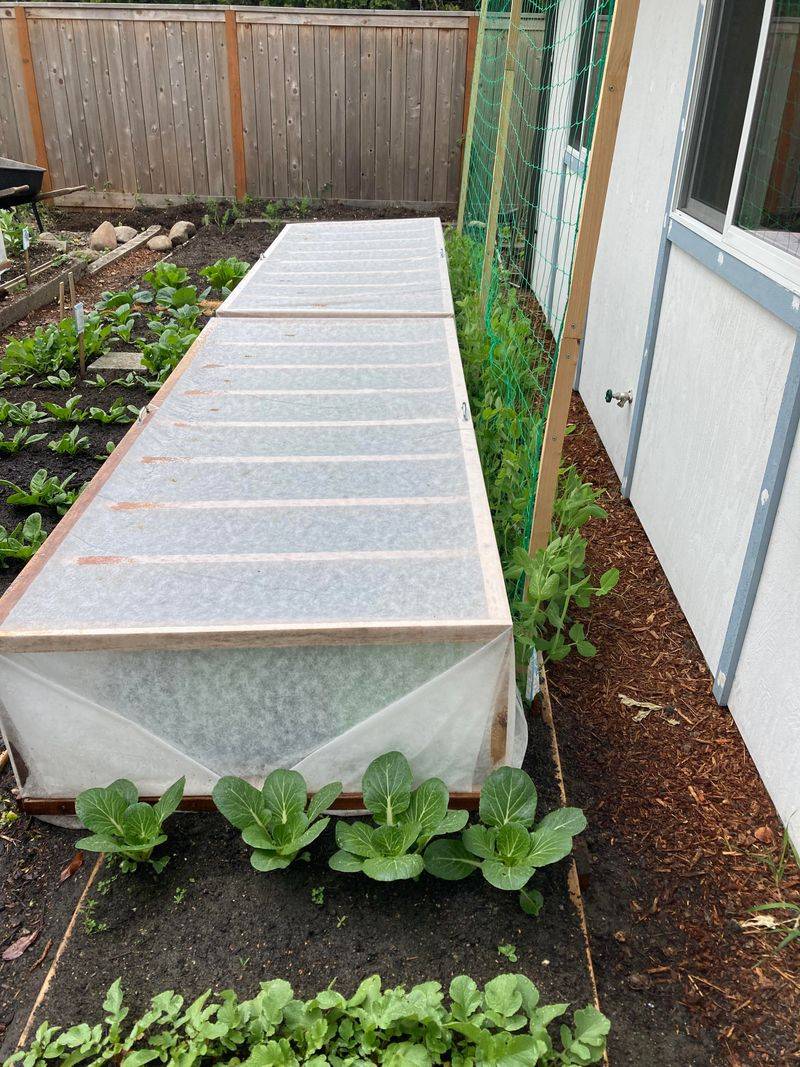
Floating row covers are the main tool here. They are lightweight fabric sheets that let in light, air, and rain while holding in some of the heat the ground releases at night.
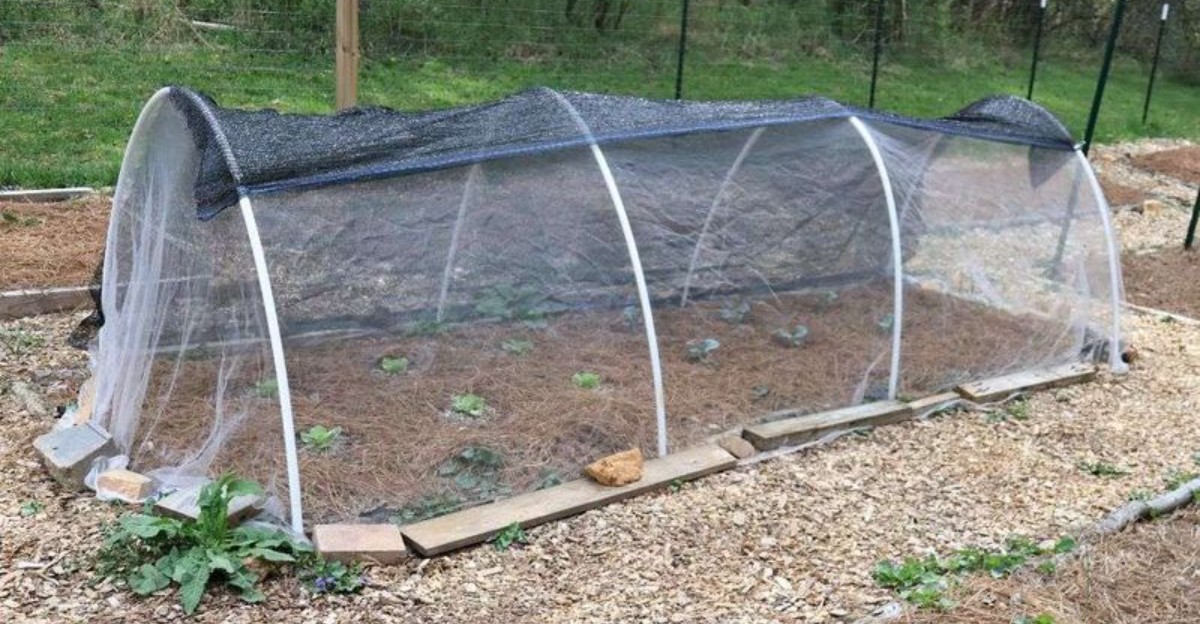
Low tunnels take the idea one step further by lifting the fabric on hoops above the plants.
Together, these covers can raise the temperature around your greens by a few degrees. That small difference can separate crisp leaves from limp, frost-damaged ones after a cold snap.
Results depend on the fabric weight, the crop, and how cold the night actually gets.
A thin cover may handle a light frost well but struggle during a hard freeze. Heavier fabric, or even two layers, gives more help when temperatures drop further than usual.
Covers will not turn winter into spring, so keep your expectations realistic.
What they do well is stretch the harvest window, giving you more salads and more cooked greens before cold finally slows things down. For a small cost, that extra picking time adds up quickly.
2. Spinach And Kale Are Good Candidates For Extended Fall Harvests
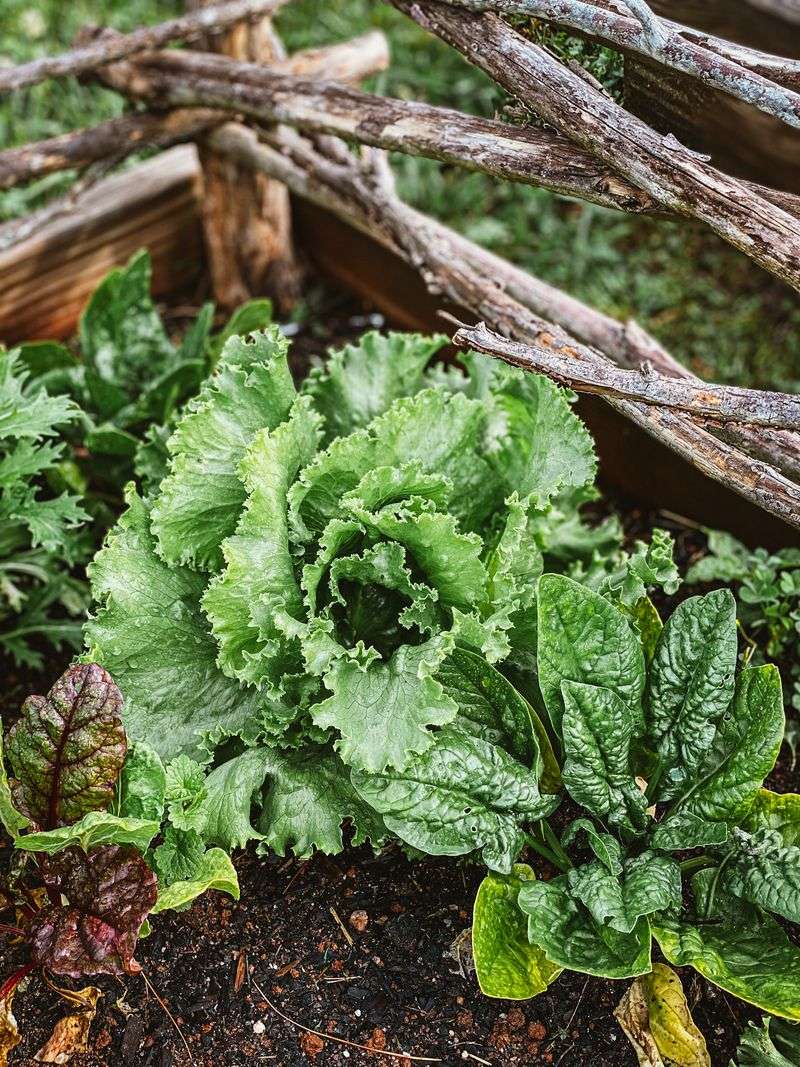
Some greens shrug off cold weather while others sulk. If you want a long harvest under covers, start with crops that already handle chilly nights well.
Kale is a reliable choice for fall gardens across Georgia.
Mature kale plants can tolerate frost and often taste sweeter after cool weather, because the plants store more sugars as temperatures fall. Varieties differ in hardiness, so check seed packets for cold tolerance notes.
Spinach is another strong performer when nights turn cold.
Its leaves can handle frost, and established plants often keep producing slowly through cool spells. Savoy and semi-savoy types tend to be popular for fall and winter growing.
Collards deserve a spot too, since they are a Southern favorite with solid cold tolerance.
Lettuce, on the other hand, is more tender. It can benefit greatly from covers, but hard freezes may still damage the leaves even under fabric.
Planting time matters just as much as variety choice.
Greens should be well established before the coldest weather arrives, since mature plants usually handle cold better than tiny seedlings. Your local Extension office can share planting dates that fit your part of the state.
Pick a mix of hardy crops, and you spread out your chances of a steady harvest.
3. Choose Breathable Row Cover Fabric For Cold Protection
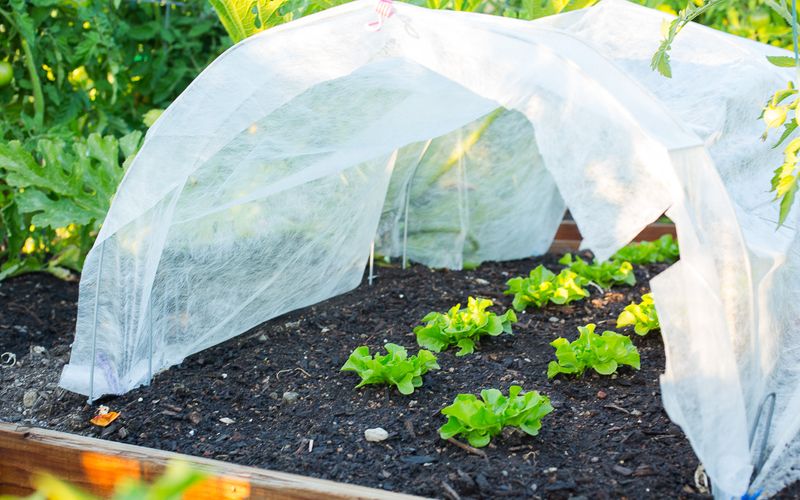
Not every cover belongs on your greens. Breathable fabric lets moisture and air move through, which plastic sheeting cannot do.
Most garden row covers are made from spunbonded polyester or polypropylene.
They come in different weights, and that weight affects both warmth and light. Lighter fabric lets in more sunlight but offers less frost protection, while heavier fabric holds more warmth and blocks more light.
Medium or heavier weights are often chosen for fall and winter use.
Packaging usually lists how much light passes through and roughly how many degrees of protection to expect. Treat those numbers as estimates, since wind, humidity, and soil conditions change the real results.
Why not just toss an old bedsheet over the bed?
Sheets and blankets can work for a single cold night, but they get heavy when wet and block light. Left on for days, they can stress plants and press down on leaves.
Georgia weather often swings from cold mornings to mild afternoons, so breathable fabric is a practical match.
Plants can stay covered for longer stretches without overheating as quickly as they might under plastic.
Buy a little more fabric than you think you need. Extra width makes it easier to cover hoops and still have edges left to pin down.
4. Simple Hoops Keep Covers From Rubbing Against Tender Leaves
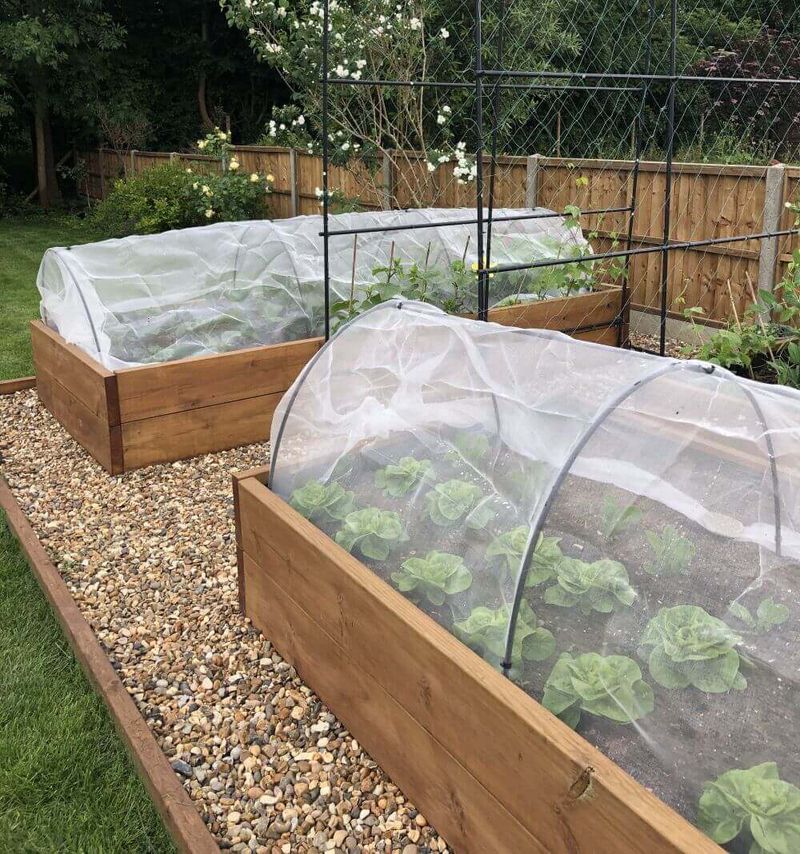
Wind and fabric make a rough combination for soft leaves. When a cover lies directly on plants, every breeze can scrape and bruise the foliage.
Hoops solve that problem by lifting the fabric into a small tunnel.
You can buy ready-made garden hoops, or make your own from heavy wire, PVC pipe, or flexible metal conduit. Push each end into the soil on opposite sides of the bed so the arch rises above the plants.
Spacing matters more than people expect.
Hoops placed a few feet apart usually keep fabric from sagging between them. If heavy rain or wind is common where you garden, closer spacing adds support.
Leave some headroom above your tallest greens.
Kale and collards can grow fairly tall by late fall, so plan your hoop height around their size, not just the size of young seedlings. A tunnel that is too low brings back the rubbing problem.
Frost can also form on the fabric itself. Leaves touching that cold surface may get damaged, which is another good reason to keep a gap between plant and cover.
Many Georgia gardeners set hoops in place early in fall.
That way, when a cold forecast pops up, you only need to pull the fabric over and secure it. Quick setup makes it far easier to protect plants on busy evenings.
5. Secure The Edges To Trap Warmth From The Soil
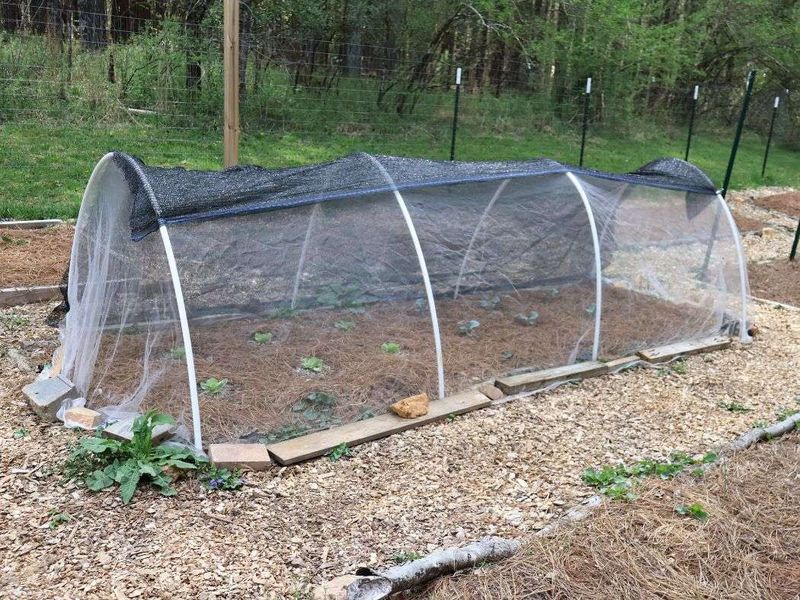
Heat escapes through the smallest gaps. A loose edge flapping in the wind can let warm air slip away right when plants need it most.
Soil is the real heat source under a row cover.
During the day, ground absorbs warmth from the sun, and it slowly releases that warmth overnight. A sealed cover helps hold some of that heat around your greens instead of letting it drift off.
So how do you seal it well?
Sandbags, bricks, rocks, or boards laid along the edges are simple options. Some gardeners shovel soil over the fabric edges, while others use landscape pins pushed into the ground.
Each method has trade-offs worth weighing.
Heavy weights are easy to move when you want to harvest, while buried edges hold tight but take more effort to open. Many gardeners use weights on one side for access and bury the other.
Moist soil tends to store and release heat better than very dry soil. Watering before an expected cold night can help, but avoid soaking beds that already drain poorly.
Wind is common during fall cold fronts in Georgia, and loose fabric can blow off overnight.
Check your covers after storms or gusty days. A quick walk around the bed lets you fix any lifted corners before temperatures fall again.
6. Plastic-Covered Tunnels Need Ventilation On Sunny Days
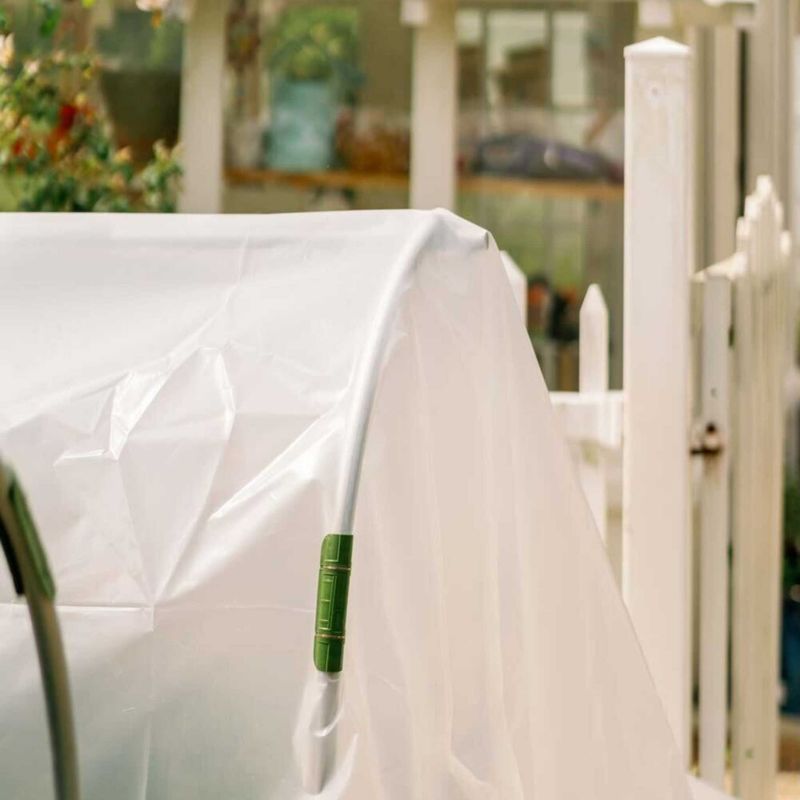
A sunny afternoon can turn a plastic tunnel into an oven. Even on a cool day, heat builds quickly under clear plastic.
Greenhouse plastic holds warmth better than fabric, which is why some gardeners use it during colder stretches.
That extra warmth comes with a catch. Plastic does not breathe, so heat and humidity can rise fast once the sun hits it.
Leafy greens prefer cool conditions, and too much heat may cause wilting or stress.
Trapped moisture can also encourage leaf diseases. Condensation dripping onto plants for days at a time is not ideal for healthy foliage.
Venting is the simple fix.
Open the ends or roll up one side on sunny mornings, then close things back up in late afternoon before the air cools. Some gardeners keep a basic thermometer inside the tunnel to see how warm it actually gets.
Here in Georgia, bright winter days followed by cold nights are fairly common, so plastic tunnels need regular attention.
If you cannot check your garden daily, fabric covers may be the safer choice. They let excess heat escape on their own and need less babysitting.
Plastic with small vent holes is another option some gardeners like. It offers a middle ground, though you should still watch temperatures during warm spells.
7. Shorter Winter Days Eventually Slow Growth Even Under Cover
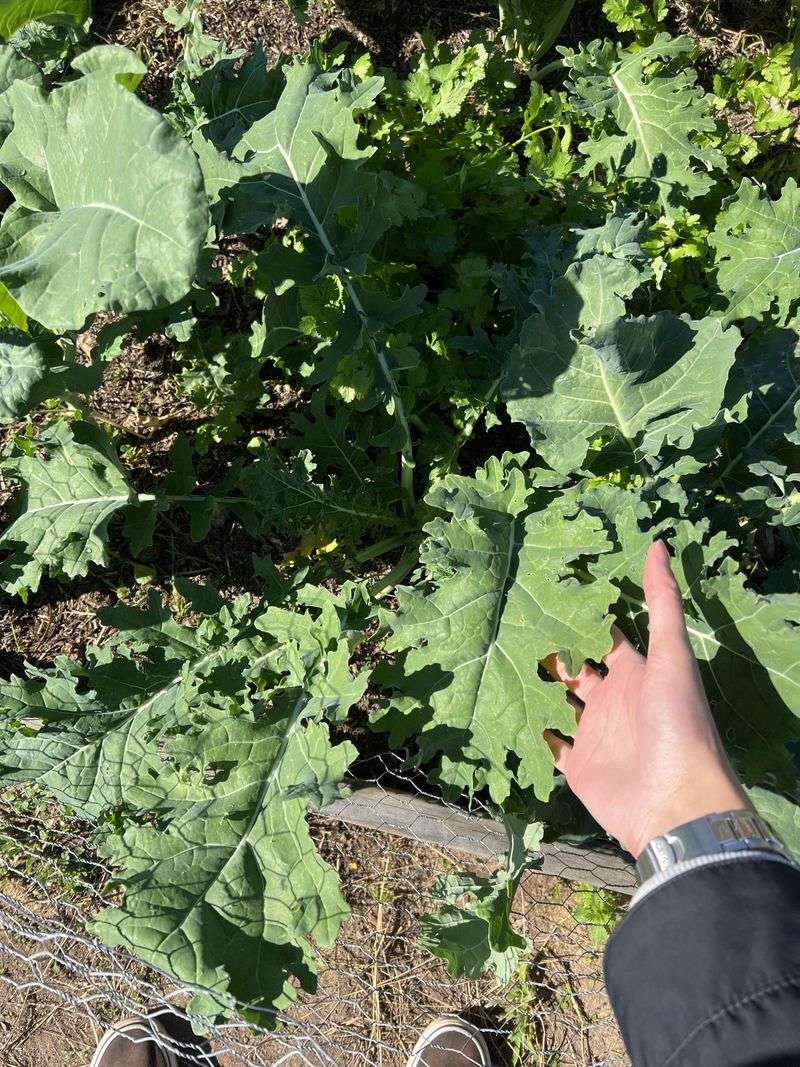
Covers can block cold, but they cannot add daylight. Once days get short in late fall and winter, greens slow down no matter how cozy they are.
Plants rely on sunlight to grow new leaves.
As daylight hours shrink, growth slows to a crawl for many crops. Some gardeners notice that greens seem to pause until days lengthen again in late winter.
Plan your plantings with that slowdown in mind.
Greens that reach a good size before short days arrive give you a larger supply to pick from. Think of them as a living pantry that stays fresh in the garden.
Harvest gently during these slower months. Taking outer leaves while leaving the center intact may help plants keep producing when conditions allow.
How long your harvest lasts depends a lot on location.
Gardeners in south Georgia often enjoy milder winters and steadier picking, while those in the northern mountains face colder stretches that can damage even covered crops. Severe freezes can still harm plants in any region.
Spring usually brings a burst of new growth as days lengthen and soil warms.
Some overwintered greens may bolt soon after, so enjoy that late harvest while it lasts. With a little planning and a simple cover, your fall garden can feed you well beyond the first cold night.