What To Do With Leftover Halloween Pumpkins In A Virginia Garden
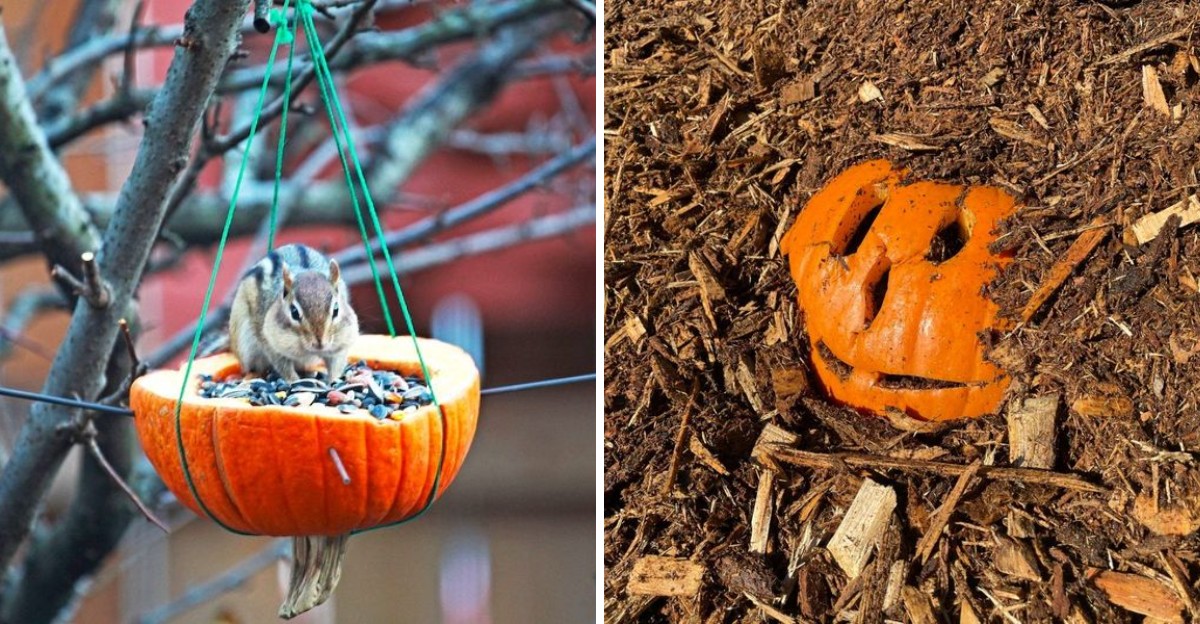
Halloween is over, and your jack-o-lantern is having a rough morning. The grin is drooping, the eyes look a little sunken, and honestly, it’s giving “stayed out way too late.” (Same, pumpkin.
Same.)
Plenty of folks haul that soggy squash straight to the curb. But tossing it in the trash is like throwing away a free bag of garden fuel, and Virginia landfills really don’t need the extra company.
That tired orange buddy still has a few tricks left. It can feed your soil, treat the birds, keep the worms happy, and maybe even sprout a surprise pumpkin patch next fall.
Not bad for a squash.
So pull on some gloves, grab a shovel, and give your jack-o-lantern the comeback story it deserves. Spooky season isn’t quite done with you yet.
1. Toss It Into A Compost Pile
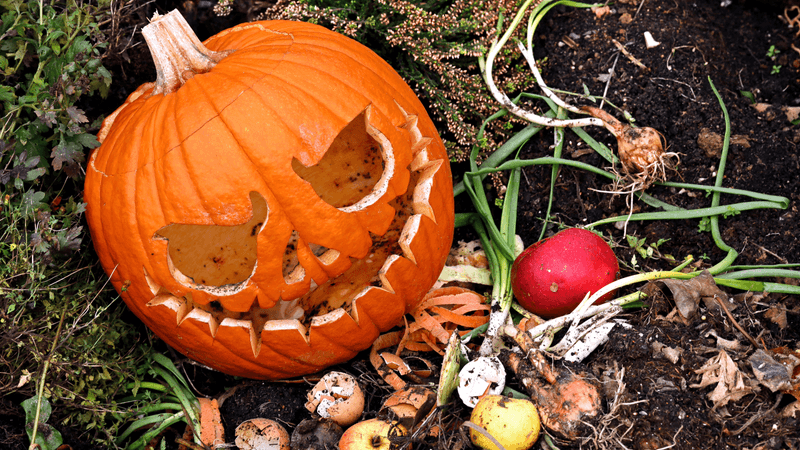
Gardeners love a free gift, and a soft pumpkin is basically wrapped soil food. It is mostly water, so it breaks down fast once it hits the pile.
Start by removing candles, wax, glitter, and any paint. Those extras do not belong in your compost and can harm the soil life you want to feed.
Next, chop the pumpkin into fist-sized chunks with a shovel or old knife. Smaller pieces rot much faster than one big shell sitting on top.
Balance matters a lot here. Pumpkin counts as a green, wet material, so layer it with brown stuff like dry leaves, straw, or shredded cardboard.
Virginia yards are full of fallen oak and maple leaves in November, which makes this step easy. Aim for about two or three scoops of leaves for every scoop of pumpkin.
Turn the pile every week or two with a pitchfork. Air helps the good microbes work, and it keeps nasty smells away from your neighbors.
In cooler months, the pile slows down a bit. Covering it with a tarp helps hold heat and moisture during chilly nights.
By spring, much of that orange mush will be dark, crumbly compost. Spread it on your beds, and your tomatoes will thank you all summer long.
2. Bury Pumpkin Chunks In Garden Beds
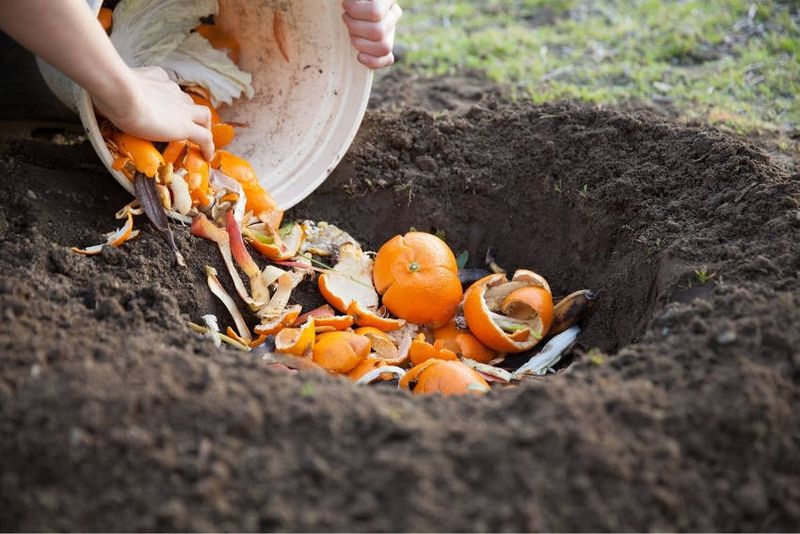
Not everyone has room for a compost bin, and that is fine. You can skip the middle step and feed the soil directly.
Trench composting is an old method that farmers have used for generations. You simply dig a hole, drop in the scraps, and cover them up.
Pick an empty spot where you plan to grow vegetables next year. A trench about 12 inches deep works well for pumpkin pieces.
Choose that spot with crop rotation in mind. Pumpkins, zucchini, cucumbers, and melons all belong to the same plant family, so bury your pumpkin where you plan to grow something different next year, like tomatoes, beans, or leafy greens.
Moving plant families around helps reduce soil diseases and pests.
Break the pumpkin up before burying it. Smaller bits give worms and soil microbes more surfaces to munch on during the winter.
Your Virginia Garden Changes Every Week. Your Plan Should Too.
Gardening in Virginia changes quickly throughout the season. Every Friday you’ll receive a simple weekly plan showing exactly what to plant, prune, fertilize, harvest, and protect so you never miss the right timing.
Cover the chunks with at least 8 inches of soil. That depth helps hide the smell from raccoons, possums, and curious dogs.
Much of Virginia has heavy red clay soil, especially in the Piedmont. Buried pumpkin adds organic matter that slowly loosens that sticky clay.
Over the cold months, earthworms will move in and pull the softened squash deeper. Their tunnels help water drain and roots spread.
Mark the spot with a stick or flag so you remember where it is. Come April, that patch may have richer, darker soil than the rest of the bed.
Keep an eye out for surprise sprouts, too. Any seeds left in the pumpkin may pop up as volunteer plants next spring, so pull them if they show up where you do not want them.
3. Set Up A Backyard Bird Feast
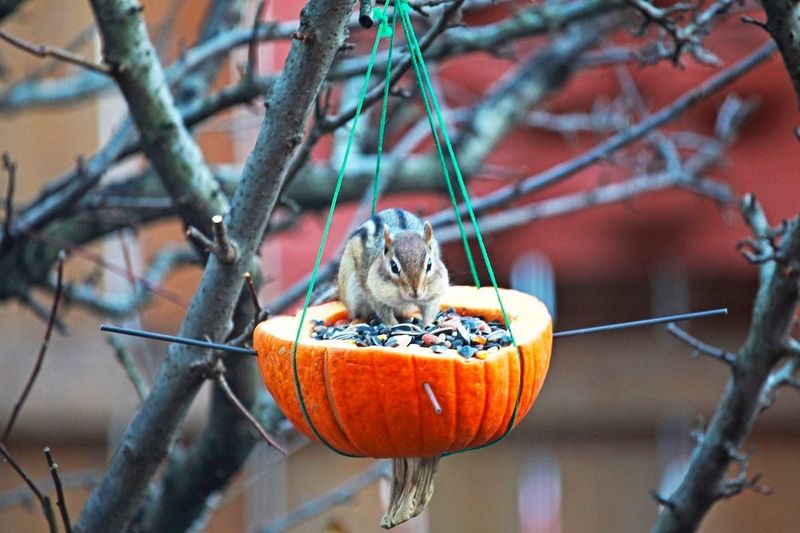
Cardinals, the state bird of Virginia, have a serious weakness for seeds. A hollow pumpkin can become their new favorite snack bar.
Cut a fresh, uncarved pumpkin in half and scoop out the stringy insides. Save the seeds, because you will want them soon.
Poke two holes near the rim and thread strong twine through them. Hang the bowl from a sturdy branch about five feet off the ground.
Fill it with black oil sunflower seeds, millet, or a basic seed mix. You can also roast your saved pumpkin seeds plain, with no salt, and add those in.
Chickadees, titmice, and nuthatches often show up within a day or two. Carolina wrens may poke around too, looking for tiny bugs in the flesh.
Watch for mold, especially after rainy spells. Once the pumpkin turns fuzzy or slimy, move it to your compost pile and make a new one.
Skip any pumpkin that was painted, sprayed with sealant, or lit with candles. Those coatings are not safe for small birds.
Kids love this project because the results come fast. Keep a notebook by the window and see how many species you can spot in a week.
4. Save Seeds For Next Year
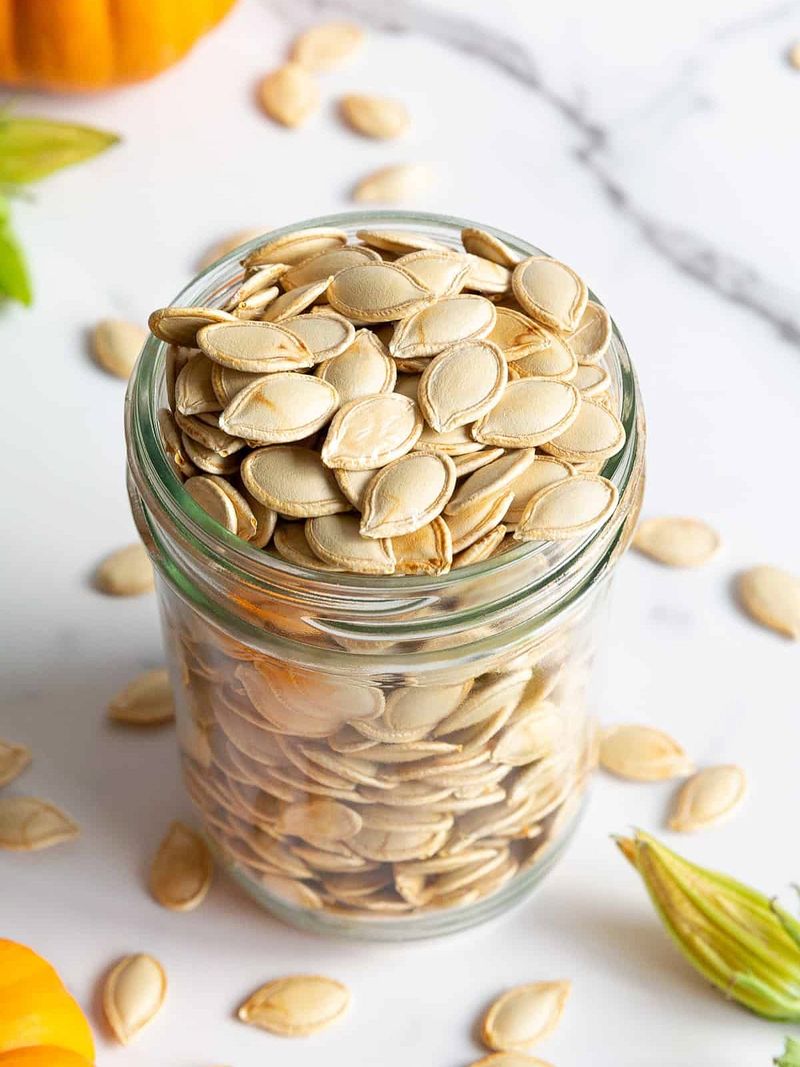
Inside every carving pumpkin sits a few hundred tiny chances to grow more. Saving them costs nothing and feels a little like magic.
First, rinse the seeds in a bowl of water. Rub off the slimy orange strings with your fingers, then pick out any flat or broken ones.
Spread the good seeds on paper towels or a screen in a single layer. Let them dry for one to two weeks in a warm, airy spot.
Once they snap instead of bending, store them in a paper envelope. Label it with the date and pumpkin type, then keep it somewhere cool and dry.
A word of warning about surprises. Many store pumpkins are hybrids, so their seeds may grow fruit that looks different from the parent.
Some gardeners find that part exciting. You might end up with a lumpy, striped, or extra-large mystery squash next fall.
In Virginia, plant pumpkin seeds outdoors from late May through early July. Timing it that way usually gives you ripe pumpkins right around October.
Give each plant plenty of room, at least a few feet in every direction. Those vines love to sprawl across the yard and climb over anything nearby.
5. Feed Hungry Worms In A Bin
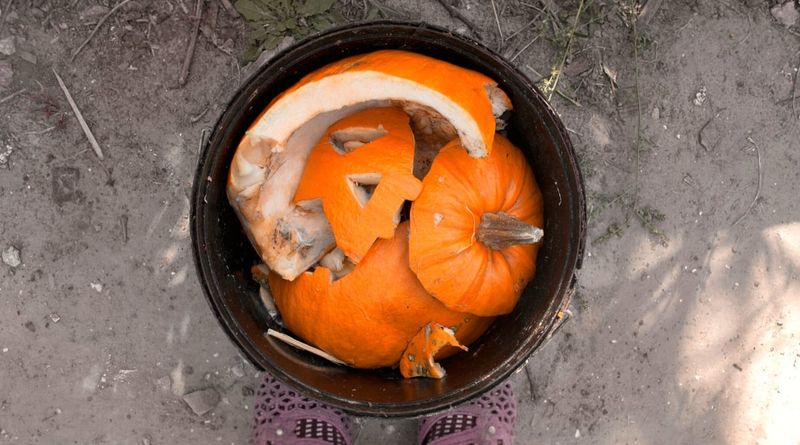
Red wigglers have tiny mouths and huge appetites. Give them pumpkin, and they will act like it is a holiday buffet.
Worm bins, also called vermicompost bins, fit in a garage, basement, or shaded porch. They turn kitchen scraps into rich castings that plants adore.
Pumpkin works great as worm food, but it needs prep. Cut it into small pieces, about the size of a grape, so the worms can handle it.
Freezing the pieces first helps a lot. When they thaw, the cell walls break down, making the flesh soft and easy to eat.
Add only a little at a time. Too much wet pumpkin can make the bin soggy and sour, which worms do not enjoy at all.
Mix in extra shredded newspaper or cardboard to soak up the juice. The bedding should feel like a wrung-out sponge.
Virginia winters can dip below freezing, so keep the bin somewhere sheltered. Worms prefer temperatures between 55 and 77 degrees.
After a few months, harvest the dark castings at the bottom. Sprinkle them around houseplants or mix them into seed-starting soil for a strong boost.
Many local gardeners call this stuff black gold, and it is easy to see why.
6. Share With Local Farm Animals
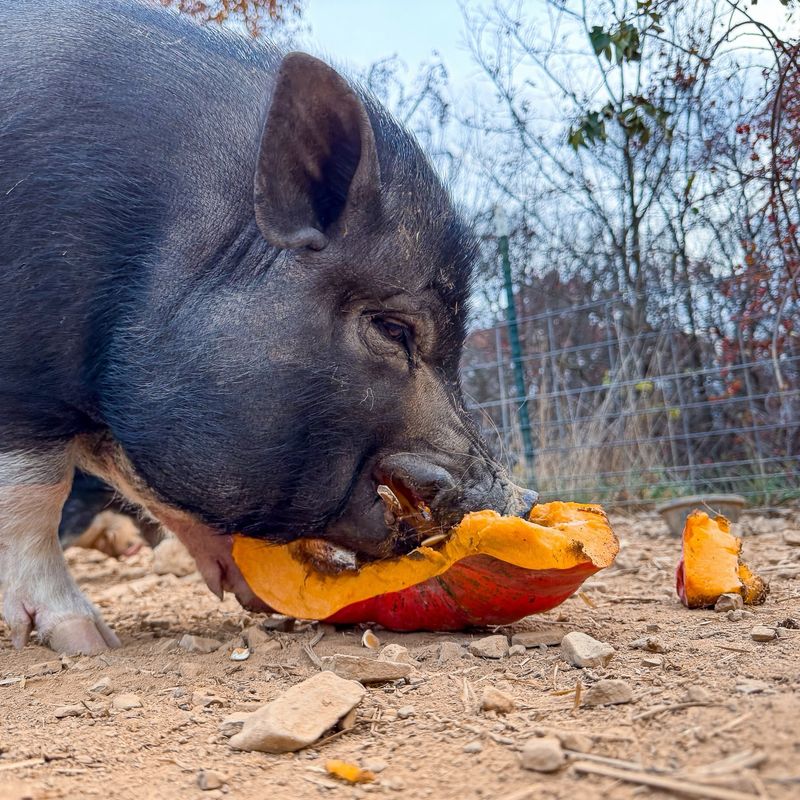
Pigs go wild for pumpkin, and chickens are not far behind. Plenty of small farms happily accept the extras after Halloween.
Virginia has thousands of family farms and backyard flocks. From the Shenandoah Valley to the Tidewater area, someone nearby probably keeps hens or goats.
Ask around before dropping anything off. Neighbors, local Facebook groups, or community boards are great places to find takers.
Only share pumpkins that are clean and free of mold. Remove all wax, candle bits, paint, and markers before handing them over.
Uncarved pumpkins are often the best choice because they stay fresh longer. Carved ones should go out within a day or two of Halloween.
Chickens peck happily at the seeds and soft flesh. Some keepers believe the seeds help with worms, though science on that idea is still mixed.
Goats, sheep, and horses may enjoy pumpkin too, but owners know their animals best. Always let the farmer decide what is safe.
Some towns even host pumpkin collection events in November. Those drives send squash to farms or community compost sites instead of the dump.
Giving your pumpkin away feels good. It turns a spooky decoration into a tasty treat for a hungry friend with feathers or hooves.
7. Plant A Pumpkin Planter For Fall
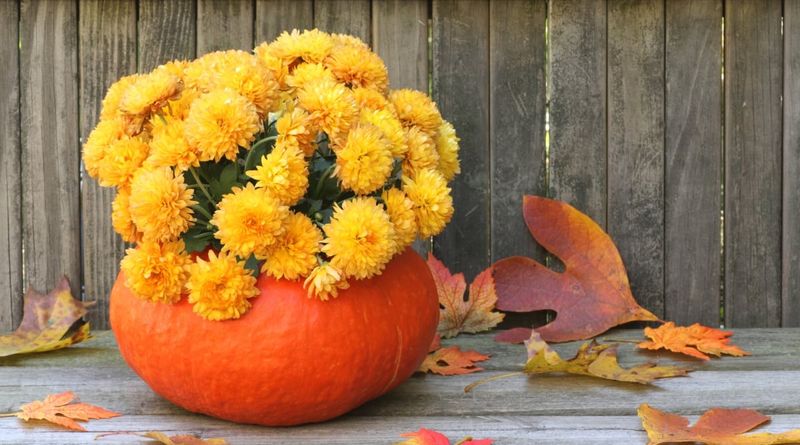
Who says a pumpkin has to stop being pretty after October? With a little soil, it can hold flowers for a few more weeks.
Pick an uncarved or neatly topped pumpkin with firm walls. Scoop out the seeds and strings, then poke a few drainage holes in the bottom.
Fill it with potting soil and tuck in cool-weather plants. Pansies, violas, small mums, and ornamental kale all look cheerful against that orange skin.
Set it on your porch or front step for a festive Thanksgiving look. Virginia falls are usually mild enough that these blooms keep going strong into December.
Here is the clever part. When the pumpkin starts to soften, you can plant the whole thing right in the ground.
Dig a hole a bit wider than the pumpkin and set it in. The shell will break down over time, feeding the roots of the flowers inside.
Pansies are tough little plants. Many will bloom off and on through winter and burst back to life in early spring.
Kids enjoy decorating these planters too. Just skip the paint if you plan to bury them later, since paint is not great for soil.
8. Turn Pumpkin Into Garden Mulch
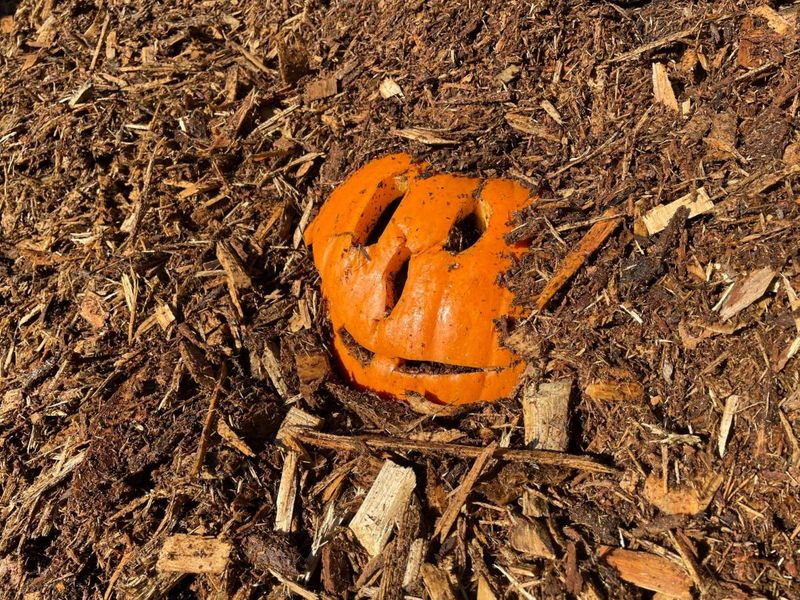
Smashing pumpkins can be surprisingly useful, and a little therapeutic after a long Halloween night. Mashed squash makes a soft, food-rich layer for your soil.
Choose beds where nothing is growing right now. Empty vegetable rows, spots under fruit trees, or the edges of shrub beds work well.
Break the pumpkin into small chunks, or stomp it gently in a bucket. Spread the bits thinly across the soil surface.
Thin layers break down quickly. Big heaps can attract pests and may get slimy before they have a chance to rot properly.
Right after spreading, cover the pumpkin with a few inches of shredded leaves or straw. That top layer hides the squash and keeps critters from digging around.
Across Virginia, fall rains help speed things up. Moisture softens the flesh, and soil creatures carry the nutrients down to the roots.
Pumpkin contains potassium and some nitrogen, which plants use to stay healthy. It is not a full fertilizer, but it gives a nice gentle boost.
By late winter, most of the orange will have vanished. Rake back any leftover mulch in spring, and you will find darker, softer earth underneath, ready for planting season.
9. Join A Pumpkin Smash Event
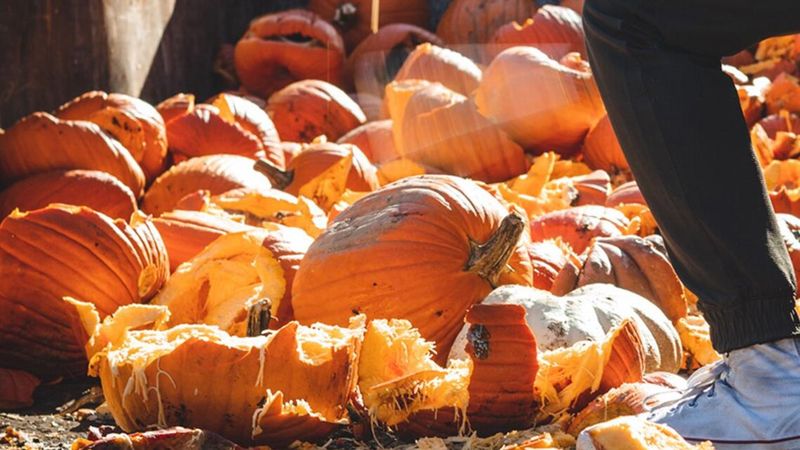
A park or parking lot full of kids dropping and stomping pumpkins while parents cheer sounds like pure fall fun. Pumpkin smash events are as fun as they sound, and they help the planet too.
Many communities host these gatherings in early November. In Charlottesville, the Rivanna Solid Waste Authority holds an annual Great Pumpkin Smash at the McIntire Recycling Center.
In Richmond, Stony Point Fashion Park has hosted pumpkin smash events with local compost companies, and Northern Virginia residents can drop off pumpkins at several Alexandria farmers markets.
The idea is simple. Folks bring their old jack-o-lanterns, smash them, and the pieces get hauled off to be composted on a large scale.
Food scraps in landfills give off methane, a strong gas that warms the planet. Composting pumpkins instead helps cut down on that problem.
Check your city or county website in late October for event dates. Libraries, schools, farmers markets, and garden clubs sometimes share the news as well.
Before you go, pull out candles, wax, artificial lights, and decorations. Most events only accept plain pumpkins and gourds.
Some sites keep drop-off bins open for several days. Charlottesville’s container stayed available for nearly a week in 2025, which makes it easy for busy families who cannot make a single day.
Bring the whole crew and maybe a camera. Watching a pumpkin go splat is pure joy for young kids, and it teaches them that waste can become something good for Virginia soil.