Why Fall Radishes Grow Lush Leaves But No Roots In North Carolina
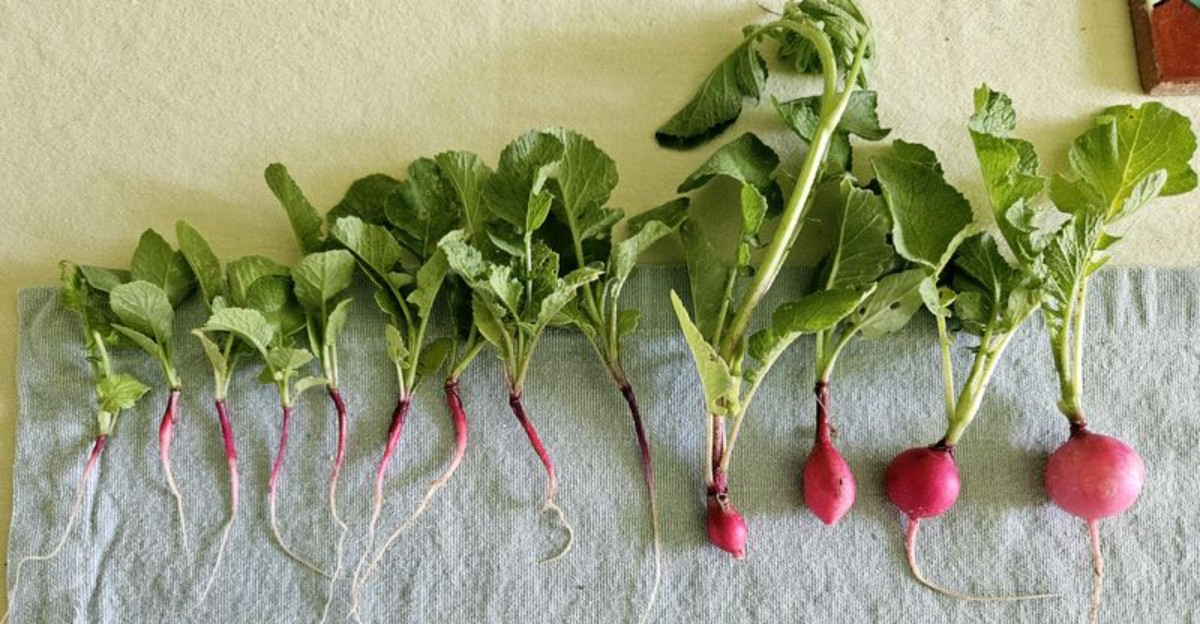
The tops look gorgeous. Big, bright, healthy leaves that would win a prize at the county fair.
Then you pull one up, and there is a thin, stringy tail where the radish should be. It is a common fall disappointment, and the cause is rarely the seed.
Something in the garden is telling the plant to grow leaves instead of roots. It might be the soil, the light, the spacing, or even the way you fed the bed earlier in the season.
Fall adds its own twist, since shorter days change how the plant behaves. One small adjustment often fixes the problem completely.
Once you know what to look for, you can stop wasting a packet of seeds and start pulling real, round, crisp radishes.
1. Crowded Seedlings Can’t Form Roots
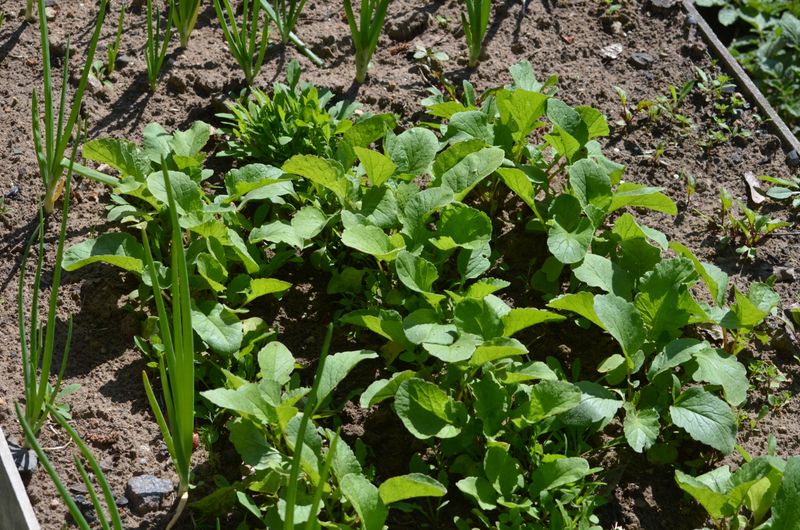
Radish seeds are so tiny that it feels natural to sprinkle a whole pinch into one spot. A week later, the row looks like a green carpet, and that thick stand is often the exact reason roots never show up.
Every radish needs a little pocket of space where its root can swell. When seedlings grow shoulder to shoulder, they fight over water, sunlight, and nutrients.
Instead of building a plump root underground, each plant pushes its energy upward, stretching its leaves to win the race for light.
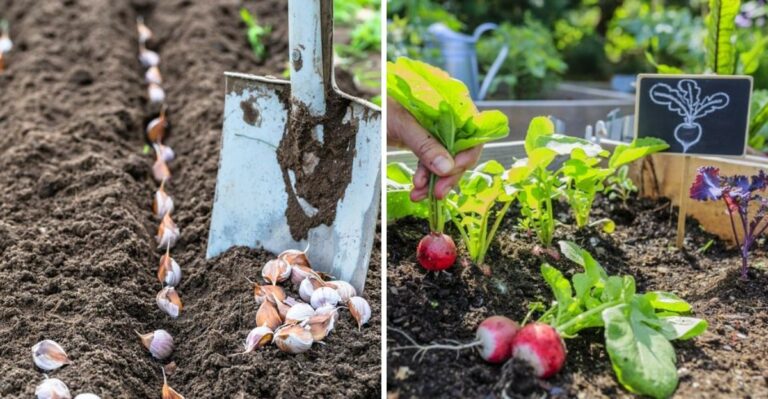
Thinning is the simple cure, and it works best when you do it early. Once the seedlings have their first true leaves, usually about a week after they sprout, pull or snip extras so small round types like Cherry Belle sit about 1 to 2 inches apart.
Larger kinds, such as daikon or watermelon radish, need more breathing room, often 4 to 6 inches between plants.
Snipping with small scissors is often better than pulling. That way, you avoid disturbing the roots of the neighbors you want to keep. Better yet, the thinnings are not wasted at all.
Toss those tender little greens into salads, sandwiches, or scrambled eggs. They taste peppery and fresh, much like the microgreens sold at farmers markets for a pretty price.
North Carolina gardeners often sow fall beds quickly, scattering seed across wide rows to fill space fast. That habit leads to crowding more than almost any other mistake.
Try mixing your radish seed with a little dry sand before sowing, since the sand helps spread the seeds more evenly and makes thinning much easier later on.
2. Too Much Nitrogen Pushes Leafy Growth
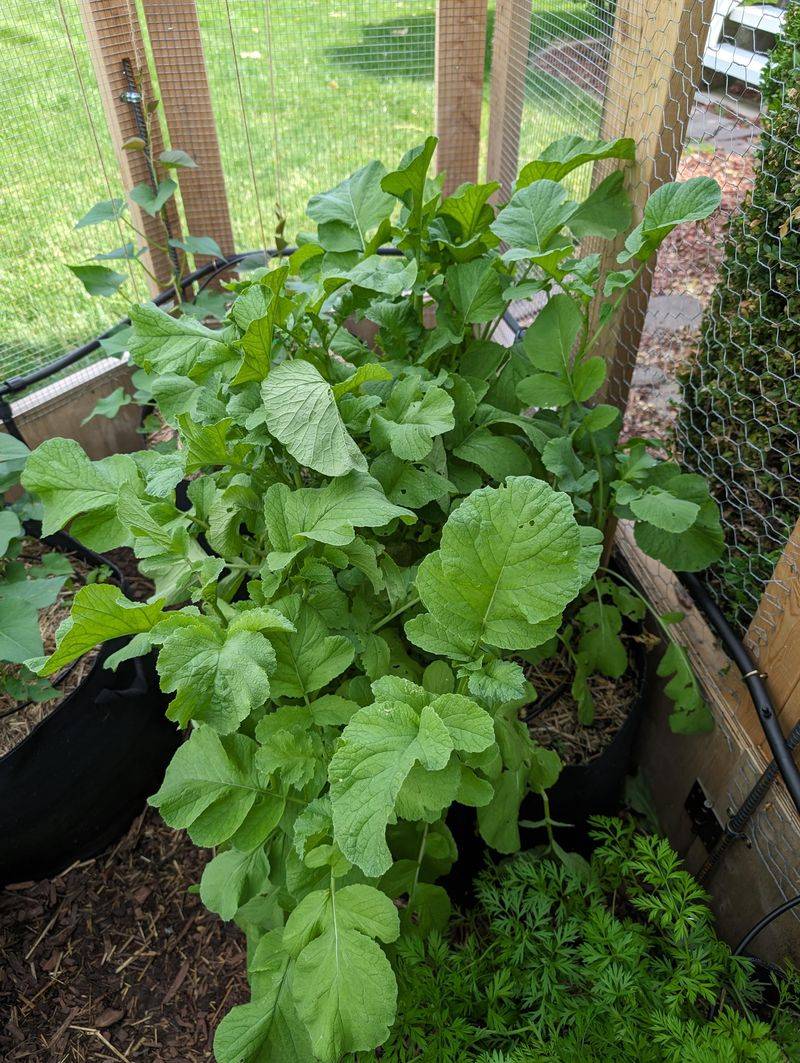
Feeding your garden feels like a kind thing to do. With radishes, though, too much food of the wrong type can backfire in a big way.
Nitrogen is the nutrient that powers leafy growth. Plants like lettuce and corn love it, but radishes respond to extra nitrogen by building huge, dark green tops while the root stays skinny or never forms at all.
The plant simply has no reason to store energy underground when the soil keeps handing out easy meals.
Fresh manure is a common culprit. It is loaded with nitrogen and can also cause odd root shapes, so it is better left out of radish beds entirely.
Your North Carolina Garden Changes Every Week. Your Plan Should Too.
Gardening in North Carolina changes quickly throughout the season. Every Friday you’ll receive a simple weekly plan showing exactly what to plant, prune, fertilize, harvest, and protect so you never miss the right timing.
Heavy doses of high-nitrogen fertilizer, the kind made for lawns or leafy greens, cause the same trouble.
A soil test takes the guesswork out of feeding. In North Carolina, the Department of Agriculture offers soil testing, and your local Cooperative Extension office can explain how to collect a sample.
Results tell you exactly what your soil needs, and for radishes, the advice often calls for little or no added nitrogen.
Phosphorus and potassium matter more for good root growth. If your test shows those nutrients are low, follow the suggested amounts rather than grabbing an all-purpose bag.
Timing makes this issue extra common across the state. Many gardeners plant fall radishes right where tomatoes, peppers, or squash grew all summer, in beds that got fed over and over.
Leftover nitrogen can linger in that soil, so skip the extra feeding and let your radishes use what remains.
3. Too Much Shade Stretches The Plants
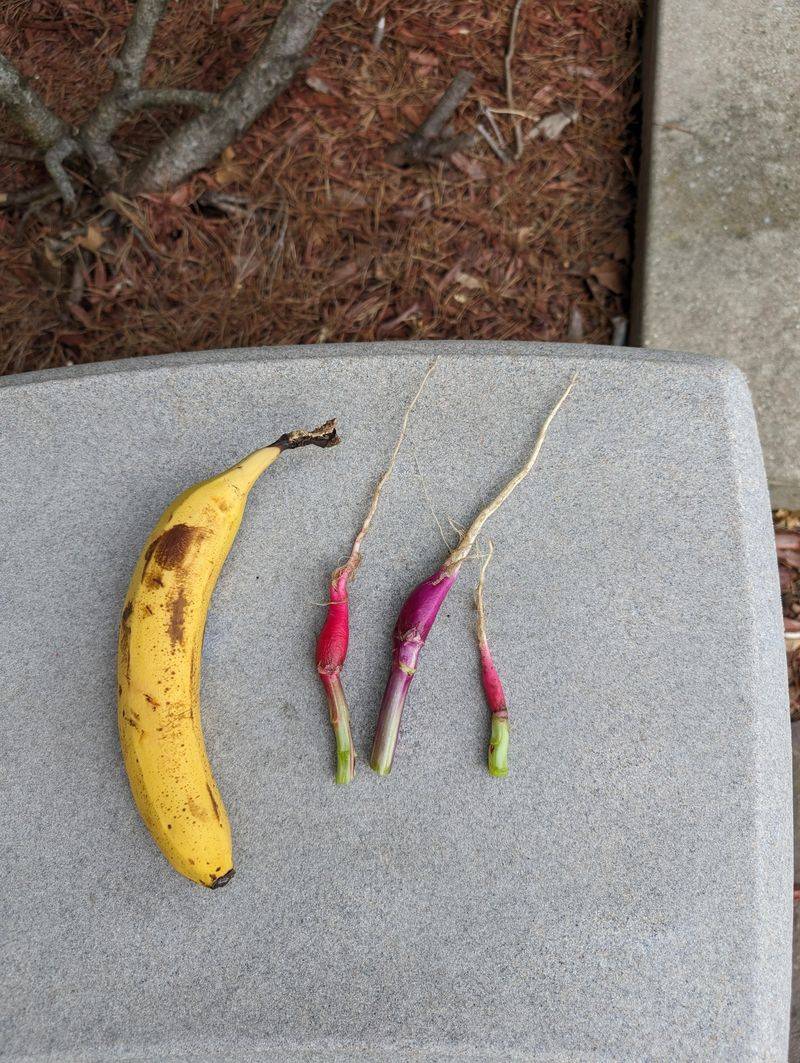
Sunlight is the fuel that radishes use to build their roots. Without enough of it, the plants turn into tall, floppy versions of themselves, leaning and stretching like they are trying to peek over a fence.
Gardeners call this stretching legginess. A radish in shade spends its energy growing taller leaves to reach more light, so very little is left over for the root. The result is a thin stem, pale leaves, and a root that never fills out.
Aim for at least six hours of direct sun each day. More is even better, especially in fall, when the light is weaker than it is in midsummer.
Fall light plays a sneaky trick on many gardens. As the sun drops lower in the sky, shadows grow longer, and a bed that sat in full sun in June might spend half the day in shade by October.
Before sowing, spend one afternoon watching where shadows fall across your yard. Containers make this problem easy to solve. Simply move pots or grow bags to the brightest spot you have, such as a south-facing patio or driveway edge.
For in-ground beds, make a note and choose a sunnier location for your next sowing. Across North Carolina, tall pines, oaks, and maples shade many backyards. Add the shorter days of autumn, and the available light can shrink fast.
Trimming low branches, when it is safe, or using reflective surfaces like a light-colored wall nearby can help squeeze a little more brightness into your radish patch.
4. Warm Soil At Sowing Time Slows Root Swelling
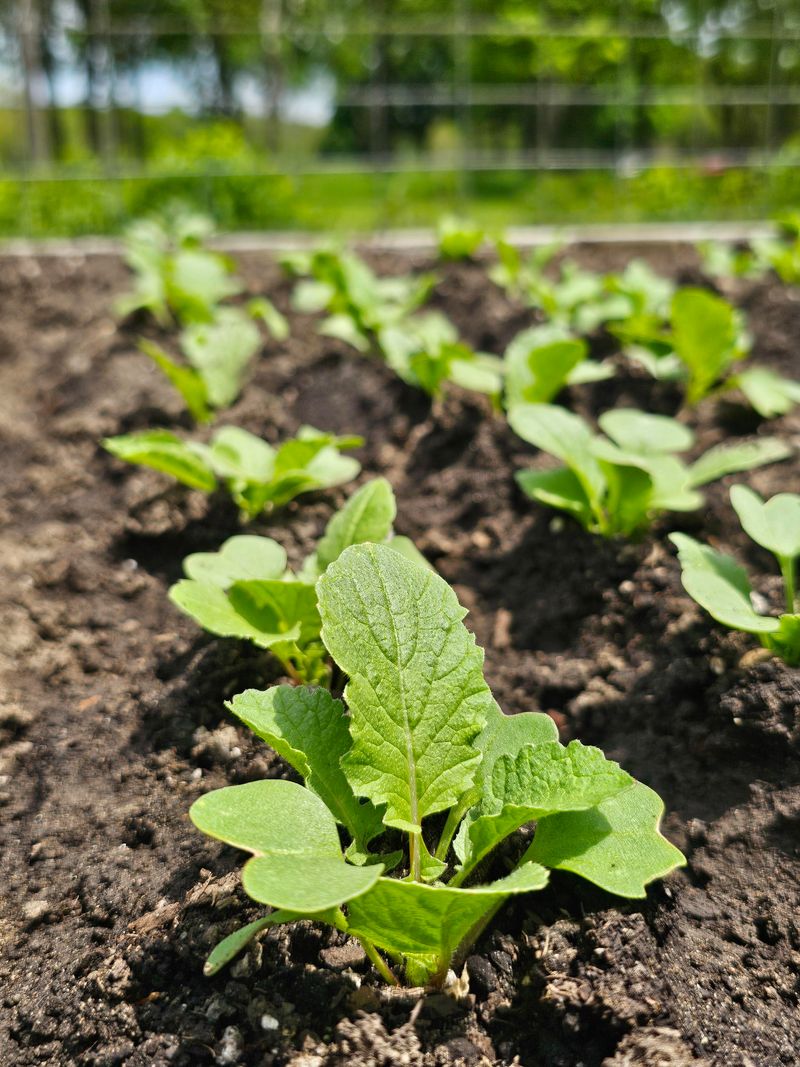
Late August in North Carolina can fool anyone into thinking fall has arrived. The calendar says autumn is close, the seed racks are full, and yet the soil still feels warm from months of summer sun.
Radishes are cool-weather plants at heart. They form their best roots when temperatures sit roughly between 50 and 70 degrees.
Seeds sown into hot soil sprout fast and race into leafy growth, but the roots are slow to swell, and the ones that do form can turn tough, woody, or harshly spicy.
Patience pays off here. Waiting just a couple of weeks for the weather to cool can turn a disappointing crop into a great one.
Timing depends on where you live in the state. Gardeners in the Mountains can sow fall radishes in late summer, since cooler nights arrive earlier there.
In the Piedmont and Coastal Plain, September and October are usually the sweet spot for sowing.
Succession planting is a smart way to hedge your bets. Instead of sowing the whole packet at once, plant a short row every couple of weeks. If one batch hits a heat wave, the next will likely mature during cooler, ideal weather.
A cheap soil thermometer can also help you decide when to plant. Watching the forecast is useful too, since early fall in North Carolina still brings surprise stretches of 85 or 90 degree days.
A little shade cloth over newly sown rows can keep soil cooler during those hot spells.
5. Late Sowings Run Into Short Days And Cold Soil
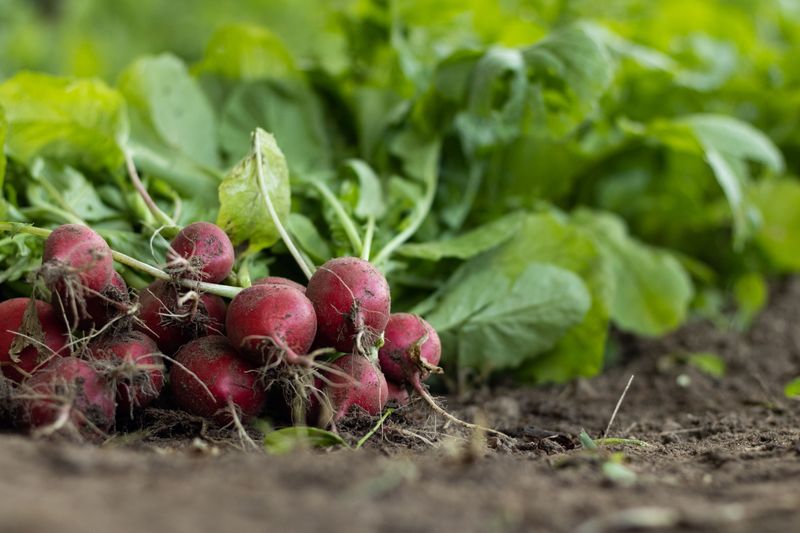
Sometimes the problem is not starting too early but starting too late. A packet of radish seed tucked away until Thanksgiving can still sprout, yet the plants often stall before a single root forms.
Shorter days and cooler soil slow radish growth a lot. With less sunlight to make food and colder ground to work in, the plants grow at a crawl.
They may put out a few leaves, but they simply run out of time and energy before winter arrives.
Across much of North Carolina, growth slows sharply from late November through mid January. During those weeks, days are at their shortest, and even hardy crops seem to hit pause.
Radishes sown just before that stretch often sit there looking leafy and unfinished.
Count backward from the calendar to avoid this. Check the days to maturity on your seed packet, then add a couple of extra weeks, because growth is slower in fall than in spring. Aim to have your crop ready before the shortest days of December.
Row covers are a great helper for late plantings. These lightweight fabric sheets trap warmth from the soil, block chilly winds, and can raise temperatures underneath by a few degrees. Simple wire hoops hold them above the plants.
Variety choice matters too. Fast growers like French Breakfast or Cherry Belle can mature in about 25 to 30 days under good conditions, making them a smart pick when you are running behind.
Save the slower winter types for earlier sowings, when time is still on your side.
6. Uneven Moisture Stalls Root Growth
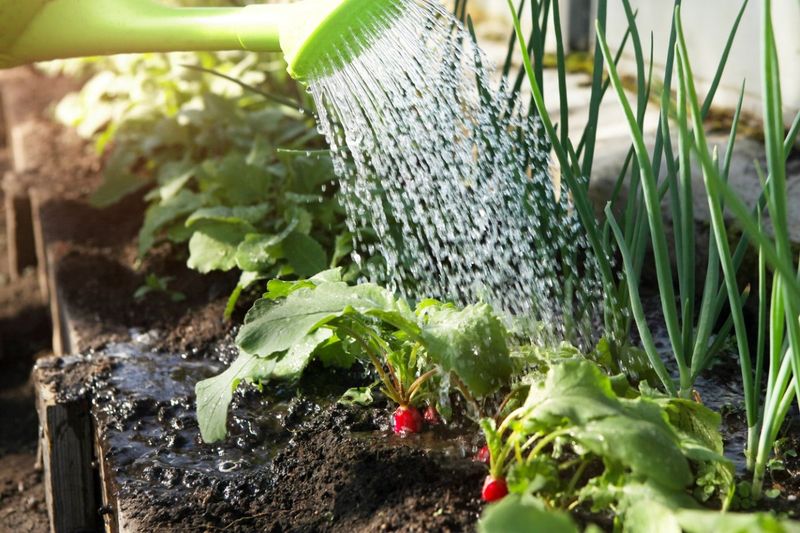
Dry weather can sneak up on a fall garden. The air feels cool and pleasant, so it is easy to forget that the soil underneath might be thirsty.
Radishes grow fast, and fast growth needs steady water. When soil dries out, root development slows down or stops, even though the leaves may keep growing.
Swings between dry and soaking wet can also cause cracked, tough, or tiny roots. A simple finger test works wonders. Push your finger into the soil, and if the top inch feels dry, it is time to water.
Deep watering is better than a quick sprinkle, since a light splash only wets the surface and leaves the root zone dry.
Mulch helps hold that moisture in place. A thin layer of straw, shredded leaves, or grass clippings between rows keeps the soil from drying out so quickly.
Keep it light, though, because a thick layer can make it harder for seedlings to push through.
Much of North Carolina has been dealing with drought this fall, and some towns have put limits on sprinkler use. Hand watering is a great workaround when that happens.
A watering can or a hose with a gentle nozzle lets you send water right where the radishes need it, without wasting a drop on paths.
Watering in the morning is ideal. Plants have all day to drink before evening, and leaves dry off quickly. Keeping a rain gauge nearby helps too, so you know when nature has done the job for you.
7. Compacted Soil Blocks Root Development
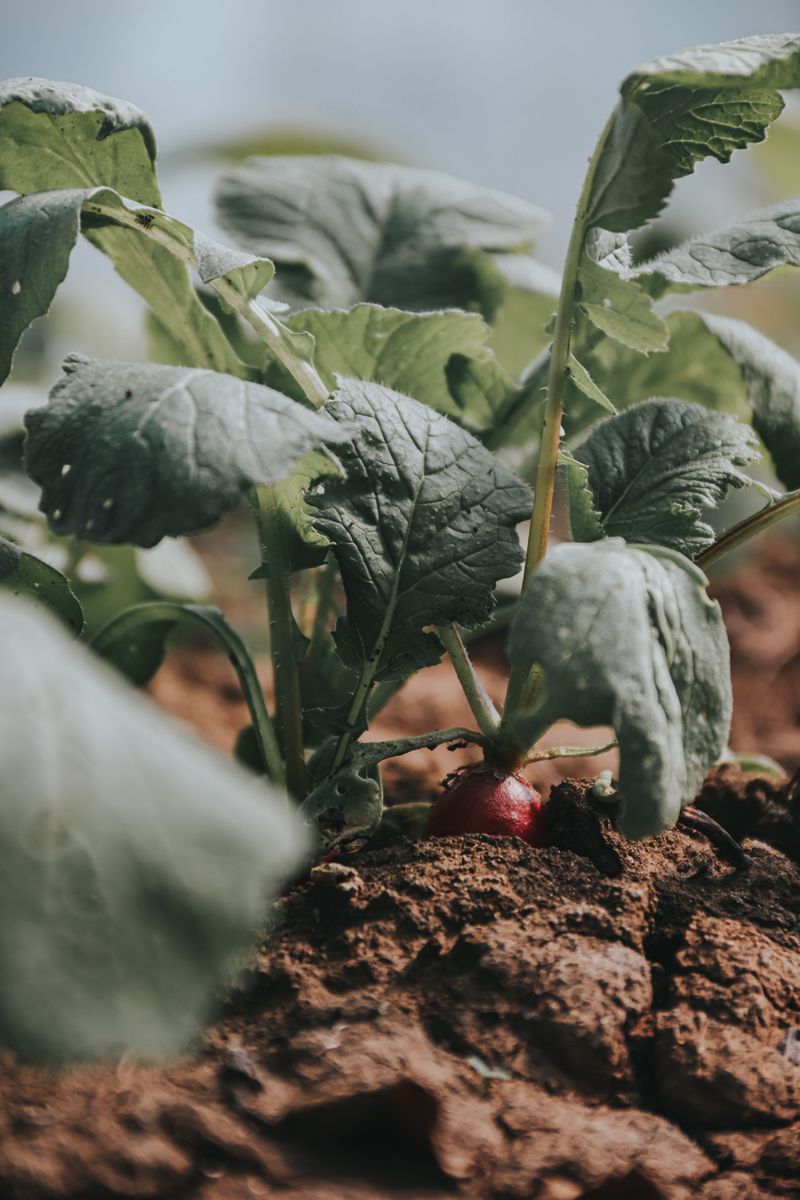
Imagine trying to blow up a balloon inside a brick. That is roughly what a radish faces in hard, packed soil.
Radish roots grow by swelling outward, and they need loose ground to do it. When soil is compacted, the roots meet strong resistance, so they stay thin, twisted, or stubby.
Meanwhile, the leaves above ground have no such trouble and keep growing big and green. Loosening the soil before sowing makes a huge difference.
Use a garden fork or spade to break up the ground at least 6 to 8 inches deep, which gives even longer radish types room to stretch. Remove rocks and large clumps as you go.
Compost is the secret ingredient for better texture. Working a couple of inches into the top layer helps clay soil crumble more easily and hold water without turning into cement.
Over time, regular compost also feeds the helpful worms and microbes that keep soil soft. Footsteps matter more than most people think. Every time you walk on a garden bed, you press the soil down a little more.
Try setting up narrow beds you can reach from the sides, or lay boards down as stepping paths.
The Piedmont region of North Carolina is famous for its red clay. It holds nutrients well, but it packs down tightly, especially after heavy rain.
Raised beds filled with a loose mix of topsoil and compost are a smart choice there, letting radishes grow smooth and round without fighting the ground.
8. Some Varieties Just Need More Time
Not every leafy radish is a failed radish. Sometimes the plant is doing exactly what it should, just on a slower schedule than you expected.
Radish varieties grow at very different speeds. Quick round types like Cherry Belle can form roots in about a month.
Winter radishes such as daikon and watermelon radish usually need two months or more, and they often look like nothing but leaves for weeks before the roots start to fill out.
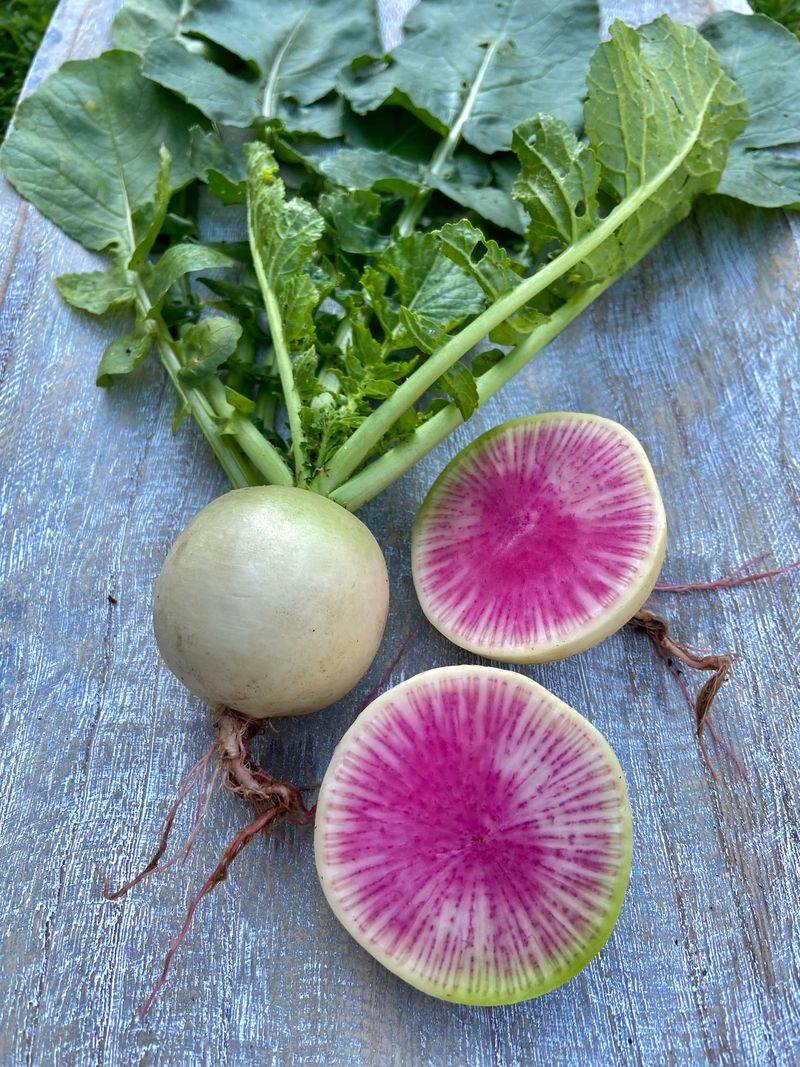
Watermelon radish has a fun surprise inside. It looks plain green and white on the outside, but slicing it open reveals bright pink flesh, which is how it earned its name. That beauty is worth the wait.
Your seed packet holds the answer. Look for the days to maturity, which tells you roughly how long the variety needs from sowing to harvest.
Mark that date on a calendar, and remember that fall growth often runs a bit slower than the packet says.
Before you give up on a bed, pull one test root. Gently brush away soil around the base of a plant and check what is happening underneath. If you see a root starting to thicken, give the rest more time.
Many North Carolina gardeners grow both quick and winter radishes in the same fall season. That mix is a great idea, since you get early crunch and later storage roots.
Just label your rows clearly, so you do not mistake a slow daikon for a problem when it simply needs a few more weeks.