Tatsoi, Mizuna, And Pak Choi Are The Fast Greens Made For North Carolina’s Short Fall Window
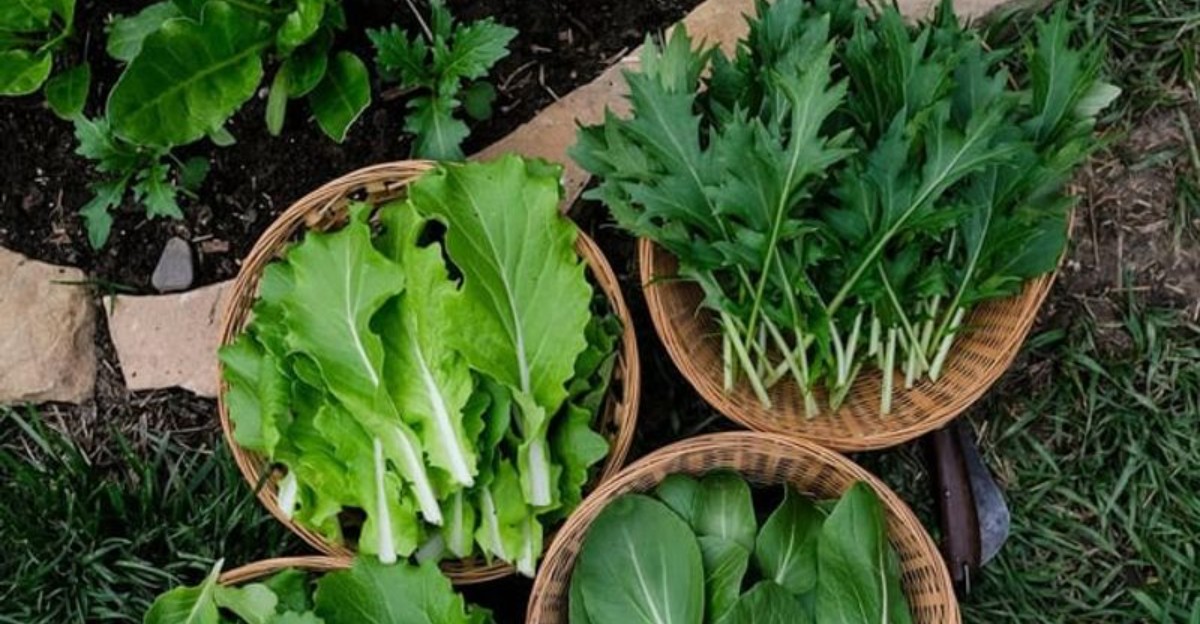
Fall is running out, and the vegetable beds are half empty. A lot of gardeners assume it is too late to plant anything.
A few greens quietly prove them wrong. Tatsoi, mizuna, and pak choi grow quickly, and baby leaves can be ready in a month or so.
They like cool weather, shrug off light frost, and take up very little space. You can sow them in a bed, a window box, or a pot by the back door.
The flavors range from mild and sweet to peppery and bold, and each one behaves a little differently in the kitchen. A short row planted now can still feed you before winter settles in. For a quick harvest with almost no effort, this trio is hard to beat.
1. They Go From Seed To Harvest Quickly
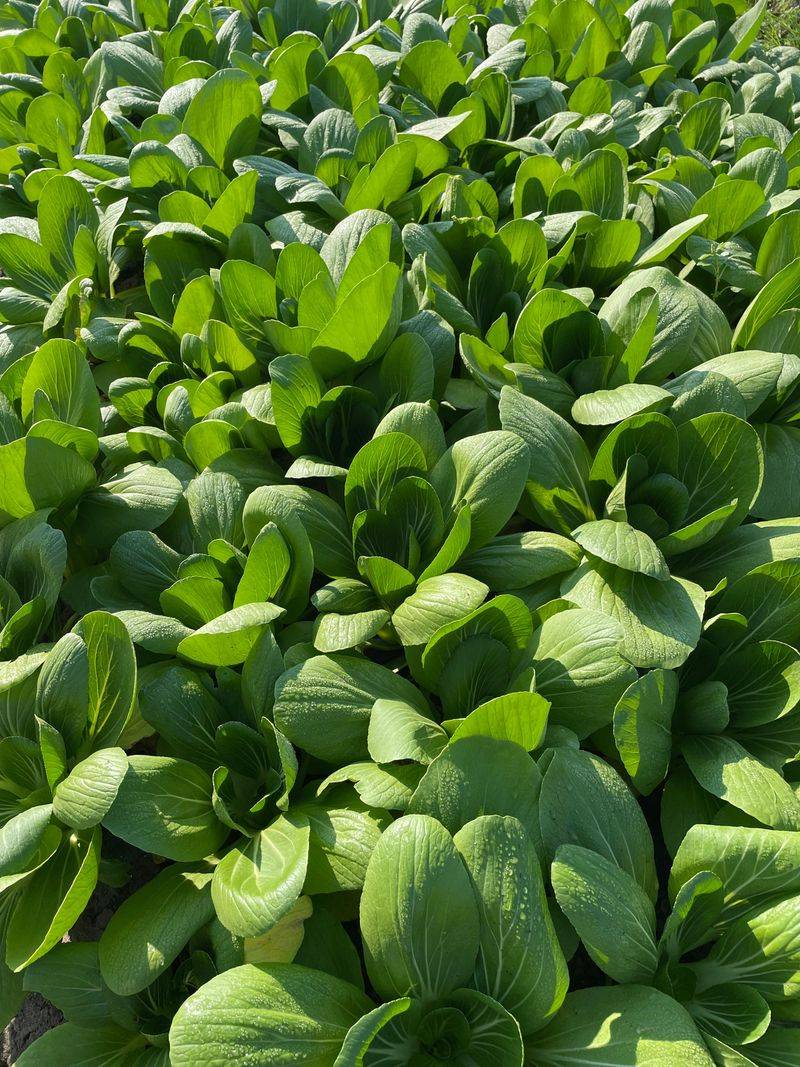
Speed is the secret weapon of a smart fall garden. Tatsoi, mizuna, and pak choi rank among the fastest greens you can plant, and that makes them a gardener’s best friend when time is tight.
Baby leaves of all three can be ready to pick in about three to four weeks. If you let them grow to full size, most plants mature in about 40 to 60 days.
That timeline fits neatly into the gap between summer’s last hot spell and the slow growth that arrives in early winter.
Good planning starts with the seed packet. Look for the days to maturity, since it tells you how long a variety needs before harvest.
Count backward from your area’s usual first hard freeze, and you will know the latest safe date to sow.
Here is a simple trick that keeps your salad bowl full. Sow small batches every couple of weeks instead of planting everything at once.
You will get a steady flow of greens rather than one giant harvest that you cannot eat fast enough.
You can also mix your harvest styles. Pick some plants young as tender baby greens, and leave others in the ground to reach full size. That way, one bed feeds you early and keeps on giving later in the season.
All of this matters a lot in North Carolina. Once November arrives, days grow short, and plants slow down because they get fewer hours of sunlight. After that point, most greens barely grow at all until spring.
Fast crops beat that slowdown. By choosing greens that race to the finish line, you can enjoy fresh, homegrown leaves while slower crops are still catching up.
2. Tatsoi Handles Cold Better Than Most Greens
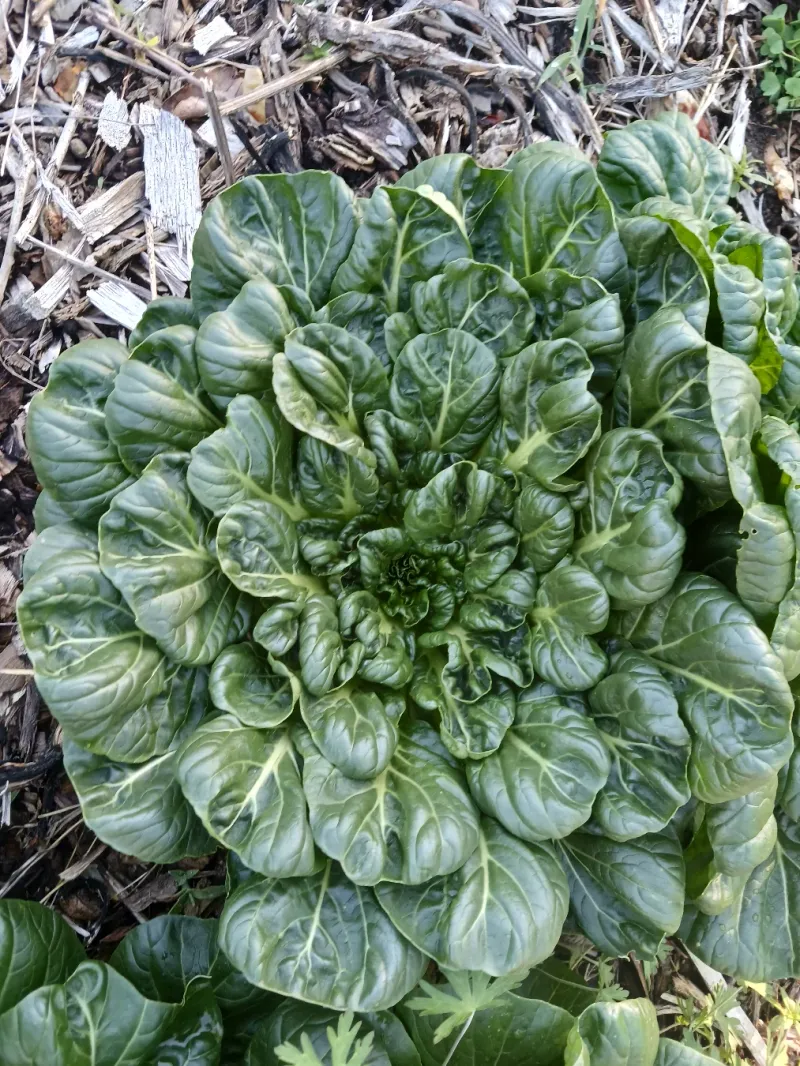
Frost on the garden can feel like bad news, but tatsoi barely blinks. Its dark, glossy, spoon-shaped leaves grow in a low, flat rosette that hugs the soil like a green dinner plate.
Known to scientists as Brassica rapa subsp. narinosa, tatsoi is a close cousin of pak choi and turnips. It is very cold tolerant and often handles hard frosts with little damage. While lettuce may wilt and sulk, tatsoi keeps looking fresh and shiny.
Flavor is another big perk. The leaves taste mild and slightly sweet, and they often get even sweeter after cold weather. Many gardeners say a frosty night turns tatsoi into a real treat.
Growing it is pretty simple. Sow seeds in fall in a spot with full sun, and thin the young plants to about 6 inches apart.
That spacing gives each rosette enough room to spread out and form its neat circle of leaves.
When harvest time comes, you have two choices. You can pick the outer leaves and let the center keep growing, or cut the whole rosette at once. Picking outer leaves stretches your harvest over many weeks.
During severe cold snaps, give your plants a little extra help. Cover them with row cover fabric to trap warmth from the ground. Remove or vent it on sunny, mild days so plants do not overheat.
North Carolina gardeners get a special bonus with this green. In the Piedmont and Coastal Plain, winters are often mild enough that tatsoi can be harvested well into winter. A small patch can keep your plate green long after many summer crops have faded away.
3. Mizuna Keeps Coming Back After Cutting
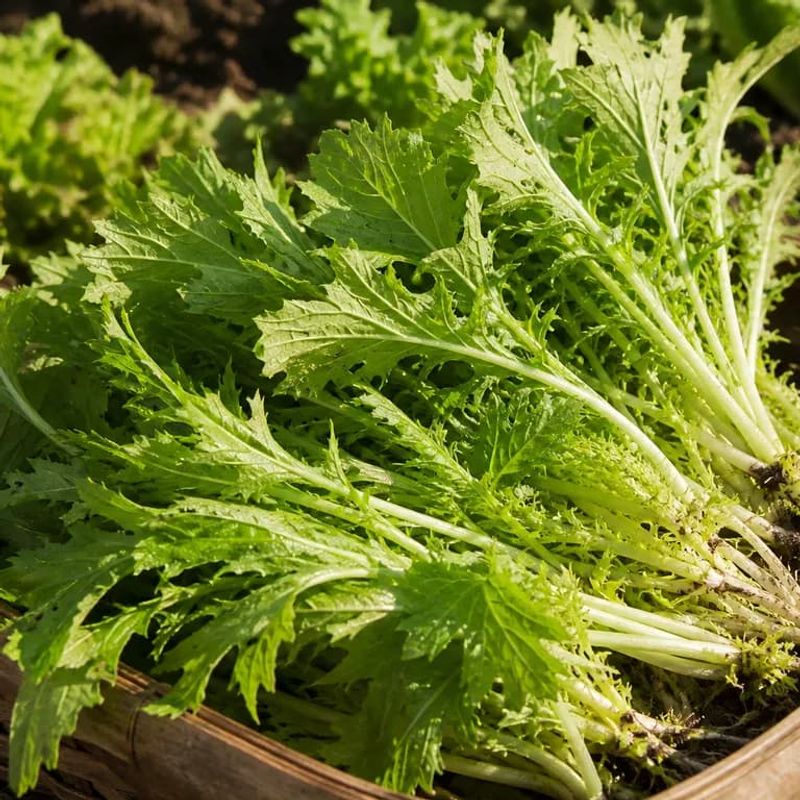
Some plants give you one harvest and call it quits. Mizuna has a different attitude, and it seems happy to keep feeding you again and again.
Gardeners in Japan have grown this green for centuries. Its feathery, deeply cut leaves look almost lacy, and they carry a mild, peppery flavor that perks up any salad. A handful adds texture and a gentle bite without overpowering other greens.
What makes mizuna shine in a short season is its comeback power. It grows quickly, and after you cut it, the plant sends up fresh new leaves. One planting can give you several harvests of crisp salad greens.
Start by sowing the seeds thickly in rows or small blocks. Crowded planting is fine here because you will be harvesting young leaves, not giant plants. A thick patch also helps crowd out weeds.
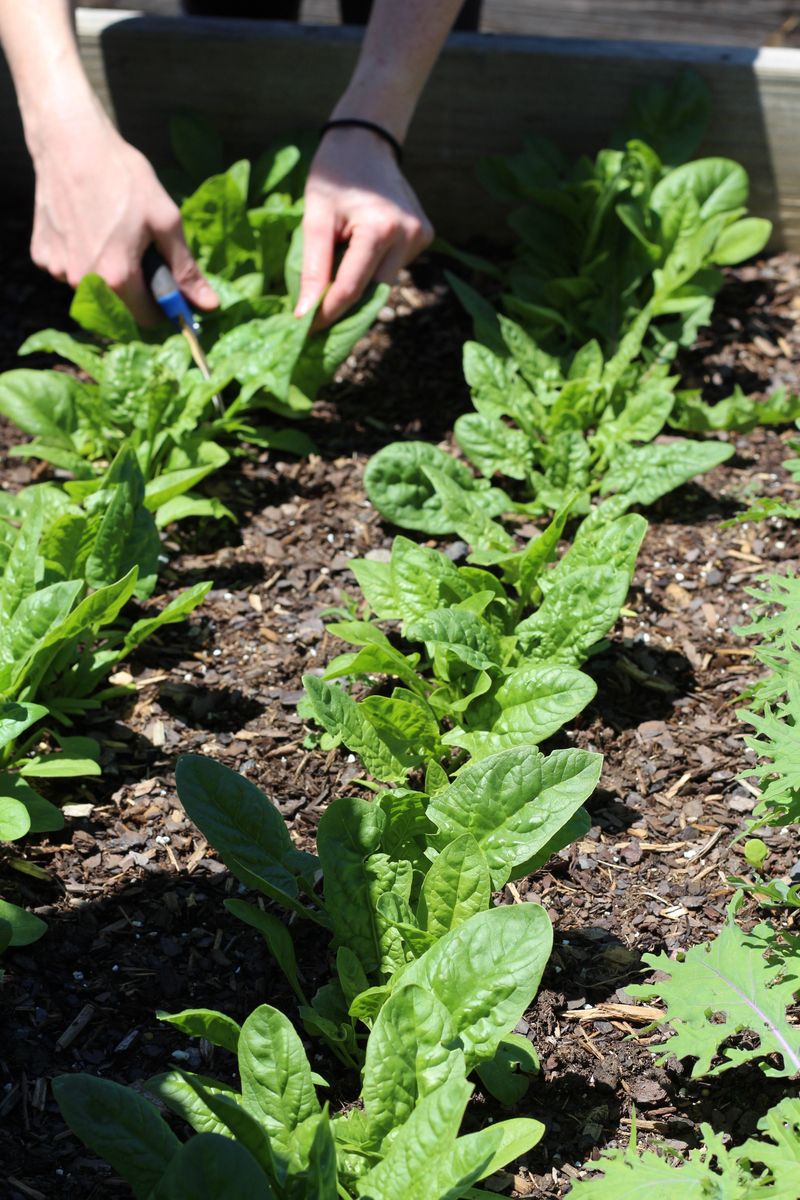
Grab a pair of clean scissors when the leaves reach 3 to 4 inches tall. Snip about an inch above the base of the plant, leaving the growing point untouched. Within a couple of weeks, new leaves will be ready for another round.
Keep the soil moist between cuttings to help regrowth. A light feeding with a gentle organic fertilizer can also give tired plants a boost after a few harvests.
For North Carolina gardeners, this cut-and-come-again habit is a big deal. Fall offers only so many growing weeks, and replanting takes time you may not have.
Mizuna lets you skip that step and keep harvesting from the same patch. That means more salads, less work, and a garden that earns its space all season long.
4. Pak Choi Offers Crisp Stems And Tender Leaves
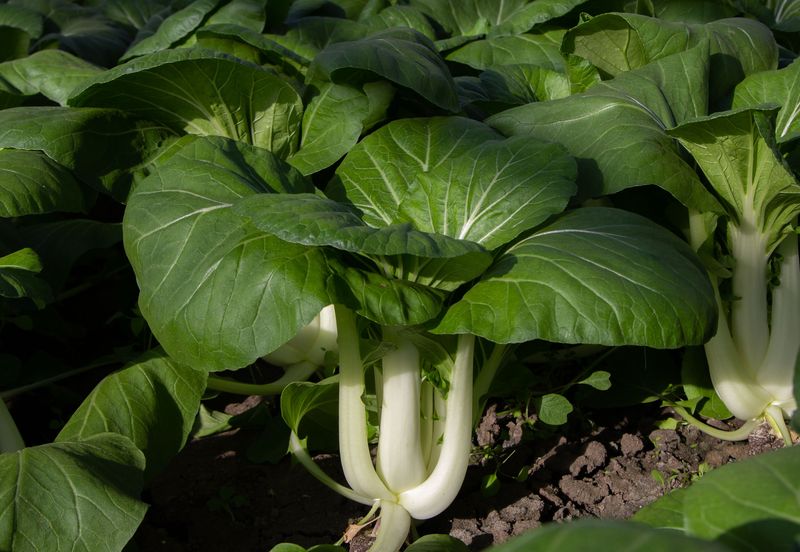
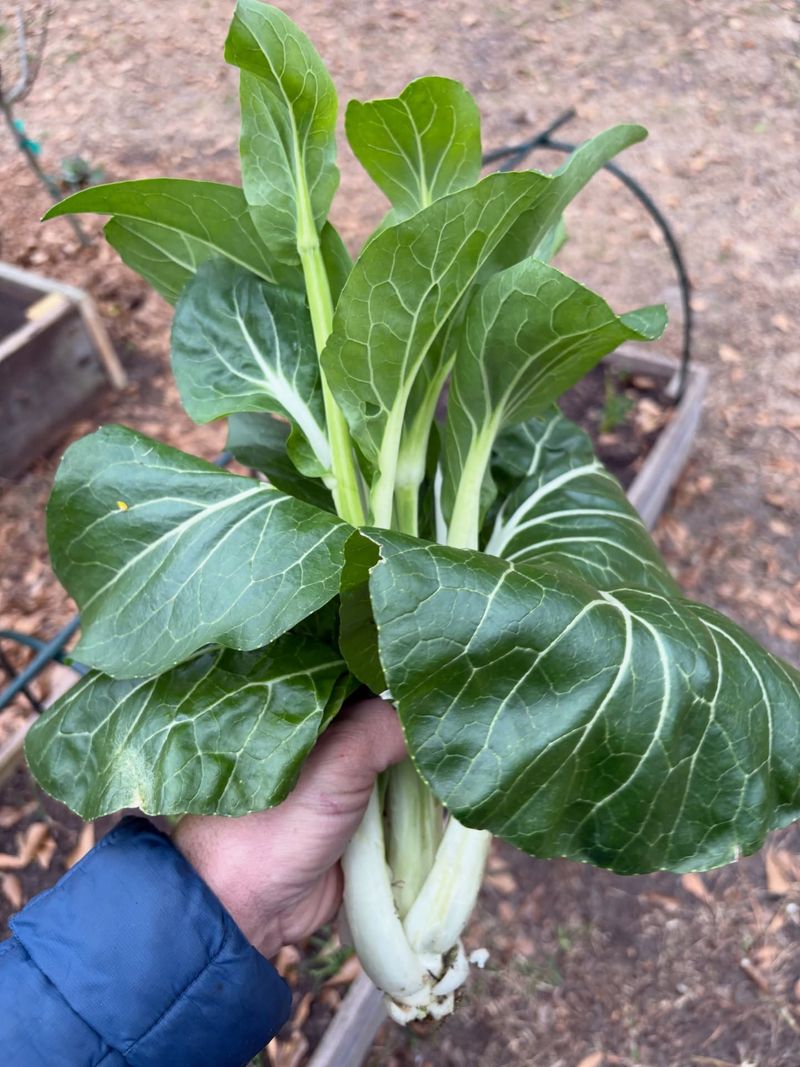
Crunch meets softness in every bite of pak choi. You may also know it as bok choy, the green you often spot in stir-fries at your favorite restaurant.
Each plant forms crisp white or green stalks topped with smooth, tender leaves. The stalks stay juicy and crunchy, while the leaves cook down quickly. That mix makes it one of the most useful greens you can grow.
Cooks love how flexible it is in the kitchen. Toss it into stir-fries, slip it into soups, or slice it raw into salads for a fresh snap. Baby pak choi can even be grilled or steamed whole for a pretty side dish.
Cool weather is where this plant does its best work. It grows quickly in fall, and baby pak choi can be harvested in just a few weeks. Full-size heads take a bit longer but are still speedy compared to cabbage.
Plant seeds or set out transplants in early fall. Keep the soil evenly moist, because dry spells can make the stems tough or push the plant to flower. A layer of mulch helps hold water in the soil.
Harvest baby plants when they are about 6 inches tall, or let them grow to full size. Choose bolt-resistant varieties when you shop for seeds, since they are less likely to send up flower stalks during warm spells.
North Carolina’s climate suits pak choi nicely. Planted on time, it is usually ready well before winter’s coldest weather arrives. You get a fresh, homegrown harvest while the garden is still mild and pleasant to work in.
5. They Fit In Small Spaces And Containers
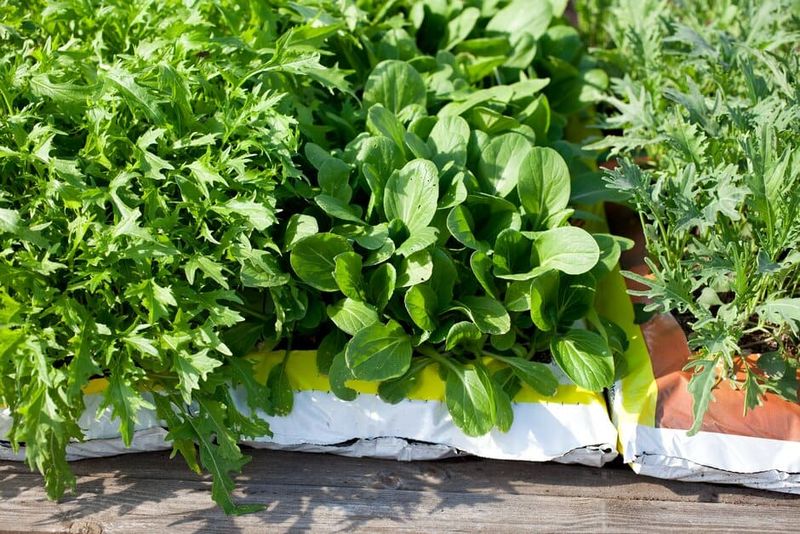
No yard? No problem at all. A sunny porch step can grow a surprising amount of food when you pick the right plants.
Tatsoi, mizuna, and pak choi stay fairly compact. They grow quickly and can be planted close together, so they make great use of every inch. That is why they work so well in raised beds, pots, and window boxes.
Gardeners with bigger plots can use them too. Tuck a few plants into gaps between broccoli or kale, and you will harvest the quick greens before the larger crops need the room. Nothing goes to waste.
Container growing is easy to get right. Choose pots at least 6 to 8 inches deep, and fill them with good potting mix instead of garden soil. Potting mix drains well and stays light, which roots really love.
Make sure every pot has drainage holes in the bottom. Soggy soil can rot roots quickly, especially in cool weather when water dries slowly.
Place your containers where they get full sun. In fall, the sun sits lower in the sky, so watch how shadows move across your patio before choosing a spot.
Watering takes just a quick finger test. Push a finger into the soil, and water when the top inch feels dry.
Pots dry out faster than garden beds, so check them every day or two during breezy weather.
Plenty of North Carolina families live in apartments, townhomes, or houses with tiny yards. These greens let them grow fresh food right outside the door. A few pots near the kitchen can turn into salad night with just a couple of snips.
6. Cool Weather Brings Out Their Best Flavor
Ask any grower when Asian greens taste best, and the answer is almost always fall. The cooler air seems to bring out something special in every leaf.
Cool temperatures keep the leaves tender and mild. Hot weather does the opposite, making plants tough, bitter, and quick to bolt.
Bolting happens when a plant rushes to make flowers and seeds, and the leaves lose their sweet taste.
Because of that, fall stands out as one of the very best seasons for these crops. Spring works too, but it often warms up too fast. Fall cools down steadily, which suits them perfectly.
Timing changes depending on where you live in the state. In the Mountains, sow seeds from late summer into early fall. Piedmont gardeners usually plant from September into October.
Down in the Coastal Plain, the window runs from late September into November. Warmer winters there give gardeners extra time to work with.
Every year is a little different, though. Some falls stay hot well into October, while others cool off early. Keep an eye on the forecast and shift your planting date by a week or two when needed.
That flexibility matters a great deal in North Carolina. Early fall can still bring days in the 80s or even 90s. Seeds sown too early may sprout into that heat and bolt before you get a good harvest.
Waiting for a cooler stretch is worth it. A short pause gives you sweeter, softer leaves and plants that stay leafy much longer. Patience truly pays off at the dinner table.
7. Row Covers Protect Them From Pests And Cold
Tiny holes in your greens overnight usually point to one suspect. Flea beetles love these plants, and they are not alone.
Tatsoi, mizuna, and pak choi belong to the mustard family, the same group as cabbage and broccoli. That family attracts flea beetles, cabbage worms, and aphids. Left alone, these pests can chew leaves full of holes or leave them sticky and curled.
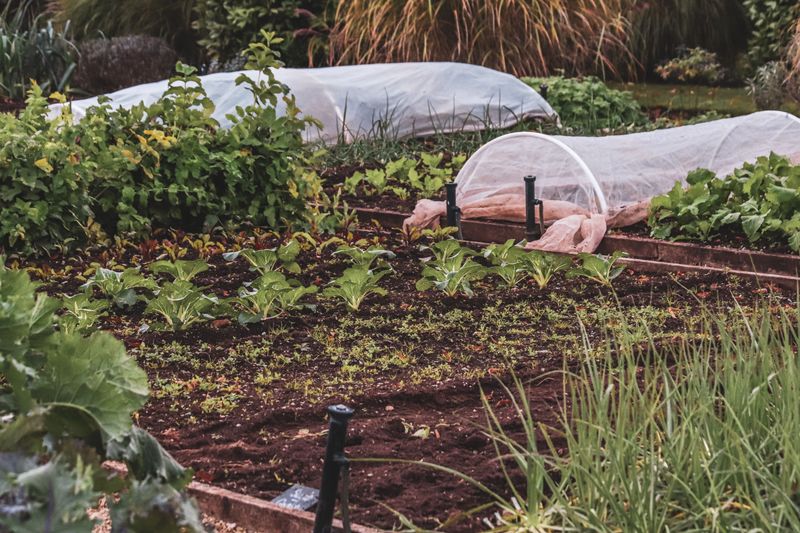
Row covers offer a simple fix. This lightweight fabric lets sunlight, air, and water pass through while keeping bugs out. It also adds a few degrees of frost protection on chilly nights.
Timing makes all the difference. Cover your plantings right after sowing, before pests find the young sprouts. If bugs get under the fabric first, the cover can actually trap them inside.
Seal the edges well using soil, bricks, or garden staples. Even small gaps let crawling insects sneak in. A snug edge keeps the whole bed safe.
Wire or plastic hoops help hold the fabric above the plants. Keeping the cover off the leaves stops it from rubbing them and gives the greens room to grow tall and full.
Peek underneath every few days. Look at the tops and bottoms of the leaves for eggs, green caterpillars, or clusters of aphids. Catching trouble early makes it much easier to handle.
North Carolina’s warm fall weather keeps cabbage family pests busy longer than in colder states. Bugs may stay active well into October or beyond.
A good row cover lets your greens grow clean and healthy while those pests stay on the outside looking in.
8. They’re Easy And Rewarding For Beginners
Every gardener remembers the first seed that actually sprouted. With these greens, that thrilling moment comes fast, often within just a few days.
New gardeners can feel nervous about doing something wrong. Tatsoi, mizuna, and pak choi make the job much less scary.
They sprout quickly, grow without much fuss, and reward you with food in only a few weeks.
Kids love them for the same reason. Waiting months for a pumpkin can test anyone’s patience, but watching greens pop up almost overnight keeps young gardeners excited.
Families can plant, water, and harvest together in one short season. Getting started takes very little. Sow seeds about a quarter inch deep, then cover them lightly with soil.
Keep the soil moist until the seedlings appear. As the plants grow, thin them so they have space. Here is the best part: the tiny thinnings are edible. Toss them into a sandwich or salad for a fresh, mild crunch.
Harvest often to keep plants producing. Regular picking encourages new leaves and helps you catch the greens at their tastiest.
Sow a new batch every couple of weeks for a steady supply. That way, you always have something young coming along while older plants finish up.
Across North Carolina, just a few rows can provide fresh harvests from fall into early winter. That is a lot of good food from a small effort.
For anyone hoping to start gardening, these three greens offer a confident first step and plenty of tasty reasons to keep going.