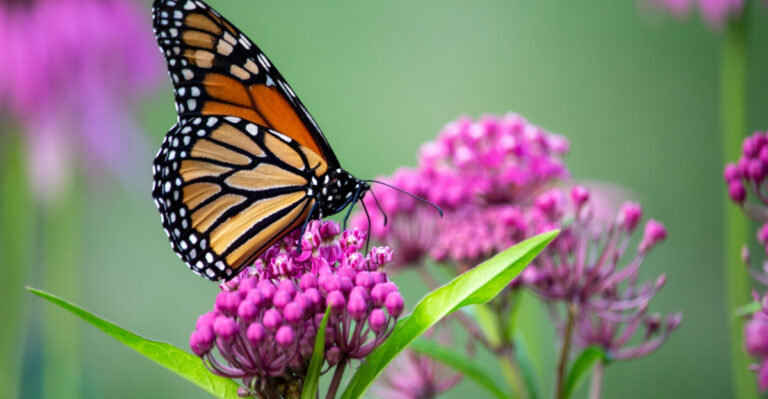
Why Monarchs Still Lay Eggs On South Florida Milkweed In Late Fall
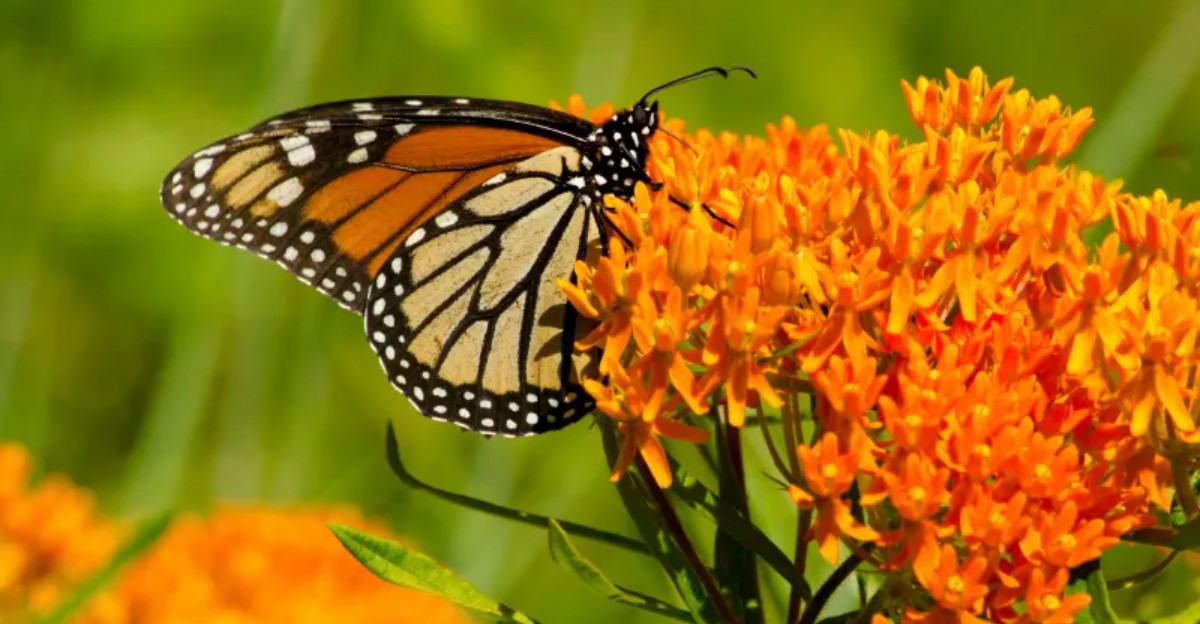
Some orange-and-black butterflies in Miami skip the famous trip to Mexico. They stay put, sip nectar in December, and keep raising babies like it’s still summer.
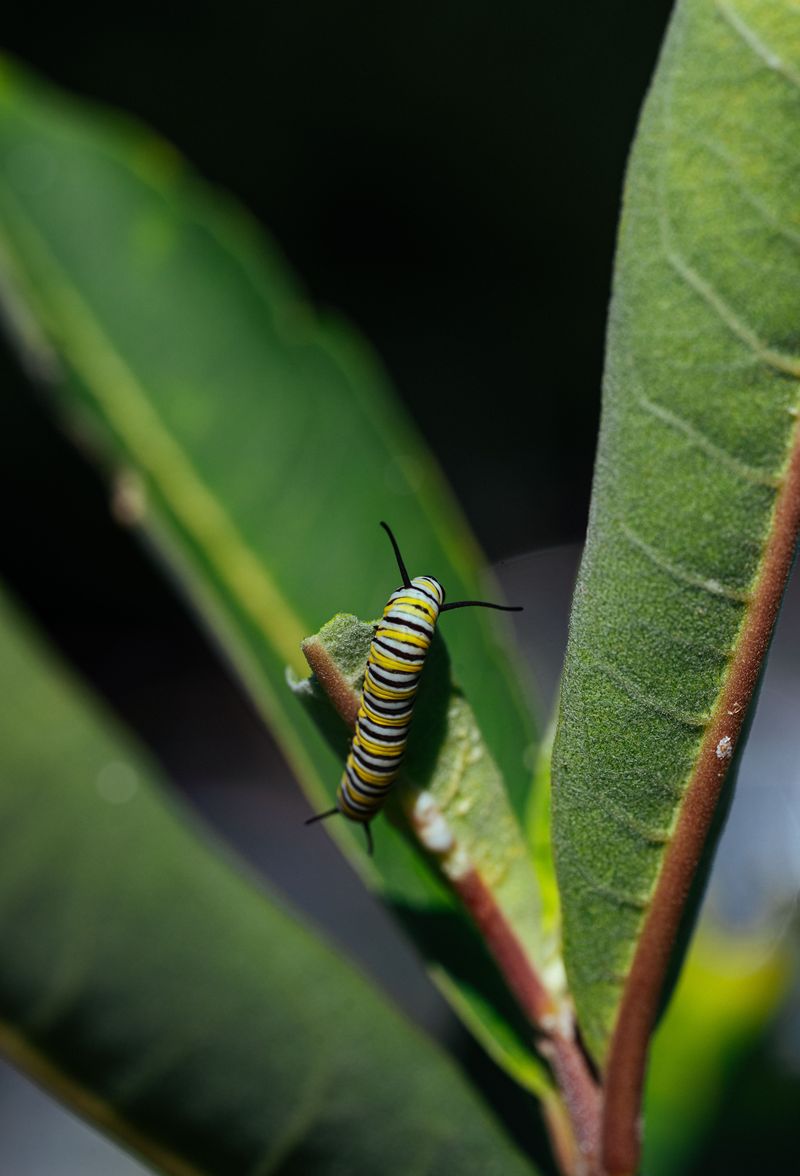
I love spotting tiny striped caterpillars when the rest of the country is raking leaves. Personally, I used to think every one of these fliers headed south each autumn. You’re in for a surprise, because South Florida has its own crew that lives here all year.
Warm nights play a part in this story. So does one popular garden plant that refuses to take a winter break. Researchers have studied this pattern for years, and their findings changed how I garden.
So what keeps these mothers laying eggs while the calendar says it’s time to rest? The answer might be growing right outside your back door.
Those Monarchs On Your December Milkweed Aren’t Lost
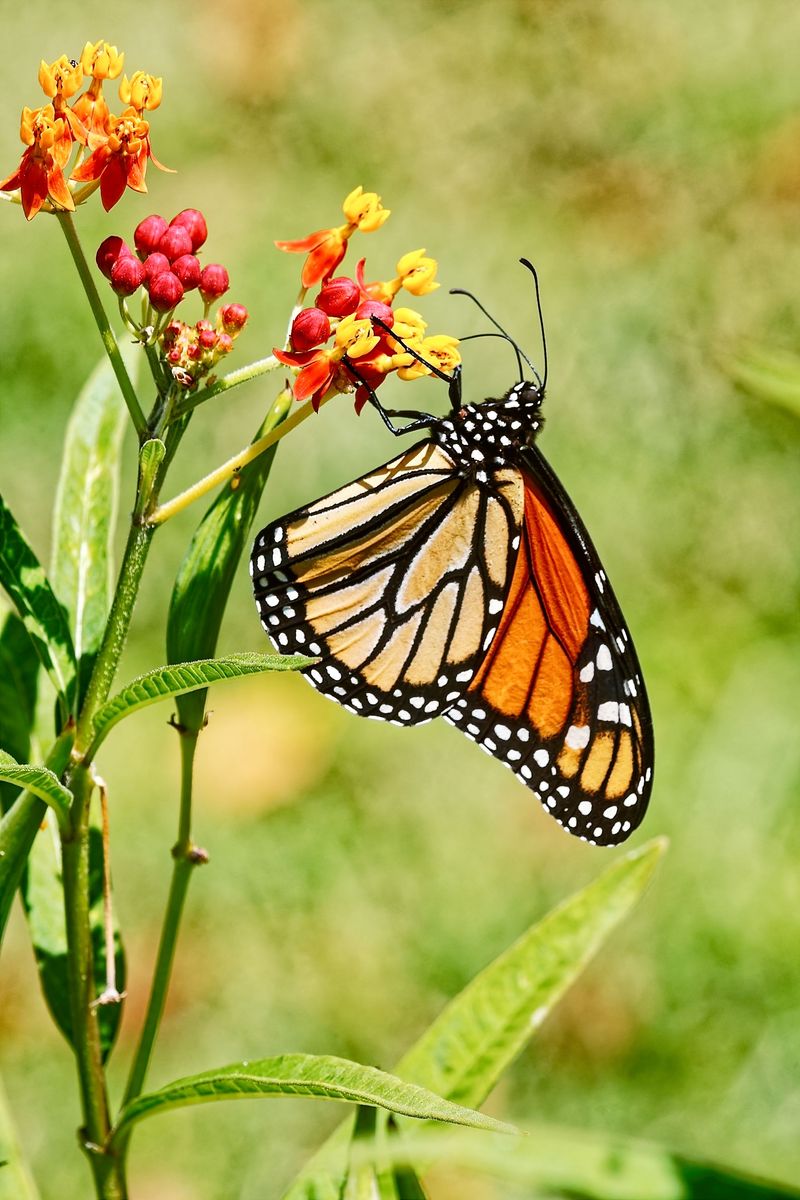
Nothing seems wrong when a monarch flutters past your porch in late November. Many people assume these butterflies took a wrong turn on the way to Mexico, but that is rarely the case.
The state hosts two kinds of monarchs: migrants passing through or wintering here, and a resident population that breeds all year. Researchers have tracked these year-round groups across the southern part of the state.
The resident butterflies do not enter the special non-breeding state that migrating monarchs use. Migrants pause egg-laying so they can save energy for a long flight and months of rest. Residents skip that pause and keep producing new generations every few weeks.
Warm weather makes this lifestyle possible. Frost is uncommon in this part of the state, so caterpillars can keep eating and growing through winter. A female monarch can lay hundreds of eggs in her short life, one egg per leaf or stem in most cases.
So if you find eggs or caterpillars in December, you are watching normal local behavior. The bigger question is what plant those mothers are choosing, and that detail matters more than most gardeners realize.
Evergreen Tropical Milkweed Sends Monarchs A Year-Round Breeding Signal
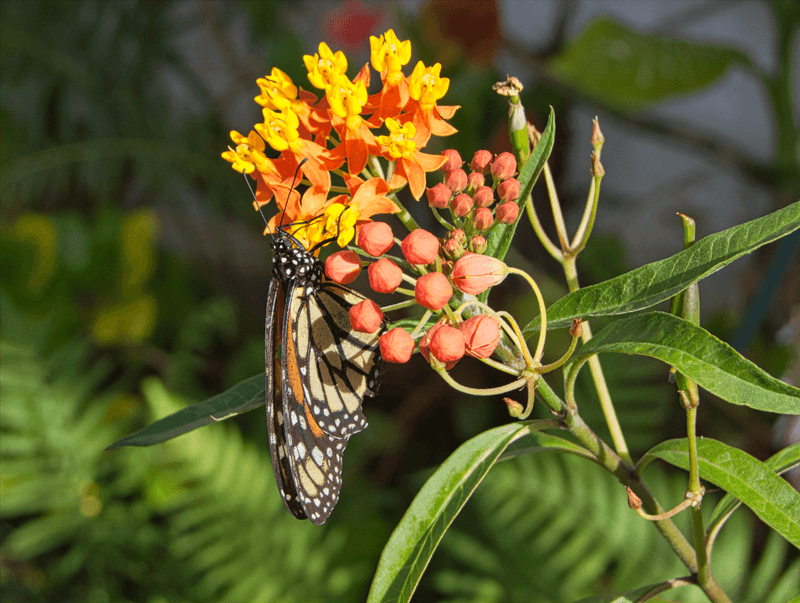
Bright red and yellow blooms make tropical milkweed a garden center favorite. Sadly, that cheerful look is a big reason monarchs keep breeding when they might otherwise slow down.
Tropical milkweed, Asclepias curassavica, comes from Central and South America. In the southern part of the state it stays leafy and flowering through the cooler months. Most native milkweeds behave differently, fading back or going dormant as days shorten.
Monarchs read fresh green milkweed as an open invitation. A female senses the plant through her feet and antennae, decides it is a safe nursery, and lays her eggs. When that plant stays lush all winter, the invitation never expires.
Scientists, including teams publishing in peer-reviewed journals, have found that winter tropical milkweed can encourage some monarchs to breed instead of continuing their migration. That shift is one explanation for the late-fall egg-laying so many gardeners notice.
Not every egg comes from a confused migrant, of course. Resident butterflies would still breed through the winter anyway. However, abundant evergreen milkweed boosts winter breeding well beyond what native plants alone would support.
Your Florida Garden Changes Every Week. Your Plan Should Too.
Gardening in Florida changes quickly throughout the season. Every Friday you’ll receive a simple weekly plan showing exactly what to plant, prune, fertilize, harvest, and protect so you never miss the right timing.
Take a look at your own milkweed this week. If it is the red-and-yellow kind and full of leaves, you have found the main clue.
A Tiny Parasite Called OE Builds Up On Leafy Milkweed
Here’s a word worth adding to your garden vocabulary: Ophryocystis elektroscirrha. Most folks just call it OE, and it is a single-celled parasite that targets monarchs and queen butterflies.
Infected adults carry dormant spores on their scales. When they visit milkweed to lay eggs, some spores fall onto the leaves. Hungry caterpillars swallow those spores, and the cycle starts again inside a new butterfly.
Native milkweeds that die back in winter give the leaves a fresh start. Old foliage disappears, and spores go with it. Evergreen tropical milkweed keeps the same leaves around for months, so spores can pile up.
Research from the University of Georgia and others found higher OE infection rates in monarchs using winter tropical milkweed. Heavily infected butterflies may emerge with crumpled wings, struggle to fly, or live shorter lives.
Migrating monarchs often carry less OE, partly because sick butterflies rarely finish the long trip. Resident populations lack that natural filter, so the parasite can spread more easily.
You cannot see spores without a microscope. Still, you can lower the risk with smart plant choices and a little seasonal trimming, which the next sections cover in practical detail.
Cut Your Tropical Milkweed Back To About Six Inches This Fall
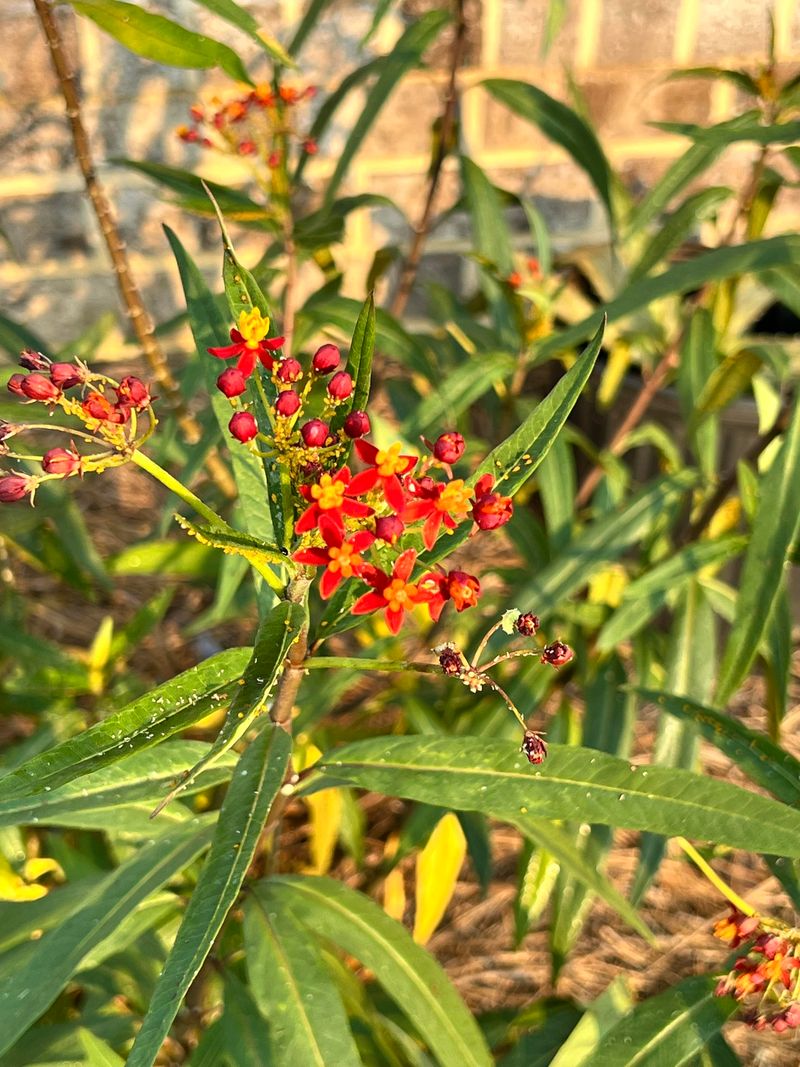
Grab your pruners, because this simple chore makes a real difference. Experts with the Xerces Society and Monarch Joint Venture suggest cutting tropical milkweed down to about six inches in fall and winter.
Trimming removes old leaves that may be carrying OE spores. It also takes away the steady signal that tells passing monarchs to stop and breed. The plant will regrow, and that fresh growth starts clean.
Timing matters. Many local gardeners trim in late fall and repeat every few weeks through winter if new leaves sprout quickly. Some prune again in early spring once the risk of heavy infection drops.
Before you cut, check carefully for eggs and caterpillars. You can move larger caterpillars to a native milkweed or another plant that still has leaves. Tiny eggs are hard to save, so gentle timing helps.
Bag the clippings rather than leaving them in the bed. Milky sap can irritate skin and eyes, so wear gloves and wash your hands afterward.
Honestly, it feels odd to chop a blooming plant. Once you see it as a reset button for butterfly health, the job gets much easier.
Native Florida Milkweeds Take A Healthy Winter Rest
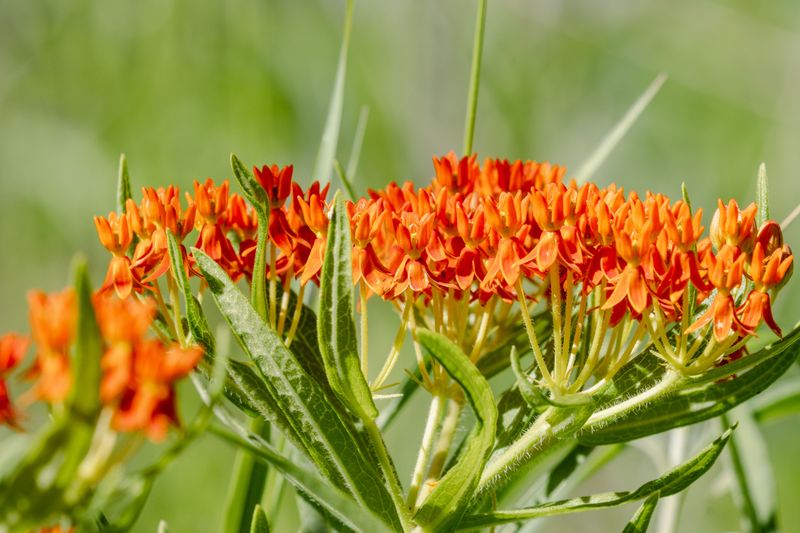
Swapping in native milkweed might be the most rewarding garden upgrade I have made. These plants grew up alongside local monarchs, and their natural rhythm fits the butterfly’s needs.
Good choices include butterflyweed (Asclepias tuberosa), pink swamp milkweed (Asclepias incarnata), and pinewoods milkweed (Asclepias humistrata). For wet spots, the Florida Wildflower Foundation also points to white swamp milkweed (Asclepias perennis).
Many natives slow down or go dormant in cooler months. That pause helps break the OE cycle and gives monarchs the seasonal cue they evolved with. Some South Florida natives may hold leaves longer, so watch your plants and learn their habits.
Natives can be a bit fussier than tropical milkweed. Butterflyweed wants sandy, well-drained soil, while swamp types like moist ground near ponds or rain gardens. Match the plant to your yard and it will reward you.
Look for nurseries listed by the Florida Association of Native Nurseries. Ask for plants grown without systemic insecticides, since those chemicals can harm caterpillars.
Start with a few plants in spring. By next fall, you will have a patch that feeds butterflies without encouraging out-of-season breeding.
Florida Lists Tropical Milkweed As An Invasive Plant
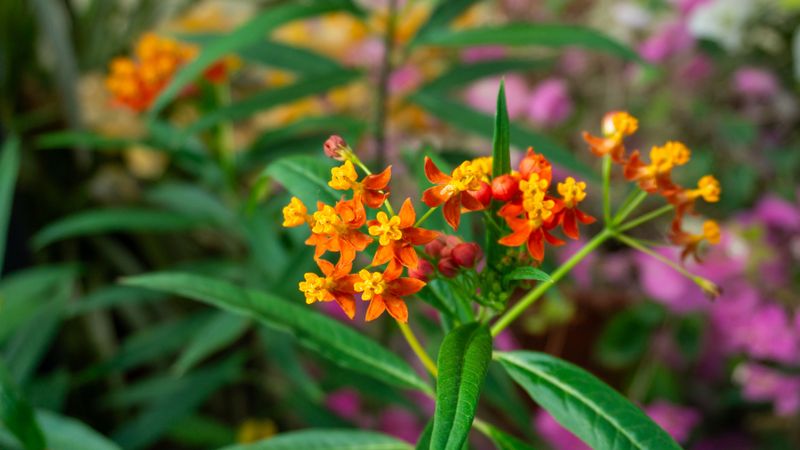
Surprise for many shoppers: the Florida Invasive Species Council lists tropical milkweed as a Category II invasive plant. That ranking means it has spread into natural areas, though it has not yet changed native plant communities on a large scale.
Seeds float on silky parachutes and travel far on the wind. A single garden plant can seed sidewalks, empty lots, and wild edges nearby. Over time those escaped plants add to the evergreen milkweed supply.
Category II status does not make the plant illegal to own in the state. Even so, extension experts at UF/IFAS discourage new plantings and encourage gardeners to choose natives instead.
If you want to keep a few tropical plants, manage them carefully. Snip seedpods before they split open, and keep up with winter trimming. Pulling volunteer seedlings around your yard helps too.
Gradually replacing tropical milkweed works for many people. You might add natives this spring and remove older tropical plants as the new ones settle in. Caterpillars stay fed during the switch.
Little choices in one yard add up across a neighborhood. When several neighbors make the same swap, the landscape starts sending monarchs a more natural message.
Fall Migrants Still Need Nectar Flowers Along The Way
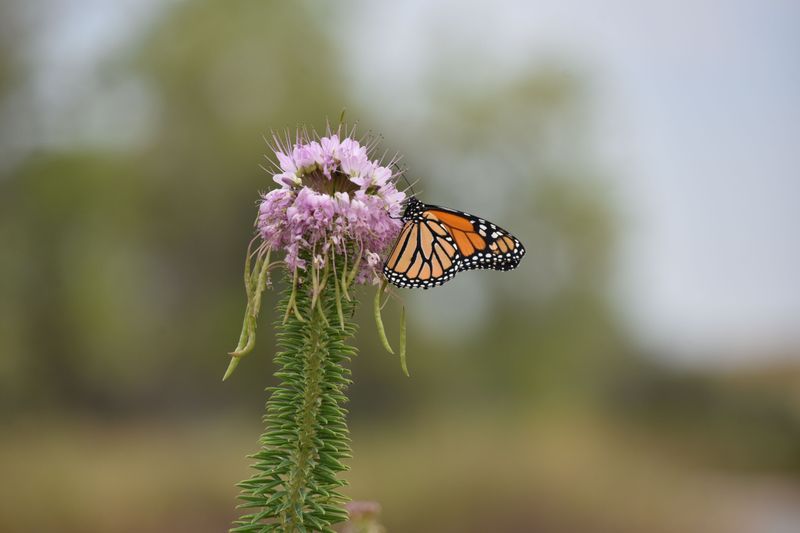
Migrating monarchs crossing the state in fall are hungry travelers. They need sugary nectar to fuel flight and build fat reserves, much more than they need places to lay eggs.
Some migrants head toward Mexico, while others may overwinter along the Gulf Coast or move farther south into the peninsula. Scientists are still studying exactly how these routes connect, so expect some mystery in the details.
Fill your yard with fall-blooming natives. Goldenrod, blazing star, Spanish needles, firebush, and native salvia offer rich nectar when butterflies pass through. Monarchs especially enjoy flat or clustered blooms that make sipping easy.
Planting in sunny groups helps. A big patch of one color is easier for a butterfly to find than scattered single plants. Add a shallow puddling dish with damp sand for extra minerals.
Skip broad-spectrum pesticides on these flowers. Even products sold for ornamentals can harm butterflies and caterpillars that visit your garden.
A yard rich in nectar and lighter on evergreen milkweed gives migrants what they need without asking them to stay and breed. Think of your garden as a roadside snack stop instead of a year-round nursery for weary fliers.
Your Caterpillar Sightings Can Help Monarch Scientists
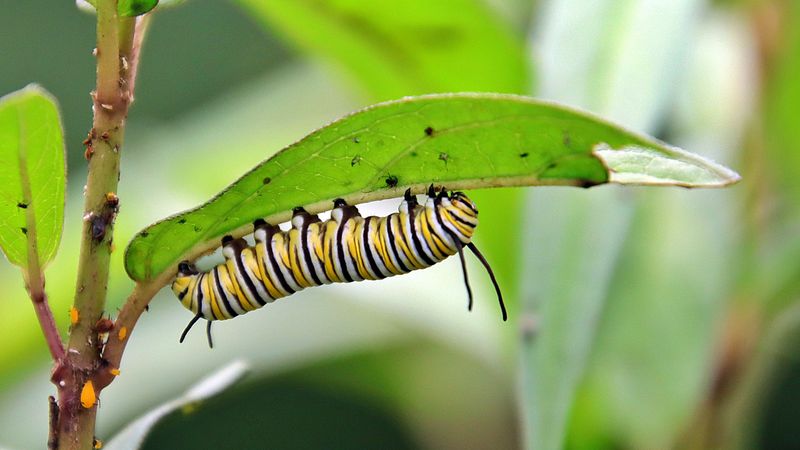
Spotting a striped caterpillar in December feels like finding treasure. You can turn that moment into real scientific data that helps protect monarchs.
Programs such as Project Monarch Health let volunteers test adult butterflies for OE using clear tape on the abdomen. The Monarch Larva Monitoring Project and Journey North collect sightings of eggs, caterpillars, and adults from backyards across the country.
Your South Florida reports matter because winter breeding data is still limited. Each record helps researchers understand how resident and migrating monarchs mix, and how milkweed choices affect their health.
Keep a simple notebook or phone log. Note the date, plant type, number of eggs or caterpillars, and any butterflies with damaged wings. Photos make your entries even more useful.
Try not to raise large numbers of monarchs indoors. Crowded containers can spread disease quickly, and experts suggest letting most caterpillars grow up outside.
My favorite takeaway is how much power one gardener holds. Plant natives, trim tropical milkweed in fall, offer nectar, and share what you see. Those steps give monarchs a healthier future, and your yard becomes part of a much bigger story.