8 Fall Vegetables Texas Gardeners Should Plant Right Now
Cold nights can turn certain garden leaves noticeably sweeter because plants store extra sugar to protect their cells from freezing. I learned this trick the tasty way, and my winter salads have tasted brighter ever since.
Texas gardeners get a rare gift each autumn, since our soil stays warm while the air finally cools down. Seeds sprout quickly in that warm ground, then the young plants settle into mild weather they truly enjoy.
I have to admit that fall is my favorite gardening season, mostly because the mosquitoes finally ease up. You also water far less, and the weeds slow down enough for you to actually win a round.
October in Texas is not a time for resting your beds, because the best planting window is wide open. So which crops deserve a spot in your garden before the first cold front rolls through town?
1. Broccoli
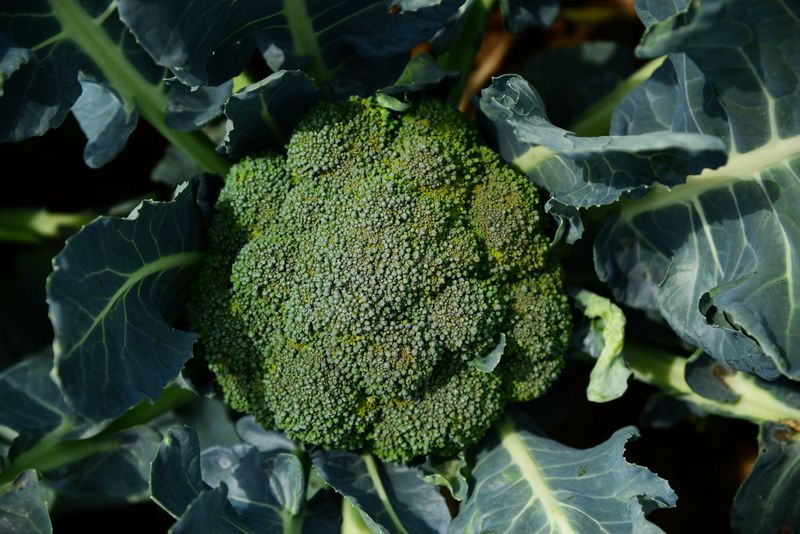
Broccoli heads are actually clusters of tiny flower buds, and you want to harvest them before they open yellow. I still grin when I spot that first tight green dome peeking up from the big blue leaves.
Timing matters a lot with this crop, since warm spells can push the buds to loosen and bloom early. In October, gardeners in central and southern regions can still set out sturdy transplants with good success.
Northern gardeners usually plant broccoli in late summer, so October there is better for feeding and watching plants. Buy healthy nursery transplants rather than seeds this late, because they give you a valuable head start.
Broccoli is a hungry plant, so work a few inches of compost into the bed before planting day. Once the plants are growing well, a light side dressing of nitrogen fertilizer helps them build bigger heads.
Space your transplants about eighteen inches apart in full sun, giving each one plenty of room to stretch out. Water deeply about once a week, and add mulch to keep the soil evenly moist between your waterings.
Keep an eye out for small green cabbage loopers chewing holes in the leaves during warm autumn afternoons. Handpicking works for a few caterpillars, while products containing Bt offer a safe option for larger groups.
After you cut the main head, leave the plant standing in the garden for a bonus harvest later. Smaller side shoots will pop up over the following weeks, and I think they taste just as sweet.
2. Cabbage
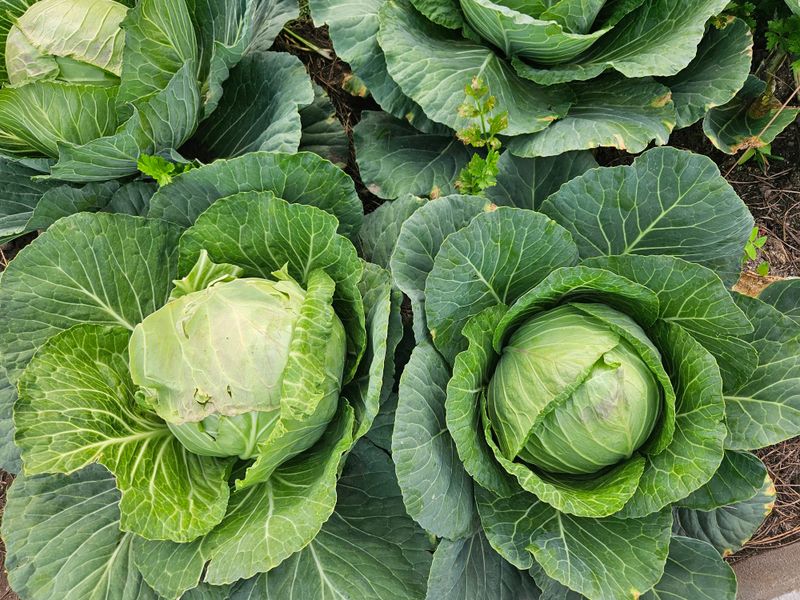
Cabbage has been grown by gardeners for thousands of years, and it still earns a proud spot in fall beds. I love the squeaky crunch of a fresh head, which tastes nothing like the tired ones from the store.
October works well for setting out cabbage transplants across much of Texas, especially in warmer southern areas. Pick varieties with shorter maturity times, such as early types, if your region gets frost in late November.
Light frosts rarely bother established cabbage plants, and many gardeners say a chilly night improves the flavor. The plant shifts some of its starches into sugars when temperatures drop, giving leaves a mild sweetness.
Your Texas Garden Changes Every Week. Your Plan Should Too.
Gardening in Texas changes quickly throughout the season. Every Friday you’ll receive a simple weekly plan showing exactly what to plant, prune, fertilize, harvest, and protect so you never miss the right timing.
Aim for soil with a pH between 6.0 and 7.0, which helps the roots pull nutrients from the ground. A simple soil test from your county extension office can tell you exactly where your garden stands right now, and many Texas counties offer this service.
Uneven watering often causes mature heads to split open, which is frustrating after weeks of patient care. Give the bed steady moisture, and cut back slightly once the heads feel firm and solid to your hand.
Plant your transplants about twelve to eighteen inches apart in a sunny spot with rich, well-drained soil. Crowded cabbages compete for food and light, so they usually produce smaller heads that take longer to form.
Personally, I harvest when the heads feel heavy and tight, slicing them off just above the lower leaves. Some varieties will even sprout small bonus heads from the remaining stem if you leave it in place, a nice bonus for any Texas gardener.
3. Carrots
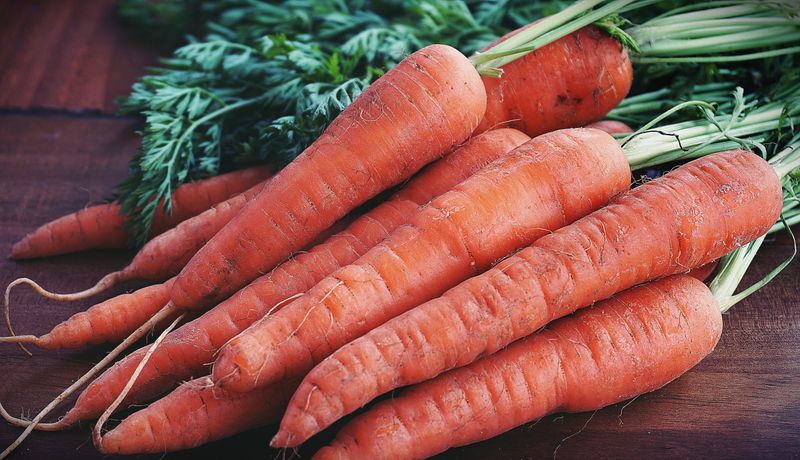
Purple was a common carrot color centuries ago, long before orange varieties became the familiar favorite we know today. I like growing a rainbow mix, because pulling a surprise color from the dirt feels like a small treasure hunt.
Fall is a fantastic time to sow carrots, since cool weather helps the roots develop their sweetest flavor. Sow seeds directly in the garden in October, because carrots rarely handle being moved from pots very well.
Those tiny seeds need steady moisture to sprout, and germination can take anywhere from one to three weeks. Cover the row lightly with burlap or a board to hold moisture, then remove it once seedlings appear.
Loose, sandy soil helps carrots grow long and straight, while heavy clay often leads to forked or stubby roots. If your yard has thick clay, try a raised bed or plant stubby types like Chantenay or round Parisian carrots.
Thinning feels painful, but crowded carrots tangle together and stay small, so give each one some breathing room. Pull extra seedlings until plants sit about two inches apart, and toss the tender tops into your salads.
Keep the soil evenly moist as roots grow, because dry spells followed by heavy watering can cause cracking. A thin layer of mulch helps hold moisture and keeps weeds from crowding the slender, feathery young plants.
Most varieties are ready to harvest in about seventy days, so October seeds can bring carrots by winter. Gently loosen the soil with a fork first, and you will pull up whole roots instead of snapped pieces.
4. Kale
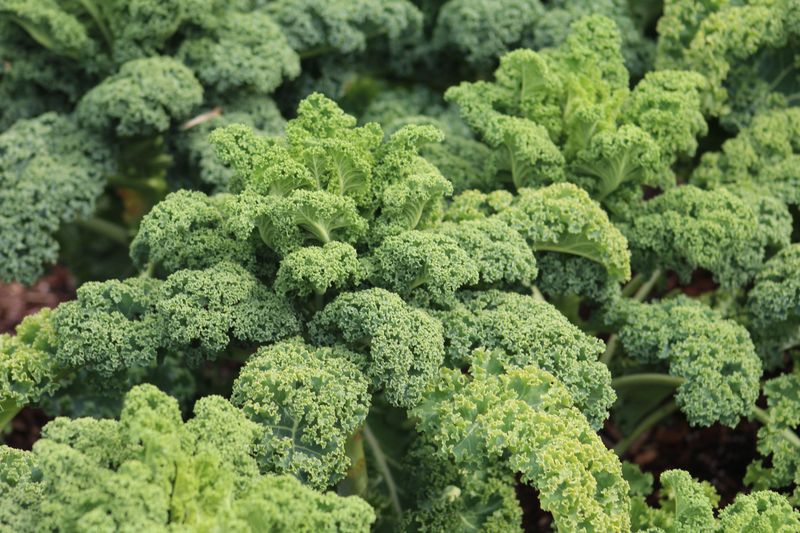
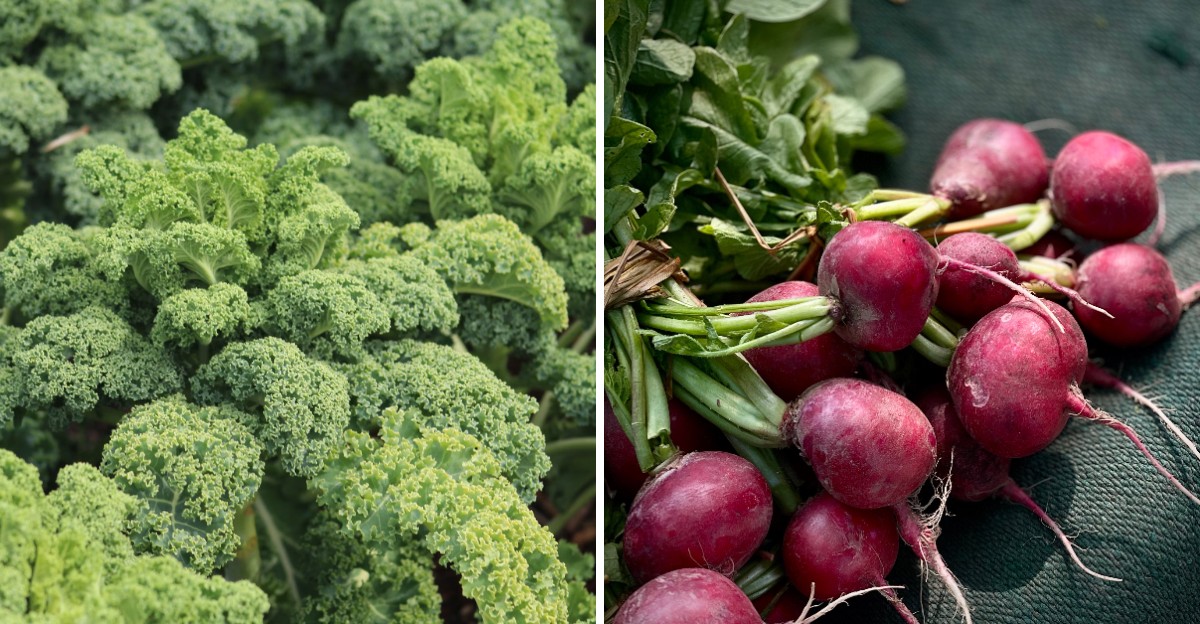
Kale might be the toughest leafy green in your garden, shrugging off chilly nights that send tender plants indoors. I have watched frosty kale leaves sparkle on a winter morning, then perk right up by lunchtime.
Cold weather actually improves the flavor, because kale converts some stored starches into sugar as temperatures drop. That means your December harvest will likely taste milder and sweeter than anything you picked in early fall.
October is a great month to set out transplants or sow seeds directly in most parts of the state. Seeds sprout quickly in warm autumn soil, and young plants grow fast once the hot afternoons start fading away.
Give kale full sun for the best growth, though it handles some afternoon shade during lingering warm spells. Rich soil with plenty of compost helps plants produce big, healthy leaves for months instead of just weeks.
Space plants about twelve to eighteen inches apart, since mature kale can spread wider than you might expect. Curly types look fun and frilly, while Lacinato kale has bumpy, dark leaves that some folks call dinosaur kale.
Harvest by snapping off the lower, outer leaves first, and let the center keep pushing out fresh growth. One healthy plant can feed a family for months if you pick regularly and leave the top bud alone.
Watch underneath leaves for aphids and small caterpillars, especially during warm weeks in October and early November. A strong spray of water from the hose knocks off most aphids without any need for harsh chemicals.
5. Lettuce
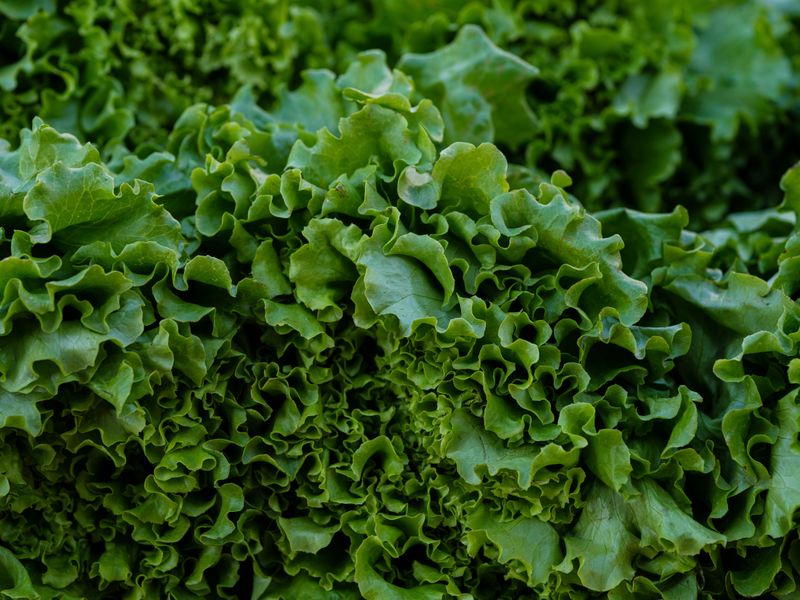
Lettuce leaves are mostly water, which explains why a freshly picked salad feels so crisp and cool on your tongue. I can’t imagine a fall garden without a few rows of ruffled red and green lettuce lining the edges.
Heat is the biggest enemy of this crop, because warm temperatures push plants to bolt and turn bitter quickly. October offers cooler weather in most regions, making it a fantastic month to sow lettuce seeds or set transplants.
Leaf lettuce types grow fastest, and you can start picking baby leaves in about thirty to forty days. Romaine and butterhead varieties take a little longer, but they reward your patience with tender, flavorful heads.
Lettuce seeds need light to germinate well, so press them gently into the soil and cover them very lightly. Keep the surface moist with a gentle sprinkle, because a crusty top layer can block those tiny seedlings.
Personally, I sow a short row every two or three weeks, which keeps fresh salads coming all season long. This simple trick prevents a huge harvest all at once, followed by weeks with nothing ready to eat.
Lettuce has shallow roots, so it appreciates loose, well-drained soil enriched with compost and steady, even moisture. A light mulch of shredded leaves helps keep roots cool and stops soil from splashing onto the leaves.
Hard freezes can damage tender lettuce, so keep frost cloth or an old bedsheet handy for cold nights. Cover plants in the evening before a freeze, then uncover them the next morning once temperatures warm up.
6. Radishes
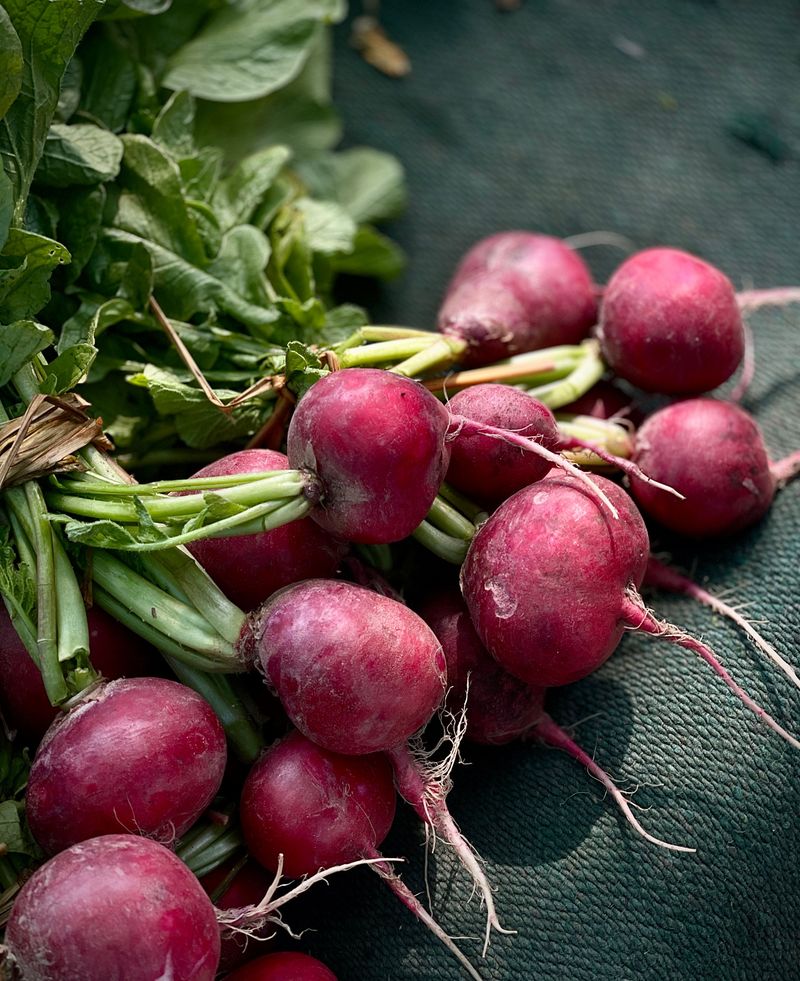
Radishes are the speed racers of the vegetable world, and some varieties go from seed to salad in about a month. I love planting them with kids, because the quick results keep young gardeners excited instead of bored and wandering off.
October weather suits radishes nicely, since cooler temperatures help the roots stay crisp and mildly spicy. Hot weather often makes them woody or overly sharp, which is why fall plantings usually taste the best.
Sow seeds directly about half an inch deep, spacing them roughly one inch apart in loose, well-drained soil. Thin seedlings to two inches apart once they sprout, or the roots may stay skinny and refuse to swell.
Steady moisture is the real secret, because dry soil can make radishes tough, hollow, or painfully hot. Water lightly but often, especially during breezy autumn days when the top layer of soil dries out fast.
Try planting a short row every week or two, and you will enjoy a fresh crunch for months. Cherry Belle is a classic red choice, while French Breakfast offers a slender shape with a white tip.
Have you heard about using radishes as garden helpers alongside slower crops like carrots in the same row? Radishes sprout fast and mark the row, then you pull them out before the carrots need the extra space.
Harvest promptly once roots reach about an inch across, because radishes left too long turn pithy and cracked. Do not toss those leafy tops either, since young radish greens taste great sautéed with a little garlic.
7. Spinach
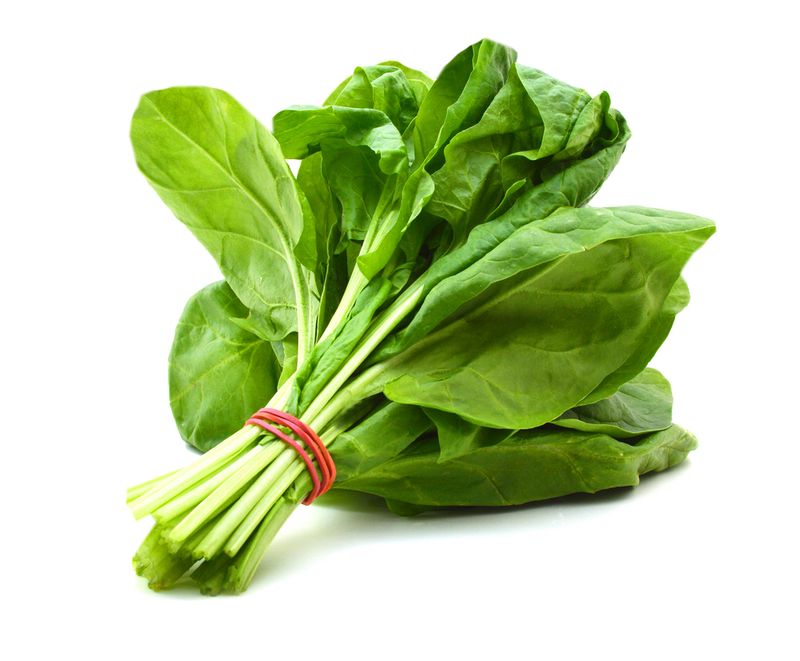
Spinach seeds are a bit fussy, and they often refuse to sprout when soil temperatures climb too high. I learned this the hard way after sowing in early September and waiting weeks for seedlings that barely appeared.
October soil is usually cool enough for better germination, especially in northern and central parts of the state. South Texas gardeners often get better results waiting until late October or November, when the heat finally breaks.
Soak seeds overnight before planting, which can help them sprout a little faster and more evenly in the bed. Sow them about half an inch deep, then thin young plants to stand about three to four inches apart.
Spinach loves cool weather and handles light frosts with ease, often growing slowly but steadily through the winter months. The leaves turn thicker and sweeter as nights get colder, which makes a winter salad taste extra special.
Choose a sunny spot with rich, well-drained soil, and add compost to give the plants a steady food supply. Savoy types have crinkly leaves that resist cold well, while smooth-leaf varieties are much easier to wash clean.
Spinach bolts quickly when days grow longer and warmer, so enjoy it heavily through the cool months ahead. Warm spring weather will eventually signal the plants to flower, which ends the sweet leaf harvest for the year.
Pick outer leaves when they reach a useful size, and the center will keep producing new growth for weeks. I like to grab a handful right before dinner, because freshly picked spinach wilts beautifully in a hot pan.
8. Swiss Chard
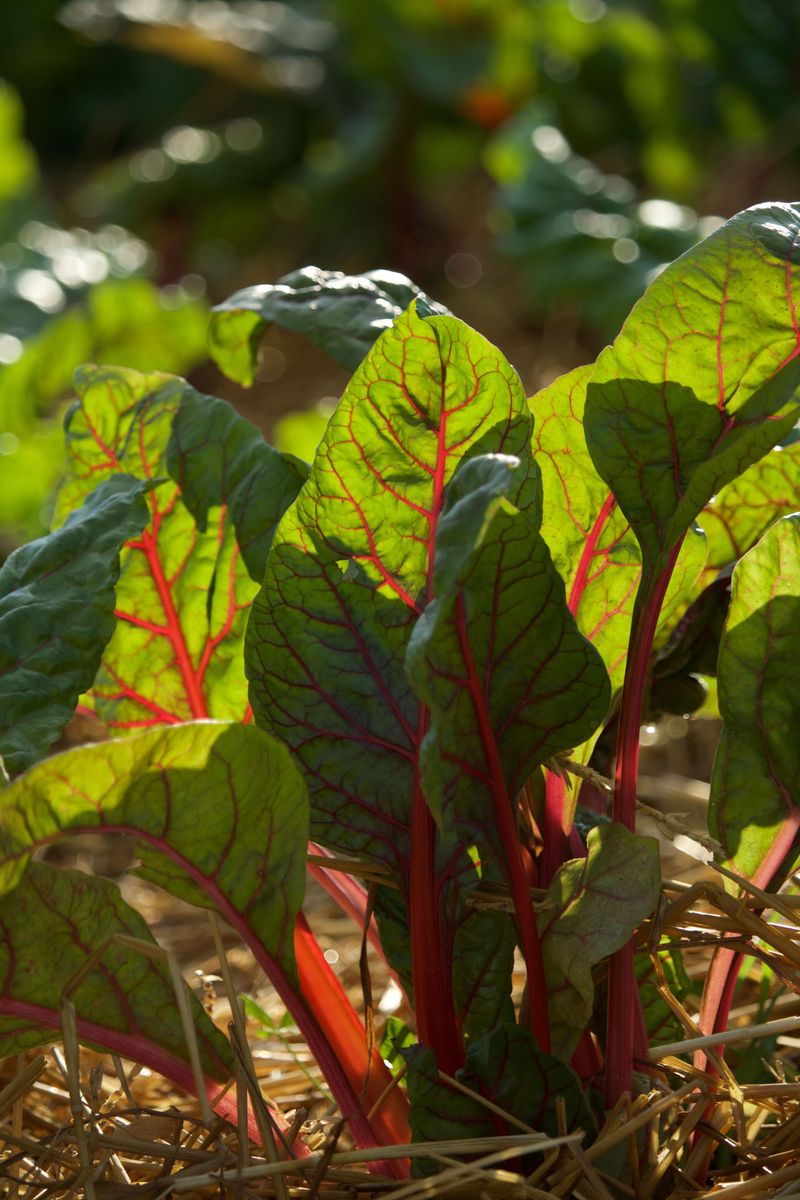
Swiss chard is actually a close cousin of beets, but it puts its energy into leaves instead of roots. I adore the glowing ruby and golden stems, which look like stained glass when the afternoon sun hits them.
October is a great time to sow chard seeds directly or tuck nursery transplants into your fall garden beds, especially in Texas. The plants tolerate both lingering warmth and light freezes, which makes them a forgiving choice for beginner gardeners.
Each wrinkly chard seed is really a cluster of several seeds, so you will often see multiple sprouts together. Thin the seedlings to about eight to twelve inches apart, and add the tiny thinnings to a fresh salad.
Chard grows best in full sun or partial shade, with rich, well-drained soil and plenty of added organic matter.
Water regularly during dry stretches, because thirsty plants produce tough leaves with a slightly bitter, earthy taste. In Texas, where autumn can stay dry and warm, this matters even more.
Bright Lights is a popular variety with a rainbow of stem colors, perfect for adding cheer to a winter garden. Fordhook Giant has thick white stems and tends to grow big, sturdy plants that handle cold weather quite well.
Harvest the outer leaves when they are eight to ten inches long, leaving the center to keep growing. Since chard is a biennial, a healthy plant may produce leaves for many months before flowering next year.
You might notice that chard stems take longer to cook than the leaves, so chop and sauté them first. Personally, I think this plant earns its spot twice, once for its beauty and once for your dinner plate, whether you garden in Texas or anywhere else.