A Firefly Lost To Science For 43 Years Was Spotted In Virginia
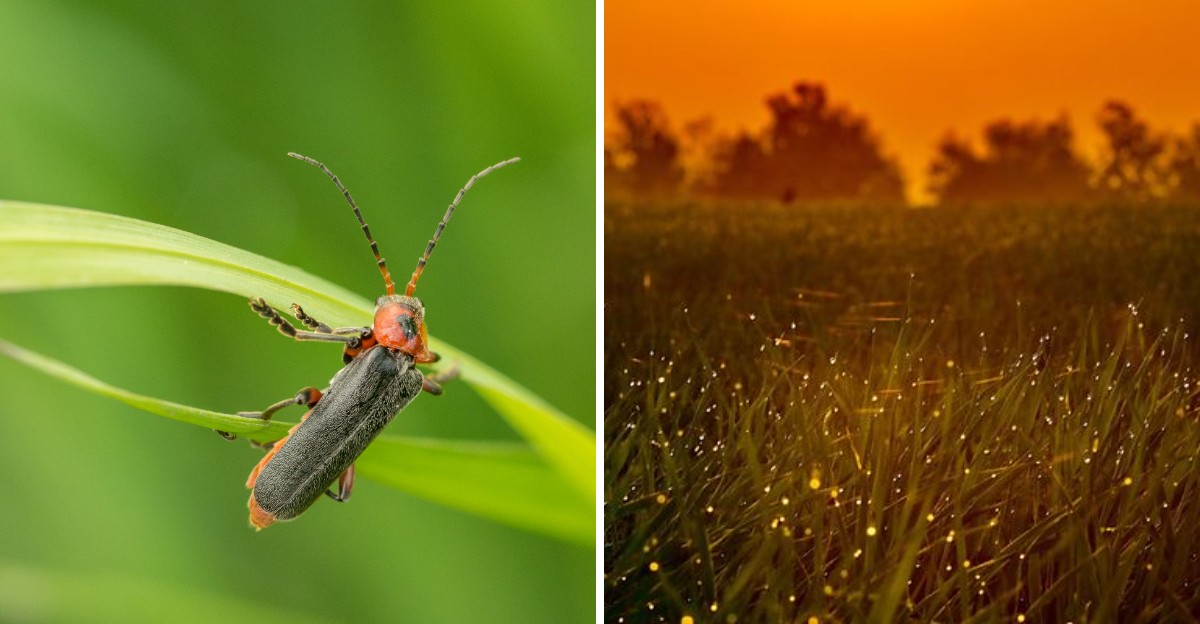
A tiny beetle flashing 10 to 20 quick amber pulses in a row went unrecorded by scientists for 43 years. Then it blinked right back into view in Virginia, and Virginia wasn’t the only place it turned up.
I love that the comeback happened in an ordinary meadow after dark. Nobody needed a jungle expedition or a deep-sea submarine. Someone just needed to look closely at the right moment.
The last confirmed record came in 1983, the same year many of us were rewinding cassette tapes. Researchers in two states spotted it again in the spring of 2026, working separately.
Personally, I find that timing a little magical. You probably share your summer nights with glowing insects already. So how many of those flickers have you truly watched?
Some of the lights drifting over your yard may carry stories that scientists are still piecing together, and that thought makes me want to sit outside a little longer tonight.
A Meadow Firefly Hid In Plain Sight For Decades
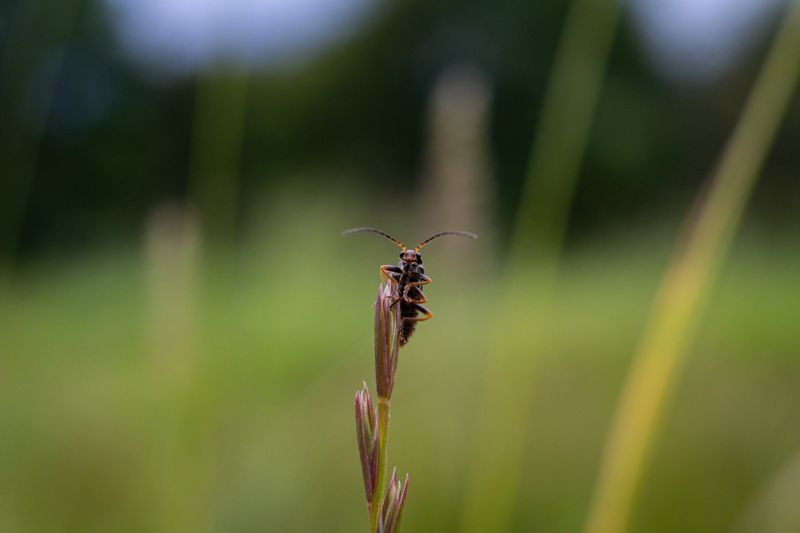
Scientists have a name for creatures that slip off the record books. They call them lost species, and the similar firefly, Pyractomena similis, earned that label after its last documented sighting in 1983.
Lost does not mean gone. It means nobody with the right training confirmed seeing it for a very long time.
For a small beetle that flies only at night and only for a few weeks, that gap is easier to understand than you might expect.
The comeback happened in the spring of 2026. Researcher Aljoscha Nern found the firefly in Virginia, while Christopher Heckscher independently spotted it in Delaware. Two separate finds in the same season gave the discovery extra weight.
I like how this story reminds us that our neighborhoods still hold secrets. Meadows, field edges, and quiet wet spots get walked past every day. Few people stop to ask which firefly is making which flash.
Conservation groups such as Re:wild and the Xerces Society shared the news quickly. Their excitement makes sense, since good rediscoveries give researchers a fresh chance to learn about a species before it fades again.
So the mystery was never that the insect disappeared into thin air. It was simply waiting for someone to notice it.
Those Rapid Amber Firefly Pulses Gave It Away
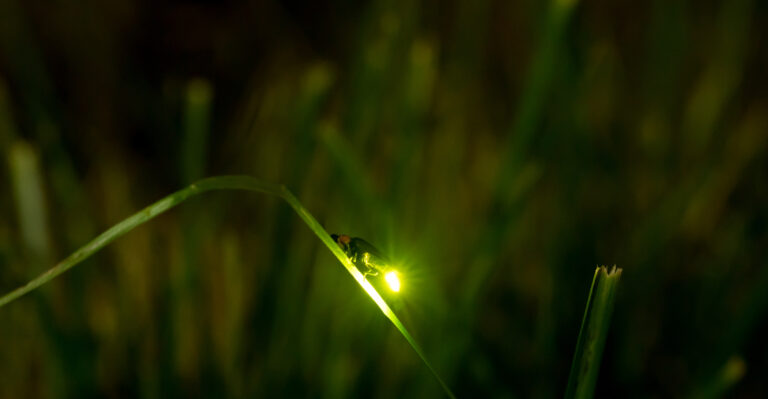
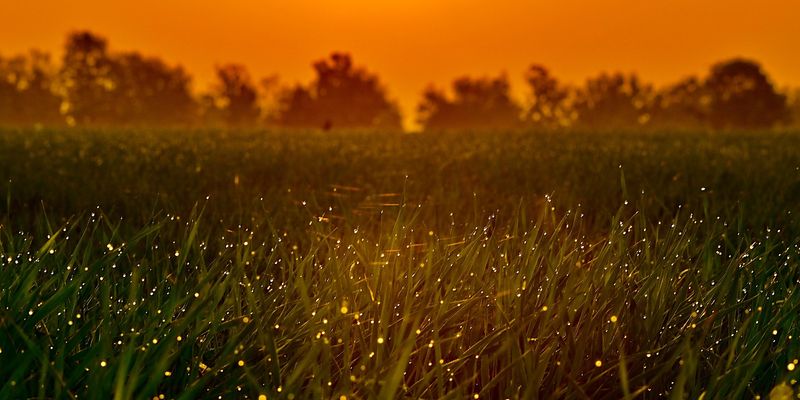
Most backyard fireflies send one tidy blink, then wait. The similar firefly chats a lot more. It produces a burst of roughly 10 to 20 rapid amber pulses, takes a short break, then repeats the pattern.
That warm orange glow stands apart from the yellow-green flashes many of us know from childhood summers.
Fireflies use flash patterns like a private language. Males flash while flying, and females answer from low plants. Each species has its own timing, which helps the right partners find each other in a crowded field.
Here is the clever part of the rediscovery. Field observers noticed the unusual light show first, then confirmed the identity by examining specimens under a microscope. A flash alone can fool people, so the closer look mattered.
Your Virginia Garden Changes Every Week. Your Plan Should Too.
Gardening in Virginia changes quickly throughout the season. Every Friday you’ll receive a simple weekly plan showing exactly what to plant, prune, fertilize, harvest, and protect so you never miss the right timing.
You can try a simpler version of this at home. Sit outside on a warm evening and count the pulses in one flash group. Note the color, too, and whether the insect is flying or sitting still.
Fun fact for curious kids: firefly light is often called cold light. Nearly all the energy becomes glow rather than heat, which beats any bulb on your porch for efficiency.
Why This Glowing Beetle Slipped Off The Radar
Honestly, part of the answer is pretty humble. Scientists had not studied this firefly in depth before 1983, so few people knew exactly what to look for.
Fireflies in general face real pressures. Habitat loss, pesticide use, and light pollution are the big three that researchers mention again and again.
Any of these could have made the similar firefly harder to find, though nobody can say for sure which played the largest role.
Short adult seasons add to the challenge. If you miss the right few weeks of spring, you miss the flashes entirely. Bad weather on a survey night can hide them, too.
Another factor is the number of experts. North America has well over 100 firefly species, yet only a small group of specialists can confidently tell many of them apart.
I believe that gap in knowledge is the most useful lesson here. A species can quietly decline when no one is tracking it, and it can also be overlooked while it is still hanging on.
That uncertainty is exactly why careful surveys matter. Every confirmed record helps scientists map where these beetles live and how they are doing.
Leave Some Leaf Litter For Firefly Larvae
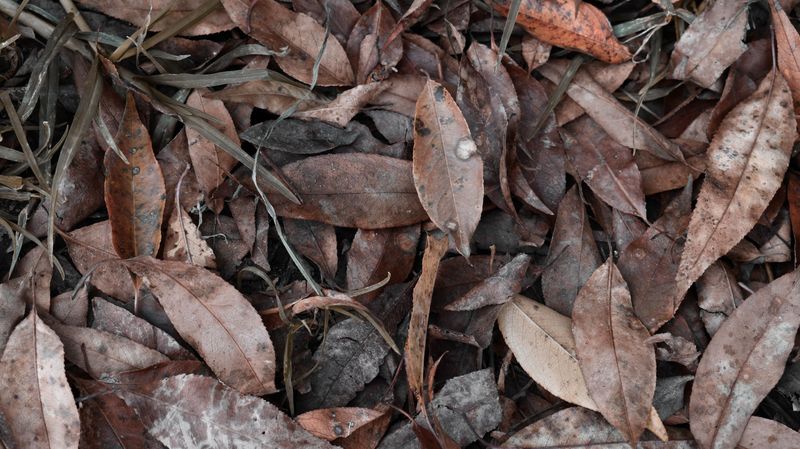
Grab your rake, then set it right back down for a bit. Firefly babies spend much of their lives on the ground, and they need that messy layer you might be tempted to clear.
Firefly larvae often live a year or longer in soil, leaf litter, and rotting wood. Many feed on snails, slugs, and worms, which makes them handy garden helpers.
Some larvae even glow, earning the nickname glowworms. You can help them with a few simple habits: leave a patch of fallen leaves beneath shrubs or trees, let a log or two decay slowly, and give a shady bed some water during dry spells, since larvae prefer damp spots.
Letting part of your lawn grow taller helps adults, too. Females often rest on grass blades and low plants while answering male flashes. A tidy, closely mowed yard gives them fewer places to perch.
Personally, I keep a no-mow strip along my back fence every spring. It looks a little wild, but the evening show there is noticeably brighter than over the short grass.
Native grasses and wildflowers make that strip look intentional and provide shelter that fireflies appreciate.
Your Porch Lights Can Drown Out Firefly Flashes
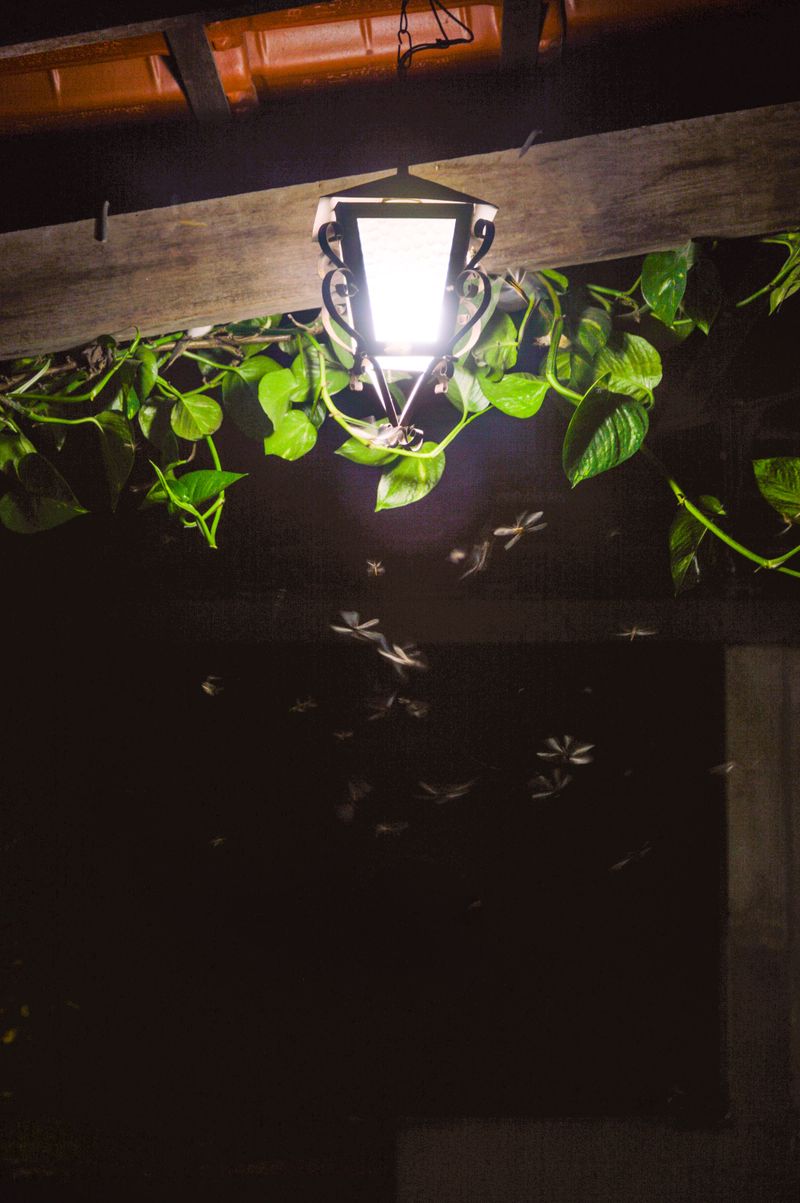
Bright lights at night are a bit like loud music at a party. Fireflies trying to talk with flashes can struggle to see each other through the glare.
Artificial light can interrupt mating signals during the peak flashing season of late spring and early summer. Fewer successful meetings can mean fewer larvae the next year. Luckily, this is one of the easiest problems to fix. Try these simple steps:
Switch off outdoor lights you do not need after dark. Use motion sensors for safety lighting instead of leaving bulbs on all night. Point fixtures downward and add shields so light stays where you want it.
Close your curtains in the evening, too. Indoor light spilling across a lawn can be surprisingly strong.
Some gardeners use red or warm-toned bulbs, since many fireflies seem less bothered by them than by bright white light. It is a helpful option, though darkness is still the best choice.
You can even talk with neighbors about a lights-out evening during firefly season. I can’t imagine a nicer block party than everyone sitting quietly outside, watching the yard come alive with tiny lanterns.
Skip The Spray And Fireflies Will Thank You
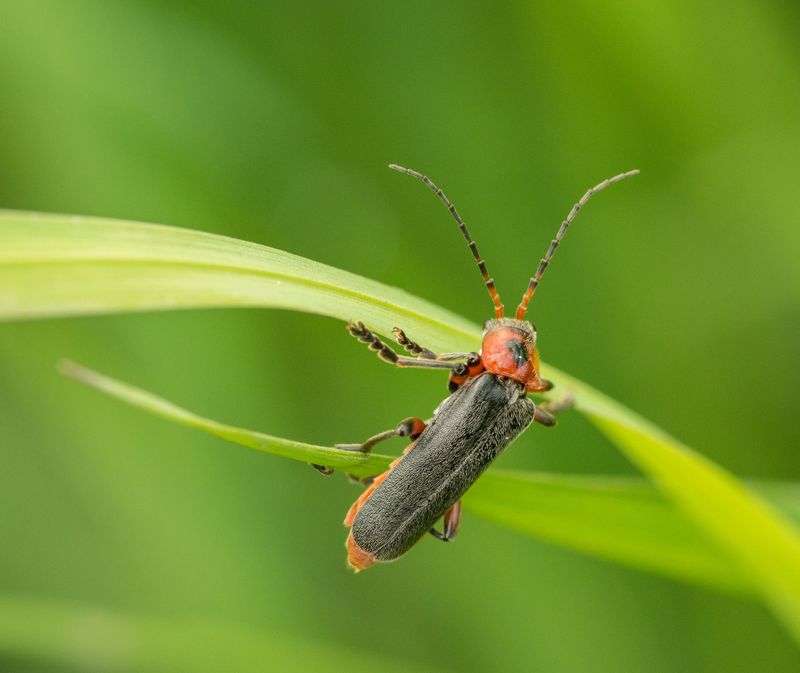
A healthy firefly population starts with healthy soil life. That is why pesticide habits matter so much for these beetles.
Broad-spectrum insecticides can harm fireflies at every stage. Lawn treatments aimed at grubs may also affect larvae living in the same soil.
Slug baits can reduce the snails and slugs that young fireflies eat. So what can you do instead? Start by asking whether a pest is causing real trouble or just a few holes.
Many problems settle down when birds, beetles, and other predators get a chance to work. Hand-pick large pests when you can.
Use targeted treatments only on the specific plant with a problem, rather than spraying the whole yard. Avoid mosquito fogging services, since those mists drift onto plants where fireflies rest.
Virginia Cooperative Extension offers integrated pest management guidance that walks gardeners through smarter, step-by-step choices. It is a solid free resource.
Planting native species helps, too. Native grasses, sedges, and wildflowers build a balanced garden where helpful insects thrive and fewer chemicals are needed. You need very little to get started here. Just pause before reaching for a spray bottle.
Count Backyard Fireflies And Help Scientists Learn More
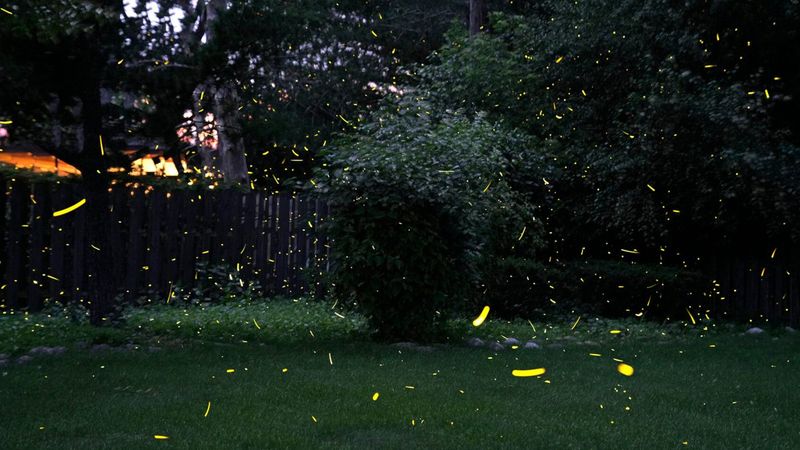
Ready for a summer hobby that costs nothing? Firefly watching turns your evenings into real science.
The similar firefly story proves how valuable careful observations can be. Researchers need more eyes in more places, and backyard gardeners are perfectly positioned to help.
Programs like Firefly Watch, run with the Mass Audubon network, and the Xerces Society firefly atlas invite community members to record what they see. You note the date, time, weather, and flash patterns.
Photos and short videos can help experts confirm species later. Here is a simple routine to try. Pick a regular spot, start about 30 minutes after sunset, and watch for ten minutes once a week.
Write down how many flashes you count and what colors appear. Please avoid collecting fireflies in jars for long. If kids want a closer look, let them observe gently and release the beetles where they were found.
Across Virginia, peak flashing often runs from late May into July, depending on the region and the weather.
Every record adds a puzzle piece. Who knows? The next surprising flash might show up right over your own garden.