Geraniums Can Spend The Indiana Winter Bare-Root In A Paper Bag And Still Bloom Next Year
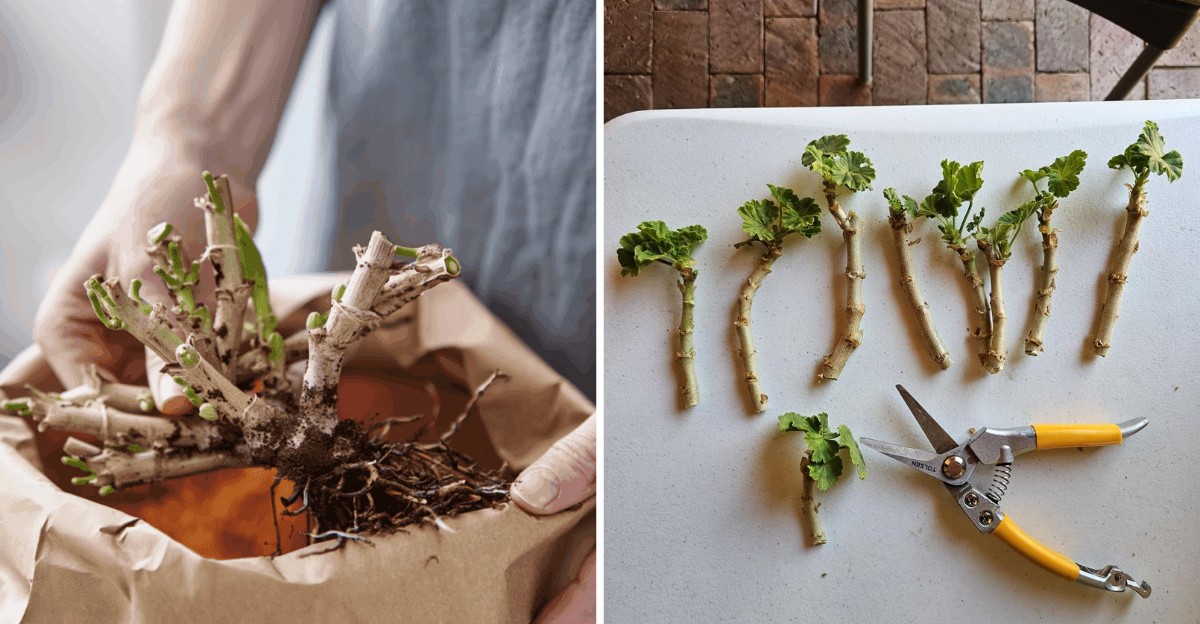
A brown grocery sack in a chilly basement can hold next summer’s flower show. I’m serious. Gardeners have stashed leafless, soil-free plants this way for generations, and many wake up in spring ready to grow.
The trick works because these sun-loving bloomers come from South Africa. Their thick stems store water and food, a bit like a camel’s hump. That built-in pantry helps them ride out months of rest without pots, light, or soil.
I love a gardening hack that costs nothing and saves money. You’ve probably tossed a few frosted plants onto the compost pile each fall, right? Here in Indiana, that’s a common habit, but it doesn’t have to be.
You need a cool spot, a little patience, and a few minutes each month. Could the plants on your porch right now be next year’s best bloomers?
Those Thick Geranium Stems Hide A Winter Survival Secret
Garden geraniums are not true geraniums at all. Botanists call them Pelargonium, and they come from warm, dry parts of southern Africa where plants learn to save resources for hard times.
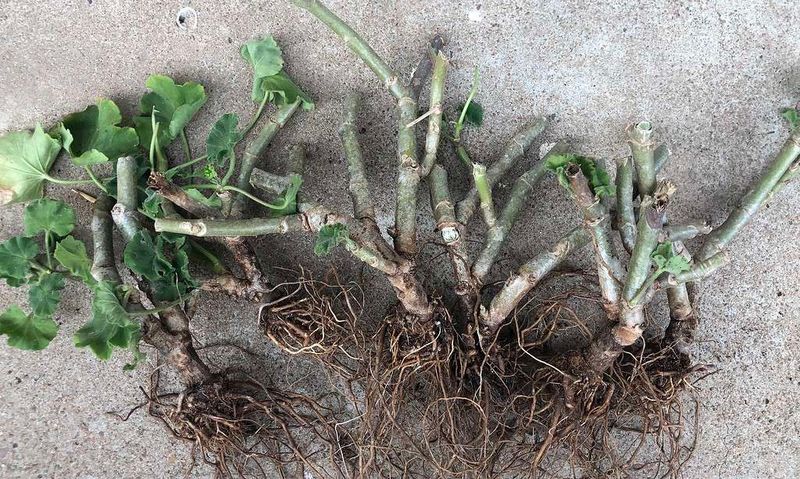
Look closely at an older plant and you’ll notice the stems get thick, woody, and a little succulent. Those stems act like storage tanks. They hold water and starches that keep the plant alive while it rests through a season with no light and no soil.
That built-in reserve is why the paper bag method works. University extension services, including Iowa State and Purdue, describe it as a traditional way to carry plants through winter. The plant slips into dormancy, sheds its leaves, and simply waits.
Still, it’s fair to set expectations. Success rates vary from home to home, and some stems may shrivel or rot over the months. Many gardeners report that most of their plants make it, but rarely every single one.
Fun fact: the true hardy geraniums, often called cranesbills, are a separate group that stays in the ground all winter. The bag trick is for the bright zonal types sold in spring flats and hanging baskets.
Dig Up Your Geraniums Before A Hard Frost Hits
Timing is the whole game here. A light frost might nip a few leaves, but a hard freeze in the upper 20s can damage stems and turn them mushy.
In Indiana, the first fall frost usually shows up in early to mid October up north and closer to late October in the south. Keep an eye on your local forecast, and plan to lift plants a little early rather than a little late.
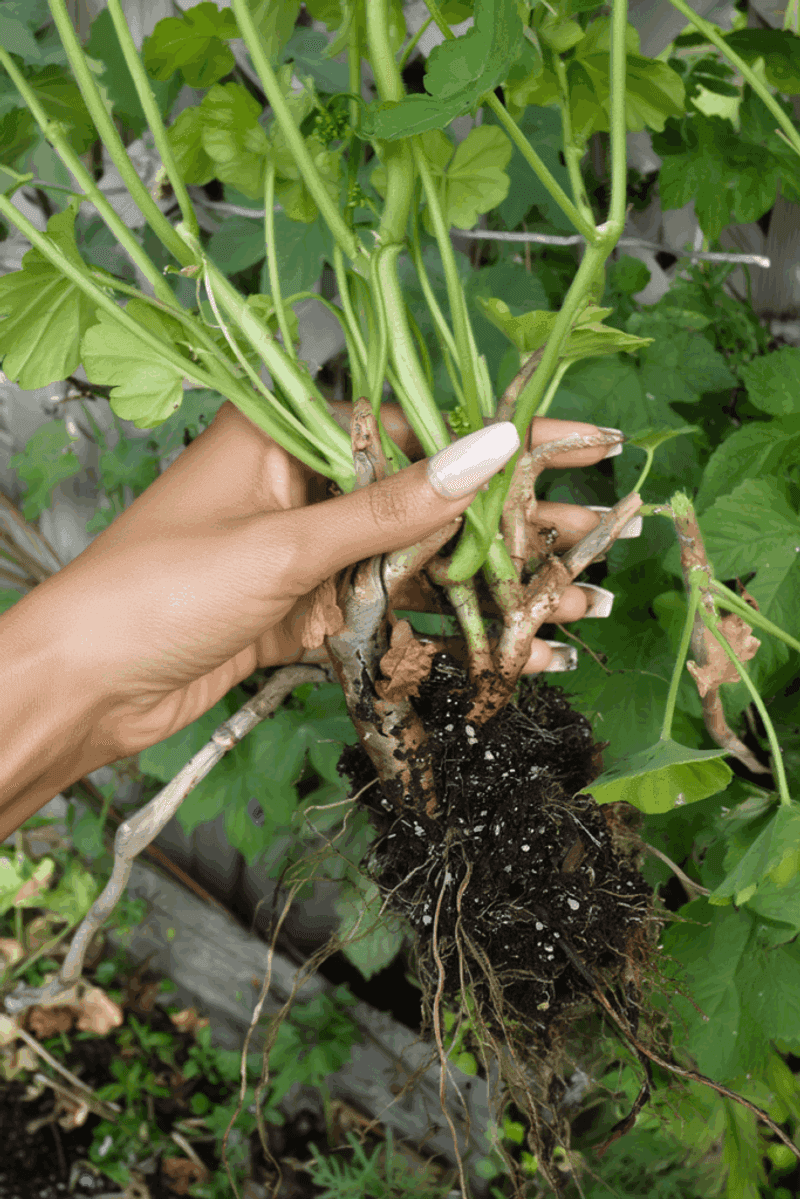
Choose a dry day if you can. Loosen the soil all around each plant with a trowel or garden fork, then lift it gently so the root ball stays mostly whole. Potted plants are even easier, since you can just slide them out of the container.
Shake or brush away as much soil as possible. Some gardeners let plants sit in a shady, airy spot for a day so the clinging dirt dries and falls off.
Your Indiana Garden Changes Every Week. Your Plan Should Too.
Gardening in Indiana changes quickly throughout the season. Every Friday you’ll receive a simple weekly plan showing exactly what to plant, prune, fertilize, harvest, and protect so you never miss the right timing.
Now inspect each plant like a picky shopper. Pull off flowers, buds, and any yellow or spotted leaves. Skip plants that show signs of whiteflies, aphids, or gray mold. Bringing pests indoors only causes trouble later, so pick your strongest, healthiest plants for the bag.
A Plain Brown Paper Bag Makes The Best Geranium Bedroom

Paper breathes, and that matters more than you’d expect. A plastic bag traps moisture and invites mold, while paper lets extra humidity escape and still keeps the roots from drying out too fast.
Place one to three plants in each large grocery sack. Don’t stuff them in like laundry. A little room around the stems helps air move and lowers the chance of rot spreading from plant to plant.
Fold the top loosely or leave it slightly open. Skip the tape. Some gardeners hang the plants upside down from basement rafters instead, which is an old farmhouse version of the same idea.
Write the color or variety on the bag with a marker. Trust me, by March you won’t remember which sad bundle of sticks was the coral one and which was the deep red.
Cardboard boxes work too if you run out of bags. Just keep the plants loose and avoid sealing the lid tight. The goal is dark, cool, and gently breathable. A bag full of leafless stems may not look like much, but inside, the plant is quietly holding onto its stored energy for spring.
A Chilly Basement Around 45 To 50 Degrees Keeps Geraniums Snoozing
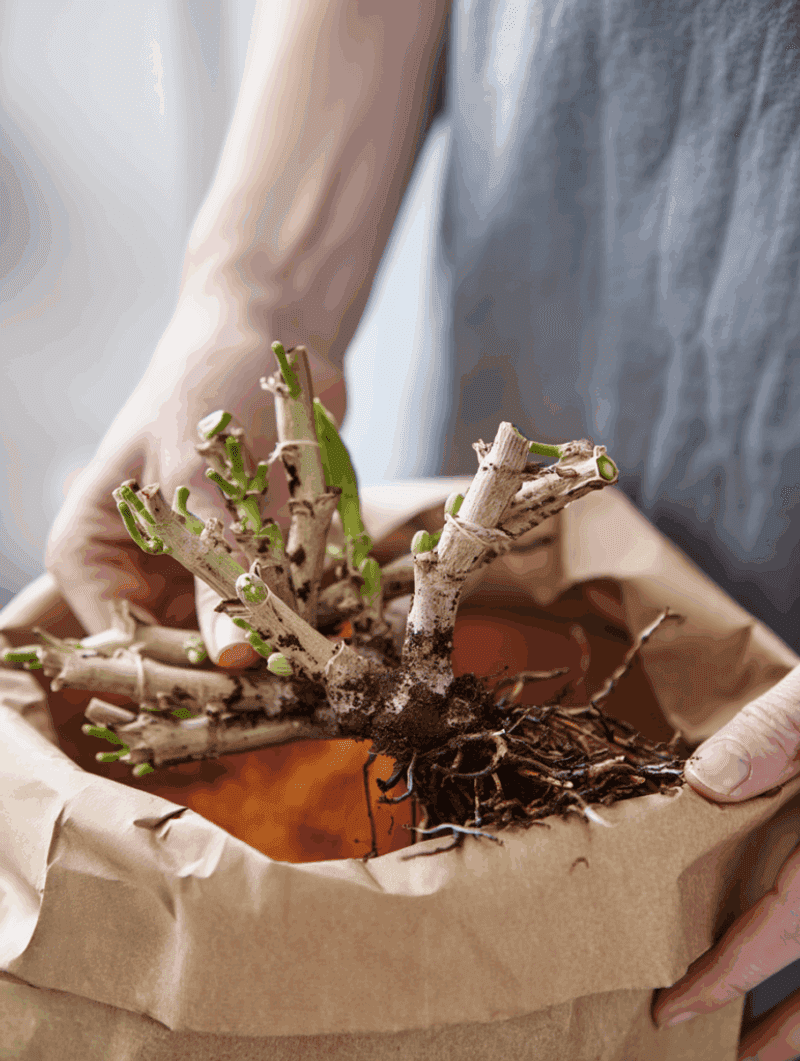
Location can make or break this whole plan. Bagged geraniums need a spot that’s cool, dark, and fairly dry, but they can’t handle freezing.
Most extension guides suggest storage temperatures around 45 to 50 degrees Fahrenheit. A range of roughly 40 to 60 degrees can work, but warmer spots tend to wake the plants up too soon, and colder ones risk frozen stems.
An unheated basement corner is often perfect. A root cellar, an enclosed porch, or a cool closet against an outside wall can also do the job. An attached garage might work, but Indiana cold snaps can push those spaces below freezing, so check with a cheap thermometer first.
Keep the bags away from furnaces, water heaters, and dryer vents. Warm air dries the stems quickly and can trigger weak, pale sprouts.
Humidity also plays a role. A slightly damp basement is usually fine and helps the stems stay plump. A very dry, heated room may leave them brittle by midwinter.
Once the plants settle in, most leaves will yellow and drop. That’s normal behavior, not a warning sign. Bare stems are exactly what you want to see during these quiet months.
Soak Shriveled Geranium Roots Once A Month For A Winter Pick-Me-Up
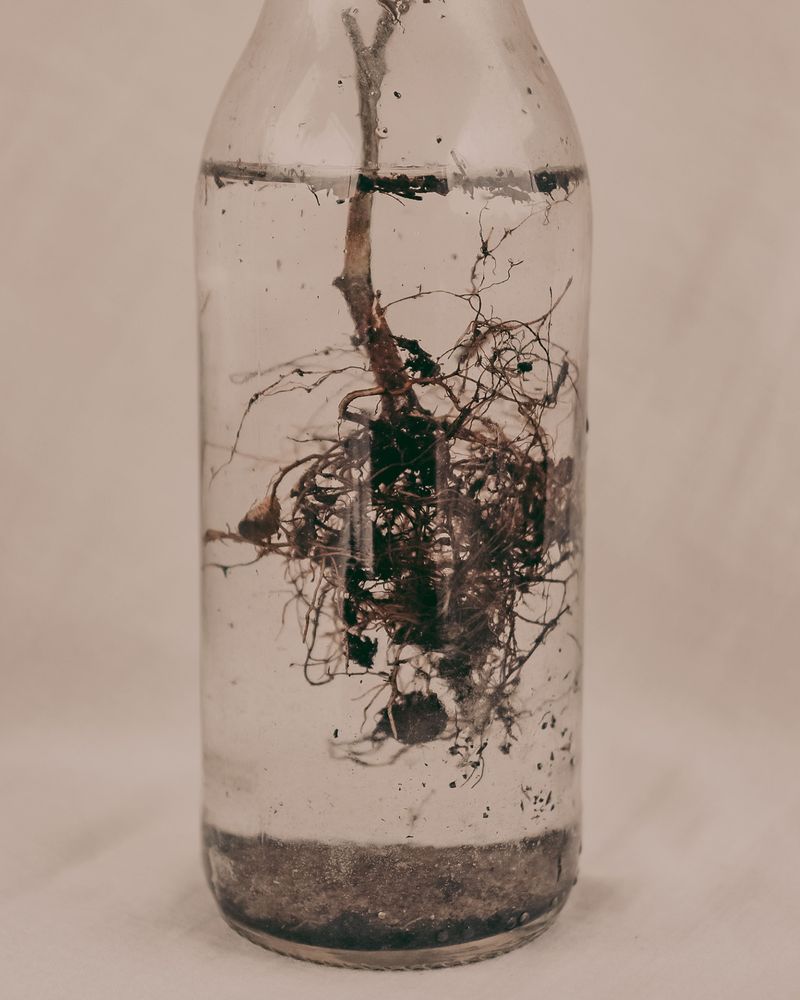
Out of sight shouldn’t mean out of mind. A quick monthly peek inside each bag helps you catch small problems before they spread.
Gently squeeze a stem. Firm and slightly plump is great. If the stems feel shriveled and the roots look dry and papery, it’s time for a drink.
Many gardeners fill a bucket with lukewarm water and soak the roots for one to two hours. Afterward, let the plants air dry for a while before slipping them back into their bags. Wet roots in a closed bag invite mold, so don’t rush this step.
Some folks soak every month no matter what, while others only water when the stems start to wrinkle. Watch your own plants and adjust. A damp basement may mean fewer soaks.
While you’re checking, look for soft, black, or mushy stems. Snip those parts off with clean pruners, or remove the whole plant if rot has spread. A little gray fuzz is a sign the bag is too crowded or too humid.
I like to make this a routine on the first of each month. It takes about ten minutes and feels like visiting old friends.
Trim Geranium Stems Back To Firm Green Tissue In Late Winter
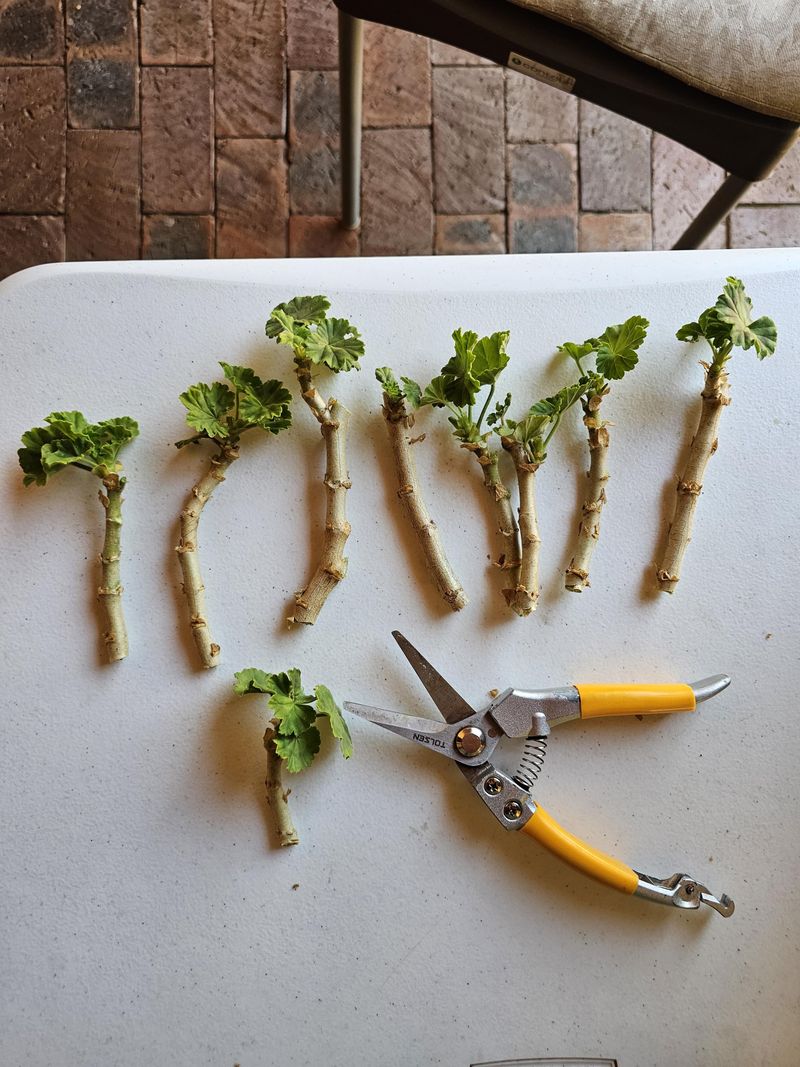
March is wake-up month. Count back about six to eight weeks from your average last frost date, and that’s when your geraniums should come out of their bags.
Fair warning, they’ll look rough. Shriveled stems, a few brown tips, and maybe some dried roots are all part of the deal.
Grab clean, sharp pruners. Cut each stem back until you hit firm, green tissue, usually leaving a few inches with at least a couple of nodes. Nodes are the small bumps where leaves once grew, and new shoots will push out from there.
Toss any stems that are hollow, mushy, or dark all the way through. If a whole plant fails the squeeze test, let it go without guilt.
You can also snip extra-long, stringy roots so the plant fits nicely into its new pot. Shorter roots are easier to handle and quickly make fresh feeder roots.
Here’s a thrifty bonus. Healthy pieces you trim off can sometimes be rooted as cuttings in moist potting mix. That means one saved geranium might turn into two or three by May, all without spending a dime at the garden center.
Fresh Potting Mix And A Sunny Window Bring Geranium Leaves Back
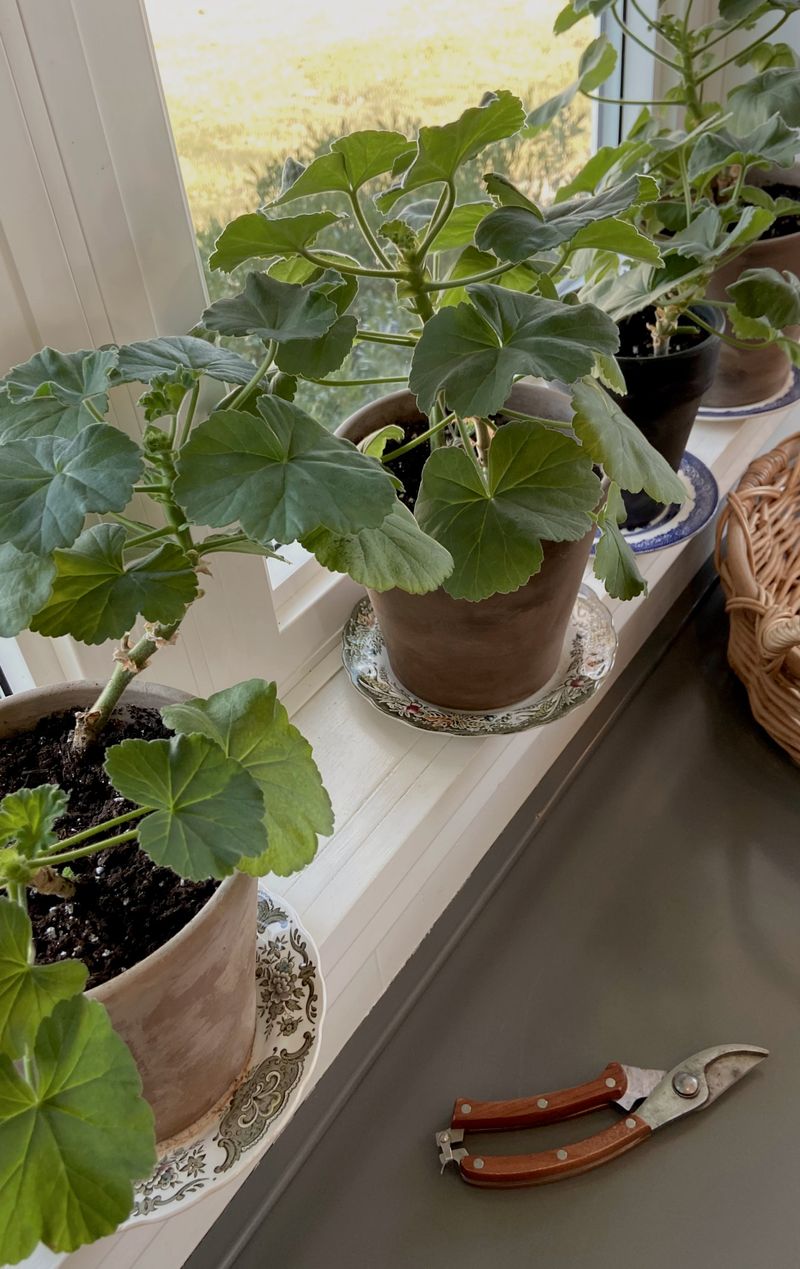
A clean pot and fresh soil feel like a spa day for a sleepy plant. Use a quality, well-draining potting mix, not heavy garden soil, and pick containers with drainage holes.
Set each plant at about the same depth it grew before. Firm the mix around the roots, then water thoroughly once. After that, hold back a bit and let the top inch dry before watering again.
Overwatering is the most common spring mistake. Roots that just spent months resting can’t use much water yet, and soggy soil may lead to rot.
Bright light is the fuel these plants crave. A south-facing window is ideal. If your windows are shady, a simple LED grow light hung a few inches above the plants for 12 to 14 hours a day works wonders.
Within one to three weeks, tiny leaves usually pop from the nodes. It’s honestly one of my favorite moments of late winter. Seeing green on a stick you nearly tossed feels like a small win.
Wait until new growth is steady before feeding. Then a diluted, balanced liquid fertilizer every few weeks helps build sturdy stems and plenty of future flower buds.
Hardened-Off Geraniums Are Ready To Bloom Outside By Mid-May
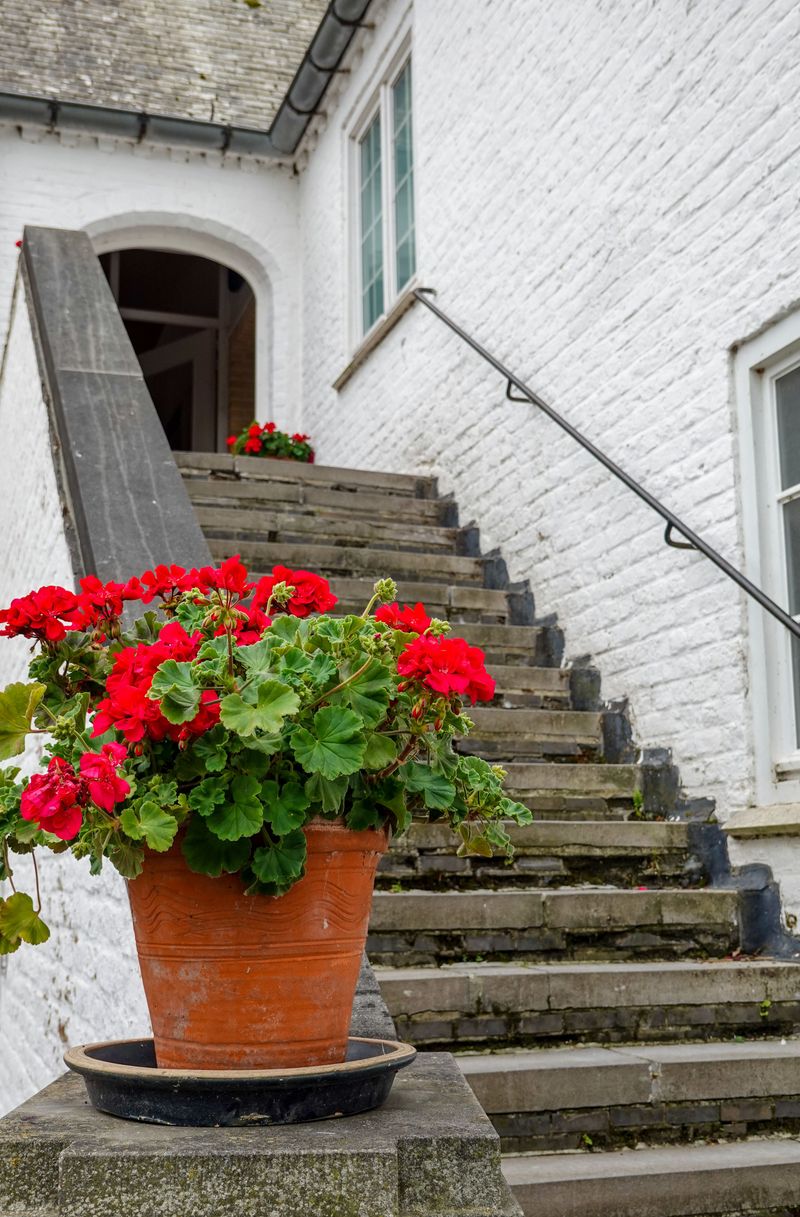
Patience pays off right at the finish line. Your geraniums might look ready in April, but a late cold night can still undo months of care.
Across Indiana, the last spring frost usually arrives from mid-April in the southern counties to early or mid-May up north. Many gardeners wait until around Mother’s Day or later to plant tender flowers outside.
About a week or two before planting, start hardening them off. Set pots in a shady, sheltered spot outdoors for an hour or two, then slowly add more time and more sun each day. Bring them in if nights dip below about 45 degrees.
Once they’re used to outdoor life, move them into beds or containers with at least six hours of sun. Water when the soil feels dry, and pinch off faded flowers to keep new ones coming.
Overwintered plants often bloom earlier and grow bushier than small nursery starts, since they already have mature stems. Not every plant returns, and that’s okay.
My advice is simple. Save a few favorites this fall, label them well, and give the paper bag a try. Next summer’s porch could be filled with old friends.