Should You Keep Your Texas Christmas Cactus In The Dark? Here’s The Answer
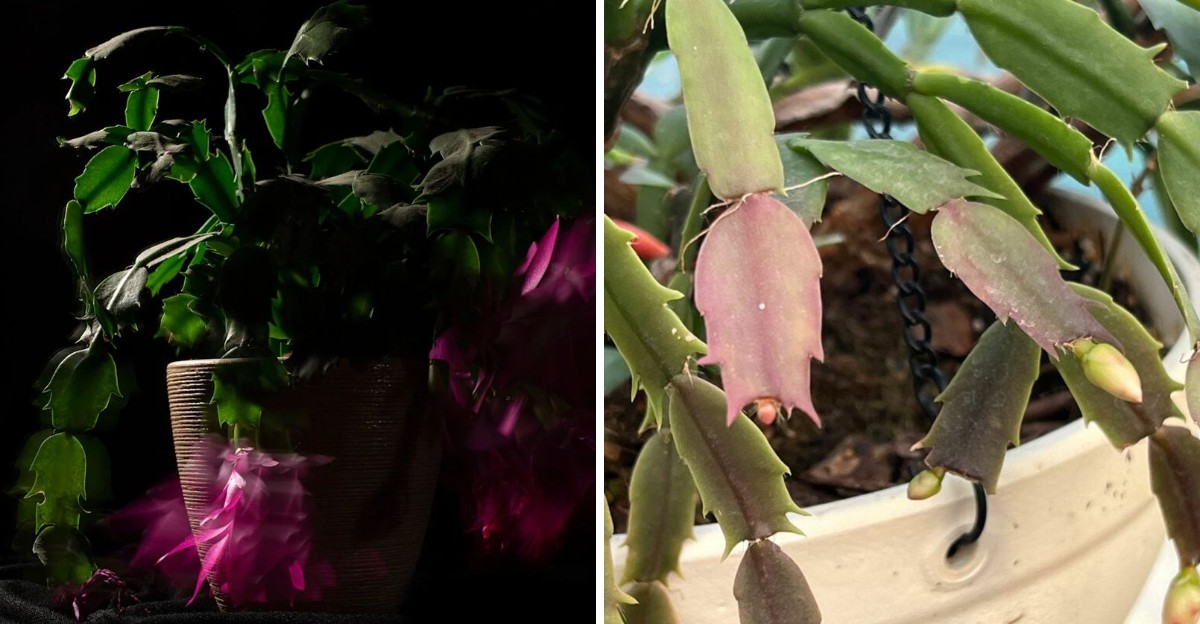
It sounds like odd advice. Most houseplants need light to thrive, so why would anyone want to keep a Christmas cactus in the dark? The answer has to do with how this plant decides when to bloom.
Christmas cacti rely on two signals in the fall: long nights and cool temperatures. In Texas, though, nights can stay warm well into November, which means darkness has to do more of the work.
Porch lights, streetlights, and late-night lamps can interrupt that signal, leaving you with leaves and no flowers.
Still, darkness isn’t the whole story. Keep a Christmas cactus in the shadows too long, and it can grow weak and stretched. The trick is knowing how much darkness it really needs, and for how long.
Yes, But Only At Night And Only In Fall
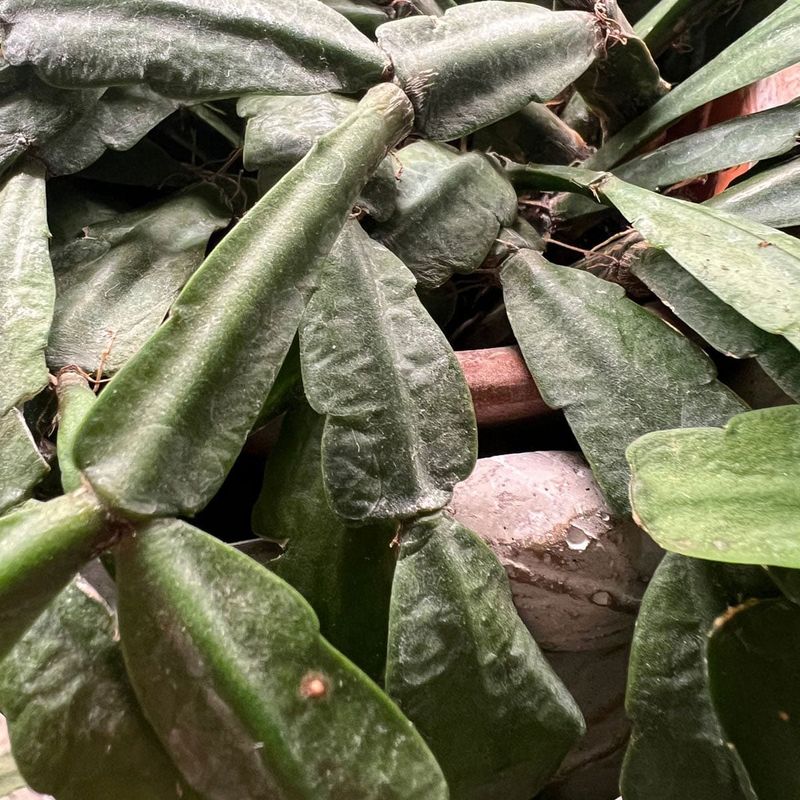
Short answer? Yes, your Christmas cactus does like the dark. But there is a catch, and it matters a lot. The plant only needs extra darkness at night, and only during fall.
Many people hear the word dark and think the plant should live in a closet. That is not the goal at all. A Christmas cactus is a living thing that still needs light to grow and stay strong. Darkness is more like a signal than a home.
In nature, these plants come from the mountain forests of Brazil. As fall arrives there, nights grow longer.
The plant notices those longer nights and knows it is time to make flowers. Your job at home is to copy that natural change.
So what does that look like in real life? During fall, you give your plant long, unbroken nights. In the morning, it goes back to a bright spot. At night, it rests in total darkness again.
Think of it as a bedtime routine for your plant. Kids sleep better with a set schedule, and so does your cactus. A steady pattern tells it that the season is changing.
The rest of the year, you do not need any special darkness. Spring and summer are for growing new leaves and stems. Normal room lighting is perfectly fine during those months.
Here is a fun fact. Plants that bloom based on night length are called short-day plants. Poinsettias work the same way, which is why they also bloom near Christmas. Once you know this trick, you can use it on other holiday plants too.
Why Darkness Matters So Much In Texas
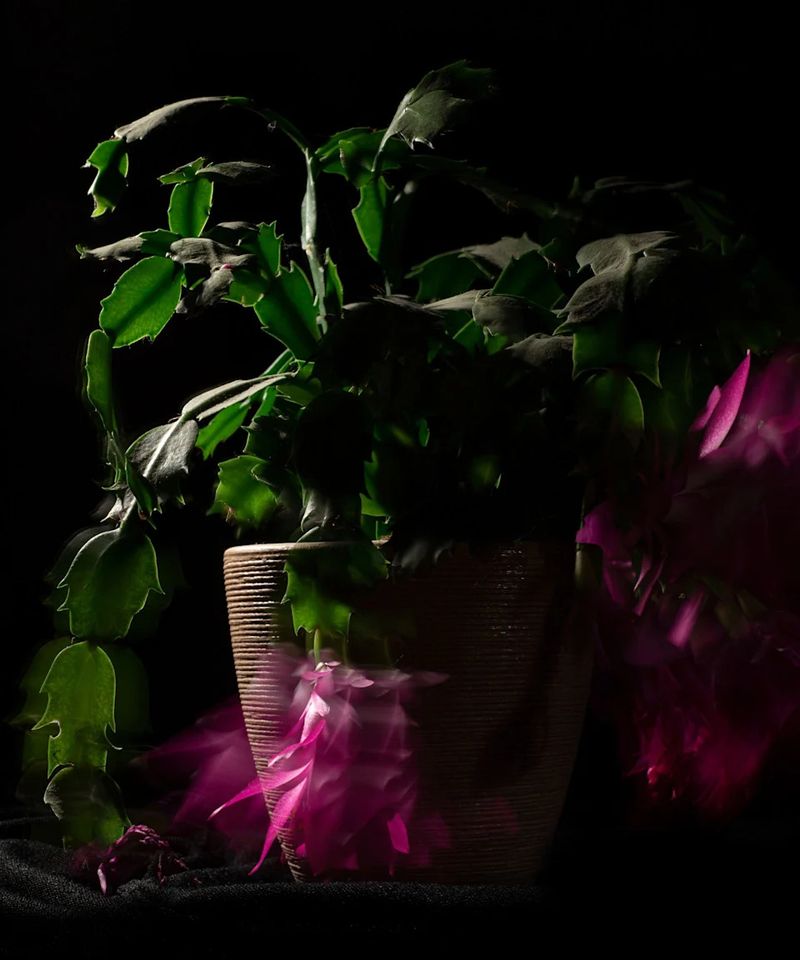
Texas weather loves to break the rules. While other states pull out sweaters in October, many of us are still running the air conditioner. That warm stretch can confuse a Christmas cactus.
Here is why. A Christmas cactus can start making flower buds for two reasons. One is long nights. The other is cool temperatures, around 50 to 55 degrees Fahrenheit.
In cooler places, the chilly fall air does a lot of the work. The plant feels the cold and starts setting buds on its own. Gardeners up north often get blooms without trying very hard.
Your Texas Garden Changes Every Week. Your Plan Should Too.
Gardening in Texas changes quickly throughout the season. Every Friday you’ll receive a simple weekly plan showing exactly what to plant, prune, fertilize, harvest, and protect so you never miss the right timing.
Texas is a different story. Our falls often stay warm well into October and even November. Daytime highs in the 80s are common in places like Houston, Austin, and San Antonio. Nights may not drop low enough to help.
That means one of the two triggers is mostly missing. When cool weather will not help, long dark nights become your best tool. They carry most of the load for getting buds to form.
Without enough darkness, a Texas Christmas cactus may bloom late. Sometimes it skips blooming for the year. You might end up with flowers in February instead of December.
A neighbor of mine used to blame her plant for being lazy. It was healthy and green but never flowered. Once she started giving it dark nights each fall, it bloomed right on time.
So if you live in Texas, treat darkness as your secret weapon. You cannot control the weather outside. You can control the lights inside your home, and that makes all the difference.
How Much Darkness It Needs
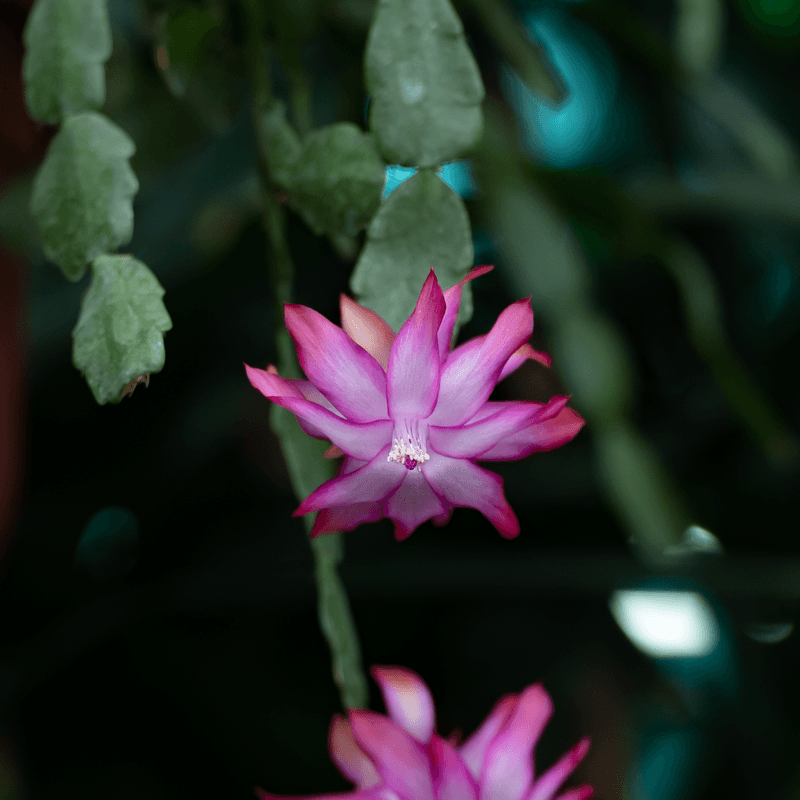
Numbers help here, so let’s keep it simple. Your plant needs about 12 to 14 hours of complete darkness each night. Keep that routine going for around six weeks.
Most Texas gardeners start in late September or early October. That timing usually brings flowers by late November or December. If you start later, expect blooms a little later too.
A simple schedule works great. Try putting the plant in the dark at 6 p.m. and bringing it back out at 8 a.m. That gives it a full 14 hours of rest.
Now for the tricky part. Complete darkness really means complete. Even small bits of light can reset the plant’s clock and slow down blooming.
Watch out for sneaky light sources. A lamp left on for an hour can be enough to cause trouble. TV screens, phone chargers with glowing lights, and nightlights can also interfere.
Outdoor light counts too. Porch lights and streetlights shining through a window can reach your plant. Pull the curtains or move the pot away from windows at night.
Need an easy fix? Some people place the plant in an unused closet each evening. Others cover it with a large cardboard box. Just make sure the box does not crush the stems.
Set a reminder on your phone to help you stay on track. Missing one night is not a disaster, but frequent slips can delay buds. Consistency is what really counts.
After about six weeks, check closely for tiny bumps at the tips of the stems. Those little bumps are your future flowers getting ready to show off.
It Still Needs Bright Light During The Day
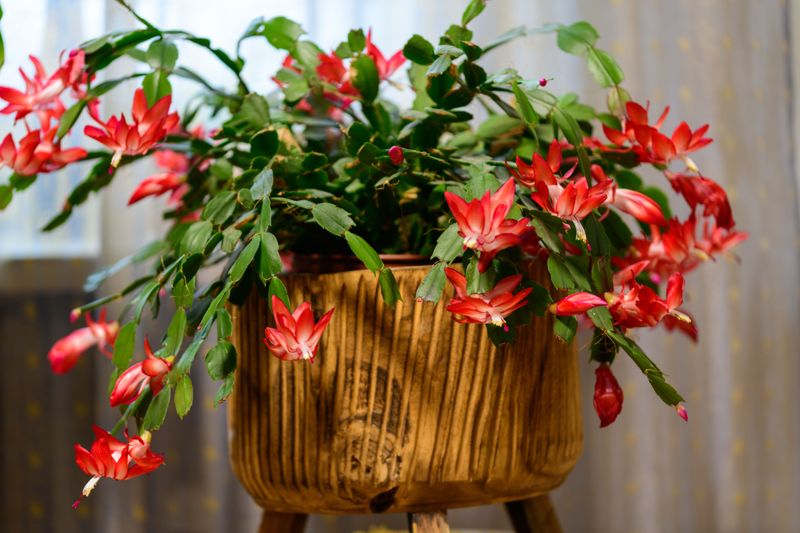
Here is a mistake that happens all the time. Someone hears that darkness makes a Christmas cactus bloom, so they leave it in a closet for weeks. The plant ends up weak, pale, and sad.
Plants make their food from light. That process is called photosynthesis. Without daytime light, your cactus cannot make the energy it needs to grow flowers.
Blooming takes a lot of effort. A plant with no energy may drop its buds or never form them at all. Darkness at night only works when bright days come with it.
So every morning, bring your plant back out. Place it in a spot with bright, indirect light. An east-facing window is often a perfect choice.
Be careful with direct afternoon sun, though. Texas sunshine is strong, even in fall. Harsh rays through a west or south window can scorch the flat green segments.
How can you tell if it is getting too much sun? The segments may turn reddish, yellowish, or look bleached. Some may get crispy brown spots. Move the plant to a softer spot if you see these signs.
A sheer curtain can be a great helper. It lets plenty of light through while softening the hot afternoon glare. Your plant gets what it needs without getting burned.
Fun fact: Christmas cactus is not a desert cactus at all. In the wild, it grows on trees in shady forests. That is why it likes filtered light, just like sunlight passing through leaves.
Treat it like a forest plant, not a desert plant. You will be rewarded with healthy green stems and plenty of flower power.
A Cooler Room Can Give It Extra Help
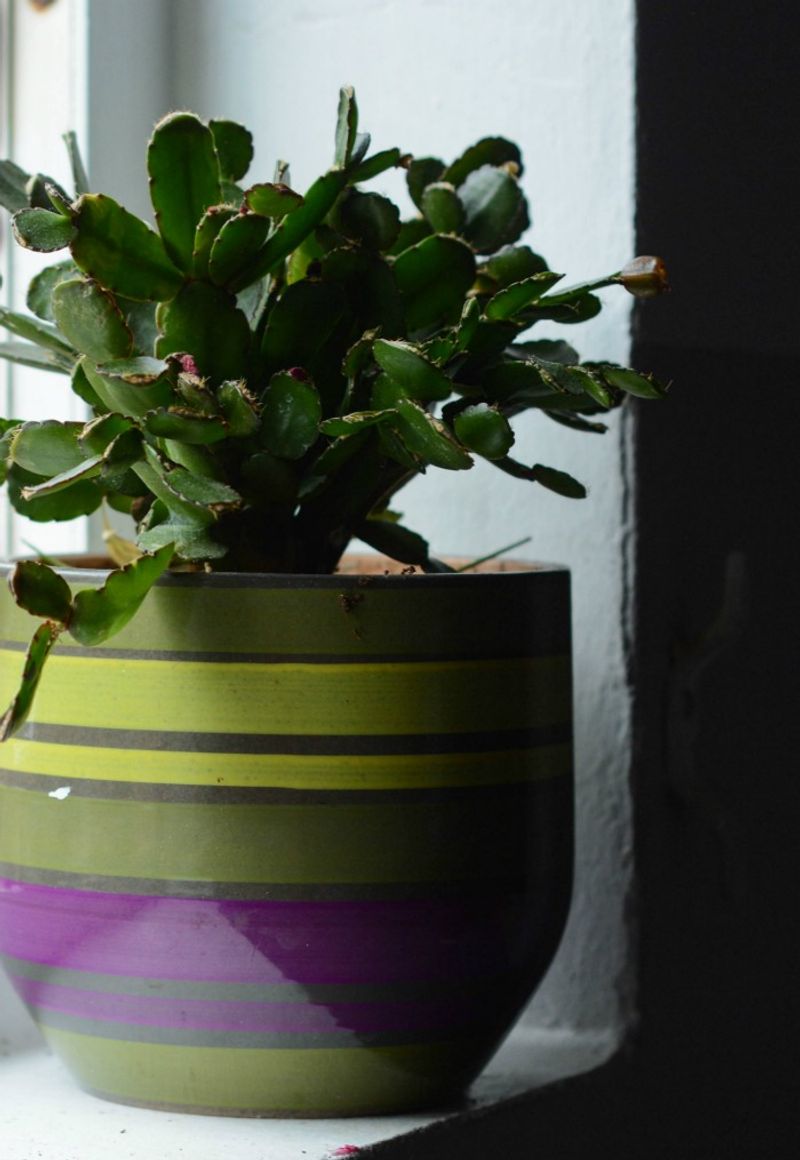
Got a chilly spare room nobody uses? Your Christmas cactus might love it. Cooler air can give your plant an extra push toward blooming.
Remember, this plant responds to both long nights and cool temperatures. In Texas, the outdoor weather may not cool down enough in early fall. A cooler room inside your home can help fill that gap.
Try to find a spot that stays around 55 to 65 degrees at night. A guest room, a back bedroom, or a cool hallway can work well. Some people even use a bright, enclosed sunroom that cools off after dark.
Pairing cool air with long, dark nights is like a one-two punch. The plant gets two strong signals at once. That often leads to more buds and more reliable blooming.
There is one big thing to watch, though. Keep your plant away from air conditioning vents. Blasts of cold, dry air can stress the plant and dry out its segments.
Heating vents are just as bad. Once the weather finally turns cold, many homes switch on the heat. Hot, dry air blowing on the plant can make buds shrivel or fall.
Drafty doors can cause trouble too. A sudden rush of cold air every time someone walks in is not great for your cactus. Steady, gentle coolness is what you want.
Do not worry if you do not have a cool room. Your plant can still bloom with darkness alone. A cooler spot is simply a bonus that can make your job a little easier.
Keep watering lightly during this time. Let the top inch of soil dry before giving it a drink.
Stop The Dark Treatment Once Buds Appear
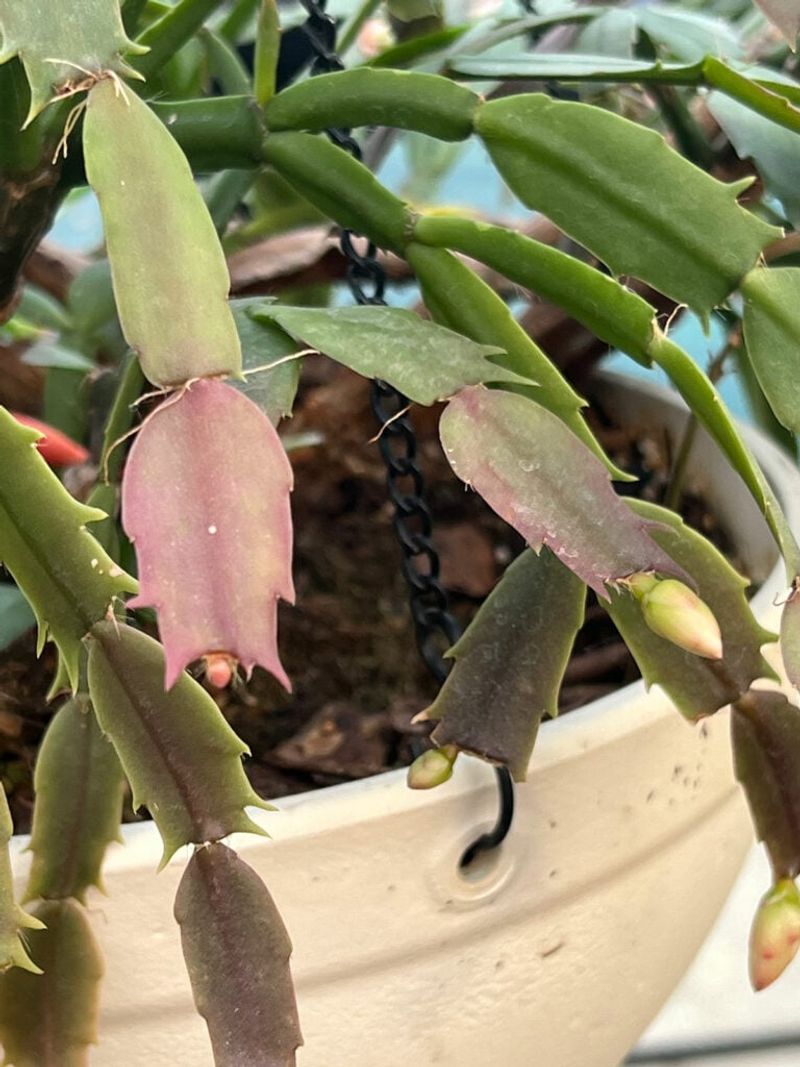
Good news! Once you spot those tiny buds, your hard work has paid off. The nightly trips to the closet can finally end.
Flower buds show up as little bumps at the tips of the stem segments. At first they may look pinkish or reddish. Over a few weeks, they swell and slowly open into flowers.
After the buds form, the plant no longer needs special darkness. It has already gotten the message that fall is here. You can return it to its normal, bright spot for good.
Now comes the most important rule. Try not to move the plant much after that. Christmas cactus can be very sensitive while its buds are developing.
Sudden changes in light or temperature can cause bud drop. That means the buds fall off before they ever open. It is one of the most frustrating things that can happen to a plant owner.
Pick its blooming spot carefully and leave it there. Even turning the pot around can upset it, since the buds grow toward the light. Let it settle in peacefully.
Watering matters here too. Keep the soil lightly moist, but never soggy. Too much or too little water can also make buds fall early.
When the flowers open, enjoy every bit of the show. Blooms can last several weeks with good care. Each flower usually stays open for about a week before the next ones take over.
After blooming ends, let your plant rest a bit. Then care for it normally until next fall, when the whole cycle begins again.