How To Refresh Tired Raised Bed Soil Before Winter In Pennsylvania
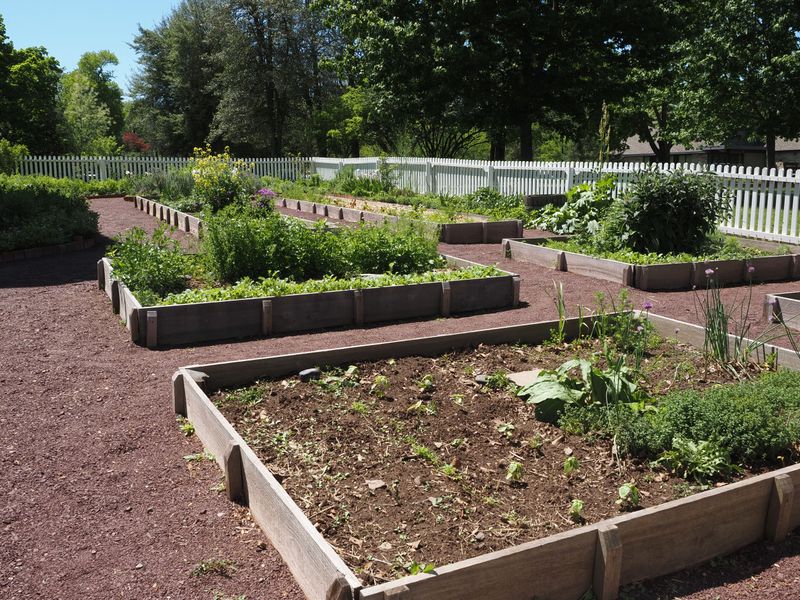
Ever notice that your raised beds seem to shrink a little every year? The soil that once came right up to the top now sits a few inches lower, packed down and tired after another busy growing season.
That’s completely normal. As organic matter breaks down and plants pull nutrients from the soil, beds slowly settle and lose their richness. By fall, many look worn out, crusty, or compacted.
Pennsylvania’s cool autumn weather makes this the perfect time to give them a boost. Adding the right materials now gives them months to break down and work into the soil over winter.
By spring, your beds can be loose, fertile, and ready for planting. A few simple steps this fall can make next year’s garden healthier and more productive.
1. Clear Out Spent Plants
Last October, my neighbor left her old tomato vines standing all winter. The next summer, blight showed up early and wiped out her new plants by July. A simple cleanup could have saved her a lot of heartache.
Once your harvest ends or the first frost hits, it is time to clear the beds. Pull out finished vegetable plants, roots and all.
Grab any weeds you see, too, especially ones that have gone to seed. Rake up fallen fruit, broken stakes, and other debris.
Pay close attention to sick plants. Diseases like early blight and powdery mildew can survive the winter hiding in old leaves and plant debris.
Late blight can survive on infected potato tubers left in the garden. Do not toss these plants into your compost pile.
Most home compost piles do not get hot enough to wipe out disease. Bag them up and put them in the trash instead.
Healthy plants are a different story. Bean, pea, and lettuce plants that looked fine can go right into your compost bin.
You can even chop them up and leave the roots of beans and peas in the soil. Their roots hold small amounts of nitrogen that feed the ground.
Cleaning up also takes away hiding spots for pests. Squash bugs, cucumber beetles, and slugs love to spend winter tucked under old plant material. Fewer hiding places means fewer bugs next spring.
Try to finish this job on a dry day. Wet soil packs down easily when you step near or lean on the beds.
Work from the edges, and keep your feet out of the bed itself. A clean bed is the starting line for every other step on this list.
2. Top Off Settled Soil
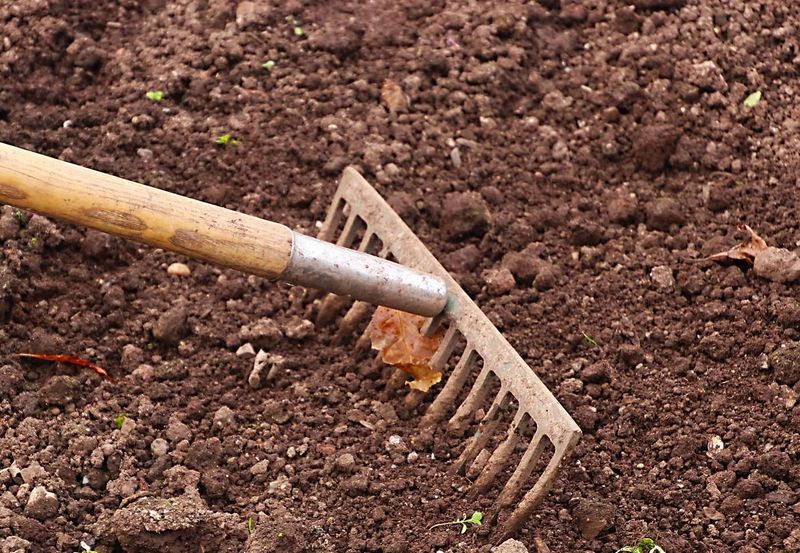
Ever notice your raised bed looks a little shallower in fall than it did in spring? You are not imagining it. Soil really does shrink over the growing season.
Here is why. Raised bed mixes are full of organic matter, like compost and bark. Over time, tiny soil creatures and fungi break that material down.
Rain and watering also press the soil tighter. By the end of the year, many beds lose two or three inches of height.
Shrinking soil is more than a looks problem. Less soil means less room for roots to spread. It also means fewer nutrients and less space to hold water during hot July days. Your plants simply have less to work with.
Fixing it is easy. Add fresh compost or a good raised bed mix until the soil sits about an inch or two below the top edge.
Look for a blend that includes compost, topsoil, and something to keep it loose, like aged bark or perlite. Avoid cheap bags labeled only as fill dirt, since they are often heavy and low in nutrients.
Buying in bulk can save money if you have several beds. Many Pennsylvania garden centers and some township compost sites sell compost by the cubic yard. One cubic yard covers about 100 square feet at three inches deep.
Quick tip: measure first. Multiply the length and width of your bed, then multiply by how many inches you need to add.
Divide that number by 12 to get cubic feet. Now you know exactly how many bags to buy, with no wasted trips to the store.
3. Mix In Compost
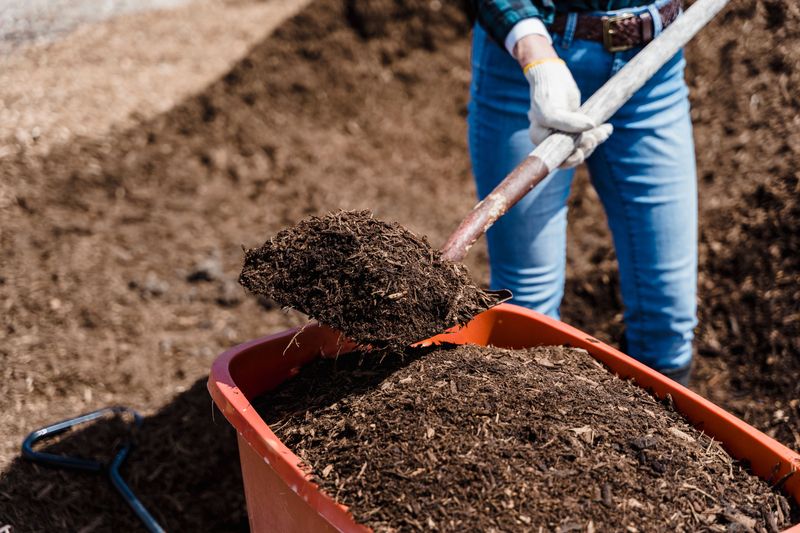
Gardeners sometimes call compost black gold, and that nickname fits. No other single thing does as much good for tired soil. Fall is one of the smartest times of the year to use it.
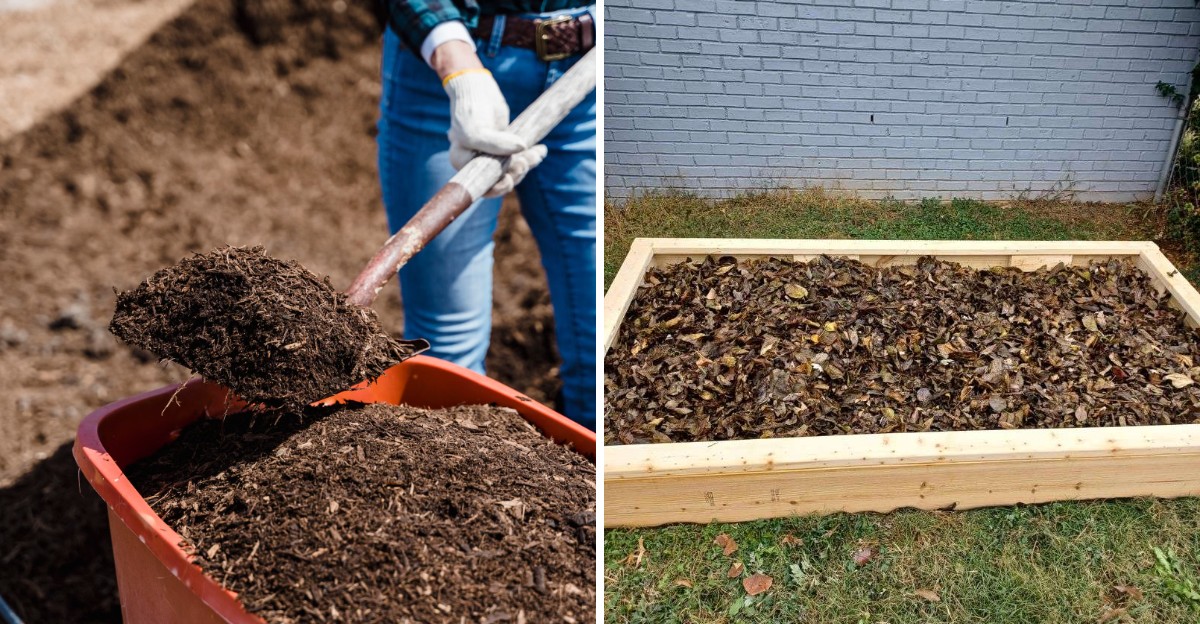
Spread about 1 to 3 inches of compost across the top of your bed. Use the thicker layer if your soil looks pale, hard, or crusty.
A thinner layer works fine for beds that are already in decent shape. You can gently work it into the top few inches with a garden fork or simply leave it on the surface.
So what does compost actually do? It adds slow-release nutrients that plants can use over time. It helps sandy soil hold water and helps heavy clay soil drain better. Much of Pennsylvania has clay soil, so that drainage boost really matters.
Compost also feeds a hidden world under your feet. Earthworms, helpful fungi, and billions of tiny bacteria live in healthy soil.
They eat the compost and turn it into food your plants can use. Fun fact: a single teaspoon of healthy soil can hold more living organisms than there are people on Earth.
Adding compost in fall gives it months to settle in. Winter freezing and thawing pulls the compost deeper into the soil.
Worms keep working whenever the ground is not frozen solid. By spring, everything is blended and ready.
Homemade compost is great if you have it. Bagged compost works too, and many Pennsylvania towns give away leaf compost for free. Just make sure it smells earthy, not sour or rotten.
4. Test Your Soil
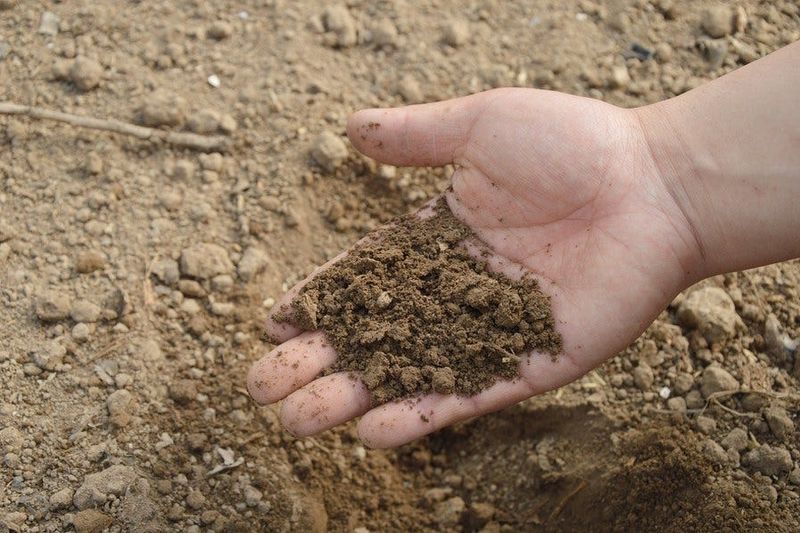
Guessing what your soil needs is like guessing your shoe size without measuring. You might get close, but you could also be way off. A soil test takes the guesswork out completely.
Penn State Extension sells affordable soil test kits that Pennsylvania gardeners can use at home. You can order them online or pick them up at your county Extension office.
Some garden centers carry them as well. The cost is low, often around the price of a pizza. Collecting a sample is simple.
Use a clean trowel to dig small bits of soil from several spots in your bed, about four to six inches deep. Mix them together in a clean bucket. Then fill the bag from the kit and mail it in.
Your results will show your soil pH and the levels of key nutrients like phosphorus and potassium. Most vegetables like a pH between 6.0 and 7.0.
Soil in many parts of Pennsylvania leans acidic, which means the pH is too low for some crops. The report will also tell you exactly how much fertilizer or lime to add.
Lime is the usual fix for acidic soil. It raises pH slowly, often taking several months to fully work. That is why fall is the best time to add it. By spring planting season, your soil will be balanced and ready.
Testing also stops you from overdoing things. Too much fertilizer can harm plants and wash into streams that feed the Chesapeake Bay. Testing every two or three years keeps your beds healthy and your wallet happy.
5. Add Shredded Leaves
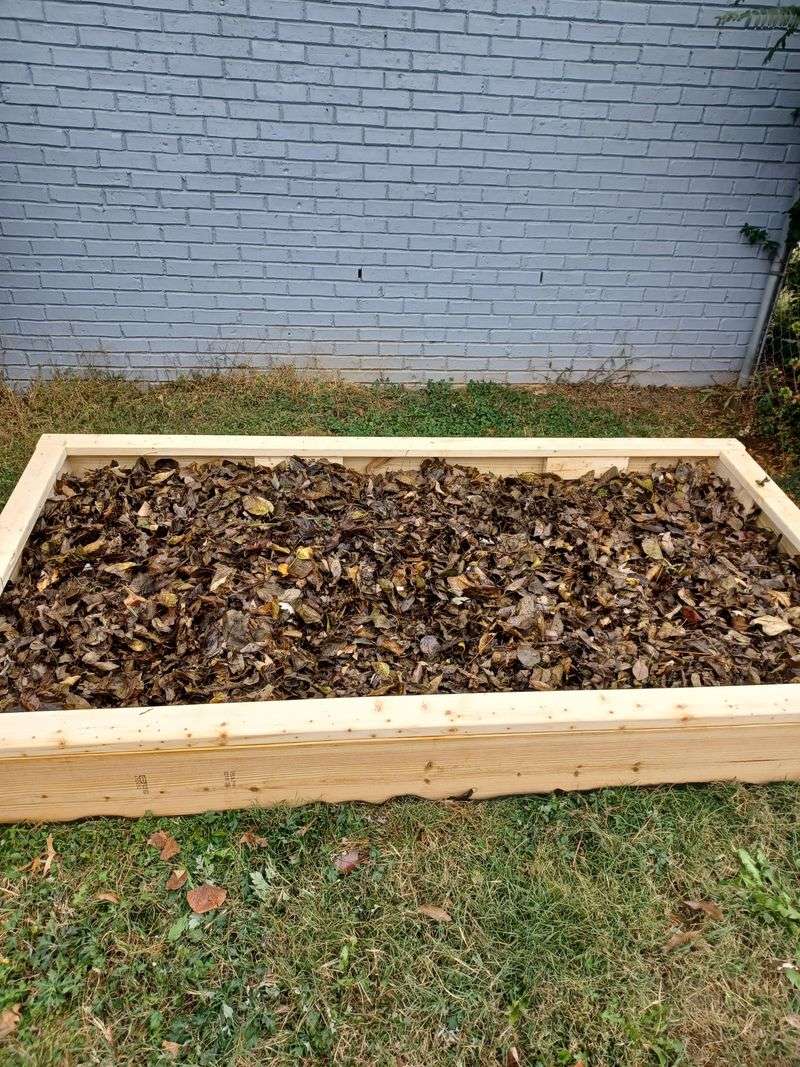
Every November, millions of Pennsylvania homeowners rake up leaves and drag them to the curb. Gardeners in the know smile, because those bags are full of free soil food. Your trees are basically handing you a gift.
Leaves are packed with minerals that tree roots pulled up from deep underground. When leaves break down, they add organic matter to your beds.
Organic matter helps soil stay loose, hold water, and support earthworms. Best of all, it costs you nothing.
Shredding is the secret step. Whole leaves can mat together into a soggy layer that blocks air and water.
Shredded leaves break down much faster and stay fluffy. Run them over with a lawn mower a few times, or use a leaf shredder or leaf vacuum with a mulching setting.
You have two good options for using them. First, you can mix a layer into the top few inches of soil with a fork.
Second, you can spread a few inches right on top of the bed. Either way, worms and soil life will get to work over the winter.
Some leaves work better than others. Maple, oak, birch, and fruit tree leaves are all great choices. Skip black walnut leaves, since they contain a chemical that can harm tomatoes and other plants.
Got extra leaves? Stash a few bags behind the shed. By spring, you will have a handy supply for mulch or compost. Many gardeners even ask neighbors for their bagged leaves, and most people are happy to share.
6. Add Aged Manure If Needed
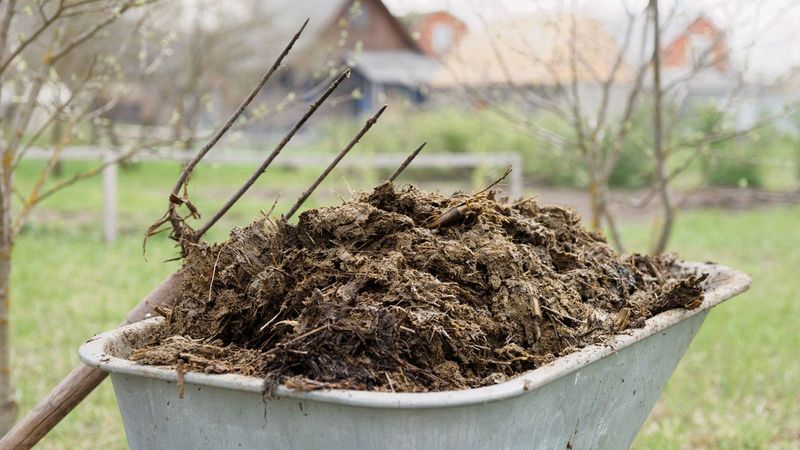
Pennsylvania has thousands of farms, and many of them have more manure than they know what to do with. That is great news for gardeners. With a little care, manure can give your beds a big boost.
Well-aged manure is rich in nitrogen, phosphorus, and other nutrients. It also adds lots of organic matter, which helps soil hold moisture and stay crumbly.
Good aged manure looks dark and smells earthy, almost like forest soil. If it still smells strong, it is not ready yet.
Fall is a smart time to spread it. Winter weather gives the manure months to break down and blend into the soil.
Spread about one inch over the bed and lightly mix it into the top layer. Cow, horse, chicken, and rabbit manure all work well when properly aged.
Fresh manure needs extra caution. It can carry harmful germs like E. coli and salmonella.
Food safety guidelines say to apply fresh manure at least 120 days before harvesting crops that touch the soil, such as carrots, lettuce, and radishes. Spreading it in early fall usually gives you plenty of time before spring crops.
Fresh manure can also burn plant roots because it is so strong. Chicken manure is the hottest, so go easy with it. Never use manure from dogs, cats, or pigs in a vegetable garden.
Local farms, horse stables, and 4-H families often give manure away for free. Ask whether the animals ate hay sprayed with long-lasting herbicides, since those can harm tomatoes and beans. A quick question can save your whole garden.
7. Protect The Soil Over Winter
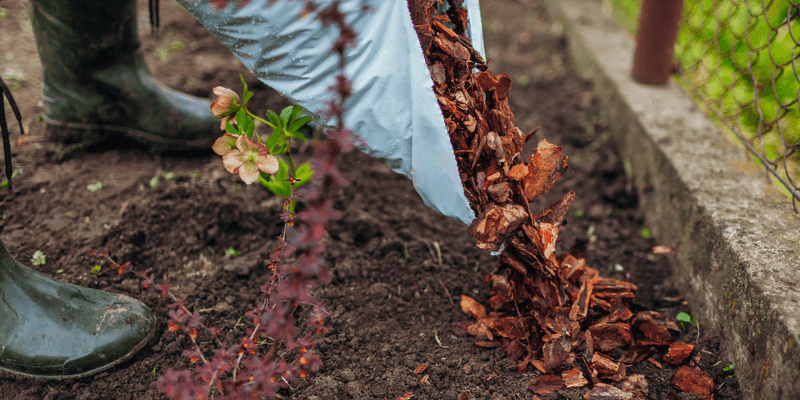
Bare soil in winter is like a house with the windows left open. Rain pounds the surface, snowmelt washes nutrients away, and the soil can turn hard and crusty. A protective cover keeps everything you just added safely in place.
Cereal rye is a favorite cover crop for Pennsylvania gardeners. It is tough, cheap, and grows even when temperatures drop near freezing.
Sow the seed by mid-October in most of the state for the best results. Just scatter it over the soil, rake it in lightly, and water it.
Rye roots grab extra nutrients that might otherwise wash away. They also hold soil together and leave tiny channels that help water soak in.
In spring, cut the rye down before it forms seed heads. Let it sit for two to three weeks before planting so it can break down.
Too late to plant a cover crop? No problem at all. Spread a thick blanket of shredded leaves or straw, about three to four inches deep. Choose straw, not hay, since hay often contains weed seeds.
Mulch protects the soil from heavy rain and keeps temperatures more even. It also gives earthworms a cozy place to keep working on mild winter days. In spring, pull the mulch aside to let the soil warm up before planting.
Here is a fun fact: farmers have used cereal rye to protect fields for hundreds of years. Your little raised bed can enjoy the same benefits. Come spring, you will find soft, dark, healthy soil waiting for your first seeds.