8 Desert Vines to Plant This Fall That Keep Your Arizona Patio Cooler by Next Summer
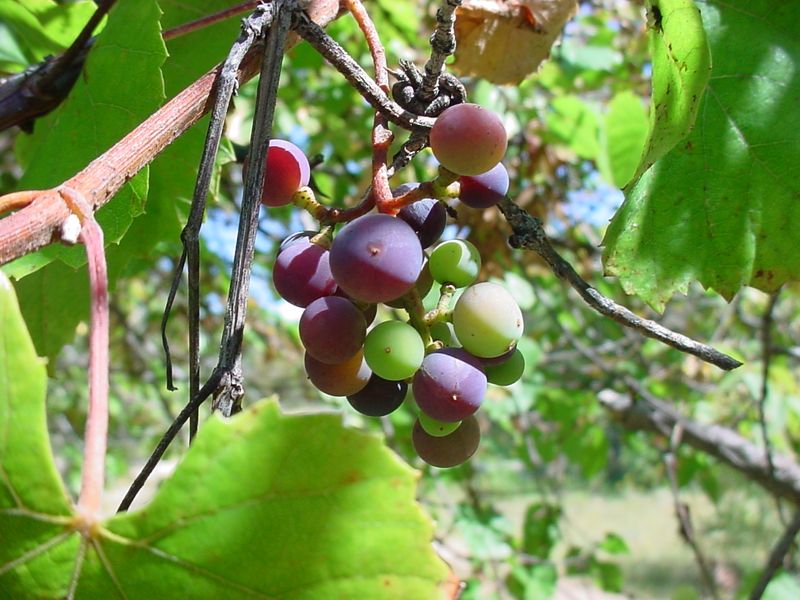
A single climbing plant in Tombstone has shaded the same patio since 1885, covering over 8,000 square feet. I love that one stubborn root can still turn a scorching Arizona courtyard into a cool green room.
Leaves block sunlight before it hits your walls and pavers, so less heat soaks in all afternoon. Every leaf also releases water vapor, which works like a tiny swamp cooler hanging right above your chair.
Personally, I think October is the sweet spot for planting, because warm soil and cooler air favor roots. You give them a whole mild winter to settle in before the brutal heat returns next summer.
Some picks below feed hummingbirds and native moths, and a couple even offer fruit for hungry desert birds. So which leafy shade maker will earn a spot beside your Arizona patio chair this year?
1. Arizona Grape Ivy
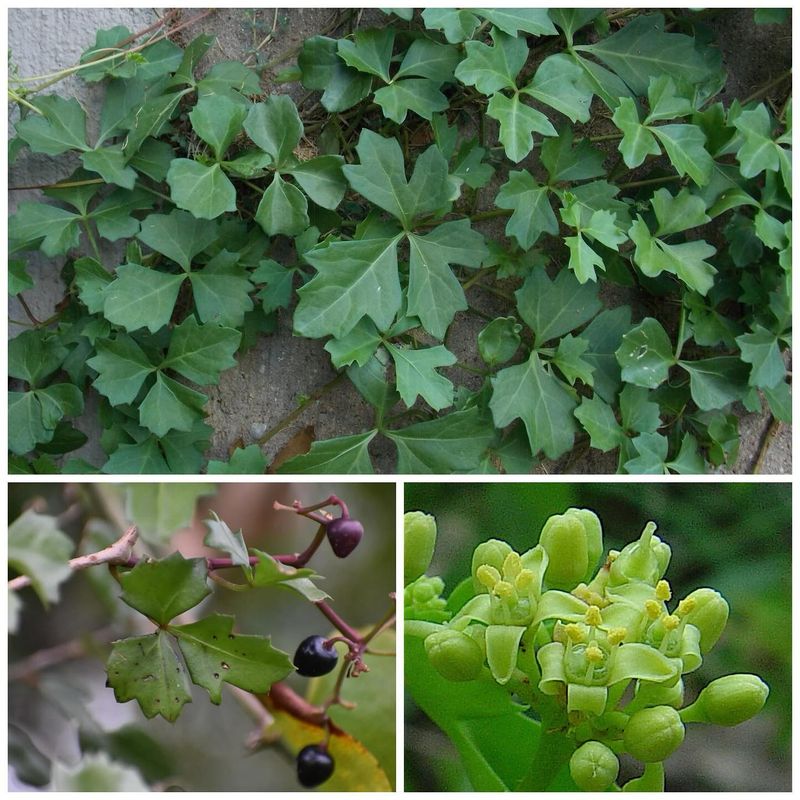
Hidden along desert washes, a scrappy native climber quietly feeds the caterpillars of several sphinx moth species. I find it fun that the same tendrils shading your chair are also running a little nursery for moths.
Arizona grape ivy, Cissus trifoliata, has fleshy three-part leaves that shrug off heat better than most ornamental climbers. It grabs supports with curling tendrils and can stretch roughly fifteen to thirty feet when it feels at home.
You can tuck it into partial shade or filtered sun, which makes it handy for east-facing walls and tree trunks. Fall planting lets the roots spread through cool soil before the long summer stretch returns next year.
Water deeply every week or so during its first season, then taper off as new growth looks steady and strong. Established plants mostly get by on occasional soakings, and a light winter leaf drop is normal in colder spots.
Wear gloves when pruning, because the sap and foliage can irritate sensitive skin for some people. Keep the stems trimmed off house walls too, since dense tangles near foundations can give scorpions extra hiding spaces.
2. Canyon Grape
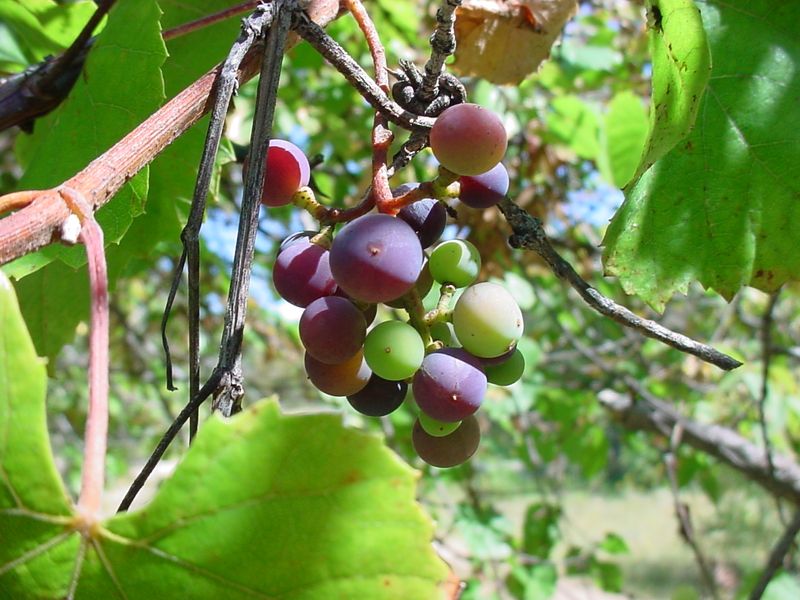
Wild grapes growing in a desert canyon sound like a tall tale, yet Vitis arizonica thrives along streams across the Southwest. Its broad, fuzzy leaves create the kind of dappled shade that makes iced tea taste even better.
What I like most is the timing, because the leaves arrive with spring warmth and fall away each winter. You get summer shade when you need it, then welcome winter sunshine pouring back onto your chilly patio.
Plant it now beside a sturdy arbor or pergola, because a happy canyon grape may ramble twenty feet or more. Give it full sun or light afternoon shade, plus soil that drains well after each deep watering.
Young plants appreciate a weekly soak through their first warm season, while older vines handle longer gaps between waterings. A thick layer of mulch keeps roots cooler and copies the leafy creek beds where this grape naturally grows.
The small dark grapes are tart for people, but finches, mockingbirds, and other songbirds happily clean them up each summer. Prune hard in late winter while the vine sleeps, and you control both its size and its shape.
3. Lady Banks Rose
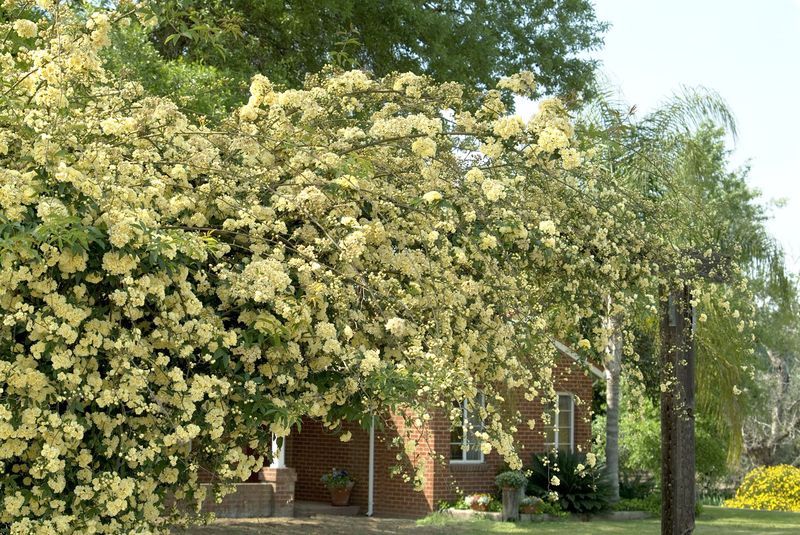
Remember that Tombstone giant from the introduction, spreading across a patio since 1885? It is a Lady Banks rose, and it still holds the title of the world’s largest rosebush today.
Rosa banksiae is a nearly thornless climber, especially the popular yellow form called Lutea, which saves your arms during pruning. Each spring it buries itself under tiny buttery blossoms, then settles into dense green leaves for the hot months.
Fall is the ideal planting window here, because roots grow steadily while the tops rest during cooler weather. Choose full sun in higher elevations, but give low desert plants some afternoon shade on brutal west exposures.
Plan for serious size, since a mature plant can cover twenty feet of fence or arbor without much encouragement. I recommend a strong steel frame over a flimsy trellis, because a few years of growth gets surprisingly heavy.
Once established, this rose handles moderate watering and rarely struggles with the diseases that plague fancier garden roses. Prune right after spring blooms fade, because next year’s flowers form on the stems that grow this summer.
4. Cape Honeysuckle
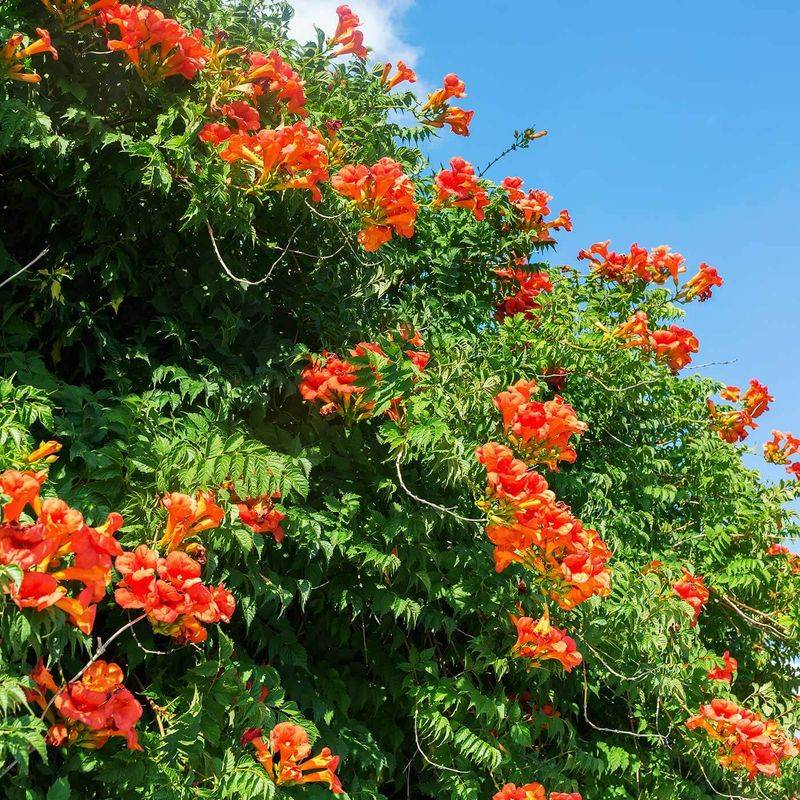
Hummingbirds treat cape honeysuckle like a roadside snack stand, zipping in for its bright orange tubular flowers. I can sit on my patio for ten minutes and watch three separate birds arguing over one plant.
Tecoma capensis comes from South Africa, so our summer heat feels familiar rather than frightening to its glossy foliage. Blooms show up mostly from fall into winter, which means your hummingbird visitors get food when many flowers fade.
Plant it this month in full sun or partial shade, and give it a wall or trellis for support. Left alone it behaves more like a sprawling shrub, so tie the long stems upward as they grow.
Frost below the mid-twenties can burn the tips, though plants usually bounce back quickly once spring warmth returns. Wait until frost danger passes before trimming the damaged growth, since those brown leaves shelter the healthy stems underneath.
Water regularly during the first year, then switch to deep soakings every week or two during summer. Established plants are tough and water-thrifty, quickly forming a dense green screen that blocks harsh afternoon sun.
5. Pink Trumpet Vine
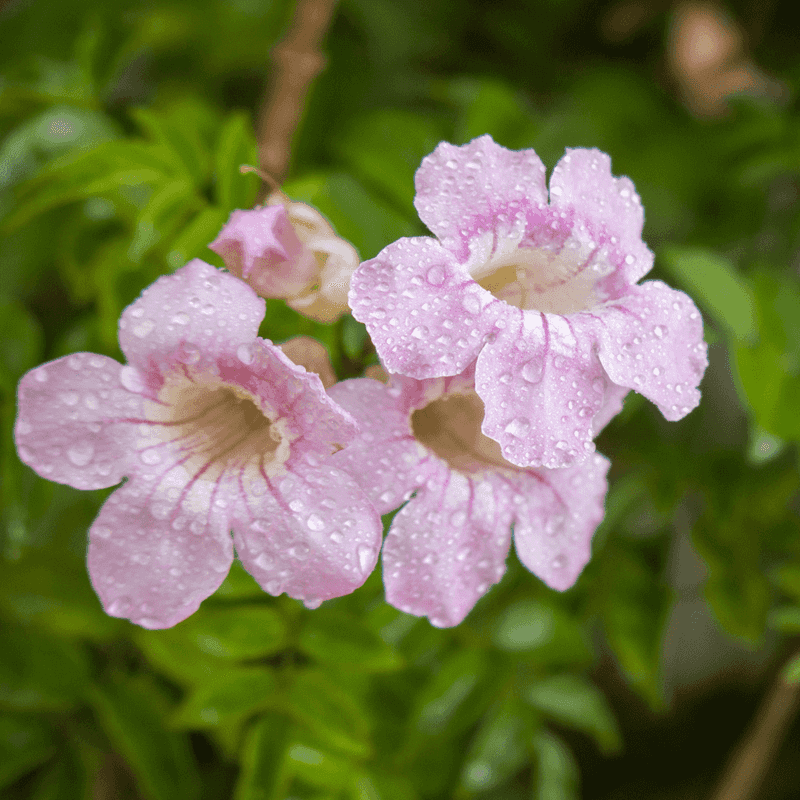
Soft pink trumpets with delicate darker stripes make this South African climber look far too elegant for desert living. Somehow it laughs at triple-digit afternoons, and honestly that combination makes it one of my personal favorites.
Podranea ricasoliana grows quickly, often reaching twenty feet or more along a sturdy pergola or chain-link fence. Its glossy compound leaves form a thick canopy that turns a sunbaked slab into a shady hangout.
October planting gives the roots months to settle before the vine launches into its big summer growth spurt. Full sun encourages the heaviest bloom, though plants facing blistering western walls appreciate some relief in the low desert.
Flowers arrive mostly from summer into fall, drawing hummingbirds and busy carpenter bees to the long tubular blossoms. You might notice seed pods afterward, which you can snip off to keep the vine looking tidy.
Frost in the mid-twenties may nip the foliage, but healthy roots usually push fresh shoots once spring returns. Moderate watering keeps it lush, and an annual trim in late winter keeps the growth headed where you want.
6. Mexican Flame Vine
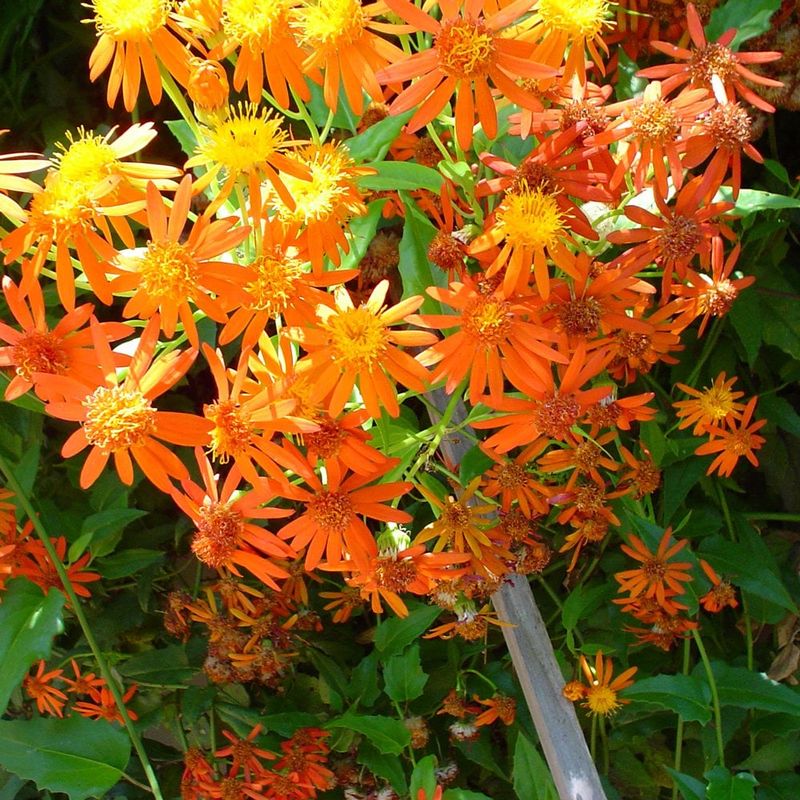
Bright orange daisies on a climbing vine sound like a cartoon, yet Mexican flame vine pulls it off beautifully. Butterflies seem to agree with me, because they crowd the flat blooms like shoppers at a farmers market.
Botanists now call it Pseudogynoxys chenopodioides, though many nurseries still sell it under the older name Senecio confusus. Either way, you get a twining vine that reaches roughly ten to twelve feet on a simple trellis.
Full sun brings the best show, and fall planting lets the roots settle while temperatures are friendly. Its smaller size makes it perfect for railings, mailbox posts, or narrow side yards where bigger vines would overwhelm things.
Hard frost can knock the foliage back, so treat it like a tender perennial in colder neighborhoods. The roots generally resprout with spring warmth, and a layer of mulch gives them extra winter insulation.
Water deeply but not constantly, letting the top few inches of soil dry between drinks during the growing season. A light trim after each flush of flowers encourages fresh shoots and another round of those cheerful orange blooms.
7. Lilac Vine
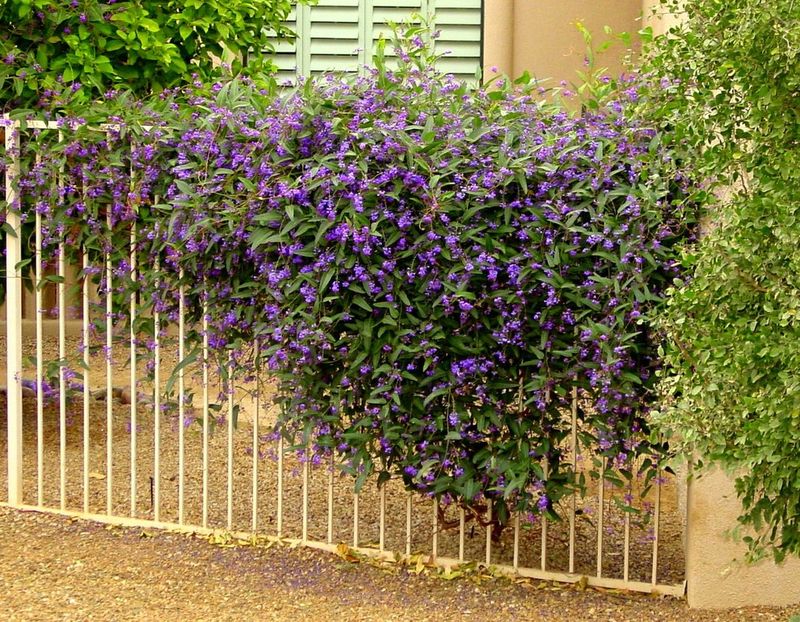
Purple flowers in February feel like a secret gift, and lilac vine hands them out while most gardens look sleepy. I have to admit those little pea-shaped sprays cheer me up more than any winter holiday decoration.
Hardenbergia violacea hails from Australia, where it scrambles through dry woodlands much like our own native shrubs. Its leathery evergreen leaves keep a patio screen looking full in every season, not just during the warm months.
Pick a spot with morning sun and afternoon shade, because summer glare in the low desert can scorch the foliage. North or east walls work wonderfully, and fall planting gives the young roots a comfortable cool start.
Expect a moderate climber reaching around ten feet or more, which suits smaller patios and courtyard walls nicely. Native bees visit the late winter blossoms, offering early food before many desert wildflowers have opened.
Once established, it needs only modest watering, though deep soaks during summer heat waves help it stay glossy. Prune lightly after flowering finishes, since cutting in fall removes the buds that would have bloomed this coming winter.
8. Yellow Orchid Vine
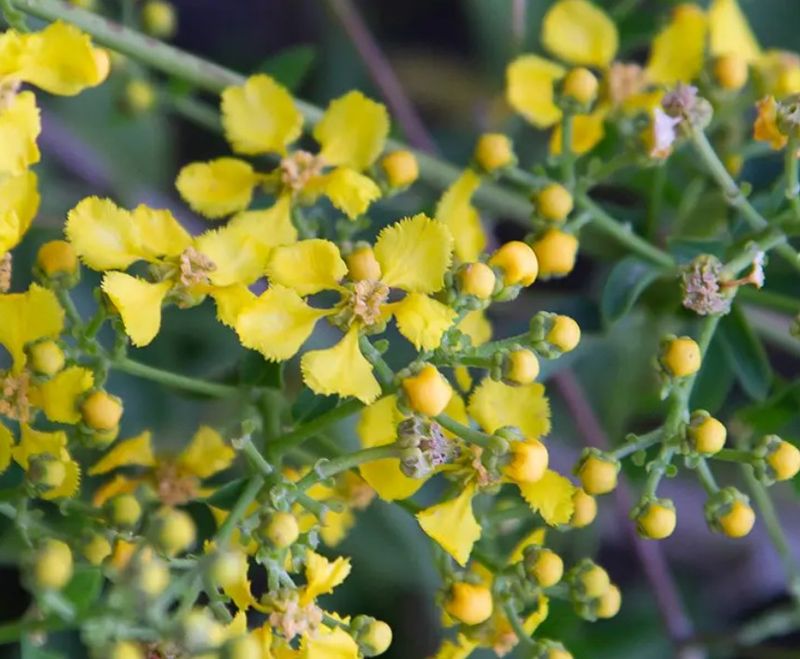
Papery seed pods shaped like tiny green butterflies are the real conversation starter on yellow orchid vine. Guests usually ask about the pods first, then notice the sunny flowers that look like miniature orchids.
Callaeum macropterum, often sold as Mascagnia macroptera, comes from Mexico and handles desert heat with impressive calm. It blooms in spring and again in fall, so your patio gets two separate shows of cheerful yellow color.
Plant it this month in full sun, even against a hot block wall where fussier vines struggle badly. It twines up fences or wire supports to around fifteen feet, forming a dense cover that shades nearby seating.
Cold tolerance is better than many tropical-looking climbers, with established plants handling dips into the low twenties. That toughness makes it a smart choice for gardeners in places where frost tender vines often disappoint.
Water regularly the first year, then deep soakings every couple of weeks in summer keep it vigorous. You can snip the dried pods for flower arrangements, which I think beats any store-bought decoration for fall tables.