The One Thing Pennsylvania Gardeners Forget To Do With Roses Every November
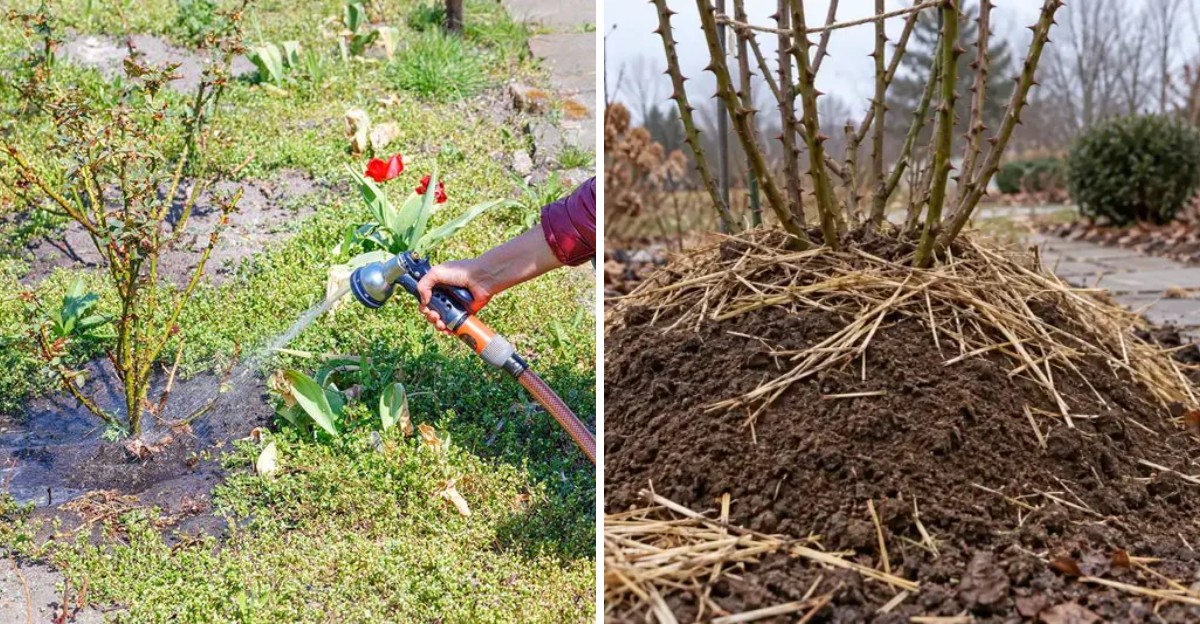
Winter can dry out a plant almost as badly as a July heat wave. Cold wind pulls moisture from bare stems, and frozen soil locks water away from thirsty roots.
That surprised me the first time I read it. I always pictured winter as a soggy, sleepy season where plants just rest and wait.
Here in Pennsylvania, late fall often brings dry stretches before the ground freezes hard. Many of us pack up the hose in October and call it a year. Then spring arrives, and some canes look brown, shriveled, and sad.
I believe one small November habit can change that story. It costs almost nothing and takes only a few minutes per plant. So what is the simple chore so many rose lovers skip before the big chill?
Those Bare Rose Canes Are Still Losing Moisture
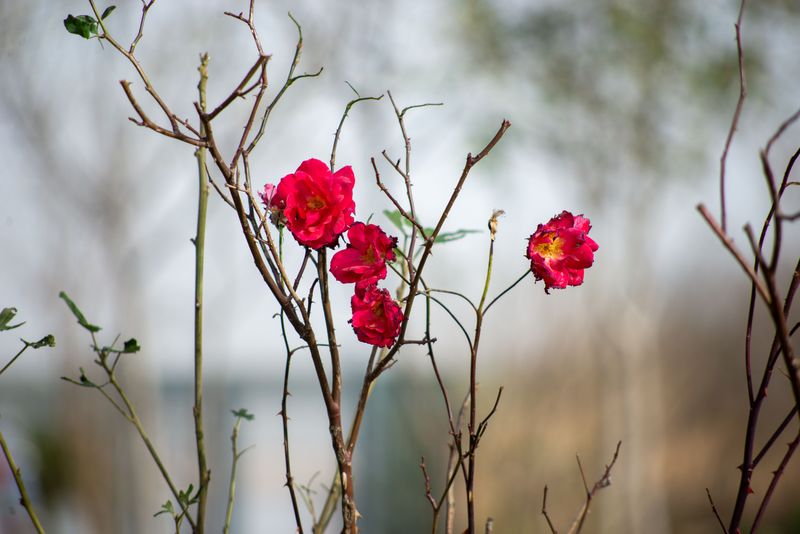
Leafless roses look like they have clocked out for the year. Underneath that sleepy look, the canes and roots are still quietly active until the soil freezes solid.
Stems continue to lose water through their bark, especially on sunny, windy days. Cold, dry air acts like a sponge. Garden experts call this winter desiccation, and it often shows up in spring as dark, shriveled cane tips.
Roots also keep growing in cool soil well into late fall. Penn State Extension notes that plants entering winter with moist soil handle the cold much better than those sitting in dry ground. That makes November a sneaky, important month.
So the forgotten task is simple. You need to give your roses a deep, soaking drink before the ground freezes. Most gardeners stop watering once the blooms fade, assuming fall rain will handle it.
Sometimes it does. Some autumns, though, bring several dry weeks in a row, and a light drizzle rarely reaches deep roots.
I check the soil with my finger now instead of trusting the gray sky. If it feels dry two inches down, the hose comes back out, even with a jacket on.
Grab The Hose For One Last Deep Rose Soak
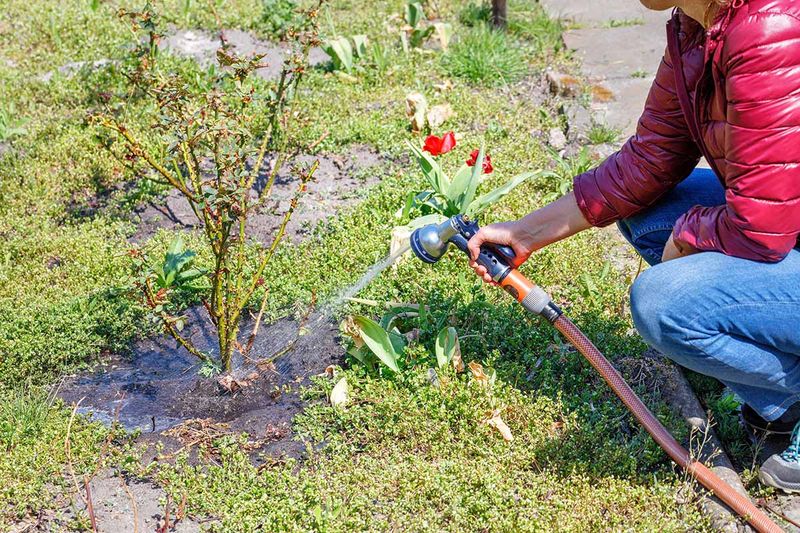
Watering in November feels a little silly at first. I remember standing there in a fleece hat, hose in hand, while neighbors raked leaves and gave me curious looks.
The method matters more than the moment. Aim for slow, deep watering right at the base of each bush. A gentle trickle from a hose for 15 to 20 minutes, or about 2 to 3 gallons for an established shrub, helps water reach the root zone.
Skip the sprinkler. Wet canes and leftover leaves invite fungus, and splashing water wastes most of the effort anyway.
Timing helps too. Water on a mild day when temperatures sit above freezing, ideally around midday. That gives moisture time to soak in before night temperatures drop.
Repeat every week or two during dry spells until the ground freezes. In southeastern areas around Philadelphia, that might stretch into December. Up in the northern tier, the window often closes sooner.
A quick rain check keeps things easy. About an inch of rain per week means you can relax. Less than that, and your roses will appreciate the extra help heading into the cold months.
Thirsty Rose Roots Struggle With Freeze And Thaw
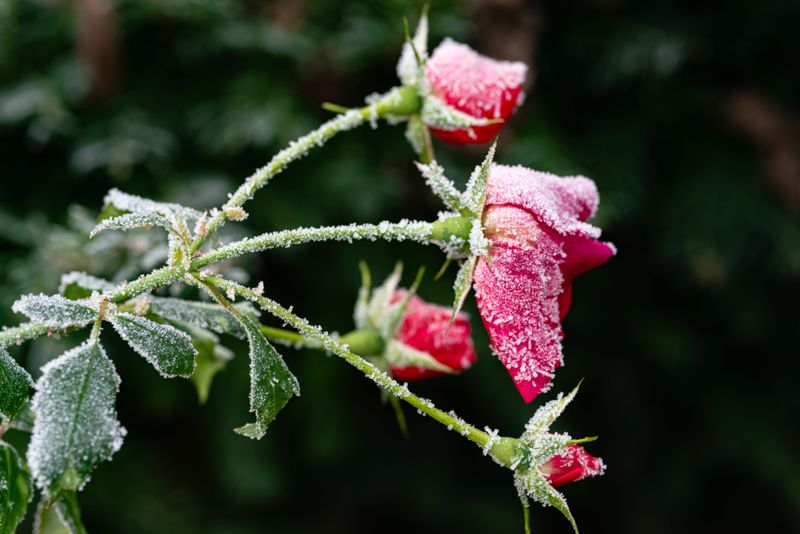
Pennsylvania winters love to play games. A frigid week gets followed by a 50-degree afternoon, then everything freezes again overnight.
Those swings create freeze-thaw cycles. Water in the soil expands as it freezes, and that movement can push shallow roots and young plants upward. Pennsylvania gardeners call this frost heaving, and it can leave the crown and roots exposed to harsh wind.
Moist soil actually holds heat better than dry soil. Damp ground changes temperature more slowly, which gives roots a steadier environment. Dry, fluffy soil swings hot and cold much faster.
A well-watered rose also has stored moisture in its canes. When frozen ground blocks water uptake in January, those reserves help the plant hold out until spring.
Newly planted roses are especially at risk. Their roots have not spread far yet, so they have little ability to reach deeper moisture. If you planted anything this year, give it extra attention.
Grafted roses deserve a close look too. The knobby bud union where the top joins the rootstock is the tender spot. Keeping that area protected and the roots hydrated gives the plant its best shot at a strong comeback.
Mound Soil Over The Rose Crown After The Ground Freezes
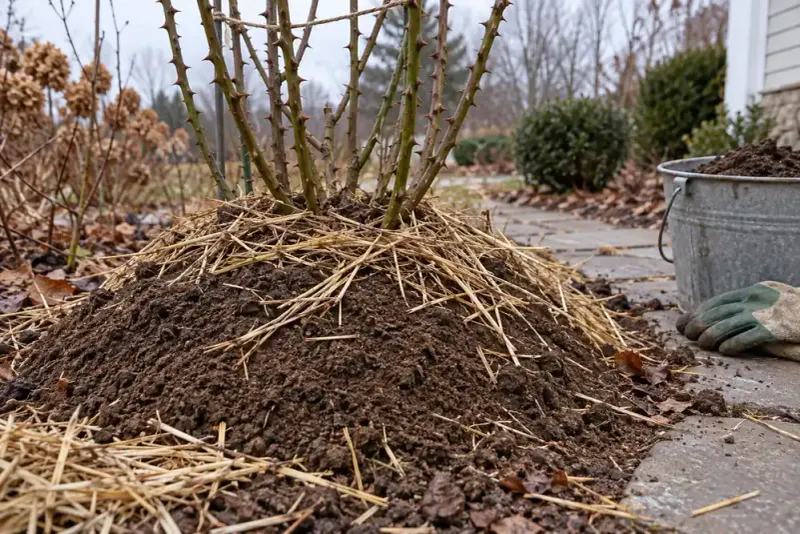
Old-time rosarians had a trick that still works beautifully. Once the ground starts freezing, they piled loose soil or compost right over the base of each bush.
That mound should be about 8 to 12 inches tall, covering the crown and bud union. It works like a cozy winter hat. The goal is to keep the base evenly cold, not warm, so it avoids those rapid temperature swings.
Bring in fresh compost or garden soil from another spot. Scraping soil from right around the rose exposes the very roots you want to protect.
After the mound settles, you can add shredded leaves, straw, or evergreen boughs on top. Many people use leftover holiday tree branches, which feels like a fun bit of recycling.
Wait for the right moment, though. Mounding too early, while the weather is still mild, can trap moisture and invite rodents looking for a warm home.
Hardy shrub roses, like many Knock Out types, usually need less fuss. Hybrid teas and grafted roses benefit the most. Come spring, gently pull the mound away once new growth starts and hard freezes have passed.
Rake Up Black Spot Leaves Before They Overwinter

Black spot is the rose disease that just will not take a hint. Its spores spend the winter tucked inside fallen leaves, waiting for spring rain to splash them back onto new growth.
A careful cleanup breaks that cycle. Rake up fallen rose leaves, old petals, and any shriveled flowers around your plants. Pull off diseased leaves still hanging on the canes too.
Bag that debris and put it in the trash. Most home compost piles do not get hot enough to reliably break down disease spores, so tossing infected leaves there can bring trouble back later.
Personally, I find this chore oddly satisfying. A tidy bed under each rose feels like a fresh start, and it makes the November watering easier to see and manage.
Do this before you add your winter mound or mulch. Otherwise you end up burying the problem right next to the plant.
Powdery mildew and some overwintering insects also hide in garden litter. Clearing the area reduces their hiding spots in one easy step.
Spring will still bring challenges, but your roses will start with far fewer unwanted guests waiting in the wings.
Put Those Rose Pruners Down Until Spring

Fall cleanup fever is real. You start tidying, and suddenly every tall rose cane looks like it needs a haircut.
Hold that thought. Heavy pruning in November can encourage tender new shoots on mild days, and that soft growth rarely survives the next hard freeze. Cuts also create fresh wounds right before the harshest weather.
Most Penn State and rose society guidance recommends saving major pruning for early spring. In much of the state, that lines up with forsythia blooming, which is a handy natural signal.
A few small trims are fine. Very tall canes on hybrid teas can whip around in winter wind and loosen the roots. Shortening them modestly, or tying them together loosely with soft twine, reduces that rocking.
Climbing roses deserve special care. Leave their long canes in place and secure them to their support so ice and wind do less harm.
Also, consider skipping deadheading late in the season. Letting the last flowers form rose hips sends a signal for the plant to slow down and prepare for dormancy. Bonus, those bright orange and red hips look lovely against a frosty backdrop.
Potted Roses Need A Sheltered Winter Spot
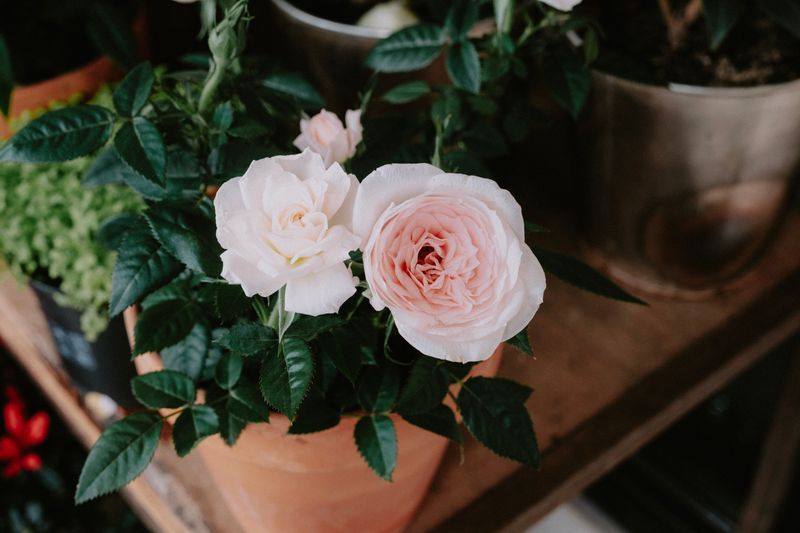
Container roses face a tougher winter than their garden cousins. Their roots sit above ground, surrounded only by a thin pot wall instead of deep, insulating soil.
Roots are far less cold-hardy than canes. A pot can freeze clear through on a frigid night, which is why moving it matters.
Once the plant goes dormant, slide the container into an unheated garage, shed, or sheltered porch corner.
You want it cold enough to stay dormant but protected from the worst blasts. Another option is burying the pot in a garden bed up to its rim.
Watering still counts here, maybe even more. Check the soil every few weeks and give a small drink when it feels dry. Dormant roots need very little, but bone-dry soil can leave them weak.
Wrapping the outside of large pots with burlap or bubble wrap adds extra insulation if moving them is not possible.
As a final takeaway, mark your calendar for one deep soak before the ground freezes this month. Add cleanup, a soil mound, and patient pruning. Those few simple habits can turn a shaky spring start into a season full of blooms.