The Florida Tree That Snaps First in Every Storm, and What to Plant Instead
After Hurricane Andrew, researchers counted which trees fell first. One common Florida shade tree landed near the top of the failure list. I still remember how shocked I felt reading that.
The tree grows fast and looks lovely for years. Its wood is weak and brittle inside. Many trunks also hide rot behind healthy-looking bark.
You probably drive past dozens of them every day. Some may even shade your own driveway or roof. I can’t stop looking up at big branches now.
The solution is simpler than you think. Sturdy native trees hold their ground in strong wind.
A few even shrug off hurricanes with barely a scratch. So which tree is the troublemaker, and what deserves its spot?
You Might Be Hosting a Hidden Weak Link in Your Yard
Walk any Florida street after a hurricane, and a pattern shows up fast. Certain big shade trees lie in pieces, while others nearby stand with only a few twigs missing.
That difference is no accident.
University of Florida researchers studied tree damage after several major storms, including Andrew, Erin, and the busy 2004 and 2005 seasons. Their surveys showed some species broke or toppled far more often than others.
One common oak stood out as a repeat offender.
What makes it sneaky is its looks. The tree grows quickly, stays green most of the year, and throws wide shade over yards and roofs.
Homeowners love it for those reasons, and builders often left it standing when they cleared land for neighborhoods.
Trouble builds slowly inside the trunk and limbs. By the time a tree reaches 40 or 50 years old, it may carry heavy branches on weak joints.
Hidden decay can also creep in where old limbs dropped off.
So that handsome giant near your house might be more fragile than it seems. Learning to spot it is your first step toward a safer, storm-ready yard.
Laurel Oaks and Water Oaks Earn Their Shaky Reputation
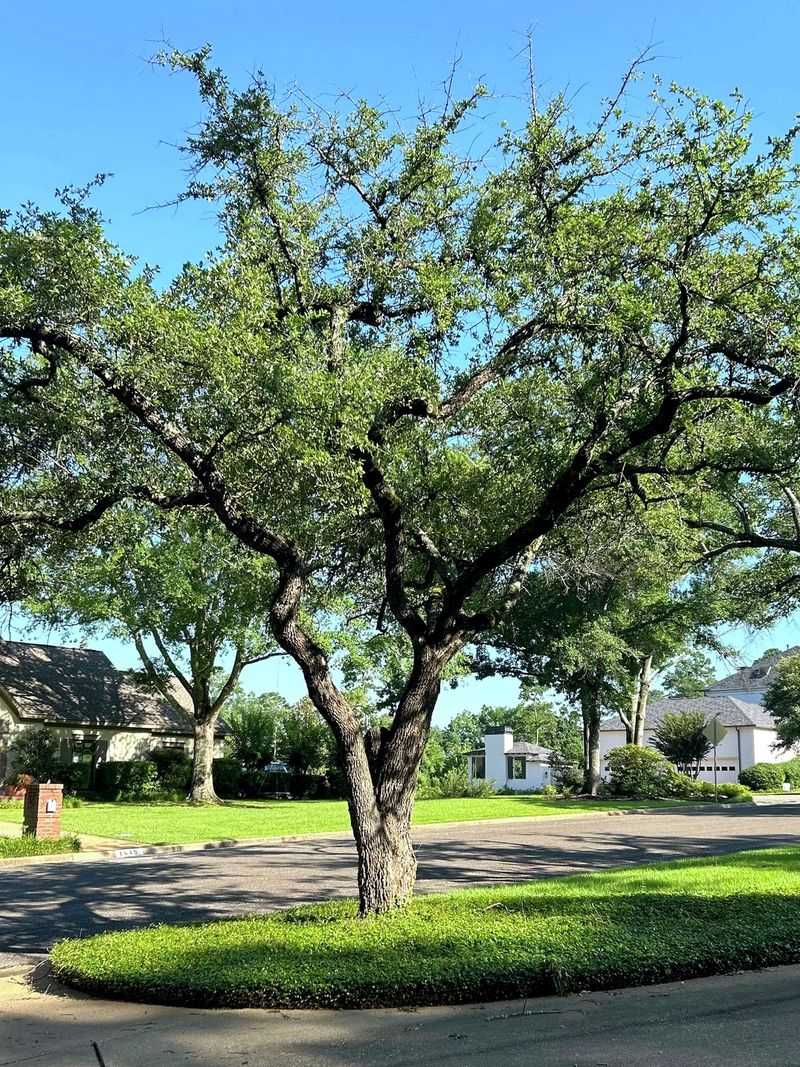
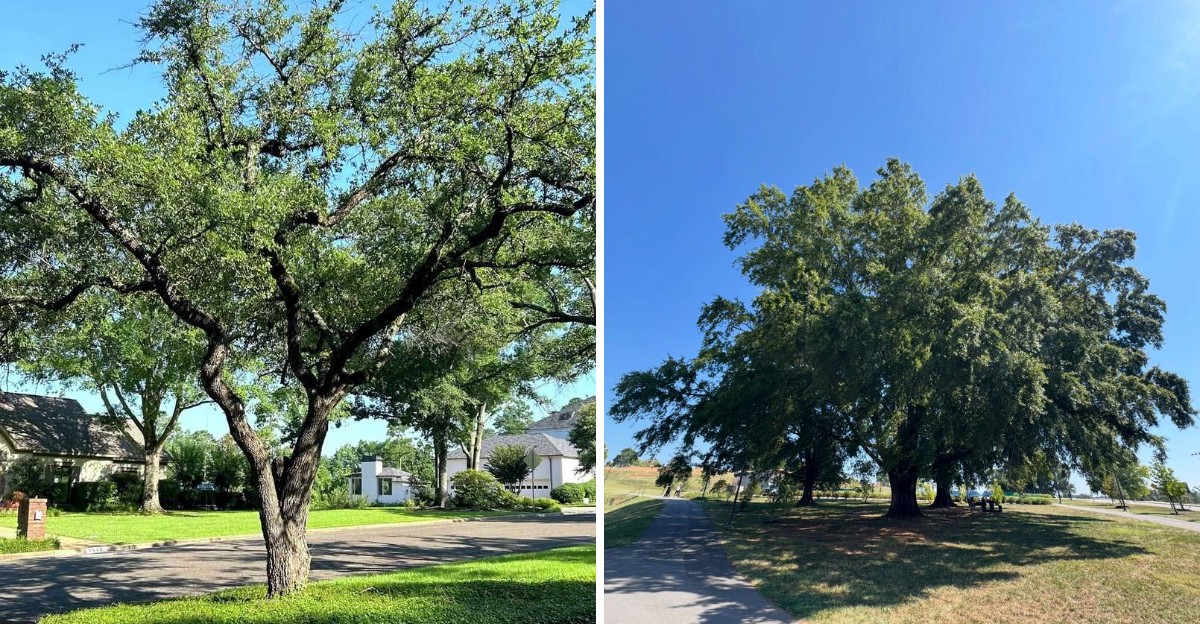
Meet the usual suspects: the laurel oak and its close cousin, the water oak. UF/IFAS storm studies ranked both among the trees with the lowest wind resistance in the state.
Speed is part of the problem. These oaks shoot up quickly, so their wood ends up softer and weaker than slow-growing species.
They also tend to form tight V-shaped forks where two trunks meet.
Those narrow forks trap bark inside the joint. Arborists call this included bark, and it acts like a crack waiting to open.
Strong gusts can split the whole tree right down the middle.
Age adds more risk. Laurel oaks often live only about 50 to 70 years, and heart rot is common in older trees.
A trunk can look solid outside while the center turns soft and hollow.
Water oaks share many of the same habits. They often grow in wet soil, which can loosen their grip during long, soaking storms.
None of this means every one will fall. Still, if you have a big, older laurel or water oak close to your house, it deserves a careful look before the next hurricane season arrives.
Storm Champions Share a Few Telltale Traits
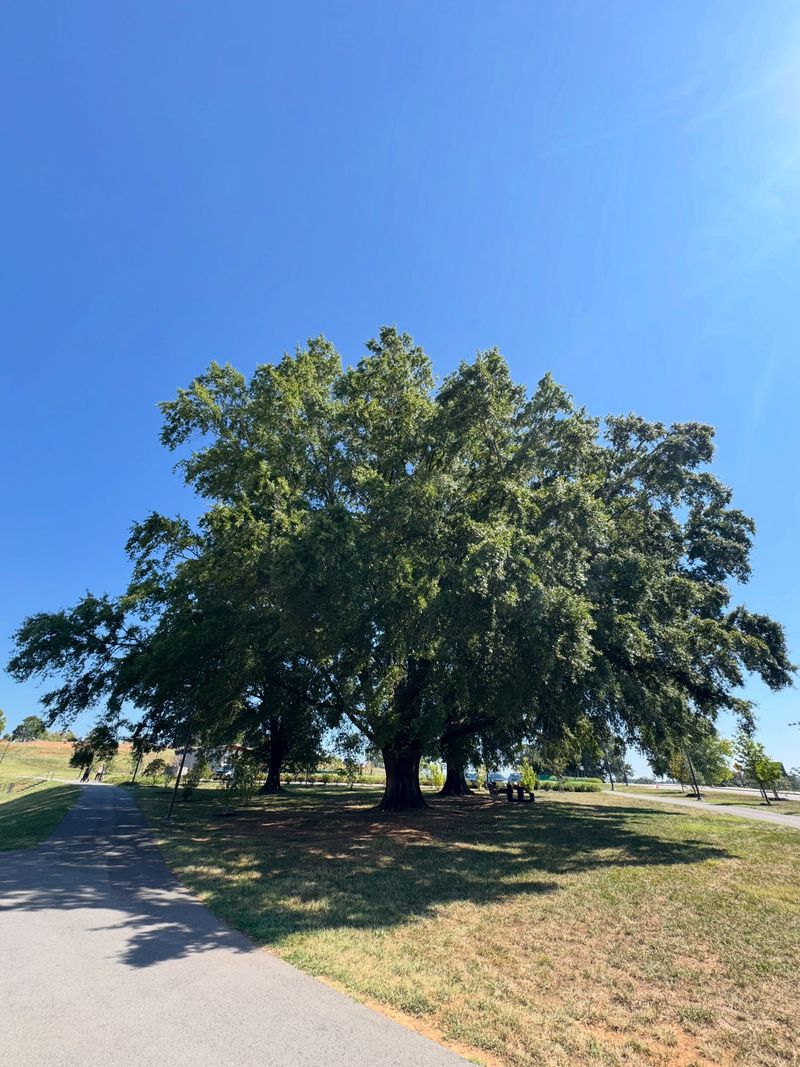
Ever notice how the toughest trees seem a little stocky? That is no coincidence.
Wind-resistant trees usually share several clear features you can learn to spot.
Dense, strong wood comes first. Slow-growing species pack their fibers tightly, so limbs bend instead of snapping.
Many of these trees also form one strong central trunk or wide, U-shaped branch joints.
Shape matters too. A low, spreading crown catches less wind than a tall, top-heavy one.
Smaller leaves and an open canopy let gusts pass through rather than pushing like a sail.
Roots tie it all together. Trees with deep, wide root systems hold the soil better, especially when heavy rain soaks the ground.
Space for those roots to spread is a big deal.
Native origin often helps as well. Many Florida natives evolved with hurricanes for thousands of years.
Over time, the weaker ones simply did not last, while the sturdy ones carried on.
Keep these traits in mind at the nursery. A quick check of wood strength, branch angles, and mature size will steer you toward trees that can handle rough weather with confidence.
These Natives Know How to Stand Tall
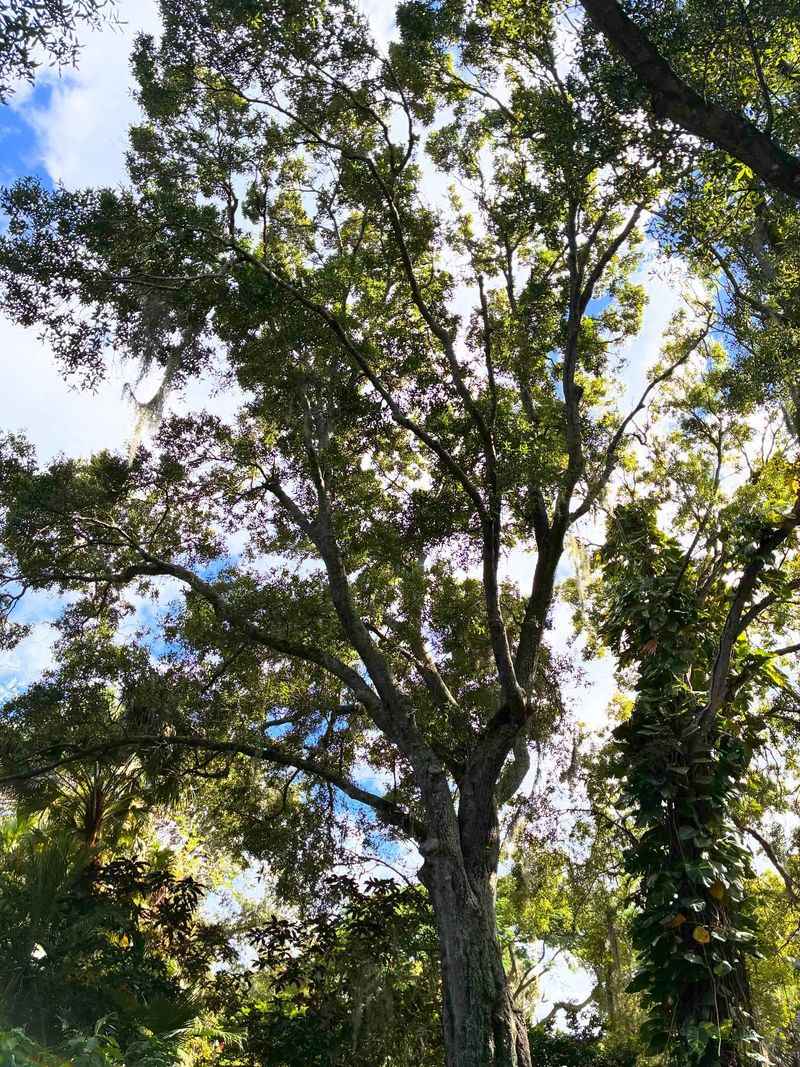
Live oak is the star of this lineup. In UF storm surveys, sand live oak and southern live oak ranked among the most wind-resistant trees studied.
Their dense wood and low, sprawling limbs hold up remarkably well.
Southern magnolia also performs nicely, with strong wood and a steady trunk. Bald cypress is another winner.
Its flexible branches and feathery needles let wind slip right through, and it handles soggy ground with ease.
South Florida gardeners have great choices too. Gumbo limbo, with its peeling copper bark, often loses leaves in a storm but keeps its trunk and main limbs.
Pigeon plum, sea grape, and sabal palm also earn high marks.
Speaking of sabal palms, our state tree is a true survivor. Its flexible trunk and compact head let it sway through gusts that topple bigger trees.
Match the tree to your region. North Florida yards suit live oak and magnolia, while gumbo limbo needs frost-free southern areas.
A local native plant nursery or your county extension office can help you choose the best fit for your soil and space.
Give Your New Trees the Strongest Start
A great tree planted badly can still fail. Smart planting choices matter almost as much as the species you pick.
Start with location. Keep large trees at least 15 to 20 feet from your house, and give them room to reach full size.
Check for overhead power lines and buried utilities before you dig.
Roots need wide, open space. UF research found trees with more root room stayed standing more often in hurricanes.
Small spots squeezed between sidewalks and driveways tend to produce shallow, weak anchoring.
Depth is a common mistake. Dig a hole two to three times wider than the root ball, but no deeper.
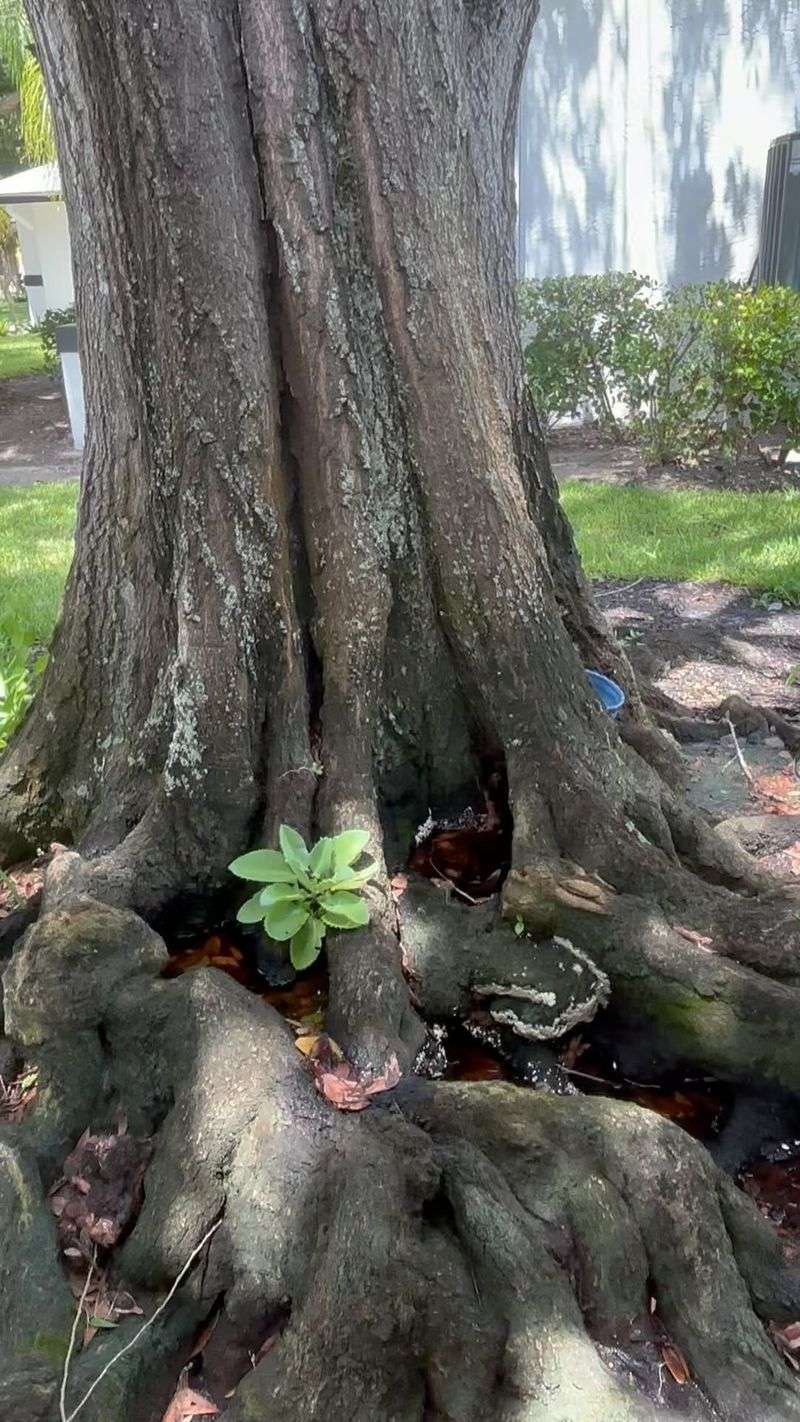
The root flare, where the trunk widens at the base, should sit right at or slightly above soil level.
Inspect the roots too. Circling roots can strangle a tree years later, so gently loosen or trim them before planting.
Fall through early spring works well for planting across much of Florida, since cooler weather reduces stress. Water deeply and often during the first months, then taper off as roots settle in and the tree begins pushing new growth.
A Little Pruning Now Saves Big Headaches Later
Young trees are like teenagers. A bit of guidance early shapes how they turn out years later.
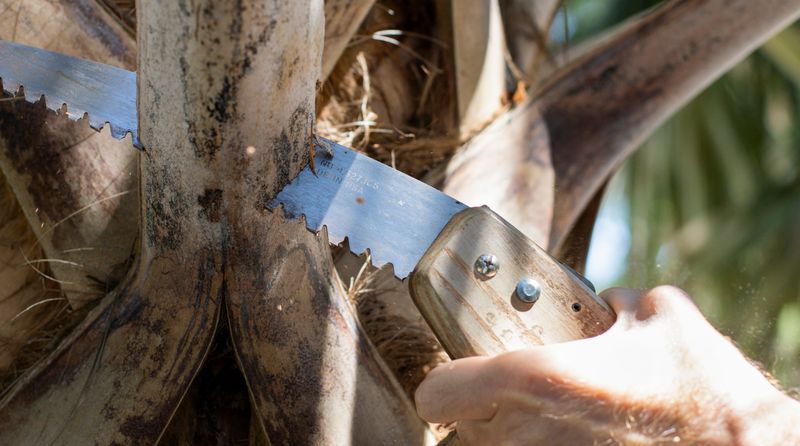
Structural pruning helps a tree grow one strong central trunk. During the first ten years or so, remove or shorten competing upright stems.
Also thin branches that form tight, narrow angles.
Spacing limbs along the trunk spreads out the weight. That simple step reduces the chance of one heavy section ripping away during a gust.
Avoid topping, please. Cutting off the top of a tree causes a flush of weak sprouts that break easily.
Lion-tailing, which strips inner branches and leaves tufts at the ends, also weakens trees in wind.
Timing matters too. Try to finish pruning well before hurricane season starts on June 1.
Piles of fresh branches at the curb can turn into flying debris if a storm arrives early.
Keep an eye out for warning signs each year. Mushrooms at the base, cracks, cavities, or dead branches can signal trouble.
Large trees are best handled by an ISA Certified Arborist, who has the training and gear to work safely.
Trees Planted in Groups Hold Up Better Together
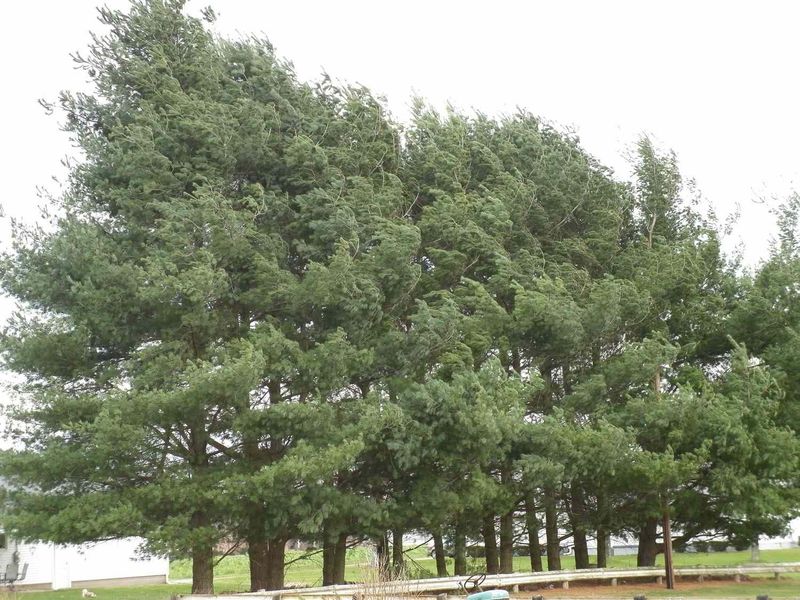
Lone trees face storms on their own. Groups, it turns out, often fare better.
UF studies after the 2004 hurricanes found that trees growing in clusters of five or more survived at higher rates than single specimens. Neighboring trees shelter one another and break up the force of the wind.
Roots play a part too. In a grouping, root systems spread and mingle under the same soil area.
That shared space can help keep each tree anchored firmly when gusts hit.
You do not need a forest to try this. Plant a small cluster of native trees in a corner of the yard, mixing taller and shorter species.
A live oak with a few sabal palms and some wax myrtle makes a nice combo.
Leave plenty of space between the group and your house, roof, or fence. Mulch the whole area instead of growing lawn right up to the trunks.
Bonus benefits come along for free. Clustered natives offer shade, food, and shelter for birds and pollinators.
Your yard ends up stronger and livelier at the same time.
Already Have a Risky Oak Nearby? Start Here
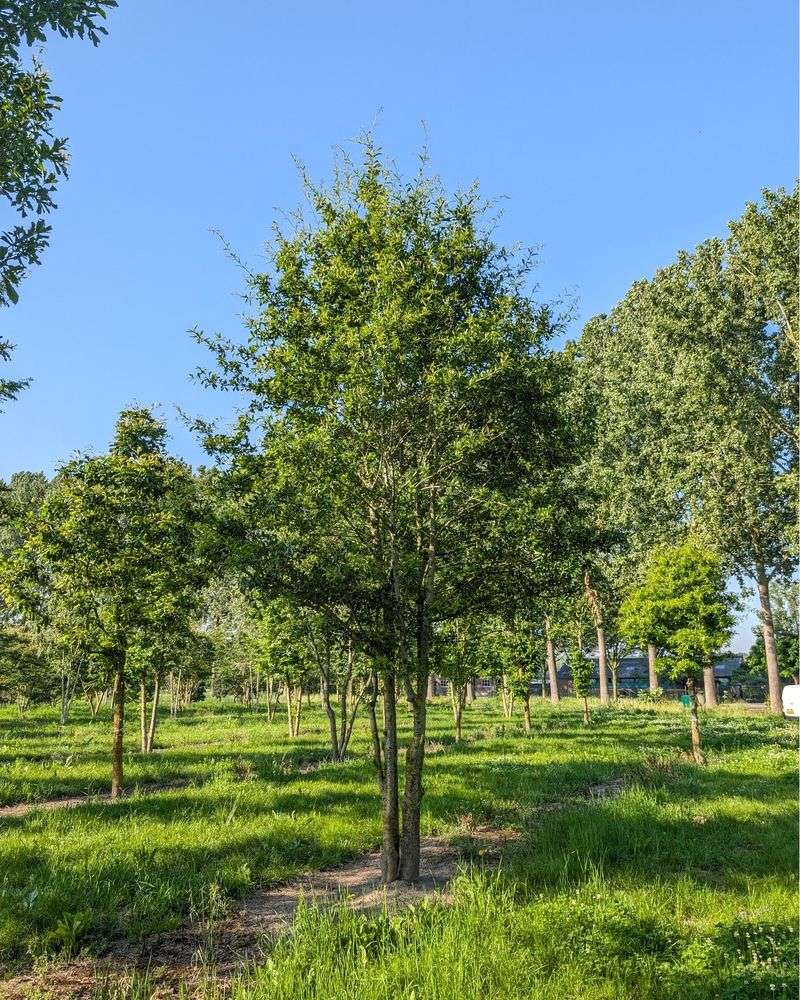
Finding a big laurel oak beside your bedroom window can feel unsettling. Take a breath, though.
Plenty of options exist besides panic.
A professional assessment is the smartest first move. An ISA Certified Arborist can check for decay, cracks, weak forks, and root problems.
Some use special tools to see inside the trunk without harming it.
Healthy trees may only need careful pruning. Reducing heavy limbs over the roof or thinning select branches can lower the load.
Cabling or bracing occasionally helps support a weak fork.
Sometimes removal is the safer choice, especially for old, hollow, or leaning trees near your home. Check with your city or county first, since many places in Florida require a permit to remove certain trees.
Then comes the fun part: replanting. Choose a sturdy native like live oak, southern magnolia, or gumbo limbo, depending on your region.
Plant it in a roomy spot with good soil.
A young tree takes time to grow, of course. Still, every year it adds strength, shade, and peace of mind when the next storm heads your way.